
ICEBREAKER VIDEO:
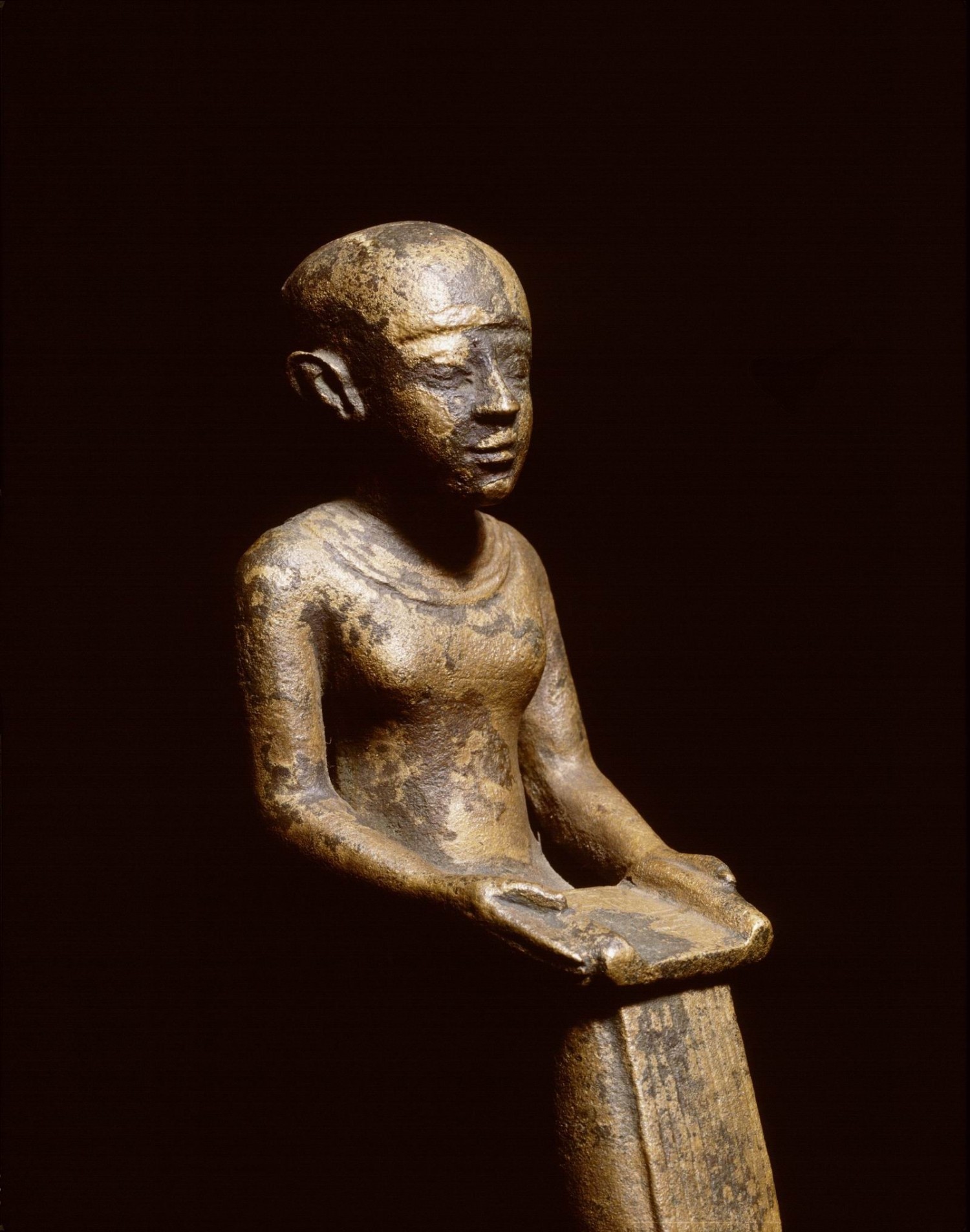
Imhotep (Egyptian ỉỉ-m-ḥtp, meaning “he who comes in peace”) was a high official, polymath, and later deified figure in ancient Egypt’s Third Dynasty (late 27th century BCE, roughly 2667–2600 BCE). He served under Pharaoh Djoser (also known as Netjerikhet) as chancellor/vizier, high priest of the sun god Ra at Heliopolis, chief of sculptors, and administrator of the Great Palace. Contemporary inscriptions on the base of a statue of Djoser confirm his elevated status and titles.
His most famous accomplishment was designing and overseeing construction of the Step Pyramid (Pyramid of Djoser) at Saqqara, near Memphis. This was the world’s first large-scale monument built of cut stone and the first pyramid. It began as a traditional mastaba (flat-roofed tomb) and was expanded in stages into a six-tiered structure about 62 meters (200 feet) high, surrounded by a vast funerary complex with courtyards, chapels, and underground galleries. It marked a major architectural breakthrough that influenced later Egyptian pyramids, including those at Giza.
Later traditions (from the New Kingdom onward, and fully by the Late/Persian period around the 6th–5th centuries BCE) elevated him further. He was remembered as a physician who treated illness as natural rather than purely supernatural, linked to texts such as the Edwin Smith Papyrus (describing injuries and treatments). He was also credited as a mathematician, astronomer, poet, and sage. One of only a few non-royal Egyptians to be fully deified, he became a god of medicine, wisdom, and architecture. The Greeks equated him with Asclepius; his cult thrived into the Greco-Roman era. A later legend (on the Ptolemaic-period Famine Stela) credits him with ending a seven-year famine during Djoser’s reign.
While the architectural role is strongly supported by his titles and the monument’s innovations, the medical and scientific attributions rest more on later traditions than on contemporary records. He remains one of the earliest named individuals in history associated with major architectural and intellectual achievements.
Pop the document out from the upper right to read / expand / download
Sources:


You must be logged in to post a comment.