
POLITICS
“No Sell Out” Keith LeBlanc and Malcolm X and Supplemental_On the Side of My People: A Religious Life of Malcolm X by Louis A. DeCaro Jr.
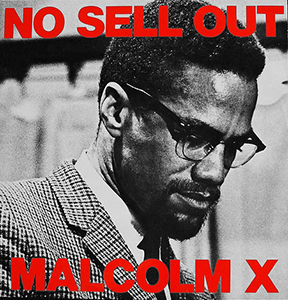
Photo-story montage of Malcolm X’s life, featuring archival images from his prison years, family moments, public speeches, travels, and activism, set to Keith LeBlanc’s 1984 track “No Sell Out” that samples his voice.
rbg4lif (bka RBGStreetScholar) operates RBG Communiversity, a blog and resource hub dedicated to Black Studies, Pan-African education, and Nationhood topics, regularly posting books, syllabi, videos, and materials on figures like Malcolm X, Amos N. Wilson, and historical resistance movements.
This Post ends by directing viewers to the account’s eLibrary for a comprehensive Malcolm X digital archive, aligning with the account’s focus on self-education in Black history and uncompromising principles towards self-determination and National Independence.
Pop the document out from the upper right to read / expand / download

Supplemental: On the Side of My People: A Religious Life of Malcolm X (eBook Preview, 38 pp.)
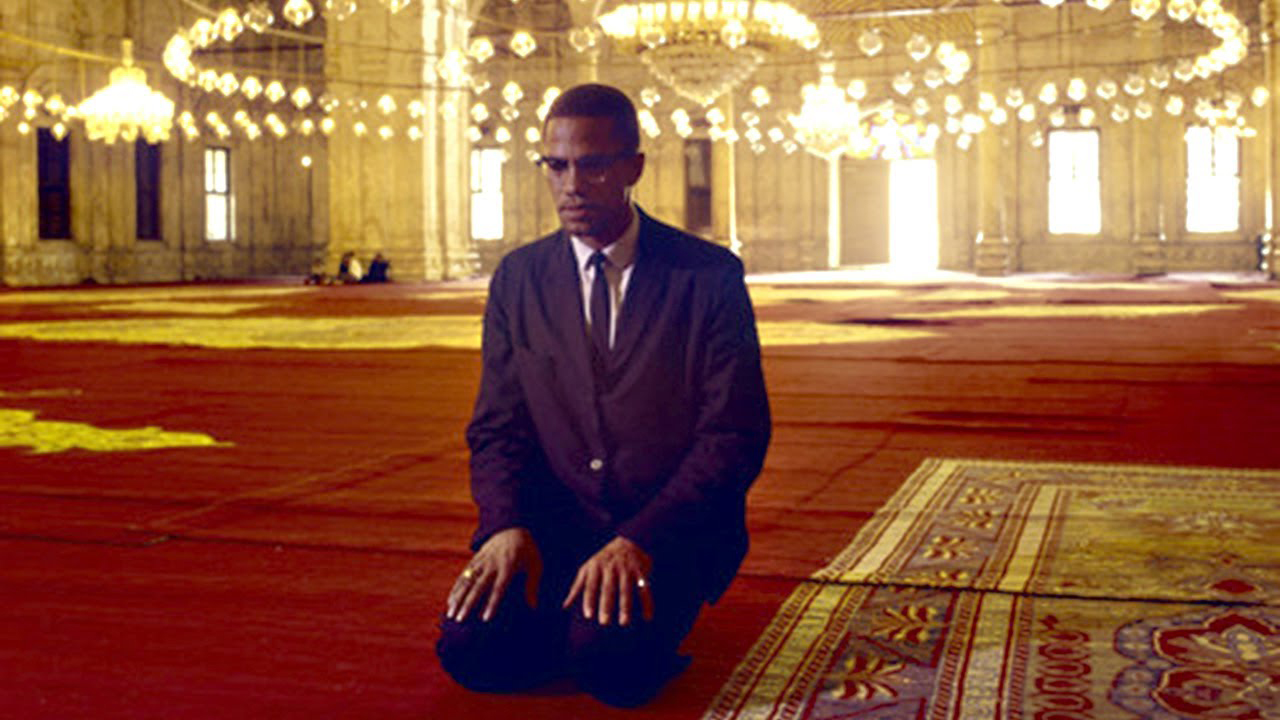
On the Side of My People: A Religious Life of Malcolm X is a groundbreaking biography written by Louis A. DeCaro Jr. and published by NYU Press in 1996. It stands out as the very first book-length evaluation of Malcolm X’s life focused strictly through a religious lens, reframing a figure who is most commonly analyzed through a purely political or cultural viewpoint.
Here is a structured overview of the book’s core focus, sources, and breakdown:
Core Objectives & Themes
1. Redemption and Spirituality: DeCaro presents Malcolm X as a “man of Allah” driven primarily by personal salvation and religious commitment rather than solely political ambitions.
2. Religious Evolution: The book examines his dual conversions—joining the Nation of Islam (NOI) in prison and later embracing orthodox Sunni Islam after his 1964 pilgrimage to Mecca—alongside his childhood roots, his 1959 Africa trip, and his final year of traditional practice.
3. Critical Analysis: It also analyzes The Autobiography of Malcolm X to understand how his life narrative was curated alongside Alex Haley.
Research Foundations
DeCaro constructs this spiritual portrait using primary materials including interviews with Wilfred Little, declassified FBI files, Black press archives, and audio recordings of speeches and sermons.
Main Chapter Directory
The 10-chapter structure traces his path from his ancestral and Garveyite roots through his early ministry, his split from the Nation of Islam, and his final year as a traditional Muslim convert.
Pop the document out from the upper right to read / expand / download
Learn more in RBG Communiversity’s eLibrary | Minister Malcolm X “A Comprehensive Achieve” Folder

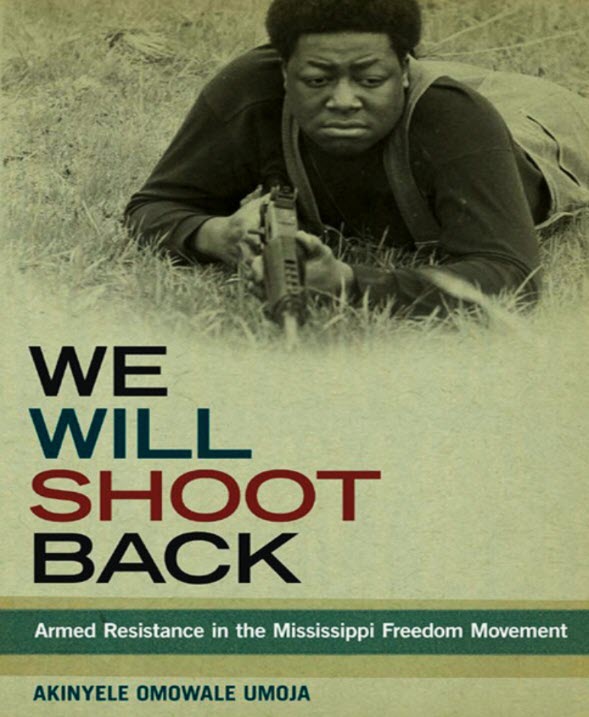
We Will Shoot Back Armed Resistance in the Mississippi Freedom Movement (Akinyele Omowale Umoja)
Book Summary
Key Overview
The book fundamentally challenges the dominant narrative of the 1950s and 1960s Southern Civil Rights Movement, which often portrays the struggle as exclusively nonviolent. Umoja demonstrates that armed self-defense was not a contradiction to nonviolent organizing in Mississippi, but rather an essential component that protected activists, families, and communities from Black white-supremacist terror (such as the Ku Klux Klan and state-sanctioned violence).
Core Themes & Arguments
Protection of Nonviolent Organizers: Local Black Mississippians often provided armed security for nonviolent civil rights workers from organizations like SNCC (Student Nonviolent Coordinating Committee) and CORE (Congress of Racial Equality).
Grassroots Tradition: Armed resistance in Mississippi was deeply rooted in the culture and history of Black working-class communities and military veterans returning from WWII and the Korean War.
Key Organizations & Figures: The book details local self-defense efforts, including the formation of local militias and the role of groups like the Deacons for Defense and Justice, as well as prominent local leaders like Laura McGhee, E.W. Steptoe, and Hartman Turnbow.
Path to Black Power: Umoja traces how local experiences with self-defense directly informed the shift toward the broader Black Power movement in the mid-to-late 1960s.
About the Author
Akinyele Omowale Umoja is a professor of African American Studies at Georgia State University. He is an educator, author, and longtime activist in the New Afrikan Independence Movement.
Armed self-defense is the use of force—often including firearms—to protect oneself, family, or community from an imminent unlawful attack when the state cannot or will not provide protection. In U.S. history it has been both a legal right and a contested political strategy, especially in periods of official indifference to racial violence.In the Mississippi Freedom Movement that the shared book examines, historian Akinyele Omowale Umoja argues armed resistance was not a sideshow but essential. Local Black residents and veterans organized informal patrols and later groups modeled on the Deacons for Defense and Justice (founded 1964 in Jonesboro, Louisiana) to guard organizers, churches, and neighborhoods against Klan night riders and police-Klan collusion.
Umoja’s central claim is that this activity reduced fear, deterred attacks, and made nonviolent campaigns by SNCC, CORE, and the NAACP possible in places where federal protection was absent. Figures such as Medgar Evers privately favored organized self-defense; Freedom Summer field workers routinely encountered armed local people even while national leaders publicly preached nonviolence.
This pattern predates the 1960s. Robert F. Williams in Monroe, North Carolina, formed an NRA-chartered Black Armed Guard in the 1950s after Klan attacks and later wrote Negroes with Guns. Earlier still, Ida B. Wells and W.E.B. Du Bois endorsed armed protection against lynching. The common thread is that when local law enforcement sided with attackers, communities treated self-defense as a practical necessity rather than an ideological choice.
U.S. law treats self-defense as an affirmative defense with four core requirements: an imminent threat, a reasonable belief that force is necessary, proportionality, and (in most cases) that the defender did not initiate the confrontation. Every state recognizes some version of the castle doctrine—no duty to retreat inside one’s home. Roughly 30–38 states have added “stand your ground” statutes that remove the duty to retreat in any place a person is lawfully present. Duty-to-retreat states still exempt the home. These rules do not authorize preemptive or retaliatory violence; they only excuse force used against an immediate threat.
Empirical estimates of how often guns are used defensively vary sharply because of survey design. The National Crime Victimization Survey (NCVS) consistently finds 60,000–65,000 defensive firearm incidents per year, a small fraction of total violent crime. Private telephone surveys, most famously Kleck and Gertz (1995), have produced figures of 2 million or more. Methodological disputes—recall bias, what counts as a “use,” whether the incident was actually criminal—have never been fully resolved. Both sides agree that most reported defensive uses involve display rather than shots fired, and that the legal and physical risks after a shooting remain high.
The historical record and the statistical debate illustrate the same tension: armed self-defense can deter attackers and buy time when institutions fail, yet it also carries risks of escalation, misidentification, and unequal legal outcomes. In the specific setting of 1960s Mississippi, the evidence Umoja assembles suggests it functioned as a complement to, rather than a replacement for, political organizing and legal pressure. Contemporary arguments continue to turn on whether those conditions of state failure still exist and how the costs of private armed force should be weighed against its benefits.
We Will Shoot Back by Akinyele Umoja Playlist 16 Videos
Pop the document out from the upper right to read / expand / download
Pop the document out from the upper right to read / expand / download
Chairman Omali Yeshitela delivers groundbreaking 2026 Political Report and Vote Self-Determination—We’re Not Going Back! , Black Black is Back Coalition 18th Annual Conference and Sunday Study – Our Party Intends to Govern!
Last Updated September 14, 2026

Welcome to “Remember Durban—Reparations Now!” the 18th Annual Conference of the Black is Back Coalition for Social Justice, Peace and Reparations
https://theburningspear.com/category/Uhuru-Movement/Black-is-Back-Coalition-BIB
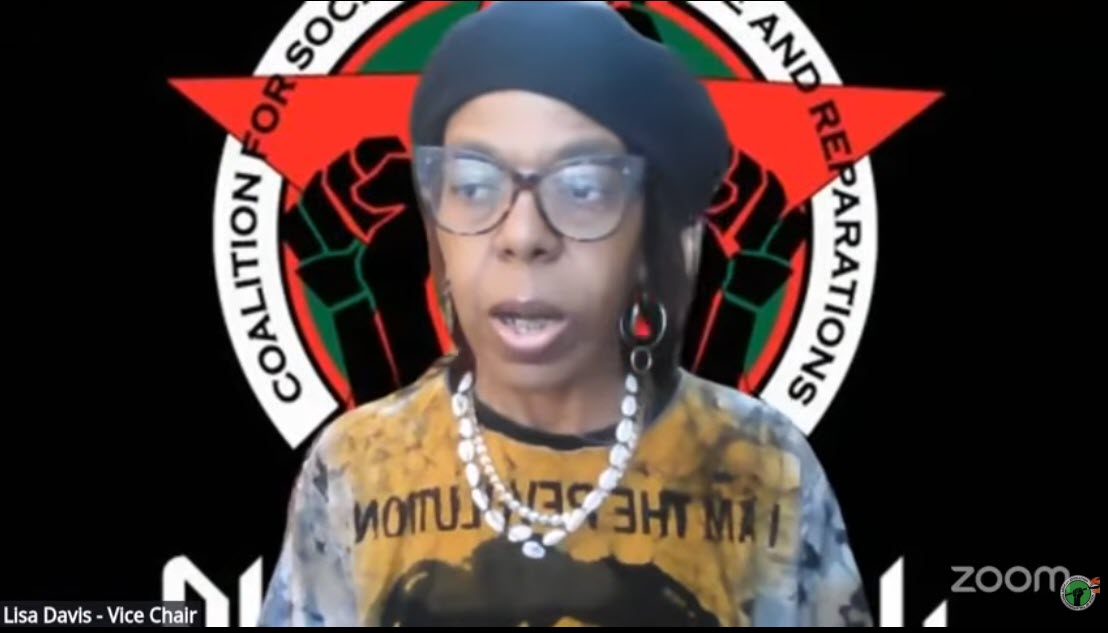
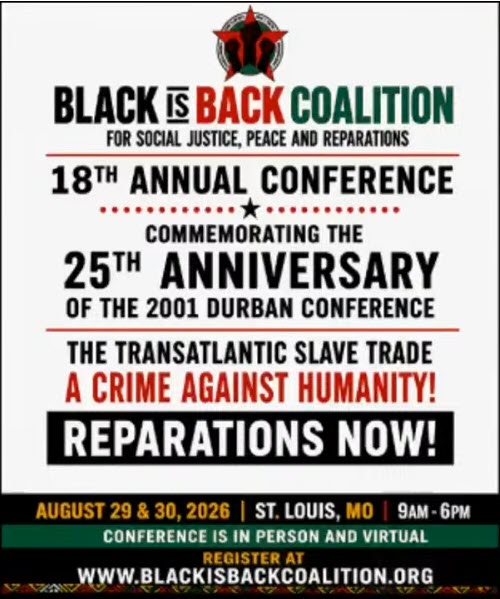
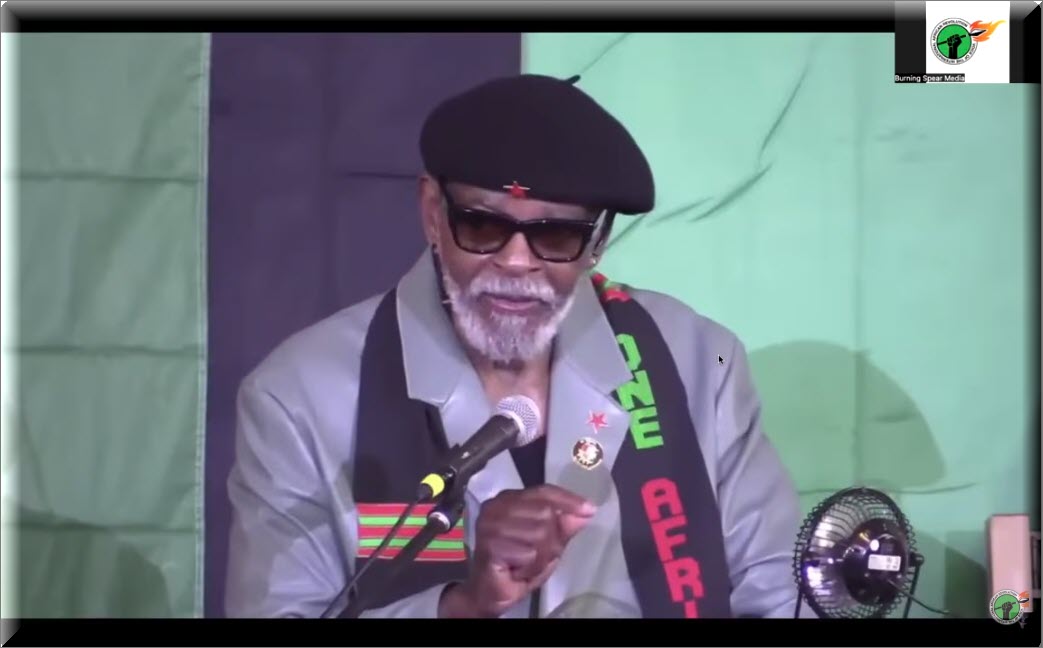
The Burning Spear TV_Chairman Omali Yeshitela delivers groundbreaking 2026 Political Report and Vote Self-Determination
Chairman Omali Yeshitela’s 2026 Political Report was officially broadcast on The Burning Spear TV, delivering a core anti-colonial analysis focused on African liberation, imperialist resistance, and the advancement of the Uhuru Movement.
Key Highlights of the Report
- Anti-Colonial Directives: The report provides the primary ideological framework for the African People’s Socialist Party (APSP), emphasizing that modern imperialist actions remain deeply rooted in historical colonial structures.
- Electoral Politics: Yeshitela outlines strategic methods to inject revolutionary anti-colonial politics into mainstream electoral arenas, referencing recent Uhuru movement campaigns.
- Global Solidarity Networks: The presentation emphasizes building international unity against U.S.-led imperialism, demanding reparations, and connecting the struggles of African people with globally oppressed populations. [1, 2, 3]
- Building Dual Power: The address emphasizes organizing community-led economic and health infrastructure, such as the One Africa! One Nation! Uhuru Flea Marketplaces, to establish independent African community control. [1]
Vote Self-Determination—We’re Not Going Back! The Burning Spear TV
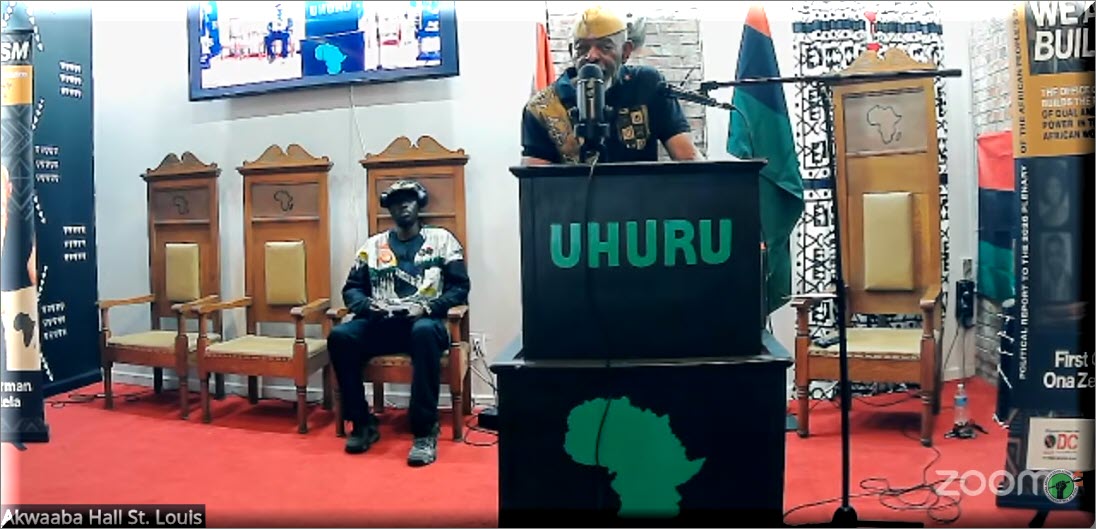
African Internationalism-slides
This week’s #OmaliTaughtMe Sunday Study, Chairman Omali Yeshitela reads from the Political Report to the African People’s Socialist Party’s 2017 Plenary, on “What Will a Liberated Africa Look Like?” The study material is available at this link: We’ll be reading pages 41-45. A positive vision for the future under the leadership of the African working class!
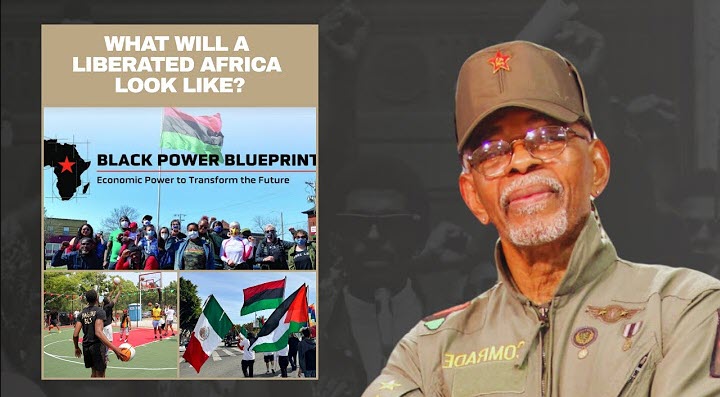
The Burning Spear TV_Black Community Rally

African Resistance Now: InPDUM’s News Column
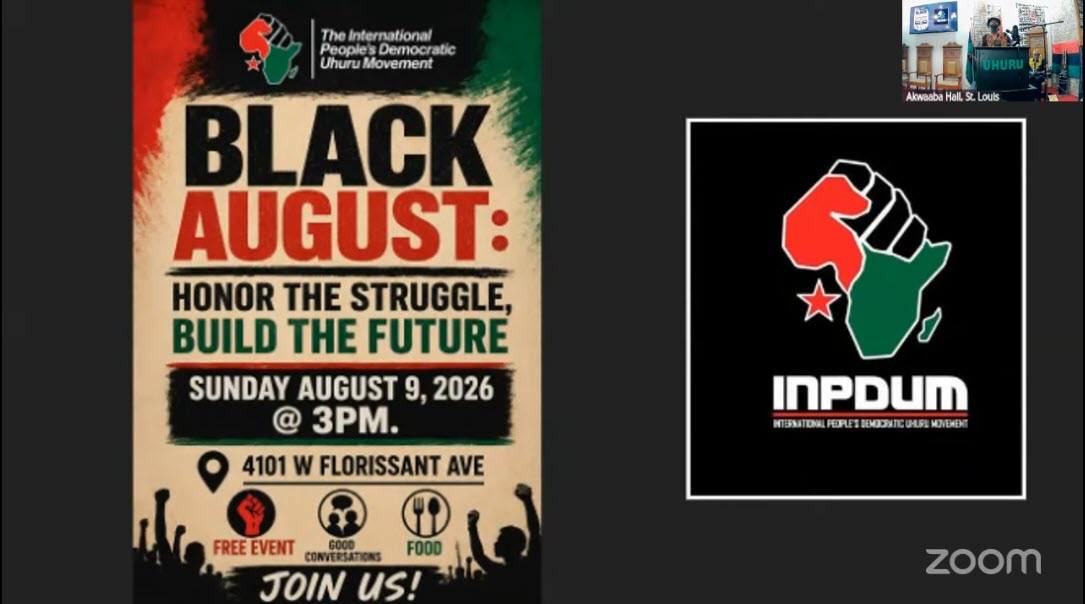
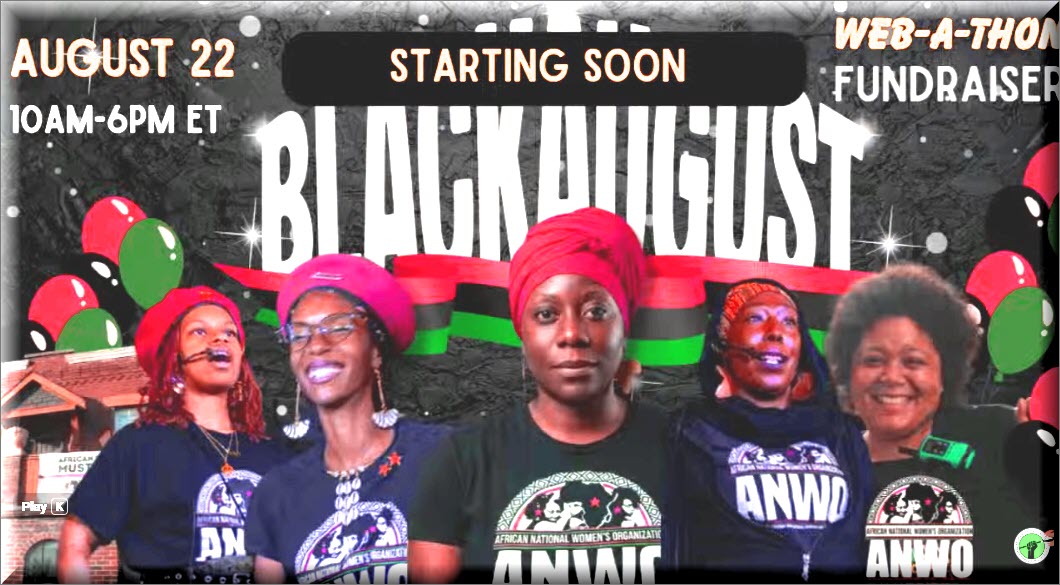
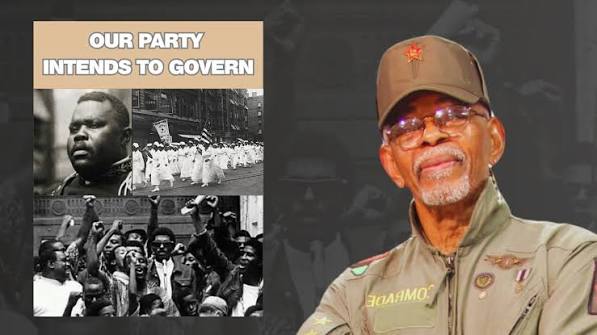
#OmaliTaughtMe Sunday Study – Our Party Intends to Govern!
The Burning Spear TV
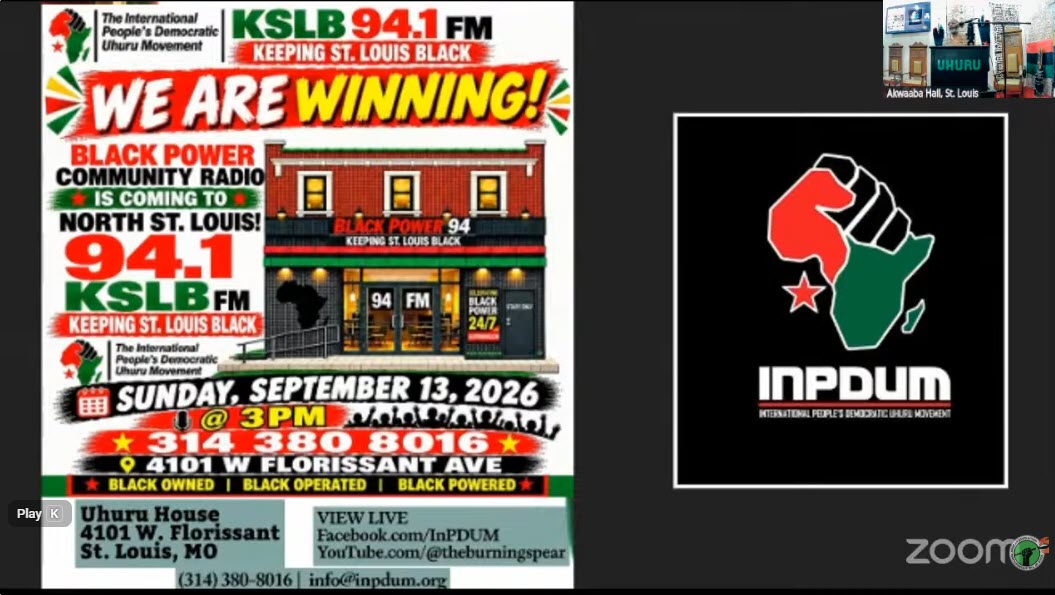
Learn more in: RBG Communiversity Knowlege Media eLibrary
Chm. Omali and Uhuru Movement Folder
The George Floyd Uprising: An Anthology, by Vortex Group: eBook, Podcast and Audiobook and Video Playlist
Last Updated September 20, 2026
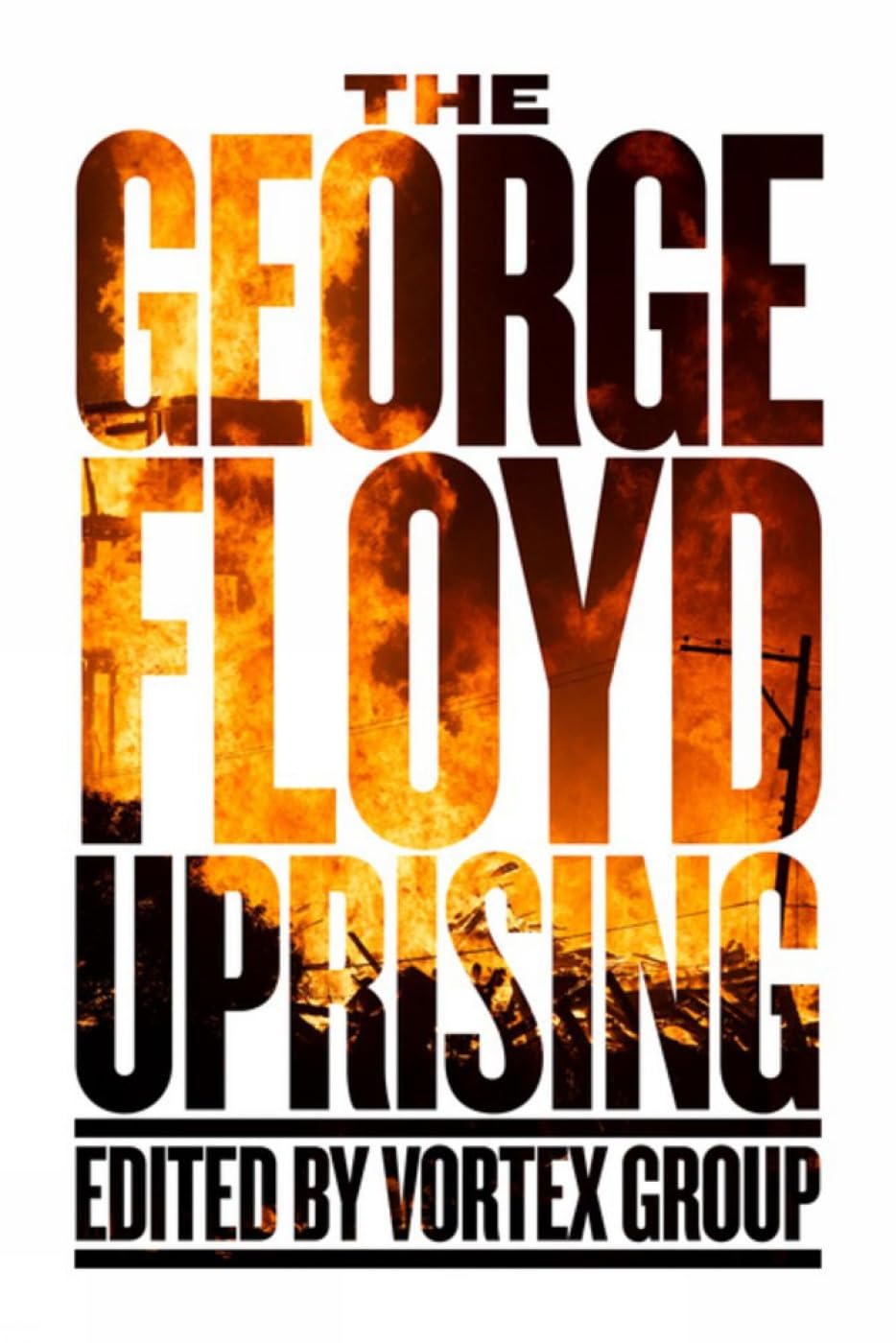
Written during the riots, The George Floyd Uprising is a compendium of the most radical writing to come out of that long, hot summer. These incendiary dispatches—from those on the frontlines of the struggle—examines the revolt and the obstacles it confronted. It paints a picture of abolition in practice, discusses how the presence of weapons in the uprising and the threat of armed struggle play out in an American context, and shows how the state responds to and pacifies rebellions. The George Floyd Uprising poses new social, tactical, and strategic plans for those actively seeking to expand and intensify revolts of the future. This practical, inspiring collection is essential reading for all those hard at work toppling the state and creating a new revolutionary tradition. (From: Amazon)
Book Summary
Overview:
“The George Floyd Uprising: An Anthology” compiled by the Vortex Group is a collection of essays, reflections, and artistic contributions that respond to the events surrounding the murder of George Floyd on May 25, 2020, and the subsequent protests and social movements that erupted across the United States and around the world. The anthology captures the multifaceted nature of the uprising, providing insights into systemic racism, police brutality, and the power of collective action. It serves as a platform for diverse voices, highlighting personal narratives, scholarly analysis, and creative expressions that emerged during this pivotal moment in history.
Outline:
- Introduction
- Purpose of the anthology
- Overview of George Floyd’s murder and its impact on society
- The significance of collective voices in the narrative of the uprising
- Chapter 1: Historical Context
- Examination of systemic racism in America
- The history of police violence against Black communities
- Preceding movements leading to the uprising (e.g., Black Lives Matter)
- Chapter 2: The Incident
- Detailed account of George Floyd’s murder
- Public reaction and initial responses to the video footage
- The role of social media in mobilizing protests
- Chapter 3: The Uprising
- Description of the protests and demonstrations that followed
- Analysis of the diverse participants and their motivations
- The spread of the movement across the globe
- Chapter 4: Artistic Responses
- Exploration of artistic expressions that emerged during the uprising
- Contributions from poets, musicians, and visual artists
- The role of art in activism and community healing
- Chapter 5: Voices of Activists
- Personal narratives from activists involved in the protests
- Reflections on the challenges faced and lessons learned
- Perspectives on the future of the movement
- Chapter 6: Institutional Responses
- Reactions from political leaders and institutions
- Discussion of policy changes and reforms proposed in response to the uprising
- Critiques of insufficient or performative actions by authorities
- Chapter 7: The Aftermath
- Examination of the long-term impacts of the uprising on society
- Ongoing struggles against systemic racism and police brutality
- The importance of sustained activism and community engagement
- Conclusion
- Summary of key themes and takeaways from the anthology
- Call to action for continued advocacy and solidarity
- Reflection on the legacy of George Floyd and the uprising
Conclusion:
“The George Floyd Uprising: An Anthology” serves as a crucial resource for understanding the complexities of the events surrounding George Floyd’s murder and the broader implications for society. By bringing together diverse voices and perspectives, the anthology provides a comprehensive examination of systemic racism, activism, and the power of collective action, encouraging readers to reflect on their roles in the ongoing fight for justice and equality.
“The George Floyd Uprising: An Anthology,” compiled by the Vortex Group, is a significant contribution to the discourse surrounding the events that followed George Floyd’s murder and the global response to systemic racism and police brutality. Here’s a more detailed exploration of the anthology’s themes, contributions, and its broader significance:
Key Themes and Insights:
- Systemic Racism:
- The anthology delves into the roots of systemic racism in the United States, examining how historical injustices have shaped contemporary society. Contributors discuss the long-standing patterns of discrimination and inequality that led to the eruption of protests following Floyd’s death.
- The Role of Social Media:
- Social media played a crucial role in amplifying the message of the uprising. The anthology highlights how platforms like Twitter, Instagram, and Facebook were used to mobilize protests, share information, and create a sense of global solidarity. The viral nature of the video showing Floyd’s murder catalyzed widespread outrage and action.
- Diversity of Voices:
- The anthology features a wide range of contributions, including essays, poems, personal narratives, and artistic expressions. This diversity reflects the multifaceted nature of the uprising, showcasing perspectives from activists, artists, scholars, and everyday individuals who experienced the events firsthand.
- Art as Activism:
- Many contributors emphasize the power of art in addressing social issues. The anthology includes poetry, visual art, and music that emerged in response to the uprising. These artistic expressions serve not only as a form of protest but also as a means of healing and community building.
- Personal Narratives:
- The anthology includes personal accounts from activists and ordinary citizens who participated in the protests. These narratives provide a human element to the broader political movement, illustrating the emotions, challenges, and victories encountered during the uprising.
- Institutional Responses:
- Contributors analyze the responses from government officials, law enforcement, and institutions following the protests. The anthology critiques both the positive changes proposed (such as police reform and accountability measures) and the superficial or performative actions that ultimately fall short of addressing systemic issues.
- Long-Term Impact:
- The anthology discusses the lasting effects of the uprising on American society and beyond. Contributors reflect on the ongoing struggles against racism, the need for sustained activism, and the importance of community engagement in effecting real change.
- Call to Action:
- Throughout the anthology, there is a strong call to action for readers to remain engaged in the fight for justice and equality. Contributors urge individuals to educate themselves, support grassroots movements, and actively participate in ongoing efforts to dismantle systemic racism.
Broader Significance:
- Historical Context:
- The anthology situates the events of 2020 within a larger historical framework of civil rights movements and struggles for racial justice, emphasizing that the fight against racism is ongoing and requires collective effort.
- Legacy of George Floyd:
- George Floyd’s death serves as a symbol of the urgent need for change. The anthology honors his legacy by highlighting the movement that arose in response to his murder, encouraging readers to reflect on how they can contribute to the fight against injustice.
- Educational Resource:
- As a comprehensive collection of diverse perspectives, the anthology serves as an educational resource for those seeking to understand the complexities of the Black Lives Matter movement and the broader implications for social justice.
- Global Perspective:
- The anthology underscores that the issues raised during the uprising are not confined to the United States; they resonate globally. Contributors from various backgrounds and regions share their experiences, highlighting the interconnected nature of struggles against racism and oppression.
Conclusion:
“The George Floyd Uprising: An Anthology” is a vital collection that captures the essence of a transformative moment in history. By bringing together diverse voices and perspectives, the anthology not only documents the events surrounding George Floyd’s murder and the subsequent uprising but also serves as a powerful call for continued activism, solidarity, and reflection on the ongoing fight for justice and equality. It encourages readers to engage thoughtfully with these issues and to recognize their role in shaping a more equitable future.

Pop the document out from the upper right to read / expand / download.


You must be logged in to post a comment.