
LIBERATION
We Will Shoot Back Armed Resistance in the Mississippi Freedom Movement (Akinyele Omowale Umoja)

Book Summary
Key Overview
The book fundamentally challenges the dominant narrative of the 1950s and 1960s Southern Civil Rights Movement, which often portrays the struggle as exclusively nonviolent. Umoja demonstrates that armed self-defense was not a contradiction to nonviolent organizing in Mississippi, but rather an essential component that protected activists, families, and communities from Black white-supremacist terror (such as the Ku Klux Klan and state-sanctioned violence).
Core Themes & Arguments
Protection of Nonviolent Organizers: Local Black Mississippians often provided armed security for nonviolent civil rights workers from organizations like SNCC (Student Nonviolent Coordinating Committee) and CORE (Congress of Racial Equality).
Grassroots Tradition: Armed resistance in Mississippi was deeply rooted in the culture and history of Black working-class communities and military veterans returning from WWII and the Korean War.
Key Organizations & Figures: The book details local self-defense efforts, including the formation of local militias and the role of groups like the Deacons for Defense and Justice, as well as prominent local leaders like Laura McGhee, E.W. Steptoe, and Hartman Turnbow.
Path to Black Power: Umoja traces how local experiences with self-defense directly informed the shift toward the broader Black Power movement in the mid-to-late 1960s.
About the Author
Akinyele Omowale Umoja is a professor of African American Studies at Georgia State University. He is an educator, author, and longtime activist in the New Afrikan Independence Movement.
Armed self-defense is the use of force—often including firearms—to protect oneself, family, or community from an imminent unlawful attack when the state cannot or will not provide protection. In U.S. history it has been both a legal right and a contested political strategy, especially in periods of official indifference to racial violence.In the Mississippi Freedom Movement that the shared book examines, historian Akinyele Omowale Umoja argues armed resistance was not a sideshow but essential. Local Black residents and veterans organized informal patrols and later groups modeled on the Deacons for Defense and Justice (founded 1964 in Jonesboro, Louisiana) to guard organizers, churches, and neighborhoods against Klan night riders and police-Klan collusion.
Umoja’s central claim is that this activity reduced fear, deterred attacks, and made nonviolent campaigns by SNCC, CORE, and the NAACP possible in places where federal protection was absent. Figures such as Medgar Evers privately favored organized self-defense; Freedom Summer field workers routinely encountered armed local people even while national leaders publicly preached nonviolence.
This pattern predates the 1960s. Robert F. Williams in Monroe, North Carolina, formed an NRA-chartered Black Armed Guard in the 1950s after Klan attacks and later wrote Negroes with Guns. Earlier still, Ida B. Wells and W.E.B. Du Bois endorsed armed protection against lynching. The common thread is that when local law enforcement sided with attackers, communities treated self-defense as a practical necessity rather than an ideological choice.
U.S. law treats self-defense as an affirmative defense with four core requirements: an imminent threat, a reasonable belief that force is necessary, proportionality, and (in most cases) that the defender did not initiate the confrontation. Every state recognizes some version of the castle doctrine—no duty to retreat inside one’s home. Roughly 30–38 states have added “stand your ground” statutes that remove the duty to retreat in any place a person is lawfully present. Duty-to-retreat states still exempt the home. These rules do not authorize preemptive or retaliatory violence; they only excuse force used against an immediate threat.
Empirical estimates of how often guns are used defensively vary sharply because of survey design. The National Crime Victimization Survey (NCVS) consistently finds 60,000–65,000 defensive firearm incidents per year, a small fraction of total violent crime. Private telephone surveys, most famously Kleck and Gertz (1995), have produced figures of 2 million or more. Methodological disputes—recall bias, what counts as a “use,” whether the incident was actually criminal—have never been fully resolved. Both sides agree that most reported defensive uses involve display rather than shots fired, and that the legal and physical risks after a shooting remain high.
The historical record and the statistical debate illustrate the same tension: armed self-defense can deter attackers and buy time when institutions fail, yet it also carries risks of escalation, misidentification, and unequal legal outcomes. In the specific setting of 1960s Mississippi, the evidence Umoja assembles suggests it functioned as a complement to, rather than a replacement for, political organizing and legal pressure. Contemporary arguments continue to turn on whether those conditions of state failure still exist and how the costs of private armed force should be weighed against its benefits.
We Will Shoot Back by Akinyele Umoja Playlist 16 Videos
Pop the document out from the upper right to read / expand / download
Pop the document out from the upper right to read / expand / download
Kwame Nkrumah’s “Neo-Colonialism: The Last Stage of Imperialism”eBook and Audiobook, with Africans Must Unite Playlist
Book Symmary
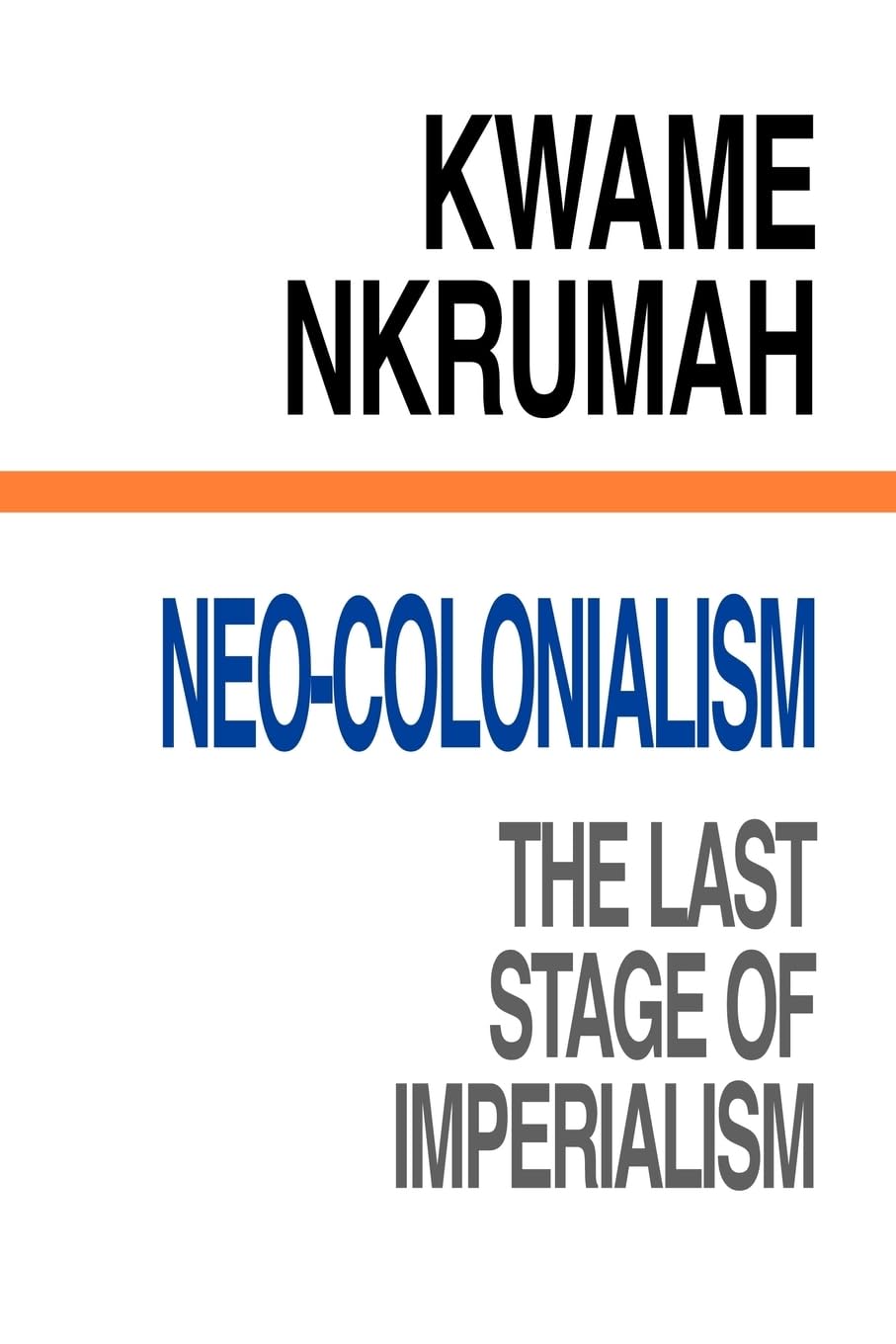
Kwame Nkrumah’s “Neo-Colonialism: The Last Stage of Imperialism” is a critical examination of the dynamics of post-colonial power and the ongoing exploitation of African countries through economic and political means. Nkrumah argues that while formal colonial rule may have ended, neo-colonialism continues to oppress nations, particularly in Africa, by perpetuating dependency on imperial powers. Here’s an overview and outline of the book:
Icebreaker Video
Overview:
- Definition of Neo-Colonialism: Nkrumah defines neo-colonialism as a form of indirect control where former colonial powers maintain influence over newly independent nations through economic, political, and cultural means.
- Exploitation and Dependency: The book discusses how neo-colonialism fosters economic dependency, hindering genuine development and self-determination for African countries.
- Role of Global Institutions: Nkrumah highlights the complicity of international organizations, multinational corporations, and foreign governments in perpetuating neo-colonial practices.
- Call for Unity and Resistance: The book advocates for African unity and collective action as essential strategies for combating neo-colonialism and achieving true independence.
Outline:
- Introduction
- Purpose of the book
- Overview of neo-colonialism as a concept
- Chapter 1: The Nature of Neo-Colonialism
- Definition and characteristics of neo-colonialism
- Distinction between colonialism and neo-colonialism
- Chapter 2: Economic Dependence
- Analysis of how economic policies of former colonial powers create dependency
- The role of trade, debt, and foreign aid in sustaining neo-colonialism
- Chapter 3: Political Manipulation
- Examination of political tactics used by imperial powers to influence newly independent nations
- The impact of foreign intervention and support for puppet regimes
- Chapter 4: Cultural Imperialism
- Discussion of cultural domination and the imposition of foreign values
- The effects of Western education, media, and consumer culture on African societies
- Chapter 5: The Role of Multinational Corporations
- Analysis of how multinational corporations exploit resources and labor in Africa
- The relationship between governments and corporations in sustaining neo-colonial practices
- Chapter 6: The Complicity of International Organizations
- Examination of the roles of institutions like the IMF, World Bank, and United Nations
- How these organizations perpetuate neo-colonial policies under the guise of development aid
- Chapter 7: The Struggle for True Independence
- Strategies for resisting neo-colonialism
- The importance of Pan-Africanism and solidarity among African nations
- Chapter 8: The Future of Africa
- Vision for a liberated and self-sufficient Africa
- The necessity of political and economic unity to combat neo-colonialism
- Conclusion
- Summary of key arguments
- Call to action for African leaders and peoples to reject neo-colonialism
Significance:
“Neo-Colonialism: The Last Stage of Imperialism” is a crucial text that challenges the notion that colonialism ended with political independence. Nkrumah’s analysis of neo-colonial dynamics serves as a powerful reminder of the ongoing struggles for true sovereignty and self-determination in Africa. By advocating for unity and resistance against neo-colonial forces, the book aims to inspire a collective movement towards genuine liberation and development. Nkrumah’s insights continue to resonate in contemporary discussions about globalization, economic exploitation, and the quest for justice and equality in the post-colonial world.
Kwame Nkrumah’s “Neo-Colonialism: The Last Stage of Imperialism” provides a comprehensive analysis of the ways in which former colonial powers maintain control over newly independent nations, particularly in Africa. Here are some deeper insights into the key themes, concepts, and implications of the book:
Key Themes and Insights:
- Definition and Characteristics of Neo-Colonialism:
- Nkrumah defines neo-colonialism as a system where colonial powers exert influence over former colonies without direct political control. He explores how economic, political, and cultural mechanisms create a scenario where nations appear independent but are still heavily influenced by external powers.
- Economic Dependency:
- The book emphasizes the economic structures that keep African nations dependent on former colonial powers. Nkrumah argues that the terms of trade, debt obligations, and reliance on foreign aid trap African countries in cycles of poverty and underdevelopment. He highlights how these factors inhibit genuine economic growth and self-reliance.
- Political Manipulation:
- Nkrumah discusses how neo-colonialism manifests in political interference, where foreign powers support certain regimes or leaders that align with their interests. This manipulation often leads to the establishment of puppet governments that lack legitimacy and fail to represent the will of the people.
- Cultural Imperialism:
- The book addresses the cultural dimensions of neo-colonialism, where Western values and ideologies are imposed on African societies. Nkrumah critiques the influence of Western education, media, and consumer culture, arguing that these elements erode local traditions and identities.
- Role of Multinational Corporations:
- Multinational corporations are portrayed as key players in the neo-colonial system. Nkrumah explains how these entities exploit Africa’s natural resources and labor while contributing little to local economies. He highlights the need for African nations to reclaim control over their resources.
- Complicity of International Organizations:
- Nkrumah critiques international organizations like the IMF and World Bank for perpetuating neo-colonial policies. He argues that these institutions often impose conditions on loans and aid that prioritize the interests of donor countries over the needs of African nations.
- Resistance and Solidarity:
- The book advocates for a united front among African nations to resist neo-colonialism. Nkrumah emphasizes the importance of Pan-Africanism, urging African leaders and peoples to come together in solidarity to combat external influences and work towards true independence.
- Vision for the Future:
- Nkrumah envisions a liberated Africa where nations are self-sufficient and politically united. He argues that only through collective action and a rejection of neo-colonial practices can Africa achieve genuine development and empowerment.
Implications of Nkrumah’s Analysis:
- Historical Context: Written in the 1960s, the book reflects the realities of post-colonial Africa, where many nations were grappling with the challenges of independence while facing ongoing external pressures. Nkrumah’s insights remain relevant as many African countries continue to confront neo-colonial dynamics.
- Influence on Political Discourse: Nkrumah’s work has significantly influenced political thought in Africa and beyond. His critiques of imperialism and calls for unity resonate with contemporary movements advocating for social justice, economic independence, and political sovereignty.
- Ongoing Relevance: The themes of neo-colonialism are particularly pertinent today in discussions about globalization, economic exploitation, and the influence of multinational corporations. Nkrumah’s analysis encourages critical examination of how power dynamics operate in the modern world, especially in relation to developing nations.
- Legacy of Pan-Africanism: Nkrumah’s advocacy for Pan-Africanism serves as a foundational element for many contemporary movements seeking African unity and cooperation. His vision of a collective struggle against neo-colonial forces continues to inspire activists and leaders advocating for a unified Africa.
Conclusion:
“Neo-Colonialism: The Last Stage of Imperialism” is a powerful critique of the ongoing exploitation of African nations in the post-colonial era. Nkrumah’s insights into economic dependency, political manipulation, and cultural imperialism provide a comprehensive framework for understanding the complexities of neo-colonial power dynamics. His call for unity and resistance remains a rallying cry for those seeking true independence and self-determination in Africa and beyond. The book not only serves as a historical analysis but also as a guide for future generations committed to the struggle for justice and equality.

Kwame Nkrumah’s “Neo-Colonialism: The Last Stage of Imperialism”eBook
Pop the document out from the upper right to read / expand / download.
Kwame Nkrumah’s “Neo-Colonialism: The Last Stage of Imperialism”Audiobook
Africans Must Unite Playlist
Learn more in RBG Communiversity Knowledge Media eLibrary:
- Osagyefo Dr. Kwame Nkrumah Folder
- BPM | BLM Audiobooks Folder
- BPM | BLM eBooks Folder
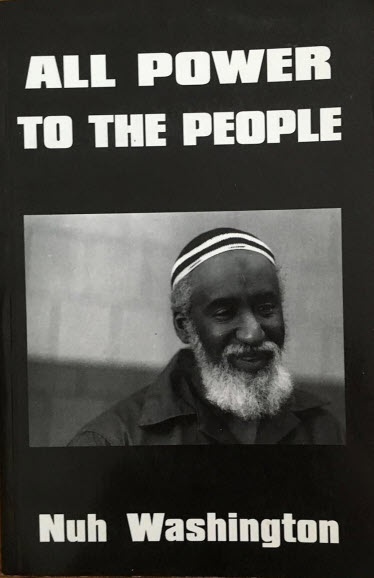
All Power to the People by Albert Nuh Washington, eBook and Audiobook, with Video Education Player
https://freedomarchives.org
ICEBREAKER VIDEOS
Pop the document out from the upper right to read / expand / download.
See NY3. The Case of the New York Three.pdf
Book Summary
Overview
“All Power to the People” by Albert Nuh Washington is a significant work that explores the history and impact of the Black Panther Party (BPP) and the broader Black radical movement in the United States. Published in 2002, the book provides an in-depth analysis of the social, political, and economic conditions that gave rise to the BPP, as well as the party’s contributions to the struggle for civil rights and social justice. Washington draws on personal experiences, interviews, and historical narratives to highlight the achievements and challenges faced by the Black Panther Party, offering a critical perspective on its legacy and the continuing relevance of its ideals in contemporary society. The outline and overview that follows provides a structured look at the contents of “All Power to the People” by Albert Nuh Washington.
Outline
I. Introduction
- A. Overview of the Black Panther Party’s significance
- B. Purpose of the book and its relevance to contemporary social justice movements
- C. Author’s background and perspective
II. Historical Context
- A. The civil rights movement and its limitations
- Key figures and events leading to the rise of the BPP
- Challenges faced by African Americans in the 1960s
- B. The influence of Black nationalism and radical thought
- Connection to earlier movements (e.g., Marcus Garvey, the Nation of Islam)
- Emergence of the Black Power movement
III. Formation of the Black Panther Party
- A. Founding members and their motivations
- Huey P. Newton and Bobby Seale
- Key ideological influences
- B. Development of the party’s platform and goals
- The Ten-Point Program
- Focus on community empowerment and social justice
IV. Key Activities and Programs
- A. Community initiatives
- Free breakfast programs for children
- Health clinics and education programs
- B. Armed self-defense and its implications
- The philosophy of self-defense against police brutality
- Impact on public perception and law enforcement responses
V. Internal Challenges and Conflicts
- A. Struggles within the organization
- Leadership disputes and factionalism
- The influence of COINTELPRO and government repression
- B. The impact of external pressures
- Surveillance and infiltration by law enforcement
- Media portrayal and public perception of the BPP
VI. Legacy of the Black Panther Party
- A. Contributions to civil rights and social justice
- Influence on later movements (e.g., Black Lives Matter)
- Cultural impact through art, music, and literature
- B. Ongoing relevance of BPP ideals
- Discussion of systemic racism and inequality today
- Calls for community empowerment and social change
VII. Conclusion
- A. Summary of key themes and insights from the book
- B. Reflection on the importance of understanding the BPP’s history
- C. Call to action for continued activism and social justice
“All Power to the People” serves as a vital resource for understanding the history and legacy of the Black Panther Party and the broader struggle for racial and social justice in America. By examining the party’s origins, key initiatives, and challenges, Washington provides valuable insights into the ongoing fight against systemic oppression and the importance of community empowerment. The book encourages readers to reflect on the lessons of the past while inspiring continued activism in the pursuit of equality and justice.
“All Power to the People” is an essential examination of the Black Panther Party (BPP) and its pivotal role in the fight for civil rights and social justice in the United States. Here’s a more detailed exploration of the book’s themes, key figures, historical context, and its significance:
Detailed Exploration of Key Themes
1. Historical Context
- Civil Rights Movement Limitations: Washington discusses the civil rights movement’s achievements, such as the Civil Rights Act and the Voting Rights Act, while highlighting its limitations in addressing systemic issues like poverty, police brutality, and economic inequality. The urgency for a more radical approach was felt by many African Americans, leading to the rise of the Black Panther Party.
- Influence of Black Nationalism: The book places the BPP within the wider context of Black Nationalism and the Black Power movement, which emerged in the 1960s as a response to the perceived inadequacies of mainstream civil rights strategies. Washington emphasizes the influence of figures like Marcus Garvey and Malcolm X, who advocated for self-determination and empowerment for Black communities.
2. Formation and Ideology of the Black Panther Party
- Founding Members: The BPP was founded in 1966 by Huey P. Newton and Bobby Seale in Oakland, California. Washington explores how their backgrounds and experiences shaped their vision for the party, particularly their commitment to armed self-defense against police violence.
- The Ten-Point Program: A central feature of the BPP’s ideology was its Ten-Point Program, which outlined the party’s demands for justice, equality, and economic empowerment. Washington details each point, which included calls for decent housing, education, and employment, as well as an end to police brutality.
3. Community Programs and Activism
- Social Initiatives: Washington highlights the BPP’s commitment to community service through programs like free breakfast for children, health clinics, and educational programs. These initiatives were designed to address the immediate needs of African American communities and demonstrate that the BPP was more than just a militant organization.
- Armed Self-Defense: The book discusses the philosophy of armed self-defense that the BPP adopted in response to police brutality. Washington analyzes how the party’s public displays of armed self-defense were both a statement of empowerment and a catalyst for increased tensions with law enforcement.
4. Internal Struggles and External Pressures
- Factionalism and Leadership Conflicts: Washington examines internal conflicts within the BPP, particularly the power struggles between different factions. These conflicts were exacerbated by the pressure from law enforcement and the FBI’s Counterintelligence Program (COINTELPRO), which sought to undermine the party through infiltration, disinformation, and surveillance.
- Government Repression: The book details the various tactics used by law enforcement to suppress the BPP, including arrests, harassment, and violent confrontations. Washington underscores the impact of COINTELPRO in destabilizing the organization and contributing to its decline in the early 1970s.
5. Legacy and Ongoing Relevance
- Cultural Impact: Washington discusses how the BPP’s ideals and aesthetics influenced music, art, and literature, leaving a lasting mark on African American culture. The party’s imagery and messages of empowerment continue to resonate in contemporary artistic expressions.
- Influence on Modern Movements: The book draws connections between the BPP and contemporary movements such as Black Lives Matter, highlighting how the party’s focus on systemic injustice and community empowerment laid the groundwork for ongoing activism. Washington calls attention to the continuing struggle against racism, police violence, and inequality.
Significance of the Work
- Educational Resource: “All Power to the People” serves as an important educational tool for understanding the complexities of the Black Panther Party and the broader Black radical movement. It provides a nuanced perspective that challenges mainstream narratives about the BPP as solely a militant organization.
- Inspiration for Activism: Washington’s work encourages readers to reflect on the lessons of the past and recognize the importance of grassroots activism in effecting social change. The book emphasizes the need for community engagement and the importance of addressing systemic issues through collective action.
- Reexamination of History: By providing a detailed account of the BPP’s history and its various programs, Washington invites readers to reconsider the legacy of the Black Panther Party and its contributions to the struggle for civil rights and social justice in America. It challenges readers to acknowledge the complexities of the BPP’s mission and its relevance in contemporary discussions about race and inequality.
Conclusion
“All Power to the People” by Nuh Washington is a vital contribution to the understanding of the Black Panther Party and the Black radical movement in the United States. Through its exploration of historical context, ideology, activism, and legacy, the book highlights the significance of the BPP in shaping the discourse around civil rights and social justice. Washington’s work serves as both a historical account and a call to action, inspiring readers to engage with the ongoing fight for equality and justice in today’s society.
All Power to the People by Albert Nuh Washington, eBook
Pop the document out from the upper right to read / expand / download.
All Power to the People by Albert Nuh Washington, Audiobook
Video Education_All Power To The People The Black Panther Party & Beyond
Learn more in RBG Knowledge Media eLibrary
RBG4Lif Teaching /Learning Tools & Resources
BPM|BLM eBooks
BPM|BLM Audiobooks
“Ghosts in Our Blood: With Malcolm X in Africa, England, and the Caribbean” by Jan R. Carew eBook and Audiobok, with Minister Malcolm X Select Teachings Video Player

ICEBREAKER Video: Malcolm X Oxford Union Debate, Dec 3 1964
Book Summary
“Ghosts in Our Blood: With Malcolm X in Africa, England, and the Caribbean” by Jan R. Carew is a compelling memoir that chronicles the life and experiences of Malcolm X during his travels in Africa, England, and the Caribbean. The book provides a unique perspective on Malcolm’s journey of self-discovery and his evolving political and social beliefs. Carew, who was a close associate of Malcolm X, offers insights into the influential figures he encountered, the cultural exchanges he experienced, and the broader implications of his activism.
The following outline captures Malcolm’s vision for global Black empowerment, his commitment to social justice, and the legacy he left behind as written in the book.
Outline
I. Introduction
- A. Overview of Malcolm X’s significance in the civil and human rights movements
- B. Purpose of the memoir and its connection to Malcolm’s journey
- C. Brief introduction to Jan R. Carew and his relationship with Malcolm X
II. Early Life and Background
- A. Malcolm X’s upbringing and formative experiences
- B. The impact of race and identity on Malcolm’s worldview
- C. Introduction to Carew’s background and perspective
III. Malcolm’s Travels in Africa
- A. Arrival in Africa and initial impressions
- Reactions to African culture and society
- Encounters with African leaders and activists
- B. Exploration of Pan-Africanism
- Malcolm’s engagement with the ideals of unity and self-determination
- Impact of African independence movements on Malcolm’s thinking
IV. Experiences in England
- A. Malcolm’s visit to England and interactions with British audiences
- Speaking engagements and public reception
- Reflections on race relations in the UK
- B. Discussion of global solidarity among Black communities
- Connections with British activists and intellectual
- The influence of international perspectives on Malcolm’s views
V. The Caribbean Journey
- A. Malcolm’s travels throughout the Caribbean
- Cultural exchanges and connections with Caribbean leaders
- Exploration of colonial legacies and struggles for independence
- B. Insights into the Caribbean diaspora and identity
- Malcolm’s reflections on shared experiences of oppression
- The importance of collective action for liberation
VI. Malcolm’s Evolving Political Philosophy
- A. Transformation of Malcolm’s beliefs during his travels
- Embracing broader notions of human rights
- Shifts in perspective on race and identity
- B. Influence of global events on Malcolm’s activism
- Responses to anti-colonial movements and global injustices
- The emergence of a more inclusive vision for social justice
VII. Legacy of Malcolm X
- A. The impact of Malcolm’s travels on his legacy
- Lasting influence on the civil rights movement and beyond
- Continued relevance of Malcolm’s ideas in contemporary discussions
- B. Carew’s reflections on Malcolm’s enduring spirit
- Personal anecdotes and memories of Malcolm
- The significance of preserving Malcolm’s legacy for future generations
VIII. Conclusion
- A. Summary of key themes and insights from the memoir
- B. Reflection on the importance of Malcolm X’s journey
- C. Call to action for continued activism and social change
“Ghosts in Our Blood: With Malcolm X in Africa, England, and the Caribbean” is a powerful memoir that offers a unique perspective on the life and legacy of Malcolm X during a pivotal time in his journey. Through Carew’s firsthand experiences and reflections, the book highlights the global dimensions of Malcolm’s activism and the importance of solidarity among Black communities. By exploring Malcolm’s travels and evolving beliefs, the memoir serves as both a tribute to his impact and a call for continued commitment to social justice and empowerment.
“Ghosts in Our Blood: With Malcolm X in Africa, England, and the Caribbean” is a significant work that not only chronicles the experiences of Malcolm X but also provides profound insights into his evolving worldview during a transformative period in his life. Here’s a more detailed exploration of the book’s themes, context, and significance:
Detailed Exploration of Key Themes
1. Malcolm X’s Global Perspective
- Internationalism: One of the central themes of the book is Malcolm X’s growing understanding of internationalism and Pan-Africanism. His travels to Africa, England, and the Caribbean exposed him to anti-colonial movements and the struggles of people of African descent around the world. This broadened his perspective on race, identity, and the fight against oppression.
- Solidarity Among Black Communities: Carew emphasizes the connections Malcolm made with various leaders and activists during his travels. These relationships highlighted the importance of solidarity among Black communities globally, reinforcing Malcolm’s belief that struggles for liberation were interconnected.
2. Cultural Exchanges and Identity
- Cultural Appreciation: Throughout his travels, Malcolm X engaged with various cultures, which enriched his understanding of African heritage and identity. He was deeply moved by the rich histories and traditions he encountered, leading him to appreciate the cultural roots of the African diaspora.
- Reflections on Identity: Malcolm’s experiences prompted him to reflect on his own identity and the complexities of being a Black man in America. His encounters with diverse communities allowed him to see the shared experiences of oppression and resilience among people of African descent, fostering a sense of unity.
3. Transformation of Political Philosophy
- Evolution of Beliefs: Carew captures Malcolm’s transformation from a more nationalistic perspective to one that embraced broader human rights issues. His travels influenced his views on race relations, moving towards a more inclusive ideology that recognized the struggles of all oppressed people, not just those in the U.S.
- Influence of Global Events: The book details how significant global events, such as the independence movements in Africa and the civil rights struggles in the Caribbean, shaped Malcolm’s thinking. He began to frame his activism within a larger context of global justice and human rights.
4. Legacy and Impact
- Enduring Influence: Carew discusses the lasting impact of Malcolm X’s travels and his philosophy on contemporary social justice movements. Malcolm’s ideas about empowerment, self-determination, and the importance of grassroots activism continue to resonate today.
- Personal Reflections: Through anecdotes and personal memories, Carew provides a humanizing portrait of Malcolm X. He reflects on their conversations, Malcolm’s charisma, and his commitment to justice, contributing to a deeper understanding of Malcolm as a person and a leader.
Contextual Significance
- Historical Context: The book situates Malcolm X within the broader historical context of the civil rights movement and global struggles against colonialism. Understanding the geopolitical landscape of the 1960s enhances the reader’s appreciation of the challenges and opportunities Malcolm faced during his travels.
- Cultural and Political Climate: Carew’s narrative also reflects the cultural and political climate of the time, including the rise of nationalism in Africa and the Caribbean. This context is crucial for understanding how Malcolm’s experiences shaped his ideology and activism.
Conclusion
“Ghosts in Our Blood: With Malcolm X in Africa, England, and the Caribbean” by Jan R. Carew is a poignant and illuminating memoir that captures a vital period in Malcolm X’s life. It highlights his transformation, the depth of his political philosophy, and his commitment to global solidarity among oppressed peoples. Carew’s insights and personal reflections provide a unique perspective on Malcolm’s legacy, making the book an essential read for those interested in civil rights, history, and the ongoing struggle for social justice. It serves not only as a tribute to Malcolm X but also as a call for continued activism in the pursuit of equity and liberation.
“Ghosts in Our Blood: With Malcolm X in Africa, England, and the Caribbean” eBook
Pop the documents out from the upper right to read / expand / download.
“Ghosts in Our Blood: With Malcolm X in Africa, England, and the Caribbean” Audiobook
Minister Malcolm X Select Teachings Video Player


You must be logged in to post a comment.