The Black Jacobins: Toussaint L’Ouverture and the San Domingo Revolution_eBook and Audiobook with Confronting Black Jacobins, Dr. Gerald Horne (eBook and Auiobook) and The Black Jacobins Reader

Last Updated 12-15-2024

Book Summary

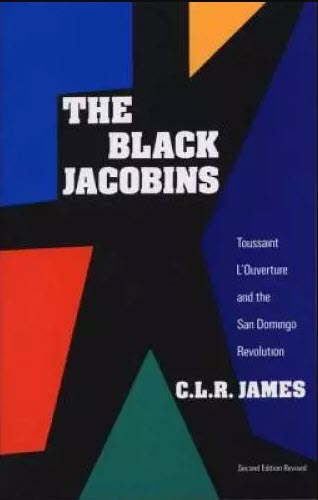
“The Black Jacobins” is a historical account by C.L.R. James that explores the Haitian Revolution (1791-1804) and the role of its leader, Toussaint L’Ouverture. The book examines the interplay of class, race, and power in the struggle for Haitian independence from French colonial rule. James presents a detailed narrative of the events leading to the revolution, the complexity of the social dynamics involved, and the impact of the revolution on the wider world. Through the lens of L’Ouverture’s life and leadership, the book highlights the struggle for freedom and equality, making it a significant work in the study of history, race, and revolution.
The following outline encapsulates the major themes and structure of C.L.R. James’s seminal work, emphasizing the significance of the Haitian Revolution and its leader in the context of world history.

Outline of “The Black Jacobins”

  • Introduction
    • Context of the Haitian Revolution
    • Importance of Toussaint L’Ouverture
    • Themes of race, class, and revolution
  • Part I: The Setting
    • Colonialism in Saint-Domingue
      • Overview of the plantation economy
      • Social hierarchy: whites, free people of color, and enslaved people
    • Influence of the French Revolution
      • Impact of Enlightenment ideas
      • The rise of revolutionary sentiments
  • Part II: The Revolution Begins
    • Initial uprisings of enslaved people
    • Toussaint L’Ouverture’s early involvement
    • Key figures in the revolution
    • The role of external forces (France, Britain, Spain)
  • Part III: Toussaint L’Ouverture’s Leadership
    • Rise to power and political strategies
    • Military campaigns and tactics
    • Balancing alliances with France and other powers
    • Vision for Haiti and abolition of slavery
  • Part IV: Internal Conflicts
    • Tensions among revolutionary leaders
    • Class divisions within the revolutionary movement
    • The challenge of governance and social order
  • Part V: The Fall of Toussaint
    • Betrayal and capture by the French
    • Impact of his leadership on the revolution’s course
    • The rise of Jean-Jacques Dessalines and others
  • Conclusion: The Legacy of the Revolution
    • Outcomes of the Haitian Revolution
    • Influence on global movements for freedom and equality
    • Reflections on race and colonialism

The Black Jacobins_eBook

A classic and impassioned account of the first revolution in the Third World.This powerful, intensely dramatic book is the definitive account of the Haitian Revolution of 1794-1803, a revolution that began in the wake of the Bastille but became the model for the Third World liberation movements from Africa to Cuba. It is the story of the French colony of San Domingo, a place where the brutality of master toward slave was commonplace and ingeniously refined. And it is the story of a barely literate slave named Toussaint L’Ouverture, who led the black people of San Domingo in a successful struggle against successive invasions by overwhelming French, Spanish, and English forces and in the process helped form the first independent nation in the Caribbean.

Pop the documents out from the upper right to read / expand / download.

The Black Jacobins_Audiobook

Confronting Black Jacobins, Dr. Gerald Horne_eBook

Book Summary

“Confronting Black Jacobins” by Dr. Gerald Horne is an exploration of the historical context and implications of the Haitian Revolution, focusing on the revolutionary figures, particularly Toussaint L’Ouverture, and the broader impact on the Atlantic world.

The following overview and outline provides a structured capsule of the major themes and topics discussed in “Confronting Black Jacobins,” highlighting Dr. Horne’s analysis of the Haitian Revolution and its lasting significance.

Overview

  • Historical Context: The book situates the Haitian Revolution within the larger scope of the Atlantic slave trade and the French Revolution.
  • Key Figures: It examines the lives and contributions of important figures, especially Toussaint L’Ouverture, and their roles in challenging colonial power.
  • Impact of the Revolution: Horne discusses the implications of Haiti’s independence for slavery, colonialism, and race relations in the Americas and Europe.
  • Racial Dynamics: The narrative addresses the intersection of race, class, and revolution, highlighting how these elements influenced the struggle for freedom.
  • Legacy and Memory: The book reflects on how the Haitian Revolution has been remembered and misremembered in historical narratives.

Outline

  1. Introduction
    • Overview of the Haitian Revolution
    • Significance in world history
  2. Historical Background
    • The Atlantic slave trade and its impact
    • The role of colonial powers, especially France
  3. Key Figures
    • Toussaint L’Ouverture
      • Early life and rise to power
      • Military strategies and leadership
    • Other notable leaders
      • Jean-Jacques Dessalines
      • Henri Christophe
  4. The Revolution Begins
    • Factors leading to the uprising
    • Initial revolts and their suppression
  5. French Revolution Influence
    • Connection to the French Revolution
    • Ideological underpinnings and inspirations
  6. International Reactions
    • Responses from colonial powers
    • The impact on slave societies in the Americas
  7. Struggles for Control
    • Internal conflicts among revolutionary leaders
    • The role of external forces, including the U.S. and Britain
  8. Haiti’s Independence
    • Declaration of independence and its significance
    • Immediate consequences for Haiti and the region
  9. Legacy of the Haitian Revolution
    • Influence on abolitionist movements
    • Ongoing struggles for racial equality and social justice
  10. Conclusion
    • Reflection on the memory of the Haitian Revolution
    • Its relevance to contemporary issues of race and freedom

Confronting Black Jacobins, Dr. Gerald Horne_Audiobook

Audio start in earnest (Introduction) and corresponds to page 8 of the above Reader.

Part 1

Part 2

The Black Jacobins Reader

Containing a wealth of new scholarship and rare primary documents, The Black Jacobins Reader provides a comprehensive analysis of C. L. R. James’s classic history of the Haitian Revolution. In addition to considering the book’s literary qualities and its role in James’s emergence as a writer and thinker, the contributors discuss its production, context, and enduring importance in relation to debates about decolonization, globalization, postcolonialism, and the emergence of neocolonial modernity. The Reader also includes the reflections of activists and novelists on the book’s influence and a transcript of James’s 1970 interview with Studs Terkel.

Learn more in RBG Communiversity Knowledge Media eLibrary:

SUPPLEMENTAL: CLR JAMES VS MARCUS GARVEY

Remember: Pop the documents out from the upper right to read / expand / download.

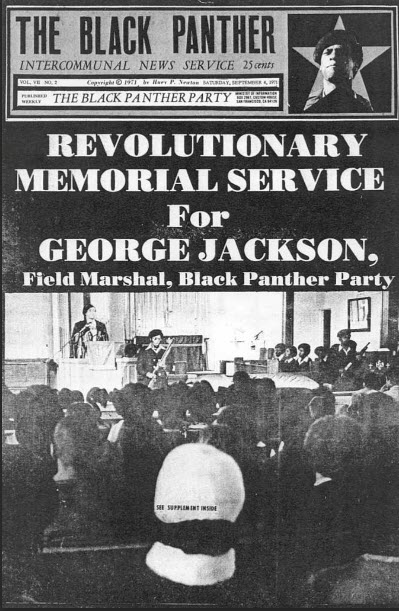
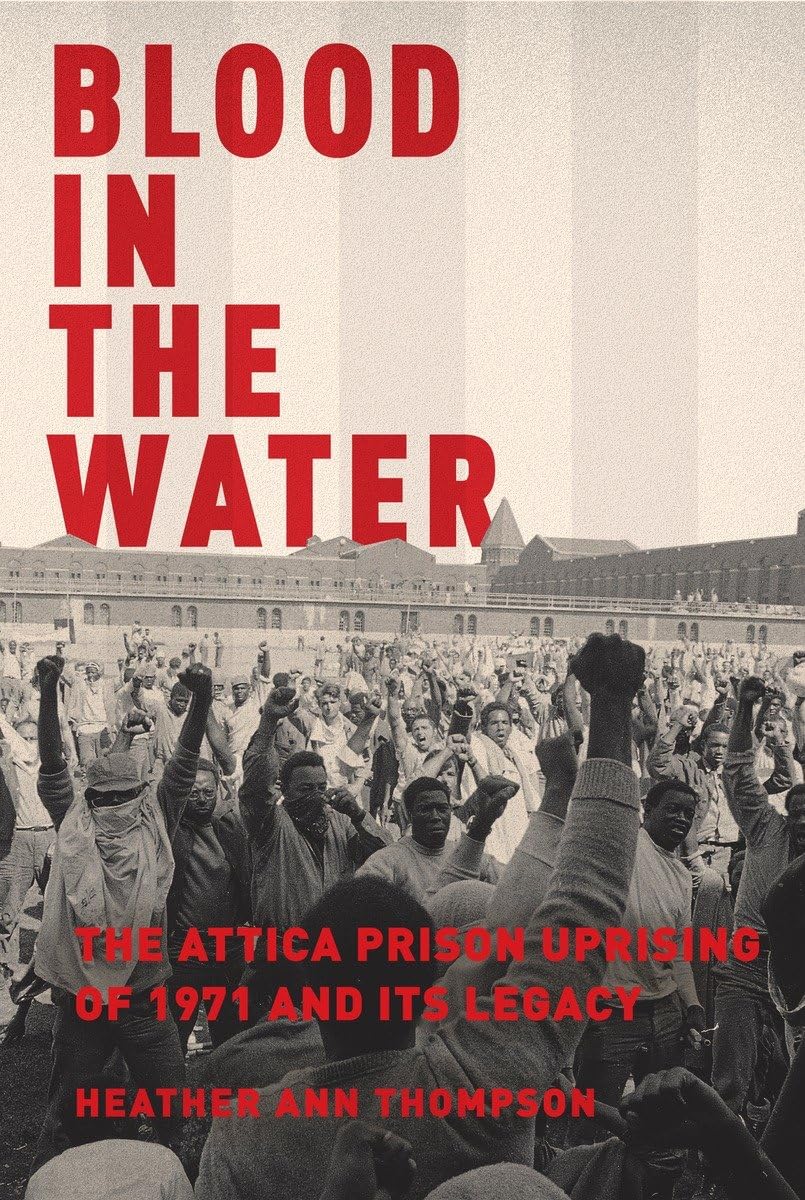
Blood in the Water: The Attica Prison Uprising of 1971 and Its Legacy, by  Heather Ann Thompson_eBook and Audiobook, with RBG Attica is All of Us Viedo Player

Book Summary

“Blood in the Water” offers a detailed account of the Attica prison uprising, which occurred in September 1971, and its aftermath. The book explores the conditions that led to the rebellion, the events during the uprising, the violent retaking of the prison, and the long-lasting implications for the American prison system and civil rights. Thompson combines extensive research, including firsthand accounts, legal documents, and archival materials, to present a comprehensive narrative that highlights the struggles for justice and the fight against systemic racism within the prison system.

This outline provides a structured view of the book’s contents, highlighting the key themes and events that Thompson addresses in her exploration of the Attica prison uprising and its lasting effects on amerikkkan society.

  1. Introduction
    • Historical context of Attica prison
    • Overview of the prison conditions in the 1970s
    • Significance of the uprising in American history
  2. Chapter 1: Background of the Prison System
    • Description of Attica’s conditions
    • Overview of inmates’ grievances
    • Racial dynamics within the prison
  3. Chapter 2: The Uprising Begins
    • Timeline of events leading to the rebellion
    • Key figures involved in the uprising
    • Initial demands of the inmates
  4. Chapter 3: The Hostage Crisis
    • Hostage situations and negotiations
    • Media coverage and public perception
    • The role of prison officials and state authorities
  5. Chapter 4: The Retaking of Attica
    • Government response and planning
    • The violent retaking of the prison
    • Casualties and injuries during the retaking
  6. Chapter 5: Aftermath of the Uprising
    • Legal repercussions for inmates and officials
    • Impact on the families of hostages and inmates
    • Public and political response to the violence
  7. Chapter 6: The Legacy of Attica
    • Changes in prison policies and practices
    • Ongoing issues of prison reform and justice
    • Influence on future movements for inmates’ rights
  8. Chapter 7: Reflections on Justice and Accountability
    • Analysis of systemic racism in the prison system
    • The importance of remembering Attica’s legacy
    • Calls for continued activism and reform
  9. Conclusion
    • Summary of key themes and insights
    • Relevance of the Attica uprising in contemporary society
    • Final thoughts on justice and human rights

Blood in the Water: The Attica Prison Uprising of 1971 and Its Legacy_eBook

On September 9, 1971, nearly 1,300 prisoners took over the Attica Correctional Facility in upstate New York to protest years of mistreatment. Holding guards and civilian employees hostage, the prisoners negotiated with officials for improved conditions during the four long days and nights that followed.
On September 13, the state abruptly sent hundreds of heavily armed troopers and correction officers to retake the prison by force. Their gunfire killed thirty-nine men—hostages as well as prisoners—and severely wounded more than one hundred others. In the ensuing hours, weeks, and months, troopers and officers brutally retaliated against the prisoners. And, ultimately, New York State authorities prosecuted only the prisoners, never once bringing charges against the officials involved in the retaking and its aftermath and neglecting to provide support to the survivors and the families of the men who had been killed.
Drawing from more than a decade of extensive research, historian Heather Ann Thompson sheds new light on every aspect of the uprising and its legacy, giving voice to all those who took part in this forty-five-year fight for justice: prisoners, former hostages, families of the victims, lawyers and judges, and state officials and members of law enforcement. Blood in the Water is the searing and indelible account of one of the most important civil rights stories of the last century.

Pop the documents out from the upper right to read / expand / download.

Blood in the Water: The Attica Prison Uprising of 1971 and Its Legacy_Audiobook

Part 1

Audio start in earnest (Introduction @ 5 mins. 20 sec.) and corresponds to page 11 of the above Reader.

Part 2

RBG Attica is All of Us Viedo Player

Learn more in RBG Communiversity Knowledge Media eLibrary:

A People Betrayed: The Role of the West in Rwanda’s Genocide by Linda Melvern_eBook and Audiobook, with Supplemental_Rwanda: A Nation Resilient in the Aftermath of Genocide, by Samuel Totten

Book Summary

“A People Betrayed: The Role of the West in Rwanda’s Genocide” by Linda Melvern offers a critical analysis of the international community’s failure to prevent and respond to the Rwandan genocide that occurred in 1994. The book examines the political, social, and historical contexts that led to the genocide, focusing on the complicity and inaction of Western governments and organizations. Melvern argues that the West’s neglect and misguided policies significantly contributed to the scale of the tragedy, highlighting the moral responsibilities of the international community in the face of human rights atrocities.

Essential Themes and Historical Context:

  1. Introduction to the Rwandan Genocide
    • Overview of the genocide and its historical significance
    • Introduction to the themes of betrayal and complicity
  2. Historical Background
    • Exploration of Rwanda’s colonial history and ethnic tensions
    • The impact of Belgian colonialism on Hutu-Tutsi relations
    • Key events leading up to the genocide, including the civil war
  3. The Build-Up to Genocide
    • Analysis of the political climate in Rwanda in the early 1990s
    • The role of propaganda and hate speech in inciting violence
    • Examination of the Rwandan Patriotic Front (RPF) and its goals
  4. International Response and Inaction
    • Evaluation of the United Nations’ involvement prior to and during the genocide
    • Critique of Western governments’ policies and actions (or lack thereof)
    • Discussion on the role of NGOs and humanitarian organizations
  5. The Genocide Unfolds
    • Detailed account of the events during the genocide from April to July 1994
    • Personal testimonies and narratives of survivors
    • Examination of the tactics used by perpetrators and the scale of violence
  6. Consequences of Inaction
    • Analysis of the aftermath of the genocide and its global implications
    • The long-term effects on Rwandan society and regional stability
    • Discussion of accountability and justice for the perpetrators
  7. Lessons Learned and Unlearned
    • Reflection on the lessons from the Rwandan genocide for international relations
    • Examination of how the genocide has influenced humanitarian intervention policies
    • Critique of the ongoing failures to address similar crises worldwide
  8. Conclusion
    • Summary of key arguments and insights from Melvern’s analysis
    • Call for recognition of moral responsibility in preventing future genocides

A People Betrayed: The Role of the West in Rwanda’s Genocide_eBook

In Rwanda in 1994 one million people were killed in a planned, public and political campaign. For six years Linda Melvern has worked on the story of this horrendous crime, and this book, a classic piece of investigative journalism, is the result. Its new and startling information has the making of an international scandal. The book contains a full narrative account of how the genocide unfolded and describes its scale, speed and intensity. And the book provides a terrible indictment, not just of the UN Security Council, but even more so of governments and individuals who could have prevented what was happening but chose not to do so. Drawing on a series of in-depth interviews, the author also tells the story of the unrecognized heroism of those who stayed on during the genocide – volunteer UN peacekeepers, their Force Commander the Canadian Lt.-General Romeo A. Dallaire, and Philippe Gaillard, the head of a delegation of the International Committee of the Red Cross, helped by medical teams from Medecins Sans Frontieres. The international community, which fifty years ago resolved that genocide never happened again, not only failed to prevent it happening in Rwanda, but, as this book shows, international funds intended to help the Rwandan economy actually helped to create the conditions that made the genocide possible. Documents held in Kigali, the Rwandan capital, as well as hitherto unpublished evidence of secret UN Security Council deliberations in New York, reveal a shocking sequence of events.
What happened in Rwanda shows that despite the creation of an organization set up to prevent a repetition of genocide – for the UN is central to this task – it failed to do so, even when the evidence was indisputable. At a time when increasing attention is being given to the need for UN reform, this book provides evidence to urgently accelerate and focus that process. Only by understanding how and why the genocide happened can there be any hope that this new century will break with the dismal record of the last.

Pop the documents out from the upper right to read / expand / download.

A People Betrayed: The Role of the West in Rwanda’s Genocide_Audiobook

Audio start in earnest (Rwanda Genocide April 1994 @ 4 mins. 55 sec.) and corresponds to page 14 of the above Reader.

Part 1

Part 2

Supplemental_Rwanda: A Nation Resilient in the Aftermath of Genocide, by Samuel Totten

Learn more in RBG Communiversity Knowledge Media eLibrary:

A Revolutionary for Our Time: The Walter Rodney Story by Leo Zeilig_eBook and Audiobook, with HAP 123-History Teaches Us- Walter Rodney

Book Summary

A Revolutionary for Our Time: The Walter Rodney Story by Leo Zeilig is a biography that delves into the life and legacy of Walter Rodney, a prominent Guyanese historian, political activist, and revolutionary. The book highlights Rodney’s contributions to Caribbean intellectual thought, his critiques of colonialism and imperialism, and his dedication to social justice and the empowerment of the oppressed. Through Rodney’s story, Zeilig explores broader themes of race, class, and resistance in the Caribbean, as well as the impact of Rodney’s work on contemporary movements for social change.

Key Themes and Historical Context:

  1. Introduction to Walter Rodney
    • Overview of Rodney’s significance in Caribbean history
    • Brief introduction to his early life and background
  2. Early Life and Education
    • Rodney’s upbringing in British Guiana
    • Educational experiences and early influences
    • Development of his political consciousness
  3. Academic Career and Historical Contributions
    • Rodney’s work as a historian and scholar
    • Key publications and their impact (e.g., “How Europe Underdeveloped Africa”)
    • Methodological approaches and critiques of traditional historiography
  4. Political Activism and Leader of the People’s Movement
    • Involvement in political movements in Guyana
    • Formation of the Working People’s Alliance (WPA)
    • Advocacy for the rights of marginalized communities
  5. Colonialism and Imperialism
    • Rodney’s critique of colonial structures
    • Analysis of the effects of colonialism on Caribbean societies
    • Advocacy for decolonization and self-determination
  6. Exile and International Influence
    • Rodney’s experiences of exile and its impact on his work
    • Connections with other revolutionary movements in the Caribbean and globally
    • Participation in international forums and discussions
  7. Legacy and Impact
    • Rodney’s influence on subsequent generations of activists and scholars
    • The continuing relevance of his ideas in contemporary struggles
    • Commemoration of Rodney’s life and work in cultural memory
  8. Conclusion
    • Reflection on Walter Rodney’s contributions as a revolutionary thinker
    • The importance of his legacy in the fight for social justice and equality

A Revolutionary for Our Time: The Walter Rodney Story_eBook

Walter Rodney was a scholar, working class militant, and revolutionary from Guyana. Strongly influenced by Marxist ideas, he remains central to radical Pan-Africanist thought for large numbers of activists’ today. Rodney lived through the failed –though immensely hopeful -socialist experiments in the 1960s and 1970s, in Tanzania and elsewhere. The book critically considers Rodney’s contribution to Marxist theory and history, his relationship to dependency theory and the contemporary significance of his work in the context of movements and politics today. The first full-length study of Rodney’s life, this book is an essential introduction to Rodney’s work.

Pop the document out from the upper right to read / expand / download.

A Revolutionary for Our Time: The Walter Rodney Story_Audiobook

Part 1

Part 2

HAP 123-History Teaches Us- Walter Rodney

Learn more in RBG Communiversity Knowledge Media eLibrary:

War Against the Weak_Eugenics and America’s Campaign to Create a Master Race (Expanded Edition) eBook and Audiobook, by Edwin Black

Book Summary

“War Against the Weak: Eugenics and America’s Campaign to Create a Master Race” by Edwin Black explores the history of the eugenics movement in the United States, its philosophical underpinnings, and its impact on society. The book details how eugenics influenced policies aimed at controlling human reproduction, promoting racial purity, and ultimately, how these ideas contributed to the horrors of the Holocaust. Black argues that the eugenics movement was not only a European phenomenon but had deep roots and significant implementation in America.

Topics the Book Covers:

  1. Introduction to Eugenics
    • Definition and origins of eugenics
    • Overview of key figures in the movement
  2. The Philosophical Foundations
    • Social Darwinism and its influence
    • The role of science and pseudoscience in promoting eugenics
  3. Eugenics in America
    • Early eugenics movements in the U.S.
    • Key organizations and individuals involved (e.g., American Eugenics Society)
    • Public support and government endorsement
  4. Legislation and Policies
    • Overview of significant laws (e.g., sterilization laws)
    • Case studies of states implementing eugenics policies
    • Impact on marginalized groups (disabled, minorities)
  5. Eugenics and Immigration
    • How eugenics influenced immigration policies
    • Racial and ethnic discrimination in immigration laws
  6. The Role of Institutions
    • Eugenics in education and public health
    • The involvement of universities and medical institutions
  7. International Influence
    • American eugenics’ impact on Nazi Germany
    • The transfer of ideas and practices across borders
  8. Public Backlash and Decline
    • Critiques and challenges to eugenics
    • The eventual decline of the movement post-World War II
  9. Legacy of Eugenics
    • Lasting effects on American society and policies
    • Modern implications and ethical discussions
  10. Conclusion: Reflections on the moral lessons of the eugenics movement and call for awareness and vigilance against similar ideologies today.

War Against the Weak_eBook

War Against the Weak is the gripping chronicle documenting how American corporate philanthropies launched a national campaign of ethnic cleansing in the United States, helped found and fund the Nazi eugenics of Hitler and Mengele — and then created the modern movement of “human genetics.” Some 60,000 Americans were sterilized under laws in 27 states. This expanded edition includes two new essays on state genocide.

Pop the document out from the upper right to read / expand / download.

War Against the Weak_Audiobook

Part 1

Audio start in earnest (Introduction @ 15 mins. 38 sec.) and corresponds to page 20 of the above Reader.

Part 2

Learn more in RBG Communiversity Knowledge Media eLibrary: