“Examining Tuskegee: The Infamous Syphilis Study and Its Legacy” by Susan M. Reverby delves into the historical context, ethical implications, and lasting impacts of the Tuskegee Syphilis Study, which took place from 1932 to 1972. Reverby provides a comprehensive analysis of the study, highlighting the injustices faced by African American men who were misled and denied treatment for syphilis. The book also explores the broader implications of the study on medical ethics, race relations, and public trust in medical institutions.
The following outline captures the main themes and structure of Reverby’s work, providing insight into the Tuskegee Syphilis Study and its profound legacy.
Introduction
Overview of the Tuskegee Syphilis Study
Importance of examining its legacy
Chapter 1: Historical Context
Background of syphilis in the early 20th century
Racial attitudes and medical practices in the U.S.
Development and objectives of the Tuskegee Study
Chapter 2: The Study’s Methodology
Recruitment of participants
Ethical considerations (or lack thereof)
The role of the Public Health Service
Chapter 3: The Experience of Participants
Personal testimonies and experiences of study subjects
Impact of deception and lack of treatment
Community reactions to the study
Chapter 4: The Exposure of the Study
How the study was revealed to the public
Media coverage and public outcry
Legal and social ramifications
Chapter 5: Ethical Implications
Analysis of medical ethics in research
The concept of informed consent
Changes in regulations and ethical standards post-Tuskegee
Chapter 6: The Legacy of Tuskegee
Impact on African American trust in medical institutions
Influence on public health policies and research ethics
Ongoing discussions about race, health, and justice
Conclusion
Summary of key findings
Reflection on the lessons learned and future implications for research ethics
Appendices
Additional resources and documents related to the study
Further reading on medical ethics and historical injustices in medicine
Here is a deeper exploration of the key themes and insights from “Examining Tuskegee: The Infamous Syphilis Study and Its Legacy” by Susan M. Reverby.
Key Themes
1. Historical Context
The book sets the stage by discussing the social and medical climate of the early 20th century, particularly regarding race and health.
It examines the prevalence of syphilis and the misconceptions surrounding it, especially in African American communities.
Reverby highlights the systemic racism within medical research and public health policies that allowed the Tuskegee Study to occur.
2. Ethical Violations
Reverby critically analyzes the ethical breaches committed during the study, notably the lack of informed consent.
Participants were misled about their diagnosis and treatment options; many were told they were receiving treatment for “bad blood.”
The study continued for decades despite the availability of effective treatments, showcasing a profound disregard for human rights and dignity.
3. Personal Narratives
The book includes personal accounts from study participants and their families, providing a human face to the statistics and ethical discussions.
Reverby emphasizes the emotional and psychological toll the study took on individuals and their communities.
4. Public Reaction and Accountability
The exposure of the Tuskegee Study in the 1970s sparked outrage and led to significant media coverage.
Reverby discusses the legal actions taken against the government and the eventual establishment of policies aimed at preventing similar abuses in the future.
5. Legacy and Impact
The study’s legacy is far-reaching, affecting African American trust in medical institutions and contributing to ongoing health disparities.
Reverby examines how the Tuskegee Study has influenced modern ethical standards in research, including the establishment of Institutional Review Boards (IRBs) and the importance of informed consent.
6. Contemporary Relevance
The book draws parallels between the historical injustices of the Tuskegee Study and current issues in public health, especially regarding race and healthcare access.
Reverby encourages readers to reflect on the lessons learned and to remain vigilant against ethical violations in contemporary medical research.
Conclusion
In “Examining Tuskegee,” Susan M. Reverby not only provides a thorough investigation of the infamous study but also calls for a critical examination of the ongoing implications of historical injustices. The book serves as a crucial reminder of the importance of ethical standards in research and the need for a just healthcare system that respects the rights and dignity of all individuals, particularly marginalized communities. Through her work, Reverby contributes to the dialogue on race, ethics, and trust in medicine, urging both reflection and action to ensure history does not repeat itself.
Examining Tuskegee: The Infamous Syphilis Study and Its Legacy by Susan M. Reverby -_eBook
Pop the document out from the upper right to read / expand / download.
The companion to the Showtime documentary series, director Oliver Stone and historian Peter Kuznick challenge the prevailing orthodoxies of traditional history books in this thoroughly researched and rigorously analyzed look at the dark side of American history.
Book Summary
“The Untold History of the United States” by Oliver Stone and Peter Kuznick is a sweeping historical narrative that reexamines key events and themes in American history from a critical perspective. The book challenges conventional narratives surrounding U.S. history, particularly regarding war, imperialism, and the role of government. Stone and Kuznick argue that the United States has often acted contrary to its professed ideals of democracy and freedom, engaging in acts that undermine these principles both domestically and abroad. Through a combination of historical analysis, personal anecdotes, and a critical lens, the authors seek to illuminate the hidden aspects of American history that have shaped the country’s trajectory and its impact on the world.
The outline that follows captures the key themes and structure of “The Untold History of the United States” by Oliver Stone and Peter Kuznick. The book serves as a thought-provoking exploration of American history, urging readers to question established narratives and consider the broader implications of the United States’ actions both domestically and internationally. Through their critical approach, Stone and Kuznick aim to foster a deeper understanding of the complexities of U.S. history and its impact on the world.
I. Introduction
A. Purpose of the book
B. Overview of Oliver Stone and Peter Kuznick’s backgrounds
C. Importance of reevaluating U.S. history
II. Historical Context
A. The founding ideals of the United States
Declaration of Independence and Constitution
Contradictions in the founding principles
B. The role of imperialism in shaping U.S. policy
Early expansionism and Manifest Destiny
Impact on indigenous populations and neighboring countries
III. The American Century and World Wars
A. World War I and its aftermath
U.S. involvement and consequences
The Treaty of Versailles and its implications
B. World War II: A critical examination
The bombing of Hiroshima and Nagasaki
The rise of the military-industrial complex
IV. The Cold War Era
A. Origins of the Cold War
U.S.-Soviet relations post-World War II
The ideological battle between capitalism and communism
B. Key events and policies
The Korean War and Vietnam War
CIA interventions and covert operations
C. Dissent and resistance in the U.S.
The civil rights movement
Anti-war protests and counterculture
V. Contemporary Issues and U.S. Foreign Policy
A. Post-Cold War America
The implications of U.S. intervention in the Balkans
The War on Terror and its consequences
B. Critique of neoliberalism and globalization
Economic policies and their impact on inequality
The influence of corporations on government policy
C. Environmental challenges and imperialism
Climate change and its geopolitical implications
Resource wars and environmental degradation
VI. Reevaluating American Exceptionalism
A. The concept of American exceptionalism
Historical roots and implications
The reality of U.S. actions versus its ideals
B. Calls for a more honest historical narrative
Importance of recognizing past mistakes
Vision for a more equitable and just future
VII. Conclusion
A. Summary of key arguments and insights
B. The importance of learning from history
C. A call to action for informed citizenship and engagement
“The Untold History of the United States” by Oliver Stone and Peter Kuznick offers a provocative reexamination of key events and trends in American history, challenging conventional narratives and encouraging readers to consider the broader implications of the United States’ actions both domestically and internationally. Here’s a more detailed exploration of the book’s key themes, arguments, and insights:
Detailed Exploration of Key Themes
1. Historical Context and Founding Ideals
Contradictions of Founding Principles: Stone and Kuznick begin by discussing the founding ideals of the United States, such as liberty, equality, and democracy. However, they also highlight the contradictions inherent in these principles, particularly in relation to slavery, the treatment of indigenous peoples, and the exclusion of women and minorities from political rights.
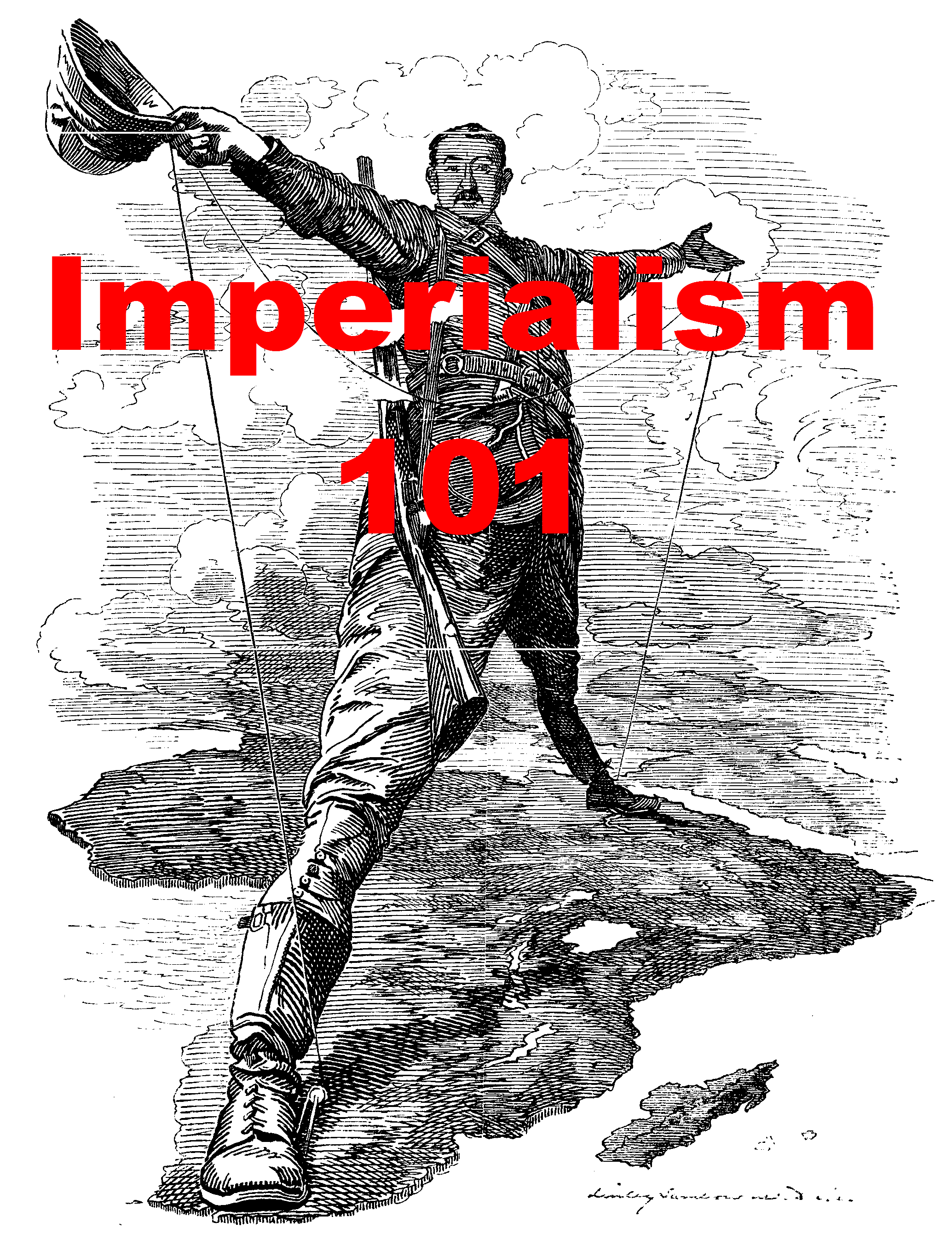
Manifest Destiny and Imperialism: The authors examine early American expansionism, emphasizing how the ideology of Manifest Destiny justified the conquest of territories and the displacement of Native Americans. This sets the stage for a broader discussion of U.S. imperialism and its consequences.
2. The American Century and World Wars
World War I: The book analyzes the United States’ involvement in World War I, presenting it as a pivotal moment that shifted the country’s role on the global stage. The authors discuss the consequences of the war and how the Treaty of Versailles laid the groundwork for future conflicts.
World War II: Stone and Kuznick critically examine the U.S. actions during World War II, particularly the decision to drop atomic bombs on Hiroshima and Nagasaki. They argue that this act not only caused immense human suffering but also marked the beginning of a dangerous arms race and the establishment of the military-industrial complex.
3. The Cold War Era
Origins and Dynamics: The authors explore the origins of the Cold War, detailing the ideological battle between capitalism and communism that defined the post-World War II era. They analyze key events, such as the Berlin Blockade and the Cuban Missile Crisis, highlighting how U.S. foreign policy was often driven by a desire to contain communism at all costs.
Military Interventions: Stone and Kuznick provide an in-depth look at U.S. military interventions during the Cold War, including the Korean War and the Vietnam War. They argue that these conflicts were not only disastrous for the countries involved but also for American society, leading to widespread dissent and divisions at home.
Civil Rights and Anti-War Movements: The book emphasizes the role of dissenting voices during the Cold War, particularly the civil rights movement and anti-war protests. The authors highlight how these movements challenged the status quo and sought to hold the government accountable for its actions.
4. Contemporary Issues and Foreign Policy
Post-Cold War America: The authors discuss the implications of U.S. foreign policy in the post-Cold War era, including interventions in the Balkans and the Middle East. They argue that these actions often reflect a continuation of imperialist tendencies rather than a commitment to democracy and human rights.
War on Terror: The book critically examines the War on Terror following the September 11 attacks, arguing that it has led to significant civil liberties violations and has fueled further instability in the Middle East. Stone and Kuznick point to the long-term consequences of these policies, including the rise of extremist groups.
Neoliberalism and Globalization: The authors critique neoliberal economic policies and their impact on inequality in the United States and around the world. They explore how corporate interests have influenced government policy, often at the expense of ordinary citizens.
Environmental Concerns: The book addresses contemporary environmental challenges, emphasizing the interconnections between imperialism, resource exploitation, and climate change. Stone and Kuznick argue that U.S. foreign policy must be reevaluated in light of these urgent issues.
5. Reevaluating American Exceptionalism
Critique of Exceptionalism: Stone and Kuznick challenge the notion of American exceptionalism, arguing that the U.S. has often acted contrary to its stated ideals. They contend that recognizing these contradictions is essential for understanding the true nature of American history.
Importance of Historical Awareness: The authors stress the need for a more honest and nuanced understanding of U.S. history. They advocate for a critical reevaluation of the past to inform present and future actions, emphasizing the importance of learning from mistakes.
6. Conclusion and Call to Action
Summary of Insights: The book concludes by summarizing the key arguments presented throughout. Stone and Kuznick call for readers to engage with history critically, recognizing the complexities and contradictions that have shaped the United States.
Encouragement for Active Citizenship: The authors emphasize the importance of informed citizenship and active engagement in democratic processes. They argue that understanding history is crucial for advocating for social justice and holding those in power accountable.
Implications and Legacy
Revisiting Historical Narratives: “The Untold History of the United States” contributes to ongoing discussions about historical narratives and the importance of critically examining the past. It encourages readers to question established beliefs and consider alternative perspectives.
Influence on Public Discourse: The book has sparked conversations about American foreign policy, imperialism, and the need for social change, making it a significant resource for activists, educators, and students of history.
Vision for a Just Future: Through their critical analysis, Stone and Kuznick inspire readers to envision a more equitable and just society, one that learns from history to create a better future.
Conclusion
In summary, “The Untold History of the United States” by Oliver Stone and Peter Kuznick offers a thought-provoking and critical examination of American history. By challenging conventional narratives and highlighting the complexities of U.S. actions at home and abroad, the authors encourage readers to engage with history in a meaningful way. The book serves as a call to action for informed citizenship and the pursuit of social justice, emphasizing the importance of understanding the past to shape a better future.
The Untold History of the United States_eBook
Pop the documents out from the upper right to read / expand / download.
The Untold History of the United States_Video Education








You must be logged in to post a comment.