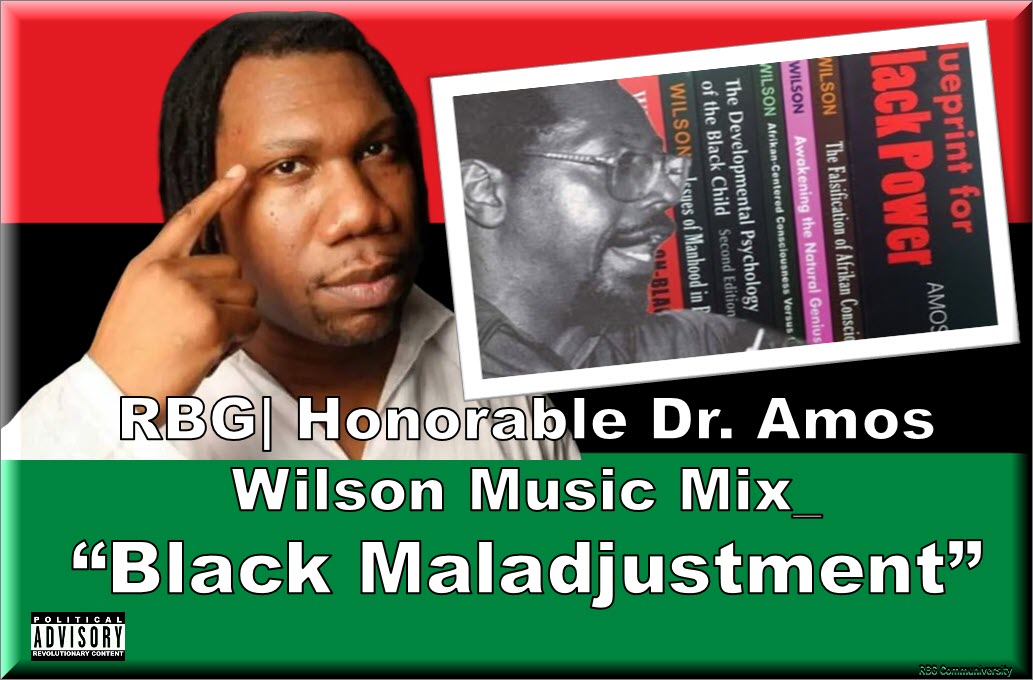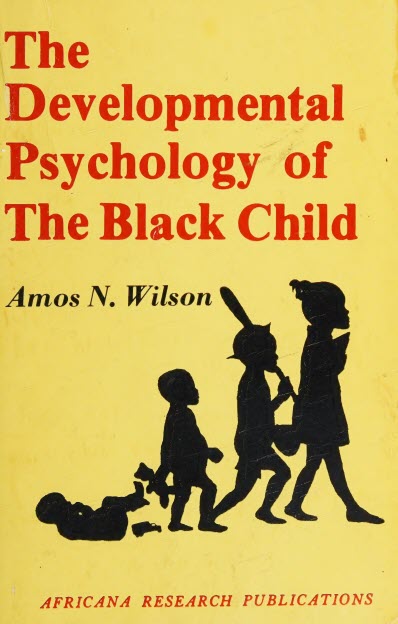
The Developmental Psychology of the Black Child (1978)_Amos N. Wilson (1941–1995), a psychologist, educator, and Pan-African scholar and ACE (African-centered education)

ICEBREAKR Videos (Parts 1and 2)

Amos N. Wilson (1941–1995)

The Developmental Psychology of the Black Child (1978) is a foundational work in African-centered psychology by Amos N. Wilson (1941–1995), a psychologist, educator, and Pan-African scholar who taught at the City University of New York. Wilson, born in Hattiesburg, Mississippi, earned degrees from Morehouse College, The New School, and a Ph.D. from Fordham University.

He argued that standard developmental psychology, built largely on studies of white middle-class children, misrepresents and often pathologizes Black children.

The 216-page book, first issued by Africana Research Publications, examines physical, cognitive, linguistic, and psychosocial development from conception through the preschool years. Wilson’s central claim is that the Black child is not “a white child who happens to be painted Black.” He points to measurable differences in early psychomotor development, higher rates of certain prenatal and perinatal risks (such as lower average birth weight and prematurity), distinct language patterns, and the shaping effects of racism, restricted environments, and cultural mismatch in schools and testing. These differences, he contends, reflect African heritage, historical conditions, and current social realities rather than inherent inferiority.

Chapters cover the prenatal period (maternal nutrition, toxins, hereditary conditions such as sickle-cell anemia), the first two years (accelerated motor milestones in some African-descended infants compared with European norms, limitations of infant IQ tests), preschool race awareness and initiative, the possible role of “psychogenic” environmental stress on brain development, play and media influences, and group differences on standardized intelligence tests.

Wilson critiques IQ testing as culturally loaded, questions whether Black English signals deficit, and examines how parental socialization, teacher expectations, and segregated or mismatched schooling affect outcomes.

He calls for education and child-rearing practices grounded in African-centered frameworks rather than unmodified Eurocentric models.

The book remains influential in Black psychology and Afrocentric education circles, with later reprints (including a 2014 edition) and high reader ratings. It is frequently paired with Wilson’s follow-up Awakening the Natural Genius of Black Children (1992). Scanned copies circulate on archival sites; print editions are available through specialty African-American bookstores and online retailers.

Wilson later expanded these ideas in lectures and books such as Blueprint for Black Power. Readers should note that some data and references date to the late 1970s, while the core critique of applying one-size-fits-all developmental models continues to be discussed in contemporary work on culturally responsive education.

Pop the documents out from the upper right to read / expand / download.

Pop the documents out from the upper right to read / expand / download.
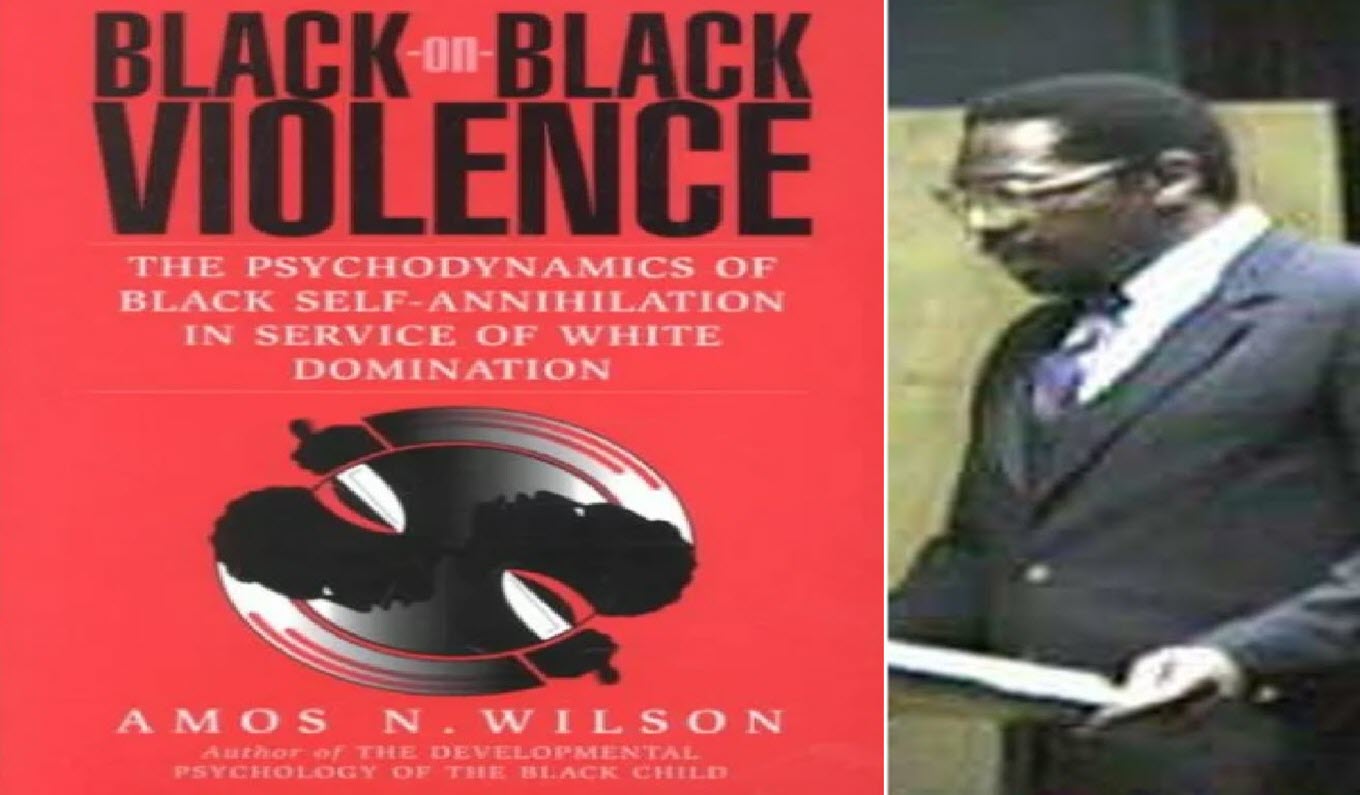
This document explains African-centered education (ACE), emphasizing its role in supporting Black children’s academic, social, and cultural development.

Foundation and Philosophy

>ACE focuses on African culture, history, and community to foster positive racial identity.

>Core beliefs include rejecting Eurocentric notions of intelligence, honoring ancestral legacies, and pursuing excellence.

>It centers on sovereignty, culture, and outdoor experiences.

Structural Features

>Flexible funding, multi-age classrooms, and culturally affirming environments.

>Curricula highlight African accomplishments and representations of Black achievements.

>Family and community engagement are integral.

Process Features

>Curricular approaches incorporate history, culture, and storytelling.

>Teachers prioritize culturally responsive recruitment and professional development.

Conclusion 

African-centered education matters as it nurtures Black children’s full potential through culturally sustaining practices.

Learn more: Honorable Dr. Amos Wilson Studies Collection

Honorable Dr. N. Amos Wilson, Blueprint for Black Power_ A Moral, Political, and Economic Imperative for the Twenty-First Century | Video Education and Textbook

Buy the Book on AWI.

Blueprint for Black Power details a master plan for the power revolution necessary for Black survival in the 21st century. Blueprint posit that an African American/Caribbean/ Pan-African bloc would be most potent for the generation and delivery of Black power in the United States and the World to counter White and Asian power networks. Wilson frames this imperative by deconstructing the U.S. elite power structure of government, political parties, think tanks, corporations, foundations, media, interest groups, banking and foreign investment particulars. Potentially strong Black institutions such as the church, media and think tanks; industry; collectives such as investment clubs and credit unions; rotating credit associations such as Afrikan- originated esusu, tontine and partner are analyzed. Pan-Afrikanism, Black Nationalism, ethnocentrism and reparation are assessed, often misused and underused financial institutions such as securities, mutual funds, stocks, bonds, underwriting, and incubators are advocated, thus elucidating oft-negated opportunities for economic empowerment.

3 Video Playlist

Pop the document out from the upper right to read / expand / download.

Learn more in RBG Communiversity Knowledge Media eLibrary | Honorable Dr. Amos Wilson Studies Collection

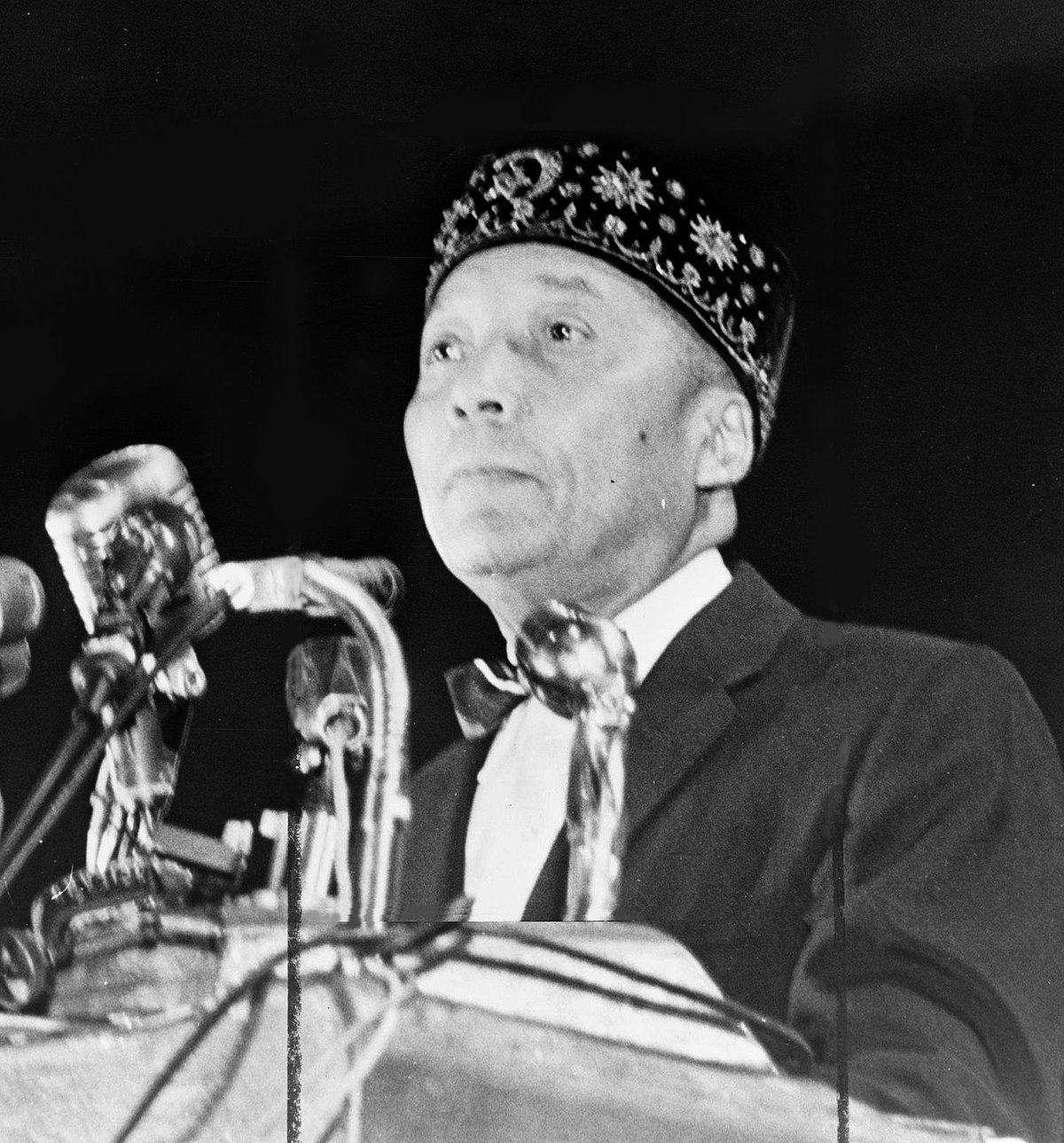
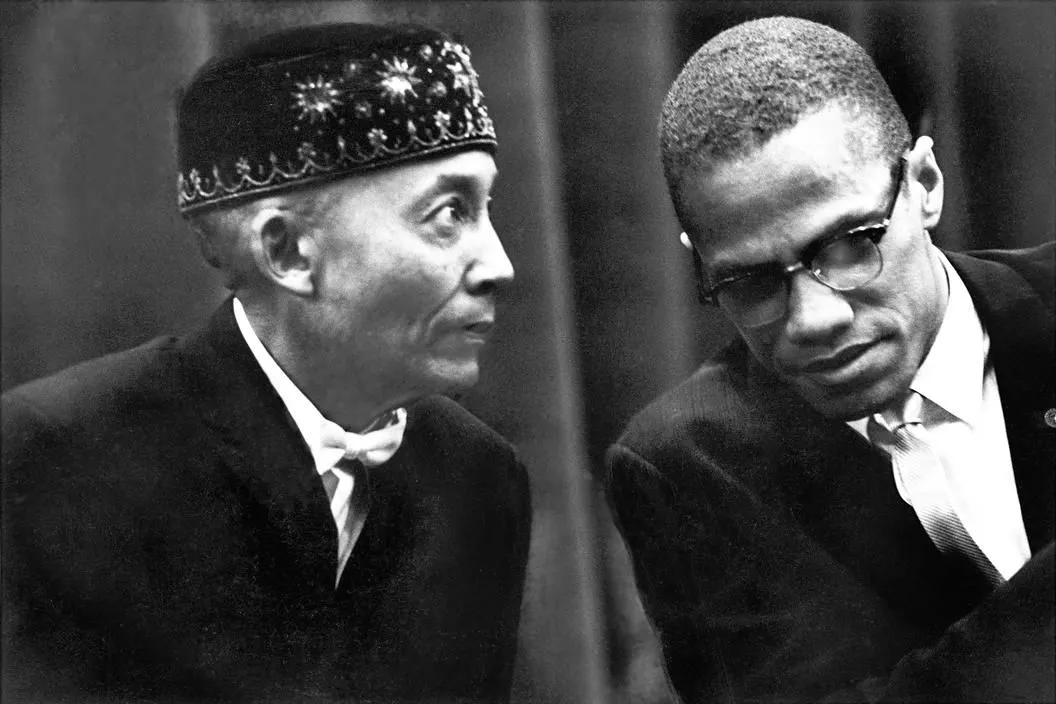
Honorable Elijah Muhammad and The NOI: A Scholarly Historical Course of Study: Including Introduction regarding “The Messenger” from the Honorable Dr. Amos Wilson, Classic Elijah Muhammad Books and THEBLACKSCHOLAR Journal_The Nation of Islam: 1930-1996, with Supplementals.

Last updated September 20, 2026

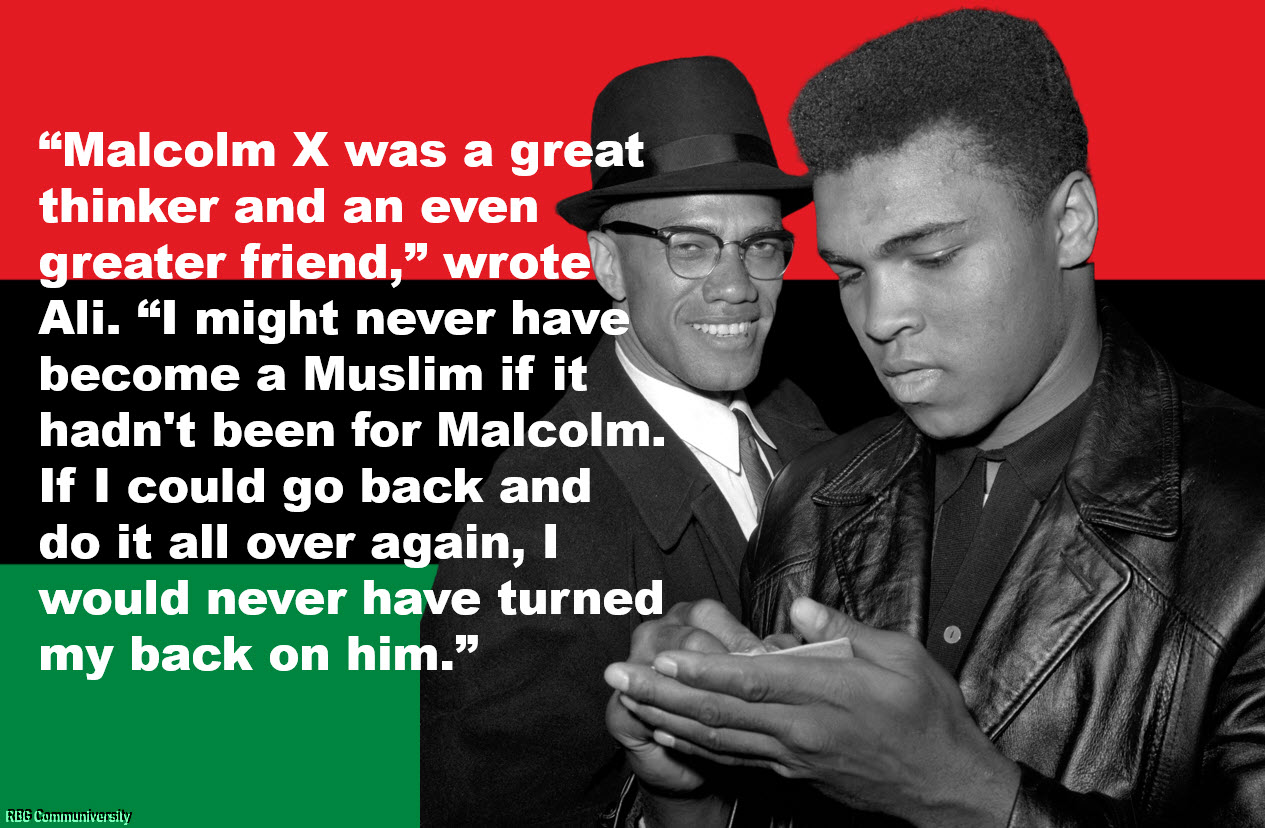
Course of Study Icebreaker Graphic, Video Clip and Slideshow

Click to view full size standalone poster. |

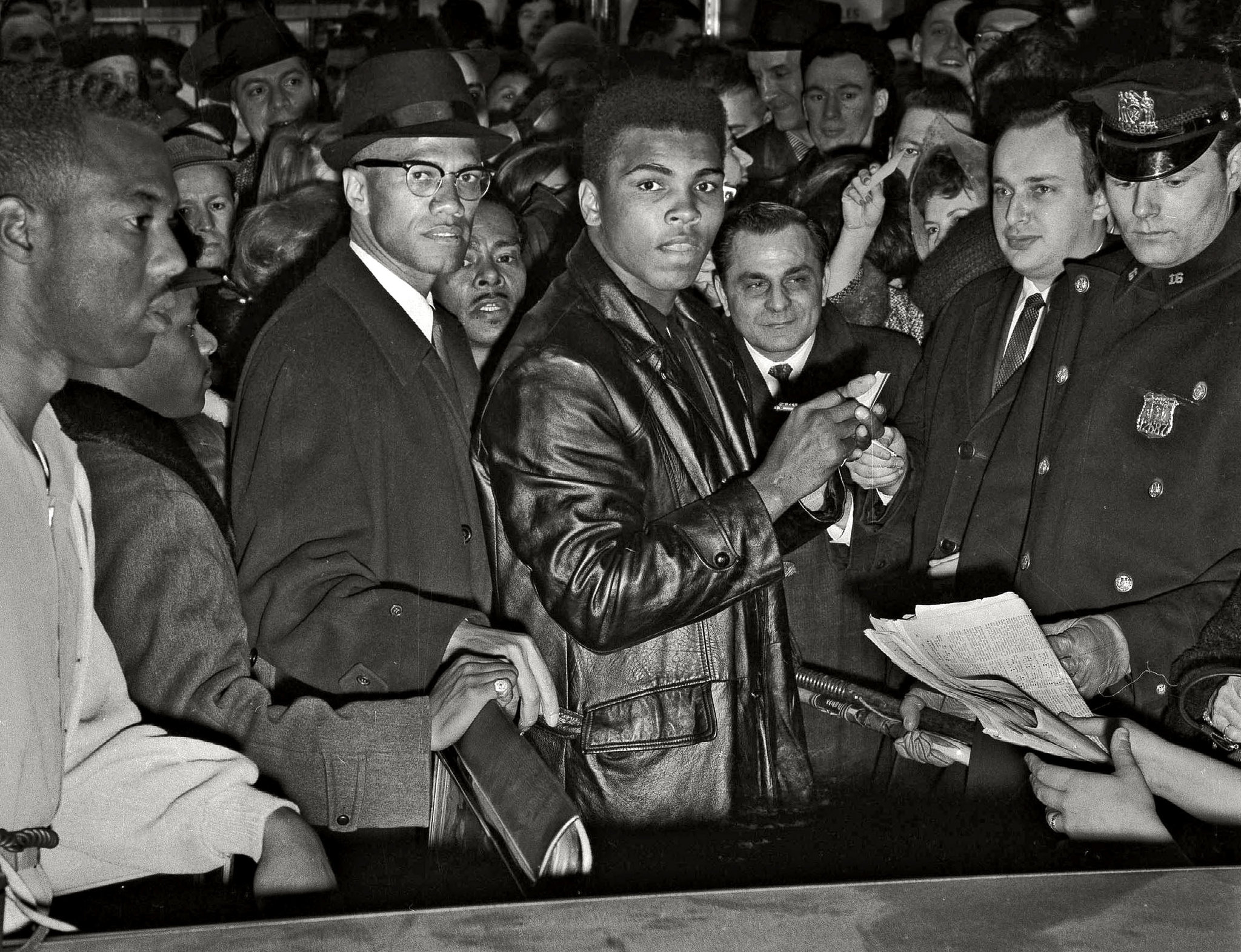
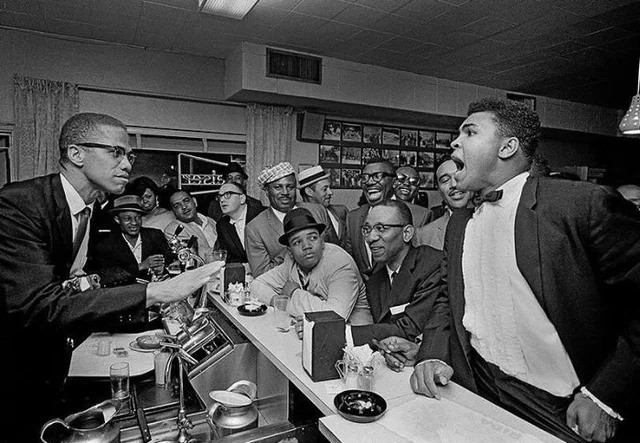
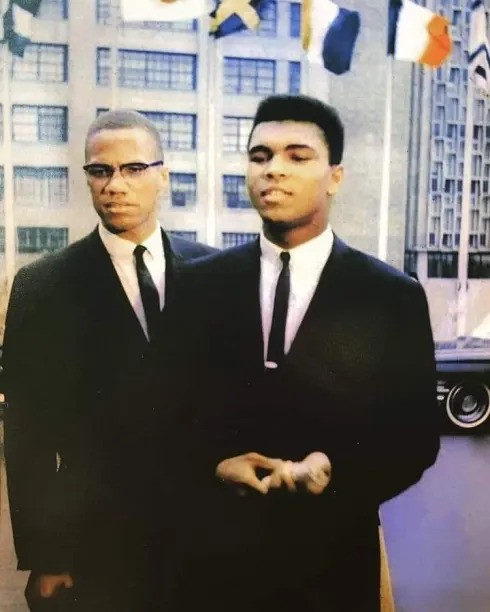
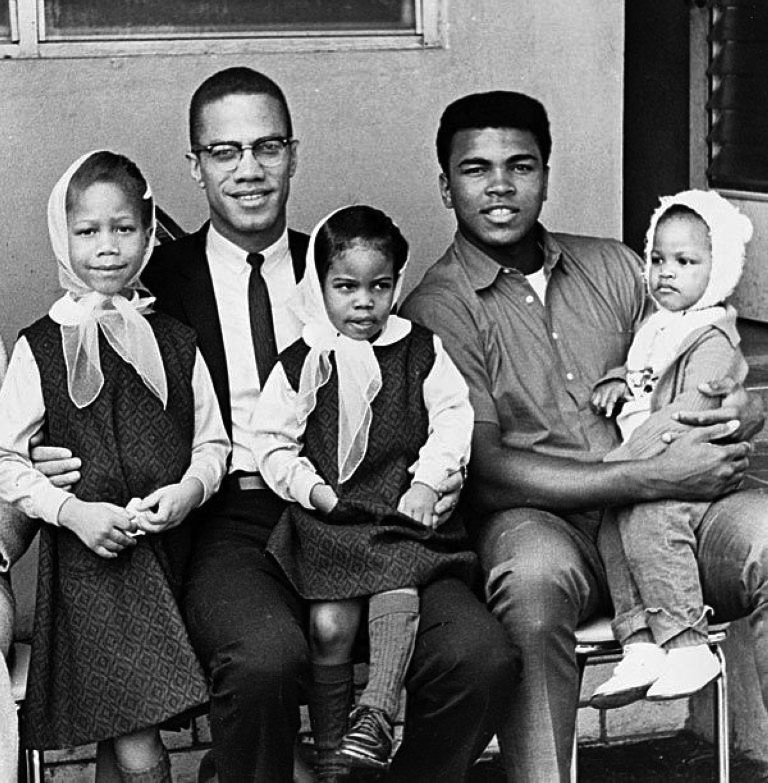
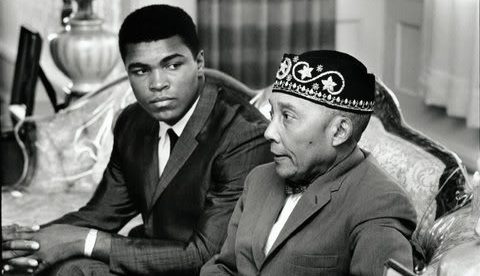
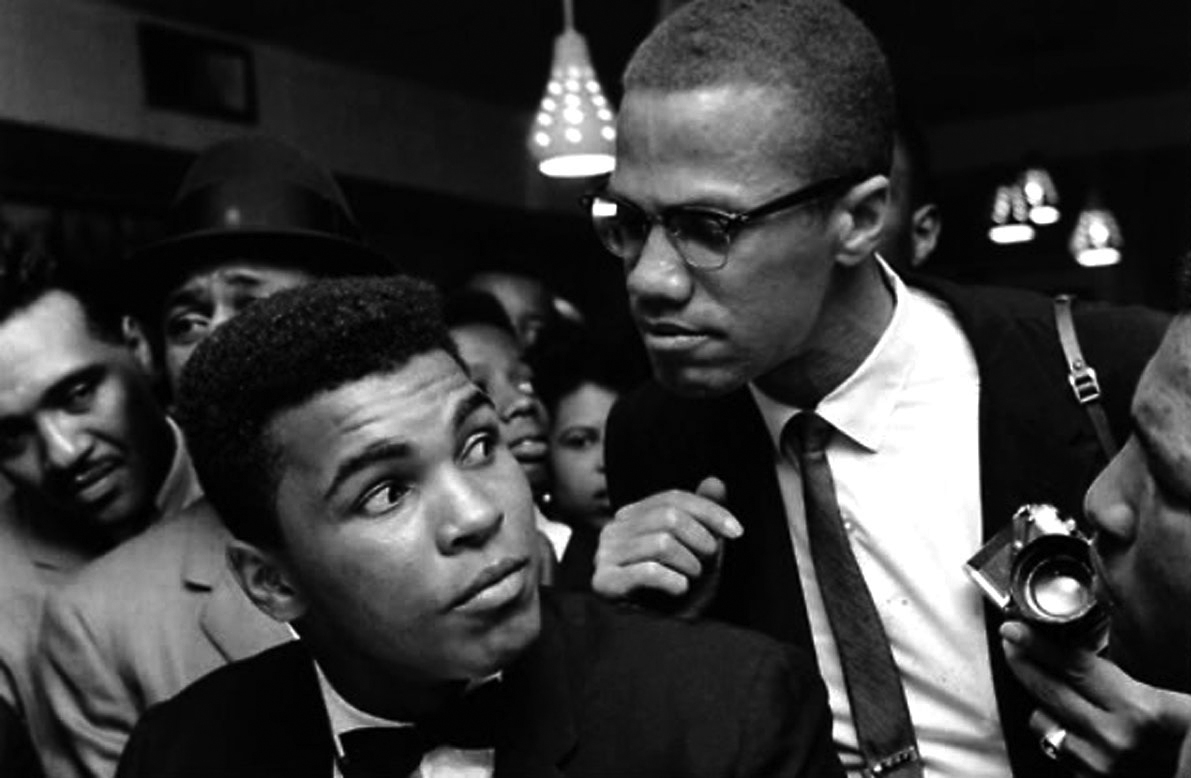
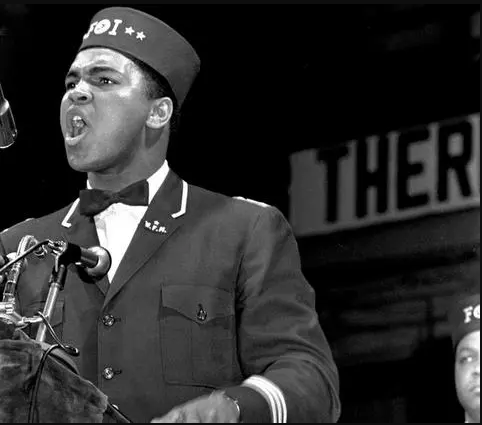
Read: “Muhammad Ali’s one regret: turning his back on Malcolm X“

Ali first met Malcolm X, Elijah Muhammad’s chief disciple at the time in Nevada in 1962. Malcolm X is credited with playing a critical role in the evolution of Ali’s religious views by steering him towards the Nation of Islam.| IN RE OF THE CLIP: RBG Communiversity Knowledge Media eLibrary_Like It Is_w Gil Noble. Also check-out Muhammad Ali_PBS Series | Season 1

Pop the documents out from the upper right to read / expand / download.

Dr. Amos Wilson On The Value of Elijah Muhammad

From: RBG Communiversity Hnorable Dr Amos N. Wilson Video Edu. Plaver (41 Lectures)

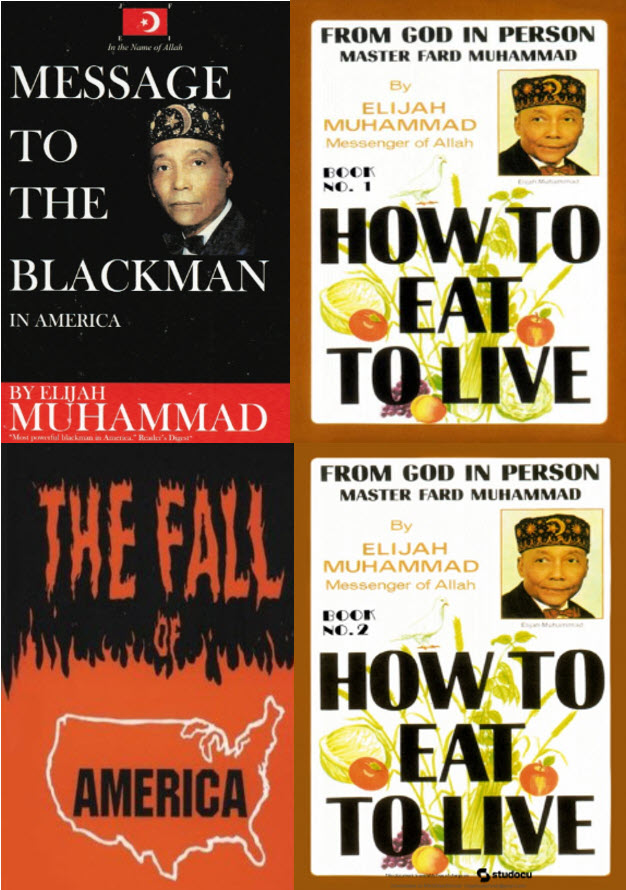
Classic Elijah Muhammad Books (Click for downloadable access.)

Pop the documents out from the upper right to read / expand / download.

THEBLACKSCHOLAR Journal_The Nation of Islam: 1930-1996

SUPPLEMENTALS:

I: Spearit, Muslims in Prison: Advancing the Rule of Law Through Litigation Praxis, 3 Journal of Islamic Law (2022).

Prisoners pray under surveillance at Folsom Prison, 1963 (Garrett A. Felber)

Learn more in RBG Communiversity Knowledge Media eLibrary |

Honorable Elijah Muhammad, NOI & Minister Louis Farrakhan Folder