A RBG BLM (Black Liberation Movement) Studies Series: For those New Africans interested in the pursuit of revolutionary black consciousness towards Nationhood and Black Power, this is an edutaining overview of the life, times, issues and struggles we as African people must fight against and ultimately defeat.
17 Video Playlist
“Decolonizing the African Mind: Further Analysis and Strategy” by Dr. Uhuru Hotep is an influential framework and paper by an educator that outlines a psychological roadmap for African liberation and community empowerment.
Building directly upon the foundational teachings of Nigerian scholar Chinweizu—who famously argued that mental decolonization requires overthrowing the authority of alien traditions rather than pretending they do not exist—Dr. Hotep frames the modern African American and Pan-African struggle through the lens of psychological liberation.
Core Conceptual Framework
Dr. Hotep outlines a systematic cycle used by European ruling elites over the past 500 years to subjugate African populations:
Colonization: The physical and political seizure of land, resources, and institutional structures.
Deculturalization: The deliberate stripping away of indigenous languages, spiritual practices, customs, and ancestral history.
Mis-education: The implementation of Eurocentric educational and religious curricula designed to brainwash individuals, instill an inferiority complex, and secure voluntary allegiance to the oppressor’s culture.
The Blueprint for “Re-Africanization”
To reverse this damage, Hotep presents decolonization not as a passive realization, but as a proactive, multi-generational project of Re-Africanization. His strategy centers on two core pillars:
Reclaiming Intellectual Space: Individuals must consciously uproot internalized European or Arab values that harm Black family stability and community growth. These vacant mental spaces must then be filled with ancestral, life-sustaining African social values and philosophies.
The Six Jewels of Sovereignty (Johari Sitta): Through initiatives like The F.A.C.T. Project (Fundamental African Centered Thought), Hotep moves away from traditional “protest politics”. He argues that true sovereignty requires independent control and ownership over six essential areas of life:
Food
Clothing
Shelter
Education
Medical care
Self-defense
“Break the Chains of Mental Slavery”
“Emancipate yourselves from mental slavery; none but ourselves can free our minds”—words famously spoken by Marcus Garvey in 1937 and echoed in Bob Marley’s “Redemption Song”—describe the process of overcoming deep-seated psychological conditioning rooted in historical oppression.
Pop the document out from the upper right to read / expand / download.
Ultimately, Dr. Hotep’s work asserts that physical, political, or financial freedom is impossible without first achieving complete intellectual sovereignty.
“The central objective in decolonising the African mind is to overthrow the authority which alien traditions exercise over the African. This demands the dismantling of white supremacist beliefs, and the structures which uphold them, in every area of African life. It must be stressed, however, that decolonisation does not mean ignorance of foreign traditions; it simply means denial of their authority and withdrawal of allegiance from them.” Chinweizu Ibekwe
Pop the document out from the upper right to read / expand / download.
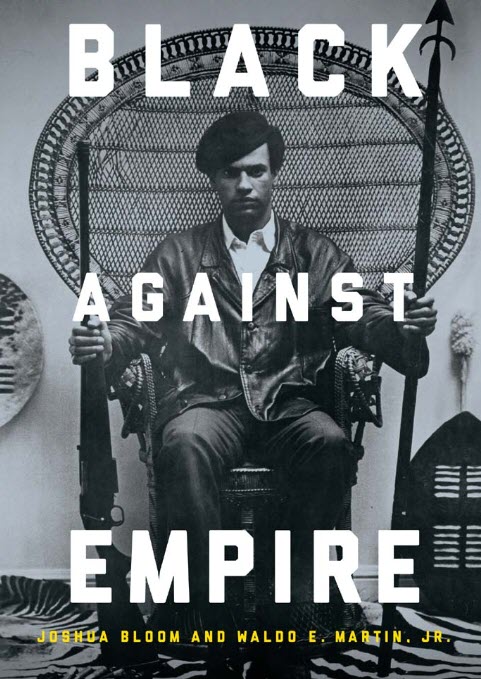
“Black Against Empire: The History and Politics of the Black Panther Party” by Joshua Bloom and Waldo E. Martin Jr. is a comprehensive examination of the Black Panther Party (BPP), a revolutionary organization established in the United States in the 1960s. The book delves into the historical, political, and social contexts that gave rise to the BPP, highlighting its ideologies, community programs, and the challenges it faced from state repression. Bloom and Martin provide an in-depth analysis of the BPP’s impact on the civil rights movement, its role in the broader struggle against systemic racism, and its legacy in American history. The authors argue that the BPP was a significant force in the fight for social justice, challenging the narratives that have often marginalized its contributions.
The outline that follows captures the essential themes and structure of “Black Against Empire.” The book serves as a vital resource for understanding the complexities of the Black Panther Party, its contributions to the struggle for racial justice, and its enduring impact on American society and politics. Through historical analysis and critical examination, Bloom and Martin highlight the significance of the BPP in the ongoing fight against systemic racism and inequality.
I. Introduction
A. Purpose and scope of the book
B. Overview of the Black Panther Party’s significance
C. Key themes and arguments
II. Historical Context
A. The Civil Rights Movement and its limitations
Overview of key events and figures
The emergence of radical politics
B. The socio-political climate of the 1960s
Urban unrest and the rise of Black nationalism
Economic inequalities and police violence
III. Formation of the Black Panther Party
A. Founding members and early days
Huey P. Newton and Bobby Seale
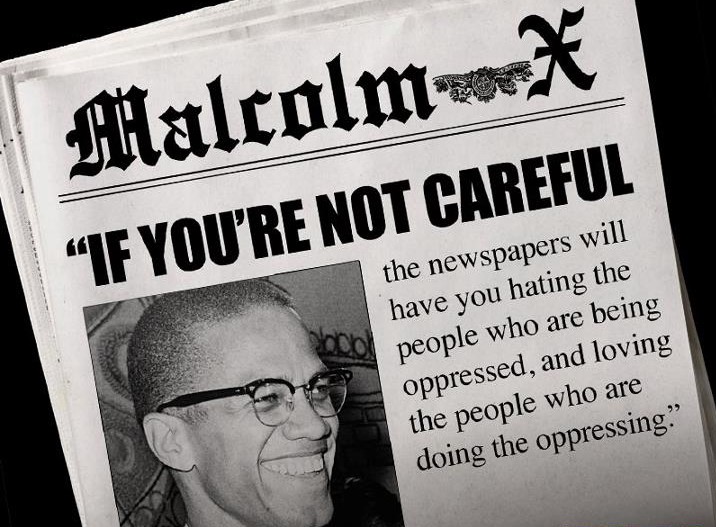
The influence of Malcolm X and other leaders
B. Core principles and ideology
Ten-Point Program and its demands
Anti-capitalism and anti-imperialism
IV. Community Programs and Activism
A. Social programs initiated by the BPP
Free Breakfast for Children Program
Health clinics and education initiatives
B. Community organizing and outreach
Building solidarity among marginalized communities
The role of women in the BPP
V. State Repression and the FBI’s COINTELPRO
A. Government response to the BPP
Surveillance, infiltration, and harassment
The impact of COINTELPRO on the BPP’s activities
B. Key confrontations and outcomes
Shootouts, arrests, and trials
The fragmentation of the party
VI. The Legacy of the Black Panther Party
A. Impact on the civil rights movement and later activism
Influence on subsequent generations of activists
The BPP’s role in shaping Black political discourse
B. Reassessment of the BPP’s contributions
Challenging negative stereotypes and misconceptions
The enduring relevance of the BPP’s ideals
VII. Conclusion
A. Summary of key insights and arguments
B. Reflection on the BPP’s historical significance
C. Call for continued engagement with the legacy of the Black Panther Party
“Black Against Empire: The History and Politics of the Black Panther Party” by Joshua Bloom and Waldo E. Martin Jr. is a significant scholarly work that provides a deep and nuanced understanding of the Black Panther Party (BPP) and its role in American history. Here’s a more detailed exploration of the book’s key themes, insights, and implications:
Detailed Exploration of Key Themes
1. Historical Context
Civil Rights Movement and Its Limitations: Bloom and Martin contextualize the emergence of the BPP within the broader civil rights movement. They illustrate how, while civil rights activism made significant strides in addressing segregation and discrimination, it often fell short in addressing systemic economic inequalities and police violence faced by Black communities. This gap created a fertile ground for more radical approaches to activism.
Urban Unrest and Black Nationalism: The authors explore the social upheavals of the 1960s, including riots and protests that highlighted the frustrations of Black Americans. They discuss the rise of Black nationalism, which sought to empower Black communities and assert their rights in the face of systemic oppression.
2. Formation of the Black Panther Party
Founding Members: The book details the founding of the BPP by Huey P. Newton and Bobby Seale in 1966 in Oakland, California. Bloom and Martin emphasize the influence of Malcolm X and other revolutionary thinkers on the party’s ideology, which combined elements of socialism, anti-imperialism, and Black nationalism.
Core Principles: The BPP’s Ten-Point Program is presented as a foundational document that articulates the party’s demands for justice, employment, housing, education, and an end to police brutality. This program reflects the party’s commitment to addressing both systemic racism and economic inequality.
3. Community Programs and Activism
Social Programs: One of the most notable aspects of the BPP was its extensive community programs aimed at addressing immediate needs in Black communities. The authors highlight initiatives such as the Free Breakfast for Children Program, health clinics, and educational programs that provided vital services to underserved populations.
Community Organizing: The BPP’s grassroots organizing efforts are explored, emphasizing how the party sought to build solidarity among marginalized communities. The authors also discuss the significant role of women in the BPP, including leaders like Angela Davis and Kathleen Cleaver, and how their contributions were essential to the party’s success.
4. State Repression and the FBI’s COINTELPRO
Government Response: The book details the intense repression the BPP faced from government agencies, particularly the FBI’s Counterintelligence Program (COINTELPRO). Bloom and Martin explain how the FBI viewed the BPP as a threat and employed tactics such as surveillance, infiltration, and disinformation to undermine the party.
Confrontations and Outcomes: The authors recount key confrontations between BPP members and law enforcement, including violent encounters that led to arrests, injuries, and deaths. They analyze how these actions contributed to the fragmentation and decline of the BPP.
5. The Legacy of the Black Panther Party
Impact on Civil Rights and Activism: Bloom and Martin argue that the BPP had a lasting impact on the civil rights movement and subsequent social justice movements. They highlight how the party’s radical message and community programs inspired future generations of activists and contributed to the discourse on race and inequality in America.
Reassessment of Contributions: The authors challenge negative stereotypes and misconceptions about the BPP, advocating for a reevaluation of its contributions to the struggle for racial justice. They emphasize that the BPP was a complex organization with both successes and failures, deserving of a nuanced understanding.
Conclusion
The book concludes with a reflection on the historical significance of the Black Panther Party and its ongoing relevance in contemporary discussions about race, inequality, and social justice. Bloom and Martin call for continued engagement with the BPP’s legacy, urging readers to recognize the importance of grassroots activism and the need to challenge systemic oppression.
Broader Implications
Historical Understanding: “Black Against Empire” serves as an essential resource for understanding the complexities of the Black Panther Party and its role in the broader struggle for civil rights and social justice. It emphasizes the importance of historical context in analyzing contemporary issues related to race and inequality.
Inspiration for Activism: The book inspires current and future activists to draw lessons from the BPP’s experiences, encouraging a multifaceted approach to social movements that includes community organizing, direct action, and advocacy for systemic change.
Overall, “Black Against Empire” is a profound and insightful examination of the Black Panther Party, providing a comprehensive account of its history, ideology, and impact on American society. Through meticulous research and critical analysis, Bloom and Martin illuminate the party’s legacy, challenging readers to engage with its contributions to the ongoing fight for justice and equality.
Pop the document out from the upper right to read / expand / download. Corresponding text for audio begins on pg. 12 of this reader.
Audio Summary: Why and How the African Child is Miseducated in the Western Educational System , Hort
Pop the document out from the upper right to read / expand / download.
This document explains African-centered education (ACE), emphasizing its role in supporting Black children’s academic, social, and cultural development.
Foundation and Philosophy
ACE focuses on African culture, history, and community to foster positive racial identity.
Core beliefs include rejecting Eurocentric notions of intelligence, honoring ancestral legacies, and pursuing excellence.
It centers on sovereignty, culture, and outdoor experiences.
Structural Features
Flexible funding, multi-age classrooms, and culturally affirming environments.
Curricula highlight African accomplishments and representations of Black achievements.
Family and community engagement are integral.
Process Features
Curricular approaches incorporate history, culture, and storytelling.
Teachers prioritize culturally responsive recruitment and professional development.
Conclusion
African-centered education matters as it nurtures Black children’s full potential through culturally sustaining practices.
Pop the document out from the upper right to read / expand / download.












You must be logged in to post a comment.