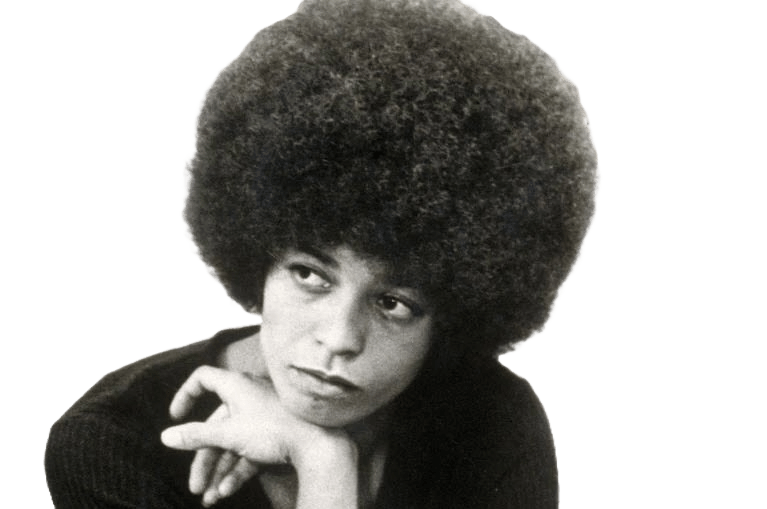
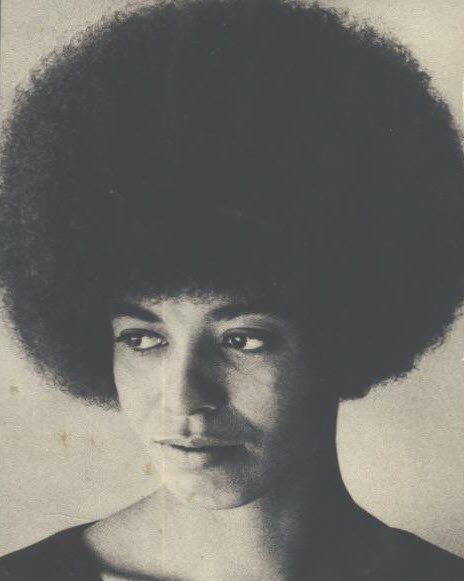
“Jailhouse Lawyers: Prisoners Defending Prisoners v. the USA” is a powerful examination of the U.S. prison system through the lens of those incarcerated. Written by Mumia Abu-Jamal, a prominent journalist and activist on death row, this book sheds light on the struggles and experiences of prisoners who take on the challenge of defending themselves and their peers within a flawed legal system. The introduction by Angela Y. Davis adds depth, contextualizing the importance of prison activism and the fight against systemic injustice.
The outline that follows provides a structured view of the book’s content and themes, highlighting the critical issues surrounding the prison system and the efforts of those within it to seek justice.
Introduction by Angela Y. Davis
Overview of the prison industrial complex
Historical context of prison activism
Importance of prisoner representation in the legal system
Chapter 1: The Role of Jailhouse Lawyers
Definition and function of jailhouse lawyers
Historical examples of successful jailhouse lawyers
The impact of jailhouse lawyers on prison reform
Chapter 2: The Prison System and Legal Barriers
Description of the barriers faced by prisoners in accessing legal resources
Overview of the legal system’s shortcomings regarding prisoner rights
The role of censorship and isolation in hindering legal defense
Chapter 3: Case Studies of Prisoner Defenses
Detailed accounts of notable cases handled by jailhouse lawyers
Analysis of the outcomes and their implications for justice
Reflection on the strategies employed by these lawyers
Chapter 4: The Intersection of Race and Incarceration
Examination of racial disparities within the prison system
Impact of systemic racism on legal representation for prisoners
Stories of racial injustice and resistance
Chapter 5: The Future of Prisoner Advocacy
Discussion on the evolving role of jailhouse lawyers in modern justice
Potential reforms and changes needed in the legal system
The importance of solidarity among prisoners and advocates
Conclusion: A Call to Action
Reflection on the necessity of continued advocacy for prisoners’ rights
Here’s a deeper dive into the key themes and concepts presented in “Jailhouse Lawyers”
Key Themes
Prisoner Advocacy:
The book emphasizes the empowerment of prisoners to advocate for themselves and their peers. Jailhouse lawyers often develop a deep understanding of legal principles, despite the limitations of their environments. They become vital resources for other inmates who may lack formal legal representation.
Systemic Injustice:
Abu-Jamal critiques the U.S. legal system, highlighting how it disproportionately affects marginalized populations, particularly people of color. He argues that the system is designed to perpetuate inequality and that many prisoners face insurmountable barriers when trying to navigate it.
Resistance and Solidarity:
The narrative illustrates the importance of solidarity among prisoners. It showcases how collective efforts can challenge injustices and how shared experiences often lead to organized actions for reform. The book serves as a testament to the resilience of those incarcerated who refuse to be silenced.
Historical Context:
The introduction by Angela Y. Davis situates the discussion within a broader historical framework, linking contemporary issues in the prison system to past movements for civil rights and social justice. Davis provides insights into how historical struggles inform current advocacy efforts.
Legal Education:
The book highlights the informal education that takes place within prison walls, where inmates learn about the law and legal strategies. This self-education is often a response to the inadequacies of the legal system and the lack of access to professional legal assistance.
Important Concepts
Jailhouse Lawyer:
A term used to describe inmates who have taken it upon themselves to learn about the law and assist others in their legal battles. These individuals often possess significant knowledge and can navigate the complexities of the legal system despite their confinement.
Access to Justice:
The book underscores the challenges faced by prisoners in accessing legal resources, such as libraries, legal texts, and supportive networks. It critiques the systemic barriers that prevent a fair trial and adequate representation.
Racial Disparities:
Abu-Jamal explores how race and ethnicity intersect with the prison system, revealing how systemic racism is embedded within legal practices. He discusses the disproportionate incarceration rates of Black and Latino individuals and the implications of this on their communities.
Activism and Reform:
The narrative calls for ongoing activism to reform the justice system, advocating for policies that prioritize rehabilitation over punishment. It encourages readers to engage in grassroots movements and support organizations working toward prison reform.
Jailhouse Lawyers: Prisoners Defending Prisoners v. the USA_eBook
Overall, “Jailhouse Lawyers” is not only a critique of the prison system but also a celebration of the resilience and ingenuity of those who fight for justice from behind bars. It serves as a reminder of the importance of advocacy, education, and solidarity in the face of systemic oppression.
Pop the documents out from the upper right to read / expand / download.
Jailhouse Lawyers: Prisoners Defending Prisoners v. the USA_Audiobook
Learn more in RBG Communiversity Knowledge Media eLibrary:
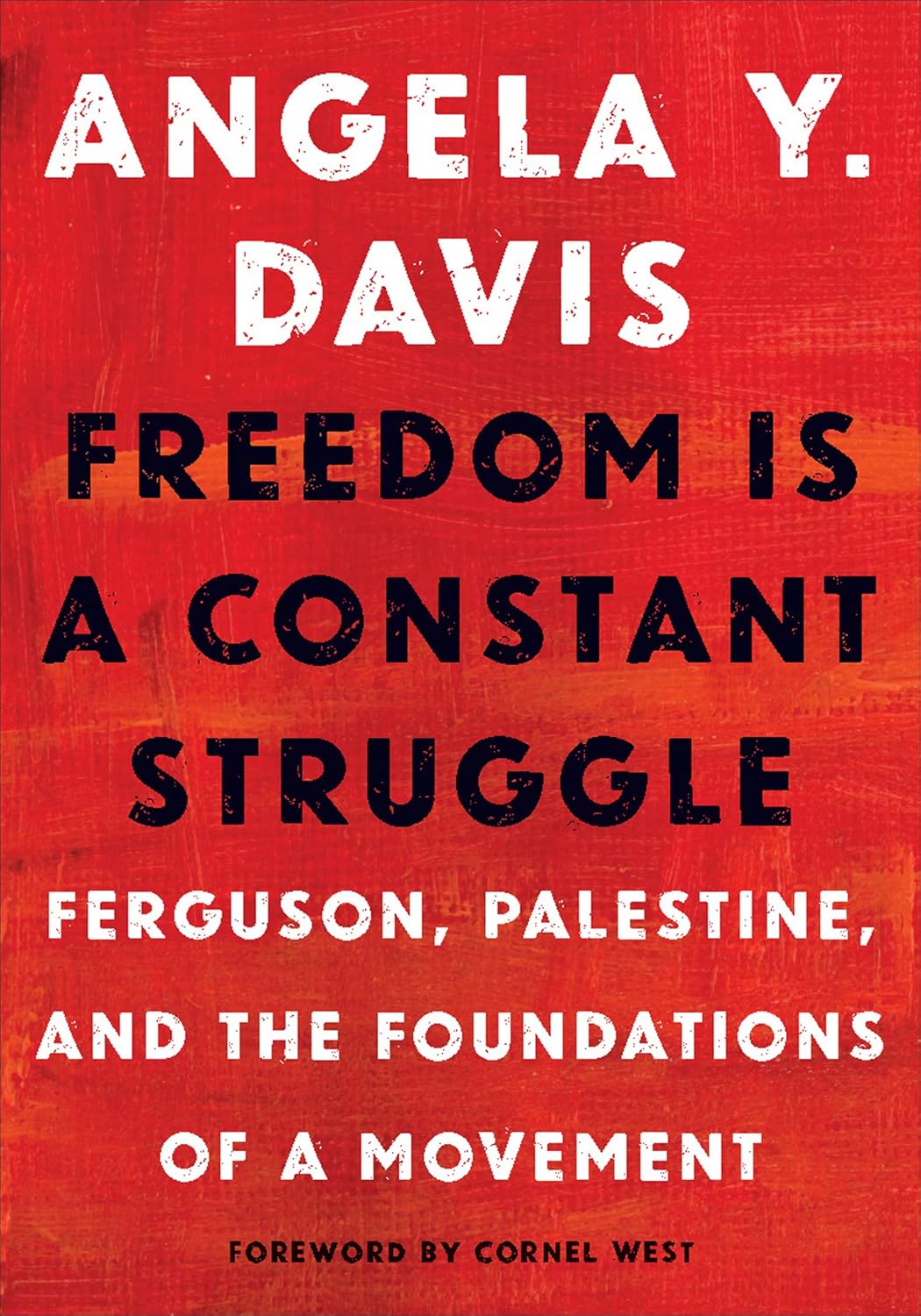
“Freedom Is a Constant Struggle: Ferguson, Palestine, and the Foundations of a Movement” by Angela Y. Davis is a powerful collection of essays and speeches that explores the intersections of social justice movements, particularly focusing on the struggles against racial oppression in the United States and the Palestinian struggle for liberation. Davis draws connections between the experiences of marginalized communities, emphasizing the global nature of resistance against systemic injustice. Through her analysis, she highlights the importance of solidarity, intersectionality, and the need for a comprehensive understanding of freedom that transcends borders. The book serves as a call to action for activists and allies to unite in the fight for justice and equality.
The outline that follows captures the main themes and structure of “Freedom Is a Constant Struggle,” highlighting Angela Y. Davis’s critical analysis of contemporary social justice movements and her call for solidarity in the fight against oppression. The book serves as an important resource for understanding the interconnectedness of struggles for liberation and the necessity of collective action in achieving social justice.
I. Introduction
Overview of the book’s purpose: to connect struggles for liberation across different contexts
Introduction to Angela Y. Davis and her role as a prominent activist and scholar
The significance of examining the intersections of race, class, and gender in social movements
II. Historical Context of Struggles
Examination of the historical roots of racial oppression in the United States
Overview of the Palestinian struggle for self-determination and liberation
Discussion of the global context of colonialism and its impact on marginalized communities
III. The Ferguson Uprising
Analysis of the events surrounding the Ferguson protests following the shooting of Michael Brown
Exploration of the role of grassroots organizing and community response to police violence
Connection between the Ferguson movement and broader Black Lives Matter activism
IV. Solidarity with Palestine
Examination of the parallels between the struggles of Black Americans and Palestinians
Discussion of the Boycott, Divestment, Sanctions (BDS) movement and its significance
The importance of international solidarity in the fight against oppression
V. Intersectionality in Activism
Analysis of the importance of intersectionality in understanding social justice movements
Exploration of how race, gender, class, and sexuality intersect in the struggle for liberation
The role of women and LGBTQ+ individuals in movements for social change
VI. The Role of Education and Consciousness
Discussion of the importance of political education and consciousness-raising in activism
The need for critical engagement with history and current events to inform movement-building
The role of art, culture, and literature in inspiring and mobilizing communities
VII. Reflections on the Future of Movement-Building
Insights into the potential for transformative change through collective action
The importance of maintaining momentum and solidarity among diverse movements
A vision for a more just and equitable future, grounded in the principles of freedom and liberation
VIII. Conclusion
Summary of key themes and insights from the book
Reflection on the ongoing struggles for justice and the interconnectedness of movements
A call to action for readers to engage in the fight for freedom and equality across borders
“Freedom Is a Constant Struggle: Ferguson, Palestine, and the Foundations of a Movement” by Angela Y. Davis is a profound exploration of the connections between various social justice movements, particularly the struggles against systemic racism in the United States and the fight for Palestinian liberation. Through a series of essays and speeches, Davis articulates her vision of a world where freedom and justice are accessible to all, emphasizing the importance of solidarity and collective action.
Key Themes and Insights
Interconnected Struggles:
Davis draws parallels between the struggles of Black Americans and Palestinians, highlighting how both groups face systemic oppression and violence rooted in colonialism and racism. She argues that understanding these connections is crucial for building a robust movement for justice.
The book emphasizes that the fight for freedom is not confined by national borders; rather, it is a global struggle against various forms of oppression.
Ferguson and the Black Lives Matter Movement:
In her analysis of the Ferguson uprising, which followed the police shooting of Michael Brown, Davis discusses the grassroots organizing that emerged in response to state violence. She highlights the significance of the Black Lives Matter movement as a contemporary expression of the ongoing fight against racial injustice.
Davis emphasizes the need for sustained activism and community engagement to combat police brutality and systemic racism.
Solidarity with Palestine:
Davis advocates for solidarity with the Palestinian struggle, articulating the importance of the Boycott, Divestment, Sanctions (BDS) movement as a means of resisting Israeli occupation and advocating for Palestinian rights.
She argues that recognizing the parallels between the experiences of Black Americans and Palestinians can strengthen solidarity efforts and amplify voices fighting for liberation.
Intersectionality:
A significant theme in Davis’s work is the concept of intersectionality, which examines how various social identities (race, gender, class, and sexuality) intersect and impact individuals’ experiences of oppression.
Davis highlights the vital contributions of women and LGBTQ+ individuals to social justice movements, advocating for an inclusive approach that recognizes the diverse experiences within marginalized communities.
Political Education and Consciousness:
Davis underscores the importance of political education in fostering a critical consciousness among activists. She believes that understanding history, systemic oppression, and current events is essential for effective movement-building.
The role of art, culture, and literature in inspiring and mobilizing communities is also emphasized, as these mediums can be powerful tools for raising awareness and fostering solidarity.
Vision for the Future:
In her reflections on the future of social justice movements, Davis expresses hope for transformative change through collective action and solidarity. She envisions a world where liberation is not just a dream but a reality for all oppressed people.
The book concludes with a call to action, urging readers to engage in the ongoing fight for justice and to recognize their roles as allies in various struggles for liberation.
Conclusion
“Freedom Is a Constant Struggle” is a vital contribution to contemporary discussions about social justice, activism, and solidarity. Angela Y. Davis’s eloquent and insightful analysis encourages readers to recognize the interconnectedness of struggles for liberation and to engage actively in the fight against oppression. By drawing on her extensive experience as an activist, scholar, and thinker, Davis provides a framework for understanding the complexities of social justice movements and the importance of collective action.
The book serves as both an educational resource and a rallying cry for those committed to social change, emphasizing that the pursuit of freedom is a continuous journey that requires dedication, solidarity, and a deep understanding of the struggles faced by marginalized communities worldwide.
Click to view full size.
Freedom Is a Constant Struggle_eBook
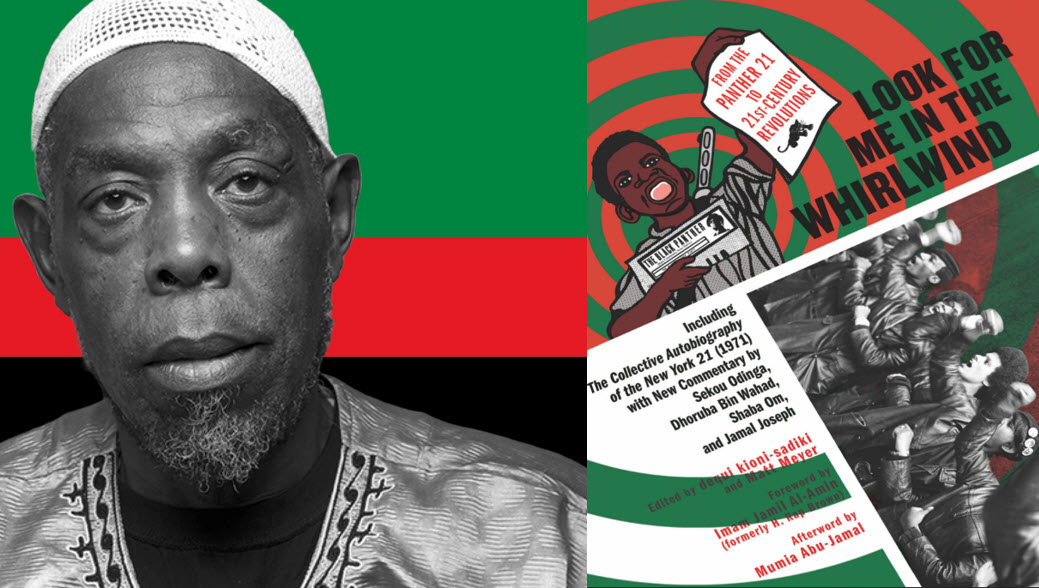
Angela Y. Davis’s “Freedom Is a Constant Struggle” serves as both a historical account and a manifesto for contemporary resistance, urging readers to recognize the interconnections between various social justice movements and to work collectively towards a more just world
Pop the documents out from the upper right to read / expand / download.
Freedom Is a Constant Struggle_Audiobook
Audio start with Forward and corresponds to page 8 of the above Reader.
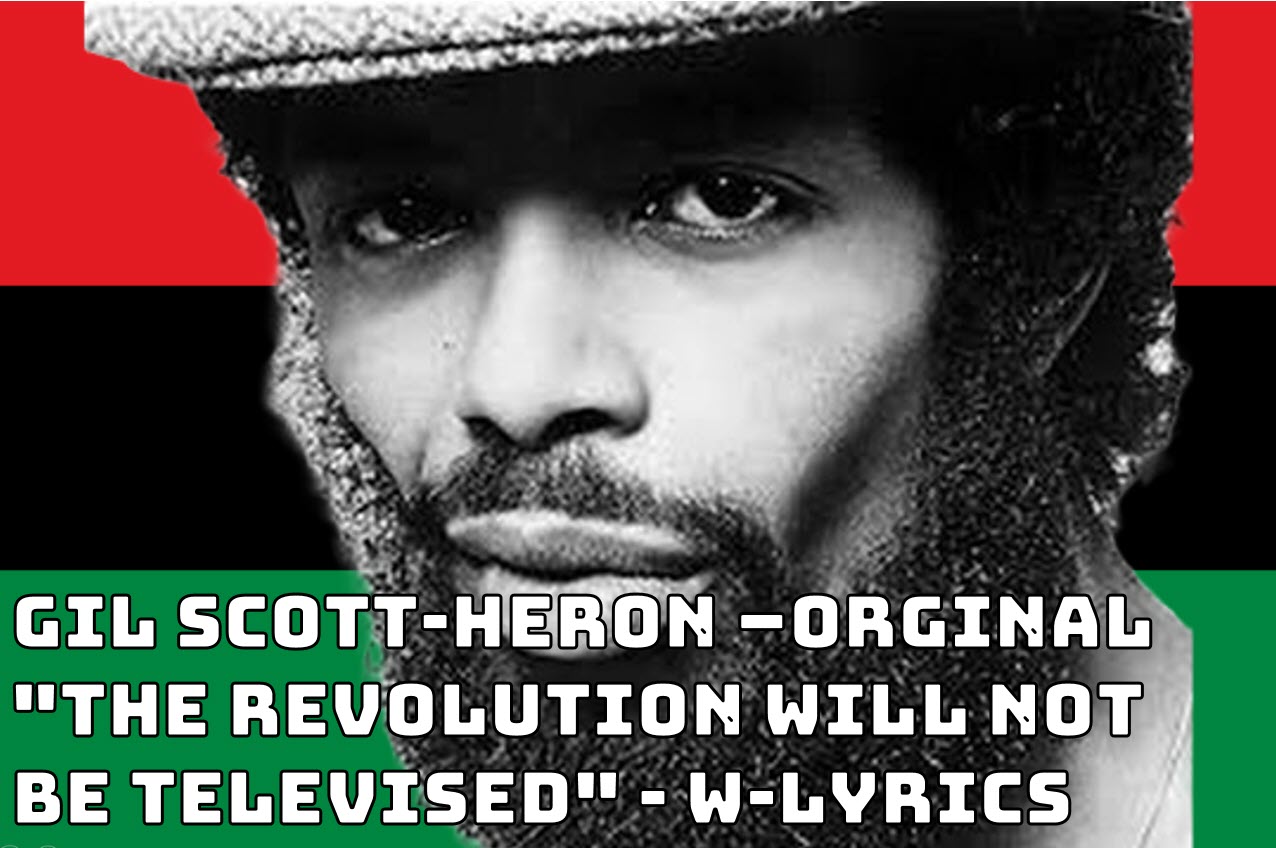
ORIGINAL_Gil Scott-Heron – “The Revolution Will Not Be Televised” – w-Lyrics
Gil Scott-Heron – The Revolution Will Not Be Televised – w-Lyrics
“The Revolution Will Not Be Televised” is a poem and song by Gilbert “Gil” Scott-Heron (April 1, 1949 – May 27, 2011). Song was originally a poem, inspired by the death of Gil’s College Classmate and friend Ron Colbert in November 1969. Colbert died after suffering from a brain Aneurysm, and going untreated while on Campus. The tragedy could have been avoided if the campus infirmary had been staffed and open around the clock. This led to boycotts, protests and demand for change.
Learn more in RBG Communiversity Knowledge Media eLibrary:
“The Black Jacobins” is a historical account by C.L.R. James that explores the Haitian Revolution (1791-1804) and the role of its leader, Toussaint L’Ouverture. The book examines the interplay of class, race, and power in the struggle for Haitian independence from French colonial rule. James presents a detailed narrative of the events leading to the revolution, the complexity of the social dynamics involved, and the impact of the revolution on the wider world. Through the lens of L’Ouverture’s life and leadership, the book highlights the struggle for freedom and equality, making it a significant work in the study of history, race, and revolution.
The following outline encapsulates the major themes and structure of C.L.R. James’s seminal work, emphasizing the significance of the Haitian Revolution and its leader in the context of world history.
Outline of “The Black Jacobins”
Introduction
Context of the Haitian Revolution
Importance of Toussaint L’Ouverture
Themes of race, class, and revolution
Part I: The Setting
Colonialism in Saint-Domingue
Overview of the plantation economy
Social hierarchy: whites, free people of color, and enslaved people
Influence of the French Revolution
Impact of Enlightenment ideas
The rise of revolutionary sentiments
Part II: The Revolution Begins
Initial uprisings of enslaved people
Toussaint L’Ouverture’s early involvement
Key figures in the revolution
The role of external forces (France, Britain, Spain)
Part III: Toussaint L’Ouverture’s Leadership
Rise to power and political strategies
Military campaigns and tactics
Balancing alliances with France and other powers
Vision for Haiti and abolition of slavery
Part IV: Internal Conflicts
Tensions among revolutionary leaders
Class divisions within the revolutionary movement
The challenge of governance and social order
Part V: The Fall of Toussaint
Betrayal and capture by the French
Impact of his leadership on the revolution’s course
The rise of Jean-Jacques Dessalines and others
Conclusion: The Legacy of the Revolution
Outcomes of the Haitian Revolution
Influence on global movements for freedom and equality
Reflections on race and colonialism
The Black Jacobins_eBook
A classic and impassioned account of the first revolution in the Third World.This powerful, intensely dramatic book is the definitive account of the Haitian Revolution of 1794-1803, a revolution that began in the wake of the Bastille but became the model for the Third World liberation movements from Africa to Cuba. It is the story of the French colony of San Domingo, a place where the brutality of master toward slave was commonplace and ingeniously refined. And it is the story of a barely literate slave named Toussaint L’Ouverture, who led the black people of San Domingo in a successful struggle against successive invasions by overwhelming French, Spanish, and English forces and in the process helped form the first independent nation in the Caribbean.
Pop the documents out from the upper right to read / expand / download.
The Black Jacobins_Audiobook
Confronting Black Jacobins, Dr. Gerald Horne_eBook
Book Summary
“Confronting Black Jacobins” by Dr. Gerald Horne is an exploration of the historical context and implications of the Haitian Revolution, focusing on the revolutionary figures, particularly Toussaint L’Ouverture, and the broader impact on the Atlantic world.
The following overview and outline provides a structured capsule of the major themes and topics discussed in “Confronting Black Jacobins,” highlighting Dr. Horne’s analysis of the Haitian Revolution and its lasting significance.
Overview
Historical Context: The book situates the Haitian Revolution within the larger scope of the Atlantic slave trade and the French Revolution.
Key Figures: It examines the lives and contributions of important figures, especially Toussaint L’Ouverture, and their roles in challenging colonial power.
Impact of the Revolution: Horne discusses the implications of Haiti’s independence for slavery, colonialism, and race relations in the Americas and Europe.
Racial Dynamics: The narrative addresses the intersection of race, class, and revolution, highlighting how these elements influenced the struggle for freedom.
Legacy and Memory: The book reflects on how the Haitian Revolution has been remembered and misremembered in historical narratives.
Outline
Introduction
Overview of the Haitian Revolution
Significance in world history
Historical Background
The Atlantic slave trade and its impact
The role of colonial powers, especially France
Key Figures
Toussaint L’Ouverture
Early life and rise to power
Military strategies and leadership
Other notable leaders
Jean-Jacques Dessalines
Henri Christophe
The Revolution Begins
Factors leading to the uprising
Initial revolts and their suppression
French Revolution Influence
Connection to the French Revolution
Ideological underpinnings and inspirations
International Reactions
Responses from colonial powers
The impact on slave societies in the Americas
Struggles for Control
Internal conflicts among revolutionary leaders
The role of external forces, including the U.S. and Britain
Haiti’s Independence
Declaration of independence and its significance
Immediate consequences for Haiti and the region
Legacy of the Haitian Revolution
Influence on abolitionist movements
Ongoing struggles for racial equality and social justice
Conclusion
Reflection on the memory of the Haitian Revolution
Its relevance to contemporary issues of race and freedom
Confronting Black Jacobins, Dr. Gerald Horne_Audiobook
Audio start in earnest (Introduction) and corresponds to page 8 of the above Reader.
Part 1
Part 2
The Black Jacobins Reader
Containing a wealth of new scholarship and rare primary documents, The Black Jacobins Reader provides a comprehensive analysis of C. L. R. James’s classic history of the Haitian Revolution. In addition to considering the book’s literary qualities and its role in James’s emergence as a writer and thinker, the contributors discuss its production, context, and enduring importance in relation to debates about decolonization, globalization, postcolonialism, and the emergence of neocolonial modernity. The Reader also includes the reflections of activists and novelists on the book’s influence and a transcript of James’s 1970 interview with Studs Terkel.
Learn more in RBG Communiversity Knowledge Media eLibrary:
“Mau Mau in Harlem?: The U.S. and the Liberation of Kenya” is a book by historian Gerald Horne which explores the connections between the African-American Civil Rights movement in the United States and the Mau Mau uprising in Kenya, specifically how the struggle for Kenyan independence resonated with African Americans, leading to a sense of solidarity and even the idea of a “Mau Mau” movement within Harlem and other Black communities in the U.S.
Key points about the book:
Focus on the Mau Mau: The book delves into the Mau Mau Uprising, a violent guerrilla campaign by Kenyan Kikuyu people against British colonial rule in the 1950s, primarily focused on land rights and self-determination.
Harlem connection: It analyzes how the struggles of the Mau Mau movement were closely followed and supported by African Americans in Harlem, New York, who saw parallels with their own fight for civil rights in the United States.
Scholarly research: Horne draws on extensive archival research conducted in the US, UK, and Kenya to provide a nuanced understanding of the interconnectedness between the two movements.
Impact on Black consciousness: The book argues that the Mau Mau rebellion contributed to a growing sense of Black consciousness and solidarity among African Americans, further fueling the civil rights movement.
The Mau Mau Uprising: This was a violent resistance movement against British colonial rule in Kenya, primarily led by the Kikuyu tribe, during the 1950s.
African (American) Solidarity: The book argues that African Americans saw parallels between the Kenyan struggle against British colonialism and their own fight for civil rights in the U.S., leading to significant support for the Mau Mau movement within the Black community.
Malcolm X’s “Mau Mau in Harlem” reference: A prominent example of this connection is Malcolm X’s statement about the potential need for a “Mau Mau” style uprising in Harlem, signifying a willingness to use more militant tactics to achieve racial equality.
Historical Context: The book examines the broader historical context of the Cold War, where the U.S. was keen to demonstrate its anti-colonial stance, leading to some level of support for Kenyan independence.
Mau Mau in Harlem, Gerald Horne?_eBook
Pop the documents out from the upper right to read / expand / download.
Mau Mau in Harlem, Gerald Horne?_Audiobook
Audio start in earnest (Introduction @ 4 mins. 45 sec.) and corresponds to page 12 of the above Reader.
Part 1
Part 2
Mau Mau Warrior Illustrated eBook, by Abiodun Alao (Author), Christa Hook (Illustrator).
Amazon Books: “Osprey’s study of the Mau Mau Rebellion (1952-1960) in Kenya and its fighters. The Mau Mau Freedom Fighters waged a guerrilla war for eight years against their British colonial rulers, which became known as the Mau Mau Uprising. The Mau Mau sought to win back their land and independence. This underground militia was an extremely powerful force employing tactics, which included the assassination of British settlers and the Africans who collaborated with the British, as well as raiding colonial prisons for weapons and staging daring ambushes in the Kenyan forests and mountains. The conflict saw these untrained warriors, deemed by many to be terrorists employ an innovative mix of traditional African warfare tactics, counterinsurgency methods and European firepower. The uprising ended in failure but set the stage for Kenyan independence in 1963. This title will explore their unique motivations, training and tactics, as well as their battle experience.”
Learn more in RBG Communiversity Knowledge Media eLibrary:
You must be logged in to post a comment.