Mineola, N.Y.: Attorney F. Lee Bailey stands with his client, Sonny Carson at the Nassau County Courthouse in Mineola, New York on October 2, 1974, during recess in Carson’s trial on murder and kidnapping charges. (Photo by Cliff De Bear/Newsday RM via Getty Images)
** FILE ** Activist Sonny Carson, left, addresses the crowd as the casket bearing 7-year-old Gavin Cato is carried outside St. Anthony’s Baptist Church on Aug. 27, 1991, in New York. Carson died Friday night, Dec. 20, 2002 at a Manhattan hospital, where he had been in a coma for several weeks after suffering two heart attacks. He was 66. (AP Photo/Mike Albans, File)
Montgomery, L., Zapolski, T., Banks, D. E., & Floyd, A. (2019). Puff, puff, drink: The association between blunt and alcohol use among African American adolescents and young adults. American Journal of Orthopsychiatry, 89(5), 609–615.
Abstract Although African Americans report lower levels of alcohol use relative to their White counterparts, they experience higher rates of alcohol-related problems (e.g., alcohol dependence). One understudied connection between alcohol use and dependence is the dual use of illicit drugs, especially marijuana use. It is speculated that blunt use in combination with alcohol will have more adverse alcohol-related consequences among African Americans than alcohol use alone or alcohol and nonblunt marijuana use. The current study uses pooled data from the 2011–2014 National Survey on Drug Use and Health to examine the odds of alcohol dependence based on alcohol and marijuana typology in comparison to alcohol only users. Among 11,124 African American adolescents (12–17) and young adults (18–25) who consumed alcohol in the past year, 57.5%, 36.8%, and 5.7% reported alcohol use alone and in combination with blunt use and nonblunt marijuana use, respectively. Relative to alcohol users only, youth who used alcohol and blunts had increased odds of having alcohol dependence. This association was not found among youth who reported alcohol and nonblunt marijuana use. The increased rates of alcohol dependence highlight the public health concern of dual alcohol and a specific type of marijuana use (i.e., blunts) among African American youth. (Read full manuscript here.)
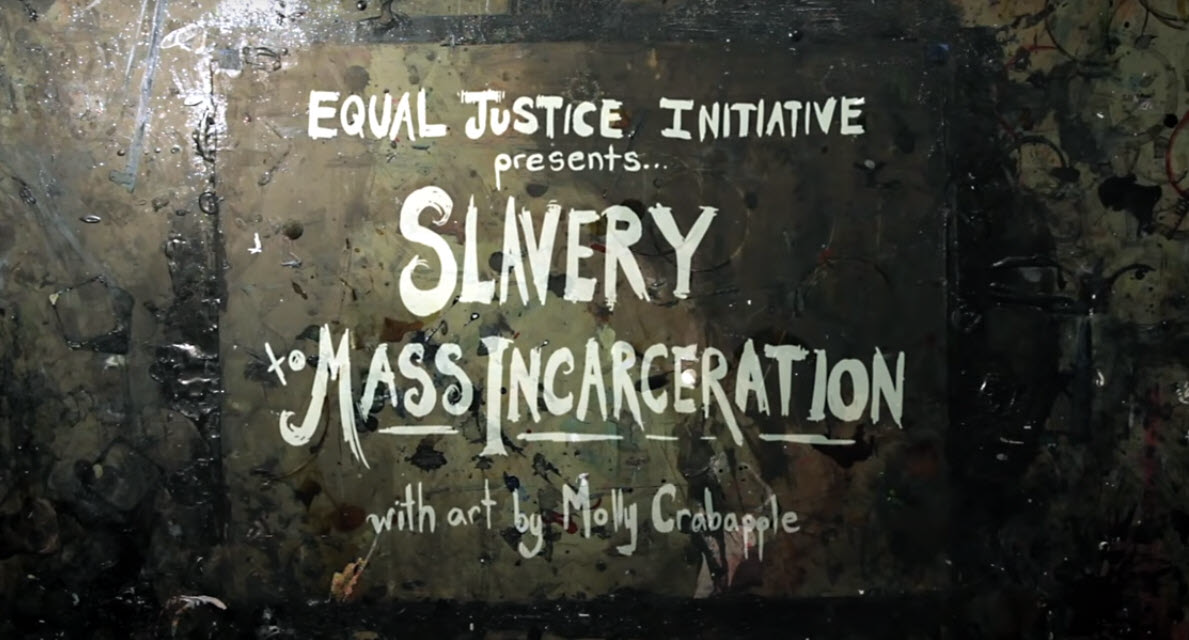
“The myth of racial difference created to sustain American slavery persists today. Slavery did not end in 1865, it evolved. The Equal Justice Initiative works to end mass incarceration, excessive punishment, and racial inequality.” Visit our website to learn more: https://eji.org
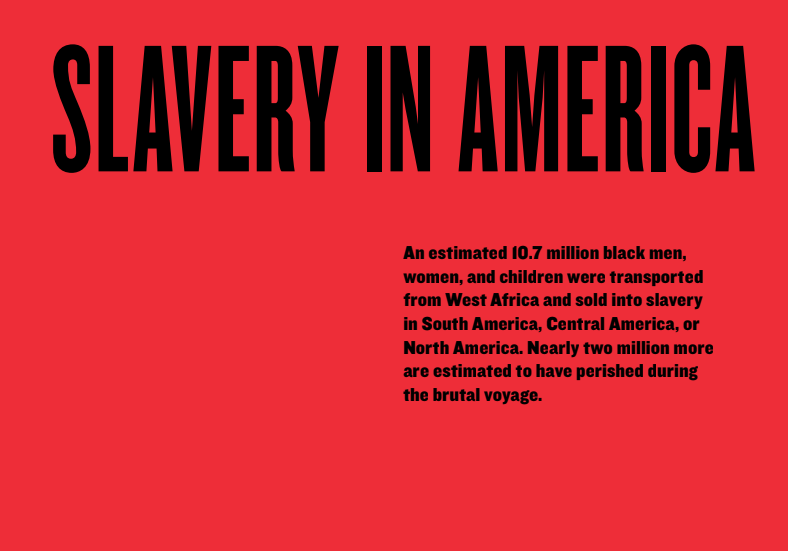
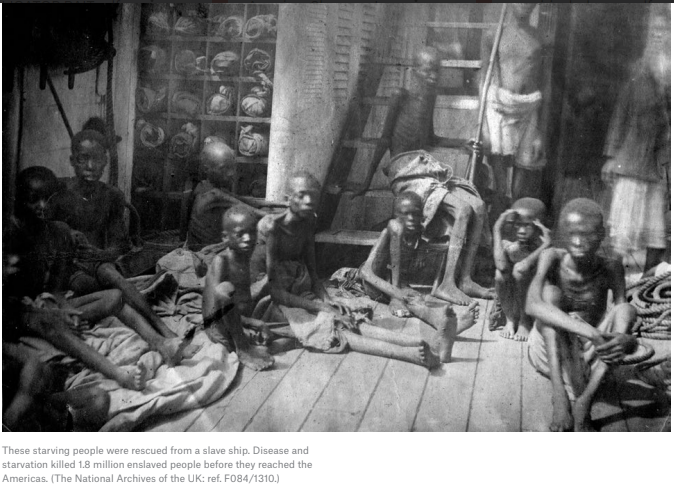
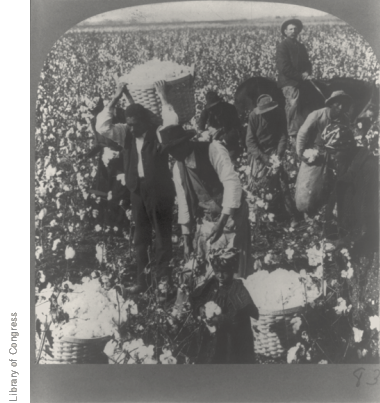
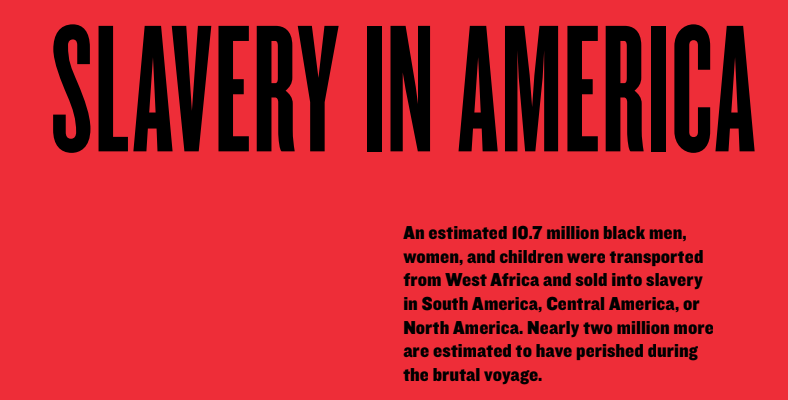
Beginning in the 16th century, millions of African people were kidnapped, enslaved, and shipped across the Atlantic to the Americas under horrific conditions. Nearly two million people died at sea during the agonizing journey. Over two centuries, the enslavement of Black people in the United States created wealth, opportunity, and prosperity for millions of Americans. As American slavery evolved, an elaborate and enduring mythology about the inferiority of Black people was created to legitimate, perpetuate, and defend slavery. This mythology survived slavery’s formal abolition following the Civil War. Source: https://eji.org/reports/slavery-in-america/
Overview
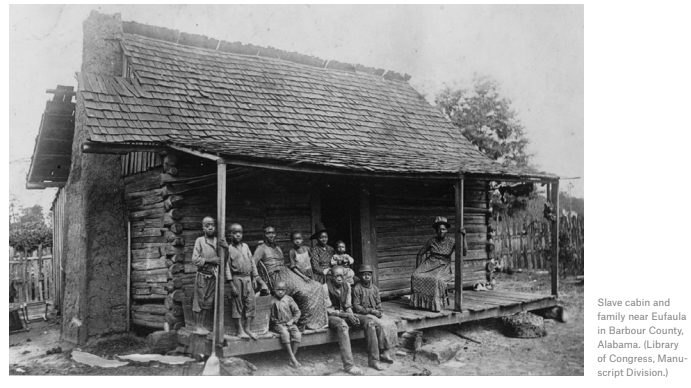
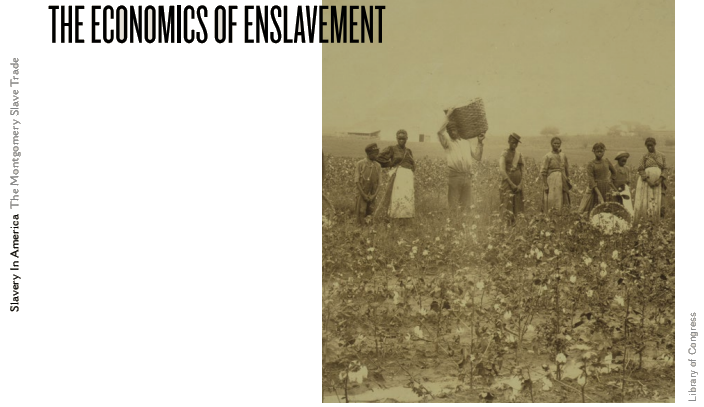
In the South, where the enslavement of Black people was widely embraced, resistance to ending slavery persisted for another century following the passage of the Thirteenth Amendment in 1865.Today, 150 years after the Emancipation Proclamation, very little has been done to address the legacy of slavery and its meaning in contemporary life. In many communities like Montgomery, Alabama—which by 1860 was the capital of the domestic slave trade in Alabama—there is little understanding of the slave trade, slavery, or the longstanding effort to sustain the racial hierarchy that slavery created. In fact, an alternative narrative has emerged in many Southern communities that celebrates the enslavement era, honors enslavement’s principal proponents and defenders, and refuses to acknowledge or address the problems created by the legacy of slavery. Slavery in America: The Montgomery Slave Tradedocuments American slavery and Montgomery’s prominent role in the domestic slave trade. The report is part of EJI’s project focused on developing a more informed understanding of America’s racial history and how it relates to contemporary challenges.
EJI believes that reconciliation with our nation’s difficult past cannot be achieved without truthfully confronting history and finding a way forward that is thoughtful and responsible.
This animated short film by acclaimed artist Molly Crabapple, with narration by Bryan Stevenson, illustrates how the elaborate mythology of racial difference that was created to justify and sustain enslavement evolved after abolition.
For new comers, pop the document out from the upper right to read / expand / download











You must be logged in to post a comment.