War Against the Weak_Eugenics and America’s Campaign to Create a Master Race (Expanded Edition) eBook and Audiobook, by Edwin Black

Book Summary

“War Against the Weak: Eugenics and America’s Campaign to Create a Master Race” by Edwin Black explores the history of the eugenics movement in the United States, its philosophical underpinnings, and its impact on society. The book details how eugenics influenced policies aimed at controlling human reproduction, promoting racial purity, and ultimately, how these ideas contributed to the horrors of the Holocaust. Black argues that the eugenics movement was not only a European phenomenon but had deep roots and significant implementation in America.

Topics the Book Covers:

  1. Introduction to Eugenics
    • Definition and origins of eugenics
    • Overview of key figures in the movement
  2. The Philosophical Foundations
    • Social Darwinism and its influence
    • The role of science and pseudoscience in promoting eugenics
  3. Eugenics in America
    • Early eugenics movements in the U.S.
    • Key organizations and individuals involved (e.g., American Eugenics Society)
    • Public support and government endorsement
  4. Legislation and Policies
    • Overview of significant laws (e.g., sterilization laws)
    • Case studies of states implementing eugenics policies
    • Impact on marginalized groups (disabled, minorities)
  5. Eugenics and Immigration
    • How eugenics influenced immigration policies
    • Racial and ethnic discrimination in immigration laws
  6. The Role of Institutions
    • Eugenics in education and public health
    • The involvement of universities and medical institutions
  7. International Influence
    • American eugenics’ impact on Nazi Germany
    • The transfer of ideas and practices across borders
  8. Public Backlash and Decline
    • Critiques and challenges to eugenics
    • The eventual decline of the movement post-World War II
  9. Legacy of Eugenics
    • Lasting effects on American society and policies
    • Modern implications and ethical discussions
  10. Conclusion: Reflections on the moral lessons of the eugenics movement and call for awareness and vigilance against similar ideologies today.

War Against the Weak_eBook

War Against the Weak is the gripping chronicle documenting how American corporate philanthropies launched a national campaign of ethnic cleansing in the United States, helped found and fund the Nazi eugenics of Hitler and Mengele — and then created the modern movement of “human genetics.” Some 60,000 Americans were sterilized under laws in 27 states. This expanded edition includes two new essays on state genocide.

Pop the document out from the upper right to read / expand / download.

War Against the Weak_Audiobook

Part 1

Audio start in earnest (Introduction @ 15 mins. 38 sec.) and corresponds to page 20 of the above Reader.

Part 2

Learn more in RBG Communiversity Knowledge Media eLibrary:

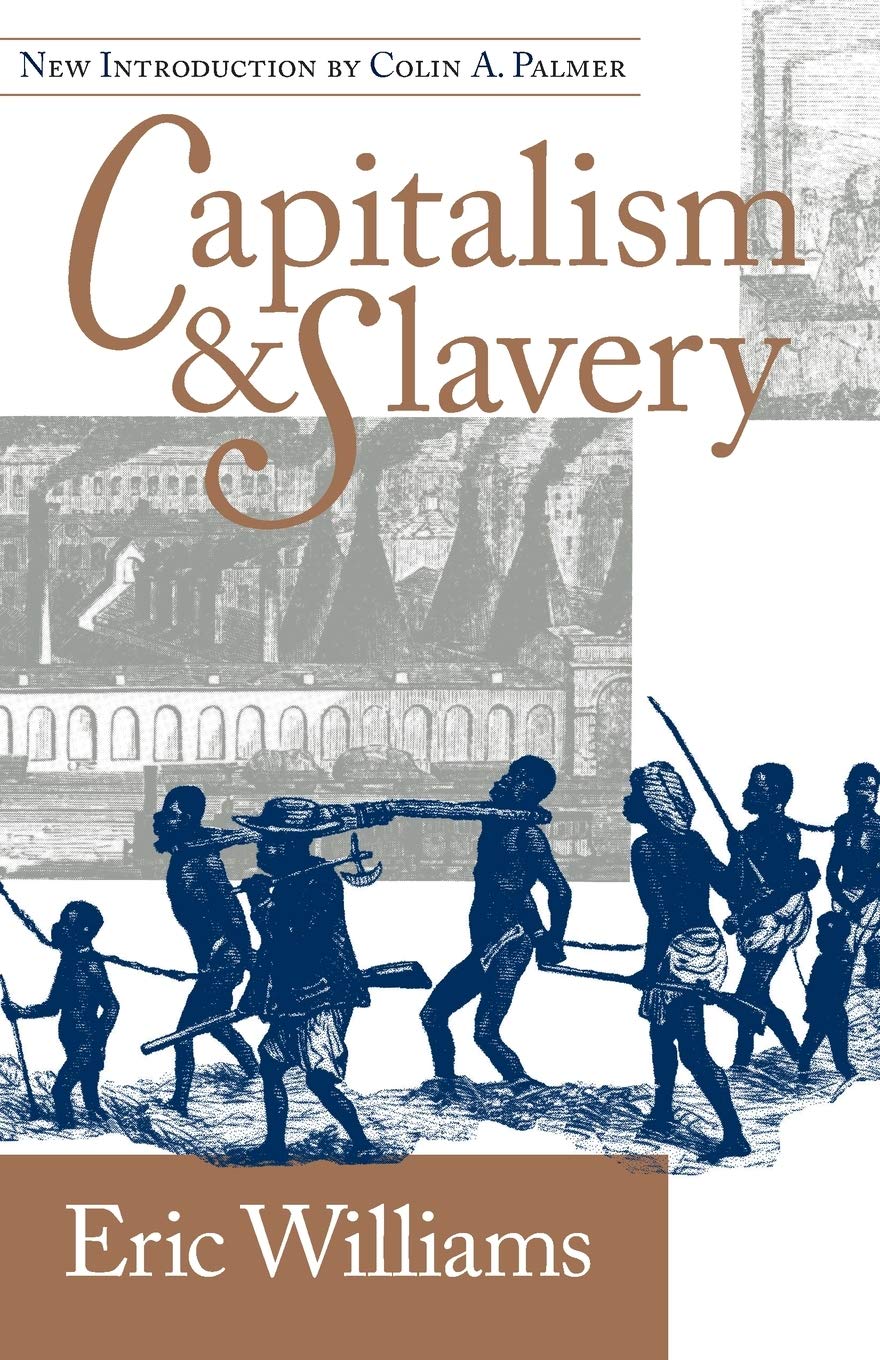
Capitalism and Slavery by Eric Williams_eBook and Audiobook, with Capitalism and Slavery – Eric William – 75 Years Later- 2 Day Symposium

Book Summary

“Capitalism and Slavery” by Eric Williams is a seminal work that investigates the relationship between the rise of capitalism in Europe and the system of slavery in the Americas. Williams argues that the profits derived from the slave trade and plantation economies were instrumental in fueling the growth of European capitalism, particularly in Britain. The book challenges conventional historical narratives that separate economic development from the exploitation of enslaved people, highlighting how slavery was not only a moral issue but also a critical economic factor in the development of modern capitalism. Williams’ analysis underscores the interconnectedness of race, economics, and history, making a significant contribution to the study of both slavery and economic history.

Essential Themes and Arguments:

  1. Introduction
    • Overview of the book’s objectives and significance
    • Introduction to the central thesis linking capitalism and slavery
    • Contextualization of the historical period under discussion
  2. The Economic Foundations of Slavery
    • Analysis of the economic motivations behind the transatlantic slave trade
    • The role of sugar and other cash crops in the Caribbean economy
    • Examination of the financial networks that supported the slave trade
  3. The Impact of Slavery on British Capitalism
    • Discussion of how profits from slavery contributed to British industrialization
    • Examination of the relationship between slave-derived wealth and British economic growth
    • Analysis of the investment in infrastructure and industry enabled by slave profits
  4. Political and Social Implications
    • Exploration of the political considerations surrounding slavery and abolition
    • Discussion of the social tensions and class struggles linked to the slave economy
    • Examination of the role of enslaved people in resisting their oppression
  5. Abolition and Its Consequences
    • Analysis of the abolition movement and its economic implications
    • Discussion of the motivations behind abolition, including economic shifts
    • Examination of the effects of abolition on both the colonies and Britain
  6. Racial Ideologies and Economic Interests
    • Exploration of how racial theories justified slavery and exploitation
    • Discussion of the intersection of race and economics in shaping societal views
    • Examination of the legacy of these ideologies in contemporary society
  7. Legacy of Slavery in Modern Capitalism
    • Reflection on the long-term economic effects of slavery on global capitalism
    • Discussion of the continued inequalities stemming from historical exploitation
    • Analysis of how understanding this legacy informs current socio-economic debates
  8. Conclusion
    • Summary of key themes and arguments presented throughout the book
    • Final reflections on the importance of recognizing the ties between capitalism and slavery
    • Call for a reevaluation of historical narratives regarding slavery and economic development

Capitalism and Slavery by Eric Williams_eBook

Slavery helped finance the Industrial Revolution in England. Plantation owners, shipbuilders, and merchants connected with the slave trade accumulated vast fortunes that established banks and heavy industry in Europe and expanded the reach of capitalism worldwide. Eric Williams advanced these powerful ideas in Capitalism and Slavery, published in 1944. Years ahead of its time, his profound critique became the foundation for studies of imperialism and economic development. Binding an economic view of history with strong moral argument, Williams’s study of the role of slavery in financing the Industrial Revolution refuted traditional ideas of economic and moral progress and firmly established the centrality of the African slave trade in European economic development. He also showed that mature industrial capitalism in turn helped destroy the slave system. Establishing the exploitation of commercial capitalism and its link to racial attitudes, Williams employed a historicist vision that set the tone for future studies. In a new introduction, Colin Palmer assesses the lasting impact of Williams’s groundbreaking work and analyzes the heated scholarly debates it generated when it first appeared.

Pop the document out from the upper right to read / expand / download.

Capitalism and Slavery by Eric Williams_Audiobook

Capitalism and Slavery – Eric William – 75 Years Later- 2 Day Symposium

The CARICOM Reparations Commission in collaboration with the UWI Centre for Reparation Research and the Faculty of Humanities and Education at the UWI St. Augustine Campus is hosting an academic symposium to commemorate the 75th year of the publication of Eric Williams’ Capitalism and Slavery on the 13th November 2019. The themes to be discussed include: • Williams’ Caribbean Vision • The Profits from Enslavement (16th – 19th Century) • Impact of Capitalism and Slavery on the world today (21st Century) • Capitalism and Slavery and Reparations • Capitalism and Slavery – Global Connections • Decolonising Caribbean History At this symposium, we seek to gather scholars, intellectuals, corporate interest groups, artists, and activists to join us to examine the impact of Eric Williams and his work on the contemporary Caribbean and wider world. This symposium will also provide an opportunity to discuss his legacy with the next generation of leaders and intellectuals. Such commemorative activities are taking place all over the world. Symposiums will be held in Britain and the United States. We are adding the Caribbean’s voice through this symposium at the UWI.

14 Video Playlist

Learn more in RBG Communiversity Knowledge Media eLibrary:

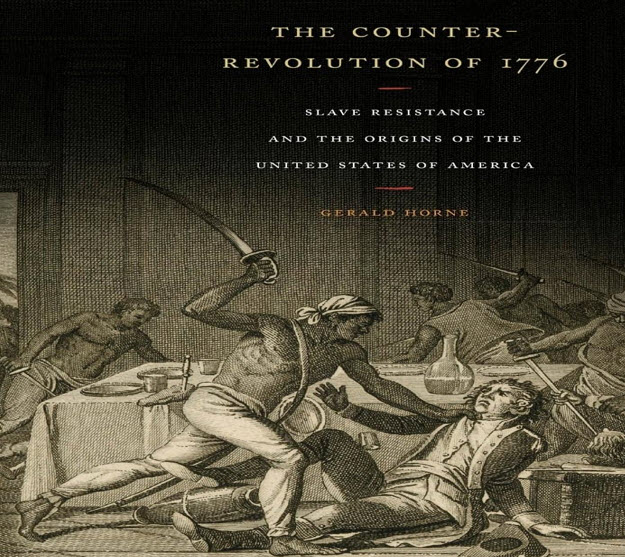
Dr. Gerald Horne: The Counter-Revolution of 1776: Slave Resistance and the Origins of the United States of America_eBook and Audiobook, with Trump 2.0: Gerald Horne on the Future of White Supremacy, Imperialism & the Rise of Third-Worldism (Jedaal English)

Dr. Gerald Horne is an American historian who currently holds the John J. and Rebecca Moores Chair of History and African American Studies at the University of Houston. 

Book Summary

Dr. Gerald Horne’s “The Counter-Revolution of 1776” presents a provocative reinterpretation of the American Revolution, arguing that it was not merely a struggle for independence from British rule but also a response to the increasing resistance of enslaved people. Horne posits that the revolution was fundamentally counter-revolutionary, aimed at preserving the institution of slavery and maintaining white supremacy. The book examines the social, political, and economic tensions that fueled both the revolution and the resistance of enslaved individuals, ultimately framing the American founding in a broader context of global struggles against colonialism and oppression.

The following outline captures the key themes and structure of Horne’s argument, highlighting the interconnections between slave resistance and the events leading to the formation of the United States.

Introduction

  • Explanation of the book’s thesis
  • Contextualization of the American Revolution within the framework of slavery

The Background of Slavery in Colonial America

  • Overview of the institution of slavery in the colonies
  • Economic importance of slavery to colonial economies
  • Social hierarchies and racial ideologies

Rising Tensions

  • Factors leading to increased resistance among enslaved people
  • The role of the British in promoting freedom for enslaved individuals
  • Key instances of slave resistance prior to the revolution

The Revolutionary Context

  • The impact of the American Revolution on colonial society
  • The ideological conflict between liberty and slavery
  • Examination of revolutionary leaders’ views on slavery

The Counter-Revolutionary Nature of the American Revolution

  • Analysis of how the revolution sought to protect slavery
  • The role of Southern colonies in shaping revolutionary goals
  • The influence of slave uprisings on revolutionary rhetoric

Global Implications

  • Connections between the American Revolution and global slave resistance
  • The impact of the revolution on other colonies and enslaved populations
  • The emergence of new ideologies and movements in response to slavery

The Legacy of the Counter-Revolution

  • Long-term effects of the American Revolution on slavery and race relations
  • The establishment of a national identity rooted in white supremacy
  • Reflections on the implications for understanding American history today

Conclusion

  • Summation of key arguments
  • The importance of recognizing the role of slavery in shaping American history
  • Call for re-examination of the narratives surrounding the founding of the United States

The Counter-Revolution of 1776_eBook

Illuminates how the preservation of slavery was a motivating factor for the Revolutionary War
The successful 1776 revolt against British rule in North America has been hailed almost universally as a great step forward for humanity. But the Africans then living in the colonies overwhelmingly sided with the British. In this trailblazing book, Gerald Horne shows that in the prelude to 1776, the abolition of slavery seemed all but inevitable in London, delighting Africans as much as it outraged slaveholders, and sparking the colonial revolt.
Prior to 1776, anti-slavery sentiments were deepening throughout Britain and in the Caribbean, rebellious Africans were in revolt. For European colonists in America, the major threat to their security was a foreign invasion combined with an insurrection of the enslaved. It was a real and threatening possibility that London would impose abolition throughout the colonies―a possibility the founding fathers feared would bring slave rebellions to their shores. To forestall it, they went to war.
The so-called Revolutionary War, Horne writes, was in part a counter-revolution, a conservative movement that the founding fathers fought in order to preserve their right to enslave others. The Counter-Revolution of 1776 brings us to a radical new understanding of the traditional heroic creation myth of the United States.

Pop the document out from the upper right to read / expand / download.

The Counter-Revolution of 1776_Audiobook

Trump 2.0: Gerald Horne on the Future of White Supremacy, Imperialism & the Rise of Third-Worldism (Jedaal English)

RBG Communiversity Dr. Gerald Horne Video Edu. Player (31)

Learn more in RBG Communiversity Knowledge Media eLibrary:

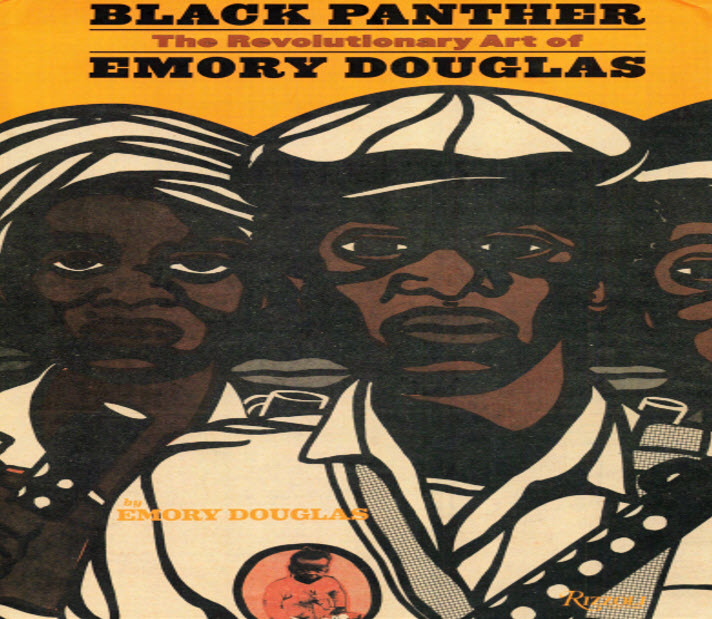
Black Panther_ The Revolutionary Art of Emory Douglas (Book Preview) and Emory Douglas_The Art of The Black Panthers (BPP |BAM Video Player), with BPP Newspapers_1969

Buy the Book here. https://www.rizzoliusa.com/book/9780847841899/ (228 Pages.)

4 Video Playlist

Black Panther_ The Revolutionary Art of Emory Douglas, Publish 2014. (Book Preview)

Description

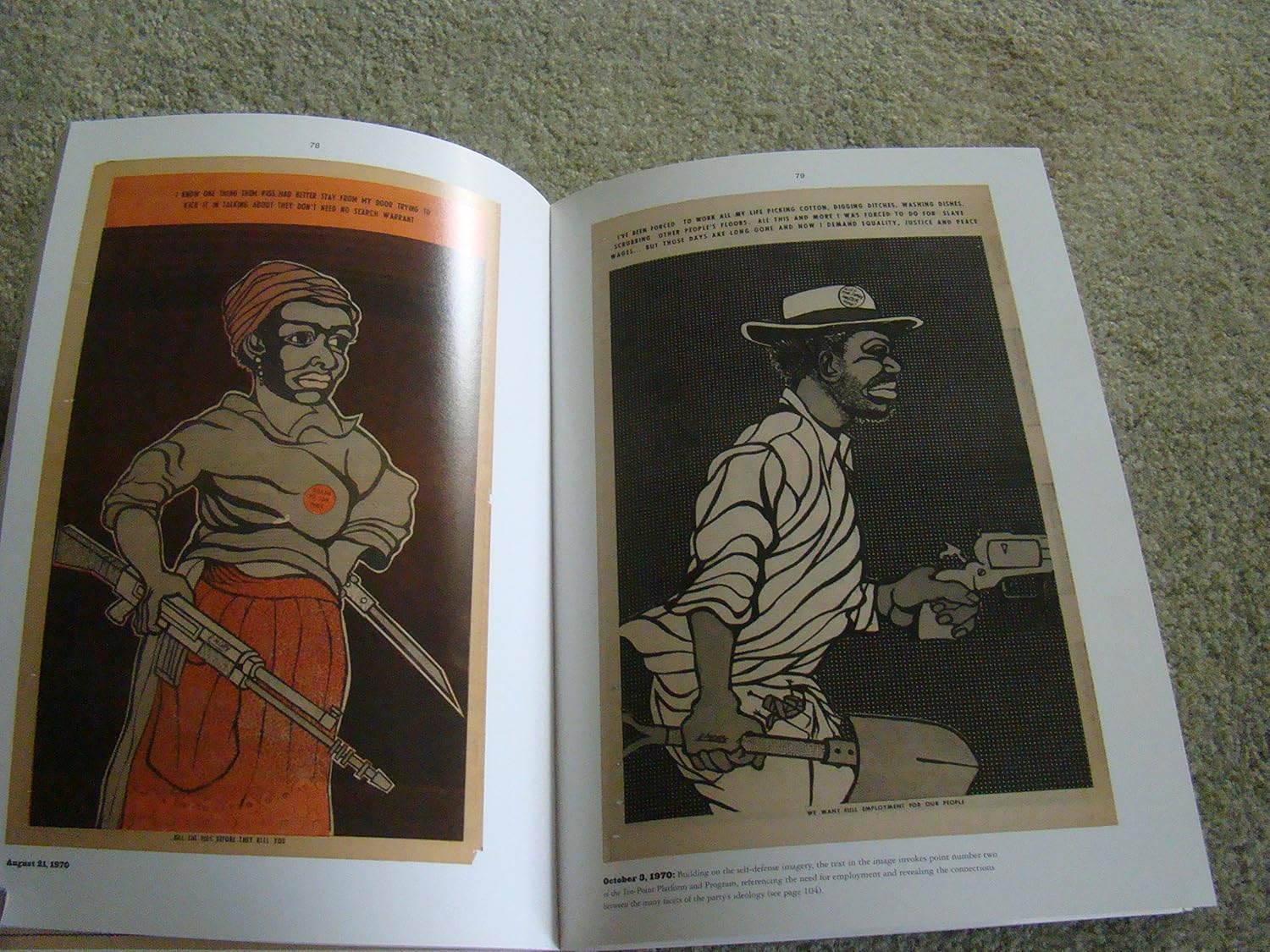
A reformatted and reduced price edition—including a revised and updated introduction by Sam Durant and new text on the artist today by Colette Gaiterof the first book to show the provocative posters and groundbreaking graphics of the Black Panther Party. The Black Panther Party for Self Defense, formed in the aftermath of the assassination of Malcolm X in 1965, sounded a defiant cry for an end to the institutionalized subjugation of African Americans. The Black Panther newspaper was founded to articulate the party’s message, and artist Emory Douglas became the paper’s art director and later the party’s minister of culture. Douglas’s artistic talents and experience proved a powerful combination: his striking collages of photographs and his own drawings combined to create some of the era’s most iconic images. This landmark book brings together a remarkable lineup of party insiders who detail the crafting of the party’s visual identity.

About The Author

Emory Douglas was the Minister of Culture for the Black Panther Party from 1967 until its discontinuation in the early 1980s. Colette Gaiter is associate professor of visual communications in the art department at the University of Delaware.  Bobby Seale co-founded the Black Panther Party with Huey Newton. Sam Durant is a Los Angeles–based artist. Danny Glover is an actor, producer, and director. Kathleen Cleaver, attorney, author, and senior lecturer at Yale University and Emory Law School, joined the Black Panther Party in 1967. Amiri Baraka is a writer and political activist.

Pop the document out from the upper right to read / expand / download.

BPP Newspapers_1969

Click to Open

Learn more in RBG Communiversity Knowledge Media eLibrary:

Malcolm X As Cultural Hero and Other Afrocentric Essays by Molefi Kete Asante and Dr. Molefi Kete Asante Lecture On Malcolm X (RBG MKA Video Player)

RBG Molefi Kete Asante Institute Lectures

21 Video Playlist

Book Summary

“Malcolm X As Cultural Hero and Other Afrocentric Essays” by Molefi Kete Asante is a collection of essays that examine the significance of Malcolm X as a cultural icon and his impact on African American identity and consciousness. Asante, a prominent scholar in Afrocentric studies, explores themes of cultural pride, resistance, and the importance of historical context in understanding the contributions of Malcolm X and other African figures. The essays advocate for a re-framing of African American history through an Afrocentric lens, emphasizing the need for empowerment and self-determination within the Black community.

Essential Themes and Discussions Presented:

  1. Introduction
    • Overview of the book’s purpose and themes
    • Contextualization of Malcolm X’s life and legacy
    • Introduction to Afrocentricity and its relevance to contemporary discussions
  2. Malcolm X as a Cultural Hero
    • Exploration of Malcolm X’s role as a symbol of resistance and empowerment
    • Analysis of his philosophy and rhetoric regarding race and identity
    • Discussion of the significance of Malcolm X in the context of the Civil Rights Movement
  3. The Concept of Afrocentricity
    • Definition and principles of Afrocentricity
    • Importance of cultural identity and historical perspective in Afrocentric thought
    • Critique of Eurocentrism and its effects on African and African American identity
  4. Malcolm X’s Influence on Afrocentric Thought
    • Examination of how Malcolm X’s ideas resonate with Afrocentric philosophy
    • Discussion of his critiques of systemic oppression and colonialism
    • Analysis of his vision for African unity and self-determination
  5. Cultural Identity and Empowerment
    • Exploration of the relationship between culture and identity in the African diaspora
    • The role of cultural heroes in shaping collective consciousness
    • Discussion of strategies for cultural empowerment and community building
  6. Historical Context of African American Struggles
    • Overview of historical events and figures that shaped the African American experience
    • Examination of the legacy of slavery, segregation, and systemic racism
    • The impact of these historical factors on contemporary issues facing the Black community
  7. Contemporary Relevance of Malcolm X’s Ideas
    • Analysis of how Malcolm X’s teachings apply to current social justice movements
    • Reflection on the ongoing struggles for racial equality and justice
    • Discussion of the importance of maintaining cultural heritage in today’s society
  8. Conclusion
    • Summary of key themes and insights from the essays
    • Final reflections on the enduring legacy of Malcolm X as a cultural hero
    • Emphasis on the importance of Afrocentric perspectives in understanding history and identity

Malcolm X As Cultural Hero and Other Afrocentric Essays by Molefi Kete Asante (1993)

Pop the document out from the upper right to read / expand / download.

Learn more in RBG Communiversity Knowledge Media eLibrary:

Dr. Molefi Kete Asante Folder

Minister Malcolm X | “A Comprehensive Achieve” Folder