


Pop the document out from the upper right to read / expand / download
8 Video Playllist
Learn more in RBG Communiversity Knowledge Media eLibrary
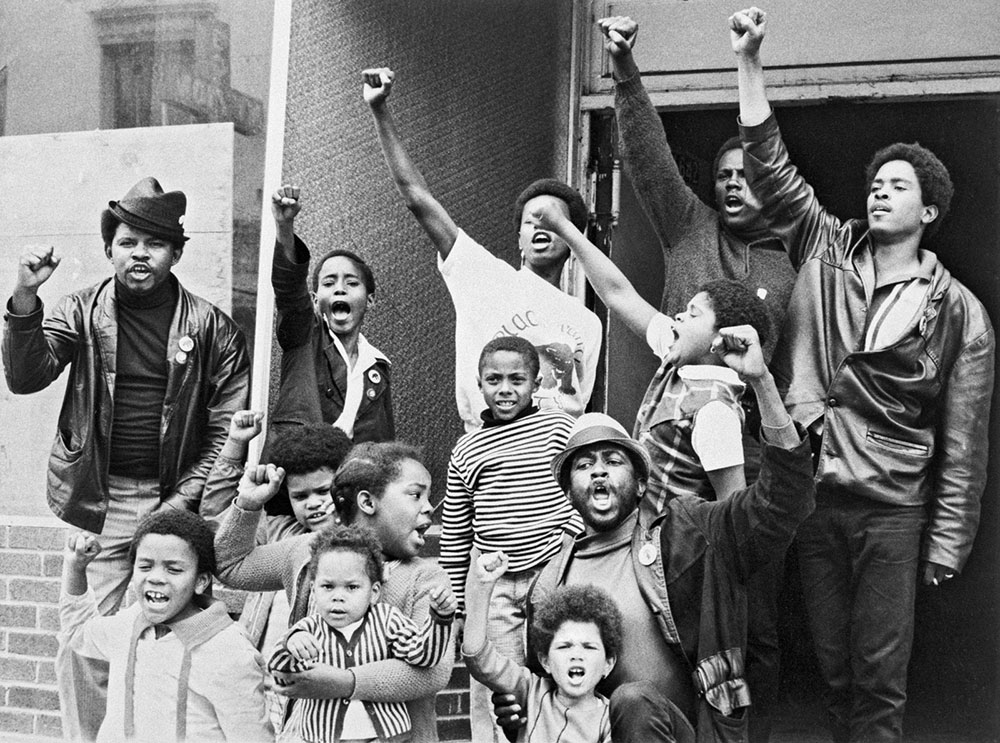
- FBI_COINTELPRO Folder
- Black Panther Party Folder


Pop the document out from the upper right to read / expand / download
8 Video Playllist
Last updated 07-21-2024

Pop the document out from the upper right to read / expand / download.
Pop the document out from the upper right to read / expand / download
Access RBG Communiversity eLibrary for Downloads| History of African Philosophy Folder

Pop the document out from the upper right to read / expand / download.
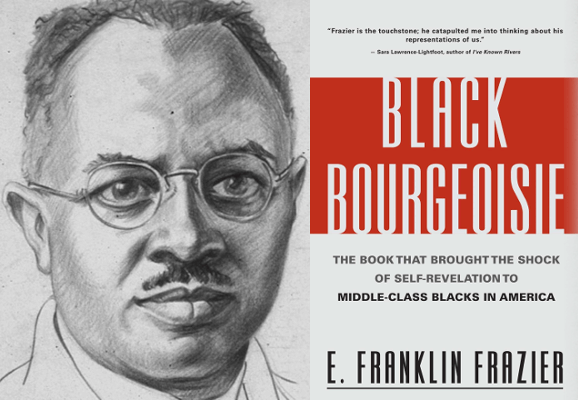
Amazon Books Description: Black Bourgeoisie: The Book That Brought the Shock of Self-Revelation to Middle-Class Blacks in America
A classic analysis of the Black middle class studies its origin and development, accentuating its behavior, attitudes, and values during the 1940s and 1950s. When it was first published in 1957, E. Franklin Frazier’s Black Bourgeoisie was simultaneously reviled and revered—revered for its skillful dissection of one of America’s most complex communities, reviled for daring to cast a critical eye on a section of black society that had achieved the trappings of the white, bourgeois ideal. The author traces the evolution of this enigmatic class from the segregated South to the post-war boom in the integrated North, showing how, along the road to what seemed like prosperity and progress, middle-class blacks actually lost their roots to the traditional black world while never achieving acknowledgment from the white sector. The result, concluded Frazier, is an anomalous bourgeois class with no identity, built on self-sustaining myths of black business and society, silently undermined by a collective, debilitating inferiority complex.
Pop the document out from the upper right to read / expand / download.

Pop the document out from the upper right to read / expand / download.


Pop the document out from the upper right to read / expand / download.
Langan reclaims neo-colonialism as an analytical force for making sense of the failure of ‘development’ strategies in many African states in an era of free market globalization. Eschewing polemics and critically engaging the work of Ghana’s first President – Kwame Nkrumah – the book offers a rigorous assessment of the concept of neo-colonialism. It then demonstrates how neo-colonialism remains an impediment to genuine empirical sovereignty and poverty reduction in Africa today. It does this through examination of corporate interventions; Western aid-giving; the emergence of ‘new’ donors such as China; EU-Africa trade regimes; the securitisation of development; and the UN Sustainable Development Goals. Throughout the chapters, it becomes clear that the current challenges of African development cannot be solely pinned on so-called neo-patrimonial elites. Instead it becomes imperative to fully acknowledge, and interrogate, corporate and donor interventions which lock many poorer countries into neo-colonial patterns of trade and production. The book provides an original contribution to studies of African political economy, demonstrating the on-going relevance of the concept of neo-colonialism, and reclaiming it for scholarly analysis in a global era. (Source:
Pop the document out from the upper right to read / expand / download.
You must be logged in to post a comment.