
Last Updated 12-06-24
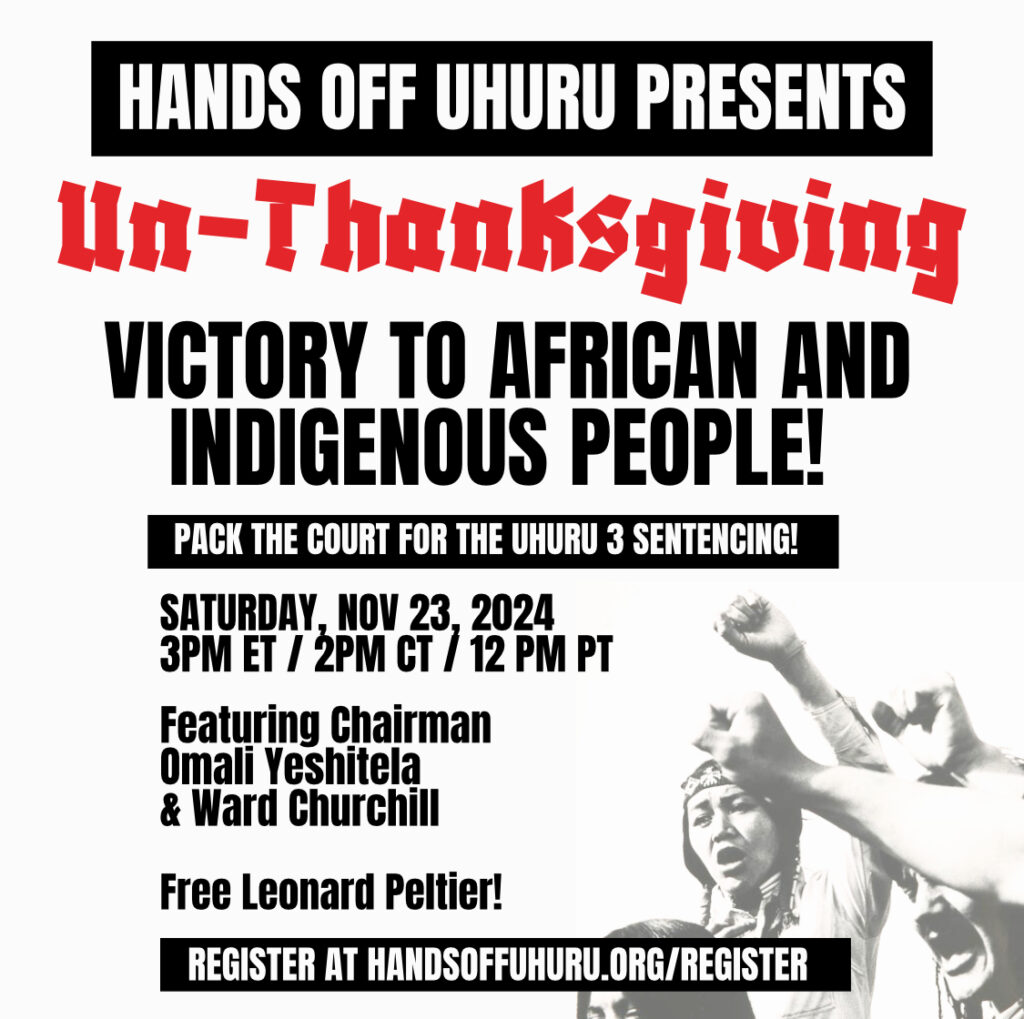
Uhuru 3 Trial Re-enactment
Companion Post/Lessons

Learn more in RBG Communivesity Knowledge Media eLibrary:
Uhuru 3 Trial, September 2024

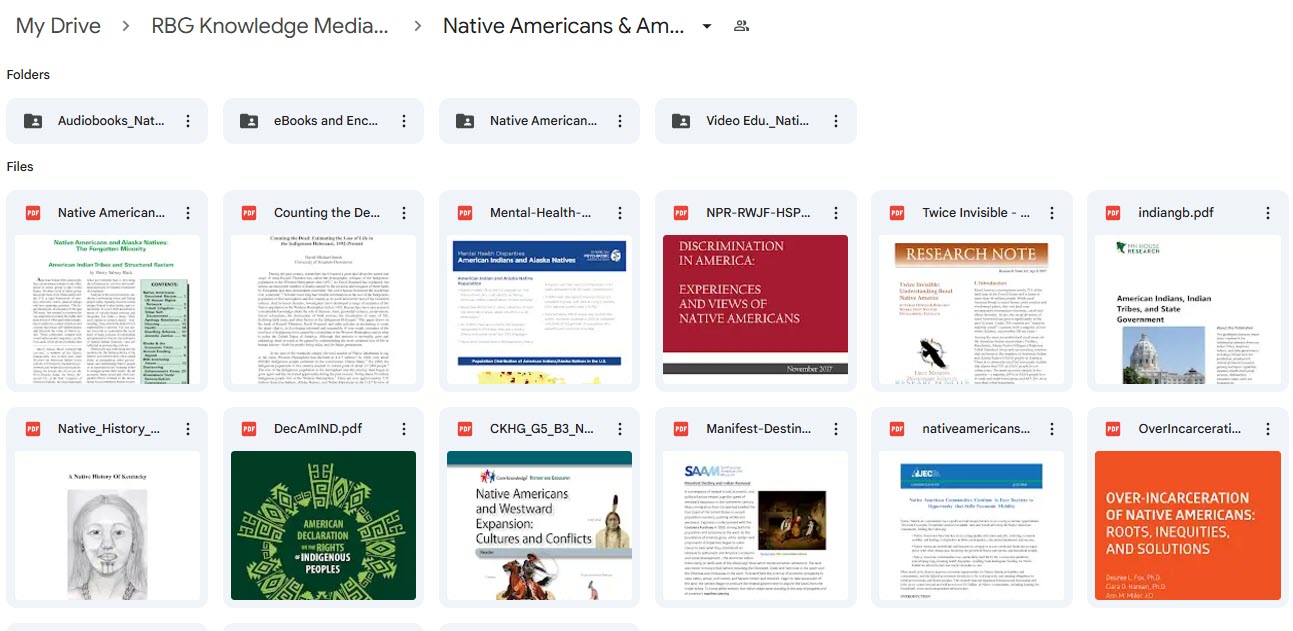
Native Americans & The American Indian Movement (AIM)
Last Updated 12-06-24

NB: “The Victorian era spans the 63 years of Queen Victoria’s reign over Great Britain and Ireland from 1837 until her death in 1901.”
Essential Themes and Historical Context:
This global environmental and political history “will redefine the way we think about the European colonial project” (Observer). “
Late Victorian Holocausts. … sets the triumph of the late 19th-century Western imperialism in the context of catastrophic El Niño weather patterns at that time . . . groundbreaking, mind-stretching.” —The Independent
Pop the document out from the upper right to read / expand / download.
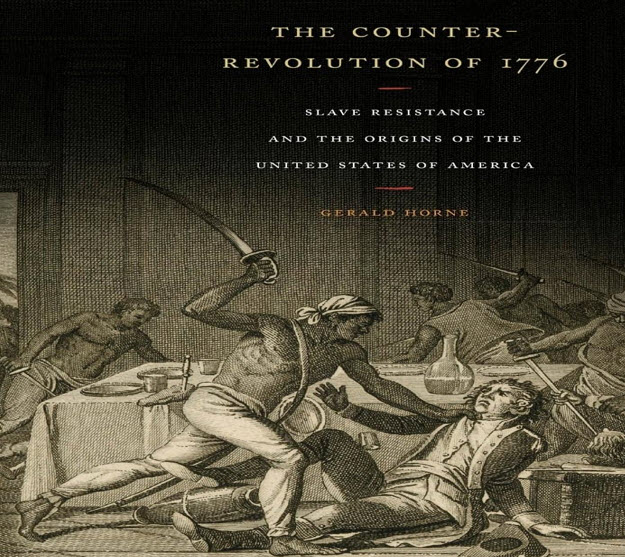
Dr. Gerald Horne’s “The Counter-Revolution of 1776” presents a provocative reinterpretation of the American Revolution, arguing that it was not merely a struggle for independence from British rule but also a response to the increasing resistance of enslaved people. Horne posits that the revolution was fundamentally counter-revolutionary, aimed at preserving the institution of slavery and maintaining white supremacy. The book examines the social, political, and economic tensions that fueled both the revolution and the resistance of enslaved individuals, ultimately framing the American founding in a broader context of global struggles against colonialism and oppression.
Introduction
■ The Background of Slavery in Colonial America
■ Rising Tensions
■ The Revolutionary Context
■ The Counter-Revolutionary Nature of the American Revolution
■ Global Implications
■ The Legacy of the Counter-Revolution
■ Conclusion
Illuminates how the preservation of slavery was a motivating factor for the Revolutionary War
The successful 1776 revolt against British rule in North America has been hailed almost universally as a great step forward for humanity. But the Africans then living in the colonies overwhelmingly sided with the British. In this trailblazing book, Gerald Horne shows that in the prelude to 1776, the abolition of slavery seemed all but inevitable in London, delighting Africans as much as it outraged slaveholders, and sparking the colonial revolt.
Prior to 1776, anti-slavery sentiments were deepening throughout Britain and in the Caribbean, rebellious Africans were in revolt. For European colonists in America, the major threat to their security was a foreign invasion combined with an insurrection of the enslaved. It was a real and threatening possibility that London would impose abolition throughout the colonies―a possibility the founding fathers feared would bring slave rebellions to their shores. To forestall it, they went to war.
The so-called Revolutionary War, Horne writes, was in part a counter-revolution, a conservative movement that the founding fathers fought in order to preserve their right to enslave others. The Counter-Revolution of 1776 brings us to a radical new understanding of the traditional heroic creation myth of the United States.
Pop the document out from the upper right to read / expand / download.
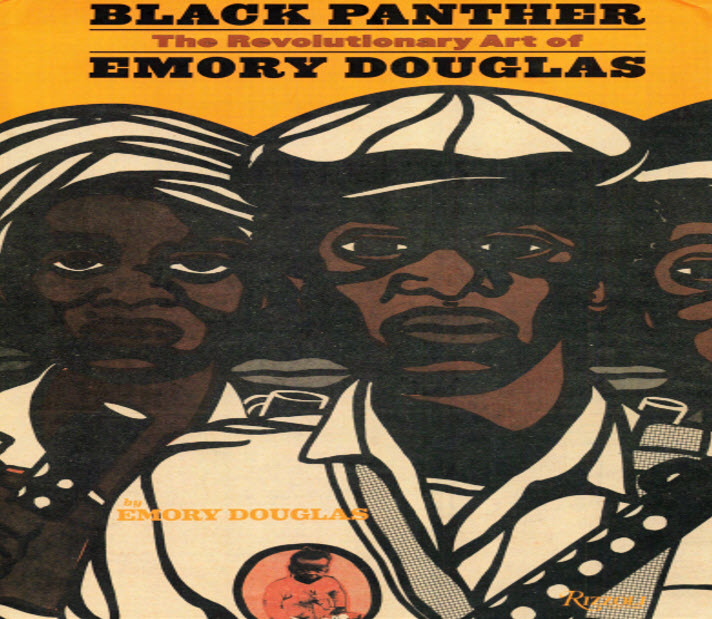
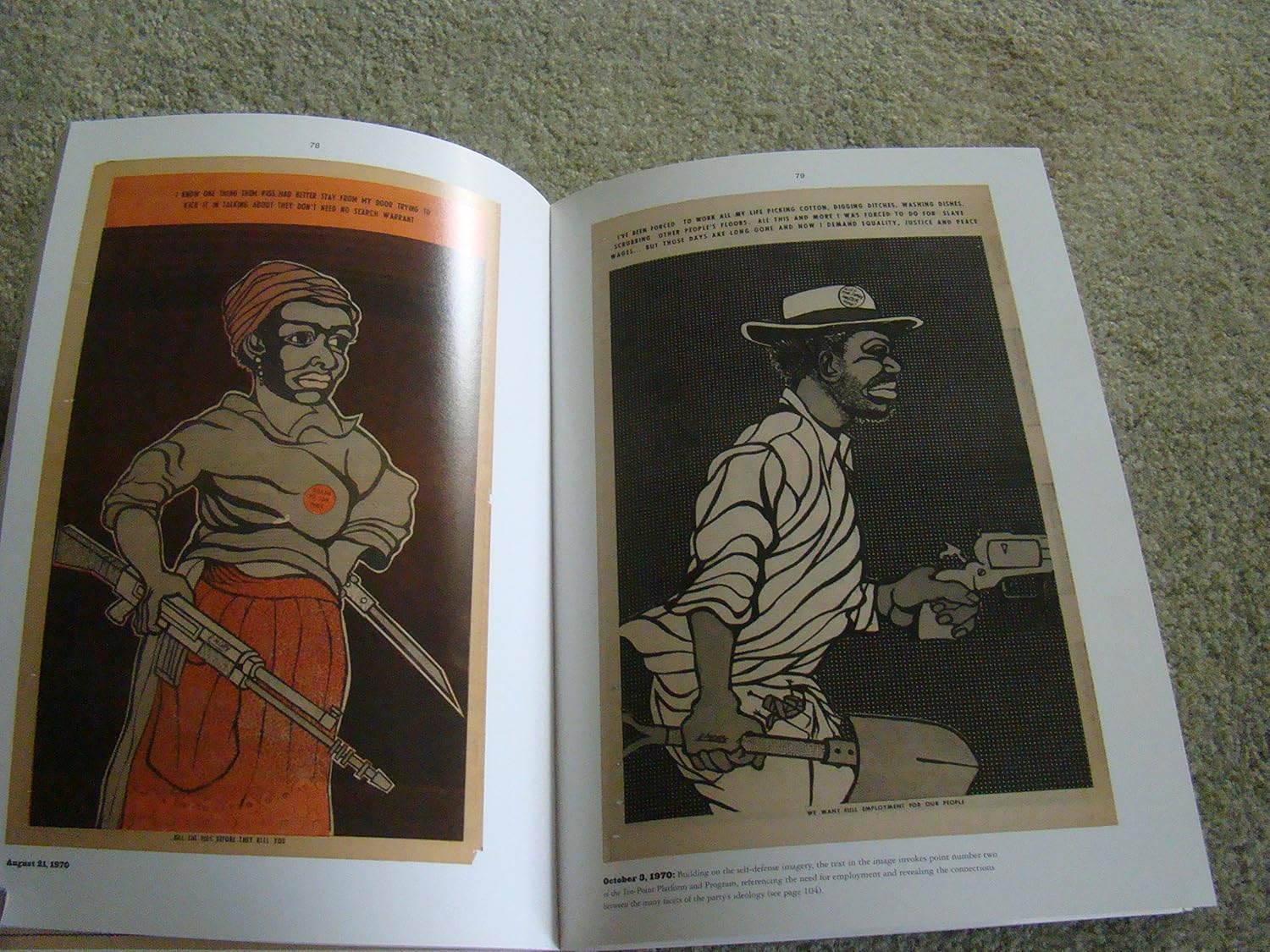
Buy the Book here. https://www.rizzoliusa.com/book/9780847841899/ (228 Pages.)

Pop the document out from the upper right to read / expand / download.


Pop the document out from the upper right to read / expand / download.


You must be logged in to post a comment.