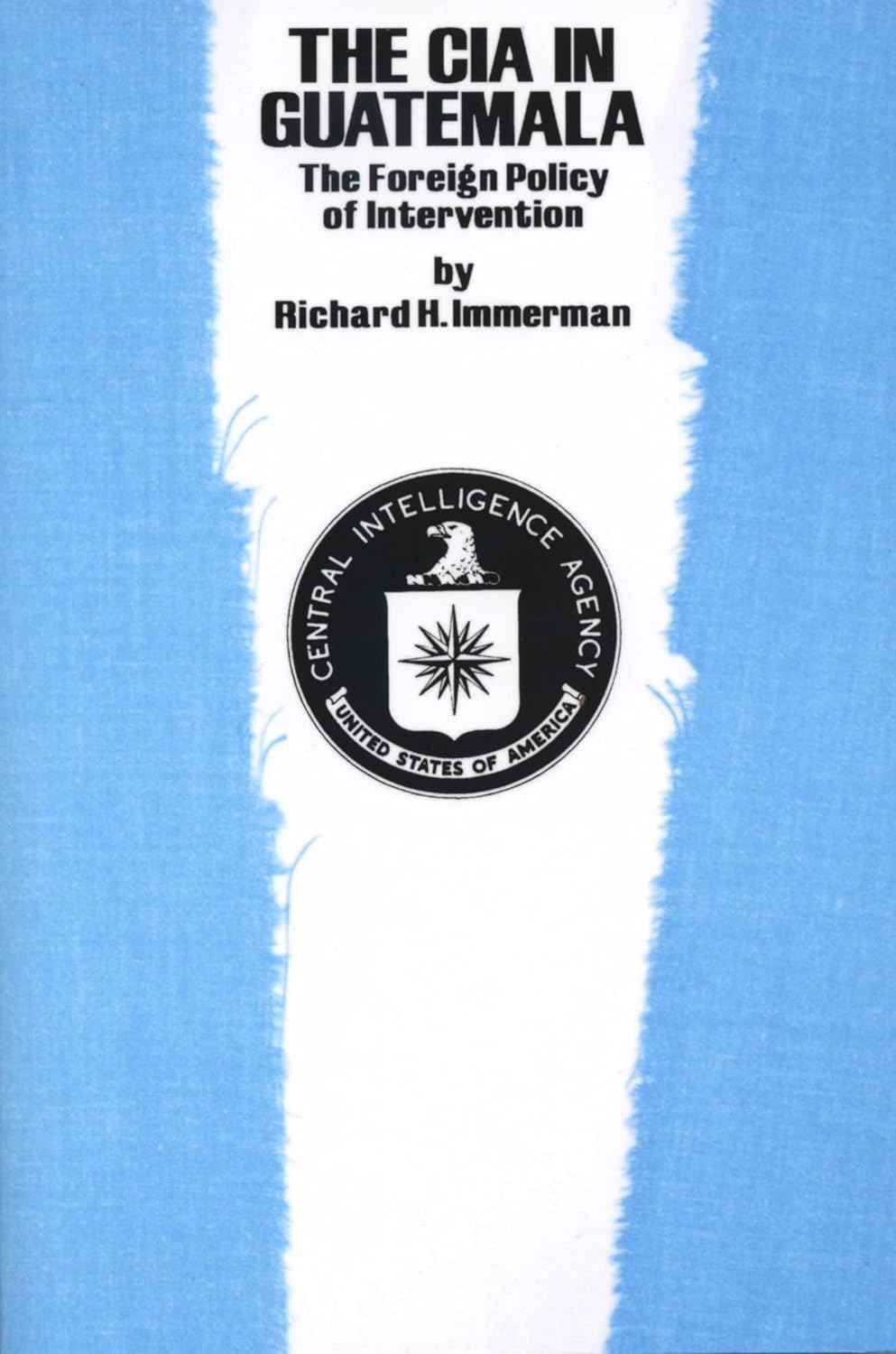
“Gil Scott-Heron: Pieces of a Man” by Marcus Baram_eBook and Gil Scott-Heron-Pieces of a Man (Full Album) with Supplemental_Gil Scott-Heron’s Powerful Legacy | BLACK WAX | Political Music Documentary | Amplified

Last Updated 03-28-2025

Book Summary

“Gil Scott-Heron: Pieces of a Man” by Marcus Baram is a comprehensive biography that delves into the life and legacy of Gil Scott-Heron, a pioneering musician, poet, and social activist. Known for his influential work in the genres of jazz, soul, and spoken word, Scott-Heron is often celebrated as a key figure in the development of hip-hop and for his incisive commentary on social and political issues. Baram explores Scott-Heron’s tumultuous life, including his struggles with addiction, his artistic evolution, and his impact on music and culture. The biography not only chronicles his achievements but also examines the complexities of his identity and the societal challenges he confronted throughout his life.

The following outline captures the main themes and structure of “Gil Scott-Heron: Pieces of a Man,” highlighting Marcus Baram’s exploration of the life, struggles, and legacy of this influential artist. The biography serves as an important resource for understanding Scott-Heron’s impact on music and culture, as well as the social issues he passionately addressed throughout his career.

I. Introduction

  • Overview of the book’s purpose: to explore the life and legacy of Gil Scott-Heron
  • Introduction to Scott-Heron’s significance in music and social activism
  • Brief explanation of the structure of the biography

II. Early Life and Influences

  • Examination of Scott-Heron’s childhood and upbringing in Chicago and New York
  • Discussion of his family background, including his relationship with his mother and father
  • Exploration of early influences on his music and poetry, including jazz and blues artists

III. Artistic Development

  • Analysis of Scott-Heron’s early work, including his first albums and literary contributions
  • The emergence of his unique style that blended music and spoken word
  • Discussion of key themes in his work, such as race, social justice, and identity

IV. Breakthrough and Impact

  • Exploration of Scott-Heron’s rise to fame in the 1970s with the release of “Pieces of a Man” and other significant works
  • Analysis of his role in shaping the sound of the era and influencing future generations of artists
  • Discussion of notable performances and collaborations with other musicians

V. Struggles and Challenges

  • Examination of Scott-Heron’s personal struggles, including battles with addiction and mental health
  • The impact of these struggles on his career and relationships
  • Reflection on the societal issues he addressed in his work, such as inequality and injustice

VI. Later Career and Legacy

  • Overview of Scott-Heron’s later works and how his style evolved over time
  • Discussion of his return to music after a hiatus and the relevance of his themes in contemporary society
  • Analysis of his lasting influence on music, hip-hop, and social activism

VII. Personal Life and Relationships

  • Exploration of Scott-Heron’s relationships, including family, friends, and romantic partners
  • The role of these relationships in shaping his personal and artistic identity
  • Insight into his life beyond music, including activism and advocacy

VIII. Conclusion

  • Summary of key themes and insights from Scott-Heron’s life and work
  • Reflection on the importance of understanding his contributions to music and social change
  • Call to action for readers to engage with his legacy and the issues he championed

“Gil Scott-Heron: Pieces of a Man” by Marcus Baram is an in-depth exploration of the life of Gil Scott-Heron, who is often referred to as the “Godfather of Rap.” Scott-Heron’s work transcended music, encompassing poetry, activism, and social commentary, which made him a pivotal figure in the cultural landscape of the 20th century. Here’s a deeper examination of the key themes, insights, and narratives woven throughout the biography:

Key Themes and Insights

  1. Cultural and Historical Context:
    • The book situates Scott-Heron’s life within the broader context of the civil rights movement, the Black Arts Movement, and the socio-political upheaval of the 1960s and 1970s. Baram highlights how these movements influenced Scott-Heron’s work and the themes he explored in his music and poetry.
    • The biography emphasizes the significance of Scott-Heron’s voice during a time of social change, reflecting the struggles and aspirations of the Black community.
  2. Musical Innovation:
    • Scott-Heron is recognized for blending various musical genres, including jazz, soul, and blues, with spoken word, creating a unique sound that laid the groundwork for hip-hop. Baram discusses key works like “Pieces of a Man” and “The Revolution Will Not Be Televised,” which showcase his innovative approach to music and his ability to address pressing social issues.
    • The book explores how Scott-Heron’s poetic lyrics and rhythmic cadences resonate with the struggles of marginalized communities, making his music both impactful and enduring.
  3. Personal Struggles:
    • A significant focus of the biography is on Scott-Heron’s personal battles with addiction and mental health. Baram provides a candid portrayal of how these struggles affected both his personal life and career, leading to periods of decline and resurgence.
    • The author reflects on the stigma surrounding addiction and mental illness, contextualizing Scott-Heron’s experiences within a larger societal framework that often fails to support those in need.
  4. Activism and Social Commentary:
    • Scott-Heron used his platform to address issues such as racism, poverty, and inequality. Baram highlights how his work served as a form of activism, using art as a means to provoke thought and inspire change.
    • The biography discusses specific songs and performances that exemplify Scott-Heron’s commitment to social justice, illustrating how he challenged audiences to confront uncomfortable truths about society.
  5. Legacy and Influence:
    • The impact of Scott-Heron’s work extends beyond his lifetime, influencing a generation of artists in hip-hop and beyond. Baram examines how contemporary musicians cite Scott-Heron as an inspiration, underscoring his role in shaping the narrative of socially conscious music.
    • The book also explores Scott-Heron’s posthumous recognition and the resurgence of interest in his work, particularly in light of today’s social justice movements.
  6. Complex Personal Relationships:
    • Baram delves into Scott-Heron’s relationships with family, friends, and collaborators, providing insight into how these connections shaped his identity and artistry. The personal dynamics of his life often intersected with his creative output, reflecting the complexities of his character.
    • The biography highlights the challenges he faced in maintaining relationships, particularly as his struggles with addiction intensified.
  7. The Evolution of Identity:
    • Throughout the biography, there is a focus on Scott-Heron’s evolving identity as an artist and activist. Baram traces the changes in his work over the decades, illustrating how his experiences and societal changes influenced his voice and message.
    • The exploration of identity also touches on themes of masculinity, vulnerability, and the artist’s role in society, providing a nuanced understanding of Scott-Heron as both a public figure and a private individual.

Conclusion

“Gil Scott-Heron: Pieces of a Man” is a compelling and multifaceted biography that honors the life and legacy of Gil Scott-Heron. Marcus Baram’s thorough research and engaging narrative illuminate Scott-Heron’s contributions to music and culture, as well as the personal challenges he faced throughout his life. By weaving together themes of activism, musical innovation, and personal struggle, the book offers a rich portrait of an artist whose work continues to resonate in contemporary discussions of race, justice, and the power of art.

Baram’s biography serves as both an homage to Scott-Heron’s enduring influence and a reminder of the complexities inherent in the lives of artists who seek to effect change through their work. It invites readers to engage with Scott-Heron’s legacy and consider the ongoing relevance of his messages in today’s world, emphasizing the importance of art as a vehicle for social commentary and transformation.

“Gil Scott-Heron: Pieces of a Man” by Marcus Baram_eBook

Pop the documents out from the upper right to read / expand / download.

Gil Scott-Heron – Pieces of a Man (Full Album)

Supplemental_Gil Scott-Heron’s Powerful Legacy | BLACK WAX | Political Music Documentary | Amplified

Learn more in RBG Communiversity Knowledge Media eLibrary:

We Want Freedom: A Life in the Black Panther Party, by Mumia Abu-Jamal, Kathleen Cleaver (Introduction)_eBook and Audiobooks

Mumia Abu-Jamal, America’s most famous political prisoner, is internationally known for his “live from death row” radio broadcasts and writings. In his youth, he helped found the Philadelphia branch of the Black Panther Party, wrote for the national newspaper, and began his lifelong work of exposing the violence of the state as it manifests in entrenched poverty, endemic racism, and unending police brutality.

Book Summary

“We Want Freedom: A Life in the Black Panther Party” is a memoir by Mumia Abu-Jamal that chronicles his experiences as a member of the Black Panther Party (BPP). The book provides an intimate look at Abu-Jamal’s journey within the party, detailing the struggles, victories, and challenges faced by its members during a tumultuous period in American history. With an introduction by Kathleen Cleaver, a prominent BPP leader, the memoir explores themes of resistance, social justice, and the fight against systemic racism. Through personal anecdotes and reflections, Abu-Jamal emphasizes the importance of community, solidarity, and the enduring legacy of the Black Panther Party in the struggle for civil rights.

The outline that follows captures the main themes and structure of “We Want Freedom,” highlighting Mumia Abu-Jamal’s personal journey in the Black Panther Party and the broader implications of the party’s legacy in the ongoing struggle for civil rights. The memoir serves as both a historical account and a source of inspiration for contemporary movements advocating for social justice and equality.

Outline

I. Introduction

  • Overview of Mumia Abu-Jamal’s background and significance
  • Role of Kathleen Cleaver in the Black Panther Party and her contributions to the introduction
  • The purpose of the memoir: to share personal experiences within the BPP

II. Early Life and Influences

  • Abu-Jamal’s upbringing in a racially charged environment
  • The impact of family, community, and early experiences on his political consciousness
  • Introduction to radical ideas and movements that shaped his worldview

III. Joining the Black Panther Party

  • The circumstances leading to Abu-Jamal’s involvement with the BPP
  • Overview of the party’s founding principles and goals
  • Initial experiences and impressions as a new member

IV. Activism and Community Engagement

  • Description of BPP community programs (e.g., free breakfast programs, health clinics)
  • The role of activism in addressing social issues and injustices
  • Personal anecdotes illustrating the impact of community work

V. The Struggle Against Oppression

  • Examination of the challenges faced by the BPP, including police brutality and state repression
  • Key events and confrontations involving BPP members and law enforcement
  • The significance of armed self-defense and the philosophy behind it

VI. Internal Dynamics and Challenges

  • Insights into the internal workings of the BPP, including leadership and organizational structure
  • Discussion of factionalism, ideological differences, and personal conflicts within the party
  • The impact of these dynamics on the effectiveness of the BPP

VII. Legacy and Reflections

  • Abu-Jamal’s reflections on the enduring legacy of the Black Panther Party
  • The relevance of the BPP’s principles and actions in contemporary social justice movements
  • Personal insights on the importance of resistance and community solidarity

VIII. Conclusion

  • Summary of key themes and insights from Abu-Jamal’s experiences
  • Call to action for continued activism and engagement in the fight for freedom and justice
  • The significance of remembering the history and contributions of the Black Panther Party

“We Want Freedom: A Life in the Black Panther Party” by Mumia Abu-Jamal, with an introduction by Kathleen Cleaver, is a powerful memoir that provides a firsthand account of Abu-Jamal’s life as a member of the Black Panther Party (BPP). The book offers a deeply personal perspective on the complexities of the party’s activities, the socio-political context of the era, and the enduring impact of the BPP on contemporary struggles for justice and equality. Here’s a deeper exploration of the key themes and insights from the memoir:

Key Themes and Insights

  1. Personal Journey and Political Awakening:
    • Abu-Jamal’s early life is marked by his experiences growing up in a racially charged environment, which shaped his understanding of systemic racism and social injustice. He reflects on how these formative experiences influenced his political consciousness and sparked his desire to engage in activism.
    • The memoir highlights the transformative effect of community and family, illustrating how support systems can inspire individuals to challenge oppressive structures.
  2. The Black Panther Party’s Ideology and Goals:
    • The book delves into the foundational principles of the BPP, focusing on its commitment to self-determination, social justice, and armed self-defense against police brutality. Abu-Jamal emphasizes the party’s dedication to empowering marginalized communities and addressing systemic inequalities.
    • The introduction by Kathleen Cleaver provides additional context about the BPP’s mission and the broader civil rights movement, framing the party as a crucial player in the struggle for racial equality.
  3. Community Programs and Activism:
    • Abu-Jamal vividly describes the various community service programs initiated by the BPP, such as free breakfast programs for children, health clinics, and educational initiatives. These programs were designed to address immediate needs within the Black community and foster a sense of solidarity and empowerment.
    • Through personal anecdotes, he illustrates the direct impact of these initiatives on individuals and families, showcasing the BPP’s commitment to serving the community beyond confrontations with law enforcement.
  4. Confrontations with Law Enforcement:
    • The memoir examines the violent confrontations that the BPP faced, including police brutality and state repression. Abu-Jamal recounts specific incidents that highlight the dangers faced by party members, emphasizing the need for armed self-defense in the face of systemic violence.
    • He reflects on the psychological toll of living under constant threat from law enforcement and the state, providing insight into the realities of activism during this tumultuous period.
  5. Internal Dynamics and Challenges:
    • Abu-Jamal provides a candid look at the internal dynamics within the BPP, discussing leadership struggles, ideological differences, and factionalism that arose over time. He explores how these internal conflicts sometimes undermined the party’s effectiveness and unity.
    • The memoir also touches on the role of women in the BPP, highlighting their contributions and the complexities of gender dynamics within the organization.
  6. Reflections on Legacy:
    • Throughout the memoir, Abu-Jamal reflects on the enduring legacy of the Black Panther Party and its relevance in contemporary social justice movements. He argues that the principles and actions of the BPP continue to resonate in today’s struggles against racial injustice and inequality.
    • The narrative serves as a reminder of the importance of remembering history and honoring the sacrifices made by those who fought for civil rights.
  7. Call to Action:
    • In the conclusion, Abu-Jamal emphasizes the need for continued activism and resistance in the quest for justice. He encourages readers to engage in the struggle for freedom and equality, drawing inspiration from the BPP’s legacy.
    • The memoir serves not only as a personal account but also as a rallying cry for future generations to uphold the values of community, solidarity, and social justice.

Conclusion

“We Want Freedom” is a significant contribution to the literature on the Black Panther Party and the broader civil rights movement. Mumia Abu-Jamal’s memoir offers an intimate and powerful perspective on the challenges and triumphs faced by BPP members, as well as the complexities of activism during a pivotal period in American history. The book highlights the importance of community engagement, the fight against systemic oppression, and the enduring relevance of the BPP’s ideals in contemporary struggles for justice. Through his personal narrative, Abu-Jamal not only honors the legacy of the Black Panther Party but also inspires readers to remain vigilant and active in the ongoing fight for freedom and equality.

We Want Freedom: A Life in the Black Panther Party, by Mumia Abu-Jamal, Kathleen Cleaver (Introduction)_eBook

Pop the documents out from the upper right to read / expand / download.

We Want Freedom: A Life in the Black Panther Party, by Mumia Abu-Jamal, Kathleen Cleaver (Introduction)_Audiobook

Learn more in RBG Communiversity Knowledge Media eLibrary:

American Exceptionalism and American Innocence: A People’s History of Fake News―From the Revolutionary War to the War on Terror by Roberto Sirvent and Danny Haiphong_eBook and Audiobook

Book Summary

“American Exceptionalism and American Innocence: A People’s History of Fake News―From the Revolutionary War to the War on Terror” by Roberto Sirvent and Danny Haiphong critically examines the concept of American exceptionalism and how it has shaped the narratives surrounding U.S. history. The authors argue that the belief in America’s unique virtue has been used to justify various forms of injustice, including imperialism, racism, and war. By exploring the historical roots of “fake news”—defined as the manipulation of information to promote specific agendas—they illustrate how narratives have been constructed to maintain power and control. The book aims to uncover the often-overlooked realities of marginalized communities and to challenge dominant historical narratives, promoting a more inclusive understanding of American history.

The outline that follows encapsulates the essential themes and structure of “American Exceptionalism and American Innocence,” highlighting the authors’ critical perspective on American history and the implications of fake news in shaping public understanding.

I. Introduction

  • Definition of American exceptionalism
  • Overview of the concept of fake news
  • Purpose of the book: to challenge dominant narratives and reveal hidden histories

II. Historical Context of American Exceptionalism

  • Origins during the Revolutionary War
    • The concept of a “city upon a hill”
  • Development through historical events
    • Manifest Destiny and westward expansion
    • The Civil War and Reconstruction

III. The Role of Fake News in American History

  • Definition and examples of fake news throughout U.S. history
  • Use of propaganda and misinformation to justify wars
    • Spanish-American War
    • Vietnam War

IV. American Innocence and Its Consequences

  • The myth of American innocence in relation to imperialism
  • Impact of this myth on marginalized communities
    • Effects on Native Americans, African Americans, and other groups
  • Case studies illustrating the disconnect between American ideals and reality

V. The Modern Era: Fake News and the War on Terror

  • Emergence of fake news in the contemporary political landscape
  • Analysis of the framing of the War on Terror through American exceptionalism
  • Role of media in shaping public perception and justifying military interventions

VI. Challenging the Narrative: A People’s History Perspective

  • Importance of alternative narratives in understanding U.S. history
  • Voices of resistance and dissent throughout American history
    • Civil rights movements
    • Anti-war activism
  • Role of grassroots movements in challenging dominant narratives

VII. Conclusion

  • Summary of key arguments and insights
  • Call to action for critical engagement with history and media
  • Vision for a more inclusive understanding of American history that recognizes diverse experiences

“American Exceptionalism and American Innocence: A People’s History of Fake News―From the Revolutionary War to the War on Terror” by Roberto Sirvent and Danny Haiphong presents a compelling critique of the widespread belief in American exceptionalism and the narrative of American innocence. The authors argue that these concepts have been utilized to justify various injustices and have fostered a distorted understanding of U.S. history. Here’s a deeper exploration of the book’s themes and insights:

Deeper Insights

  1. American Exceptionalism:
    • Sirvent and Haiphong define American exceptionalism as the belief that the United States is fundamentally different from other nations, often perceived as a force for good in the world. This belief has its roots in the Revolutionary War, where early American leaders framed the nation’s mission as one of liberty and democracy.
    • The authors argue that this concept has been manipulated to justify expansionist policies, imperialism, and military interventions under the guise of promoting freedom and democracy.
  2. Historical Narratives and Fake News:
    • The book delves into the historical use of propaganda and misinformation throughout American history. Sirvent and Haiphong highlight how fake news has been a persistent tool in shaping public perception and justifying government actions.
    • Examples include the exaggerated narratives used to garner support for the Spanish-American War, where the media played a crucial role in rallying public sentiment through sensationalized stories about Spanish atrocities.
  3. American Innocence:
    • The authors critique the myth of American innocence, which suggests that the U.S. has acted altruistically on the world stage, often overlooking its role in perpetuating violence and injustice.
    • They examine the impacts of this myth on marginalized communities, particularly Native Americans, African Americans, and others who have suffered under U.S. policies. The narrative of innocence obscures the historical realities of oppression and exploitation.
  4. Case Studies:
    • Sirvent and Haiphong provide case studies that illustrate the disconnect between the ideals of American exceptionalism and the lived experiences of marginalized groups. For example, they discuss the impact of U.S. foreign policy on countries in Latin America and the Middle East, where interventions have led to destabilization and suffering.
    • The authors also explore domestic policies that have disproportionately affected communities of color, revealing how the narrative of innocence has been used to justify systemic racism and inequality.
  5. The War on Terror:
    • In the contemporary context, the authors analyze the War on Terror as a modern manifestation of American exceptionalism. After the events of September 11, 2001, the U.S. government framed its military actions as necessary for global security and the promotion of democracy.
    • Sirvent and Haiphong argue that this framing has been reinforced by media narratives that often depict the U.S. as a benevolent force, ignoring the consequences of its military interventions.
  6. Challenging Dominant Narratives:
    • One of the key messages of the book is the importance of alternative narratives that highlight the voices of dissent and resistance throughout American history. The authors emphasize that understanding history from a people’s perspective is essential for recognizing the complexities of social justice movements.
    • They discuss the contributions of civil rights activists, anti-war movements, and grassroots organizations that have challenged the dominant narratives and fought for justice and equality.
  7. Call to Action:
    • In their conclusion, Sirvent and Haiphong urge readers to critically engage with history and media. They advocate for a more inclusive understanding of American history that acknowledges the experiences of marginalized communities and the realities of oppression.
    • The authors call for a reevaluation of the myths that have shaped public perception and encourage active participation in movements that seek to dismantle systemic injustices.

Conclusion

“American Exceptionalism and American Innocence” serves as a powerful critique of the narratives that underpin American identity and policy. Through a careful examination of history, the authors reveal how the belief in American exceptionalism has been wielded as a tool for justifying imperialism and systemic injustices. By challenging dominant narratives and advocating for a people’s history perspective, Sirvent and Haiphong provide readers with the tools to critically analyze the complexities of American history and engage in meaningful conversations about justice, equality, and truth. Their work is a vital contribution to the ongoing discourse on race, power, and the role of media in shaping public understanding.

“American Exceptionalism and American Innocence: A People’s History of Fake News―From the Revolutionary War to the War on Terror”_eBook

Pop the documents out from the upper right to read / expand / download.
“American Exceptionalism and American Innocence: A People’s History of Fake News―From the Revolutionary War to the War on Terror”_Audiobook

Learm more in RBG Communiversity Knowledge Media eLibrary:

A Scientific Approach to Black Liberation by Dr. Abdul Alkalimat and The History and Future of Black Studies_Pluto Press, with Supplemental: Selected Work on Malcolm X by Abdul Alkalimat_Hypertext

Booklet Summary

“A Scientific Approach to Black Liberation: Which Road Against Racism and Imperialism for the Black Liberation Movement?” by Abdul Alkalimat presents a thorough examination of the Black Liberation Movement, advocating for a scientific and systematic approach to understanding and combating racism and imperialism. Alkalimat critiques historical and contemporary strategies, emphasizing the need for empirical analysis, unity, and a coherent framework to effectively address the complexities of oppression faced by Black communities. The book serves as both a historical account and a guide for future activism, aiming to inspire a new generation of leaders in the movement for Black liberation.

Outline

I. Introduction

  • Purpose of the book
  • Importance of a scientific methodology in the Black Liberation Movement
  • Overview of key themes: racism, imperialism, and strategies for liberation

II. Historical Context

  • Evolution of the Black Liberation Movement
    • Slavery and its legacy
    • The Civil Rights Movement
    • The Black Power Movement
  • Key figures in Black liberation history
    • W.E.B. Du Bois
    • Malcolm X
    • Martin Luther King Jr.

III. Understanding Racism and Imperialism

  • Definitions and distinctions
    • Institutional vs. individual racism
    • Historical roots of imperialism
  • Analysis of how racism and imperialism intersect
  • Impact of colonialism on Black communities globally

IV. Theoretical Frameworks

  • Examination of various theories relevant to Black liberation
    • Marxism and its implications for race and class struggle
    • Anti-colonialism as a framework for understanding oppression
    • Intersectionality and its relevance to the Black experience

V. Strategies for Liberation

  • Review of past and present strategies in the Black Liberation Movement
    • Nonviolent resistance
    • Armed struggle
    • Grassroots organizing and community mobilization
  • The case for a scientific approach to strategy development
    • Importance of research and data in formulating effective strategies

VI. Building Unity in the Movement

  • Addressing divisions within the Black liberation struggle
    • Class, gender, and ideological differences
  • Importance of coalition-building with other marginalized groups
  • Strategies for fostering collaboration and solidarity

VII. The Role of Education and Consciousness

  • Significance of education in the liberation struggle
    • Fostering critical consciousness
    • Cultural education and identity formation
  • The role of art, literature, and culture in promoting awareness and resistance

VIII. Conclusion

  • Summary of key arguments and insights
  • Call to action for a renewed commitment to a scientific approach to Black liberation
  • Vision for the future of the Black Liberation Movement in the context of global struggles against racism and imperialism


Booklet Significance

Abdul Alkalimat’s “A Scientific Approach to Black Liberation” offers a compelling framework for understanding the complexities of the Black liberation struggle. By advocating for a scientific and systematic approach, Alkalimat emphasizes the need for critical analysis, unity, and effective strategies to address the systemic issues of racism and imperialism. This outline highlights the book’s key themes and provides a roadmap for understanding its contributions to the discourse on Black liberation and social justice.

Pop the documents out from the upper right to read / expand / download.

e-Black Studies_Abdul Alkalimat The History and Future of Black Studies | Pluto Live

Supplemental: Selected Work on Malcolm X by Abdul Alkalimat_Hypertext

Again, pop the document out from the upper right to read / expand / download.

Learm more in RBG Communiversity Knowledge Media eLibrary:

“I Write What I Like” by Steve Biko_eBook and Audiobook, with African Biographics_Steve Biko: The African Revolutionary, Why was he Killed?

Steve Biko was a South African anti-apartheid activist and leader of the Black Consciousness Movement. He was killed in 1977 for his activism. Known as the “Father of Black Consciousness”.

Book Summary

“I Write What I Like” by Steve Biko is a collection of writings that reflect Biko’s thoughts on race, identity, and the struggle against apartheid in South Africa. Here’s a bullet point narrative summarizing its key themes and ideas:

  • Background and Context: The book is set against the backdrop of apartheid in South Africa, highlighting the systemic oppression faced by black South Africans.
  • Black Consciousness: Biko emphasizes the importance of self-awareness and pride among black people, advocating for a movement that fosters dignity and identity.
  • Critique of Racism: Biko critiques both the institutionalized racism of the apartheid regime and the passive acceptance of oppression by the black community.
  • Empowerment through Education: He argues that education should be a tool for empowerment, encouraging black people to understand their history and culture.
  • Rejection of Passive Resistance: Biko promotes active resistance against oppression rather than passive acceptance, urging black individuals to fight for their rights.
  • Unity and Solidarity: The writings stress the need for unity among black South Africans to combat the divisive tactics of the apartheid government.
  • Personal Narrative: Biko shares his own experiences and reflections, providing insight into his motivations and the struggles he faced.
  • Legacy of Resistance: The book serves as a call to action, inspiring future generations to continue the fight for equality and justice.
  • Impact of Biko’s Philosophy: His ideas laid the groundwork for the Black Consciousness Movement, influencing both local and international perspectives on racial equality.

Here’s a deeper exploration of the themes and significance of “I Write What I Like”:

In-Depth Themes and Concepts

  • Black Consciousness Movement:
    • Biko was a key figure in the Black Consciousness Movement, which sought to instill a sense of pride and identity among black South Africans. He believed that psychological liberation was essential for political freedom. The movement encouraged black individuals to reject the inferiority imposed by the apartheid system and to embrace their heritage.
  • Critique of Apartheid:
    • The writings expose the inhumane conditions and injustices inflicted by apartheid. Biko critiques not only the policies of the apartheid government but also the complicity of white South Africans who benefited from the system. He argues that true change requires acknowledging and addressing these injustices.
  • Philosophy of Self-Identification:
    • Biko emphasizes the importance of self-definition and self-identity. He argues that black people must define themselves and their aspirations, rather than allowing others to dictate their identities. This concept is vital for personal and collective empowerment.
  • Role of Education:
    • Education is portrayed as a double-edged sword. While it can be a means of liberation, Biko also critiques the education system for perpetuating colonial values and failing to address the realities faced by black individuals. He advocates for an education that is relevant and empowering, rooted in African history and culture.
  • Active Resistance:
    • Biko calls for a more proactive approach to resistance, pushing against the notion of passive acceptance. He believes that change will only come through active engagement and confrontation of oppressive forces, inspiring a generation to stand up for their rights.

Historical Significance

  • Influence on Future Movements:
    • Biko’s ideas and writings have had a lasting impact, influencing not only the anti-apartheid struggle but also civil rights movements globally. His emphasis on self-identity and empowerment resonates with various movements advocating for racial justice and equality.
  • Martyrdom and Legacy:
    • Biko’s tragic death in police custody in 1977 turned him into a martyr for the anti-apartheid cause. His writings gained renewed attention posthumously, further solidifying his legacy as a symbol of resistance and the fight for justice.

Personal Reflections

  • Narrative Style:
    • The book combines essays, letters, and speeches, offering a personal glimpse into Biko’s thoughts and experiences. This narrative style makes the work both accessible and compelling, allowing readers to connect with his ideas on a deeper level.
  • Call to Action:
    • Ultimately, “I Write What I Like” serves as a powerful call to action for individuals to take ownership of their identities and work collectively towards a more just and equitable society.

Biko’s writings continue to inspire discussions around race, identity, and social justice, making “I Write What I Like” a vital work in understanding the complexities of the struggle against apartheid and the broader fight for human rights.

“I Write What I Like” by Steve Biko_eBook

Pop the documents out from the upper right to read / expand / download.

“I Write What I Like” by Steve Biko_Audiobook

Steve Biko: The African Revolutionary, Why was he Killed? From: African Biographics

Learm more in RBG Communiversity Knowledge Media eLibrary:
