
Book Summary
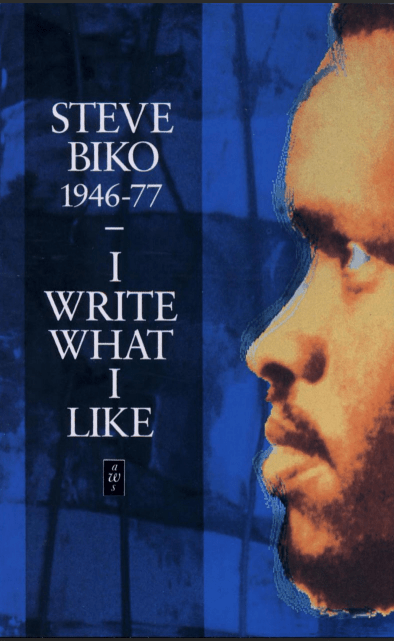
“I Write What I Like” by Steve Biko is a collection of writings that reflect Biko’s thoughts on race, identity, and the struggle against apartheid in South Africa. Here’s a bullet point narrative summarizing its key themes and ideas:
- Background and Context: The book is set against the backdrop of apartheid in South Africa, highlighting the systemic oppression faced by black South Africans.
- Black Consciousness: Biko emphasizes the importance of self-awareness and pride among black people, advocating for a movement that fosters dignity and identity.
- Critique of Racism: Biko critiques both the institutionalized racism of the apartheid regime and the passive acceptance of oppression by the black community.
- Empowerment through Education: He argues that education should be a tool for empowerment, encouraging black people to understand their history and culture.
- Rejection of Passive Resistance: Biko promotes active resistance against oppression rather than passive acceptance, urging black individuals to fight for their rights.
- Unity and Solidarity: The writings stress the need for unity among black South Africans to combat the divisive tactics of the apartheid government.
- Personal Narrative: Biko shares his own experiences and reflections, providing insight into his motivations and the struggles he faced.
- Legacy of Resistance: The book serves as a call to action, inspiring future generations to continue the fight for equality and justice.
- Impact of Biko’s Philosophy: His ideas laid the groundwork for the Black Consciousness Movement, influencing both local and international perspectives on racial equality.
Here’s a deeper exploration of the themes and significance of “I Write What I Like”:
In-Depth Themes and Concepts
- Black Consciousness Movement:
- Biko was a key figure in the Black Consciousness Movement, which sought to instill a sense of pride and identity among black South Africans. He believed that psychological liberation was essential for political freedom. The movement encouraged black individuals to reject the inferiority imposed by the apartheid system and to embrace their heritage.
- Critique of Apartheid:
- The writings expose the inhumane conditions and injustices inflicted by apartheid. Biko critiques not only the policies of the apartheid government but also the complicity of white South Africans who benefited from the system. He argues that true change requires acknowledging and addressing these injustices.
- Philosophy of Self-Identification:
- Biko emphasizes the importance of self-definition and self-identity. He argues that black people must define themselves and their aspirations, rather than allowing others to dictate their identities. This concept is vital for personal and collective empowerment.
- Role of Education:
- Education is portrayed as a double-edged sword. While it can be a means of liberation, Biko also critiques the education system for perpetuating colonial values and failing to address the realities faced by black individuals. He advocates for an education that is relevant and empowering, rooted in African history and culture.
- Active Resistance:
- Biko calls for a more proactive approach to resistance, pushing against the notion of passive acceptance. He believes that change will only come through active engagement and confrontation of oppressive forces, inspiring a generation to stand up for their rights.
Historical Significance
- Influence on Future Movements:
- Biko’s ideas and writings have had a lasting impact, influencing not only the anti-apartheid struggle but also civil rights movements globally. His emphasis on self-identity and empowerment resonates with various movements advocating for racial justice and equality.
- Martyrdom and Legacy:
- Biko’s tragic death in police custody in 1977 turned him into a martyr for the anti-apartheid cause. His writings gained renewed attention posthumously, further solidifying his legacy as a symbol of resistance and the fight for justice.
Personal Reflections
- Narrative Style:
- The book combines essays, letters, and speeches, offering a personal glimpse into Biko’s thoughts and experiences. This narrative style makes the work both accessible and compelling, allowing readers to connect with his ideas on a deeper level.
- Call to Action:
- Ultimately, “I Write What I Like” serves as a powerful call to action for individuals to take ownership of their identities and work collectively towards a more just and equitable society.
Biko’s writings continue to inspire discussions around race, identity, and social justice, making “I Write What I Like” a vital work in understanding the complexities of the struggle against apartheid and the broader fight for human rights.

“I Write What I Like” by Steve Biko_eBook
Pop the documents out from the upper right to read / expand / download.
 RBG Communiversity: Message 2 Da Grassroots