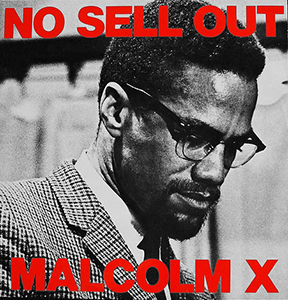
Photo-story montage of Malcolm X’s life, featuring archival images from his prison years, family moments, public speeches, travels, and activism, set to Keith LeBlanc’s 1984 track “No Sell Out” that samples his voice.
rbg4lif (bka RBGStreetScholar) operates RBG Communiversity, a blog and resource hub dedicated to Black Studies, Pan-African education, and Nationhood topics, regularly posting books, syllabi, videos, and materials on figures like Malcolm X, Amos N. Wilson, and historical resistance movements.
Pop the document out from the upper right to read / expand / download
Supplemental: On the Side of My People: A Religious Life of Malcolm X (eBook Preview, 38 pp.)
On the Side of My People: A Religious Life of Malcolm X is a groundbreaking biography written by Louis A. DeCaro Jr. and published by NYU Press in 1996. It stands out as the very first book-length evaluation of Malcolm X’s life focused strictly through a religious lens, reframing a figure who is most commonly analyzed through a purely political or cultural viewpoint.
Here is a structured overview of the book’s core focus, sources, and breakdown:
Core Objectives & Themes
1. Redemption and Spirituality: DeCaro presents Malcolm X as a “man of Allah” driven primarily by personal salvation and religious commitment rather than solely political ambitions.
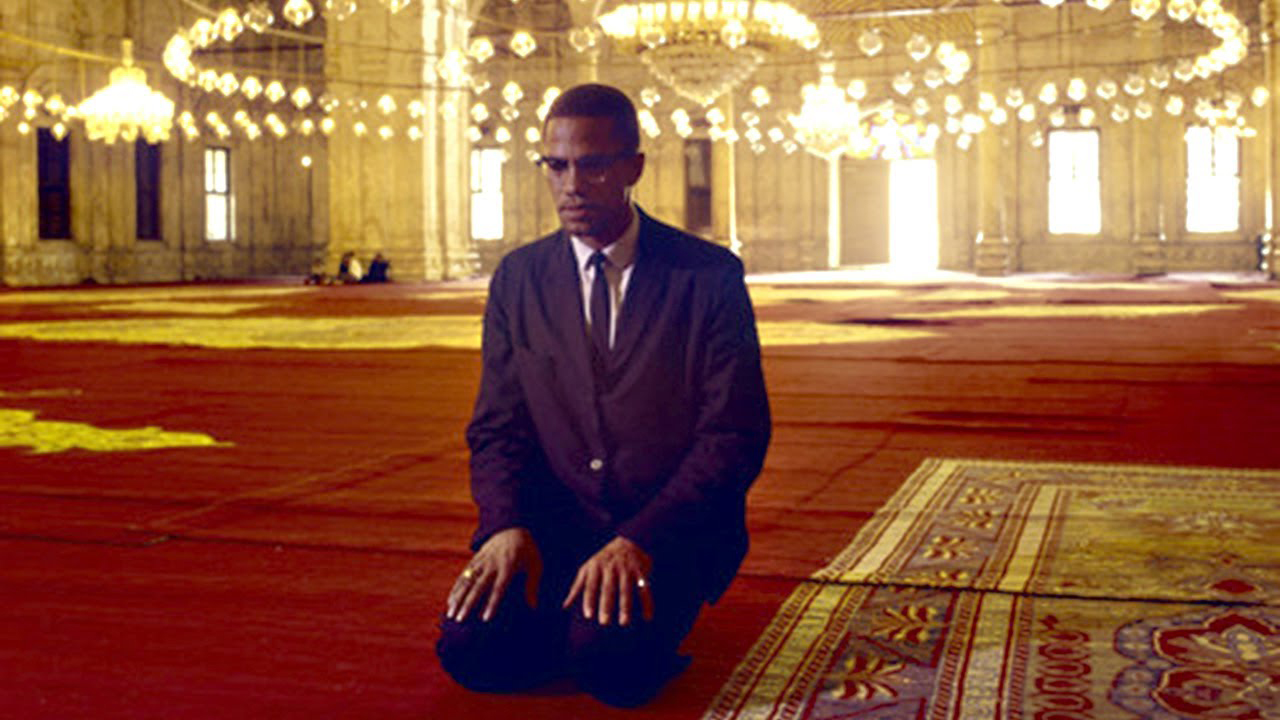
2. Religious Evolution: The book examines his dual conversions—joining the Nation of Islam (NOI) in prison and later embracing orthodox Sunni Islam after his 1964 pilgrimage to Mecca—alongside his childhood roots, his 1959 Africa trip, and his final year of traditional practice.
3. Critical Analysis: It also analyzes The Autobiography of Malcolm X to understand how his life narrative was curated alongside Alex Haley.
Research Foundations
DeCaro constructs this spiritual portrait using primary materials including interviews with Wilfred Little, declassified FBI files, Black press archives, and audio recordings of speeches and sermons.
Main Chapter Directory
The 10-chapter structure traces his path from his ancestral and Garveyite roots through his early ministry, his split from the Nation of Islam, and his final year as a traditional Muslim convert.
Pop the document out from the upper right to read / expand / download
Abayomi Azikiwe-_-black-history-month-special, including on MX
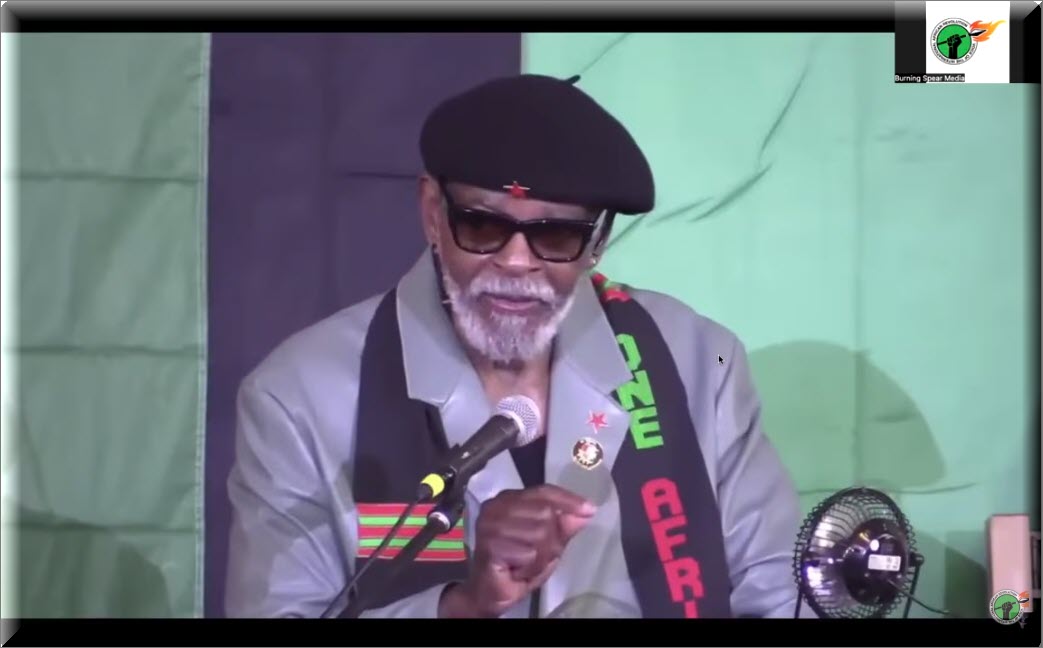
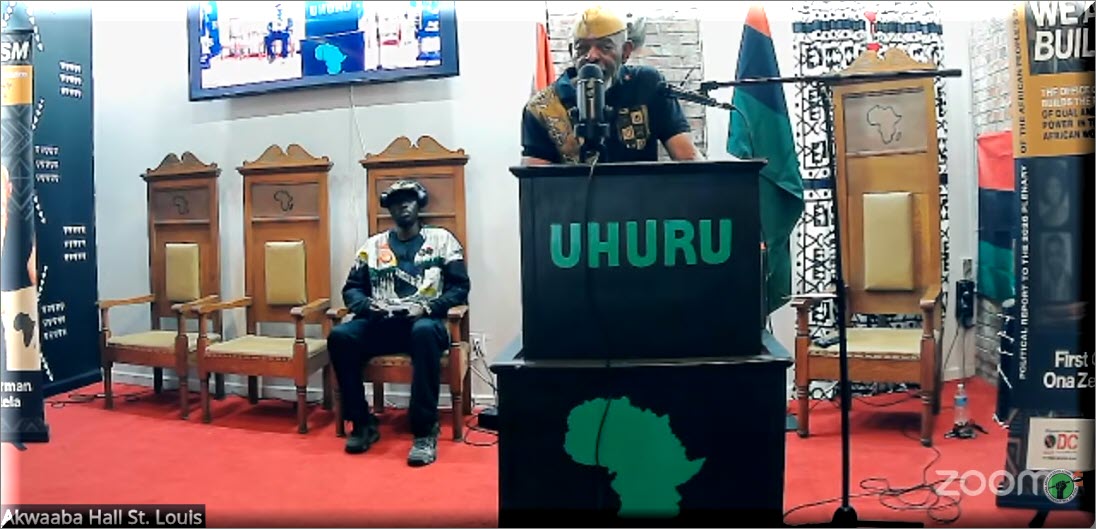
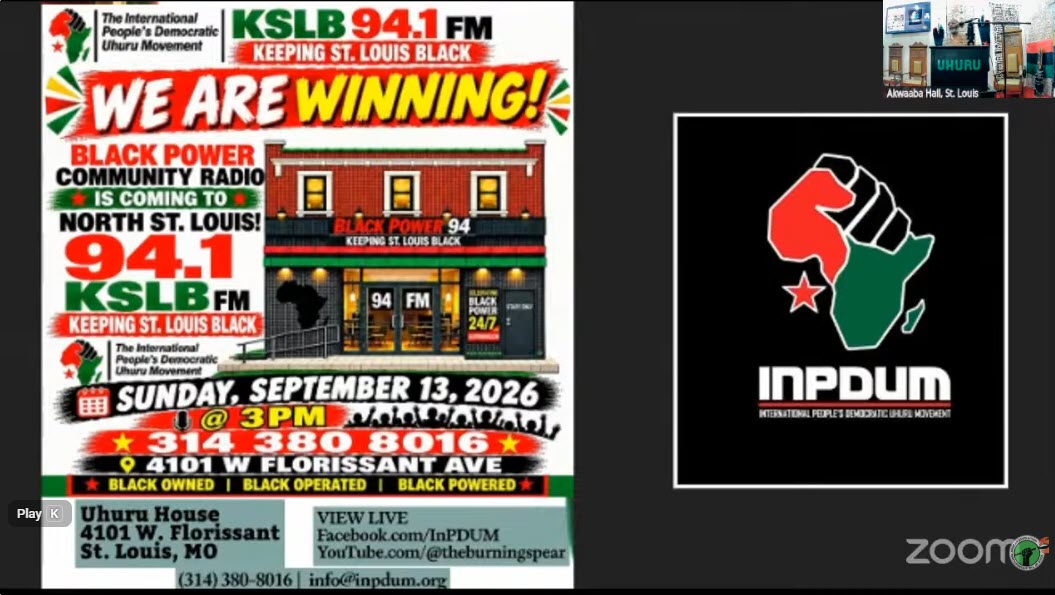
The Burning Spear TV_Chairman Omali Yeshitela delivers groundbreaking 2026 Political Report and Vote Self-Determination
Chairman Omali Yeshitela’s 2026 Political Report was officially broadcast on The Burning Spear TV, delivering a core anti-colonial analysis focused on African liberation, imperialist resistance, and the advancement of the Uhuru Movement.
Key Highlights of the Report
Anti-Colonial Directives: The report provides the primary ideological framework for the African People’s Socialist Party (APSP), emphasizing that modern imperialist actions remain deeply rooted in historical colonial structures.
Electoral Politics: Yeshitela outlines strategic methods to inject revolutionary anti-colonial politics into mainstream electoral arenas, referencing recent Uhuru movement campaigns.
Global Solidarity Networks: The presentation emphasizes building international unity against U.S.-led imperialism, demanding reparations, and connecting the struggles of African people with globally oppressed populations. [1, 2, 3]
Building Dual Power: The address emphasizes organizing community-led economic and health infrastructure, such as the One Africa! One Nation! Uhuru Flea Marketplaces, to establish independent African community control. [1]
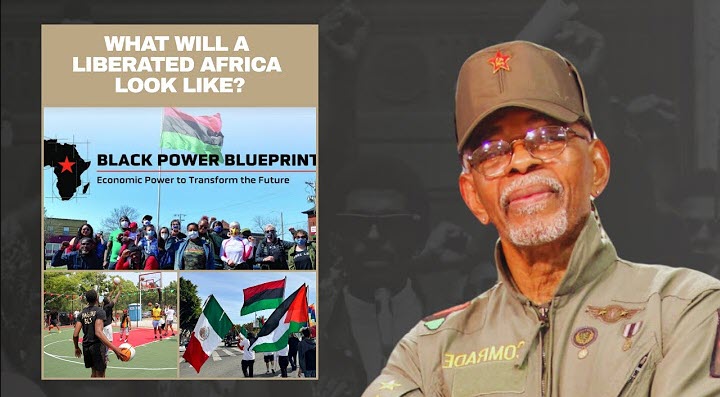
This week’s #OmaliTaughtMe Sunday Study, Chairman Omali Yeshitela reads from the Political Report to the African People’s Socialist Party’s 2017 Plenary, on “What Will a Liberated Africa Look Like?” The study material is available at this link: We’ll be reading pages 41-45. A positive vision for the future under the leadership of the African working class!
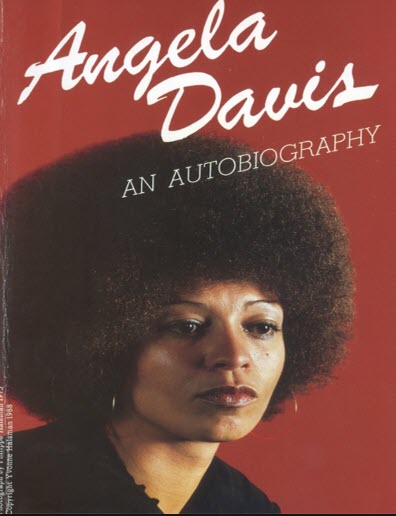
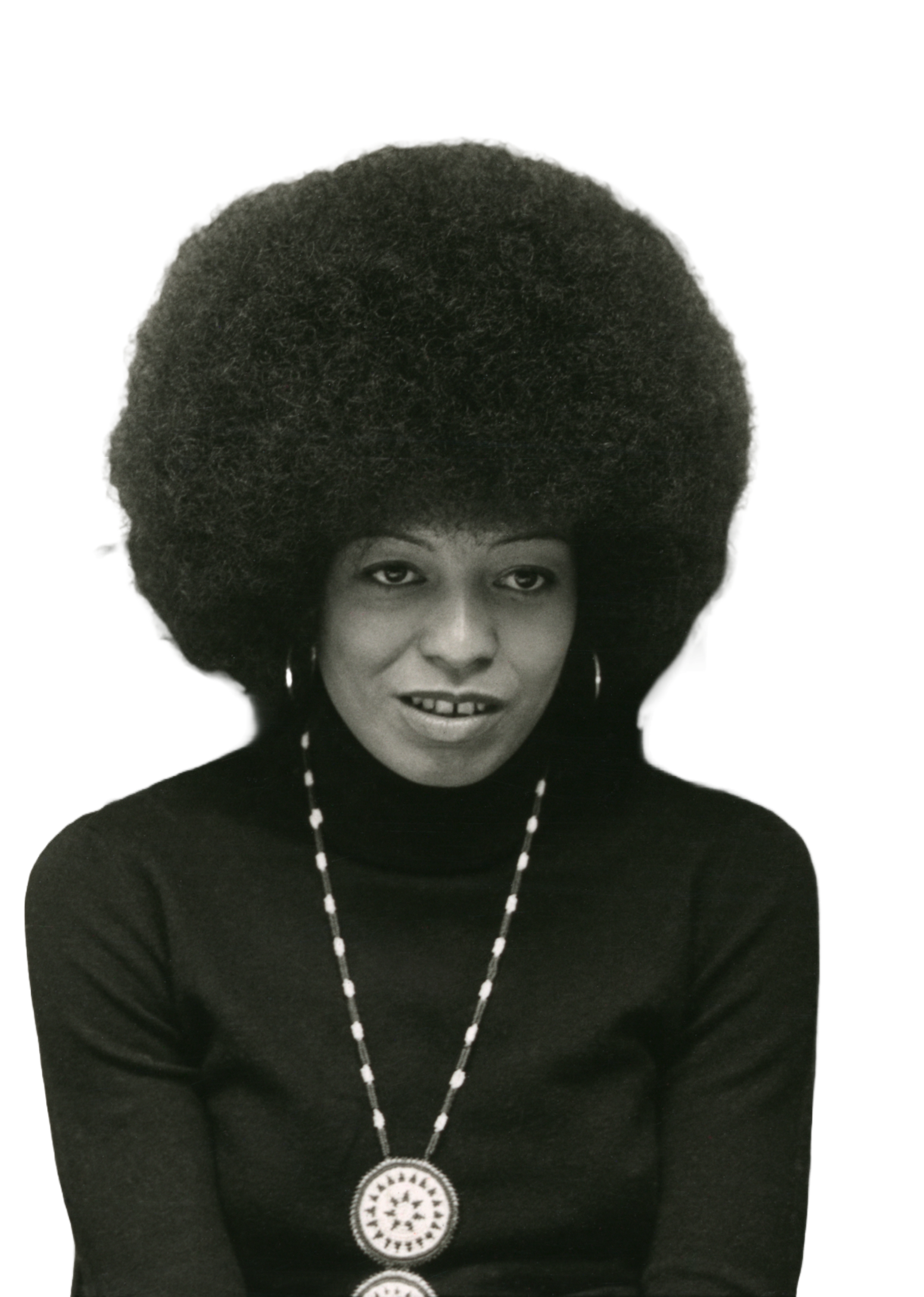
Angela Davis: An Autobiography (often simply titled An Autobiography) is a powerful political memoir by the renowned activist, scholar, and author Angela Y. Davis. First published in 1974 and edited by Toni Morrison (then an editor at Random House), it remains a classic account of the Black liberation movement, civil rights struggles, and resistance to systemic racism and political repression in the United States during the 1960s and early 1970s.
haymarketbooks.orgWhat the Book CoversWritten when Davis was in her late twenties, the autobiography is framed around her high-profile 1970–1972 ordeal: after guns registered to her were used in a deadly uprising at the Marin County Courthouse (linked to efforts to free the Soledad Brothers), she was charged with conspiracy, kidnapping, and murder, placed on the FBI’s Ten Most Wanted list, went underground, was arrested, imprisoned under harsh conditions, and ultimately acquitted by a jury in 1972.
supersummary.comIt flashes back to her childhood on “Dynamite Hill” in segregated Birmingham, Alabama (amid Jim Crow violence and Ku Klux Klan threats), her academic journey (including philosophy studies influenced by Marxism), her work as a UCLA professor targeted for her Communist Party membership, and her deep involvement in the Black Panther Party circles, the Che-Lumumba Club, and campaigns to free political prisoners like George Jackson.
haymarketbooks.orgTold with warmth, humor, brilliance, and conviction, the book emphasizes collective struggle over individual heroism. It highlights the intersections of racism, class oppression, sexism, and the prison system while advocating for political prisoners and broader liberation. Key themes include the carceral state, Marxist analysis in activism, community organizing, and the personal cost of resistance.
Later reprints: International Publishers and others (including a 1988 edition with Davis’s new introduction).
Current edition: Haymarket Books (ebook 2022; print May 2023). This beautiful reissue includes an expansive new introduction by Davis reflecting on its relevance today amid ongoing movements for racial justice, prison abolition, and radical change. It’s available in paperback (~$18–23), hardcover, and ebook formats. haymarketbooks.org
haymarketbooks.orgYou can find it at major bookstores, Haymarket Books directly (haymarketbooks.org), or libraries. It’s not just a personal story—it’s a call to understand and challenge the systems she fought (and still fights) against. If you’re looking for a specific summary of a chapter, quotes, analysis, or recommendations for related reading (like her later works such as Are Prisons Obsolete?), just let me know!
Angela Davis: An Autobiography eBook
Pop the documents out from the upper right to read / expand / download.
Shahid Bolsen (born Shannon Morris in 1971 in Boulder, Colorado) is an American convert to Islam, political commentator, strategist, and activist. He is best known as the founder and main voice behind Middle Nation, a platform focused on geopolitics, Muslim world sovereignty, anti-colonial analysis, economic independence for Muslim countries, and critiques of Western power structures.
Early Life: Raised in a working-class family after his parents’ divorce. He showed early interest in social justice, influenced by figures like Gandhi and Martin Luther King Jr., and worked in social services helping the homeless and at-risk communities.
Conversion to Islam: In his early 20s (mid-1990s), after reading Malcolm X’s autobiography during African-American studies. He took the name Shahid (meaning “witness” or “martyr”) and became active in Muslim communities in the US, including outreach and media work. He lived in the Middle East starting around 2003.
Controversial Incident (2006): In the UAE, he was involved in an incident where a German man (Martin Steiner/Herbert) died during a confrontation at his home. Bolsen claimed it stemmed from the man attempting to assault a housemaid. He was initially sentenced to death, spent years on death row, and was eventually released after his sentence was reduced to manslaughter with blood money paid (he maintains his account of events). This period is often highlighted by critics.
Later Activism: Lived in Turkey and Malaysia. He gained attention for online commentary on the Arab Spring, Egypt, and anti-corporate/anti-Western activism. He has faced accusations of incitement (which he denies, emphasizing non-violent strategies), and Western media has portrayed him variably as an agitator or extremist.
Middle Nation
Middle Nation is his primary platform (YouTube channel @MiddleNation, plus TikTok, Telegram, podcast, Substack, and website). It features lectures, analyses, and commentary on:
Geopolitical strategy and power dynamics (e.g., sanctions, oil, BRICS, Venezuela as a “diagnostic” for real power).
Promoting economic and political sovereignty for Muslim nations.
Critiques of Western foreign policy, history, morality, and “psychological decolonization” for Muslims.
Topics like boycotts vs. real power plays, US influence, Palestine/Israel, and civilizational “us vs. them” distinctions.
The channel analyzes global events from a perspective prioritizing Muslim Ummah interests, often challenging mainstream narratives. Content includes talks on history, economics (“moral economy”), and current affairs. It has a dedicated following for its sharp, unapologetic style.
Reception and Controversies
Supporters view him as a clear-eyed analyst exposing hypocrisy in Western policy, corporate power, and media, while advocating strategic independence for the Muslim world.
Critics (including some in progressive Muslim circles and Western outlets) question his religious interpretations, past, or tone. Accusations range from radicalism to personal controversies, though he consistently denies promoting violence or ties to groups like ISIS or the Muslim Brotherhood.
He maintains an active presence on X (@ShahidkBolsen) and other platforms, with recent content on topics like political violence, resistance strategies, and historical reckonings.
For the most direct experience, check the Middle Nation YouTube channel or his official site (shahidkingbolsen.org). His work blends personal journey, geopolitical insight, and calls for sovereignty—polarizing but influential in certain online Muslim and anti-imperialist spaces.
Analyze Middle Nation economic sovereignty
From Selma to Salaam Series
Middle Nation’s concept of economic sovereignty, as articulated by Shahid Bolsen, is a core pillar of its platform—alongside political independence and psychological decolonization. It emphasizes functional control over a nation’s (or Ummah’s) economic decisions, resources, and vulnerabilities, rather than symbolic “flag independence.”
Core Definition and Diagnosis
Bolsen distinguishes true sovereignty from its performance: Most Global South/Muslim-majority countries have nominal independence, but their finance ministries often follow IMF dictates, mineral sectors serve foreign firms, currencies collapse with U.S. policy shifts, and food supplies depend on uncontrolled chains. This is “incarceration,” not sovereignty.
The primary adversary is not Western governments per se, but the Owners and Controllers of Global Financialized Capital (OCGFC)—anational entities like BlackRock, Vanguard, State Street, rating agencies, and multilateral institutions. These prioritize returns on capital over any national loyalty and enforce extraction through sanctions, conditionality, resource nationalism warnings, and “corridor of permissible aggression” (punishing moves toward real control).
Real economic sovereignty means reducing structural dependency so external shocks (currency devaluation, inflation, sanctions) lose leverage. It requires deliberate policy architecture, not patron-switching (e.g., from West to China/BRICS without deeper changes).
Key Strategies and Mechanisms
Food Security and Domestic Production First: Prioritize localized supply chains, agriculture incentives, reduced imports, and domestic consumption. This insulates against external shocks and builds ripple effects in other sectors. Malaysia (and similar nations) is critiqued for over-reliance on food imports.
Smart FDI and Labor/Industry Policy: Reject neoliberal “ease of doing business” as default. FDI must develop domestic industries, skills, and competitiveness—not just embed locals in foreign value chains. Ban raw exports (like Indonesia’s nickel) to force local processing/value addition. Treat labor as a strategic resource: foreign firms must build full domestic production, not assembly.
Decoupling and De-dollarization: Reduce exposure to Western/dollar-dominated systems. Build regional and South-South trade. Leverage the current global pivot (demographics favoring the South, Western decline) for better negotiation terms without confrontation.
Resource Nationalism and Managed Stakes: Exercise control over natural resources for national benefit. Negotiate with OCGFC tactfully—secure incremental sovereignty gains through diplomacy, avoiding outright defiance that triggers preemption (e.g., sanctions on Venezuela, Russia).
Moral Economy (Islamic Framework): Reject Western economics’ core assumption (humans as self-interest maximizers leading to greed, externalities, inequality). Build from Islamic anthropology: humans as khalifa (stewards/trustees). Mechanisms include prohibitions on riba (usury) and gharar (excessive uncertainty), partnerships (mudharaba, musharaka), zakat, waqf, and hisbah (market oversight). This creates ethical, stable systems proven over centuries, contrasting capitalism’s failures (crises, inequality, environmental collapse).
Collective/Ummah-Level Sovereignty: Individual nations need alliances and “broker nations” for trade, private-sector strategies, and solidarity across the Muslim world/Global South. Historical precedents like Ottoman networks show feasibility.
Strengths of the Analysis
Realistic Power Mapping: Shifts focus from states to transnational capital, explaining why “multipolarity” alone may not deliver sovereignty.
Pragmatic Timing: Emphasizes the current transition window (Western demographic/economic weaknesses) for assertive but smart negotiation.
Holistic Integration: Links economics to culture, politics, and ethics; critiques performative activism (e.g., boycotts without power plays).
Country-Specific Application: Series on nations like Indonesia, Malaysia, etc., with concrete examples (semiconductors, autos in Malaysia).
Potential Critiques and Challenges
Implementation Risks: Negotiating with OCGFC assumes skilled, non-compromised elites; historical “hostage” dynamics could persist. Bold moves still risk retaliation.
Interdependence Reality: Full autarky is impossible; success hinges on execution amid global supply chains.
Ideological Blend: Islamic moral economy is presented as superior and proven, but scaling it in diverse Muslim states with varying governance faces practical hurdles (e.g., corruption, elite capture).
Optimism on Pivot: Assumes Global South unity and OCGFC flexibility; real outcomes may involve new dependencies.
Overall, Middle Nation frames economic sovereignty as the foundation for civilizational resurgence—achievable through strategic self-focus, ethical restructuring, and opportunistic navigation of global shifts, rather than confrontation or imitation of failing Western models. It is diagnostic, prescriptive, and oriented toward long-term Ummah power. For deeper dives, key resources include the “Middle Nation Sovereignty Framework” playlist, “Sufficiency Lectures,” and “Mechanisms of a Moral Economy” on the Middle Nation YouTube channel.
Us and Them Series
Explore Islamic moral economy mechanisms
Islamic Moral Economy Mechanisms, as framed by Shahid Bolsen in Middle Nation content (especially his lecture “Mechanisms of a Moral Economy”), rest on a fundamentally different anthropological foundation from Western capitalism. Capitalism assumes humans as rational self-interest maximizers driven by greed (the “invisible hand”), leading to inevitable externalities like inequality, environmental collapse, and instability. Islam views the human as khalifa (steward/trustee/vicegerent of God on Earth), responsible for ethical management of resources for collective well-being, justice, and accountability in this life and the hereafter.
Everything in the system—prohibitions and positive institutions—flows from this stewardship principle. It is not anti-profit or anti-trade (which are encouraged when ethical), but anti-exploitation and pro-sustainability. Bolsen emphasizes this as a proven historical system across centuries and geographies, not abstract theory.
Core Prohibitions (What It Prevents)
Riba (Usury/Interest): Any predetermined excess return on loans or debt, regardless of outcome. It creates risk-free profit for the lender while burdening the borrower, leading to debt traps, wealth concentration, and instability (e.g., 2008 crisis). Instead, it promotes risk-sharing and ties finance to real economic activity.
Gharar (Excessive Uncertainty/Speculation): Contracts with major ambiguity, zero-sum gambling, or derivatives detached from real assets. This discourages pure speculation (e.g., excessive derivatives markets) and favors transparent, asset-backed dealings.
These prohibitions aim to eliminate exploitation, moral hazard, and systemic fragility.
Positive Mechanisms (What It Builds)
Bolsen walks through these as structural logic that incentivizes stewardship, justice (adl), and social harmony:
Mudharaba (Profit-Sharing Partnership): One party provides capital (rabb al-mal), the other expertise/management (mudarib). Profits are shared per agreed ratio; losses borne by capital provider (unless negligence). This aligns incentives, encourages productive investment, and shares risk—contrasting debt-based systems where the borrower bears all downside.
Musharaka (Joint Venture/Partnership): All partners contribute capital and/or effort, sharing profits and losses proportionally. Promotes collaborative enterprise, skin-in-the-game for all, and equitable risk distribution. Ideal for larger projects.
Zakat (Mandatory Wealth Purification/Redistribution): 2.5% annual levy on qualifying wealth (not just income), directed to specific categories (poor, needy, debtors, etc.). Functions as a built-in fiscal tool for circulation of wealth, poverty alleviation, and social stability. Historically credited with near-eliminating poverty in early Islamic societies. It is a right of the poor, not optional charity.
Waqf (Perpetual Charitable Endowment): Irrevocable dedication of assets (property, cash, etc.) for ongoing public benefit (mosques, schools, hospitals, infrastructure, orphanages). Generates sustainable community wealth that cannot be sold or inherited privately. Bolsen highlights this as a powerful alternative to state or private monopolies—creating perpetual social capital and reducing inequality over generations.
Hisbah (Market Oversight/Accountability): Institutionalized public authority (or societal duty) to enforce fair trade, prevent fraud, hoarding, price manipulation, and harm. Ensures markets serve people with transparency, ethical standards, and prevention of monopolistic abuses—blending self-regulation with supervision.
Additional supporting elements include:
Emphasis on fair contracts, transparency, and prohibition of harm (la darar wa la dirar).
Encouragement of sadaqah (voluntary charity) and ethical trade.
Focus on real economy (agriculture, production, localized chains) over financialization.
How It Integrates for Sovereignty (Middle Nation Application)
Bolsen links these to broader goals:
Sufficiency and Resilience: Prioritize domestic production, food security, and ethical finance to reduce external dependency.
Moral Realism: Outcomes matter—stability, reduced inequality, environmental stewardship—over ideological labels.
Historical Proof: Islamic societies built sophisticated institutions, guilds, and trade networks using these tools, achieving prosperity without the boom-bust cycles or extreme disparities seen today.
Strengths (per Bolsen and broader Islamic economics): Promotes stability through risk-sharing, social cohesion via redistribution, long-term thinking (waqf), and ethical incentives aligned with human purpose.
Practical Challenges: Modern implementation faces elite capture, governance issues, hybrid global systems, and scaling in diverse states. Islamic finance today often uses compliant structures (e.g., murabaha cost-plus sales) but is critiqued for not fully embodying the moral vision.
For the fullest exploration, watch “Mechanisms of a Moral Economy” on the Middle Nation YouTube channel (core lecture). It pairs well with the Sufficiency Lectures series and sovereignty framework content. These mechanisms are presented not as utopian ideals but as rational, outcome-oriented tools for civilizational independence in a multipolar world.
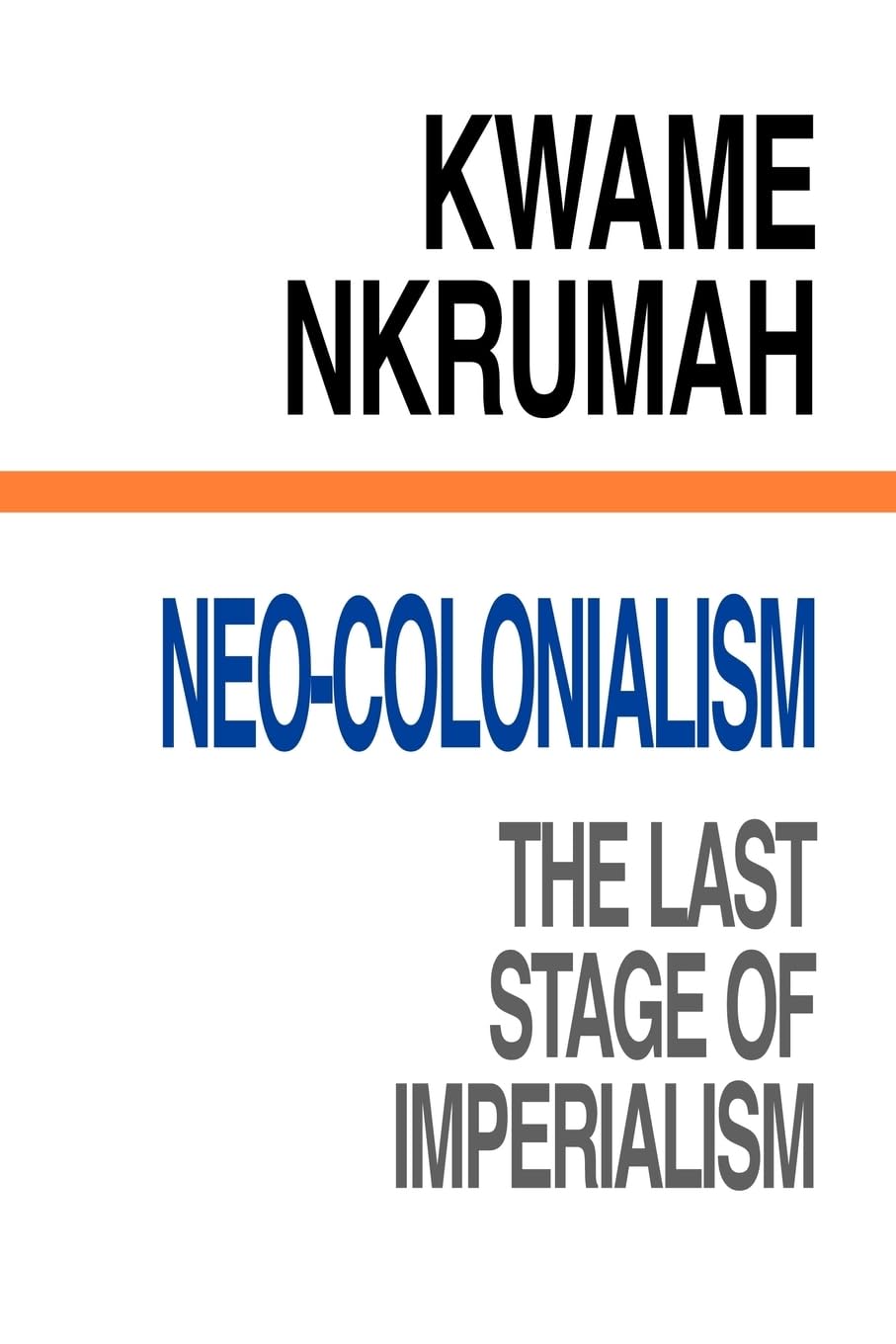
Kwame Nkrumah’s “Neo-Colonialism: The Last Stage of Imperialism” is a critical examination of the dynamics of post-colonial power and the ongoing exploitation of African countries through economic and political means. Nkrumah argues that while formal colonial rule may have ended, neo-colonialism continues to oppress nations, particularly in Africa, by perpetuating dependency on imperial powers. Here’s an overview and outline of the book:
Icebreaker Video
Overview:
Definition of Neo-Colonialism: Nkrumah defines neo-colonialism as a form of indirect control where former colonial powers maintain influence over newly independent nations through economic, political, and cultural means.
Exploitation and Dependency: The book discusses how neo-colonialism fosters economic dependency, hindering genuine development and self-determination for African countries.
Role of Global Institutions: Nkrumah highlights the complicity of international organizations, multinational corporations, and foreign governments in perpetuating neo-colonial practices.
Call for Unity and Resistance: The book advocates for African unity and collective action as essential strategies for combating neo-colonialism and achieving true independence.
Outline:
Introduction
Purpose of the book
Overview of neo-colonialism as a concept
Chapter 1: The Nature of Neo-Colonialism
Definition and characteristics of neo-colonialism
Distinction between colonialism and neo-colonialism
Chapter 2: Economic Dependence
Analysis of how economic policies of former colonial powers create dependency
The role of trade, debt, and foreign aid in sustaining neo-colonialism
Chapter 3: Political Manipulation
Examination of political tactics used by imperial powers to influence newly independent nations
The impact of foreign intervention and support for puppet regimes
Chapter 4: Cultural Imperialism
Discussion of cultural domination and the imposition of foreign values
The effects of Western education, media, and consumer culture on African societies
Chapter 5: The Role of Multinational Corporations
Analysis of how multinational corporations exploit resources and labor in Africa
The relationship between governments and corporations in sustaining neo-colonial practices
Chapter 6: The Complicity of International Organizations
Examination of the roles of institutions like the IMF, World Bank, and United Nations
How these organizations perpetuate neo-colonial policies under the guise of development aid
Chapter 7: The Struggle for True Independence
Strategies for resisting neo-colonialism
The importance of Pan-Africanism and solidarity among African nations
Chapter 8: The Future of Africa
Vision for a liberated and self-sufficient Africa
The necessity of political and economic unity to combat neo-colonialism
Conclusion
Summary of key arguments
Call to action for African leaders and peoples to reject neo-colonialism
Significance:
“Neo-Colonialism: The Last Stage of Imperialism” is a crucial text that challenges the notion that colonialism ended with political independence. Nkrumah’s analysis of neo-colonial dynamics serves as a powerful reminder of the ongoing struggles for true sovereignty and self-determination in Africa. By advocating for unity and resistance against neo-colonial forces, the book aims to inspire a collective movement towards genuine liberation and development. Nkrumah’s insights continue to resonate in contemporary discussions about globalization, economic exploitation, and the quest for justice and equality in the post-colonial world.
Kwame Nkrumah’s “Neo-Colonialism: The Last Stage of Imperialism” provides a comprehensive analysis of the ways in which former colonial powers maintain control over newly independent nations, particularly in Africa. Here are some deeper insights into the key themes, concepts, and implications of the book:
Key Themes and Insights:
Definition and Characteristics of Neo-Colonialism:
Nkrumah defines neo-colonialism as a system where colonial powers exert influence over former colonies without direct political control. He explores how economic, political, and cultural mechanisms create a scenario where nations appear independent but are still heavily influenced by external powers.
Economic Dependency:
The book emphasizes the economic structures that keep African nations dependent on former colonial powers. Nkrumah argues that the terms of trade, debt obligations, and reliance on foreign aid trap African countries in cycles of poverty and underdevelopment. He highlights how these factors inhibit genuine economic growth and self-reliance.
Political Manipulation:
Nkrumah discusses how neo-colonialism manifests in political interference, where foreign powers support certain regimes or leaders that align with their interests. This manipulation often leads to the establishment of puppet governments that lack legitimacy and fail to represent the will of the people.
Cultural Imperialism:
The book addresses the cultural dimensions of neo-colonialism, where Western values and ideologies are imposed on African societies. Nkrumah critiques the influence of Western education, media, and consumer culture, arguing that these elements erode local traditions and identities.
Role of Multinational Corporations:
Multinational corporations are portrayed as key players in the neo-colonial system. Nkrumah explains how these entities exploit Africa’s natural resources and labor while contributing little to local economies. He highlights the need for African nations to reclaim control over their resources.
Complicity of International Organizations:
Nkrumah critiques international organizations like the IMF and World Bank for perpetuating neo-colonial policies. He argues that these institutions often impose conditions on loans and aid that prioritize the interests of donor countries over the needs of African nations.
Resistance and Solidarity:
The book advocates for a united front among African nations to resist neo-colonialism. Nkrumah emphasizes the importance of Pan-Africanism, urging African leaders and peoples to come together in solidarity to combat external influences and work towards true independence.
Vision for the Future:
Nkrumah envisions a liberated Africa where nations are self-sufficient and politically united. He argues that only through collective action and a rejection of neo-colonial practices can Africa achieve genuine development and empowerment.
Implications of Nkrumah’s Analysis:
Historical Context: Written in the 1960s, the book reflects the realities of post-colonial Africa, where many nations were grappling with the challenges of independence while facing ongoing external pressures. Nkrumah’s insights remain relevant as many African countries continue to confront neo-colonial dynamics.
Influence on Political Discourse: Nkrumah’s work has significantly influenced political thought in Africa and beyond. His critiques of imperialism and calls for unity resonate with contemporary movements advocating for social justice, economic independence, and political sovereignty.
Ongoing Relevance: The themes of neo-colonialism are particularly pertinent today in discussions about globalization, economic exploitation, and the influence of multinational corporations. Nkrumah’s analysis encourages critical examination of how power dynamics operate in the modern world, especially in relation to developing nations.
Legacy of Pan-Africanism: Nkrumah’s advocacy for Pan-Africanism serves as a foundational element for many contemporary movements seeking African unity and cooperation. His vision of a collective struggle against neo-colonial forces continues to inspire activists and leaders advocating for a unified Africa.
Conclusion:
“Neo-Colonialism: The Last Stage of Imperialism” is a powerful critique of the ongoing exploitation of African nations in the post-colonial era. Nkrumah’s insights into economic dependency, political manipulation, and cultural imperialism provide a comprehensive framework for understanding the complexities of neo-colonial power dynamics. His call for unity and resistance remains a rallying cry for those seeking true independence and self-determination in Africa and beyond. The book not only serves as a historical analysis but also as a guide for future generations committed to the struggle for justice and equality.
Kwame Nkrumah’s “Neo-Colonialism: The Last Stage of Imperialism”eBook
Pop the document out from the upper right to read / expand / download.
Kwame Nkrumah’s “Neo-Colonialism: The Last Stage of Imperialism”Audiobook










You must be logged in to post a comment.