Selected Writings and Speeches of Marcus Garvey_eBook and Audiobook, with RBG|The Story of Marcus Garvey (A Documentary Film) 

“Selected Writings and Speeches of Marcus Garvey” is a collection that showcases the influential thoughts, philosophies, and advocacy of Marcus Garvey, a prominent leader in the early 20th-century Black Nationalist and pan-African movements. His works focus on themes of racial pride, self-reliance, and the importance of African redemption. Garvey’s ideas laid the groundwork for future human rights and civil rights movements and continues to resonate with discussions surrounding race, identity, and empowerment

Book Summary

“Selected Writings and Speeches of Marcus Garvey” is a compilation of key writings and speeches by Marcus Garvey, a prominent Jamaican political leader, publisher, and activist in the early 20th century. Garvey is best known for his advocacy of Black Nationalism and the Pan-African movement, emphasizing the importance of self-determination and empowerment for people of African descent. The book captures his vision for the upliftment of Black people globally, his criticism of colonialism and racism, and his call for unity among people of African descent. Through his eloquent and passionate writings, Garvey articulates a philosophy that encourages pride in African heritage and a commitment to creating a better future for Black communities.

The following outline captures the essential themes and structure of “Selected Writings and Speeches of Marcus Garvey.” The book serves as an important resource for understanding Garvey’s contributions to Black Nationalism, the Pan-African movement, and the ongoing struggles for racial equality and empowerment. Through his powerful words, Garvey inspires future generations to embrace their heritage and pursue justice and self-determination.

I. Introduction

  • Overview of Marcus Garvey’s significance in the Black nationalist movement
  • Introduction to the themes of the book: self-determination, empowerment, and Pan-Africanism

II. Early Life and Influences

  • A. Background and Childhood
    • Garvey’s upbringing in Jamaica
    • Influences from family and local culture
  • B. Education and Political Awakening
    • Early experiences with racism and colonialism
  • Impact of travels to the United States and Europe

III. Founding the Universal Negro Improvement Association (UNIA)

  • A. Establishment of the UNIA
    • Goals and objectives of the organization
    • Importance of the UNIA in promoting Black nationalism
  • B. The “Back to Africa” Movement
    • Garvey’s vision for repatriation and self-governance
    • The significance of the Black Star Line and economic empowerment

IV. Key Writings and Speeches

  • A. “Declaration of the Rights of the Negro Peoples of the World”
    • Overview of the document’s significance
    • Key principles articulated in the declaration

B. “The Future as I See It”

  • Garvey’s vision for the future of Black people
    • Emphasis on self-reliance and community building
  • C. “The Negro’s Greatest Enemy”
    • Analysis of internal and external challenges facing Black people
    • Call for unity and collective action

V. Philosophy of Black Nationalism

  • A. Importance of Racial Pride and Identity
    • Garvey’s emphasis on embracing African heritage
    • The role of education in fostering pride and awareness
  • B. Economic Self-Sufficiency
    • Advocacy for Black-owned businesses and economic independence
    • Critique of dependency on white-dominated systems

VI. Challenges and Controversies

  • A. Criticism of Garvey’s Ideas
    • Opposition from other Black leaders and organizations
    • Debates over the feasibility of the “Back to Africa” movement
  • B. Legal Troubles and Imprisonment
    • Overview of Garvey’s legal challenges and their impact on his activism
    • The legacy of his struggles for the movement

VII. Legacy and Impact

  • A. Influence on Future Movements
    • Garvey’s impact on the Civil Rights Movement and Pan-Africanism
    • Continued relevance of Garvey’s ideas in contemporary discussions of race and identity
  • B. Commemoration and Recognition
    • Garvey’s enduring legacy in African and African diaspora communities
    • Recognition of his contributions through monuments and celebrations

VIII. Conclusion

  • Summary of key themes and messages from Garvey’s writings and speeches
  • Reflection on the significance of Garvey’s vision for contemporary struggles against racism and oppression
  • Call to action for continued commitment to self-determination and empowerment

“Selected Writings and Speeches of Marcus Garvey” offers an insightful glimpse into the life and philosophy of one of the most influential figures in the early 20th-century Black Nationalist movement. Here’s a deeper exploration of the key themes, historical context, and significance of Garvey’s work:

Detailed Exploration of Key Aspects

I. Early Life and Influences

  1. Background and Childhood:
    • Marcus Garvey was born on August 17, 1887, in St. Ann’s Bay, Jamaica. His upbringing in a relatively well-off family provided him with access to education and exposure to the complexities of colonial society.
    • His early experiences with racial discrimination shaped his worldview and ignited his passion for advocating for the rights of Black people.
  2. Education and Political Awakening:
    • Garvey’s travels to the United States in 1916 exposed him to the struggles of African Americans and the broader issues of racism and colonialism. He was influenced by various movements and leaders advocating for social justice.
    • His exposure to socialist ideas and the Pan-African movement further solidified his commitment to fighting for the rights and dignity of people of African descent.

II. Founding the Universal Negro Improvement Association (UNIA)

  1. Establishment of the UNIA:
    • In 1914, Garvey founded the UNIA in Jamaica, aiming to organize and uplift people of African descent globally. The organization quickly gained popularity and expanded to the United States and other regions.
    • The UNIA’s mission encompassed promoting racial pride, economic self-sufficiency, and political empowerment for Black people.
  2. The “Back to Africa” Movement:
    • Garvey promoted the idea of repatriation to Africa as a means for people of African descent to escape oppression and establish their own nation. He believed that returning to Africa was essential for reclaiming identity and sovereignty.
    • The establishment of the Black Star Line, a shipping line intended to facilitate this repatriation, represented Garvey’s vision for economic empowerment and self-determination.

III. Key Writings and Speeches

  1. “Declaration of the Rights of the Negro Peoples of the World”:
    • This groundbreaking document was presented at the first UNIA convention in 1920. It outlined the rights of Black people, calling for equality, justice, and respect.
    • The declaration emphasized the need for unity among people of African descent and articulated a vision for a world free from colonial oppression and racism.
  2. “The Future as I See It”:
    • In this essay, Garvey articulated his vision for a future where Black people could thrive independently, free from the constraints of colonialism and racism.
    • He stressed the importance of self-reliance and the development of a strong economic and political base to support the aspirations of the Black community.
  3. “The Negro’s Greatest Enemy”:
    • In this speech, Garvey analyzed the internal and external challenges that Black people faced, including self-hatred, divisive attitudes, and colonial oppression.
    • He called for unity and collective action to overcome these challenges and emphasized the need to uplift one another in the struggle for liberation.

IV. Philosophy of Black Nationalism

  1. Importance of Racial Pride and Identity:
    • Garvey championed the idea that embracing one’s African heritage was crucial for overcoming the psychological effects of colonialism. He encouraged pride in African identity as a source of strength.
    • His writings often highlighted the rich history and cultural achievements of African civilizations, countering narratives that depicted Africa negatively.
  2. Economic Self-Sufficiency:
    • Garvey placed a strong emphasis on economic independence as a foundation for true freedom. He advocated for the establishment of Black-owned businesses and cooperatives to empower the community economically.
    • His vision included creating a self-sustaining economy that could support the needs of the Black community and reduce dependency on white-dominated systems.

V. Challenges and Controversies

  1. Criticism of Garvey’s Ideas:
    • While Garvey garnered significant support, he also faced criticism from other Black leaders and organizations, including W.E.B. Du Bois and the NAACP. Some viewed his “Back to Africa” movement as impractical.
    • The debates around his ideas highlighted the diversity of thought within the Black community regarding strategies for achieving racial equality.
  2. Legal Troubles and Imprisonment:
    • Garvey faced legal challenges, including charges of mail fraud related to the Black Star Line. His imprisonment in 1925 had a profound impact on the UNIA and the movement at large.
    • After his release, he continued to advocate for Black Nationalism but faced increasing marginalization from mainstream civil rights movements.

VI. Legacy and Impact

  1. Influence on Future Movements:
    • Garvey’s ideas laid the groundwork for later movements, including the Civil Rights Movement and the Black Power Movement. His emphasis on racial pride and self-determination resonated with activists throughout the 20th century.
    • Leaders like Malcolm X and the Black Panther Party drew inspiration from Garvey’s philosophy, emphasizing the importance of empowerment and community organizing.
  2. Commemoration and Recognition:
    • Garvey’s contributions have been recognized through various monuments, celebrations, and educational initiatives. His legacy continues to be celebrated in Black communities around the world.
    • The establishment of Garvey Day and other commemorative events highlights the enduring relevance of his message.

VII. Continued Relevance

  • Garvey’s emphasis on self-determination, racial pride, and economic empowerment remains relevant today, particularly in discussions surrounding systemic racism, social justice, and the ongoing struggle for equality.
  • His writings continue to inspire activists and scholars, serving as a reminder of the importance of unity and collective action in the face of oppression.

Conclusion

“Selected Writings and Speeches of Marcus Garvey” is a powerful testament to the vision and influence of Marcus Garvey in the fight for racial equality and self-determination. Through his passionate advocacy for Black Nationalism and empowerment, Garvey articulated a message that resonates with contemporary struggles against racism and injustice. His legacy serves as a source of inspiration for future generations committed to the pursuit of equality, dignity, and pride in their heritage. The book provides valuable insights into the historical context of the early 20th-century Black liberation movement and the enduring relevance of Garvey’s ideas in today’s socio-political landscape.

Selected Writings and Speeches of Marcus Garvey_eBook

Pop the document out from the upper right to read / expand / download.

Selected Writings and Speeches of Marcus Garvey_Audiobook

RBG| The Story of Marcus Garvey (A Documentary Film) 

Learn more in RBG Communiversity Knowledge Media eLibrary:

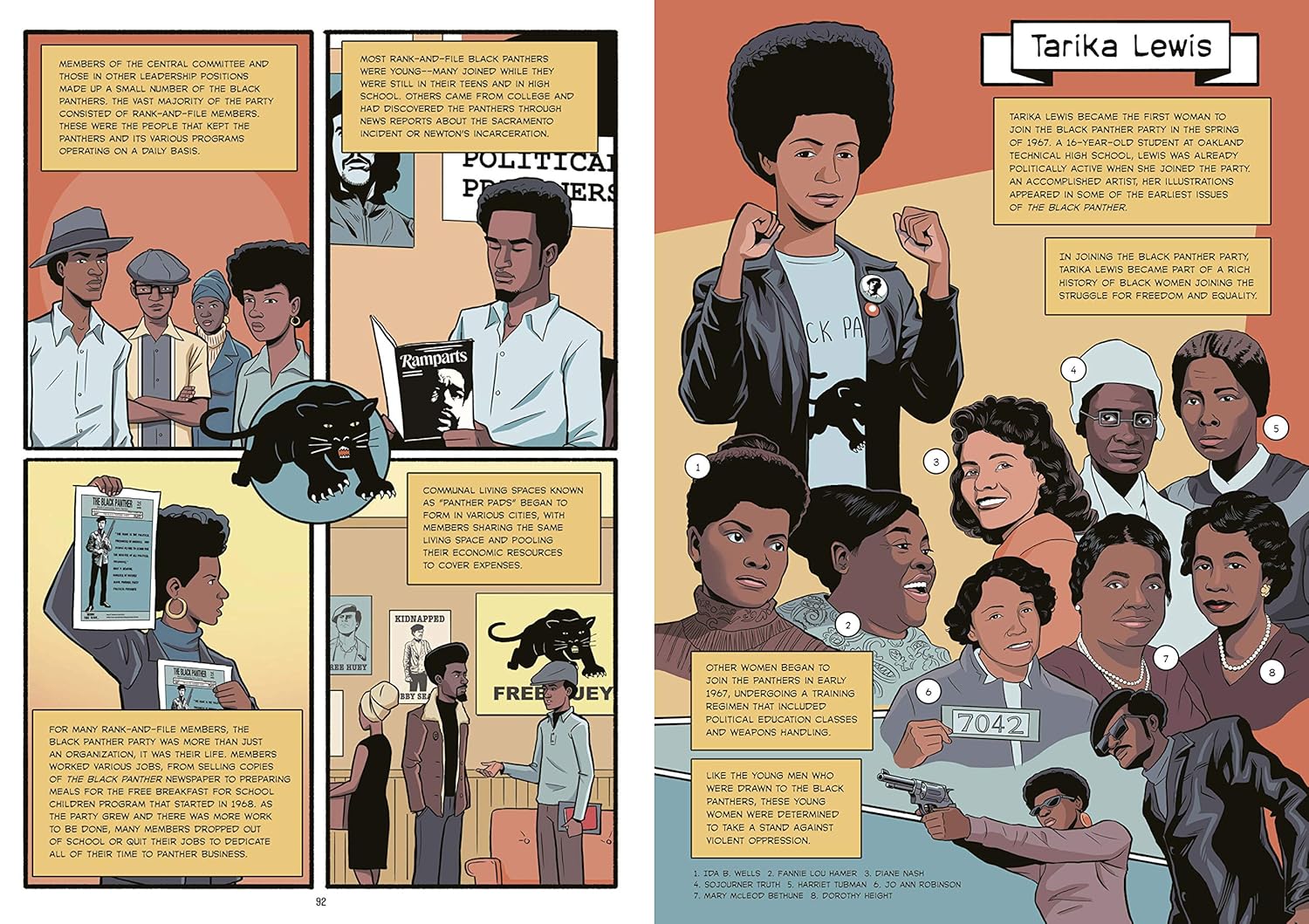
The Black Panther Party: A Graphic Novel History, by David F. Walker (Author), Marcus Kwame Anderson (Illustrator), with RBG| FBI_COINTELPRO Video Education Player

WINNER OF THE EISNER AWARD • “A bold and fascinating graphic novel history of the revolutionary Black Panther Party.”


Founded in Oakland, California, in 1966, the Black Panther Party for Self-Defense was a radical political organization that stood in defiant contrast to the mainstream civil rights movement. This gripping illustrated history explores the impact and significance of the Panthers, from their social, educational, and healthcare programs that were designed to uplift the Black community to their battle against police brutality through citizen patrols and frequent clashes with the FBI, which targeted the Party from its outset.

Using dramatic comic book-style retellings and illustrated profiles of key figures, The Black Panther Party captures the major events, people, and actions of the party, as well as their cultural and political influence and enduring legacy.

The Black Panther Party: A Graphic Novel History, by David F. Walker (Author), Marcus Kwame Anderson (Illustrator)

Pop the document out from the upper right to read / expand / download.

RBG| FBI_COINTELPRO Video Education Player

8 Video Playlist

Learn more in RBG Communiversity Knowledge Media eLibrary:

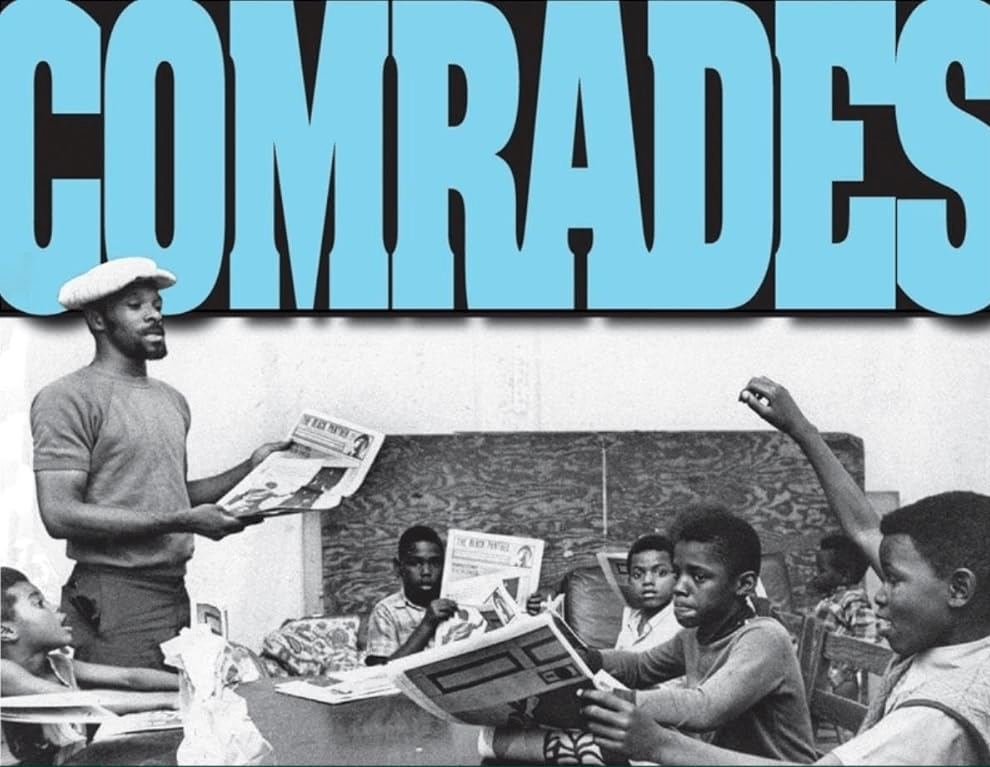
Comrades: A Local History of the Black Panther Party _eBook and Audiobook, Edited by Judson L. Jeffries, with Rebuild Collective Video Education Player 

The Black Panther Party for Self-Defense was founded in Oakland, California, in 1966 by Huey P. Newton and Bobby Seale. It was perhaps the most visible of the Black Power groups in the late 60s and early 70s, not least because of its confrontational politics, its rejection of nonviolence, and its headline-catching, gun-toting militancy. Important on the national scene and highly visible on college campuses, the Panthers also worked at building grassroots support for local black political and economic power. Although there have been many books about the Black Panthers, none has looked at the organization and its work at the local level. This book examines the work and actions of seven local initiatives in Baltimore, Winston-Salem, Cleveland, Indianapolis, Milwaukee, Philadelphia, and Los Angeles. These local organizations are revealed as committed to programs of community activism that focused on problems of social, political, and economic justice.

Comrades: A Local History of the BPP_eBook

Pop the document out from the upper right to read / expand / download.

Comrades: A Local History of the BPP_Audiobook

Part 1

Part 2

Rebuild Collective Video Education Player 

11 Video Playlist

Learn more in RBG Communiversity Knowledge Media eLibrary:

Patrice Lumumba: Africa’s Lost Leader , by Leo Zeilig_eBook and Audiobook, with RBG| Patrice Lumumba Video Edu. Player

Patrice Lumumba (1925–61) was one of the most famous leaders of the African Independence Movement. After his murder, he became an icon of anti-imperialist struggle, and his picture, along with those of Che Guevara and Ho Chi Minh, was brandished around the world at demonstrations in the 1960s.

Book Summary

“Patrice Lumumba: Africa’s Lost Leader” by Leo Zeilig is a comprehensive examination of the life, political career, and legacy of Patrice Lumumba, the first Prime Minister of the Democratic Republic of the Congo. Zeilig’s work delves into the complexities of Lumumba’s leadership, the geopolitical context of his time, and the enduring significance of his vision for African independence and unity.

Key Themes and Insights:

  1. Historical Context:
    • Zeilig places Lumumba’s life within the broader historical framework of colonialism and the struggle for independence in Africa. He highlights the impact of European colonialism on the Congo and the socio-political conditions that led to Lumumba’s rise as a nationalist leader.
  2. Political Ideology:
    • The book explores Lumumba’s political ideology, which was rooted in anti-colonialism and Pan-Africanism. Zeilig reflects on Lumumba’s belief in self-determination, national sovereignty, and the need for a united Africa free from external influence.
  3. Leadership and Challenges:
    • Zeilig details Lumumba’s tenure as Prime Minister, focusing on the immediate challenges he faced, including regional secessionist movements, internal political strife, and foreign intervention. The author emphasizes Lumumba’s commitment to maintaining national unity despite these obstacles.
  4. Cold War Dynamics:
    • The book examines Lumumba’s position within the Cold War context, highlighting how his alignment with the Soviet Union alarmed Western powers, particularly the United States and Belgium. Zeilig discusses the geopolitical interests that influenced the response to Lumumba’s government.
  5. Assassination and Aftermath:
    • Zeilig provides a detailed account of the events leading to Lumumba’s assassination in January 1961. He discusses the role of Western powers in orchestrating Lumumba’s downfall and the implications of his death for the Congo and the broader African liberation movement.
  6. Legacy and Symbolism:
    • The author reflects on Lumumba’s enduring legacy as a symbol of African resistance and nationalism. Zeilig argues that Lumumba’s vision continues to inspire contemporary movements for social justice and independence across the continent.
  7. Critique of Neo-Colonialism:
    • Zeilig critiques the ongoing effects of neo-colonialism in Africa, drawing connections between Lumumba’s experiences and the current political landscape. He emphasizes the need for continued vigilance against foreign intervention in African affairs.

Conclusion

“Patrice Lumumba: Africa’s Lost Leader” by Leo Zeilig is a vital contribution to the understanding of one of Africa’s most significant figures. Through thorough research and analysis, Zeilig sheds light on Lumumba’s aspirations, struggles, and the broader implications of his life for the continent’s quest for independence. The book serves as both a historical account and a critical reflection on the challenges faced by post-colonial African nations, making it an essential read for those interested in African history, politics, and the legacy of decolonization. Leo Zeilig provides a thorough exploration of Lumumba’s life, the political environment of the Congo during his time, and the profound implications of his leadership and untimely death.

Here are some more detailed insights and themes from the book:

Detailed Insights and Themes

  1. Lumumba’s Early Life:
    • Zeilig delves into Lumumba’s formative years, discussing how his upbringing in a colonized society shaped his views on justice, equality, and national identity. His experiences with colonial oppression fueled his passion for political activism and his commitment to fighting for Congolese rights.
  2. Formation of Political Identity:
    • The book examines how Lumumba’s political identity developed within the context of the Congolese independence movement. His involvement with the Mouvement National Congolais (MNC) was pivotal, as it provided a platform for articulating his vision for a free and united Congo.
  3. Independence and National Unity:
    • Lumumba’s ascent to power coincided with the Congo’s independence from Belgium on June 30, 1960. Zeilig emphasizes Lumumba’s efforts to promote national unity among the diverse ethnic groups within the Congo, advocating for a strong central government to combat regionalism and fragmentation.
  4. Cold War Politics:
    • The book highlights the role of Cold War dynamics in shaping Lumumba’s political landscape. Zeilig discusses how Lumumba’s alignment with the Soviet Union was perceived as a threat by Western powers, leading to intensified efforts to undermine his government. This geopolitical context is crucial for understanding the complexities of Lumumba’s tenure.
  5. Regional Secession and Internal Strife:
    • Zeilig details the challenges Lumumba faced from regional leaders, notably in Katanga, where secessionist movements were supported by Belgian interests. The author illustrates how Lumumba’s attempts to quell these movements were met with resistance, complicating his efforts to govern effectively.
  6. Assassination:
    • The book provides a harrowing account of the events leading to Lumumba’s assassination. Zeilig explores the roles played by various actors, including Belgian officials, the CIA, and local political figures, in orchestrating his downfall. He portrays Lumumba’s assassination not just as a personal tragedy, but as a significant event in the history of African independence.
  7. Posthumous Recognition:
    • Zeilig discusses how Lumumba’s legacy has evolved since his death. Initially vilified by some, he has since been recognized as a martyr for African independence. The author examines how Lumumba’s ideals have been embraced by contemporary leaders and movements seeking social justice and decolonization.
  8. Critique of Neo-Colonialism:
    • The book emphasizes the persistence of neo-colonialism in Africa, drawing parallels between Lumumba’s struggles and the ongoing challenges faced by African nations today. Zeilig argues that Lumumba’s vision of true independence and self-determination remains relevant in the contemporary political landscape.
  9. Cultural Impact:
    • Zeilig also highlights Lumumba’s impact on African culture and identity. Lumumba has become a symbol of resistance, inspiring artists, writers, and activists who seek to reclaim African narratives and challenge colonial legacies.

Conclusion

In “Patrice Lumumba: Africa’s Lost Leader,” Leo Zeilig provides a nuanced and in-depth examination of one of Africa’s most iconic figures. The book serves not only as a biography of Lumumba but also as a critical analysis of the broader political and social dynamics of post-colonial Africa. Through Lumumba’s story, Zeilig addresses themes of nationalism, the impact of foreign intervention, and the ongoing struggle for justice and equality in African societies. This work is essential for understanding the historical context of African independence movements and the legacy of leaders like Lumumba, whose vision continues to resonate today.

Patrice Lumumba: Africa’s Lost Leader_eBook

Pop the document out from the upper right to read / expand / download.
Patrice Lumumba: Africa’s Lost Leader_Audiobook

RBG| Patrice Lumumba Video Edu. Player

9 Video Playlist

Learn more in RBG Communiversity Knowledge Media eLibrary:

Collected Writings of John Henrik Clarke_eBook and Audiobook, with RBG| John Henrik Clarke_His Greatest Lectures Video Education Player

Collected Writings Of: John Henrik Clarke Web Edition:

Book Summary

“Collected Writings of John Henrik Clarke” is a compilation of the works of John Henrik Clarke, a prominent African-American historian, educator, and activist. Clarke’s writings cover a wide range of topics, including African history, the African diaspora, social justice, and the importance of cultural identity. The collection highlights his commitment to the study of African history from an Afrocentric perspective and his advocacy for the recognition and celebration of African contributions to world civilization. Through his works, Clarke seeks to empower people of African descent and inspire a deeper understanding of their historical legacy.

Essential Themes and Contributions of JHC:

  1. Introduction to John Henrik Clarke
    • Overview of Clarke’s life and significance as a historian and activist
    • Context of his work within the broader African and African-American history
  2. The Importance of African History
    • Clarke’s perspective on the necessity of studying African history
    • Critique of Eurocentric historical narratives
    • Advocacy for an Afrocentric approach to history
  3. Key Themes in Clarke’s Writings
    • Exploration of African civilizations and their contributions
    • Analysis of the African diaspora and its impact on world history
    • Discussion on colonization, slavery, and the struggle for liberation
  4. Cultural Identity and Heritage
    • Clarke’s emphasis on the importance of cultural identity for African people
    • The role of education in fostering a sense of heritage and pride
    • Advocacy for the reclamation of African history and culture
  5. Social Justice and Activism
    • Clarke’s involvement in civil rights and social justice movements
    • Reflections on the struggles faced by African-Americans and Africans
    • Calls for unity and collective action in the fight against oppression
  6. Influential Works and Contributions
    • Overview of key essays, lectures, and books authored by Clarke
    • Impact of his work on the fields of history and African studies
    • Recognition and accolades received throughout his career
  7. Legacy and Continuing Influence
    • Clarke’s lasting impact on future generations of scholars and activists
    • Examination of how his ideas continue to resonate in contemporary discussions on race and identity
    • Celebrating Clarke’s contributions to the understanding of African history
  8. Conclusion
    • Summary of the key insights and themes from Clarke’s collected writings
    • Reflection on the importance of preserving and sharing African history

Collected Writings of John Henrik Clarke_eBook

NB: The Writings contained do not represent a selection but merely a collection of the Writings available on the Internet. They are preserved in here too keep them openly available after africawithin.com seems unfortunately to be out of service. Much of the Writings have been taken from there. The Organization is roughly as follows I. Autobiographical Writings, II. African World History, III. Other.

Pop the document out from the upper right to read / expand / download.

Collected Writings of John Henrik Clarke_Audiobook

Part 1

Part 2

RBG| John Henrik Clarke_His Greatest Lectures

Introduction: Afrikan-centered Education_Prof. John Henrik Clarke, Dr. Marimba Ani and Dr. Amos N Wilson

29 Video Playlist

Learn more in RBG Communiversity Knowledge Media eLibrary: