

Book Summary
“The Victims of Democracy” explores the life and legacy of Malcolm X within the context of American democracy and the struggle for Black liberation. Wolfenstein examines Malcolm’s evolution as a leader, the socio-political forces that shaped his ideology, and the broader implications of his work for the human and civil rights movements. The text emphasizes the challenges faced by Afrikans in amerikkka in a democratic society that often fails to uphold its ideals for all citizens.
The following outline captures the main themes and structure of Eugene Victor Wolfenstein’s exploration of Malcolm X and the Black revolution, emphasizing the intersection of race and democracy in America.
- Introduction
- Purpose of the book
- Relevance of Malcolm X in the context of democracy
- Overview of themes
- Chapter 1: Historical Context
- Overview of racism in America
- The civil rights movement’s origins
- The limitations of traditional democratic practices
- Chapter 2: Malcolm X’s Early Life
- Childhood and family background
- Influences on Malcolm’s worldview
- Transition from Malcolm Little to Malcolm X
- Chapter 3: The Nation of Islam
- Role of the Nation of Islam in Malcolm’s life
- Key beliefs and practices
- Malcolm’s rise as a prominent figure
- Chapter 4: Break with the Nation of Islam
- Reasons for the split
- Transformation of Malcolm’s ideology
- The impact of his pilgrimage to Mecca
- Chapter 5: Malcolm X’s Political Philosophy
- Concepts of race, identity, and empowerment
- Critique of American democracy
- Advocacy for self-determination
- Chapter 6: The Legacy of Malcolm X
- Influence on the Black Power movement
- Reinterpretation of his messages in contemporary contexts
- Ongoing relevance of his ideas
- Conclusion
- Summary of key insights
- The implications of Malcolm X’s life for modern democracy
- Call to action for continued struggle against injustice
Here is a deeper look into some of the key themes and concepts presented in “The Victims of Democracy. This exploration not only honors Malcolm X’s legacy but also invites readers to consider how the fight for equality and justice continues to evolve in contemporary society.
Key Themes and Concepts
- Racism and American Democracy:
- The book critically investigates how systemic racism undermines the principles of democracy in the United States. Wolfenstein argues that while America professes ideals of freedom and equality, it often fails to deliver these promises to Afrikans in amerikkka.
- Malcolm X’s Transformation:
- Malcolm X’s journey from his early life to becoming a prominent human rights leader is a focal point. Wolfenstein details how Malcolm’s experiences with racism, both personally and socially, shaped his radical beliefs. His time with the Nation of Islam represents a significant period of identity formation and ideological development.
- Critique of Established Civil Rights Movements:
- The author contrasts Malcolm X’s approach with that of more mainstream civil rights leaders like Martin Luther King Jr. While King advocated for nonviolent protest and integration, Malcolm X emphasized self-defense, Black nationalism, and a more revolutionary approach to achieving rights.
- Global Perspective on Race and Revolution:
- Wolfenstein places Malcolm X within a global context, discussing how his ideas resonated with anti-colonial movements around the world. Malcolm’s pilgrimage to Mecca and subsequent interactions with leaders from various nations broadened his perspective on race and politics, leading to a more internationalist view of the struggle for justice.
- Crisis of Democracy:
- The title itself, “The Victims of Democracy,” reflects a central argument that many marginalized groups, particularly Afrikans in amerikkka have been victimized by the failures of a system that claims to uphold democratic values. Wolfenstein posits that true democracy must include the voices and rights of all people, particularly those historically oppressed.
- Enduring Legacy:
- The book discusses how Malcolm X’s ideas continue to inspire contemporary movements for social justice and racial equality. His call for self-determination and empowerment resonates in today’s discussions around systemic racism, police brutality, and the fight for Black lives.
Conclusion
Wolfenstein’s work serves as both a biographical account and a critical analysis of the social, political, and historical contexts surrounding Malcolm X. It challenges readers to reflect on the complexities of race relations in amerikkka and the ongoing struggle for true democracy. Through Malcolm’s life and teachings, the book encourages a deeper understanding of the intersections between race, identity, and the quest for justice.
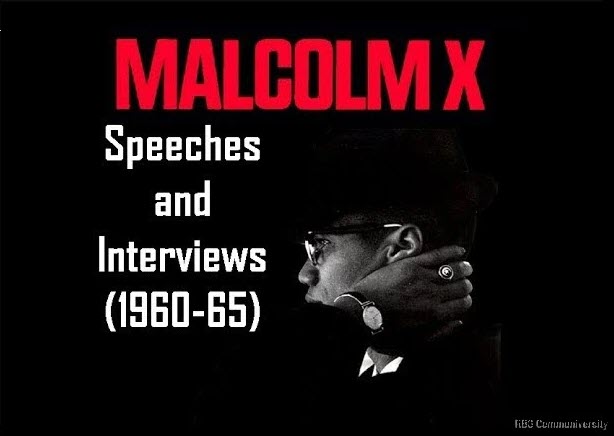
The Victims of Democracy: Malcolm X and the Black Revolution_eBook
Pop the documents out from the upper right to read / expand / download.



You must be logged in to post a comment.