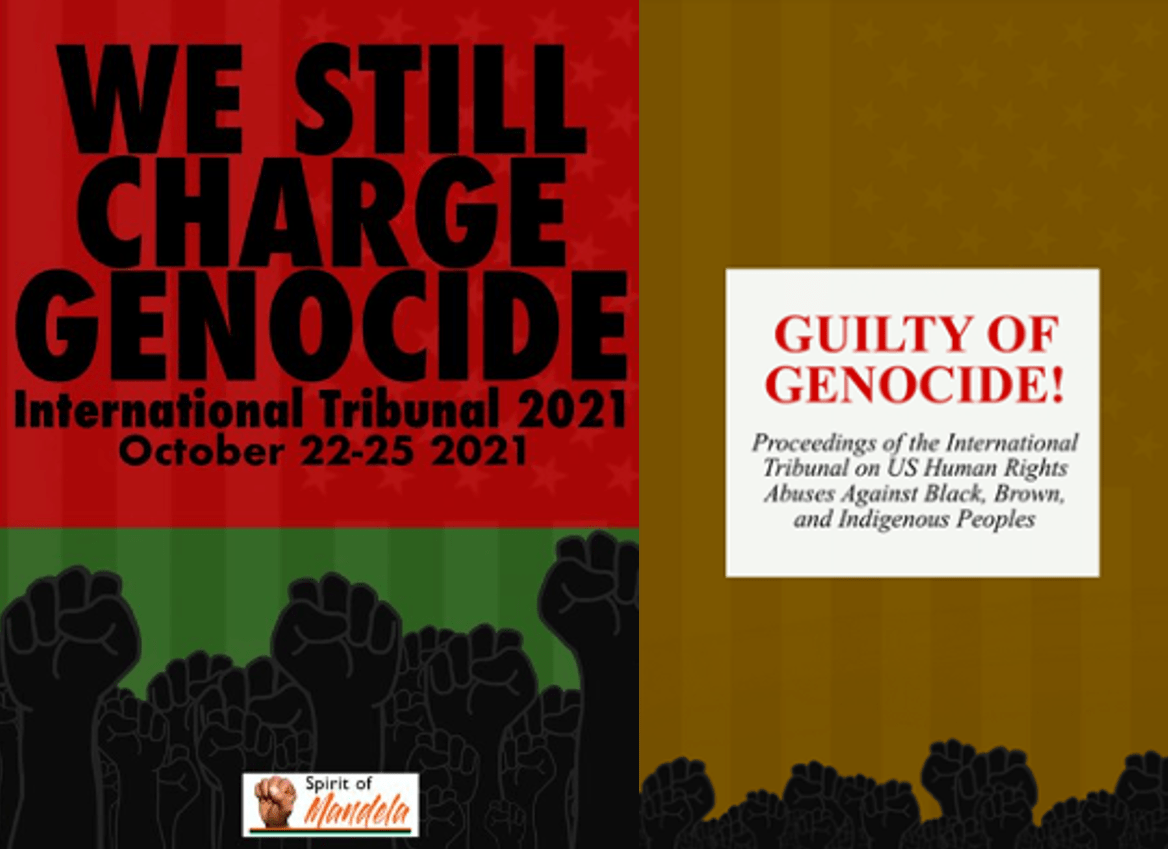
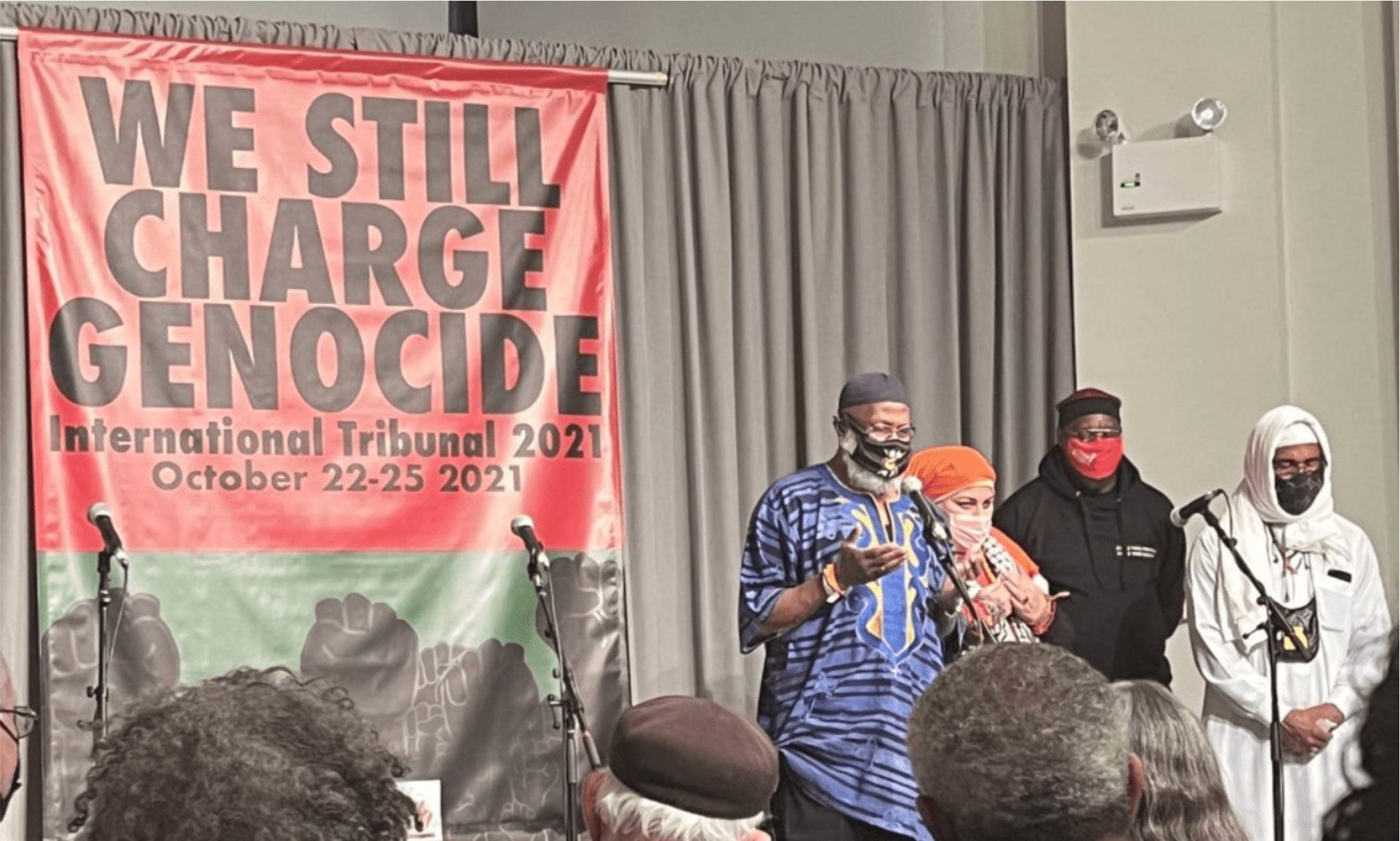
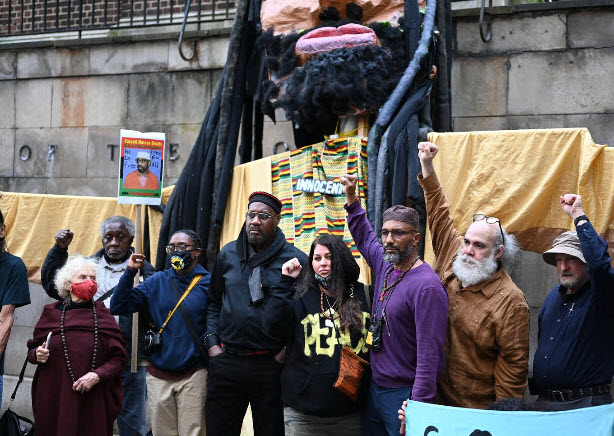
On October 22-25 2021, the Spirit of Mandela Coalition organized and hosted an International Tribunal which we successfully charged the United States government, its states, and specific agencies with human and civil rights violations against Black, Brown, and Indigenous people.
Racist police killings of Black, Brown, and Indigenous people.
Hyper incarcerations of Black, Brown, and Indigenous people.
Political incarceration of Civil Rights/National Liberation era revolutionaries and activists, as well as present day activists.
Environmental racism and its impact on Black, Brown, and Indigenous people.
Public Health racism and disparities and its impact on Black, Brown, and Indigenous people.
Genocide of Black, Brown, and Indigenous people as a result of the historic and systemic charges of all the above.
The 2021 International Tribunal has a unique set of outcomes and an opportunity to organize on a mass level across many social justice arenas. Upon the verdict, the results of the Tribunal will:
Codify and publish the content and results of the Tribunal to be offered in High Schools and University curriculums.
Provide organized, accurate information for reparation initiatives and community and human rights work.
Present a stronger case, building upon previous and respected human rights initiatives, on the international stage.
Establish a healthy and viable massive national network of community organizations, activists, clergy, academics, and lawyers concerned with challenging human rights abuses on all levels and enhancing the quality of life for all people.
Strengthen the demand to free all Political Prisoners and establish a Truth & Reconciliation Commission mechanism to lead to their freedom.
Establish the foundation to build a “Peoples’ Senate” representative of all 50 states, Indigenous Tribes, and major religions.
11 Video Playlist
Pop the documents out from the upper right to read / expand / download.
People’s Indictment 22 October 2021 (Draft 1_Full):
Spirit of Mandela is a campaign to bring international attention to U.S. human rights violations of Black, Brown, Indigenous People, and U.S. held political prisoners.
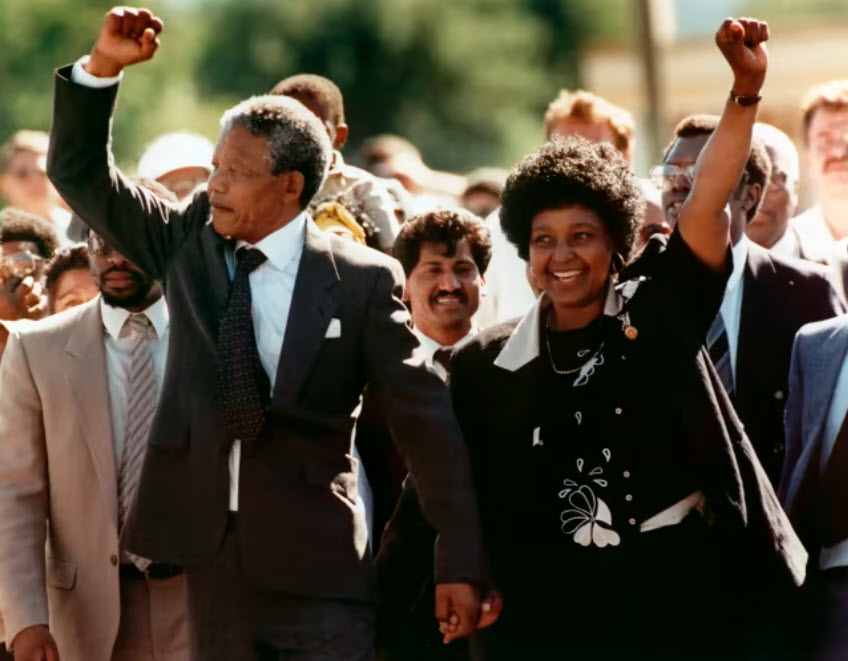
Clickable Photo Credits: AP 2020. FILE – In this Feb. 13, 1990 file photo, Nelson Mandela and his wife, Winnie Madikizela-Mandela, gesture as they arrive at Soccer City Stadium in Soweto, South Africa two days after after being released after serving 27 years in prison. Mandela’s release set off joyous celebrations and violent clashes as supporters welcomed Mandela back from years in jail. (AP Photo/Udo Weitz, File)
The Peoples’ Senate is a national cohesive network of people reflective of poor and working-class communities across the United States; joined together to protect, champion, and uphold the human rights of Black, Brown, and Indigenous people, and by doing so, ensure the human rights of all people.https://spiritofmandela.org/intro-peoples-senate
Pop the documents out from the upper right to read / expand / download.
YOUR VOICE MATTERS. JOIN THE PEOPLES’ SENATE: The Peoples’ Senate is a national cohesive network reflective of poor and working-class communities across the United States, its colonies and territories; working together to protect, champion and uphold the human rights of Black, Brown, and Indigenous peoples, thus ensuring the human rights of all people. https://spiritofmandela.org/intro-peoples-senate
(L-R): Fleeta Drumgo, 26; John W. Cluchette, 28; and Jackson, 29.
Book Summary
Overview: “Imprisoned Intellectuals: America’s Political Prisoners Write on Life, Liberation, Rebellion,” edited by Joy James, is a compelling anthology that brings together the voices of political prisoners in the United States. The book sheds light on the experiences, thoughts, and struggles of individuals who have been incarcerated for their political beliefs and activism. Through essays, letters, and reflections, the contributors explore themes of resistance, identity, and the impact of systemic oppression.
The outline that follows provides a structured overview of the themes and discussions presented in the book, showcasing the voices and experiences of those who have faced political imprisonment in America.
Outline:
Introduction
Overview of the book’s purpose and significance
Importance of political prisoners in contemporary society
Brief introduction to the editor, Joy James, and her vision for the anthology
Chapter 1: The Context of Political Imprisonment
Historical background of political imprisonment in the U.S.
Discussion on the targeted oppression of marginalized groups
Overview of the legal and social frameworks supporting political incarceration
Chapter 2: Voices from the Inside
Personal narratives from various political prisoners
Reflections on life in prison and the psychological effects of incarceration
Insights into maintaining identity and purpose while imprisoned
Chapter 3: Rebellion and Resistance
Analysis of acts of resistance and rebellion within prison walls
The role of solidarity among prisoners
Examination of hunger strikes, protests, and other forms of activism
Chapter 4: The Role of Education and Intellectualism
The importance of education and intellectual engagement for prisoners
Contributions of imprisoned intellectuals to social and political thought
Discussion on how education serves as a form of resistance
Chapter 5: Liberation Movements and Solidarity
Connections between imprisoned intellectuals and broader liberation movements
The role of community support and activism outside prison
Strategies for building solidarity and alliances for change
Chapter 6: The Future of Political Prisoners
Reflections on the potential for reform and change in the penal system
Hope and resilience among political prisoners
Calls to action for readers and activists
Conclusion
Summary of key themes and insights from the anthology
The ongoing struggle for justice and liberation
Invitation for readers to engage with the issues presented in the book
Appendices
Additional resources for understanding political imprisonment
Information on organizations supporting political prisoners
Suggested readings and further research topics
Imprisoned Intellectuals eBook Ed. Joy James
Pop the document out from the upper right to read / expand / download.
Imprisoned Intellectuals Audiobook Part 1
Imprisoned Intellectuals Audiobook Part 2
Learn more in RBG Communiversity Knowledge Media eLibrary:
Pop the document out from the upper right to read / expand / download.
Red Black and Green: Black Nationalism in the United States by Alphonso Pinkney
Book Summary
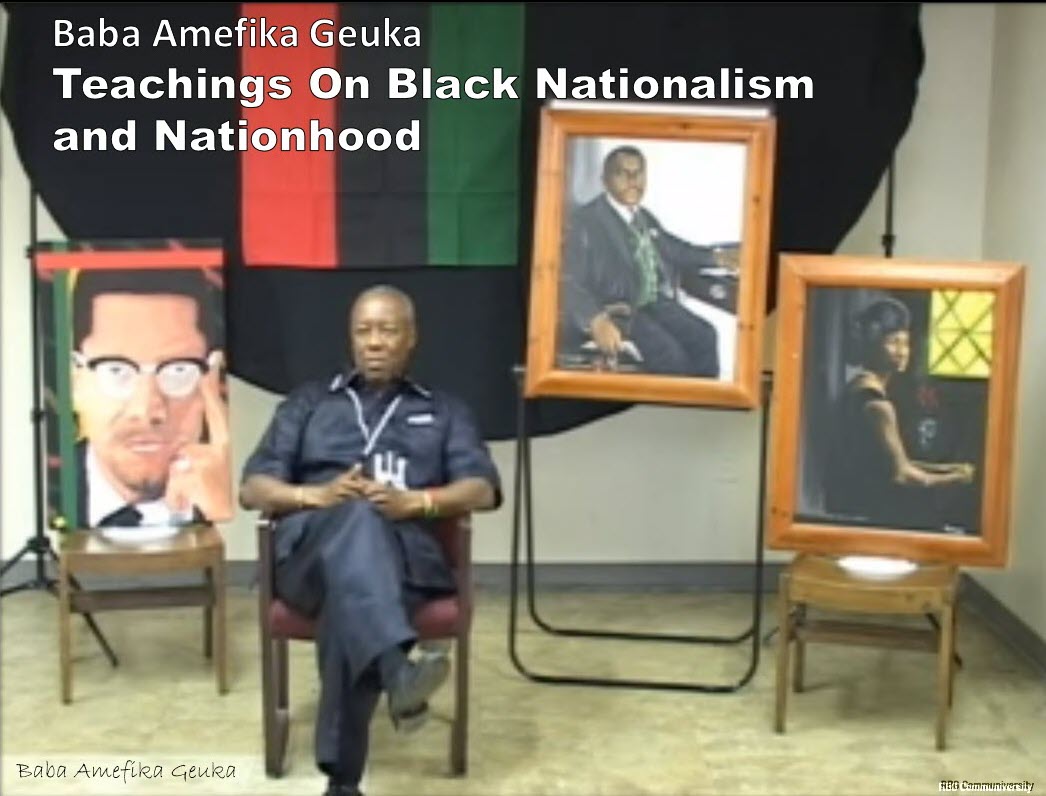
“Red, Black and Green: Black Nationalism in the United States” by Alphonso Pinkney is a comprehensive examination of the history, ideology, and impact of Black Nationalism in the U.S. The book delves into the various movements and figures that have shaped Black Nationalist thought from the early days of American slavery to the late 20th century. Pinkney analyzes the cultural, political, and economic dimensions of Black Nationalism, exploring its significance in the broader context of the African American (New Afrikan) struggle for freedom and self-determination. Through this lens, the book examines how Black Nationalism has evolved and influenced contemporary discussions on race and identity.
The outline that follows captures the essence of “Red, Black and Green,” highlighting Alphonso Pinkney’s exploration of Black Nationalism’s historical roots, ideological development, and contemporary expressions. The book provides a thorough analysis of the cultural, political, and economic dimensions of Black Nationalism, emphasizing its significance in the broader narrative of African American (New Afrikan) history and identity.
Introduction
Overview of Black nationalism and its significance in American history
Explanation of the book’s objectives and scope
Introduction to the concepts of “Red, Black, and Green” as symbolic colors of Black Nationalism
Historical Roots of Black Nationalism
Examination of the origins of Black nationalism during slavery
Early expressions of resistance and self-identification
Key figures such as Frederick Douglass and Sojourner Truth
The impact of the Haitian Revolution on Black national consciousness
The influence of Pan-Africanism and global movements for independence
Development of Black Nationalist Ideologies
Exploration of different strands of Black nationalism
Cultural nationalism: Emphasis on Black identity and heritage
Political nationalism: Focus on self-governance and autonomy
Economic nationalism: Advocacy for Black-owned businesses and economic independence
Analysis of the writings and speeches of influential Black nationalists, including Marcus Garvey, W.E.B. Du Bois, and Malcolm X
The Role of Organizations in Black Nationalism
Overview of key organizations that have promoted Black nationalist ideals
The Universal Negro Improvement Association (UNIA) and Marcus Garvey’s influence
The Nation of Islam and its impact on Black identity and spirituality
The Black Panther Party and its revolutionary agenda
Examination of the strategies and goals of these organizations in the pursuit of Black empowerment
Black Nationalism and the Civil Rights Movement
Analysis of the relationship between Black Nationalism and the Civil Rights Movement
Tensions between integrationist and nationalist approaches
The role of Black nationalism in shaping the rhetoric and strategies of civil rights activists
Case studies of key events where Black Nationalism played a prominent role, such as the Watts Riots and the Black Power Movement
Contemporary Expressions of Black Nationalism
Exploration of how Black nationalism has persisted and adapted in the late 20th century
The influence of hip-hop culture and contemporary artists on Black nationalist thought
Discussion of current movements and ideologies that reflect Black nationalist principles, including reparations and Black Lives Matter
Critiques and Challenges to Black Nationalism
Examination of criticisms directed at Black nationalism from within and outside the African American community
Concerns about separatism and exclusionary practices
Debates on the effectiveness of nationalism in achieving liberation
Analysis of the intersectionality of race, class, and gender within Black nationalist discourse
Conclusion
Summary of key insights regarding the evolution and impact of Black nationalism in the United States
Reflection on the ongoing relevance of Black nationalism in contemporary society
Final thoughts on the future of Black nationalist movements and their potential for social change
“Red, Black and Green” is a pivotal work that offers a detailed examination of the evolution of Black Nationalism as a significant ideological and social movement in American history. The book not only traces the historical roots of Black Nationalism but also analyzes its various manifestations and implications for African American identity and social justice. Here’s a deeper look into the key themes, contributions, and implications of Pinkney’s work:
Key Themes Explored
Historical Foundations of Black Nationalism
Pinkney emphasizes that Black Nationalism has deep historical roots, dating back to the era of slavery. Enslaved Africans developed a sense of identity and community through resistance and cultural retention.
The book discusses the impact of early Black leaders and activists who laid the groundwork for nationalist thought, including Frederick Douglass, who advocated for freedom and equality, and Sojourner Truth, who highlighted the intersection of race and gender in her activism.
The Influence of Global Movements
Pinkney situates Black Nationalism within a global context, highlighting the influence of Pan-Africanism and the Haitian Revolution on Black Nationalist sentiment in the U.S.
He discusses how the successes of other independence movements inspired African Americans to seek self-determination and empowerment, fostering a sense of global solidarity among people of African descent.
Diverse Ideologies within Black Nationalism
The book explores various strands of Black nationalism, including:
Cultural Nationalism: Advocating for the celebration and affirmation of Black culture, arts, and identity.
Political Nationalism: Emphasizing the need for self-governance, political representation, and autonomy within the broader American political landscape.
Economic Nationalism: Promoting the establishment of Black-owned businesses and economic independence as a means of empowerment.
Pinkney highlights key figures such as Marcus Garvey, who promoted African heritage and economic empowerment, and Malcolm X, who emphasized self-defense and national identity.
Organizations and Movements
The book provides an overview of significant organizations that propagated Black nationalist ideologies, including:
The Universal Negro Improvement Association (UNIA): Founded by Marcus Garvey, this organization aimed to unite people of African descent and promote economic self-sufficiency.
The Nation of Islam: Led by figures like Elijah Muhammad and later Louis Farrakhan, this movement emphasized spiritual and cultural empowerment, alongside a critique of systemic racism.
The Black Panther Party: Known for its revolutionary agenda and community programs, the Panthers combined elements of Black Nationalism with a broader social justice framework.
Pinkney discusses how these organizations mobilized communities and influenced political discourse.
Interaction with the Civil Rights Movement
Pinkney analyzes the complex relationship between Black Nationalism and the Civil Rights Movement. He highlights the tensions between integrationist approaches, represented by leaders like Martin Luther King Jr., and nationalist perspectives that sought more radical changes.
The book examines how events like the Watts Riots and the rise of the Black Power Movement brought Black Nationalism to the forefront of national consciousness, emphasizing the need for autonomy and self-definition.
Contemporary Relevance
The later chapters of the book explore how Black Nationalism has persisted and transformed into contemporary expressions. Pinkney discusses the role of hip-hop culture, which often incorporates themes of resistance and empowerment, as a modern manifestation of nationalist thought.
He also addresses current movements like the Black Lives Matter movement, which reflect many of the principles of Black Nationalism, such as the fight against systemic racism and the demand for social justice and reparations.
Critiques of Black Nationalism
Pinkney does not shy away from presenting critiques of Black Nationalism, including concerns about its potential for exclusion and separatism. He explores the debates within the Black community regarding the effectiveness of nationalist strategies in achieving liberation and justice.
The book highlights the importance of intersectionality, acknowledging how race, class, and gender dynamics influence the discourse around Black Nationalism.
Conclusion and Broader Implications
Significance of Black Nationalism
In conclusion, Pinkney emphasizes that Black Nationalism is a vital part of the African American narrative and continues to play a crucial role in discussions about race, identity, and empowerment.
He reflects on the ongoing relevance of Black Nationalist thought in addressing systemic inequalities and fostering a sense of community and solidarity among Black Americans.
Future Directions
The book serves as both a historical account and a framework for understanding the future of Black Nationalist movements. Pinkney encourages continued engagement with the principles of Black Nationalism as a means to advocate for social change and justice.
Overall, “Red, Black and Green” is a critical contribution to the study of Black Nationalism and its impact on American history. Alphonso Pinkney’s analysis provides a rich and nuanced understanding of the complexities of Black Nationalism, its ideological diversity, and its enduring significance in the ongoing struggle for racial equality and justice. The book invites readers to consider how the legacy of Black Nationalism continues to shape contemporary discourse on race and identity in the United States.
Red Black and Green: Black Nationalism in the United States by Alphonso Pinkney_eBook
Pop the document out from the upper right to read / expand / download.
Learn more in RBG Communiversity Knowledge Media eLibrary:










 RBG Communiversity: Message 2 Da Grassroots
You must be logged in to post a comment.