The Apocalypse of Settler Colonialism: The Roots of Slavery, White Supremacy, and Capitalism in 17th Century North America and the Caribbean, by Gerald Horne_eBook and Audiobook

Book Summary (abridged)

“The Apocalypse of Settler Colonialism: The Roots of Slavery, White Supremacy, and Capitalism in 17th Century North America and the Caribbean” by Gerald Horne provides a comprehensive analysis of how the foundations of modern systemic racism, colonial exploitation, and capitalist structures were established in the 17th century. Horne examines the intersections of slavery, white supremacy, and colonialism, arguing that these elements were not only products of their time but also integral to the development of societal norms and economic systems that persist today. Through a detailed historical account, Horne reveals the consequences of these dynamics for Africans and Indigenous peoples, emphasizing the significance of resistance and the ongoing legacy of colonialism.

  • Introduction
    • Overview of the book’s goals and thematic focus
    • Discussion of the historical context surrounding the emergence of settler colonialism
    • Introduction to key concepts: slavery, white supremacy, and capitalism
  • Chapter 1: Beginning
    • Examination of the initial stages of European colonization in North America and the Caribbean
    • Analysis of the motivations behind European imperial expansion
    • Discussion of early interactions between colonizers and Indigenous populations
  • Chapter 2: No Providence for Africans and the Indigenous
    • Exploration of the systemic exclusion of Africans and Indigenous peoples from rights and protections
    • Analysis of the ideological frameworks that justified their marginalization
    • Discussion of the economic interests that underpinned these exclusionary practices
  • Chapter 3: The Rise of the Merchants and the Beheading of a King
    • Examination of the emerging merchant class and its role in colonial economies
    • Analysis of the political upheaval, including the beheading of King Charles I, and its implications for colonial governance
    • Discussion of how these events influenced colonial attitudes toward slavery and Indigenous peoples
  • Chapter 4: Jamaica Seized from Spain: Slavery and the Slave Trade Expand
    • Exploration of the British takeover of Jamaica and its transformation into a plantation economy
    • Analysis of how the expansion of slavery and the slave trade fueled economic growth in the Caribbean
    • Discussion of the social and cultural impacts of this transformation on enslaved Africans
  • Chapter 5: The Dutch Ousted from the Mainland: Slavery and the Slave Trade Expand
    • Examination of the ousting of the Dutch from North America and the subsequent expansion of slavery
    • Analysis of the economic motivations behind this transition and its impact on colonial society
    • Discussion of the implications for Indigenous peoples and enslaved Africans
  • Chapter 6: More Enslaved Africans Arrive in the Caribbean—Along with More Revolts
    • Exploration of the increasing influx of enslaved Africans into the Caribbean and the resulting demographic changes
    • Analysis of the revolts and resistance movements that emerged in response to oppressive conditions
    • Discussion of the significance of these revolts in shaping colonial policies and perceptions
  • Chapter 7: The Spirit of 1676: The Identity Politics of “Whiteness” and Prelude to Colonial Secession
    • Examination of the events surrounding Bacon’s Rebellion and the rise of “whiteness” as a unifying identity among European settlers
    • Analysis of how identity politics influenced colonial governance and social structures
    • Discussion of the implications for Indigenous peoples and enslaved Africans in the context of colonial secession
  • Chapter 8: The “Glorious Revolution” of 1688: Not so Glorious for Africans and the Indigenous
    • Exploration of the Glorious Revolution and its impact on colonial policies regarding slavery and Indigenous relations
    • Analysis of the ways in which the revolution reinforced existing power structures and racial hierarchies
    • Discussion of the consequences for African and Indigenous populations in the aftermath of these events
  • Chapter 9: Apocalypse Now
    • Examination of the cumulative effects of settler colonialism on African and Indigenous peoples
    • Analysis of the contemporary repercussions of historical injustices rooted in the colonial period
    • Discussion of the ongoing struggles for justice and the need for a reckoning with the past

Significance of the Book

Gerald Horne’s “The Apocalypse of Settler Colonialism” is a critical text that sheds light on the deep historical roots of systemic racism, economic exploitation, and social hierarchies in North America and the Caribbean. By tracing these issues back to the 17th century, Horne provides a nuanced understanding of how colonial practices have shaped modern society. The book serves as an essential resource for scholars, activists, and anyone interested in unpacking the historical complexities of race, class, and colonialism, emphasizing the importance of recognizing and addressing the legacies of these systems in contemporary struggles for equity and justice.

Gerald Horne’s “The Apocalypse of Settler Colonialism”_eBook

Pop the documents out from the upper right to read / expand / download.

Gerald Horne’s “The Apocalypse of Settler Colonialism”_Audiobook

Learn more in RBG Communiversity Knowledge Media eLibrary:

Endless Holocausts: Mass Death in the History of the United States Empire by David Michael Smith_eBook and Audiobook

Book Summary

“Endless Holocausts: Mass Death in the History of the United States Empire” by David Michael Smith is a critical examination of the recurring themes of mass violence and genocide throughout American history. The book explores how systemic oppression, colonialism, and imperial ambitions have led to widespread death and suffering, particularly among marginalized communities. Smith argues that these historical atrocities are often overlooked or minimized in mainstream narratives, and he seeks to confront the uncomfortable truths about the United States’ role in perpetuating mass death both domestically and abroad. Through a combination of historical analysis, case studies, and theoretical frameworks, the book aims to shed light on the darker aspects of American empire and challenge readers to acknowledge and confront this legacy.

Outline

  • Introduction
    • Overview of the book’s themes and objectives
    • Discussion of the concept of “endless holocausts” in relation to U.S. history
    • Introduction to the framework for analyzing mass death and systemic violence
  • 1: Colonial Foundations of Mass Death
    • Examination of the genocidal practices against Indigenous peoples during colonization
    • Analysis of how colonialism laid the groundwork for future acts of mass violence
    • Discussion of the role of racism and ideology in justifying violence against marginalized populations
  • 2: Slavery and the Slave Trade
    • Exploration of the impact of the transatlantic slave trade on African populations
    • Analysis of the violence and dehumanization inherent in the institution of slavery
    • Discussion of the long-term consequences of slavery on American society and race relations
  • 3: The Indian Wars and Expansionism
    • Examination of U.S. military campaigns against Indigenous nations in the 19th century
    • Analysis of the policies of removal, relocation, and extermination
    • Discussion of how these actions were rationalized by notions of Manifest Destiny
  • 4: Imperialism and Foreign Interventions
    • Exploration of U.S. imperialism in the late 19th and early 20th centuries
    • Analysis of military interventions in places like the Philippines, Latin America, and beyond
    • Discussion of the consequences of these interventions for local populations and global politics
  • 5: The Cold War and Mass Violence
    • Examination of the U.S. role in supporting authoritarian regimes and engaging in covert operations during the Cold War
    • Analysis of the impact of U.S. policies on human rights and mass atrocities in various regions
    • Discussion of the legacy of Cold War interventions on contemporary global issues
  • 6: The War on Terror and Contemporary Mass Death
    • Exploration of the repercussions of the War on Terror, including the invasions of Afghanistan and Iraq
    • Analysis of civilian casualties and the human cost of military engagements
    • Discussion of the ongoing repercussions of these conflicts on global stability and human rights
  • 7: The Political Economy of Mass Death
    • Examination of the economic and political factors that contribute to mass violence
    • Discussion of the role of capitalism, militarism, and imperial interests in perpetuating cycles of violence
    • Analysis of how systemic inequalities and exploitation lead to mass death
  • 8: Acknowledging and Confronting the Legacy
    • Exploration of the importance of recognizing and confronting the history of mass death in the U.S.
    • Discussion of the role of education, activism, and historical memory in addressing these issues
    • Advocacy for a more truthful and comprehensive understanding of American history
  • Conclusion
    • Summary of key themes and insights presented throughout the book
    • Reflection on the implications of mass death for contemporary society and politics
    • Call to action for individuals and communities to engage with this legacy and work towards justice

Significance of the Book

“Endless Holocausts” is a provocative and essential contribution to the discourse on American history, imperialism, and systemic violence. David Michael Smith’s critical examination of mass death and the historical patterns that underlie it challenges readers to confront uncomfortable truths about the United States’ role in perpetuating suffering both domestically and globally. By drawing connections between past atrocities and contemporary issues, the book calls for a reckoning with history and a commitment to justice for marginalized communities. Smith’s work serves as a reminder of the need for accountability and awareness in the ongoing struggle against systemic oppression and violence.

“Endless Holocausts: Mass Death in the History of the United States Empire” is a profound and thought-provoking exploration of how mass violence and genocide have been integral to the historical narrative of the United States. The book challenges readers to confront the uncomfortable realities of American history, focusing on the systemic oppression and mass death that have characterized the nation’s imperial trajectory. Here’s a deeper look into the key themes, arguments, and implications presented in the book:

Key Themes and Arguments

  1. Historical Continuity of Violence
    • Smith argues that mass death is not just an aberration in American history but rather a recurring theme fueled by imperial ambitions, colonial policies, and systemic racism. He presents a narrative that connects past atrocities to contemporary issues, emphasizing that understanding this continuity is essential for addressing current injustices.
    • The book contends that the patterns of violence established in earlier historical periods still resonate today, influencing policies and societal attitudes.
  2. Colonialism and Genocide
    • The examination of colonialism serves as a foundational aspect of the book. Smith details how the colonization of Indigenous lands involved systematic violence, displacement, and extermination. This historical context is crucial for understanding the ongoing effects of colonialism on Indigenous communities in the U.S.
    • He emphasizes that the ideologies that justified these violent actions—such as manifest destiny and racial superiority—continue to inform contemporary attitudes towards marginalized groups.
  3. Slavery and Racial Oppression
    • The book delves into the violent legacy of slavery and the transatlantic slave trade, highlighting the dehumanization and brutality faced by enslaved Africans. Smith argues that this legacy has profound implications for race relations in the United States, contributing to systemic racism and social inequities that persist today.
    • Smith explores how the institution of slavery was not only a means of economic exploitation but also a mechanism of mass death, with countless lives lost due to violence, neglect, and inhumane conditions.
  4. Imperialism and Military Interventions
    • Smith analyzes U.S. imperialism, particularly during the late 19th and early 20th centuries, revealing how military interventions in countries like the Philippines and various Latin American nations resulted in significant civilian casualties and suffering.
    • The book discusses how these interventions were often framed as benevolent actions but were fundamentally driven by economic and strategic interests, leading to the imposition of American power at the cost of local populations.
  5. Cold War Atrocities
    • The Cold War period is scrutinized for its role in perpetuating mass violence, with the U.S. supporting authoritarian regimes and engaging in covert operations that resulted in human rights abuses and mass deaths in various regions.
    • Smith argues that the geopolitical motivations of this era contributed to a culture of impunity and disregard for human rights, with lasting consequences that are still felt in many parts of the world.
  6. Contemporary Context of Mass Death
    • In examining the War on Terror, Smith highlights the human cost of U.S. military actions in Afghanistan and Iraq, drawing attention to civilian casualties and the broader implications for global stability.
    • The author critiques the narratives surrounding these conflicts, emphasizing the need to acknowledge the suffering inflicted on populations as a result of these military engagements.
  7. Political Economy and Systemic Inequalities
    • The book also explores the relationship between economic systems, political power, and mass death. Smith argues that capitalism and militarism are intertwined, creating conditions that enable violence and exploitation.
    • He discusses how systemic inequalities, driven by race and class, contribute to cycles of violence and oppression, making it crucial to address these root causes in any effort to achieve justice.

Implications and Challenges

  • Confronting Historical Narratives
    • “Endless Holocausts” challenges conventional historical narratives that often minimize or omit discussions of mass death and systemic violence. Smith advocates for a more comprehensive understanding of U.S. history that includes these darker chapters, arguing that acknowledgment is a crucial first step towards healing and justice.
    • By reframing history through the lens of mass death and oppression, the book encourages readers to critically evaluate the implications of this legacy for contemporary society.
  • Call for Justice and Accountability
    • The book emphasizes the importance of accountability for past atrocities and the need for reparative justice for affected communities. Smith argues that recognizing historical injustices is essential for addressing current inequalities and preventing future violence.
    • He advocates for activism and educational initiatives that highlight these issues, calling on individuals and communities to engage in the ongoing struggle for justice and equity.
  • Vision for a Just Future
    • Ultimately, Smith’s work serves as a call to action, urging readers to confront the realities of mass death and systemic oppression in order to build a more just and equitable society. He emphasizes the role of collective memory, activism, and policy change in achieving this vision.
    • The book underscores the need for a societal commitment to dismantling oppressive systems, fostering dialogue, and creating conditions that promote human rights and dignity for all.

Conclusion

“Endless Holocausts” is a critical and necessary contribution to the discourse on American history, imperialism, and systemic violence. David Michael Smith’s exploration of mass death and its historical roots challenges readers to confront uncomfortable truths about the United States’ legacy and its implications for contemporary society. By connecting past atrocities to ongoing struggles for justice, the book serves as both a historical analysis and a call to action for individuals and communities committed to confronting oppression and building a more equitable future.

Endless Holocausts_eBook

Pop the documents out from the upper right to read / expand / download.

Endless Holocausts_Audiobook

Learn more in RBG Communiversity Knowledge Media eLibrary:

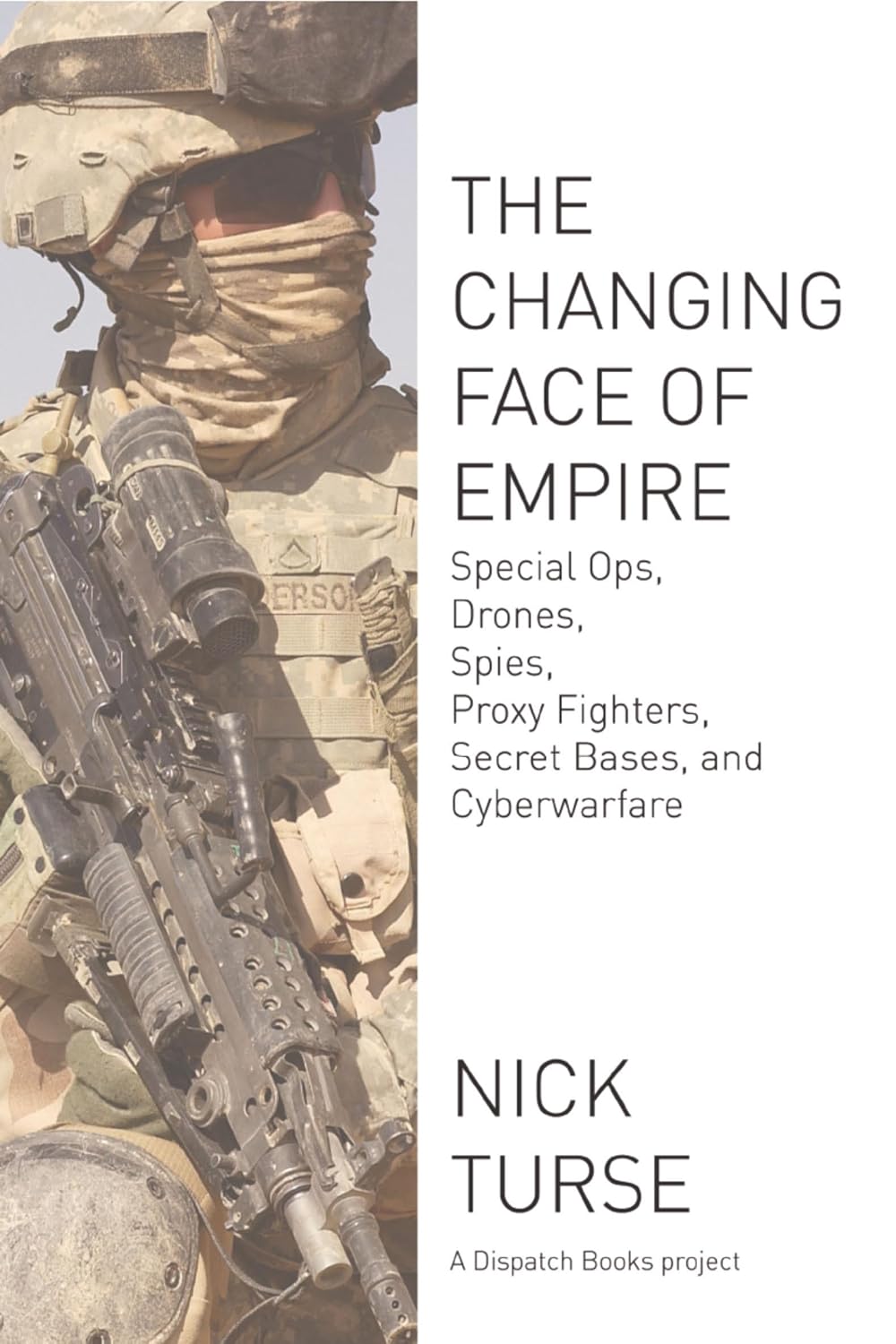
The Changing Face of Empire: Special Ops, Drones, Spies, Proxy Fighters, Secret Bases, and Cyberwarfare (Nick Turse)_eBook and Audiobook, with Supplemental: Oreshnik Hypersonic Missile

Book Summary

“The Changing Face of Empire: Special Ops, Drones, Spies, Proxy Fighters, Secret Bases, and Cyberwarfare” by Nick Turse examines the evolution of U.S. military strategy and imperialism in the 21st century. Turse argues that traditional warfare has been largely replaced by covert operations, advanced technology, and new forms of engagement that blur the lines between war and peace. The book explores the roles of special operations forces, drones, intelligence agencies, and cyber warfare, analyzing how these elements reshaped American military interventions and global power dynamics. Turse critically assesses the implications of these changes for international relations, national security, and the future of warfare.

  • Introduction
    • Overview of the book’s main themes and objectives
    • Discussion of the historical context of American military interventions
    • Introduction to the concept of “empire” in the contemporary landscape
  • Chapter 1: The New Face of Warfare
    • Examination of the shift from conventional warfare to unconventional tactics
    • Discussion of the implications of this shift for military strategy and national security
    • Introduction of key concepts such as asymmetrical warfare and hybrid threats
  • Chapter 2: Special Operations Forces
    • Analysis of the increasing reliance on special operations forces in U.S. military strategy
    • Overview of the roles and missions of these forces, including counterterrorism and direct action
    • Examination of the impact of special ops on traditional military engagements and international law
  • Chapter 3: Drones and Remote Warfare
    • Exploration of the use of drones in modern military operations
    • Discussion of the ethical and legal implications of drone strikes
    • Case studies of notable drone operations and their impact on local populations
  • Chapter 4: Intelligence and Espionage
    • Examination of the role of intelligence agencies in shaping U.S. military strategy
    • Discussion of modern espionage techniques and their significance for national security
    • Analysis of the balance between intelligence gathering and civil liberties
  • Chapter 5: Proxy Wars and Non-State Actors
    • Exploration of the use of proxy fighters in contemporary conflicts
    • Analysis of how states leverage non-state actors to achieve strategic objectives
    • Case studies of proxy warfare in regions such as the Middle East and Eastern Europe
  • Chapter 6: Secret Bases and Global Reach
    • Discussion of the establishment and significance of secret military bases around the world
    • Examination of the strategic advantages these bases provide for U.S. military operations
    • Analysis of the political and social implications of maintaining these bases
  • Chapter 7: Cyberwarfare and the Digital Battlefield
    • Overview of the rise of cyber capabilities as a tool of modern warfare
    • Discussion of the implications of cyber-attacks on national security and infrastructure
    • Analysis of information warfare and its role in shaping public perception and political outcomes
  • Chapter 8: The Future of American Empire
    • Reflection on the trends shaping the future of U.S. military strategy and imperialism
    • Discussion of the potential consequences for global power dynamics and international relations
    • Exploration of the ethical dilemmas posed by emerging technologies in warfare
  • Conclusion
    • Summary of key findings and insights from the book
    • Reflection on the challenges of understanding and addressing the changing nature of warfare
    • Call to action for policymakers, scholars, and the public to engage with the implications of modern military strategies

Significance of the Book

“The Changing Face of Empire” provides a critical analysis of how U.S. military strategies have evolved in response to new geopolitical challenges and technological advancements. Turse’s exploration of special operations, drones, and cyber warfare offers valuable insights into the complexities of contemporary conflicts and their implications for global security and international relations. The book urges readers to critically assess the ethical and political dimensions of modern military engagements, advocating for a deeper understanding of the changing nature of warfare and its impact on the world stage.

“The Changing Face of Empire” delves deeply into the transformation of U.S. military operations and imperial strategies, reflecting on how the nature of warfare has shifted in the 21st century. Here’s a more detailed exploration of the book’s key themes, arguments, and implications:

Key Themes and Arguments

  1. Shift from Conventional Warfare to Covert Operations
    • Turse argues that the traditional model of warfare, characterized by large-scale troop deployments and conventional battles, has largely been supplanted by covert and technologically advanced operations. This shift reflects the changing nature of global conflicts, where direct military engagement is often seen as less favorable or politically viable.
    • The book posits that these covert operations allow for a more flexible, deniable, and less accountable approach to military intervention.
  2. Role of Special Operations Forces
    • Special operations forces (SOF) have become integral to U.S. military strategy. Turse highlights their diverse roles in counterterrorism, intelligence gathering, and direct action missions, showcasing their ability to operate in complex and high-stakes environments.
    • The author critiques the growing reliance on SOF, suggesting that their involvement often leads to a lack of oversight and accountability, raising concerns about the legality and ethics of their operations.
  3. Drone Warfare and Its Implications
    • The use of drones for targeted strikes has transformed military engagement. Turse examines the operational advantages of drones, such as precision and reduced risk to U.S. personnel, but also addresses the ethical and legal dilemmas they present.
    • The book discusses the psychological impact of drone warfare on both operators and targeted communities, as well as the potential for increased civilian casualties and the consequences of remote warfare on local populations.
  4. Intelligence and Espionage
    • Turse explores the expanding role of intelligence agencies in modern military operations. The book details how intelligence gathering informs military strategy and operations, often operating in secrecy and without public knowledge.
    • The balance between national security and civil liberties is a central concern, as the author highlights the potential for overreach and abuse in intelligence practices.
  5. Proxy Warfare and Non-State Actors
    • The book delves into the use of proxy fighters, where states support non-state actors to achieve their geopolitical objectives. Turse analyzes how this strategy allows for less direct engagement and minimizes political costs while still pursuing strategic aims.
    • Case studies illustrate the complexity of proxy warfare, with examples from regions like the Middle East, where the dynamics of such conflicts can lead to unintended consequences.
  6. Secret Military Bases
    • Turse examines the establishment and significance of secret military bases worldwide, which serve as strategic assets for U.S. operations. These bases facilitate rapid deployment and logistical support, but they also raise questions about sovereignty, local opposition, and the implications for host nations.
    • The author discusses the often-hidden nature of these bases and their impact on international relations, including the tensions they can create with local populations and governments.
  7. Cyberwarfare and Information Warfare
    • The rise of cyber capabilities marks a new frontier in warfare. Turse explores how states engage in cyber operations to disrupt adversaries, gather intelligence, and influence political outcomes.
    • Information warfare, including disinformation campaigns, is also addressed, highlighting how digital strategies can shape public perception, manipulate narratives, and impact democratic processes.

Implications and Challenges

  • Changing Global Power Dynamics
    • Turse’s analysis raises important questions about the implications of these evolving military strategies for global power dynamics. The shift towards covert operations and reliance on technology may alter the landscape of international relations, with new actors and methodologies emerging.
    • The book calls attention to how these changes can lead to escalating conflicts and the potential for unintended consequences as states navigate complex geopolitical environments.
  • Ethics and Accountability
    • The ethical implications of modern military practices are a recurring theme in the book. Turse emphasizes the need for greater transparency, oversight, and accountability in military operations, especially concerning drone strikes and special operations.
    • He advocates for a critical examination of the moral dimensions of warfare, urging policymakers and the public to consider the long-term consequences of military interventions on affected communities and global stability.
  • Future of Warfare
    • The concluding sections of the book reflect on the future of American military strategy and imperialism. Turse discusses the potential for continued reliance on technology and covert operations, raising concerns about the sustainability of such approaches in addressing complex global challenges.
    • The book encourages readers to engage with the implications of these changes for future conflicts and the ethical responsibilities of states in an increasingly interconnected world.

Conclusion

“The Changing Face of Empire” serves as a vital examination of the evolving strategies of warfare and imperialism in the contemporary era. Nick Turse’s analysis of special operations, drones, cyber capabilities, and proxy warfare provides a comprehensive understanding of the complexities of modern military engagements. The book challenges readers to critically assess the implications of these strategies for global security, ethical governance, and the future of international relations. By highlighting the need for accountability and a nuanced understanding of the changing nature of warfare, Turse’s work contributes to important discussions about how societies can navigate the challenges posed by modern military practices while prioritizing peace and human rights.

The Changing Face of Empire_eBook

Pop the documents out from the upper right to read / expand / download.

The Changing Face of Empire_Audiobook

Oreshnik Hypersonic Missile | How Russian Intercontinental Ballistic Nuclear Missile Works?

Learn more in RBG Communiversity Knowledge Media eLibrary:

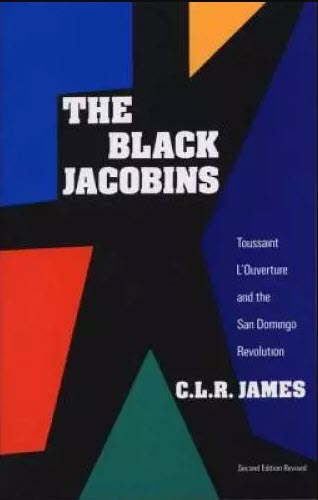
The Black Jacobins: Toussaint L’Ouverture and the San Domingo Revolution_eBook and Audiobook with Confronting Black Jacobins, Dr. Gerald Horne (eBook and Auiobook) and The Black Jacobins Reader

Last Updated 12-15-2024

Book Summary

“The Black Jacobins” is a historical account by C.L.R. James that explores the Haitian Revolution (1791-1804) and the role of its leader, Toussaint L’Ouverture. The book examines the interplay of class, race, and power in the struggle for Haitian independence from French colonial rule. James presents a detailed narrative of the events leading to the revolution, the complexity of the social dynamics involved, and the impact of the revolution on the wider world. Through the lens of L’Ouverture’s life and leadership, the book highlights the struggle for freedom and equality, making it a significant work in the study of history, race, and revolution.

The following outline encapsulates the major themes and structure of C.L.R. James’s seminal work, emphasizing the significance of the Haitian Revolution and its leader in the context of world history.

Outline of “The Black Jacobins”

  • Introduction
    • Context of the Haitian Revolution
    • Importance of Toussaint L’Ouverture
    • Themes of race, class, and revolution
  • Part I: The Setting
    • Colonialism in Saint-Domingue
      • Overview of the plantation economy
      • Social hierarchy: whites, free people of color, and enslaved people
    • Influence of the French Revolution
      • Impact of Enlightenment ideas
      • The rise of revolutionary sentiments
  • Part II: The Revolution Begins
    • Initial uprisings of enslaved people
    • Toussaint L’Ouverture’s early involvement
    • Key figures in the revolution
    • The role of external forces (France, Britain, Spain)
  • Part III: Toussaint L’Ouverture’s Leadership
    • Rise to power and political strategies
    • Military campaigns and tactics
    • Balancing alliances with France and other powers
    • Vision for Haiti and abolition of slavery
  • Part IV: Internal Conflicts
    • Tensions among revolutionary leaders
    • Class divisions within the revolutionary movement
    • The challenge of governance and social order
  • Part V: The Fall of Toussaint
    • Betrayal and capture by the French
    • Impact of his leadership on the revolution’s course
    • The rise of Jean-Jacques Dessalines and others
  • Conclusion: The Legacy of the Revolution
    • Outcomes of the Haitian Revolution
    • Influence on global movements for freedom and equality
    • Reflections on race and colonialism

The Black Jacobins_eBook

A classic and impassioned account of the first revolution in the Third World.This powerful, intensely dramatic book is the definitive account of the Haitian Revolution of 1794-1803, a revolution that began in the wake of the Bastille but became the model for the Third World liberation movements from Africa to Cuba. It is the story of the French colony of San Domingo, a place where the brutality of master toward slave was commonplace and ingeniously refined. And it is the story of a barely literate slave named Toussaint L’Ouverture, who led the black people of San Domingo in a successful struggle against successive invasions by overwhelming French, Spanish, and English forces and in the process helped form the first independent nation in the Caribbean.

Pop the documents out from the upper right to read / expand / download.

The Black Jacobins_Audiobook

Confronting Black Jacobins, Dr. Gerald Horne_eBook

Book Summary

“Confronting Black Jacobins” by Dr. Gerald Horne is an exploration of the historical context and implications of the Haitian Revolution, focusing on the revolutionary figures, particularly Toussaint L’Ouverture, and the broader impact on the Atlantic world.

The following overview and outline provides a structured capsule of the major themes and topics discussed in “Confronting Black Jacobins,” highlighting Dr. Horne’s analysis of the Haitian Revolution and its lasting significance.

Overview

  • Historical Context: The book situates the Haitian Revolution within the larger scope of the Atlantic slave trade and the French Revolution.
  • Key Figures: It examines the lives and contributions of important figures, especially Toussaint L’Ouverture, and their roles in challenging colonial power.
  • Impact of the Revolution: Horne discusses the implications of Haiti’s independence for slavery, colonialism, and race relations in the Americas and Europe.
  • Racial Dynamics: The narrative addresses the intersection of race, class, and revolution, highlighting how these elements influenced the struggle for freedom.
  • Legacy and Memory: The book reflects on how the Haitian Revolution has been remembered and misremembered in historical narratives.

Outline

  1. Introduction
    • Overview of the Haitian Revolution
    • Significance in world history
  2. Historical Background
    • The Atlantic slave trade and its impact
    • The role of colonial powers, especially France
  3. Key Figures
    • Toussaint L’Ouverture
      • Early life and rise to power
      • Military strategies and leadership
    • Other notable leaders
      • Jean-Jacques Dessalines
      • Henri Christophe
  4. The Revolution Begins
    • Factors leading to the uprising
    • Initial revolts and their suppression
  5. French Revolution Influence
    • Connection to the French Revolution
    • Ideological underpinnings and inspirations
  6. International Reactions
    • Responses from colonial powers
    • The impact on slave societies in the Americas
  7. Struggles for Control
    • Internal conflicts among revolutionary leaders
    • The role of external forces, including the U.S. and Britain
  8. Haiti’s Independence
    • Declaration of independence and its significance
    • Immediate consequences for Haiti and the region
  9. Legacy of the Haitian Revolution
    • Influence on abolitionist movements
    • Ongoing struggles for racial equality and social justice
  10. Conclusion
    • Reflection on the memory of the Haitian Revolution
    • Its relevance to contemporary issues of race and freedom

Confronting Black Jacobins, Dr. Gerald Horne_Audiobook

Audio start in earnest (Introduction) and corresponds to page 8 of the above Reader.

Part 1

Part 2

The Black Jacobins Reader

Containing a wealth of new scholarship and rare primary documents, The Black Jacobins Reader provides a comprehensive analysis of C. L. R. James’s classic history of the Haitian Revolution. In addition to considering the book’s literary qualities and its role in James’s emergence as a writer and thinker, the contributors discuss its production, context, and enduring importance in relation to debates about decolonization, globalization, postcolonialism, and the emergence of neocolonial modernity. The Reader also includes the reflections of activists and novelists on the book’s influence and a transcript of James’s 1970 interview with Studs Terkel.

Learn more in RBG Communiversity Knowledge Media eLibrary:

SUPPLEMENTAL: CLR JAMES VS MARCUS GARVEY

Remember: Pop the documents out from the upper right to read / expand / download.

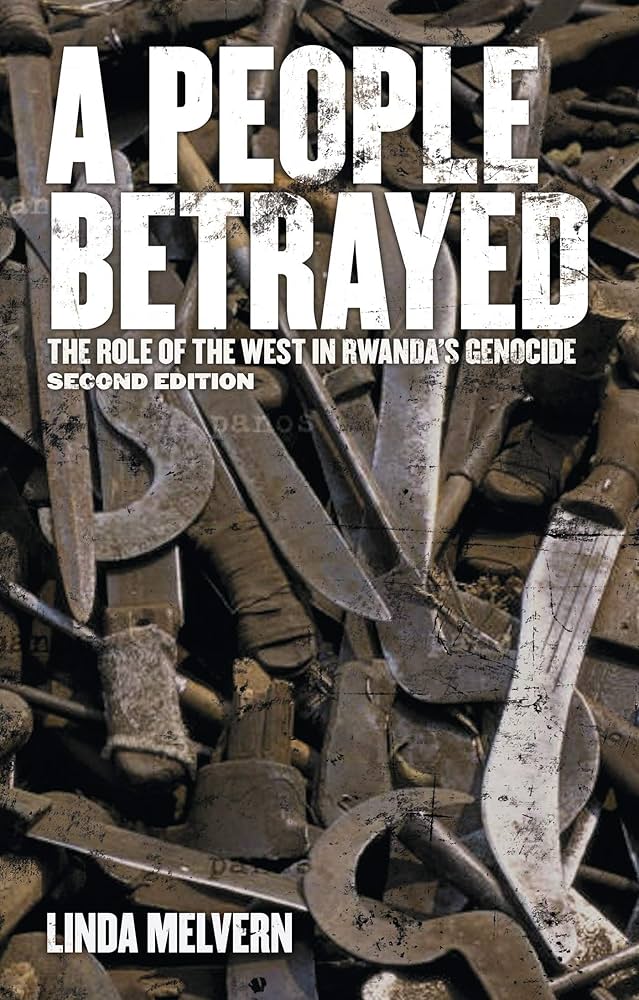
A People Betrayed: The Role of the West in Rwanda’s Genocide by Linda Melvern_eBook and Audiobook, with Supplemental_Rwanda: A Nation Resilient in the Aftermath of Genocide, by Samuel Totten

Book Summary

“A People Betrayed: The Role of the West in Rwanda’s Genocide” by Linda Melvern offers a critical analysis of the international community’s failure to prevent and respond to the Rwandan genocide that occurred in 1994. The book examines the political, social, and historical contexts that led to the genocide, focusing on the complicity and inaction of Western governments and organizations. Melvern argues that the West’s neglect and misguided policies significantly contributed to the scale of the tragedy, highlighting the moral responsibilities of the international community in the face of human rights atrocities.

Essential Themes and Historical Context:

  1. Introduction to the Rwandan Genocide
    • Overview of the genocide and its historical significance
    • Introduction to the themes of betrayal and complicity
  2. Historical Background
    • Exploration of Rwanda’s colonial history and ethnic tensions
    • The impact of Belgian colonialism on Hutu-Tutsi relations
    • Key events leading up to the genocide, including the civil war
  3. The Build-Up to Genocide
    • Analysis of the political climate in Rwanda in the early 1990s
    • The role of propaganda and hate speech in inciting violence
    • Examination of the Rwandan Patriotic Front (RPF) and its goals
  4. International Response and Inaction
    • Evaluation of the United Nations’ involvement prior to and during the genocide
    • Critique of Western governments’ policies and actions (or lack thereof)
    • Discussion on the role of NGOs and humanitarian organizations
  5. The Genocide Unfolds
    • Detailed account of the events during the genocide from April to July 1994
    • Personal testimonies and narratives of survivors
    • Examination of the tactics used by perpetrators and the scale of violence
  6. Consequences of Inaction
    • Analysis of the aftermath of the genocide and its global implications
    • The long-term effects on Rwandan society and regional stability
    • Discussion of accountability and justice for the perpetrators
  7. Lessons Learned and Unlearned
    • Reflection on the lessons from the Rwandan genocide for international relations
    • Examination of how the genocide has influenced humanitarian intervention policies
    • Critique of the ongoing failures to address similar crises worldwide
  8. Conclusion
    • Summary of key arguments and insights from Melvern’s analysis
    • Call for recognition of moral responsibility in preventing future genocides

A People Betrayed: The Role of the West in Rwanda’s Genocide_eBook

In Rwanda in 1994 one million people were killed in a planned, public and political campaign. For six years Linda Melvern has worked on the story of this horrendous crime, and this book, a classic piece of investigative journalism, is the result. Its new and startling information has the making of an international scandal. The book contains a full narrative account of how the genocide unfolded and describes its scale, speed and intensity. And the book provides a terrible indictment, not just of the UN Security Council, but even more so of governments and individuals who could have prevented what was happening but chose not to do so. Drawing on a series of in-depth interviews, the author also tells the story of the unrecognized heroism of those who stayed on during the genocide – volunteer UN peacekeepers, their Force Commander the Canadian Lt.-General Romeo A. Dallaire, and Philippe Gaillard, the head of a delegation of the International Committee of the Red Cross, helped by medical teams from Medecins Sans Frontieres. The international community, which fifty years ago resolved that genocide never happened again, not only failed to prevent it happening in Rwanda, but, as this book shows, international funds intended to help the Rwandan economy actually helped to create the conditions that made the genocide possible. Documents held in Kigali, the Rwandan capital, as well as hitherto unpublished evidence of secret UN Security Council deliberations in New York, reveal a shocking sequence of events.
What happened in Rwanda shows that despite the creation of an organization set up to prevent a repetition of genocide – for the UN is central to this task – it failed to do so, even when the evidence was indisputable. At a time when increasing attention is being given to the need for UN reform, this book provides evidence to urgently accelerate and focus that process. Only by understanding how and why the genocide happened can there be any hope that this new century will break with the dismal record of the last.

Pop the documents out from the upper right to read / expand / download.

A People Betrayed: The Role of the West in Rwanda’s Genocide_Audiobook

Audio start in earnest (Rwanda Genocide April 1994 @ 4 mins. 55 sec.) and corresponds to page 14 of the above Reader.

Part 1

Part 2

Supplemental_Rwanda: A Nation Resilient in the Aftermath of Genocide, by Samuel Totten

Learn more in RBG Communiversity Knowledge Media eLibrary: