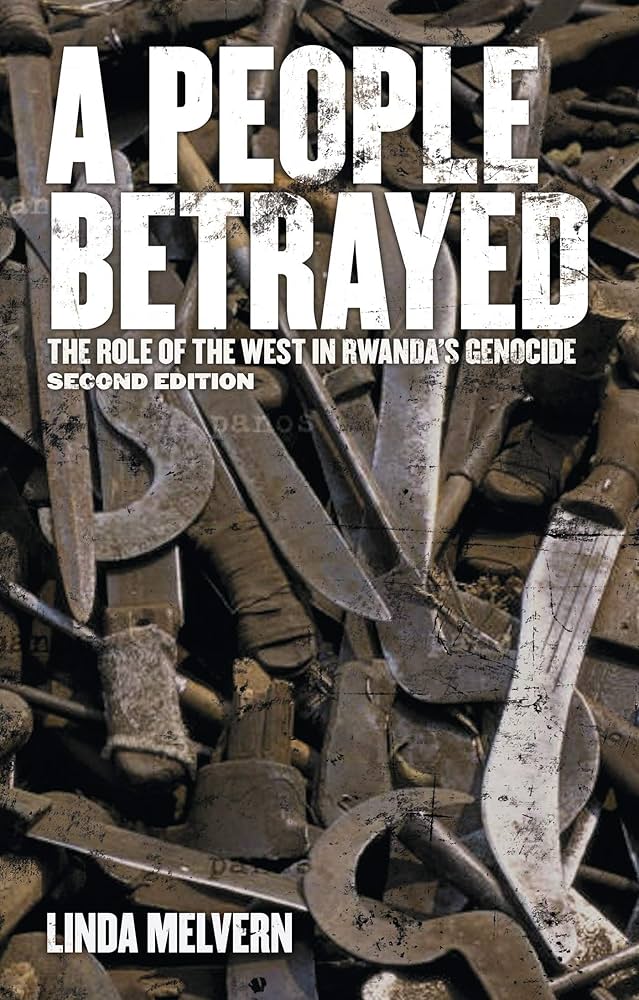
A People Betrayed: The Role of the West in Rwanda’s Genocide by Linda Melvern_eBook and Audiobook, with Supplemental_Rwanda: A Nation Resilient in the Aftermath of Genocide, by Samuel Totten

Book Summary

“A People Betrayed: The Role of the West in Rwanda’s Genocide” by Linda Melvern offers a critical analysis of the international community’s failure to prevent and respond to the Rwandan genocide that occurred in 1994. The book examines the political, social, and historical contexts that led to the genocide, focusing on the complicity and inaction of Western governments and organizations. Melvern argues that the West’s neglect and misguided policies significantly contributed to the scale of the tragedy, highlighting the moral responsibilities of the international community in the face of human rights atrocities.

Essential Themes and Historical Context:

  1. Introduction to the Rwandan Genocide
    • Overview of the genocide and its historical significance
    • Introduction to the themes of betrayal and complicity
  2. Historical Background
    • Exploration of Rwanda’s colonial history and ethnic tensions
    • The impact of Belgian colonialism on Hutu-Tutsi relations
    • Key events leading up to the genocide, including the civil war
  3. The Build-Up to Genocide
    • Analysis of the political climate in Rwanda in the early 1990s
    • The role of propaganda and hate speech in inciting violence
    • Examination of the Rwandan Patriotic Front (RPF) and its goals
  4. International Response and Inaction
    • Evaluation of the United Nations’ involvement prior to and during the genocide
    • Critique of Western governments’ policies and actions (or lack thereof)
    • Discussion on the role of NGOs and humanitarian organizations
  5. The Genocide Unfolds
    • Detailed account of the events during the genocide from April to July 1994
    • Personal testimonies and narratives of survivors
    • Examination of the tactics used by perpetrators and the scale of violence
  6. Consequences of Inaction
    • Analysis of the aftermath of the genocide and its global implications
    • The long-term effects on Rwandan society and regional stability
    • Discussion of accountability and justice for the perpetrators
  7. Lessons Learned and Unlearned
    • Reflection on the lessons from the Rwandan genocide for international relations
    • Examination of how the genocide has influenced humanitarian intervention policies
    • Critique of the ongoing failures to address similar crises worldwide
  8. Conclusion
    • Summary of key arguments and insights from Melvern’s analysis
    • Call for recognition of moral responsibility in preventing future genocides

A People Betrayed: The Role of the West in Rwanda’s Genocide_eBook

In Rwanda in 1994 one million people were killed in a planned, public and political campaign. For six years Linda Melvern has worked on the story of this horrendous crime, and this book, a classic piece of investigative journalism, is the result. Its new and startling information has the making of an international scandal. The book contains a full narrative account of how the genocide unfolded and describes its scale, speed and intensity. And the book provides a terrible indictment, not just of the UN Security Council, but even more so of governments and individuals who could have prevented what was happening but chose not to do so. Drawing on a series of in-depth interviews, the author also tells the story of the unrecognized heroism of those who stayed on during the genocide – volunteer UN peacekeepers, their Force Commander the Canadian Lt.-General Romeo A. Dallaire, and Philippe Gaillard, the head of a delegation of the International Committee of the Red Cross, helped by medical teams from Medecins Sans Frontieres. The international community, which fifty years ago resolved that genocide never happened again, not only failed to prevent it happening in Rwanda, but, as this book shows, international funds intended to help the Rwandan economy actually helped to create the conditions that made the genocide possible. Documents held in Kigali, the Rwandan capital, as well as hitherto unpublished evidence of secret UN Security Council deliberations in New York, reveal a shocking sequence of events.
What happened in Rwanda shows that despite the creation of an organization set up to prevent a repetition of genocide – for the UN is central to this task – it failed to do so, even when the evidence was indisputable. At a time when increasing attention is being given to the need for UN reform, this book provides evidence to urgently accelerate and focus that process. Only by understanding how and why the genocide happened can there be any hope that this new century will break with the dismal record of the last.

Pop the documents out from the upper right to read / expand / download.

A People Betrayed: The Role of the West in Rwanda’s Genocide_Audiobook

Audio start in earnest (Rwanda Genocide April 1994 @ 4 mins. 55 sec.) and corresponds to page 14 of the above Reader.

Part 1

Part 2

Supplemental_Rwanda: A Nation Resilient in the Aftermath of Genocide, by Samuel Totten

Learn more in RBG Communiversity Knowledge Media eLibrary:

War Against the Weak_Eugenics and America’s Campaign to Create a Master Race (Expanded Edition) eBook and Audiobook, by Edwin Black

Book Summary

“War Against the Weak: Eugenics and America’s Campaign to Create a Master Race” by Edwin Black explores the history of the eugenics movement in the United States, its philosophical underpinnings, and its impact on society. The book details how eugenics influenced policies aimed at controlling human reproduction, promoting racial purity, and ultimately, how these ideas contributed to the horrors of the Holocaust. Black argues that the eugenics movement was not only a European phenomenon but had deep roots and significant implementation in America.

Topics the Book Covers:

  1. Introduction to Eugenics
    • Definition and origins of eugenics
    • Overview of key figures in the movement
  2. The Philosophical Foundations
    • Social Darwinism and its influence
    • The role of science and pseudoscience in promoting eugenics
  3. Eugenics in America
    • Early eugenics movements in the U.S.
    • Key organizations and individuals involved (e.g., American Eugenics Society)
    • Public support and government endorsement
  4. Legislation and Policies
    • Overview of significant laws (e.g., sterilization laws)
    • Case studies of states implementing eugenics policies
    • Impact on marginalized groups (disabled, minorities)
  5. Eugenics and Immigration
    • How eugenics influenced immigration policies
    • Racial and ethnic discrimination in immigration laws
  6. The Role of Institutions
    • Eugenics in education and public health
    • The involvement of universities and medical institutions
  7. International Influence
    • American eugenics’ impact on Nazi Germany
    • The transfer of ideas and practices across borders
  8. Public Backlash and Decline
    • Critiques and challenges to eugenics
    • The eventual decline of the movement post-World War II
  9. Legacy of Eugenics
    • Lasting effects on American society and policies
    • Modern implications and ethical discussions
  10. Conclusion: Reflections on the moral lessons of the eugenics movement and call for awareness and vigilance against similar ideologies today.

War Against the Weak_eBook

War Against the Weak is the gripping chronicle documenting how American corporate philanthropies launched a national campaign of ethnic cleansing in the United States, helped found and fund the Nazi eugenics of Hitler and Mengele — and then created the modern movement of “human genetics.” Some 60,000 Americans were sterilized under laws in 27 states. This expanded edition includes two new essays on state genocide.

Pop the document out from the upper right to read / expand / download.

War Against the Weak_Audiobook

Part 1

Audio start in earnest (Introduction @ 15 mins. 38 sec.) and corresponds to page 20 of the above Reader.

Part 2

Learn more in RBG Communiversity Knowledge Media eLibrary:

Late Victorian Holocausts_El Niño Famines and the Making of the Third World_eBook and Audiobook, (Essential Mike Davis)

NB: “The Victorian era spans the 63 years of Queen Victoria’s reign over Great Britain and Ireland from 1837 until her death in 1901.”

Book Summary

“Late Victorian Holocausts: El Niño Famines and the Making of the Third World” by Mike Davis is a critical examination of the catastrophic famines that struck various regions during the late 19th century, particularly in India, China, and parts of Africa. The book explores the interplay between global climatic events, specifically the El Niño phenomenon, and the economic and political structures of colonialism that exacerbated these disasters. Davis argues that the famines were not merely natural occurrences but were significantly shaped by imperial policies and practices that prioritized profit over human life. The work critiques the historical narratives surrounding these events and highlights their role in the emergence of the modern “Third World.”

Essential Themes and Historical Context:

  1. Introduction
    • Overview of the book’s thesis and objectives
    • Introduction to the concepts of climate, famine, and imperialism
    • The significance of the El Niño phenomenon in global history
  2. The El Niño Phenomenon
    • Explanation of the El Niño climate pattern and its effects
    • Historical instances of El Niño-related weather anomalies
    • The relationship between climate variability and agricultural production
  3. Famines of the Late Victorian Era
    • Detailed accounts of major famines in India, China, and Africa during the late 19th century
    • Examination of the scale and impact of these famines on local populations
    • Case studies of specific famines and their socio-economic contexts
  4. Colonial Policies and Economic Exploitation
    • Analysis of colonial practices that contributed to famine conditions
    • The role of cash crop economies and land dispossession
    • Critique of British colonial governance and its neglect of local needs
  5. Racial and Class Dimensions of Famine
    • Exploration of how race and class influenced the severity of famine impacts
    • Discussion of the social hierarchies that shaped access to resources
    • The role of discrimination in the distribution of aid and relief efforts
  6. Resistance and Responses to Famine
    • Examination of local responses to famine crises
    • Accounts of resistance movements and community solidarity
    • The role of international humanitarian efforts and their limitations
  7. The Legacy of Late Victorian Famines
    • Reflection on the long-term consequences of these famines for affected regions
    • Discussion of how these events contributed to the formation of the “Third World”
    • Analysis of the historical memory and narratives surrounding colonial famines
  8. Conclusion
    • Summary of key arguments and insights from Davis’s analysis
    • Call for recognition of the interconnectedness of climate, economy, and imperialism
    • Implications for contemporary discussions on food security and climate justice

This global environmental and political history “will redefine the way we think about the European colonial project” (Observer). “

Late Victorian Holocausts_eBook

Late Victorian Holocausts. … sets the triumph of the late 19th-century Western imperialism in the context of catastrophic El Niño weather patterns at that time . . . groundbreaking, mind-stretching.” —The Independent

Examining a series of El Niño-induced droughts and the famines that they spawned around the globe in the last third of the 19th century, Mike Davis discloses the intimate, baleful relationship between imperial arrogance and natural incident that combined to produce some of the worst tragedies in human history. Late Victorian Holocausts focuses on three zones of drought and subsequent famine: India, Northern China; and Northeastern Brazil. All were affected by the same global climatic factors that caused massive crop failures, and all experienced brutal famines that decimated local populations. But the effects of drought were magnified in each case because of singularly destructive policies promulgated by different ruling elites. Davis argues that the seeds of underdevelopment in what later became known as the Third World were sown in this era of High Imperialism, as the price for capitalist modernization was paid in the currency of millions of peasants’ lives.

Pop the document out from the upper right to read / expand / download.

Late Victorian Holocausts_Audiobook

Part 1

Part 2

Learn more in RBG Communiversity Knowledge Media eLibrary:

How The British Used Opium To Cripple An Ancient Superpower | Empires Of Silver Documentary (Full Series) and The Opium Wars In China_Asia Pacific Curriculum and SUPPLEMEMTAL_Essays By Dr. Peter C. Perdue on “The First Opium War”

Credit: From document below

5 Video Playlist

Pop the document out from the upper right to read / expand / download.

Source link: https://asiapacificcurriculum.ca/learning-module/opium-wars-china

SUPPLEMENTAL: The Opium Wars of 1839 to 1842 and 1856, Essays by Dr. Peter C. Perdue_MIT Visualizing Cultures.pdf

Learn more in RBG Communiversity eLibrary: The Opium Wars In China_Asia Pacific Curriculum Packet for download

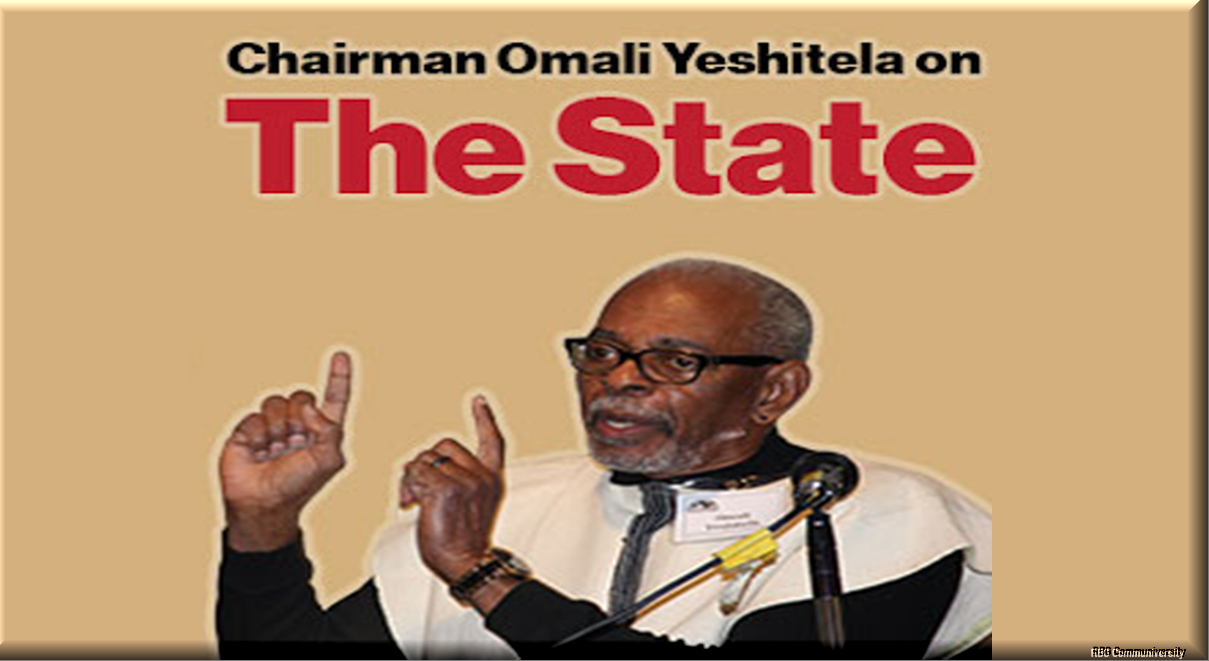
Understanding The State_ Chairman Omali Yeshitela| A Multimedia Course of Study, with SUPPLEMENTAL_From Joe Waller to Omali Yeshitela_ How a Controversial Mural Changed a Man_Anita Richway Cutting Honors Thesis

“What is the State? The State is this organized bureaucracy. It is the police department. It is the army, the navy. It is the prison system, the courts, and what have you. This is the State — it is a repressive organization.” Chairman Omali Yeshitela breaks down the colonial State. He shows us how and why the State is murdering our children and why we need Black Community Control of Police.

Pop the document out from the upper right to read / expand / download.

Student’s Guide: The State

Introduction:

From Think RBG_Knowledge is Power Video Player

Understanding The State_ Chairman Omali Yeshitela Video|#Omali Taught Me

Audio Starts @11:00 mins.

Understanding The State_ Omali and Hess PowerPoint Booklet for Read / Study / Download.

This is an Analysis on The State, U.S.-backed counterinsurgencies and successful resistance movements of oppressed, colonized people throughout history. This presentation is based on the political theory of the Uhuru Movement and was developed by Chairman Omali Yeshitela and Penny Hess, Chairwoman of the African People’s Solidarity Committee (APSC), white people organizing solidarity with the African liberation movement. APSC works under the leadership of the Uhuru Movement, led by the African People’s Socialist Party.

Vladimir Lenin_THE STATE and REVOIUTION

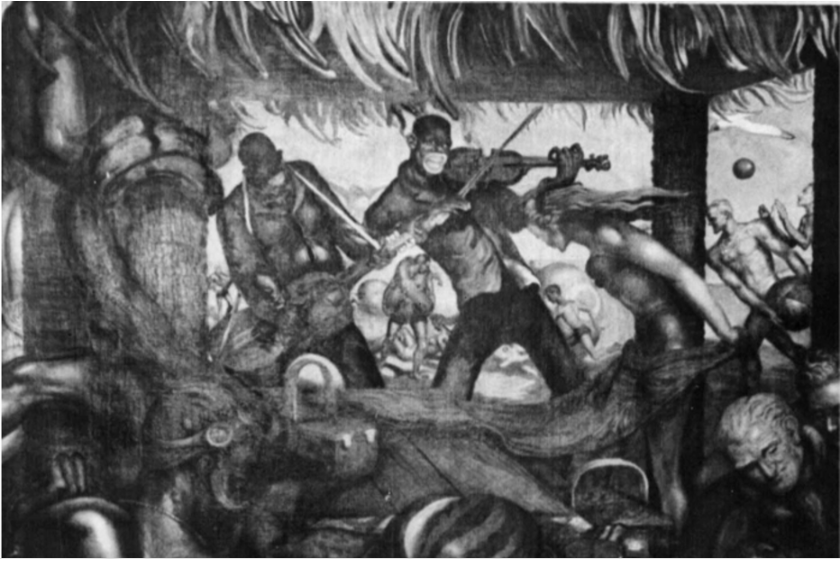
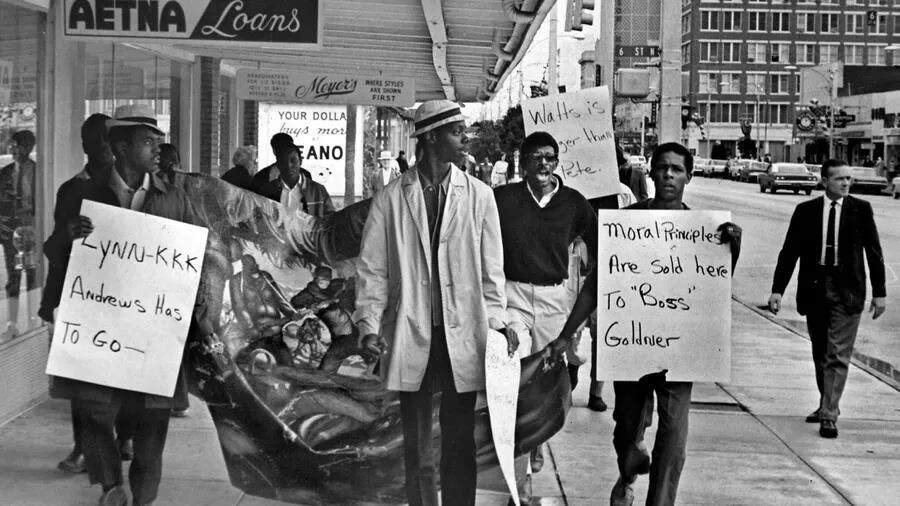
SUPPLEMENTAL: From Joe Waller to Omali Yeshitela_ How a Controversial Mural Changed a Man_Anita Richway Cutting Honors Thesis

Credit: Figure 13. Photo of George Snow Hill’s mural for St. Petersburg City Hall, “Picnicking at Pass-a-Grille.” His depiction of two black musicians as minstrels playing for a white gathering of picnic-goers set off a firestorm of controversy in 1966, and resulted in the mural’s destruction.

Pop the document out from the upper right to read / expand / download.

Source: Joe Waller and a group of men in 1966, just before they were arrested for ripping down the mural which hung in St. Petersburg City Hall. [ JESSE MOORE | Times (1966) ]

Freedom Summer Sunday Rally, 07-14-2024_ The Burning Spear TV

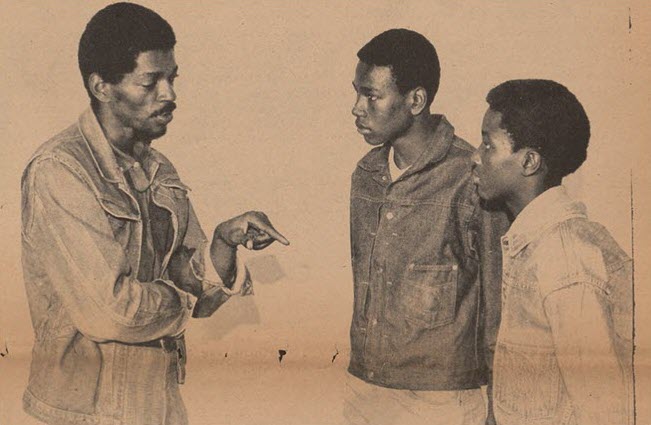
From: Burning Spear_Junta of Militant Organizations, December 22, 1969. Vol. 1 No. 1, Inside RBG Communiversity eLibrary, Burning Spear Newspaper Collection.