Uhuru, Comrades! Welcome to the third week of the #OmaliTaughtMe special series reading the #PoliticalReport to the 7th Congress of the African People’s Socialist Party. This week’s #SundayStudy will be covering Chapter 3 titled “How the Party Survived the Counterinsurgency.”
Uhuru, Comrades! Welcome to this week’s episode of the #OmaliTaughtMe LIVE special series where we will be reading the #PoliticalReport to the 7th Congress of the African People’s Socialist Party. We will be covering Chapter 4 titled “The Deepening Crisis of Imperialism: The Tipping Point of the Uneasy Equilibrium.”
For new comers, pop the document out from the upper right to read / expand / download.
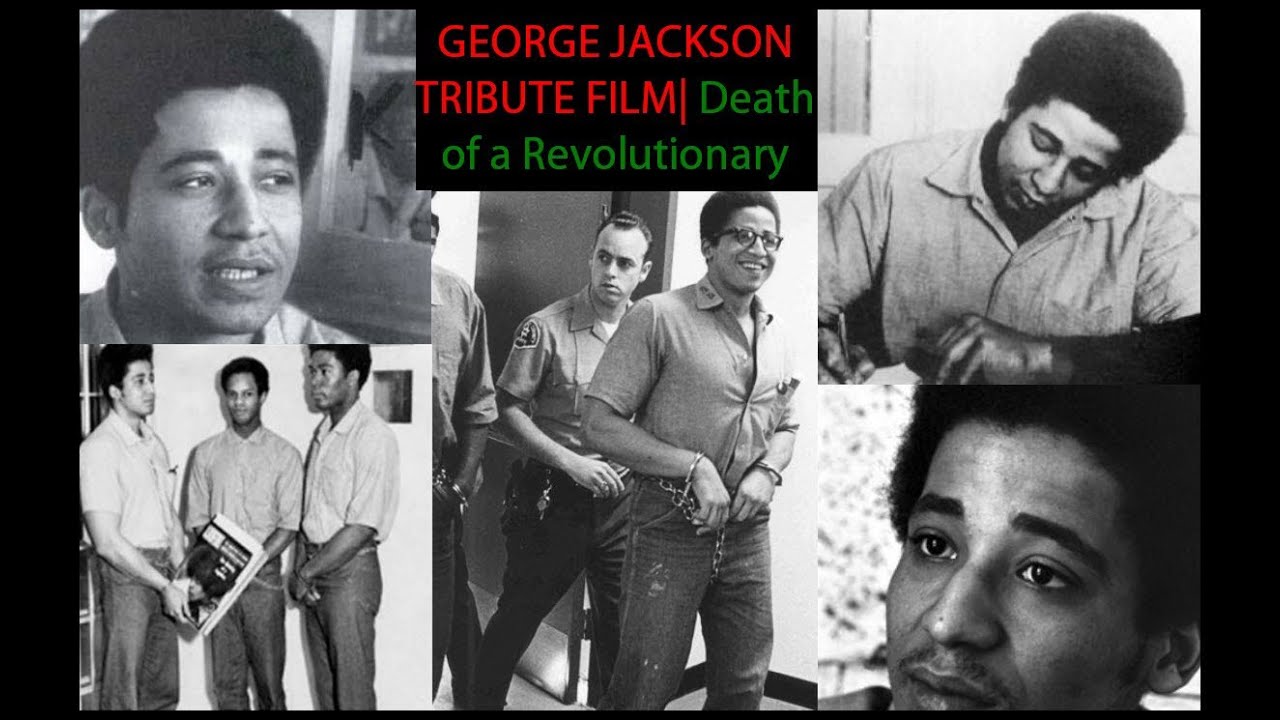
Black August originated in the concentration camps of California to honor fallen Freedom Fighters, Jonathan Jackson, George Jackson, William Christmas, James McClain and Khatari Gaulden. Jonathan Jackson was gunned down outside the Marin County California courthouse on August 7, 1970 as he attempted to liberate three imprisoned Black Liberation Fighters: James McClain, William Christmas and Ruchell Magee.
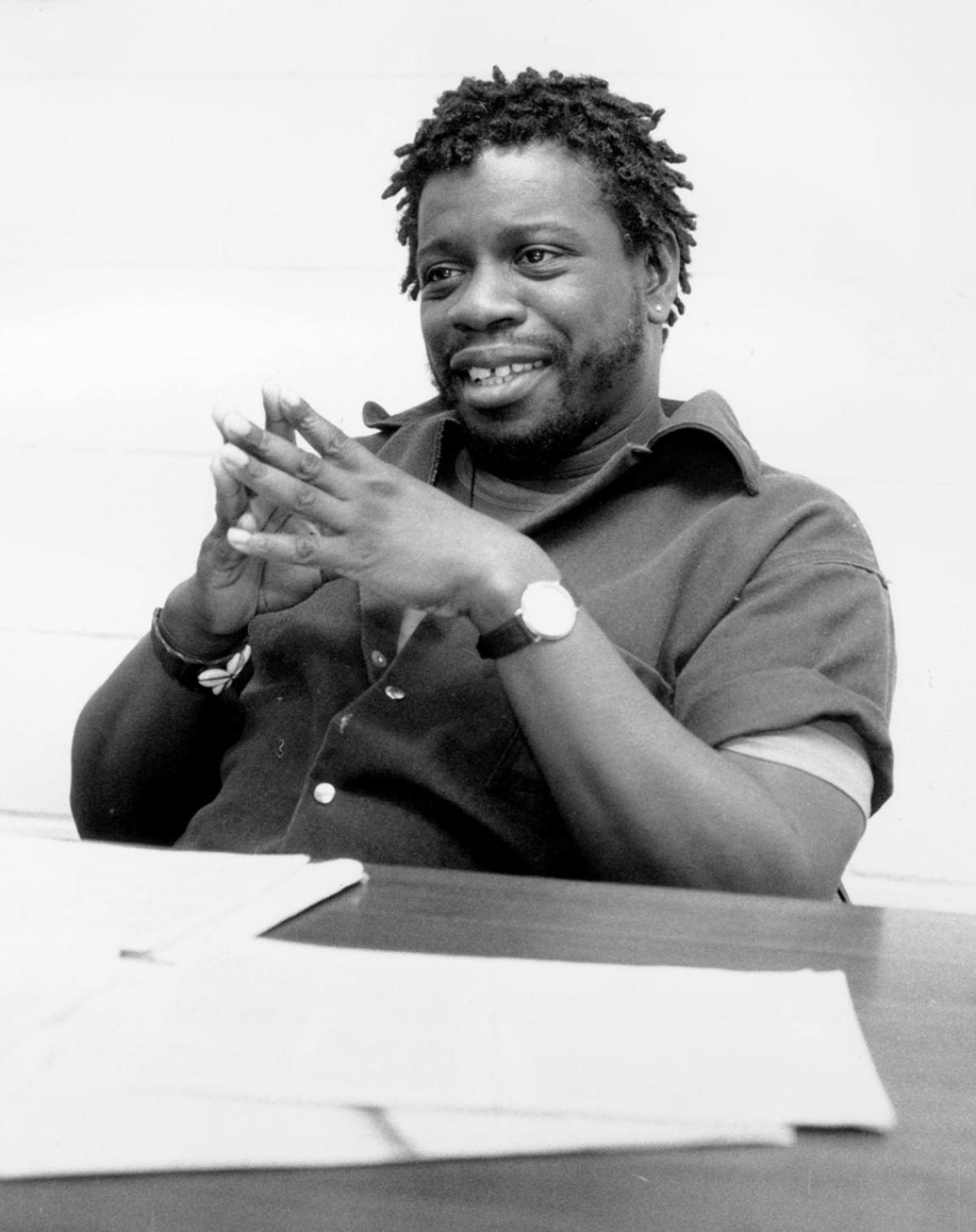
Ruchell Mageeis the sole survivor of that armed rebellion. He is the former co-defendant of Angela Davis and has been locked down for 40 years, most of it in solitary confinement. George Jackson was assassinated by prison guards during a Black prison rebellion at San Quentin on August 21, 1971. Three prison guards were also killed during that rebellion and prison officials charged six Black and Latino prisoners with the death of those guards. These six brothers became known as the San Quentin Six. To honor these fallen soldiers the brothers who participated in the collective founding of Black August wore black armbands on their left arm and studied revolutionary works, focusing on the works of George Jackson…
They Executed Their Own Lawyer, Murdered Huey Newton & Ran Prisons Like Cartels_ The BGF’s Story
Click for standalone poster.Click for Full Size Standalone Poster.
Webb was found dead in his Carmichael home on December 10, 2004, with two gunshot wounds to the head. His death was ruled a suicide by the Sacramento County coroner’s office ???
For new comers, pop the document out from the upper right to read / expand / download.
RBG Comprehensive Drug Abuse Prevention Education & Discussion Forum: 4 Lessons: An Interactive PDF
Pop the document out from the upper right to read / expand / download.

 Uhuru, Comrades! Welcome to the third week of the #OmaliTaughtMe special series reading the #PoliticalReport to the 7th Congress of the African People’s Socialist Party. This week’s #SundayStudy will be covering Chapter 3 titled “How the Party Survived the Counterinsurgency.”







You must be logged in to post a comment.