
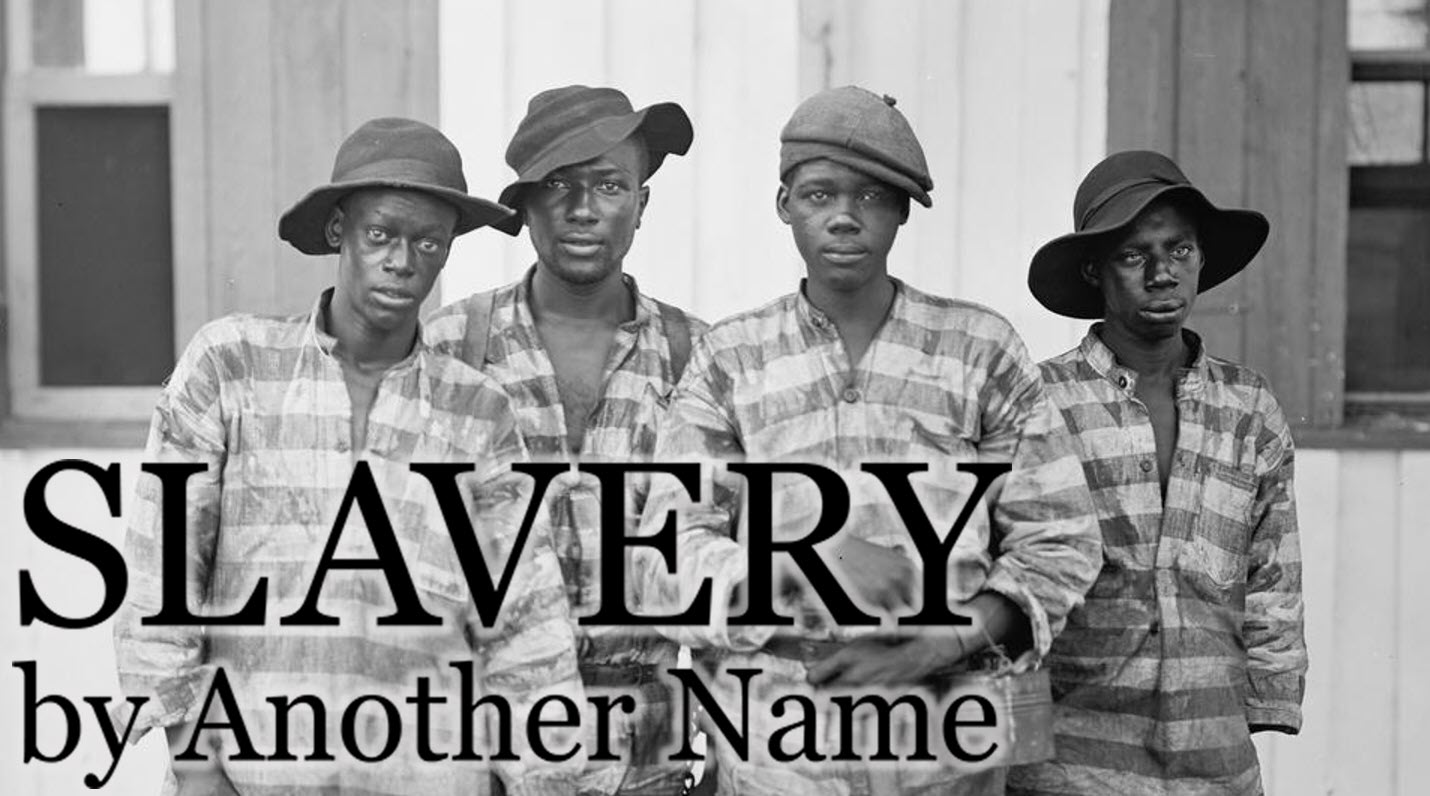
The 13th Amendment to the United States Constitution provides that “Neither slavery nor involuntary servitude, except as a punishment for crime whereof the party shall have been duly convicted, shall exist within the United States, or any place subject to their jurisdiction.”
Book Summary

Douglas A. Blackmon’s “Slavery by Another Name: The Re-Enslavement of Black Americans from the Civil War to World War II” explores the continuation of forced labor and systemic oppression of Black Americans in the decades following the Civil War. The book argues that despite the abolition of slavery, many African Americans were subjected to new forms of servitude that mirrored the conditions of slavery.
The overview and outline that follows provides a structured look at the contents of Blackmon’s “Slavery by Another Name,” encapsulating the main themes and historical significance of the re-enslavement of Black Americans post-Civil War and its enduring legacy.
Overview:
- Historical Context: The book examines the period from the end of the Civil War through World War II, highlighting how economic, social, and legal systems perpetuated the exploitation of Black Americans.
- Convict Leasing System: Blackmon focuses on the convict leasing system, where African Americans were often arrested on dubious charges and forced into labor for private companies, effectively re-enslaving them.
- Economic Exploitation: The narrative details how Southern states and businesses exploited Black labor to rebuild the economy after the Civil War, using tactics that included intimidation, violence, and legal manipulation.
- Personal Stories: The book interweaves personal narratives and testimonies of individuals affected by these practices, providing a human face to the historical analysis.
- Legacy and Impact: Blackmon discusses the long-term effects of these practices on African American communities and how they laid the groundwork for ongoing racial inequality and injustice.
Outline:
- Introduction
- Purpose of the book
- Overview of the argument regarding the continuity of slavery-like conditions
- Chapter 1: The End of the Civil War
- The immediate aftermath of the Civil War and abolition of slavery
- Initial hopes and challenges faced by newly freed Black Americans
- Chapter 2: The Rise of Jim Crow
- The establishment of Jim Crow laws and systemic racism
- How these laws facilitated the re-enslavement of Black Americans
- Chapter 3: The Convict Leasing System
- Detailed description of convict leasing and how it operated
- The role of law enforcement and the judicial system in perpetuating this system
- Chapter 4: Economic Motivations
- The economic interests of Southern states and businesses in maintaining forced labor
- Analysis of how Black labor was exploited for profit
- Chapter 5: Personal Narratives
- Accounts of individuals who experienced re-enslavement
- Impact of these experiences on families and communities
- Chapter 6: Resistance and Resilience
- Examples of resistance against re-enslavement practices
- The role of Black communities in advocating for rights and reform
- Chapter 7: National Attention and Reform Movements
- The growing awareness of racial injustices and exploitation
- Efforts by activists and organizations to combat systemic oppression
- Chapter 8: The Legacy of Re-Enslavement
- Examination of the long-term effects on Black Americans and society at large
- Connections to contemporary issues of racial inequality and injustice
- Conclusion
- Summary of key themes and arguments
- Reflection on the importance of understanding this history in the context of modern America
Douglas A. Blackmon’s “Slavery by Another Name: The Re-Enslavement of Black Americans from the Civil War to World War II” is a groundbreaking work that sheds light on the continuation of racial oppression and forced labor in the United States long after the formal abolition of slavery. Here are some deeper insights into the themes, events, and significance of the book:
Key Themes and Insights:
- Continuity of Oppression:
- Blackmon argues that the end of slavery did not lead to true freedom for African Americans. Instead, a series of laws and practices emerged to maintain racial hierarchy and economic exploitation, creating a system that functioned similarly to slavery.
- Convict Leasing System:
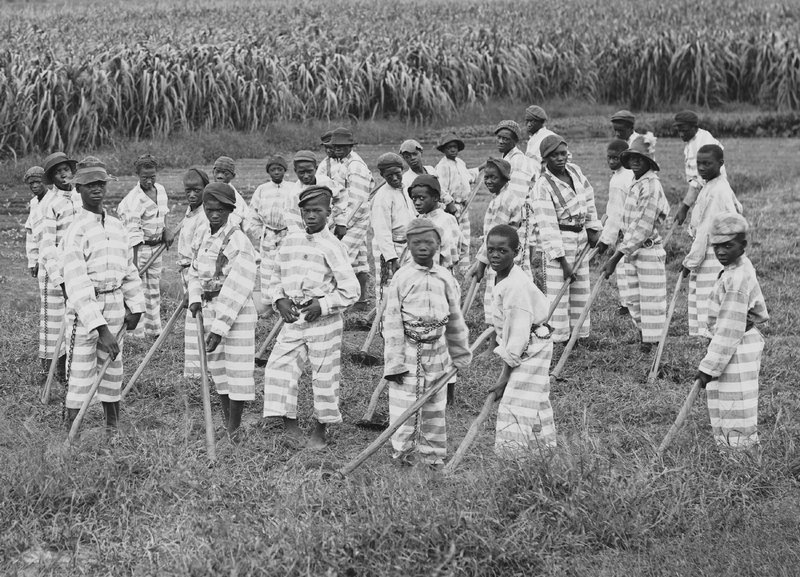
- One of the central focuses of the book is the convict leasing system, which allowed Southern states to lease convicts (often disproportionately Black men) to private companies for labor. This system became a profitable enterprise, with prisoners subjected to harsh conditions, violence, and little regard for their lives or well-being.
- Jim Crow Laws:
- Following the Reconstruction era, Jim Crow laws institutionalized racial segregation and discrimination. Blackmon details how these laws facilitated the re-enslavement of Black Americans, enforcing a social order that kept them marginalized and economically disadvantaged.
- Economic Exploitation:
- The book examines how economic interests in the South were heavily reliant on the exploitation of Black labor. Southern states and businesses sought to rebuild their economies after the Civil War by using forced labor, which was seen as a cost-effective means to achieve profitability, particularly in industries like agriculture and mining.
- Personal Narratives and Testimonies:
- Blackmon incorporates personal stories of individuals who were subjected to these oppressive systems. These narratives bring a human element to the historical analysis, illustrating the trauma and resilience of those affected. Stories of families torn apart, individuals falsely accused and imprisoned, and the struggles for dignity and justice are poignantly detailed.
- Resistance Movements:
- The author highlights the various forms of resistance against the re-enslavement practices, including protests, legal challenges, and the efforts of Black communities to advocate for their rights. This theme emphasizes the agency of Black Americans in fighting against systemic oppression.
- National Awareness and Reform:
- As the 20th century progressed, growing awareness of racial injustices began to emerge. Blackmon discusses the role of activists and organizations that brought attention to the plight of Black Americans, pushing for reforms and challenging the status quo.
- Long-term Legacy:
- The book concludes by examining the enduring legacy of these practices on contemporary American society. Blackmon argues that the historical exploitation of Black Americans laid the groundwork for ongoing issues of racial inequality, economic disparity, and social injustice that continue to affect African American communities today.
Conclusion:
“Slavery by Another Name” is a vital contribution to the understanding of American history, particularly regarding race relations and the systemic oppression of African Americans. Blackmon’s work challenges readers to recognize the complexities of freedom and the pervasive nature of racism that persisted after the Civil War. By illuminating the harsh realities of the convict leasing system and other forms of re-enslavement, the book serves as a powerful reminder of the struggles faced by Black Americans and the importance of acknowledging this history in the pursuit of justice and equality today.
The book received critical acclaim, including the Pulitzer Prize for History, and has significantly influenced scholarship on race, labor, and American history, encouraging a reevaluation of the narrative surrounding the post-Civil War era and its implications for modern society.

Slavery by Another Name_eBook
Pop the document out from the upper right to read / expand / download.
 RBG Communiversity: Message 2 Da Grassroots