
Book Summary
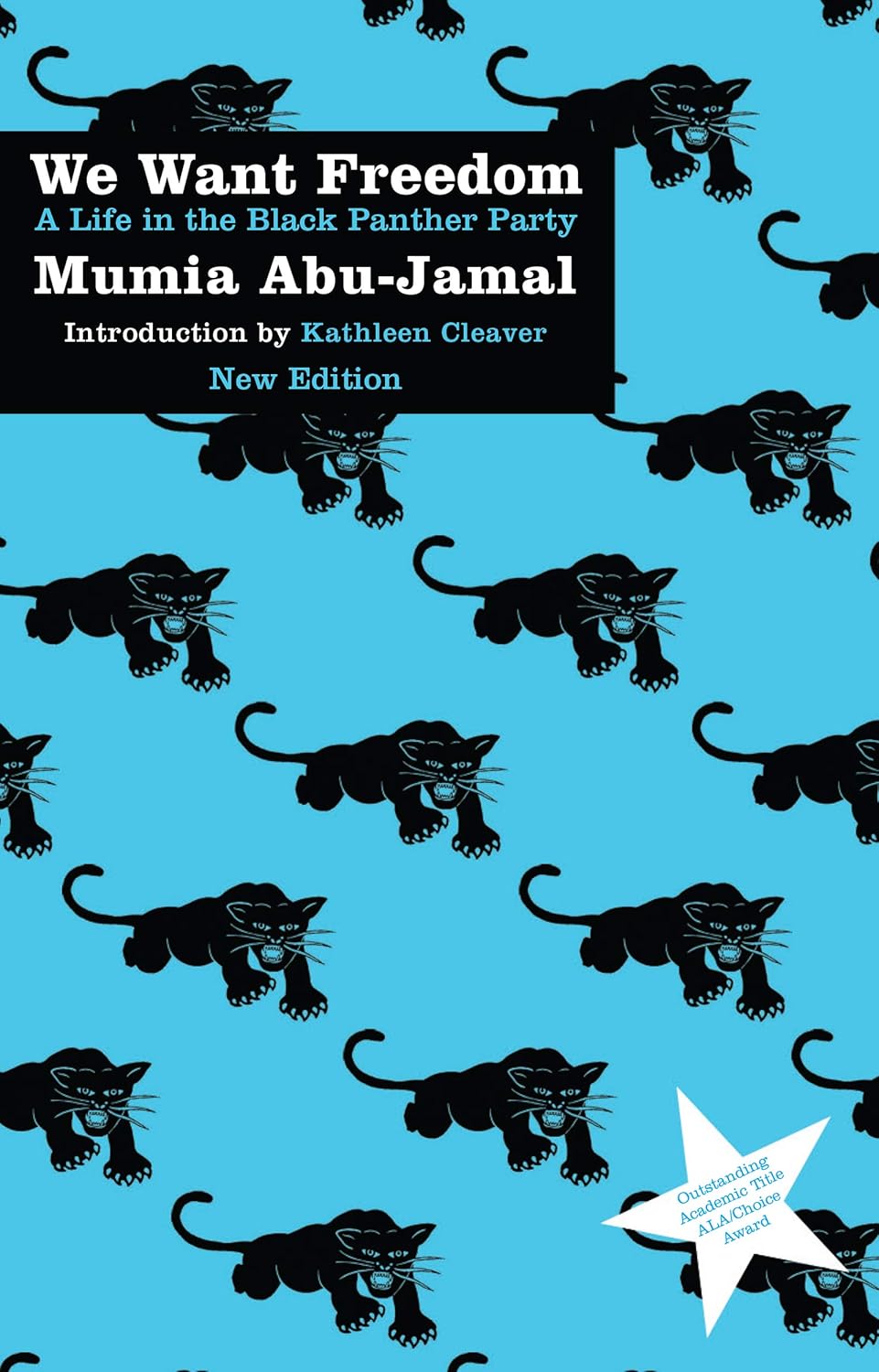
“We Want Freedom: A Life in the Black Panther Party” is a memoir by Mumia Abu-Jamal that chronicles his experiences as a member of the Black Panther Party (BPP). The book provides an intimate look at Abu-Jamal’s journey within the party, detailing the struggles, victories, and challenges faced by its members during a tumultuous period in American history. With an introduction by Kathleen Cleaver, a prominent BPP leader, the memoir explores themes of resistance, social justice, and the fight against systemic racism. Through personal anecdotes and reflections, Abu-Jamal emphasizes the importance of community, solidarity, and the enduring legacy of the Black Panther Party in the struggle for civil rights.
The outline that follows captures the main themes and structure of “We Want Freedom,” highlighting Mumia Abu-Jamal’s personal journey in the Black Panther Party and the broader implications of the party’s legacy in the ongoing struggle for civil rights. The memoir serves as both a historical account and a source of inspiration for contemporary movements advocating for social justice and equality.
Outline
I. Introduction
- Overview of Mumia Abu-Jamal’s background and significance
- Role of Kathleen Cleaver in the Black Panther Party and her contributions to the introduction
- The purpose of the memoir: to share personal experiences within the BPP
II. Early Life and Influences
- Abu-Jamal’s upbringing in a racially charged environment
- The impact of family, community, and early experiences on his political consciousness
- Introduction to radical ideas and movements that shaped his worldview
III. Joining the Black Panther Party
- The circumstances leading to Abu-Jamal’s involvement with the BPP
- Overview of the party’s founding principles and goals
- Initial experiences and impressions as a new member
IV. Activism and Community Engagement
- Description of BPP community programs (e.g., free breakfast programs, health clinics)
- The role of activism in addressing social issues and injustices
- Personal anecdotes illustrating the impact of community work
V. The Struggle Against Oppression
- Examination of the challenges faced by the BPP, including police brutality and state repression
- Key events and confrontations involving BPP members and law enforcement
- The significance of armed self-defense and the philosophy behind it
VI. Internal Dynamics and Challenges
- Insights into the internal workings of the BPP, including leadership and organizational structure
- Discussion of factionalism, ideological differences, and personal conflicts within the party
- The impact of these dynamics on the effectiveness of the BPP
VII. Legacy and Reflections
- Abu-Jamal’s reflections on the enduring legacy of the Black Panther Party
- The relevance of the BPP’s principles and actions in contemporary social justice movements
- Personal insights on the importance of resistance and community solidarity
VIII. Conclusion
- Summary of key themes and insights from Abu-Jamal’s experiences
- Call to action for continued activism and engagement in the fight for freedom and justice
- The significance of remembering the history and contributions of the Black Panther Party
“We Want Freedom: A Life in the Black Panther Party” by Mumia Abu-Jamal, with an introduction by Kathleen Cleaver, is a powerful memoir that provides a firsthand account of Abu-Jamal’s life as a member of the Black Panther Party (BPP). The book offers a deeply personal perspective on the complexities of the party’s activities, the socio-political context of the era, and the enduring impact of the BPP on contemporary struggles for justice and equality. Here’s a deeper exploration of the key themes and insights from the memoir:
Key Themes and Insights
- Personal Journey and Political Awakening:
- Abu-Jamal’s early life is marked by his experiences growing up in a racially charged environment, which shaped his understanding of systemic racism and social injustice. He reflects on how these formative experiences influenced his political consciousness and sparked his desire to engage in activism.
- The memoir highlights the transformative effect of community and family, illustrating how support systems can inspire individuals to challenge oppressive structures.
- The Black Panther Party’s Ideology and Goals:
- The book delves into the foundational principles of the BPP, focusing on its commitment to self-determination, social justice, and armed self-defense against police brutality. Abu-Jamal emphasizes the party’s dedication to empowering marginalized communities and addressing systemic inequalities.
- The introduction by Kathleen Cleaver provides additional context about the BPP’s mission and the broader civil rights movement, framing the party as a crucial player in the struggle for racial equality.
- Community Programs and Activism:
- Abu-Jamal vividly describes the various community service programs initiated by the BPP, such as free breakfast programs for children, health clinics, and educational initiatives. These programs were designed to address immediate needs within the Black community and foster a sense of solidarity and empowerment.
- Through personal anecdotes, he illustrates the direct impact of these initiatives on individuals and families, showcasing the BPP’s commitment to serving the community beyond confrontations with law enforcement.
- Confrontations with Law Enforcement:
- The memoir examines the violent confrontations that the BPP faced, including police brutality and state repression. Abu-Jamal recounts specific incidents that highlight the dangers faced by party members, emphasizing the need for armed self-defense in the face of systemic violence.
- He reflects on the psychological toll of living under constant threat from law enforcement and the state, providing insight into the realities of activism during this tumultuous period.
- Internal Dynamics and Challenges:
- Abu-Jamal provides a candid look at the internal dynamics within the BPP, discussing leadership struggles, ideological differences, and factionalism that arose over time. He explores how these internal conflicts sometimes undermined the party’s effectiveness and unity.
- The memoir also touches on the role of women in the BPP, highlighting their contributions and the complexities of gender dynamics within the organization.
- Reflections on Legacy:
- Throughout the memoir, Abu-Jamal reflects on the enduring legacy of the Black Panther Party and its relevance in contemporary social justice movements. He argues that the principles and actions of the BPP continue to resonate in today’s struggles against racial injustice and inequality.
- The narrative serves as a reminder of the importance of remembering history and honoring the sacrifices made by those who fought for civil rights.
- Call to Action:
- In the conclusion, Abu-Jamal emphasizes the need for continued activism and resistance in the quest for justice. He encourages readers to engage in the struggle for freedom and equality, drawing inspiration from the BPP’s legacy.
- The memoir serves not only as a personal account but also as a rallying cry for future generations to uphold the values of community, solidarity, and social justice.
Conclusion
“We Want Freedom” is a significant contribution to the literature on the Black Panther Party and the broader civil rights movement. Mumia Abu-Jamal’s memoir offers an intimate and powerful perspective on the challenges and triumphs faced by BPP members, as well as the complexities of activism during a pivotal period in American history. The book highlights the importance of community engagement, the fight against systemic oppression, and the enduring relevance of the BPP’s ideals in contemporary struggles for justice. Through his personal narrative, Abu-Jamal not only honors the legacy of the Black Panther Party but also inspires readers to remain vigilant and active in the ongoing fight for freedom and equality.

We Want Freedom: A Life in the Black Panther Party, by Mumia Abu-Jamal, Kathleen Cleaver (Introduction)_eBook
Pop the documents out from the upper right to read / expand / download.
We Want Freedom: A Life in the Black Panther Party, by Mumia Abu-Jamal, Kathleen Cleaver (Introduction)_Audiobook
Learn more in RBG Communiversity Knowledge Media eLibrary:
- Mumia Abu Jamal_Hardknock Radio_FULL Recordings Folder
- Mumia Abu Jamal Achieves and MOVE Organization Folder
- Black Panther Party History_eBooks, Articles, Videos, Newspapers and Documents Folder
- Prisons, Slavery, Policing and Imperialism (The Correctional-Industrial Complex [CIC]) Folder
- PG-RNA, NAIM, BLA, FROLINAN, GJU, Rebuild Collective Folder
 RBG Communiversity: Message 2 Da Grassroots
From the Back Cover
We Want Freedom combines Mumia’s memories of day-to-day life in the Party with analysis of the history of Black liberation struggles. Applying his poetic voice and unsparing critical gaze, Mumia constructs a vivid and compelling picture of the Black Panther Party and its legacy, focusing on the ordinary men and women who were the Party, as much as on the As calls that Black lives matter grow louder, Mumia connects the historical dots between contemporary struggles and the Panthers’ demand for the “immediate end to police brutality and the murder of Black people.”
By locating the Black Panthers in a struggle centuries old, and in the personal memories of a young man, Mumia Abu-Jamal helps us to understand—and to demand—freedom. Mumia Abu-Jamal is an award- winning journalist and former Black Panther Party member. His other books include Live From Death Row, Death Blossoms, All Things Censored, Faith of Our Fathers, Jailhouse Lawyers, and Writing on the Wall.
He has been living in Pennsylvania prisons since 1982, the majority of those years spent on death row. “A moving, incisive, and thorough history of the Black Panther Party. This book is required reading for anyone who would seek to understand race, revolution, and repression in the United States.” —Amy Goodman, journalist and host of Democracy Now!
“An urgent exposition of the long history of the Black Radical Tradition.
Rich in historical detail and still attuned to ongoing contemporary discussions concerning Black liberation, We Want Freedom provides a new generation of activists, radicals, and revolutionaries with the politics and clarity necessary to sustain today’s movement.” —Keeanga-Yamahtta Taylor, author of From #BlackLivesMatter to Black Liberation
“Writing eloquently from his prison cell, Mumia Abu4amal gives us a fascinating and unusual history of the Black Panther Party. An invaluable addition to anyone’s reading list.” —Howard Zinn, author of A Peoples History of the United States
“Mumia Abu-Jamal is one of the most important public intellectuals of our time.” —Angela ‘Y. Davis, author of Freedom Is a Constant Struggle “Writing from the barren confines of his death row cell, Mumia Abu-Jamal provides a remarkable testament about the Black Panther Party…. He has poured his energy into an amazing book that illuminates the truth of what his membership in the Party was about, and reveals the extreme price extracted from him for having learned, and for now telling the truth.” —Kathleen Cleaver, from the introduction
https://drive.google.com/file/d/11NHYyNQr6A6htbQNcWH9yoeQpOEg3hAh/view?usp=sharing
LikeLike