
Book Summary
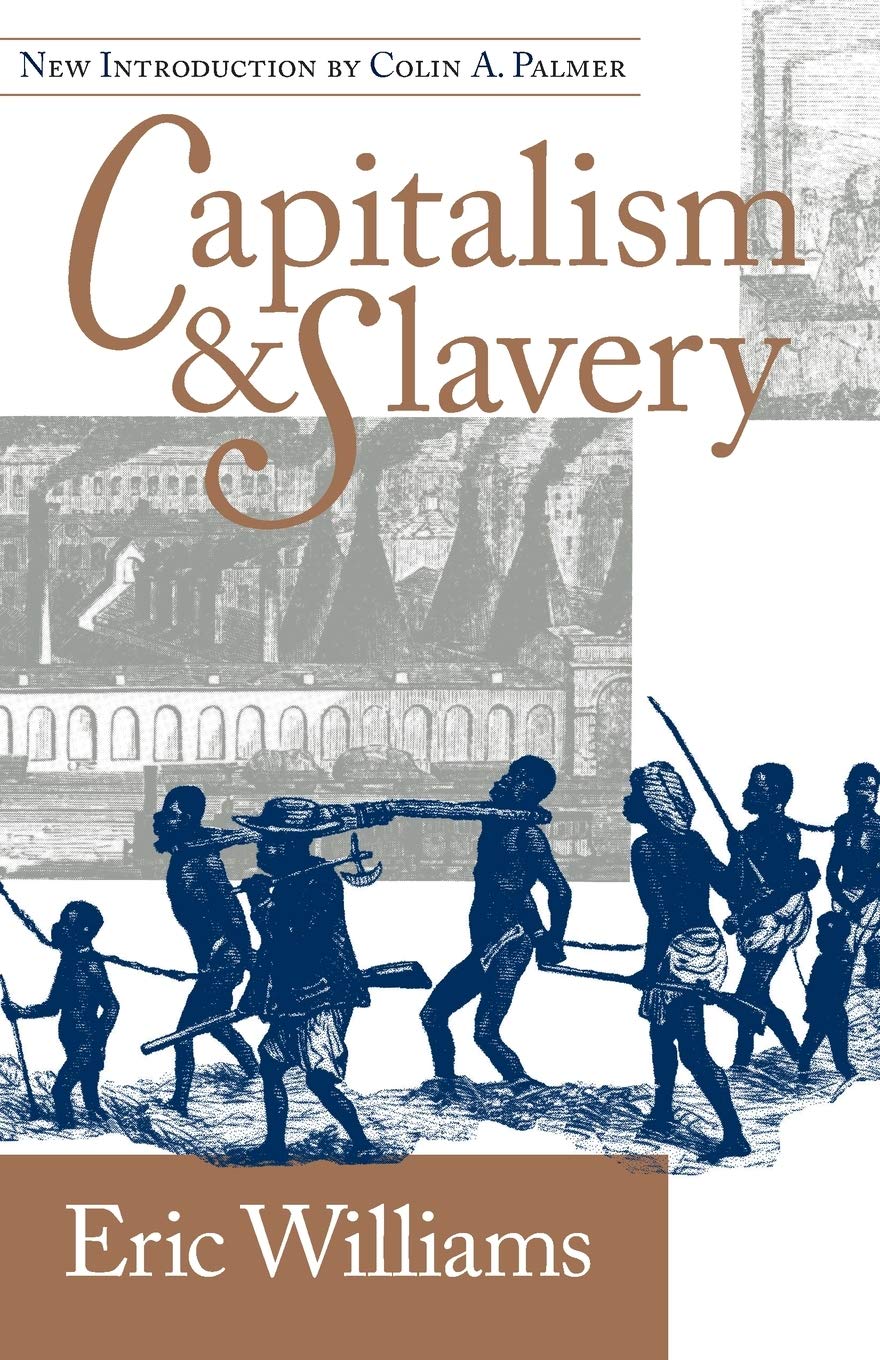
“Capitalism and Slavery” by Eric Williams is a seminal work that investigates the relationship between the rise of capitalism in Europe and the system of slavery in the Americas. Williams argues that the profits derived from the slave trade and plantation economies were instrumental in fueling the growth of European capitalism, particularly in Britain. The book challenges conventional historical narratives that separate economic development from the exploitation of enslaved people, highlighting how slavery was not only a moral issue but also a critical economic factor in the development of modern capitalism. Williams’ analysis underscores the interconnectedness of race, economics, and history, making a significant contribution to the study of both slavery and economic history.
Essential Themes and Arguments:
- Introduction
- Overview of the book’s objectives and significance
- Introduction to the central thesis linking capitalism and slavery
- Contextualization of the historical period under discussion
- The Economic Foundations of Slavery
- Analysis of the economic motivations behind the transatlantic slave trade
- The role of sugar and other cash crops in the Caribbean economy
- Examination of the financial networks that supported the slave trade
- The Impact of Slavery on British Capitalism
- Discussion of how profits from slavery contributed to British industrialization
- Examination of the relationship between slave-derived wealth and British economic growth
- Analysis of the investment in infrastructure and industry enabled by slave profits
- Political and Social Implications
- Exploration of the political considerations surrounding slavery and abolition
- Discussion of the social tensions and class struggles linked to the slave economy
- Examination of the role of enslaved people in resisting their oppression
- Abolition and Its Consequences
- Analysis of the abolition movement and its economic implications
- Discussion of the motivations behind abolition, including economic shifts
- Examination of the effects of abolition on both the colonies and Britain
- Racial Ideologies and Economic Interests
- Exploration of how racial theories justified slavery and exploitation
- Discussion of the intersection of race and economics in shaping societal views
- Examination of the legacy of these ideologies in contemporary society
- Legacy of Slavery in Modern Capitalism
- Reflection on the long-term economic effects of slavery on global capitalism
- Discussion of the continued inequalities stemming from historical exploitation
- Analysis of how understanding this legacy informs current socio-economic debates
- Conclusion
- Summary of key themes and arguments presented throughout the book
- Final reflections on the importance of recognizing the ties between capitalism and slavery
- Call for a reevaluation of historical narratives regarding slavery and economic development
Capitalism and Slavery by Eric Williams_eBook
Slavery helped finance the Industrial Revolution in England. Plantation owners, shipbuilders, and merchants connected with the slave trade accumulated vast fortunes that established banks and heavy industry in Europe and expanded the reach of capitalism worldwide. Eric Williams advanced these powerful ideas in Capitalism and Slavery, published in 1944. Years ahead of its time, his profound critique became the foundation for studies of imperialism and economic development. Binding an economic view of history with strong moral argument, Williams’s study of the role of slavery in financing the Industrial Revolution refuted traditional ideas of economic and moral progress and firmly established the centrality of the African slave trade in European economic development. He also showed that mature industrial capitalism in turn helped destroy the slave system. Establishing the exploitation of commercial capitalism and its link to racial attitudes, Williams employed a historicist vision that set the tone for future studies. In a new introduction, Colin Palmer assesses the lasting impact of Williams’s groundbreaking work and analyzes the heated scholarly debates it generated when it first appeared.
Pop the document out from the upper right to read / expand / download.
Capitalism and Slavery by Eric Williams_Audiobook
Capitalism and Slavery – Eric William – 75 Years Later- 2 Day Symposium
The CARICOM Reparations Commission in collaboration with the UWI Centre for Reparation Research and the Faculty of Humanities and Education at the UWI St. Augustine Campus is hosting an academic symposium to commemorate the 75th year of the publication of Eric Williams’ Capitalism and Slavery on the 13th November 2019. The themes to be discussed include: • Williams’ Caribbean Vision • The Profits from Enslavement (16th – 19th Century) • Impact of Capitalism and Slavery on the world today (21st Century) • Capitalism and Slavery and Reparations • Capitalism and Slavery – Global Connections • Decolonising Caribbean History At this symposium, we seek to gather scholars, intellectuals, corporate interest groups, artists, and activists to join us to examine the impact of Eric Williams and his work on the contemporary Caribbean and wider world. This symposium will also provide an opportunity to discuss his legacy with the next generation of leaders and intellectuals. Such commemorative activities are taking place all over the world. Symposiums will be held in Britain and the United States. We are adding the Caribbean’s voice through this symposium at the UWI.
 RBG Communiversity: Message 2 Da Grassroots