
Last Updaed September 11, 2026
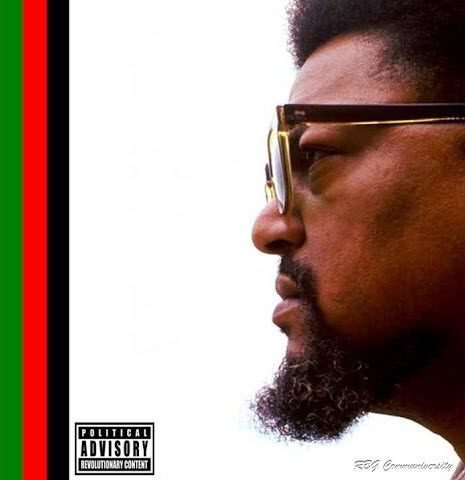
The Philosophy Of Robert F. Williams Provided The Intellectual Foundation For America’s Most Militant Advocates Of Racial And Social Justice. From His Actions, Speeches, And Writings Emerged The Foundation For The Black Power Movement. Studying With Robert F. Williams Is Essential For All RBG Learners Who Intends To Draw Lessons From The 1960’s Liberation Struggle. His Works Will Inform You On The Civil Rights And Black Power Movements, And American Radicalism, And On One Of The Most Extraordinary Political Careers In American History. If One Could Ask The Leaders Commonly Associated With The Black Power And Black Nationalist Movements Of The 1960s-malcolm X, Kwame Torue (Stokely Carmichael), Jamial Al-amin (rap Brown), Amiri Baraka (LeRoi Jones), And Black Panthers Huey Newton, Bobby Seale And Eldridge Cleaver–what Individual Had The Greatest Influence On Their Political Development, Surely One Of The First To Be Named Would Be Robert Franklin Williams.
One Of The Most Underestimated Forces In American Political History:
Robert F. Williams, Born In Union County, North Carolina, Is One Of The Most Underestimated Forces In American Political History. To An Extent This Is Understandable Because His Most Influential Years Were Lived In Exile In Cuba And China. His Public Communications Were Suppressed By The CIA And The U.s. Postal Service, And His Ideas Of Armed Struggle Too Militant For The U.s. News Media To Treat Objectively. Williams Lifelong Partner In Politics Was His Wife Mabel, Who Joined Him In Armed Defiance Of Racist Assaults, Co-hosted His Radio Program, And Networked For His Social Causes. Robert And Mabel Williams Provide An Extraordinary Record Of A Husband Wife Partnership In The Cause Of Social Transformation.
A Daring Strategy Of Lethal Force Against Vigilante Violence:
Williams Philosophy Was Initially Forged By The Labor Militants He Had Met As A Migrant Industrial Worker In Northern Cities, By His Experience In The US. Military, And By The Rural Southern Tradition Of Armed Self-reliance. After Living Outside The South For Several Years, Williams Returned Home To North Carolina Monroe Union County. His Talents As An Organizer Led To A Surge In Membership. When His Militancy Provoked A Massive Backlash By The Ku Klux Klan, Williams Led Armed And Disciplined NAACP Branch Members Against The Klan Assaults.
At Odds With The Mainstream Civil Rights Movement:
Williams Advocacy Of The Use Of Force Resulted In Serious Differences With Both The Long Standing Leadership Of The American Civil Rights Movement And With The Newly Emerging Nonviolent Direct Action Movement Of Martin Luther King Jr. Having Unnerved The NAACP National Office By His Willingness To Work With Communists And Marxists To Dramatize Cases The NAACP Deemed Too Hot To Handle, Williams Was Removed From The Leadership Of The NAACP Branch By Anxious National Leaders.
Counterpoint To The Nonviolent Strategies Of King:
By 1961, Williams Seemed Destined To Stand As A National Leader Who Advocated An Alternative To The Nonviolent Direct Action Supported By Martin Luther King. But Williams Was Detoured From National Leadership Because Of An Episode Involving The Freedom Riders In Which He Was Accused Of Kidnapping A Klansman And His Wife. In One Of The Great Escapes In American History, The Williams Family, Including Two Small Children, Eluded The FBI, Klan Vigilantes, State Police From North Carolina To New York, And The Royal Canadian Mounted Police. To The Chagrin Of North Carolina Officials, They Re-emerged In Cuba In The Fall Of 1961.
“The Crusader”:
The Prototype Of The Black Power Agenda Evolved In Williams Newsletter, The Crusader, First Published In 1959. Engagingly Written And Including A Column By Mabel, The Crusader Disseminated The Williams Homespun Radicalism And Chronicled The Racial Struggle In North Carolina And Throughout The South. The Crusader’s Daring Content Bedeviled Monroe’s Industrial Development Program, Espoused Militant Armed Resistance, And Chastised Martin Luther King Jr. And The Proponents Of Passive Resistance.
“Radio Free Dixie”:
In Cuba, Robert Became A Celebrity And Friend Of Cuban Leader Fidel Castro. The Cuban Government Provided Him With A Transformer Capable Of Broadcasting To The Entire Continental United States. Seizing The Opportunity, Robert And Mabel Created The Weekly Program, “radio Free Dixie.” Their Broadcasts Included An Influential Mix Of Progressive Black Jazz (much Of It Shipped To Cuba By Leroi Jones In New York); Commentary On Global Liberation Movements, And Robert Williams Scathing Commentary On American Political Hypocrisy. He Continued To Publish The Crusader, Whose Circulation Grew To 15,000 In Spite Of Obstruction By The U.s. Postal Service.
Negros With Guns:
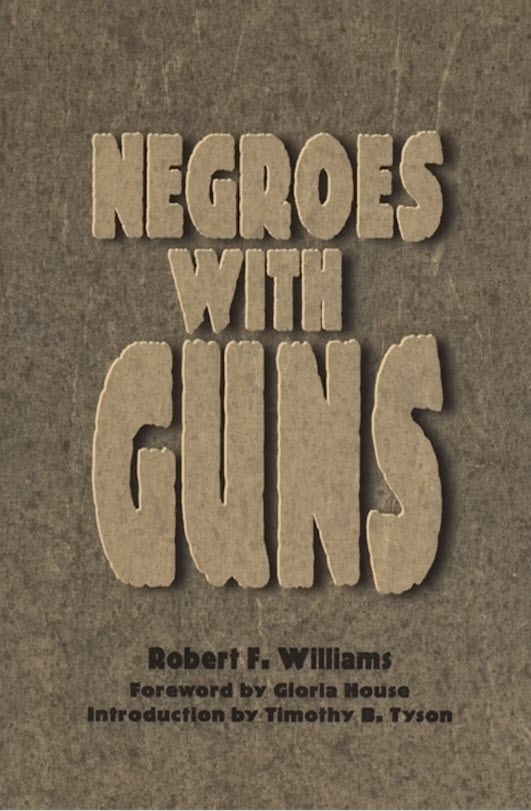
In 1962, Williams Published The Manifesto, Negroes With Guns. This Tract Recounted The History Of His Armed Struggles Against The Klan And Articulated His Philosophy Of The Place Of Armed Self-defense In The Freedom Struggle. Negroes With Guns Is An American Political Classic, On Par With Thomas Paine’s Common Sense, Or Martin Luther King’s “letter From Birmingham Jail.” It Engaged Many Of The Best Minds In The Civil Rights Movement, Such As Bayard Rustin And Martin Luther King, Who Assailed It At Length. Huey P. Newton Drew Heavily On Negroes With Guns In Drafting The Original Constitution Of The Black Panther Party. It Was Extremely Influential In Turning Student Non-violent Coordinating Committee Leaders From Pacifists To Black Power Militants. Williams Was One Of The Very Few Civil Rights Leaders Whom Malcolm X Openly Praised.
Pop the document out from the upper right to read / expand / download.
 Uhuru, Comrades! Welcome to the third week of the


You must be logged in to post a comment.