History of the PG-RNA Multimedia | A Chokwe Lumumba Tribute Page

RNA 2

————————————————

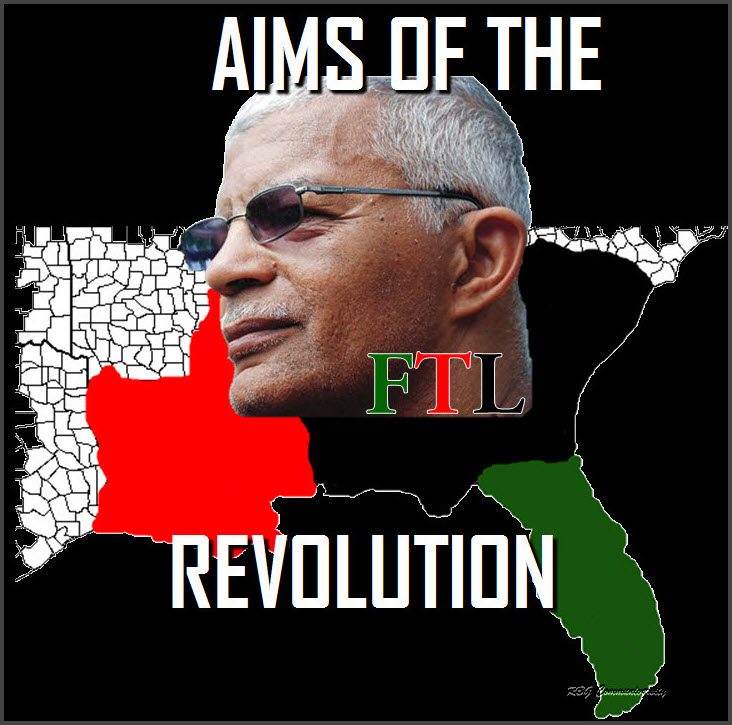
So Long Chokwe: A Tribute to Chokwe Lumumba

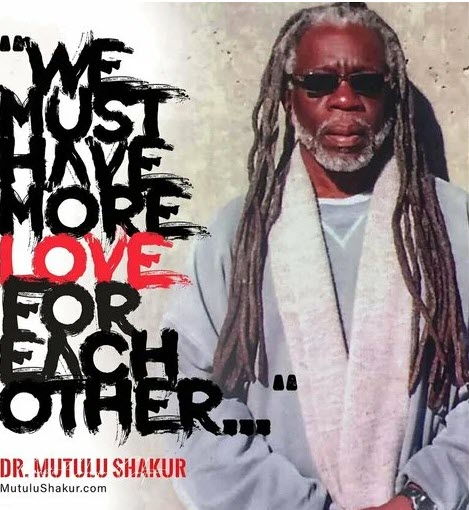
Dr. Mutulu Shakur

chokwe-lumumba

Some transitions come in the midst of crucial times and we wonder why. I am lost for words, but not for emotions and reflections. The chairman as we called him in the organization (NAPO) that we built together. He lived a life where every major decision was politically motivated in establishing his political ideology and actions. As I said before, he was of the best of us.

As he and I moved from adolescence into manhood in the early stages of the revolution, we met in the streets of Motor City, Detroit. We came there to decide which way we would go to join the struggle. In those days, there were many options. Many beautiful sacrifices and the articulation of those leaders could fire up the emotions in anyone. We amongst others fell in line with an ideology and the leaders who were very pragmatic, and fundamental in  establishing goals in our hearts and minds. That, in the future, would guide our work and sacrifices for over 45 years.

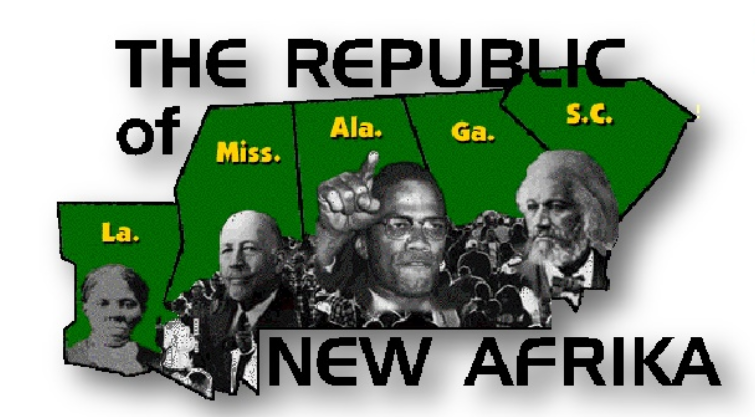
We became citizens of the (Republic of New Africa). Him from Detroit, and me from New York. Northerners with our eyes on the five southern states that we named New Africa. The thing that impressed us was the rigorous black legionnaire’s defense of our people on the streets of Detroit while under attack by Michigan vigilantes and the heroic battle waged by the black legions against an army of law enforcement agencies against New African civilians, the church of Aretha Franklin’s father that saved all of their lives led by the great General Mwesi Chui (who also just made his transition at the age of 91 and must be honored for his heroic leadership and sacrificial acts during the famously now called new Bethel incident).

The other was the passionate demand for justice, human rights and freedom by some of the most articulate, non assuming, scientific analysis of brothers Gaidi and Imari Henry. I’m sure that their style impacted the dynamic speaking and leadership of Chokwe Lumumba. So we did have amongst these great elders, great men and women mentors that we honored. There came a time when those leaders disagreed tactically, as to where we must concentrate our forces. To stay in the north and build a rear guard, or to move our forces south to make a base. Both tactically had merit; sitting across the table staring into Chokwe’s eyes we knew what we were going to do.

We followed the tradition of the Gullar’s, Geeche’s and Seminoles. With some regret, we left the leaders pushing for the north strategy and went into the south. The United States armed forces attacked the Republic of New Africa headquarters in Jackson, Mississippi. Again, our New African security forces heroically defended the lives and property of the people. The struggle waged in the south and the repression in the north intensified the need for legal representation. As it became a priority, Chokwe tightened up on his academics and passed the bar exam, and continued to wage battle for our freedom fighters behind enemy lines.

I was convicted of freeing fellow freedom fighters, POWs, and comrades and developing an underground railroad to that same end. I and Chokwe’s interdependency and commitment manifested after my capture; I selected him as my attorney. My comrade a New African, he and I waging heroic efforts in court for my freedom. In our life of struggle nothing is easy; we disagree, we make up and learn from the lessons and move ahead. Our intent was never in question (he had no tolerance for court room bullshit, he was disbarred in two states and won back both decisions on principle). As an attorney, the courtroom was too constrictive for our brother Chokwe; the false forms of pomp and circumstances graded him, the contradictions too repressive for his fighting spirit. The judges hated him, the juries questioned him, but his clients loved and adored him. But if truth be told every time he came in the court in the 8o’s with that circa 1965 dashiki on, I use to put my head in my hands and use to say “oh Allah, don’t hold the dashiki against me”(*_~). It must be a Shakur thing, because my son Tupac felt the same exact way when Chokwe came in to court defending him many years later in one of those same dashikis.

It was a smile in my heart that i was so proud of; I am so proud of my brother who stuck to the plan. Everything he did was to enhance the predictability of the New African ideology, to provide our people an opportunity to decide if self determination was of the best course for us. We were all engaged in his effort to become the mayor of Jackson, Mississippi, and proud of his victory. His strategy was something that was not new to us; it was the directions that we had received back in the 70′s to go south, organize with people and use city government to elect sheriff’s and mayors so that we could provide an example of New African government ship that could set a paradigm, to provide a choice for our people and open arms for all people to chose. To that end, mayor Chokwe Lumumba is our hero, not for one great act but the years of consistent grinds against all obstacles, to see the plan through to the end, through a shining example. He will be missed dearly, but his footsteps will be seen along the sand to free the land. See you in the whirlwind; give all the New African’s our regards. We salute you and honor you. Like I mentioned in the very beginning, you are one of the best of us.

Stiff resistance,
Dr. Mutulu Shakur
http://mutulushakur.com/site/author/family-and-friends/

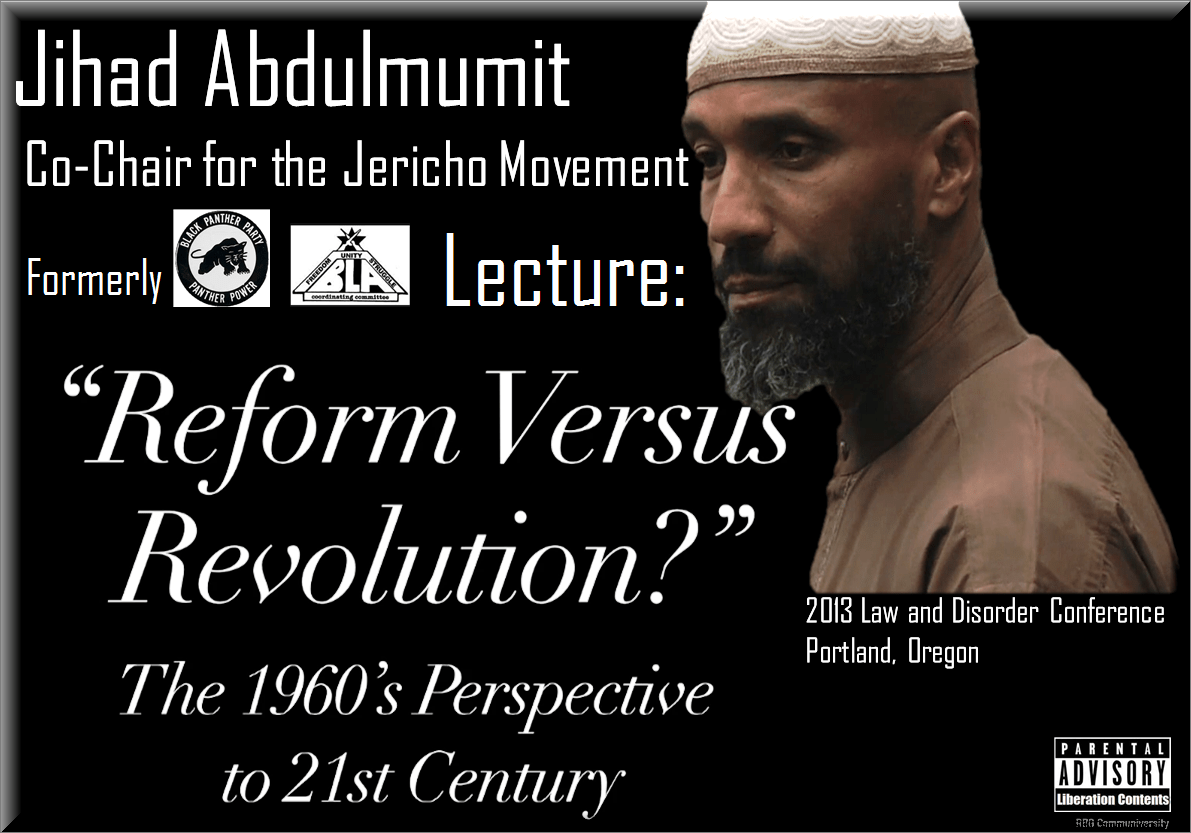
“Reform Versus Revolution?”: The 1960’s Perspective to 21st Century| Lecture by Jihad Abdulmumit and The December 12th Movement International Secretariat_RNA Application for Repatriation (pdf)

burning heart media

Description of Lecture: Historically, efforts to bring about progressive changes in American society can be divided into 2 camps – reform and revolution. Reform Versus Revolution will explore the conditions that gave rise to both these strategies and outcomes and the movements that advocated them; from the civil rights, Black liberation and national independence movements of the 60s and 70s to the contemporary movements of today.

Pop the document out from the upper right to read / expand / download.

Learn more in RBG Communiversity eLinrary | PG-RNA, NAIM, BLA, FROLINAN, GJU, Rebuild Collective Folder

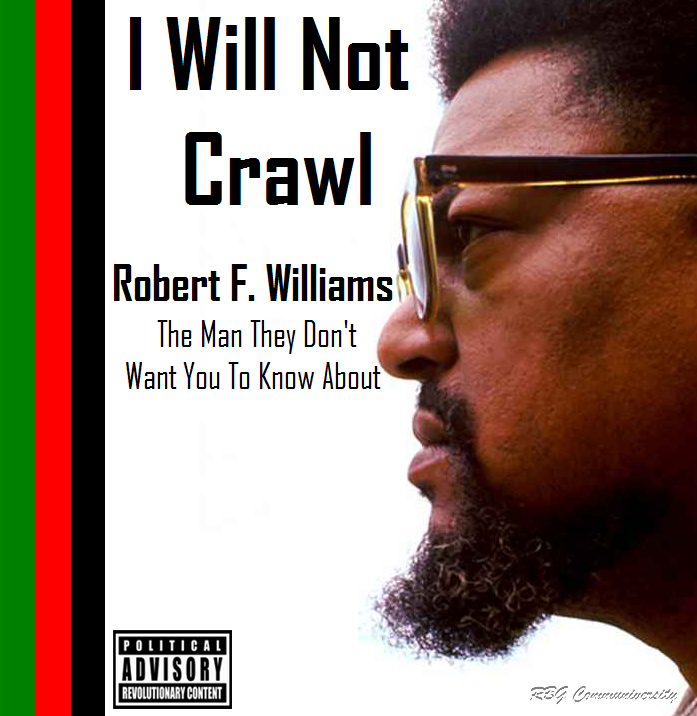
The Honorable Robert F. Williams| “The Man They Don’t Want You to Know About”

https://rbgcommuniversity.blog/wp-content/uploads/2007/01/rna-rfw.png

The Philosophy Of Robert F. Williams Provided The Intellectual Foundation For America’s Most Militant Advocates Of Racial And Social Justice. From His Actions, Speeches, And Writings Emerged The Foundation For The Black Power Movement. Studying With Robert F. Williams Is Essential For All RBG Learners Who Intends To Draw Lessons From The 1960’s Liberation Struggle. His Works Will Inform You On The Civil Rights And Black Power Movements, And American Radicalism, And On One Of The Most Extraordinary Political Careers In American History. If One Could Ask The Leaders Commonly Associated With The Black Power And Black Nationalist Movements Of The 1960s-malcolm X, Kwame Torue (Stokely Carmichael), Jamial Al-amin (rap Brown), Amiri Baraka (LeRoi Jones), And Black Panthers Huey Newton, Bobby Seale And Eldridge Cleaver–what Individual Had The Greatest Influence On Their Political Development, Surely One Of The First To Be Named Would Be Robert Franklin Williams.

One Of The Most Underestimated Forces In American Political History:
Robert F. Williams, Born In Union County, North Carolina, Is One Of The Most Underestimated Forces In American Political History. To An Extent This Is Understandable Because His Most Influential Years Were Lived In Exile In Cuba And China. His Public Communications Were Suppressed By The CIA And The U.s. Postal Service, And His Ideas Of Armed Struggle Too Militant For The U.s. News Media To Treat Objectively. Williams Lifelong Partner In Politics Was His Wife Mabel, Who Joined Him In Armed Defiance Of Racist Assaults, Co-hosted His Radio Program, And Networked For His Social Causes. Robert And Mabel Williams Provide An Extraordinary Record Of A Husband Wife Partnership In The Cause Of Social Transformation.

A Daring Strategy Of Lethal Force Against Vigilante Violence:
Williams Philosophy Was Initially Forged By The Labor Militants He Had Met As A Migrant Industrial Worker In Northern Cities, By His Experience In The US. Military, And By The Rural Southern Tradition Of Armed Self-reliance. After Living Outside The South For Several Years, Williams Returned Home To North Carolina Monroe Union County. His Talents As An Organizer Led To A Surge In Membership. When His Militancy Provoked A Massive Backlash By The Ku Klux Klan, Williams Led Armed And Disciplined NAACP Branch Members Against The Klan Assaults.

At Odds With The Mainstream Civil Rights Movement:
Williams Advocacy Of The Use Of Force Resulted In Serious Differences With Both The Long Standing Leadership Of The American Civil Rights Movement And With The Newly Emerging Nonviolent Direct Action Movement Of Martin Luther King Jr. Having Unnerved The NAACP National Office By His Willingness To Work With Communists And Marxists To Dramatize Cases The NAACP Deemed Too Hot To Handle, Williams Was Removed From The Leadership Of The NAACP Branch By Anxious National Leaders.

Counterpoint To The Nonviolent Strategies Of King:
By 1961, Williams Seemed Destined To Stand As A National Leader Who Advocated An Alternative To The Nonviolent Direct Action Supported By Martin Luther King. But Williams Was Detoured From National Leadership Because Of An Episode Involving The Freedom Riders In Which He Was Accused Of Kidnapping A Klansman And His Wife. In One Of The Great Escapes In American History, The Williams Family, Including Two Small Children, Eluded The FBI, Klan Vigilantes, State Police From North Carolina To New York, And The Royal Canadian Mounted Police. To The Chagrin Of North Carolina Officials, They Re-emerged In Cuba In The Fall Of 1961.

“The Crusader”:
The Prototype Of The Black Power Agenda Evolved In Williams Newsletter, The Crusader, First Published In 1959. Engagingly Written And Including A Column By Mabel, The Crusader Disseminated The Williams Homespun Radicalism And Chronicled The Racial Struggle In North Carolina And Throughout The South. The Crusader’s Daring Content Bedeviled Monroe’s Industrial Development Program, Espoused Militant Armed Resistance, And Chastised Martin Luther King Jr. And The Proponents Of Passive Resistance.

“Radio Free Dixie”:
In Cuba, Robert Became A Celebrity And Friend Of Cuban Leader Fidel Castro. The Cuban Government Provided Him With A Transformer Capable Of Broadcasting To The Entire Continental United States. Seizing The Opportunity, Robert And Mabel Created The Weekly Program, “radio Free Dixie.” Their Broadcasts Included An Influential Mix Of Progressive Black Jazz (much Of It Shipped To Cuba By Leroi Jones In New York); Commentary On Global Liberation Movements, And Robert Williams Scathing Commentary On American Political Hypocrisy. He Continued To Publish The Crusader, Whose Circulation Grew To 15,000 In Spite Of Obstruction By The U.s. Postal Service.

Negros With Guns:
In 1962, Williams Published The Manifesto, Negroes With Guns. This Tract Recounted The History Of His Armed Struggles Against The Klan And Articulated His Philosophy Of The Place Of Armed Self-defense In The Freedom Struggle. Negroes With Guns Is An American Political Classic, On Par With Thomas Paine’s Common Sense, Or Martin Luther King’s “letter From Birmingham Jail.” It Engaged Many Of The Best Minds In The Civil Rights Movement, Such As Bayard Rustin And Martin Luther King, Who Assailed It At Length. Huey P. Newton Drew Heavily On Negroes With Guns In Drafting The Original Constitution Of The Black Panther Party. It Was Extremely Influential In Turning Student Non-violent Coordinating Committee Leaders From Pacifists To Black Power Militants. Williams Was One Of The Very Few Civil Rights Leaders Whom Malcolm X Openly Praised.
Antiwar Activity In Vietnam:
Williams’ Jeremiads Against American Society Intensified With The Escalation Of The Vietnam War. He Visited With Ho Chi Minh In North Vietnam And Joined In Various Anti-war Activities To Discourage African Americans From Fighting.
Years In China:
Williams Relocated To China In 1966 During The Height Of The Cultural Revolution. There As In Cuba Williams Enjoyed A Celebrity Status And Fraternized With Mao Zedong And Chou En Lai. His Interest In Maoist Revolutionary Thought Found Its Way Into The Crusader, Which Continued To Reach An Influential Underground Audience Among Black Power Militants In The United States.
Profound Influence On The Black Power Movement:
In Spite Of His Exile, Robert Williams Influence Was Profound. His Emphasis On Situating The American Civil Rights Struggle In The Context Of International Liberation Movements Gained Wide Acceptance, As Did His Philosophy Of Armed Resistance. His Militant Rhetorical Style-vigorous, Colorful, And Vitriolic-was Emulated Throughout The Movement. A Dedicated Network Of Williams Followers In America And Africa Worked To Promote His Militant Philosophy Among Intellectuals And Activists. The Black Panther Party’s Public Posture Of The Armed Militant Was Consciously Influenced By Williams Vision.

Withdrawal From Leadership After Returning To The United States:
In 1969, Robert Williams Returned To The United States With The Quiet Acquiescence Of None Other Than President Richard Nixon. This Was Done As A Gesture Of Goodwill In The President’s Efforts To Cultivate The Chinese Leadership For His Historic Visit To China, Even Though The FBI Had Warned Nixon That Williams Could Likely Fill The Role Of Assassinated Civil Rights Leaders, Malcolm X And Martin Luther King. But After Assessing The State Of The Movement In 1970, Rife With Maddening Internecine Ideological Divisions, And Murders And Incarceration Of Numerous Black Militants, Williams, Now Disillusioned, Withdrew From All But Nominal Leadership In The Militant Groups That Were Founded In His Name. The Material On His Disillusionment With The Movement Is A Subject Of Vast Research Significance In And Of Itself.

Williams Became A Research Associate At The Institute For Chinese Studies At University Of Michigan. He And Mabel Moved To The Remote, Historically Integrated, Michigan Township Of Baldwin, Where They Remained For The Rest Of His Life. In Baldwin, The Williams Continued Their Dedication To Social Transformation, Focusing On The Local Level. His Role As A National Leader Subsided, But His Image Among The Succeeding Generation Of Black Power Advocates Remains Profound. Like The Black Folk Hero “john Henry,” Robert F. Williams Outwitted And Tormented The Oppressors Of African Americans.

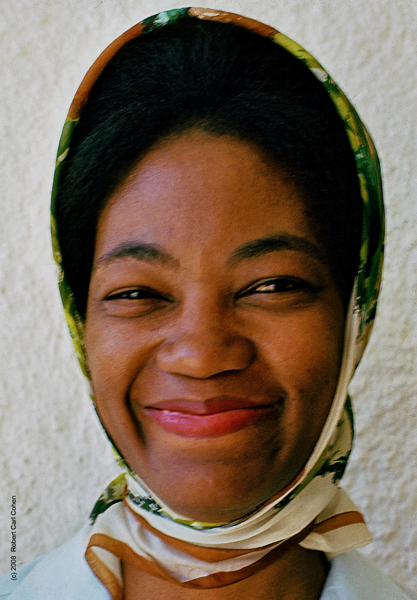
Mabel Williams Presente! w Letter from The Freedom Archive |RBG RIU TRIBUTE

In Honor of Mabel Williams

…”We are very saddened to learn of the passing of Mabel Williams, the legendary African-American activist, who, with her husband Robert F. Williams, fought for and carried out the right of armed self-defense against the vicious attacks of the Ku Klux Klan, militantly represented the liberation struggle of her people during exile in Cuba, China, and Africa, and continued her active lifelong engagement in social justice struggles upon their return to the US. Mabel Williams was born June 1, 1931 and transitioned Saturday, April 19th at her family’s home in Detroit…” cont. below

https://rbgcommuniversity.blog/wp-content/uploads/2014/04/freedom-archive.jpg

Pop the document out from the upper right to read / expand / download.

Dr. Mutulu Shakur On Like It Is with Gil Noble

Date of Birth: August 8, 1950
Nationality: New Afrikan
Incarcerated at: Coleman, FL

Dr. Mutulu Shakur is a New Afrikan (Black) man whose primary work has been in the area of health. He is a doctor of acupuncture and was a co-founder and director of two institutions devoted to improving health care in the Black community.

Mutulu Shakur was born on August 8, 1950, in Baltimore, Maryland as Jeral Wayne Williams. At age seven he moved to Jamaica, Queens, New York City with his mother and younger sister. Shakur’s political and social consciousness began to develop early in his life. His mother suffered not only from being Black and female, but was also blind. These elements constituted Shakur’s first confrontation with the state, while assisting his mother to negotiate through the maze that made up the social service system. Through this experience Shakur learned that the system did not operate in the interests of Black people and that Black people must control the institutions that affect their lives.

Since the age 16, Dr. Shakur has been a part of the New Afrikan Independence Movement. As a part of this movement Dr. Shakur has been a target of the illegal Counterintelligence Program carried out by the Federal Bureau of Investigation (COINTELPRO). This was a secret police strategy used in the U.S. starting in the 1960’s to destroy and neutralize progressive and revolutionary organizations. It is believed that Dr. Shakur’s resistance to this program led to his arrest and trial.

During the late sixties Dr. Shakur was also politically active and worked with the Revolutionary Action Movement (RAM), a Black Nationalist group which struggled for Black self-determination and socialist change in America. He was also a member of the Provisional Government of the Republic of New Afrika which endorsed the founding of an independent New Afrikan (Black) Republic and the establishment of an independent Black state in the southern U.S. Dr Shakur also worked very closely with the Black Panther Party supporting his brother Lumumba Shakur and Zayd.

In 1970 Dr. Shakur was employed by the Lincoln Detox (detoxification) Community (addiction treatment) Program as a political education instructor. His role evolved to include counseling and treatment of withdrawal symptoms with acupuncture. Dr. Shakur became certified and licensed to practice acupuncture in the State of California in 1976. Eventually he became the Program’s Assistant Director and remained associated with the program until 1978.

From 1978 to 1982, Dr. Shakur was the Co-Founder and Co-Director of the Black Acupuncture Advisory Association of North America (BAAANA) and the Harlem Institute of Acupuncture. Where, at Lincoln, Dr. Shakur had managed a detox program recognized as the largest and most effective of its kind by the National Institute of Drug Abuse, National Acupuncture Research Society and the World Academic Society of Acupuncture, at BAAANA he continued his remarkable work and also treated thousands of poor and elderly patients who would otherwise have no access to treatment of this type. Many community leaders, political activists, lawyers and doctors were served by BAAANA and over one hundred medical students were trained in the discipline of acupuncture.

By the late 1970’s Dr. Shakur’s work in acupuncture and drug detoxification was both nationally and internationally known and he was invited to address members of the medical community around the world. Dr. Shakur lectured on his work at many medical conferences, and was invited to the People’s Republic of China. In addition in his work for the Charles Cobb Commission for Racial Justice for the National Council of Churches he developed their anti-drug program.

Dr. Shakur has furthermore been a dedicated worker and champion in the struggle against political imprisonment and political convictions of Black Activists in America. He was the founding member of the National Committee to Free Political Prisoners. He has been a leader in the struggle against the illegal U.S. and local American law enforcement programs designed to destroy the Black movement in America and has worked to expose and to stop the secret American war against its Black colony.

Through his political work, Dr. Shakur has been associated with the Committee to Defend Herman Ferguson, a Black activist and educator charged with conspiracy in the RAM conspiracy case of the 1960’s; the National Task Force for COINTELPRO Litigation and Research, which researched and initiated suits against the FBI and American law enforcement agencies for criminal acts, spying and counter-insurgency warfare tactics; and the National Conference of Black Lawyers. He has also endorsed support for the legal defense of political prisoners and prisoners of war, including Imari Obadele, Ph.D., Rev. Ben Chavis, Geronimo (Pratt) JiJaga of the Black Panther Party, and Assata Shakur and Sundiata Acoli of the Black Liberation Army.

In March 1982, Dr. Shakur and 10 others were indicted by a federal grand jury under a set of U.S. conspiracy laws called “Racketeer Influenced and Corrupt Organization” (RICO) laws. These conspiracy laws were ostensibly developed to aid the government in its prosecution of organized crime figures; however, they have been used with varying degrees of success against revolutionary organizations. Dr. Shakur was charged with conspiracy and participation in a clandestine paramilitary unit that carried out actual and attempted expropriations from several banks. Eight incidents were alleged to have occurred between December 1976 to October 1981. In addition he was charged with participation in the 1979 prison escape of Assata Shakur, who is now in exile in Cuba (the question of Dr. Shakur being charged with participation when in fact they alleged he masterminded her escape creates the true fact of COINTELPRO).

After five years underground, Dr. Shakur was arrested on February 12, 1986.
Dr. Shakur is the father of six children. His son Tupac was assassinated in 1996. He has solid evidence that it was a continuation of COINTELPRO. The F.B.I., the Federal Bureau of Prisons and law enforcement made every effort to keep him separated from his son Tupac.

Mutulu has been released on parole

December 16th, 2022, Dr. Mutulu Shakur was released from prison on parole!