The Victims of Democracy: Malcolm X and the Black Revolution by Eugene Victor Wolfenstein_eBook and Audiobook, with Malcolm X What is the Black Revolution

Book Summary

 “The Victims of Democracy” explores the life and legacy of Malcolm X within the context of American democracy and the struggle for Black liberation. Wolfenstein examines Malcolm’s evolution as a leader, the socio-political forces that shaped his ideology, and the broader implications of his work for the human and civil rights movements. The text emphasizes the challenges faced by Afrikans in amerikkka in a democratic society that often fails to uphold its ideals for all citizens.

The following outline captures the main themes and structure of Eugene Victor Wolfenstein’s exploration of Malcolm X and the Black revolution, emphasizing the intersection of race and democracy in America.

  • Introduction
    • Purpose of the book
    • Relevance of Malcolm X in the context of democracy
    • Overview of themes
  • Chapter 1: Historical Context
    • Overview of racism in America
    • The civil rights movement’s origins
    • The limitations of traditional democratic practices
  • Chapter 2: Malcolm X’s Early Life
    • Childhood and family background
    • Influences on Malcolm’s worldview
    • Transition from Malcolm Little to Malcolm X
  • Chapter 3: The Nation of Islam
    • Role of the Nation of Islam in Malcolm’s life
    • Key beliefs and practices
    • Malcolm’s rise as a prominent figure
  • Chapter 4: Break with the Nation of Islam
    • Reasons for the split
    • Transformation of Malcolm’s ideology
    • The impact of his pilgrimage to Mecca
  • Chapter 5: Malcolm X’s Political Philosophy
    • Concepts of race, identity, and empowerment
    • Critique of American democracy
    • Advocacy for self-determination
  • Chapter 6: The Legacy of Malcolm X
    • Influence on the Black Power movement
    • Reinterpretation of his messages in contemporary contexts
    • Ongoing relevance of his ideas
  • Conclusion
    • Summary of key insights
    • The implications of Malcolm X’s life for modern democracy
    • Call to action for continued struggle against injustice

Here is a deeper look into some of the key themes and concepts presented in “The Victims of Democracy. This exploration not only honors Malcolm X’s legacy but also invites readers to consider how the fight for equality and justice continues to evolve in contemporary society.

Key Themes and Concepts

  1. Racism and American Democracy:
    • The book critically investigates how systemic racism undermines the principles of democracy in the United States. Wolfenstein argues that while America professes ideals of freedom and equality, it often fails to deliver these promises to Afrikans in amerikkka.
  2. Malcolm X’s Transformation:
    • Malcolm X’s journey from his early life to becoming a prominent human rights leader is a focal point. Wolfenstein details how Malcolm’s experiences with racism, both personally and socially, shaped his radical beliefs. His time with the Nation of Islam represents a significant period of identity formation and ideological development.
  3. Critique of Established Civil Rights Movements:
    • The author contrasts Malcolm X’s approach with that of more mainstream civil rights leaders like Martin Luther King Jr. While King advocated for nonviolent protest and integration, Malcolm X emphasized self-defense, Black nationalism, and a more revolutionary approach to achieving rights.
  4. Global Perspective on Race and Revolution:
    • Wolfenstein places Malcolm X within a global context, discussing how his ideas resonated with anti-colonial movements around the world. Malcolm’s pilgrimage to Mecca and subsequent interactions with leaders from various nations broadened his perspective on race and politics, leading to a more internationalist view of the struggle for justice.
  5. Crisis of Democracy:
    • The title itself, “The Victims of Democracy,” reflects a central argument that many marginalized groups, particularly Afrikans in amerikkka have been victimized by the failures of a system that claims to uphold democratic values. Wolfenstein posits that true democracy must include the voices and rights of all people, particularly those historically oppressed.
  6. Enduring Legacy:
    • The book discusses how Malcolm X’s ideas continue to inspire contemporary movements for social justice and racial equality. His call for self-determination and empowerment resonates in today’s discussions around systemic racism, police brutality, and the fight for Black lives.

Conclusion

Wolfenstein’s work serves as both a biographical account and a critical analysis of the social, political, and historical contexts surrounding Malcolm X. It challenges readers to reflect on the complexities of race relations in amerikkka and the ongoing struggle for true democracy. Through Malcolm’s life and teachings, the book encourages a deeper understanding of the intersections between race, identity, and the quest for justice.

The Victims of Democracy: Malcolm X and the Black Revolution_eBook

Pop the documents out from the upper right to read / expand / download.

The Victims of Democracy: Malcolm X and the Black Revolution_Audiobook

Malcolm X What is the Black Revolution

Learn more in RBG Communiversity Knowledge Media eLibrary:

The Choice: The Issue of Black Survival in America by Samuel Yette (1971/82) Audiobook, presented by Real Talk With ZSJ

NB: The price of this book is prohibitive for most working class Black people, ie.“Colonization of Black Information”

The term “Colonization of Black Information” refers to the historical and ongoing processes through which knowledge, narratives, and cultural expressions of Black people and communities have been dominated, appropriated, blocked or marginalized by external forces, often rooted in colonialism and the systemic, business and culture of white supremacy (racism). Allow us to provide some details, as it goes to why this book is so expensive.

Four quick points:

  1. Historical Context: During colonial times, European powers often suppressed indigenous knowledge systems and cultural practices, replacing them with their own narratives. This led to a loss of agency among Black (New Afrikan) communities in telling their own stories and defining their own realities and identities.
  2. Cultural Appropriation: The appropriation of Black culture, music, art, and other expressions by non-Black (white) individuals and/or groups without proper acknowledgment or respect can be seen as a continuation of this colonization. Such actions often strip the original meanings and contexts from cultural elements.
  3. Media Representation: The portrayal of Black individuals and communities in media perpetuate stereotypes, often framing them through a lens that aligns with dominant societal (white) narratives and serving to distort public perceptions and limit the understanding of the Black experiences in Amerikkka under the bootheel of its oppression.
  4. Access to Information: Structural inequalities (eg. this book) often result in Black communities having less access to platforms and resources to share their information and narratives. This, more frequently than not, leads to a dearth of knowledge and a lack of representation in academic, historical, socio-political, economic and cultural discussions.

Book Summary

“The Choice: The Issue of Black Survival in America” by Samuel Yette is a profound exploration of the challenges faced by the African American community in the United States. Yette presents a critical analysis of the socio-political landscape affecting Black Americans, discussing themes of survival, identity, and agency. The book examines historical contexts, systemic racism, and the ongoing struggle for civil rights, ultimately advocating for a conscious choice in addressing these persistent issues.

The outline that follows captures the essence of Yette’s work, emphasizing both the historical context and the contemporary issues facing the Black community in America

  • Introduction
    • Purpose of the book
    • Overview of the Black experience in America
  • Historical Context
    • Legacy of slavery
    • Civil Rights Movement
    • Continued oppression and disenfranchisement
  • Systemic Racism
    • Definition and examples
    • Impact on African American communities
    • Institutional barriers in education, employment, and justice
  • Identity and Culture
    • The importance of cultural heritage
    • The role of community and family
    • Challenges in maintaining identity in a predominantly white society
  • Survival Strategies
    • Individual vs. collective approaches
    • Importance of education and empowerment
    • Role of activism and political engagement
  • The Power of Choice
    • Defining choices in the context of survival
    • Historical examples of impactful choices made by Black leaders
    • Encouraging personal responsibility and agency
  • Vision for the Future
    • Hope and resilience within the Black community
    • Potential pathways for change
    • Call to action for readers
  • Conclusion
    • Summary of key points
    • Reinforcement of the importance of choice in the struggle for survival
    • Final thoughts on unity and collective action

  Here is an outline comprising a deeper exploration of the themes and concepts presented in “The Choice”

  1. Introduction
    • Yette sets the stage by discussing the historical and ongoing struggles of African Americans in the U.S. He emphasizes the need for awareness and understanding of the systemic issues that have shaped the Black experience.
  2. Historical Context
    • The author delves into the history of slavery, detailing its brutal realities and the long-lasting effects on subsequent generations. He explores the Civil Rights Movement, highlighting key figures and events that sought to dismantle institutional racism. Yette also discusses how the remnants of these historical injustices continue to affect Black Americans today.
  3. Systemic Racism
    • Yette provides a thorough analysis of systemic racism, defining it as a deeply ingrained issue that permeates various institutions, including education, healthcare, and the justice system. He illustrates how these systems fail Black individuals, contributing to socio-economic disparities and perpetuating cycles of poverty and disenfranchisement.
  4. Identity and Culture
    • The book emphasizes the significance of cultural identity and heritage for African Americans. Yette discusses the importance of community bonds, family structures, and the role of cultural expressions in fostering resilience. He examines the struggles of maintaining cultural identity in a society that often marginalizes or misrepresents Black culture.
  5. Survival Strategies
    • Yette advocates for both individual and collective strategies for survival. He stresses the importance of education as a tool for empowerment and encourages active participation in political processes. The author highlights examples of grassroots movements and organizations that have successfully mobilized communities to fight for their rights.
  6. The Power of Choice
    • Central to Yette’s thesis is the concept of choice. He posits that individuals have the power to make choices that can lead to positive change, both personally and collectively. He uses historical examples of leaders who made significant choices that impacted the trajectory of the civil rights struggle, inspiring readers to take ownership of their decisions.
  7. Vision for the Future
    • Yette expresses a hopeful vision for the future, emphasizing the resilience and strength of the Black community. He discusses the potential for change through unity and collective action. The author calls on readers to engage in the ongoing struggle for justice and equality, fostering a sense of responsibility towards future generations.
  8. Conclusion
    • The book concludes with a powerful reminder of the importance of awareness and action. Yette urges readers to reflect on their roles in the fight against systemic racism and to recognize that meaningful change requires both individual and collective effort.

Key Themes:

  • Empowerment through Education: Yette highlights education as a vital means for empowerment and breaking the cycle of oppression.
  • Cultural Identity: The preservation of cultural heritage is crucial for community strength and individual identity.
  • Agency and Responsibility: Individuals must recognize their power to make choices that affect their lives and communities.
  • Collective Action: The importance of solidarity and collaboration among African Americans to effect social change.

Overall, “The Choice” serves as a thought-provoking work that challenges readers to think critically about the issues facing the Black community while inspiring them to take action towards a more equitable future.

Part I A Partial Reading of The Choice The Issue of Black Survival in America by Samuel Yette Audiobook (Real Talk With ZSJ)

Starts @1min. 09 sec.

The Choice: The Issue of Black Survival in America: View/Study/ Download ALL 7 Parts presented by Real Talk With ZSJ HERE

Learn more in RBG Communiversity Knowledge Media eLibrary:

Hands Off Uhuru presents: “Unthanksgiving” Victory to African and Indigenous people!­_The Burning Spear TV, with Uhuru 3 Trial Re-enactment

Last Updated 12-06-24

https://handsoffuhuru.org/

Uhuru 3 Trial Re-enactment

3 Video Playlist (Episodes One thru Three.)

Companion Post/Lessons

Manifest Destiny and American Holocaust_Dr. Ward Churchill Lecture, History of COINTELPRO and COINTELPRO and Terrorism, The COINTELPRO Papers – Ward Churchill & Jim Vander Wall (eBook and Audiobook)

Learn more in RBG Communivesity Knowledge Media eLibrary:

Uhuru 3 Trial, September 2024

Uhuru 3 Trial, September 2024 | INSIDE: Chm. Omali and Uhuru Movement Folder

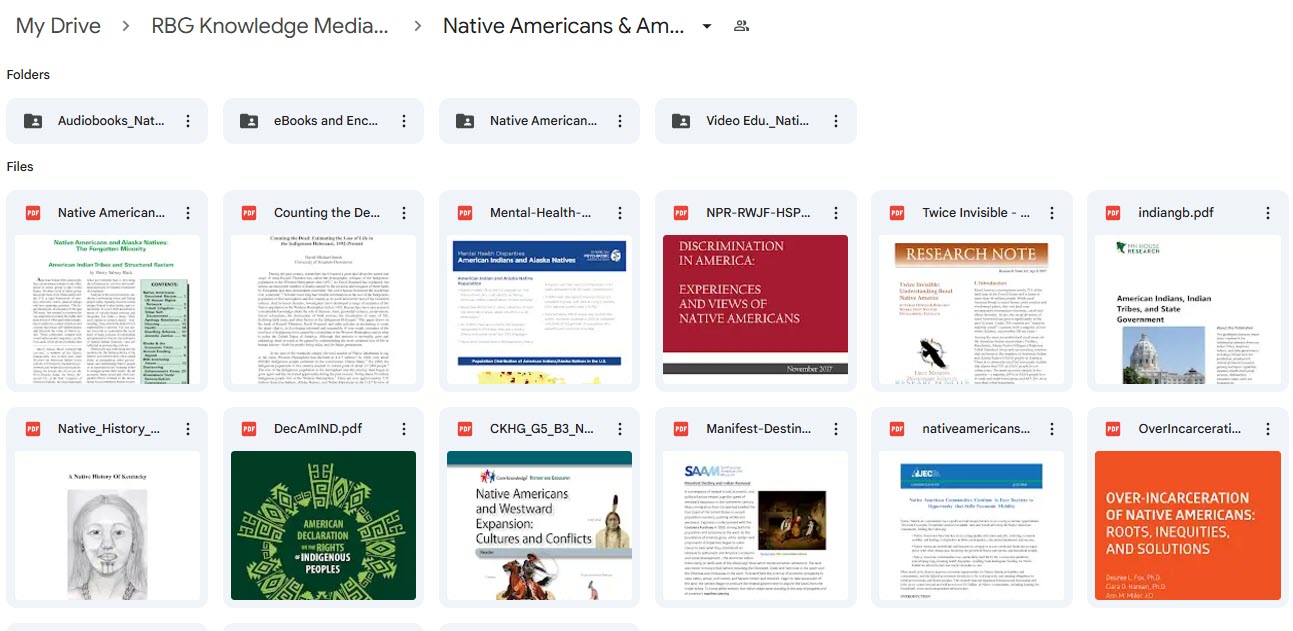
Native Americans & The American Indian Movement (AIM)

Native Americans & The American Indian Movement (AIM)  Folder

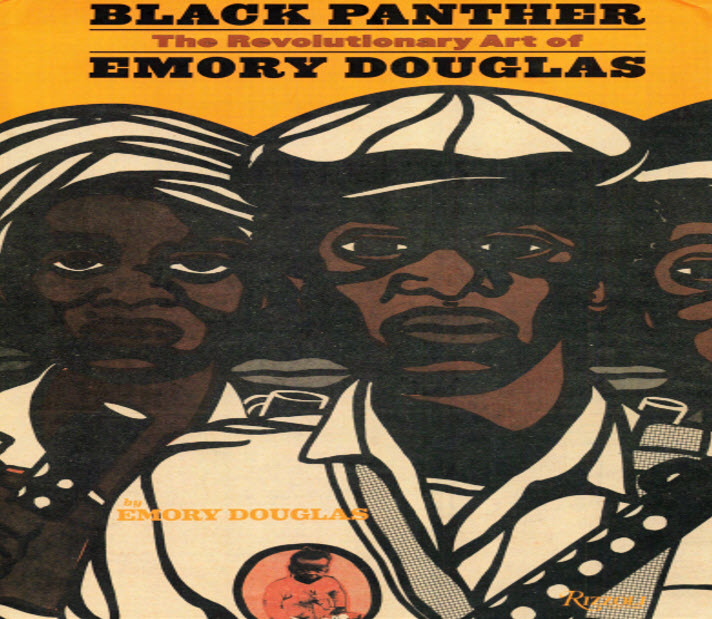
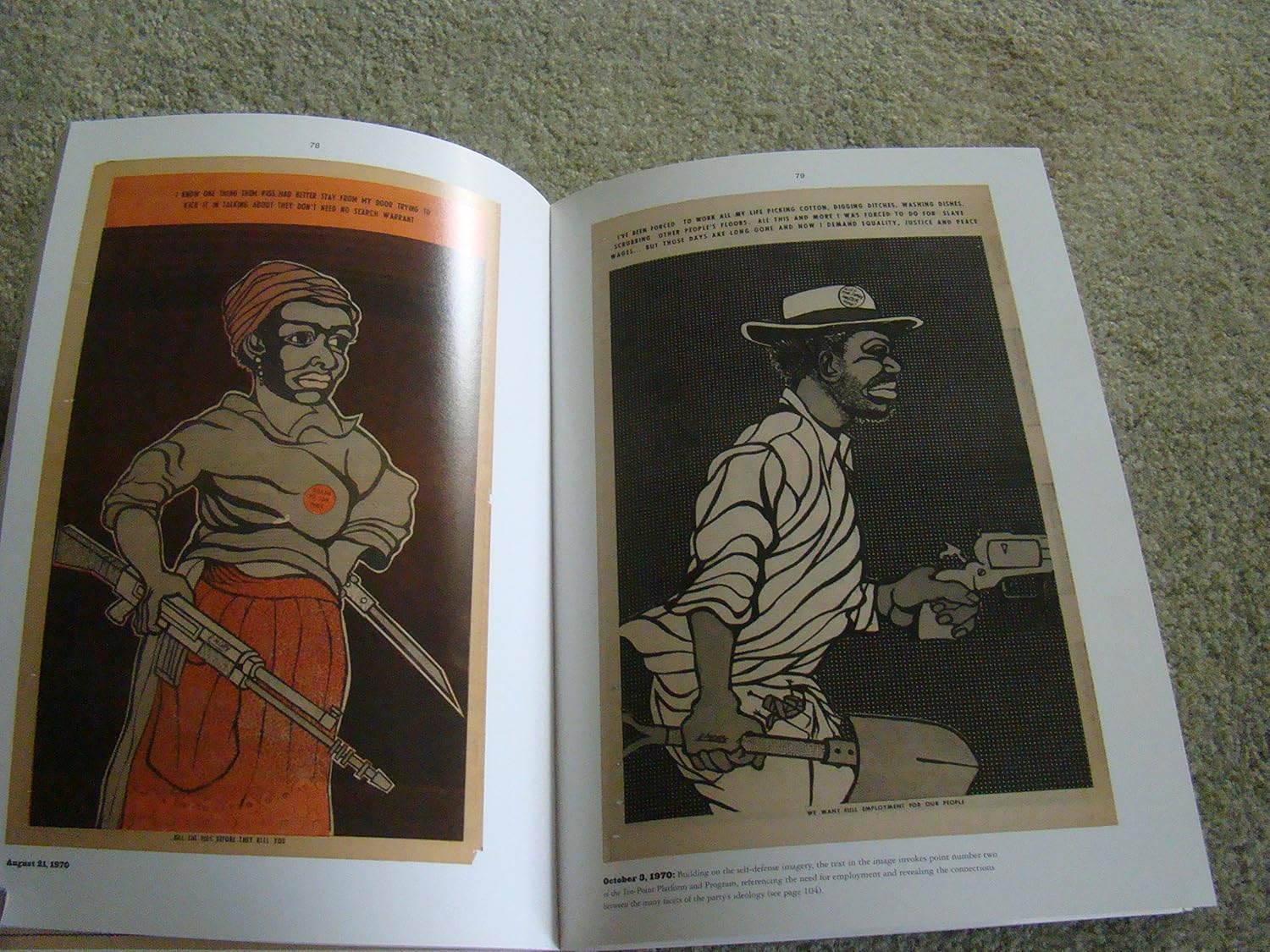
Black Panther_ The Revolutionary Art of Emory Douglas (Book Preview) and Emory Douglas_The Art of The Black Panthers (BPP |BAM Video Player), with BPP Newspapers_1969

Buy the Book here. https://www.rizzoliusa.com/book/9780847841899/ (228 Pages.)

4 Video Playlist

Black Panther_ The Revolutionary Art of Emory Douglas, Publish 2014. (Book Preview)

Description

A reformatted and reduced price edition—including a revised and updated introduction by Sam Durant and new text on the artist today by Colette Gaiterof the first book to show the provocative posters and groundbreaking graphics of the Black Panther Party. The Black Panther Party for Self Defense, formed in the aftermath of the assassination of Malcolm X in 1965, sounded a defiant cry for an end to the institutionalized subjugation of African Americans. The Black Panther newspaper was founded to articulate the party’s message, and artist Emory Douglas became the paper’s art director and later the party’s minister of culture. Douglas’s artistic talents and experience proved a powerful combination: his striking collages of photographs and his own drawings combined to create some of the era’s most iconic images. This landmark book brings together a remarkable lineup of party insiders who detail the crafting of the party’s visual identity.

About The Author

Emory Douglas was the Minister of Culture for the Black Panther Party from 1967 until its discontinuation in the early 1980s. Colette Gaiter is associate professor of visual communications in the art department at the University of Delaware.  Bobby Seale co-founded the Black Panther Party with Huey Newton. Sam Durant is a Los Angeles–based artist. Danny Glover is an actor, producer, and director. Kathleen Cleaver, attorney, author, and senior lecturer at Yale University and Emory Law School, joined the Black Panther Party in 1967. Amiri Baraka is a writer and political activist.

Pop the document out from the upper right to read / expand / download.

BPP Newspapers_1969

Click to Open

Learn more in RBG Communiversity Knowledge Media eLibrary:

Malcolm X As Cultural Hero and Other Afrocentric Essays by Molefi Kete Asante and Dr. Molefi Kete Asante Lecture On Malcolm X (RBG MKA Video Player)

RBG Molefi Kete Asante Institute Lectures

21 Video Playlist

Book Summary

“Malcolm X As Cultural Hero and Other Afrocentric Essays” by Molefi Kete Asante is a collection of essays that examine the significance of Malcolm X as a cultural icon and his impact on African American identity and consciousness. Asante, a prominent scholar in Afrocentric studies, explores themes of cultural pride, resistance, and the importance of historical context in understanding the contributions of Malcolm X and other African figures. The essays advocate for a re-framing of African American history through an Afrocentric lens, emphasizing the need for empowerment and self-determination within the Black community.

Essential Themes and Discussions Presented:

  1. Introduction
    • Overview of the book’s purpose and themes
    • Contextualization of Malcolm X’s life and legacy
    • Introduction to Afrocentricity and its relevance to contemporary discussions
  2. Malcolm X as a Cultural Hero
    • Exploration of Malcolm X’s role as a symbol of resistance and empowerment
    • Analysis of his philosophy and rhetoric regarding race and identity
    • Discussion of the significance of Malcolm X in the context of the Civil Rights Movement
  3. The Concept of Afrocentricity
    • Definition and principles of Afrocentricity
    • Importance of cultural identity and historical perspective in Afrocentric thought
    • Critique of Eurocentrism and its effects on African and African American identity
  4. Malcolm X’s Influence on Afrocentric Thought
    • Examination of how Malcolm X’s ideas resonate with Afrocentric philosophy
    • Discussion of his critiques of systemic oppression and colonialism
    • Analysis of his vision for African unity and self-determination
  5. Cultural Identity and Empowerment
    • Exploration of the relationship between culture and identity in the African diaspora
    • The role of cultural heroes in shaping collective consciousness
    • Discussion of strategies for cultural empowerment and community building
  6. Historical Context of African American Struggles
    • Overview of historical events and figures that shaped the African American experience
    • Examination of the legacy of slavery, segregation, and systemic racism
    • The impact of these historical factors on contemporary issues facing the Black community
  7. Contemporary Relevance of Malcolm X’s Ideas
    • Analysis of how Malcolm X’s teachings apply to current social justice movements
    • Reflection on the ongoing struggles for racial equality and justice
    • Discussion of the importance of maintaining cultural heritage in today’s society
  8. Conclusion
    • Summary of key themes and insights from the essays
    • Final reflections on the enduring legacy of Malcolm X as a cultural hero
    • Emphasis on the importance of Afrocentric perspectives in understanding history and identity

Malcolm X As Cultural Hero and Other Afrocentric Essays by Molefi Kete Asante (1993)

Pop the document out from the upper right to read / expand / download.

Learn more in RBG Communiversity Knowledge Media eLibrary: