
Last Updated 01-05-25
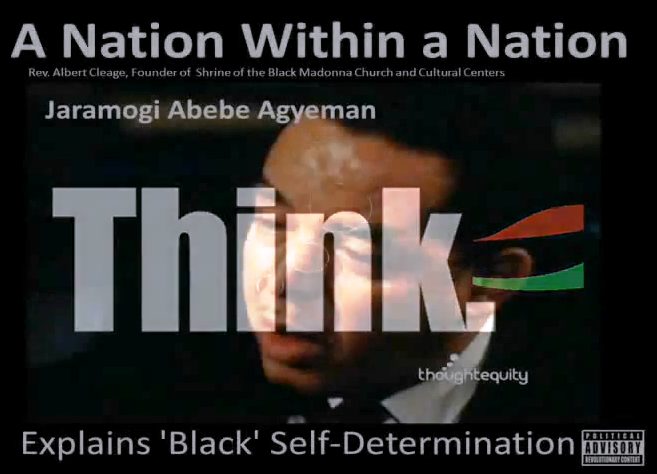


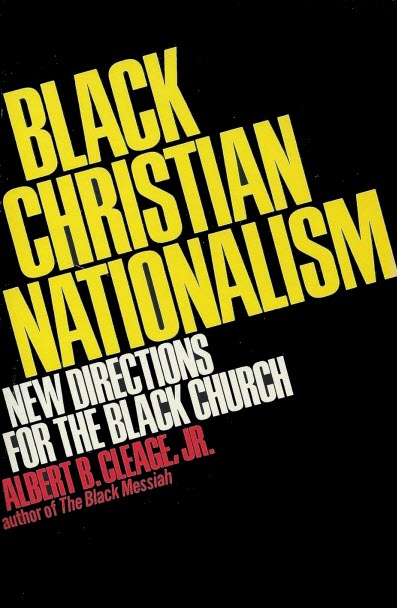
Black Christian Nationalism, By Jaramogi Abebe Agyeman_eBook
Book Summary
“Black Christian Nationalism” by Reverend Albert Cleage, also known as Jaramogi Abebe Agyeman, presents a compelling argument for the integration of Black nationalism and Christianity.
The following overview and outline encapsulates the core themes and arguments presented in Cleage’s work, illustrating his vision for a transformative approach to Christianity that empowers the Black community.
Overview
In “Black Christian Nationalism,” Cleage argues that Christianity can and should be reinterpreted to serve the needs of the Black community. He critiques traditional Christian doctrines that have often marginalized Black experiences and emphasizes the importance of a Black identity within the Christian faith. Cleage advocates for a theology that empowers Black people and addresses social justice, cultural pride, and economic independence.
Introduction
- Definition of Black Christian Nationalism
- Importance of the intersection between faith and identity
Chapter 1: Historical Context
- Overview of Black Christianity in America
- Influence of slavery and segregation on Black religious practices
- The role of the church in the civil rights movement
Chapter 2: Critique of Mainstream Christianity
- Examination of traditional Christian teachings
- Discussion of Eurocentrism in theology
- Impact of mainstream Christianity on Black identity
Chapter 3: Theological Foundations
- Introduction to Black liberation theology
- Reinterpretation of Biblical figures as symbols of Black resilience
- Emphasis on the African heritage in Christianity
Chapter 4: Political Implications
- The relationship between faith and activism
- Advocacy for social justice and civil rights
- The church as a base for political organization
Chapter 5: Economic Empowerment
- Importance of self-sufficiency within the Black community
- Strategies for economic independence
- Role of the church in promoting economic initiatives
Chapter 6: Cultural Identity
- Embracing African cultural heritage
- Importance of cultural pride in the Black community
- The church as a center for cultural education and celebration
Chapter 7: Vision for the Future
- Call for a new understanding of Christianity
- Vision for a united Black community grounded in faith
- Encouragement for future generations to embrace Black Christian Nationalism
Conclusion
- Summary of key arguments
- The ongoing relevance of Black Christian Nationalism in contemporary society
Here is a deeper exploration of the themes and concepts presented in “Black Christian Nationalism”
Detailed Themes
1. Historical Context
- Evolution of Black Christianity: Cleage discusses how the experiences of African Americans shaped their religious practices, emphasizing the resilience and adaptability of Black Christians throughout history.
- Role of the Church: The church served not only as a spiritual refuge but also as a community center, a platform for activism, and a source of leadership during critical movements like the civil rights struggle.
2. Critique of Mainstream Christianity
- Eurocentrism: Cleage critiques the predominance of European interpretations of Christianity that often neglect or misrepresent the experiences of Black individuals.
- Identity and Faith: He argues that traditional Christian teachings can alienate Black believers, leading to a disconnection from their cultural identity. Cleage calls for a theology that resonates with the Black experience.
3. Theological Foundations
- Liberation Theology: Cleage aligns himself with liberation theology, which emphasizes the importance of addressing social and economic injustices as part of the Christian mission.
- Biblical Reinterpretation: He encourages readers to find empowerment in the stories of Biblical figures who faced oppression, framing them as relatable heroes for the Black community.
4. Political Implications
- Faith and Activism: Cleage emphasizes that faith should lead to action. He believes that churches should engage in political activism to fight for civil rights and justice.
- Community Organization: The church can be a powerful organizing force, helping to mobilize individuals towards collective action against systemic oppression.
5. Economic Empowerment
- Self-Sufficiency: Cleage advocates for economic independence as a crucial component of liberation. He discusses the importance of creating and supporting Black-owned businesses.
- Church Initiatives: The church should lead initiatives that focus on economic education and support for community development, fostering a sense of agency within the Black population.
6. Cultural Identity
- Embracing Heritage: Cleage stresses the importance of recognizing and celebrating African roots and cultural practices as integral to the Black Christian experience.
- Cultural Education: The church is positioned as a place for cultural education, helping community members learn about their history and identity.
7. Vision for the Future
- Transformative Christianity: Cleage envisions a future where Black Christian Nationalism redefines Christianity in a way that uplifts and empowers Black individuals.
- Legacy and Leadership: He calls upon the younger generation to carry forward the ideals of Black Christian Nationalism, ensuring that the struggle for justice and equality continues.
Conclusion
“Black Christian Nationalism” is not just a theological treatise; it is also a rallying cry for social justice, cultural pride, and economic independence. Cleage’s work challenges the status quo of both religious and societal norms, advocating for a faith that is deeply rooted in the experiences and struggles of Black people. His vision is one of empowerment, community, and a reimagined relationship with spirituality that honors both identity and faith.

Black Christian Nationalism: New Directions for the Black Church_eBook
Pop the documents out from the upper right to read / expand / download.

 RBG Communiversity: Message 2 Da Grassroots
You must be logged in to post a comment.