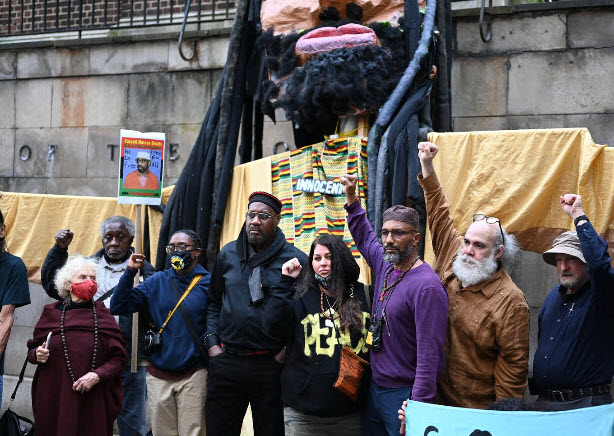
Revolutionary Suicide, by Huey P. Newton, Introduction by Fredrika Newton _ eBook and Audiobook, with Huey P Newton: Rare Footage Clips and Interviews

Ho Che Anderson (Illustrator)

Book Summary

“Revolutionary Suicide” is an autobiographical work by Huey P. Newton, co-founder of the Black Panther Party, which details his life experiences, political philosophy, and the struggles of the Black community in America. The book combines personal narrative with a broader analysis of systemic racism, oppression, and the fight for social justice. Through his reflections, Newton articulates the concept of “revolutionary suicide” as a means of resisting oppression and asserting identity, emphasizing the need for revolutionary change to achieve true liberation. The introduction by Fredrika Newton provides context for Newton’s life and highlights his legacy as a revolutionary leader.

Essential Themes and Historical Context:

  1. Introduction by Fredrika Newton
    • Overview of Huey P. Newton’s life and significance
    • Contextualization of the Black Panther Party’s mission and impact
    • Introduction to the themes of the book
  2. Early Life and Influences
    • Newton’s childhood and upbringing in Oakland, California
    • Family background and early experiences with racism
    • Influences that shaped his political consciousness
  3. Formation of the Black Panther Party
    • The founding of the Black Panther Party in 1966
    • Key principles and goals of the organization
    • The role of community programs and initiatives
  4. Philosophy of Revolutionary Suicide
    • Explanation of the concept of “revolutionary suicide”
    • The significance of self-determination and resistance
    • Discussion of the philosophical underpinnings of Newton’s beliefs
  5. Struggle Against Oppression
    • Analysis of systemic racism and police brutality in America
    • Accounts of confrontations with law enforcement
    • The impact of the FBI’s COINTELPRO on the Black Panther Party
  6. Personal Experiences and Challenges
    • Newton’s arrest and legal battles
    • Reflections on leadership and the responsibilities of revolutionaries
    • The challenges faced by the Black Panther Party in the 1970s
  7. Legacy and Impact
    • Examination of Newton’s influence on future generations of activists
    • The continuing relevance of his ideas in contemporary struggles for justice
    • Reflection on the Black Panther Party’s legacy in the fight for civil rights
  8. Conclusion
    • Summary of key themes and messages from Newton’s narrative
    • Call for continued activism and dedication to social change

Revolutionary Suicide_eBook

The searing, visionary memoir of founding Black Panther Huey P. Newton, in a dazzling graphic package. Tracing the birth of a revolutionary, Huey P. Newton’s famous and oft-quoted autobiography is as much a manifesto as a portrait of the inner circle of America’s Black Panther Party. From Newton’s impoverished childhood on the streets of Oakland to his adolescence and struggles with the system, from his role in the Black Panthers to his solitary confinement in the Alameda County Jail, Revolutionary Suicide is unrepentant and thought-provoking in its portrayal of inspired radicalism.

Pop the documents out from the upper right to read / expand / download.

Revolutionary Suicide_Audiobook Part 1

Revolutionary Suicide_Audiobook Part 2

Huey P Newton: Rare Footage Clips and Interviews

Learn more in RBG Communiversity Knowledge Media eLibrary:

Nelson Mandela | Video Education Player, Long Walk to Freedom Audiobook and eBook, and Introduction to Spirit of Mandela

Credits: Long Walk to Freedom Cover (©1994, by Nelson Rolihlahla Mandela)

Nelson Mandela | Video Education Player

10 Video Playlist

Long Walk to Freedom Audiobook

11 Video Playlist (Audio reading corresponds to page 15 and foward for the Reader below.)

Long Walk to Freedom eBook

Nelson Mandela was one of the great moral and political leaders of his time: an international hero whose lifelong dedication to the fight against racial oppression in South Africa won him the Nobel Peace Prize and the presidency of his country. After his triumphant release in 1990 from more than a quarter-century of imprisonment, Mandela was at the center of the most compelling and inspiring political drama in the world. As president of the African National Congress and head of South Africa’s antiapartheid movement, he was instrumental in moving the nation toward multiracial government and majority rule. He is still revered everywhere as a vital force in the fight for human rights and racial equality.
Long Walk to Freedom is his moving and exhilarating autobiography, destined to take its place among the finest memoirs of history’s greatest figures. Here for the first time, Nelson Rolihlahla Mandela told the extraordinary story of his life — an epic of struggle, setback, renewed hope, and ultimate triumph.

Pop the documents out from the upper right to read / expand / download.

Nelson Mandela Foundation

Introduction to “Spirit of Mandela”

Spirit of Mandela is a campaign to bring international attention to U.S. human rights violations of Black, Brown, Indigenous People, and U.S. held political prisoners.

Clickable Photo
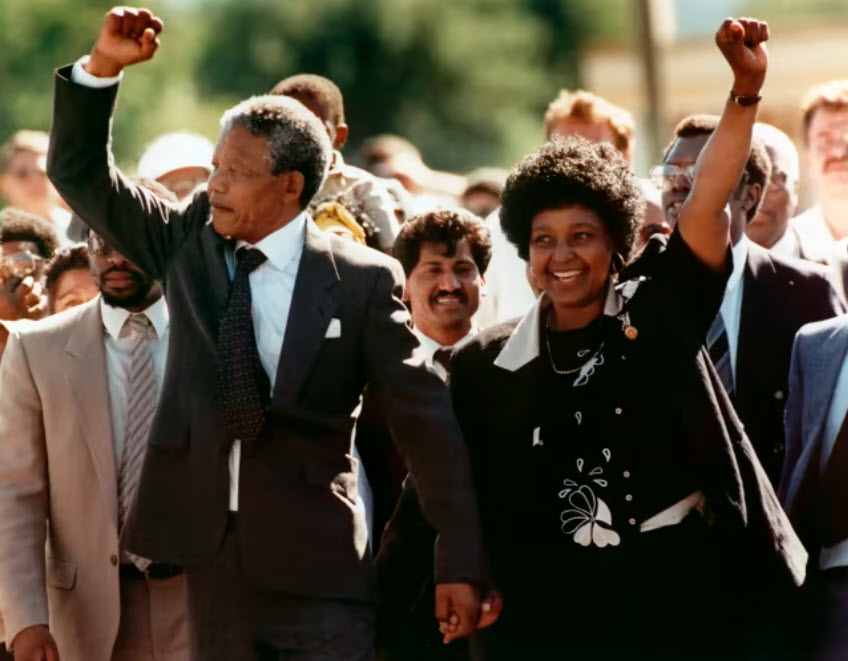
Credits: AP 2020. FILE – In this Feb. 13, 1990 file photo, Nelson Mandela and his wife, Winnie Madikizela-Mandela, gesture as they arrive at Soccer City Stadium in Soweto, South Africa two days after after being released after serving 27 years in prison. Mandela’s release set off joyous celebrations and violent clashes as supporters welcomed Mandela back from years in jail. (AP Photo/Udo Weitz, File)
The Peoples’ Senate is a national cohesive network of people reflective of poor and working-class communities across the United States; joined together to protect, champion, and uphold the human rights of Black, Brown, and Indigenous people, and by doing so, ensure the human rights of all people.https://spiritofmandela.org/intro-peoples-senate

Companion Post/Lessons

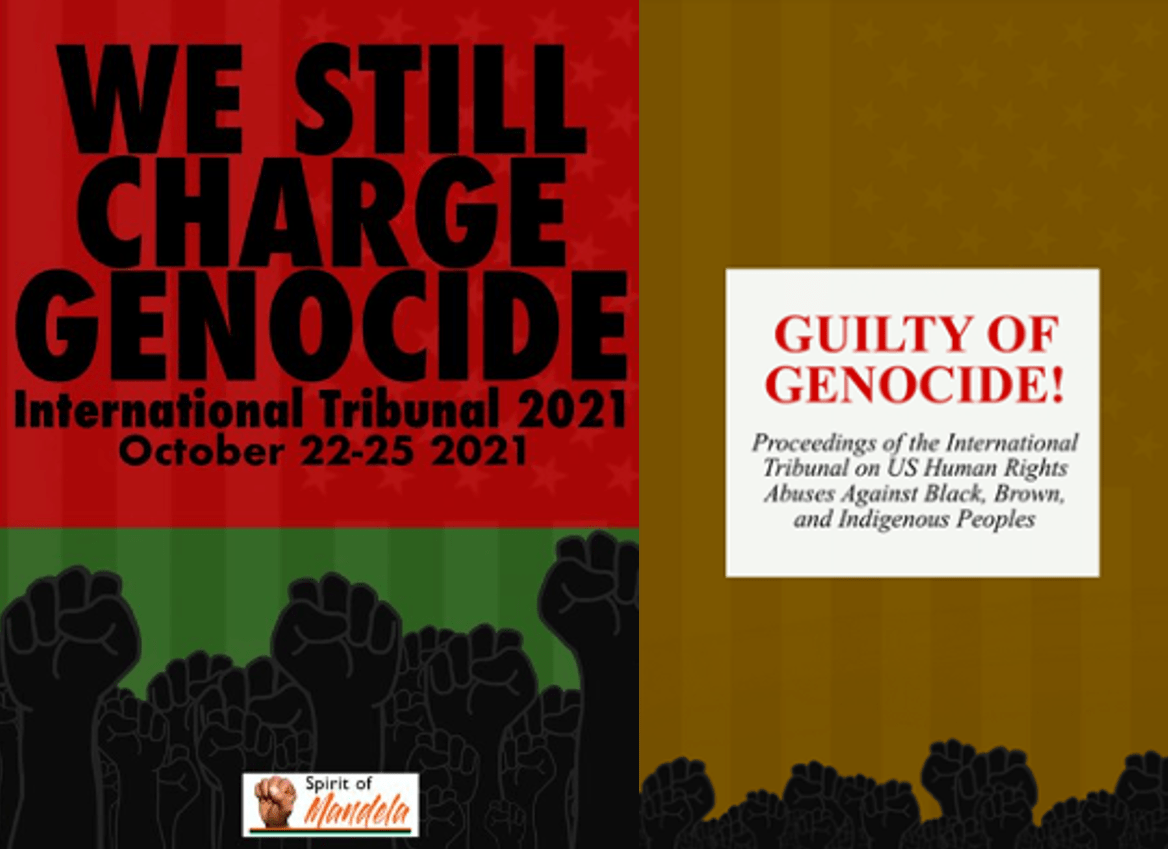
WE STILL CHARGE GENOCIDE: Spirit of Mandela International Tribunal (October 22-25, 2021)

Learn more in RBG Communiversity Knowledge Media eLibrary| Nelson Mandela Folder

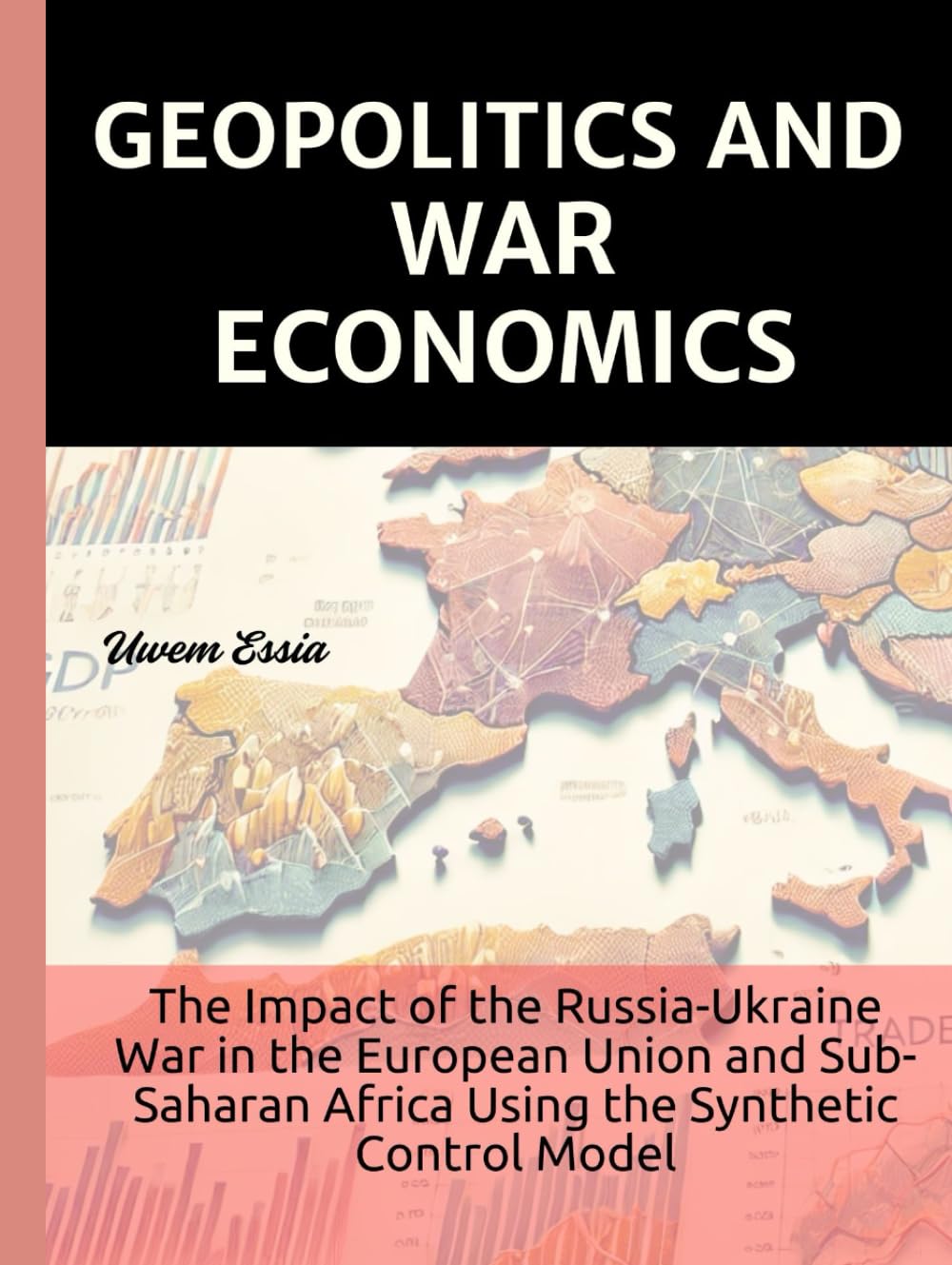
GEOPOLITICS AND WAR ECONOMICS: The Impact of the Russia-Ukraine War in the European Union and Sub-Saharan Africa Using the Synthetic Control Model, by Uwem Essia (Part of Peacebuilding and Development Series), with Solid Video Education

Part of: Peacebuilding and Development (21 books)

Book Summary

“GEOPOLITICS AND WAR ECONOMICS: The Impact of the Russia-Ukraine War in the European Union and Sub-Saharan Africa Using the “Synthetic Control Model” by Uwem Essia examines the far-reaching consequences of the Russia-Ukraine conflict on economic and geopolitical dynamics, particularly focusing on the European Union (EU) and Sub-Saharan Africa. Utilizing the Synthetic Control Model, the book provides a rigorous analysis of how the war has affected various economic indicators, trade relations, and geopolitical strategies in these regions. Essia delves into the interconnectedness of global economies and the implications of conflict on international relations, offering insights into how nations can navigate the complexities of a rapidly changing geopolitical landscape.

The outline that follows captures the essence of “GEOPOLITICS AND WAR ECONOMICS,” highlighting its focus on the economic and geopolitical impacts of the Russia-Ukraine conflict on the European Union and Sub-Saharan Africa. The book utilizes a rigorous methodological framework to provide valuable insights into the complexities of international relations and the challenges posed by geopolitical conflicts.

  • Introduction
  • Overview of the geopolitical context of the Russia-Ukraine war
  • Explanation of the significance of studying its impact on the EU and Sub-Saharan Africa
  • Introduction to the Synthetic Control Model as a methodological approach
  • Geopolitical Background
  • Historical context of Russia-Ukraine relations leading up to the conflict
  • Overview of key players in the EU and Sub-Saharan Africa
  • Analysis of the geopolitical implications of the war on global power dynamics
  • Methodology
  • Detailed explanation of the Synthetic Control Model
  • Justification for using this model to analyze economic impacts
  • Description of data sources and variables considered in the analysis
  • Impact on the European Union
  • Examination of economic repercussions within EU member states
    • Changes in trade patterns and energy dependency
    • Economic sanctions and their effects on EU economies
  • Analysis of political responses and shifts in foreign policy
    • Increased military expenditure and defense strategies
    • Solidarity measures among EU countries in response to the war
  • Impact on Sub-Saharan Africa
  • Assessment of the economic impact of the war on Sub-Saharan African nations
    • Disruptions in trade and supply chains, particularly in agriculture and energy
    • Inflationary pressures and food security concerns
  • Exploration of geopolitical ramifications for African nations
    • Shifts in alliances and foreign relations with Russia and Western nations
    • The role of African nations in global discussions about the conflict
  • Comparative Analysis
  • Comparison of the short-term and long-term effects of the war on the EU and Sub-Saharan Africa
  • Identification of common challenges faced by both regions due to the conflict
  • Insights into how different regions adapt to geopolitical shocks
  • Policy Implications
  • Recommendations for policymakers in the EU and Sub-Saharan Africa
    • Strategies for enhancing economic resilience and diversification
    • Approaches for strengthening regional cooperation and solidarity
  • Considerations for future geopolitical stability and security
  • Conclusion
  • Summary of key findings and insights from the analysis
  • Reflection on the broader implications of the Russia-Ukraine war for global geopolitics
  • Final thoughts on the importance of understanding the interconnectedness of global economies

“GEOPOLITICS AND WAR ECONOMICS” by Uwem Essia provides a comprehensive analysis of how the ongoing conflict between Russia and Ukraine has reshaped economic and geopolitical landscapes, particularly in the European Union (EU) and Sub-Saharan Africa. The book leverages the Synthetic Control Model, a quantitative method that allows for a robust evaluation of causal effects, to assess the war’s impact on various economic indicators and political dynamics in these regions.

Key Themes Explored

  • Geopolitical Context and Historical Background
  • The book begins by situating the Russia-Ukraine conflict within a broader historical context, examining prior relations between Russia and Ukraine and the factors leading to the escalation of tensions.
  • It explores how the war has redefined geopolitical alignments, with a focus on the shifting dynamics within the EU as member states respond to the crisis.
  • Methodological Framework
  • The Synthetic Control Model is central to Essia’s analysis, providing a framework for estimating what the economic outcomes would have been in the absence of the conflict. This method is particularly useful for assessing the impact of events that are not easily replicable or controlled for.
  • The author details the specific data sources used, including economic indicators and trade statistics, and explains how these variables were selected to construct the synthetic control groups for both the EU and Sub-Saharan Africa.
  • Economic Impact on the European Union
  • Essia investigates the immediate and long-term economic repercussions of the war on EU member states, such as:
    • Disruptions in trade flows, particularly concerning energy supplies, as many EU countries rely heavily on Russian gas and oil.
    • The imposition of sanctions on Russia, which had significant ripple effects on EU economies, including inflation and supply chain issues.
  • The analysis also covers shifts in the EU’s defense spending and military cooperation in response to perceived threats, as well as changes in foreign policy aimed at enhancing collective security.
  • Economic Impact on Sub-Saharan Africa
  • The book highlights the often-overlooked effects of the Russia-Ukraine conflict on Sub-Saharan African nations. Key points include:
    • The disruption of agricultural exports, particularly grains like wheat, which has exacerbated food insecurity in a region already vulnerable to climate change and economic instability.
    • Rising prices for essential goods, leading to inflationary pressures that affect the livelihoods of millions.
  • Essia discusses how Sub-Saharan African countries are navigating the geopolitical landscape, often balancing their relationships with both Western nations and Russia.
  • Comparative Analysis and Insights
  • The comparative analysis section synthesizes the findings from the two regions, identifying similarities and differences in how they are affected by the war.
  • Essia highlights common challenges, such as the need for economic diversification and resilience against external shocks, while also noting the distinct geopolitical strategies employed by the EU and Sub-Saharan Africa.
  • Policy Recommendations
  • The author provides actionable recommendations for policymakers in both regions, suggesting:
    • Economic diversification strategies to reduce dependency on single sources of energy or commodities.
    • Enhanced regional cooperation to build resilience against future geopolitical shocks.
    • The importance of engaging in diplomatic efforts to mitigate the conflict and its repercussions on global stability.

Conclusion and Broader Implications

  • Reflections on Global Interconnectedness
  • In the conclusion, Essia reflects on the interconnected nature of today’s global economy and how localized conflicts can have far-reaching implications.
  • He emphasizes that understanding the economic and geopolitical consequences of the Russia-Ukraine war is essential for anticipating future challenges and opportunities in international relations.
  • Future Geopolitical Stability
  • The book ends with a call for ongoing research and dialogue to address the complexities of global geopolitics, stressing the importance of adapting to changing dynamics in an increasingly multipolar world.

Overall, “GEOPOLITICS AND WAR ECONOMICS” offers a thorough and insightful examination of the ramifications of the Russia-Ukraine conflict, using a sophisticated methodological approach to shed light on the pressing economic and geopolitical issues facing the EU and Sub-Saharan Africa. By connecting the dots between conflict, economics, and international relations, Uwem Essia provides valuable perspectives that contribute to our understanding of contemporary global challenges.

“GEOPOLITICS AND WAR ECONOMICS: The Impact of the Russia-Ukraine War in the European Union and Sub-Saharan Africa Using the Synthetic Control Model” by Uwem Essia_eBook

Pop the document out from the upper right to read / expand / download

Geopolitics, Economics, War and Fall of U.S. Empire_Video Education 1

35 Video Playlist

U.S. Geopolitics and Economy _Dr. Paul Craig Roberts_Video Education 2

21 Video Playlist

Learn more in RBG Communiversity Knowledge Media eLibrary:
Geopolitics, Economics, War and Fall of U.S. Empire

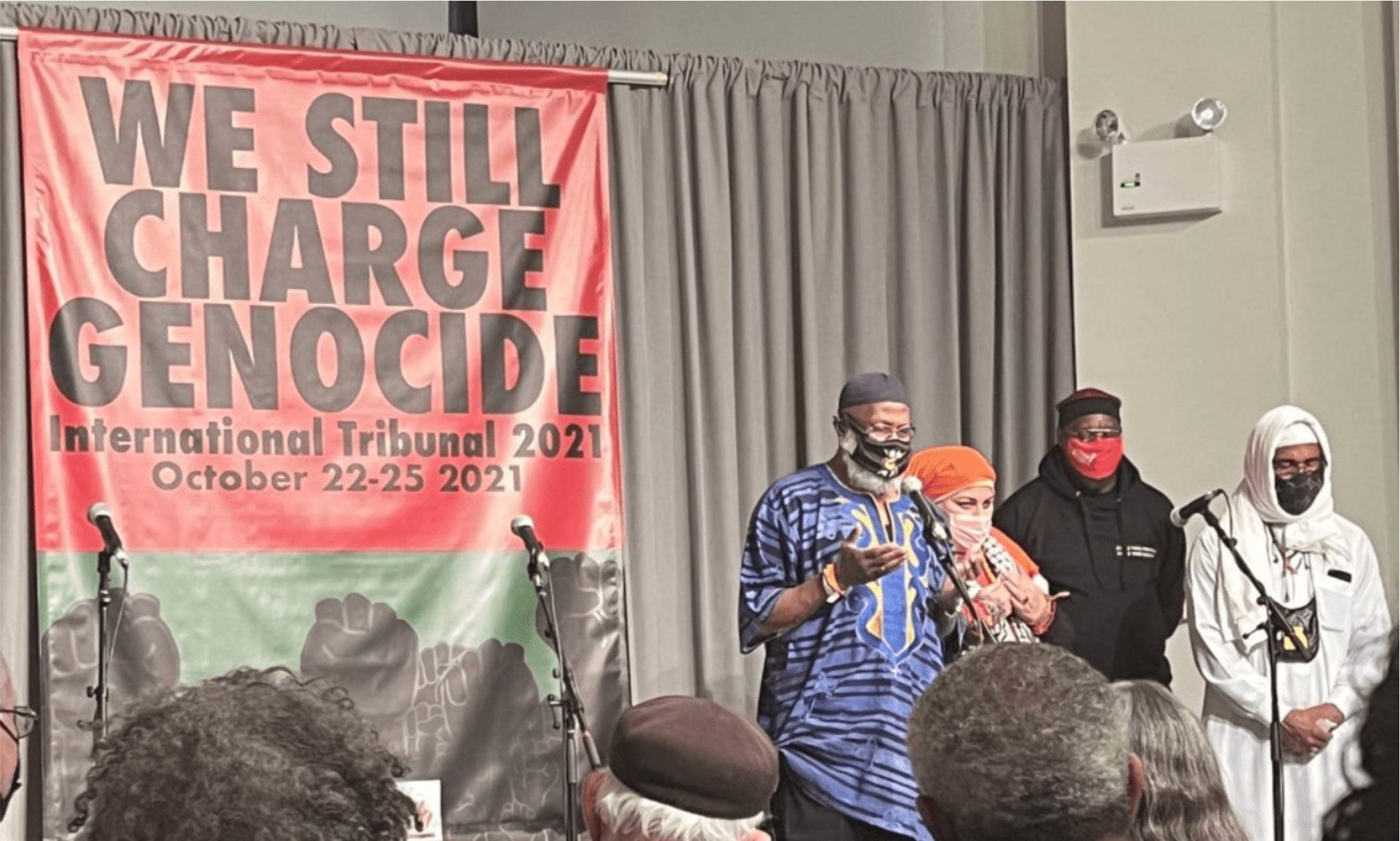
WE STILL CHARGE GENOCIDE: Spirit of Mandela International Tribunal (October 22-25, 2021)

Last updated 09-01-2024

https://spiritofmandela.org/international-tribunal

On October 22-25 2021, the Spirit of Mandela Coalition organized and hosted an International Tribunal which we successfully charged the United States government, its states, and specific agencies with human and civil rights violations against Black, Brown, and Indigenous people.

  • Racist police killings of Black, Brown, and Indigenous people.
  • Hyper incarcerations of Black, Brown, and Indigenous people.
  • Political incarceration of Civil Rights/National Liberation era revolutionaries and activists, as well as present day activists.
  • Environmental racism and its impact on Black, Brown, and Indigenous people.
  • Public Health racism and disparities and its impact on Black, Brown, and Indigenous people.
  • Genocide of Black, Brown, and Indigenous people as a result of the historic and systemic charges of all the above.

OUTCOMES & OPPORTUNITIES

Click for full size poster.
Also see RBG Communiversity eLibrary: Genocides_Past and Present Folder

The 2021 International Tribunal has a unique set of outcomes and an opportunity to organize on a mass level across many social justice arenas. Upon the verdict, the results of the Tribunal will:

  • Codify and publish the content and results of the Tribunal to be offered in High Schools and University curriculums.
  • Provide organized, accurate information for reparation initiatives and community and human rights work.
  • Present a stronger case, building upon previous and respected human rights initiatives, on the international stage.
  • Establish a healthy and viable massive national network of community organizations, activists, clergy, academics, and lawyers concerned with challenging human rights abuses on all levels and enhancing the quality of life for all people.
  • Strengthen the demand to free all Political Prisoners and establish a Truth & Reconciliation Commission mechanism to lead to their freedom.
  • Establish the foundation to build a “Peoples’ Senate” representative of all 50 states, Indigenous Tribes, and major religions.

11 Video Playlist

Pop the documents out from the upper right to read / expand / download.

People’s Indictment 22 October 2021 (Draft 1_Full):

FINAL VERDICT of the 2021 INTERNATIONAL TRIBUNAL:

Learn More: Nelson Mandela Rules

Spirit of Mandela is a campaign to bring international attention to U.S. human rights violations of Black, Brown, Indigenous People, and U.S. held political prisoners.

Clickable Photo
Credits: AP 2020. FILE – In this Feb. 13, 1990 file photo, Nelson Mandela and his wife, Winnie Madikizela-Mandela, gesture as they arrive at Soccer City Stadium in Soweto, South Africa two days after after being released after serving 27 years in prison. Mandela’s release set off joyous celebrations and violent clashes as supporters welcomed Mandela back from years in jail. (AP Photo/Udo Weitz, File)

The Peoples’ Senate is a national cohesive network of people reflective of poor and working-class communities across the United States; joined together to protect, champion, and uphold the human rights of Black, Brown, and Indigenous people, and by doing so, ensure the human rights of all people.https://spiritofmandela.org/intro-peoples-senate

Pop the documents out from the upper right to read / expand / download.

YOUR VOICE MATTERS. JOIN THE PEOPLES’ SENATE: The Peoples’ Senate is a national cohesive network reflective of poor and working-class communities across the United States, its colonies and territories; working together to protect, champion and uphold the human rights of Black, Brown, and Indigenous peoples, thus ensuring the human rights of all people.
https://spiritofmandela.org/intro-peoples-senate

Learn and Get Involved:

RBG Communiversity Knowledge Media eLibrary | Spirit of Mandela Folder

Neocolonialism Is The Reason For Africa’s Poverty and Under-Development| We Debate (Video Edu) and Neo-Colonialism and the Poverty of ‘Development’ in Africa by Mark Langan (eBook), with Supplemental: Neo-Colonialism, the Last Stage of Imperialism by Kwame Nkrumah

6 Video Playlist

Neo-Colonialism and the Poverty of ‘Development’ in Africa by Mark Langan

Pop the document out from the upper right to read / expand / download.

Langan reclaims neo-colonialism as an analytical force for making sense of the failure of ‘development’ strategies in many African states in an era of free market globalization. Eschewing polemics and critically engaging the work of Ghana’s first President – Kwame Nkrumah – the book offers a rigorous assessment of the concept of neo-colonialism. It then demonstrates how neo-colonialism remains an impediment to genuine empirical sovereignty and poverty reduction in Africa today. It does this through examination of corporate interventions; Western aid-giving; the emergence of ‘new’ donors such as China; EU-Africa trade regimes; the securitisation of development; and the UN Sustainable Development Goals. Throughout the chapters, it becomes clear that the current challenges of African development cannot be solely pinned on so-called neo-patrimonial elites. Instead it becomes imperative to fully acknowledge, and interrogate, corporate and donor interventions which lock many poorer countries into neo-colonial patterns of trade and production. The book provides an original contribution to studies of African political economy, demonstrating the on-going relevance of the concept of neo-colonialism, and reclaiming it for scholarly analysis in a global era. (Source:

Supplemental: Neo-Colonialism, the Last Stage of Imperialism by Kwame Nkrumah

14 Video Playlist

Pop the document out from the upper right to read / expand / download.