Jailhouse Lawyers: Prisoners Defending Prisoners v. the USA by Mumia Abu-Jamal, Introduction Angela Y. Davis_eBook and Audiobook

Book Summary

“Jailhouse Lawyers: Prisoners Defending Prisoners v. the USA” is a powerful examination of the U.S. prison system through the lens of those incarcerated. Written by Mumia Abu-Jamal, a prominent journalist and activist on death row, this book sheds light on the struggles and experiences of prisoners who take on the challenge of defending themselves and their peers within a flawed legal system. The introduction by Angela Y. Davis adds depth, contextualizing the importance of prison activism and the fight against systemic injustice.

The outline that follows provides a structured view of the book’s content and themes, highlighting the critical issues surrounding the prison system and the efforts of those within it to seek justice.

  • Introduction by Angela Y. Davis
    • Overview of the prison industrial complex
    • Historical context of prison activism
    • Importance of prisoner representation in the legal system
  • Chapter 1: The Role of Jailhouse Lawyers
    • Definition and function of jailhouse lawyers
    • Historical examples of successful jailhouse lawyers
    • The impact of jailhouse lawyers on prison reform
  • Chapter 2: The Prison System and Legal Barriers
    • Description of the barriers faced by prisoners in accessing legal resources
    • Overview of the legal system’s shortcomings regarding prisoner rights
    • The role of censorship and isolation in hindering legal defense
  • Chapter 3: Case Studies of Prisoner Defenses
    • Detailed accounts of notable cases handled by jailhouse lawyers
    • Analysis of the outcomes and their implications for justice
    • Reflection on the strategies employed by these lawyers
  • Chapter 4: The Intersection of Race and Incarceration
    • Examination of racial disparities within the prison system
    • Impact of systemic racism on legal representation for prisoners
    • Stories of racial injustice and resistance
  • Chapter 5: The Future of Prisoner Advocacy
    • Discussion on the evolving role of jailhouse lawyers in modern justice
    • Potential reforms and changes needed in the legal system
    • The importance of solidarity among prisoners and advocates
  • Conclusion: A Call to Action
    • Reflection on the necessity of continued advocacy for prisoners’ rights

Here’s a deeper dive into the key themes and concepts presented in “Jailhouse Lawyers”

Key Themes

  1. Prisoner Advocacy:
    • The book emphasizes the empowerment of prisoners to advocate for themselves and their peers. Jailhouse lawyers often develop a deep understanding of legal principles, despite the limitations of their environments. They become vital resources for other inmates who may lack formal legal representation.
  2. Systemic Injustice:
    • Abu-Jamal critiques the U.S. legal system, highlighting how it disproportionately affects marginalized populations, particularly people of color. He argues that the system is designed to perpetuate inequality and that many prisoners face insurmountable barriers when trying to navigate it.
  3. Resistance and Solidarity:
    • The narrative illustrates the importance of solidarity among prisoners. It showcases how collective efforts can challenge injustices and how shared experiences often lead to organized actions for reform. The book serves as a testament to the resilience of those incarcerated who refuse to be silenced.
  4. Historical Context:
    • The introduction by Angela Y. Davis situates the discussion within a broader historical framework, linking contemporary issues in the prison system to past movements for civil rights and social justice. Davis provides insights into how historical struggles inform current advocacy efforts.
  5. Legal Education:
    • The book highlights the informal education that takes place within prison walls, where inmates learn about the law and legal strategies. This self-education is often a response to the inadequacies of the legal system and the lack of access to professional legal assistance.

Important Concepts

  • Jailhouse Lawyer:
    • A term used to describe inmates who have taken it upon themselves to learn about the law and assist others in their legal battles. These individuals often possess significant knowledge and can navigate the complexities of the legal system despite their confinement.
  • Access to Justice:
    • The book underscores the challenges faced by prisoners in accessing legal resources, such as libraries, legal texts, and supportive networks. It critiques the systemic barriers that prevent a fair trial and adequate representation.
  • Racial Disparities:
    • Abu-Jamal explores how race and ethnicity intersect with the prison system, revealing how systemic racism is embedded within legal practices. He discusses the disproportionate incarceration rates of Black and Latino individuals and the implications of this on their communities.
  • Activism and Reform:
    • The narrative calls for ongoing activism to reform the justice system, advocating for policies that prioritize rehabilitation over punishment. It encourages readers to engage in grassroots movements and support organizations working toward prison reform.

Jailhouse Lawyers: Prisoners Defending Prisoners v. the USA_eBook

Overall, “Jailhouse Lawyers” is not only a critique of the prison system but also a celebration of the resilience and ingenuity of those who fight for justice from behind bars. It serves as a reminder of the importance of advocacy, education, and solidarity in the face of systemic oppression.

Pop the documents out from the upper right to read / expand / download.
Jailhouse Lawyers: Prisoners Defending Prisoners v. the USA_Audiobook

Learn more in RBG Communiversity Knowledge Media eLibrary:

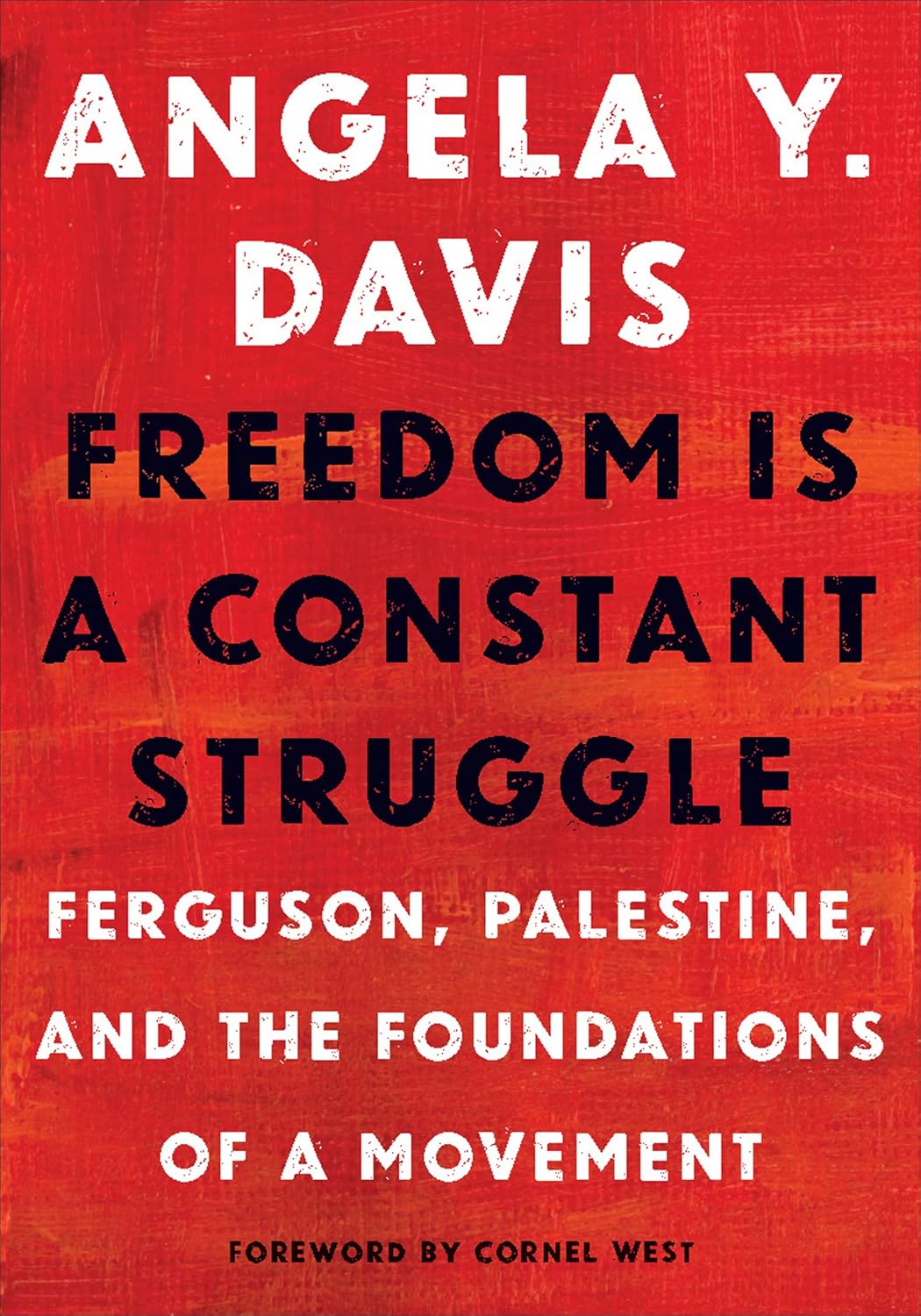
Freedom Is a Constant Struggle: Ferguson, Palestine, and the Foundations of a Movement by Angela Y. Davis_eBook and Audiobook, with ORIGINAL_Gil Scott-Heron – “The Revolution Will Not Be Televised” – w-Lyrics

“Freedom Is a Constant Struggle”_Book Summary

“Freedom Is a Constant Struggle: Ferguson, Palestine, and the Foundations of a Movement” by Angela Y. Davis is a powerful collection of essays and speeches that explores the intersections of social justice movements, particularly focusing on the struggles against racial oppression in the United States and the Palestinian struggle for liberation. Davis draws connections between the experiences of marginalized communities, emphasizing the global nature of resistance against systemic injustice. Through her analysis, she highlights the importance of solidarity, intersectionality, and the need for a comprehensive understanding of freedom that transcends borders. The book serves as a call to action for activists and allies to unite in the fight for justice and equality.

The outline that follows captures the main themes and structure of “Freedom Is a Constant Struggle,” highlighting Angela Y. Davis’s critical analysis of contemporary social justice movements and her call for solidarity in the fight against oppression. The book serves as an important resource for understanding the interconnectedness of struggles for liberation and the necessity of collective action in achieving social justice.

I. Introduction

  • Overview of the book’s purpose: to connect struggles for liberation across different contexts
  • Introduction to Angela Y. Davis and her role as a prominent activist and scholar
  • The significance of examining the intersections of race, class, and gender in social movements

II. Historical Context of Struggles

  • Examination of the historical roots of racial oppression in the United States
  • Overview of the Palestinian struggle for self-determination and liberation
  • Discussion of the global context of colonialism and its impact on marginalized communities

III. The Ferguson Uprising

  • Analysis of the events surrounding the Ferguson protests following the shooting of Michael Brown
  • Exploration of the role of grassroots organizing and community response to police violence
  • Connection between the Ferguson movement and broader Black Lives Matter activism

IV. Solidarity with Palestine

  • Examination of the parallels between the struggles of Black Americans and Palestinians
  • Discussion of the Boycott, Divestment, Sanctions (BDS) movement and its significance
  • The importance of international solidarity in the fight against oppression

V. Intersectionality in Activism

  • Analysis of the importance of intersectionality in understanding social justice movements
  • Exploration of how race, gender, class, and sexuality intersect in the struggle for liberation
  • The role of women and LGBTQ+ individuals in movements for social change

VI. The Role of Education and Consciousness

  • Discussion of the importance of political education and consciousness-raising in activism
  • The need for critical engagement with history and current events to inform movement-building
  • The role of art, culture, and literature in inspiring and mobilizing communities

VII. Reflections on the Future of Movement-Building

  • Insights into the potential for transformative change through collective action
  • The importance of maintaining momentum and solidarity among diverse movements
  • A vision for a more just and equitable future, grounded in the principles of freedom and liberation

VIII. Conclusion

  • Summary of key themes and insights from the book
  • Reflection on the ongoing struggles for justice and the interconnectedness of movements
  • A call to action for readers to engage in the fight for freedom and equality across borders

“Freedom Is a Constant Struggle: Ferguson, Palestine, and the Foundations of a Movement” by Angela Y. Davis is a profound exploration of the connections between various social justice movements, particularly the struggles against systemic racism in the United States and the fight for Palestinian liberation. Through a series of essays and speeches, Davis articulates her vision of a world where freedom and justice are accessible to all, emphasizing the importance of solidarity and collective action.

Key Themes and Insights

  1. Interconnected Struggles:
    • Davis draws parallels between the struggles of Black Americans and Palestinians, highlighting how both groups face systemic oppression and violence rooted in colonialism and racism. She argues that understanding these connections is crucial for building a robust movement for justice.
    • The book emphasizes that the fight for freedom is not confined by national borders; rather, it is a global struggle against various forms of oppression.
  2. Ferguson and the Black Lives Matter Movement:
    • In her analysis of the Ferguson uprising, which followed the police shooting of Michael Brown, Davis discusses the grassroots organizing that emerged in response to state violence. She highlights the significance of the Black Lives Matter movement as a contemporary expression of the ongoing fight against racial injustice.
    • Davis emphasizes the need for sustained activism and community engagement to combat police brutality and systemic racism.
  3. Solidarity with Palestine:
    • Davis advocates for solidarity with the Palestinian struggle, articulating the importance of the Boycott, Divestment, Sanctions (BDS) movement as a means of resisting Israeli occupation and advocating for Palestinian rights.
    • She argues that recognizing the parallels between the experiences of Black Americans and Palestinians can strengthen solidarity efforts and amplify voices fighting for liberation.
  4. Intersectionality:
    • A significant theme in Davis’s work is the concept of intersectionality, which examines how various social identities (race, gender, class, and sexuality) intersect and impact individuals’ experiences of oppression.
    • Davis highlights the vital contributions of women and LGBTQ+ individuals to social justice movements, advocating for an inclusive approach that recognizes the diverse experiences within marginalized communities.
  5. Political Education and Consciousness:
    • Davis underscores the importance of political education in fostering a critical consciousness among activists. She believes that understanding history, systemic oppression, and current events is essential for effective movement-building.
    • The role of art, culture, and literature in inspiring and mobilizing communities is also emphasized, as these mediums can be powerful tools for raising awareness and fostering solidarity.
  6. Vision for the Future:
    • In her reflections on the future of social justice movements, Davis expresses hope for transformative change through collective action and solidarity. She envisions a world where liberation is not just a dream but a reality for all oppressed people.
    • The book concludes with a call to action, urging readers to engage in the ongoing fight for justice and to recognize their roles as allies in various struggles for liberation.

Conclusion

“Freedom Is a Constant Struggle” is a vital contribution to contemporary discussions about social justice, activism, and solidarity. Angela Y. Davis’s eloquent and insightful analysis encourages readers to recognize the interconnectedness of struggles for liberation and to engage actively in the fight against oppression. By drawing on her extensive experience as an activist, scholar, and thinker, Davis provides a framework for understanding the complexities of social justice movements and the importance of collective action.

The book serves as both an educational resource and a rallying cry for those committed to social change, emphasizing that the pursuit of freedom is a continuous journey that requires dedication, solidarity, and a deep understanding of the struggles faced by marginalized communities worldwide.

Click to view full size.

Freedom Is a Constant Struggle_eBook

Angela Y. Davis’s “Freedom Is a Constant Struggle” serves as both a historical account and a manifesto for contemporary resistance, urging readers to recognize the interconnections between various social justice movements and to work collectively towards a more just world

Pop the documents out from the upper right to read / expand / download.

Freedom Is a Constant Struggle_Audiobook

Audio start with Forward and corresponds to page 8 of the above Reader.

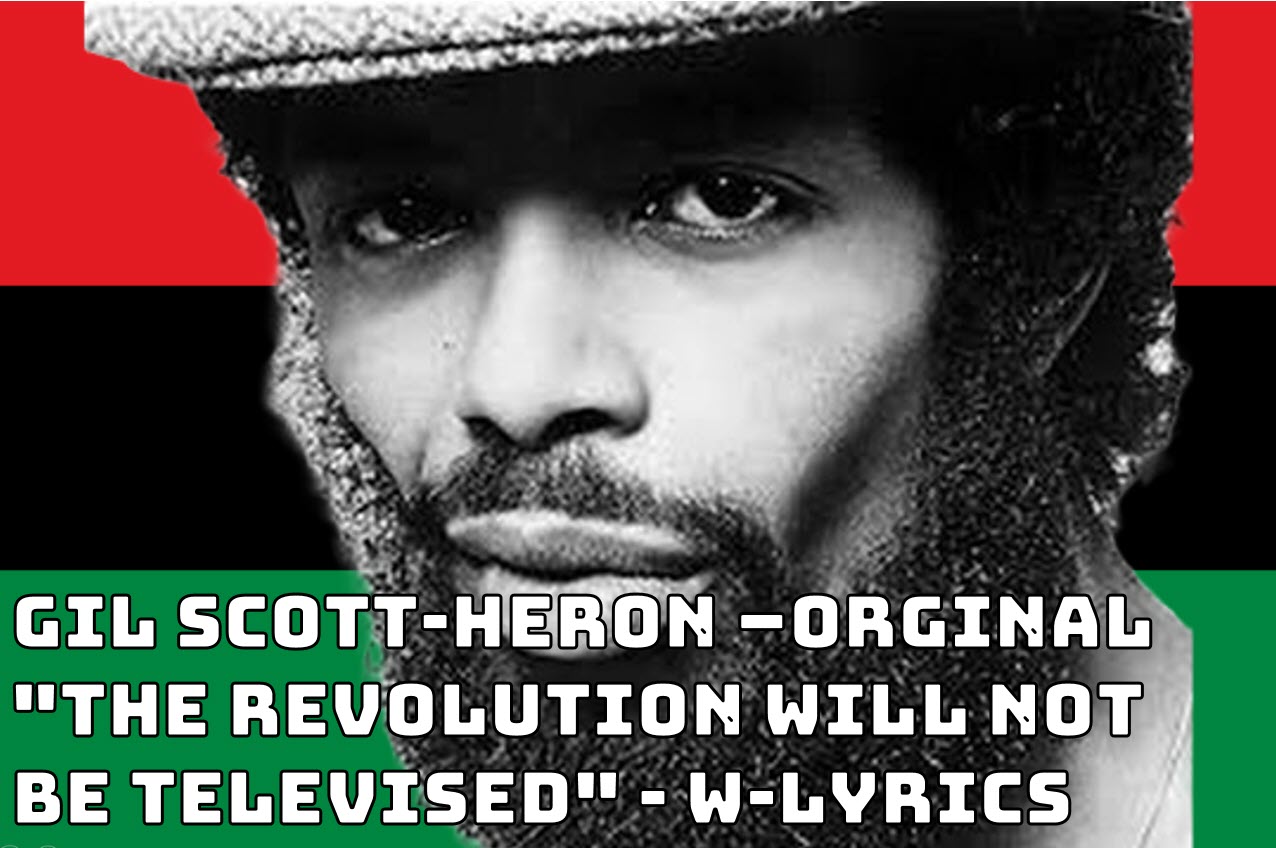
ORIGINAL_Gil Scott-Heron – “The Revolution Will Not Be Televised” – w-Lyrics

Gil Scott-Heron – The Revolution Will Not Be Televised – w-Lyrics

“The Revolution Will Not Be Televised” is a poem and song by Gilbert “Gil” Scott-Heron (April 1, 1949 – May 27, 2011). Song was originally a poem, inspired by the death of Gil’s College Classmate and friend Ron Colbert in November 1969. Colbert died after suffering from a brain Aneurysm, and going untreated while on Campus. The tragedy could have been avoided if the campus infirmary had been staffed and open around the clock. This led to boycotts, protests and demand for change.

Learn more in RBG Communiversity Knowledge Media eLibrary:

Gil Scott Heron Video Anthology

The Choice: The Issue of Black Survival in America by Samuel Yette (1971/82) Audiobook, presented by Real Talk With ZSJ

NB: The price of this book is prohibitive for most working class Black people, ie.“Colonization of Black Information”

The term “Colonization of Black Information” refers to the historical and ongoing processes through which knowledge, narratives, and cultural expressions of Black people and communities have been dominated, appropriated, blocked or marginalized by external forces, often rooted in colonialism and the systemic, business and culture of white supremacy (racism). Allow us to provide some details, as it goes to why this book is so expensive.

Four quick points:

  1. Historical Context: During colonial times, European powers often suppressed indigenous knowledge systems and cultural practices, replacing them with their own narratives. This led to a loss of agency among Black (New Afrikan) communities in telling their own stories and defining their own realities and identities.
  2. Cultural Appropriation: The appropriation of Black culture, music, art, and other expressions by non-Black (white) individuals and/or groups without proper acknowledgment or respect can be seen as a continuation of this colonization. Such actions often strip the original meanings and contexts from cultural elements.
  3. Media Representation: The portrayal of Black individuals and communities in media perpetuate stereotypes, often framing them through a lens that aligns with dominant societal (white) narratives and serving to distort public perceptions and limit the understanding of the Black experiences in Amerikkka under the bootheel of its oppression.
  4. Access to Information: Structural inequalities (eg. this book) often result in Black communities having less access to platforms and resources to share their information and narratives. This, more frequently than not, leads to a dearth of knowledge and a lack of representation in academic, historical, socio-political, economic and cultural discussions.

Book Summary

“The Choice: The Issue of Black Survival in America” by Samuel Yette is a profound exploration of the challenges faced by the African American community in the United States. Yette presents a critical analysis of the socio-political landscape affecting Black Americans, discussing themes of survival, identity, and agency. The book examines historical contexts, systemic racism, and the ongoing struggle for civil rights, ultimately advocating for a conscious choice in addressing these persistent issues.

The outline that follows captures the essence of Yette’s work, emphasizing both the historical context and the contemporary issues facing the Black community in America

  • Introduction
    • Purpose of the book
    • Overview of the Black experience in America
  • Historical Context
    • Legacy of slavery
    • Civil Rights Movement
    • Continued oppression and disenfranchisement
  • Systemic Racism
    • Definition and examples
    • Impact on African American communities
    • Institutional barriers in education, employment, and justice
  • Identity and Culture
    • The importance of cultural heritage
    • The role of community and family
    • Challenges in maintaining identity in a predominantly white society
  • Survival Strategies
    • Individual vs. collective approaches
    • Importance of education and empowerment
    • Role of activism and political engagement
  • The Power of Choice
    • Defining choices in the context of survival
    • Historical examples of impactful choices made by Black leaders
    • Encouraging personal responsibility and agency
  • Vision for the Future
    • Hope and resilience within the Black community
    • Potential pathways for change
    • Call to action for readers
  • Conclusion
    • Summary of key points
    • Reinforcement of the importance of choice in the struggle for survival
    • Final thoughts on unity and collective action

  Here is an outline comprising a deeper exploration of the themes and concepts presented in “The Choice”

  1. Introduction
    • Yette sets the stage by discussing the historical and ongoing struggles of African Americans in the U.S. He emphasizes the need for awareness and understanding of the systemic issues that have shaped the Black experience.
  2. Historical Context
    • The author delves into the history of slavery, detailing its brutal realities and the long-lasting effects on subsequent generations. He explores the Civil Rights Movement, highlighting key figures and events that sought to dismantle institutional racism. Yette also discusses how the remnants of these historical injustices continue to affect Black Americans today.
  3. Systemic Racism
    • Yette provides a thorough analysis of systemic racism, defining it as a deeply ingrained issue that permeates various institutions, including education, healthcare, and the justice system. He illustrates how these systems fail Black individuals, contributing to socio-economic disparities and perpetuating cycles of poverty and disenfranchisement.
  4. Identity and Culture
    • The book emphasizes the significance of cultural identity and heritage for African Americans. Yette discusses the importance of community bonds, family structures, and the role of cultural expressions in fostering resilience. He examines the struggles of maintaining cultural identity in a society that often marginalizes or misrepresents Black culture.
  5. Survival Strategies
    • Yette advocates for both individual and collective strategies for survival. He stresses the importance of education as a tool for empowerment and encourages active participation in political processes. The author highlights examples of grassroots movements and organizations that have successfully mobilized communities to fight for their rights.
  6. The Power of Choice
    • Central to Yette’s thesis is the concept of choice. He posits that individuals have the power to make choices that can lead to positive change, both personally and collectively. He uses historical examples of leaders who made significant choices that impacted the trajectory of the civil rights struggle, inspiring readers to take ownership of their decisions.
  7. Vision for the Future
    • Yette expresses a hopeful vision for the future, emphasizing the resilience and strength of the Black community. He discusses the potential for change through unity and collective action. The author calls on readers to engage in the ongoing struggle for justice and equality, fostering a sense of responsibility towards future generations.
  8. Conclusion
    • The book concludes with a powerful reminder of the importance of awareness and action. Yette urges readers to reflect on their roles in the fight against systemic racism and to recognize that meaningful change requires both individual and collective effort.

Key Themes:

  • Empowerment through Education: Yette highlights education as a vital means for empowerment and breaking the cycle of oppression.
  • Cultural Identity: The preservation of cultural heritage is crucial for community strength and individual identity.
  • Agency and Responsibility: Individuals must recognize their power to make choices that affect their lives and communities.
  • Collective Action: The importance of solidarity and collaboration among African Americans to effect social change.

Overall, “The Choice” serves as a thought-provoking work that challenges readers to think critically about the issues facing the Black community while inspiring them to take action towards a more equitable future.

Part I A Partial Reading of The Choice The Issue of Black Survival in America by Samuel Yette Audiobook (Real Talk With ZSJ)

Starts @1min. 09 sec.

The Choice: The Issue of Black Survival in America: View/Study/ Download ALL 7 Parts presented by Real Talk With ZSJ HERE

Learn more in RBG Communiversity Knowledge Media eLibrary:

Black Panther_ The Revolutionary Art of Emory Douglas (Book Preview) and Emory Douglas_The Art of The Black Panthers (BPP |BAM Video Player), with BPP Newspapers_1969

Buy the Book here. https://www.rizzoliusa.com/book/9780847841899/ (228 Pages.)

4 Video Playlist

Black Panther_ The Revolutionary Art of Emory Douglas, Publish 2014. (Book Preview)

Description

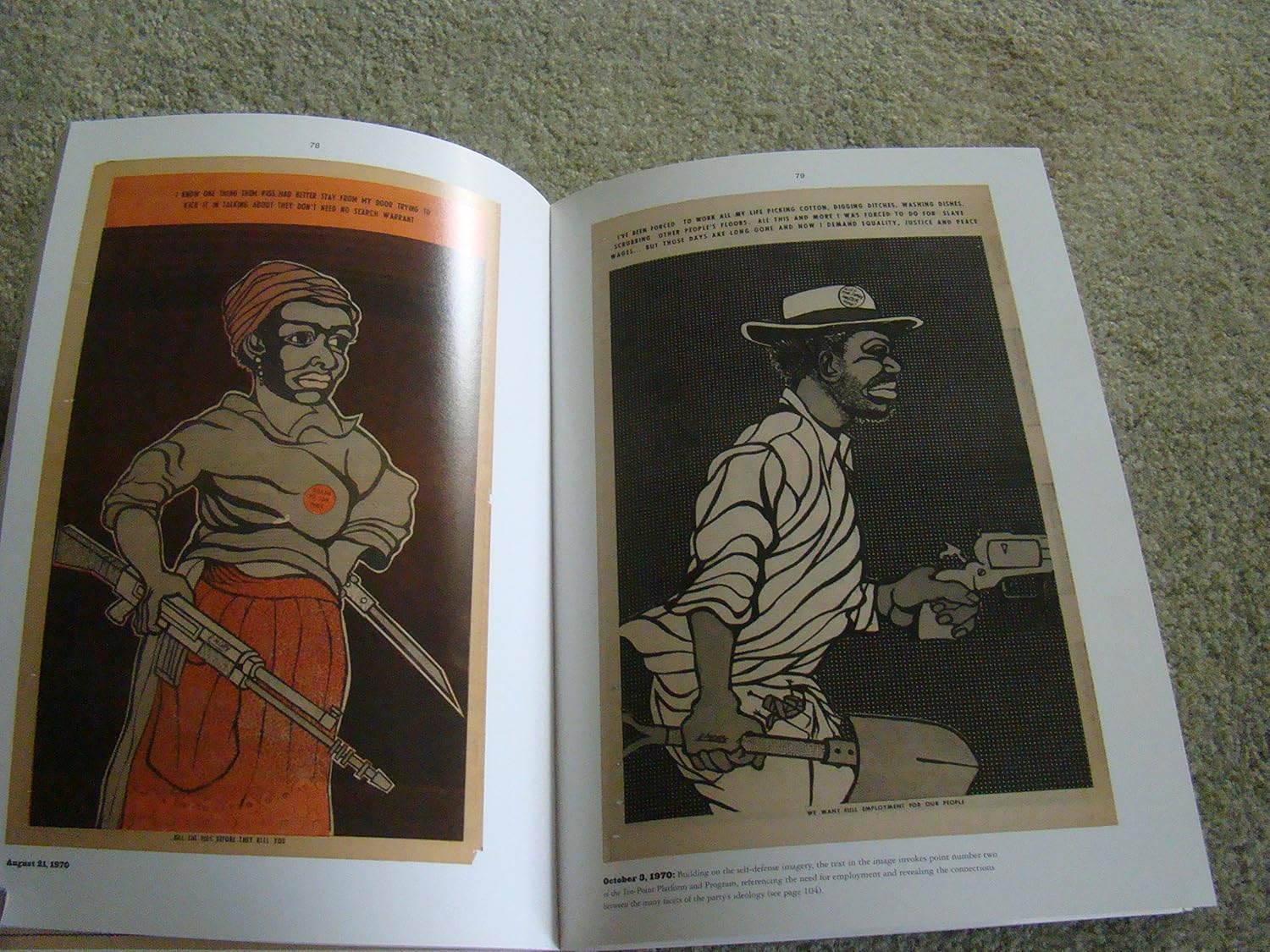
A reformatted and reduced price edition—including a revised and updated introduction by Sam Durant and new text on the artist today by Colette Gaiterof the first book to show the provocative posters and groundbreaking graphics of the Black Panther Party. The Black Panther Party for Self Defense, formed in the aftermath of the assassination of Malcolm X in 1965, sounded a defiant cry for an end to the institutionalized subjugation of African Americans. The Black Panther newspaper was founded to articulate the party’s message, and artist Emory Douglas became the paper’s art director and later the party’s minister of culture. Douglas’s artistic talents and experience proved a powerful combination: his striking collages of photographs and his own drawings combined to create some of the era’s most iconic images. This landmark book brings together a remarkable lineup of party insiders who detail the crafting of the party’s visual identity.

About The Author

Emory Douglas was the Minister of Culture for the Black Panther Party from 1967 until its discontinuation in the early 1980s. Colette Gaiter is associate professor of visual communications in the art department at the University of Delaware.  Bobby Seale co-founded the Black Panther Party with Huey Newton. Sam Durant is a Los Angeles–based artist. Danny Glover is an actor, producer, and director. Kathleen Cleaver, attorney, author, and senior lecturer at Yale University and Emory Law School, joined the Black Panther Party in 1967. Amiri Baraka is a writer and political activist.

Pop the document out from the upper right to read / expand / download.
BPP Newspapers_1969

Click to Open

Learn more in RBG Communiversity Knowledge Media eLibrary:

Che Guevara: A Revolutionary Life by Jon Lee Anderson (eBook) and The CIA Against Che, by Adys Cupull et al. (Audiobook), with The Truth About Che Guevara_A Bio-Documentary Film

Click the graphic for full size standalone.

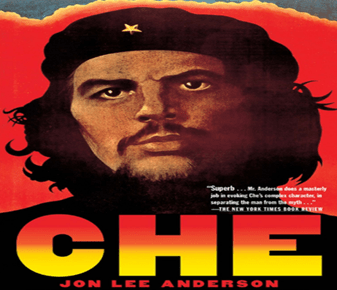
Che Guevara: A Revolutionary Life by Jon Lee Anderson

Acclaimed around the world and a national best-seller, this is the definitive work on Che Guevara, the dashing rebel whose epic dream was to end poverty and injustice in Latin America and the developing world through armed revolution.

Jon Lee Anderson’s biography traces Che’s extraordinary life, from his comfortable Argentine upbringing to the battlefields of the Cuban revolution, from the halls of power in Castro’s government to his failed campaign in the Congo and assassination in the Bolivian jungle.

Anderson has had unprecedented access to the personal archives maintained by Guevara’s widow and carefully guarded Cuban government documents. He has conducted extensive interviews with Che’s comrades some of whom speak here for the first time and with the CIA men and Bolivian officers who hunted him down. Anderson broke the story of where Guevara’s body was buried, which led to the exhumation and state burial of the bones. Many of the details of Che’s life have long been cloaked in secrecy and intrigue. Meticulously researched and full of exclusive information, Che Guevara illuminates as never before this mythic figure who embodied the high-water mark of revolutionary communism as a force in history.

Pop the document out from the upper right to read / expand / download.

The CIA Against Cheby Adys Cupull etal._Audiobook

Cotent in ernest starts at 10:00 mins.

The Truth About Che Guevara_A Bio-Documentary Film

Learn more in RBG Communiversity Knowledge Media eLibrary: