Comrades: A Local History of the Black Panther Party _eBook and Audiobook, Edited by Judson L. Jeffries, with Rebuild Collective Video Education Player 

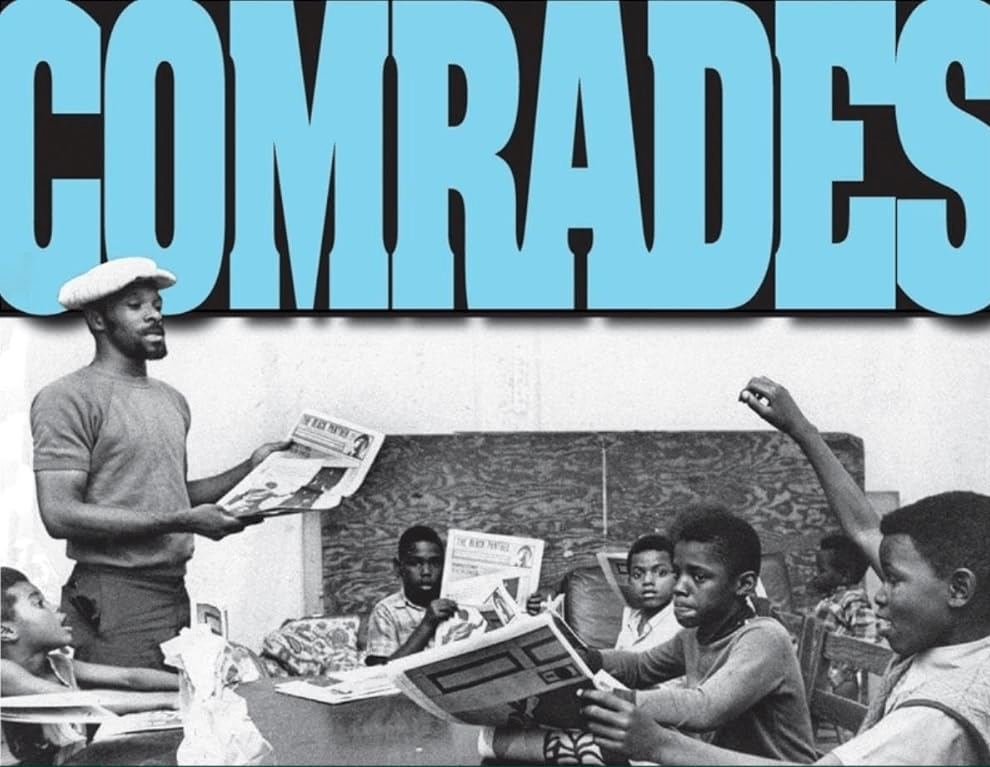
The Black Panther Party for Self-Defense was founded in Oakland, California, in 1966 by Huey P. Newton and Bobby Seale. It was perhaps the most visible of the Black Power groups in the late 60s and early 70s, not least because of its confrontational politics, its rejection of nonviolence, and its headline-catching, gun-toting militancy. Important on the national scene and highly visible on college campuses, the Panthers also worked at building grassroots support for local black political and economic power. Although there have been many books about the Black Panthers, none has looked at the organization and its work at the local level. This book examines the work and actions of seven local initiatives in Baltimore, Winston-Salem, Cleveland, Indianapolis, Milwaukee, Philadelphia, and Los Angeles. These local organizations are revealed as committed to programs of community activism that focused on problems of social, political, and economic justice.

Comrades: A Local History of the BPP_eBook

Pop the document out from the upper right to read / expand / download.

Comrades: A Local History of the BPP_Audiobook

Part 1

Part 2

Rebuild Collective Video Education Player 

11 Video Playlist

Learn more in RBG Communiversity Knowledge Media eLibrary:

Patrice Lumumba: Africa’s Lost Leader , by Leo Zeilig_eBook and Audiobook, with RBG| Patrice Lumumba Video Edu. Player

Patrice Lumumba (1925–61) was one of the most famous leaders of the African Independence Movement. After his murder, he became an icon of anti-imperialist struggle, and his picture, along with those of Che Guevara and Ho Chi Minh, was brandished around the world at demonstrations in the 1960s.

Book Summary

“Patrice Lumumba: Africa’s Lost Leader” by Leo Zeilig is a comprehensive examination of the life, political career, and legacy of Patrice Lumumba, the first Prime Minister of the Democratic Republic of the Congo. Zeilig’s work delves into the complexities of Lumumba’s leadership, the geopolitical context of his time, and the enduring significance of his vision for African independence and unity.

Key Themes and Insights:

  1. Historical Context:
    • Zeilig places Lumumba’s life within the broader historical framework of colonialism and the struggle for independence in Africa. He highlights the impact of European colonialism on the Congo and the socio-political conditions that led to Lumumba’s rise as a nationalist leader.
  2. Political Ideology:
    • The book explores Lumumba’s political ideology, which was rooted in anti-colonialism and Pan-Africanism. Zeilig reflects on Lumumba’s belief in self-determination, national sovereignty, and the need for a united Africa free from external influence.
  3. Leadership and Challenges:
    • Zeilig details Lumumba’s tenure as Prime Minister, focusing on the immediate challenges he faced, including regional secessionist movements, internal political strife, and foreign intervention. The author emphasizes Lumumba’s commitment to maintaining national unity despite these obstacles.
  4. Cold War Dynamics:
    • The book examines Lumumba’s position within the Cold War context, highlighting how his alignment with the Soviet Union alarmed Western powers, particularly the United States and Belgium. Zeilig discusses the geopolitical interests that influenced the response to Lumumba’s government.
  5. Assassination and Aftermath:
    • Zeilig provides a detailed account of the events leading to Lumumba’s assassination in January 1961. He discusses the role of Western powers in orchestrating Lumumba’s downfall and the implications of his death for the Congo and the broader African liberation movement.
  6. Legacy and Symbolism:
    • The author reflects on Lumumba’s enduring legacy as a symbol of African resistance and nationalism. Zeilig argues that Lumumba’s vision continues to inspire contemporary movements for social justice and independence across the continent.
  7. Critique of Neo-Colonialism:
    • Zeilig critiques the ongoing effects of neo-colonialism in Africa, drawing connections between Lumumba’s experiences and the current political landscape. He emphasizes the need for continued vigilance against foreign intervention in African affairs.

Conclusion

“Patrice Lumumba: Africa’s Lost Leader” by Leo Zeilig is a vital contribution to the understanding of one of Africa’s most significant figures. Through thorough research and analysis, Zeilig sheds light on Lumumba’s aspirations, struggles, and the broader implications of his life for the continent’s quest for independence. The book serves as both a historical account and a critical reflection on the challenges faced by post-colonial African nations, making it an essential read for those interested in African history, politics, and the legacy of decolonization. Leo Zeilig provides a thorough exploration of Lumumba’s life, the political environment of the Congo during his time, and the profound implications of his leadership and untimely death.

Here are some more detailed insights and themes from the book:

Detailed Insights and Themes

  1. Lumumba’s Early Life:
    • Zeilig delves into Lumumba’s formative years, discussing how his upbringing in a colonized society shaped his views on justice, equality, and national identity. His experiences with colonial oppression fueled his passion for political activism and his commitment to fighting for Congolese rights.
  2. Formation of Political Identity:
    • The book examines how Lumumba’s political identity developed within the context of the Congolese independence movement. His involvement with the Mouvement National Congolais (MNC) was pivotal, as it provided a platform for articulating his vision for a free and united Congo.
  3. Independence and National Unity:
    • Lumumba’s ascent to power coincided with the Congo’s independence from Belgium on June 30, 1960. Zeilig emphasizes Lumumba’s efforts to promote national unity among the diverse ethnic groups within the Congo, advocating for a strong central government to combat regionalism and fragmentation.
  4. Cold War Politics:
    • The book highlights the role of Cold War dynamics in shaping Lumumba’s political landscape. Zeilig discusses how Lumumba’s alignment with the Soviet Union was perceived as a threat by Western powers, leading to intensified efforts to undermine his government. This geopolitical context is crucial for understanding the complexities of Lumumba’s tenure.
  5. Regional Secession and Internal Strife:
    • Zeilig details the challenges Lumumba faced from regional leaders, notably in Katanga, where secessionist movements were supported by Belgian interests. The author illustrates how Lumumba’s attempts to quell these movements were met with resistance, complicating his efforts to govern effectively.
  6. Assassination:
    • The book provides a harrowing account of the events leading to Lumumba’s assassination. Zeilig explores the roles played by various actors, including Belgian officials, the CIA, and local political figures, in orchestrating his downfall. He portrays Lumumba’s assassination not just as a personal tragedy, but as a significant event in the history of African independence.
  7. Posthumous Recognition:
    • Zeilig discusses how Lumumba’s legacy has evolved since his death. Initially vilified by some, he has since been recognized as a martyr for African independence. The author examines how Lumumba’s ideals have been embraced by contemporary leaders and movements seeking social justice and decolonization.
  8. Critique of Neo-Colonialism:
    • The book emphasizes the persistence of neo-colonialism in Africa, drawing parallels between Lumumba’s struggles and the ongoing challenges faced by African nations today. Zeilig argues that Lumumba’s vision of true independence and self-determination remains relevant in the contemporary political landscape.
  9. Cultural Impact:
    • Zeilig also highlights Lumumba’s impact on African culture and identity. Lumumba has become a symbol of resistance, inspiring artists, writers, and activists who seek to reclaim African narratives and challenge colonial legacies.

Conclusion

In “Patrice Lumumba: Africa’s Lost Leader,” Leo Zeilig provides a nuanced and in-depth examination of one of Africa’s most iconic figures. The book serves not only as a biography of Lumumba but also as a critical analysis of the broader political and social dynamics of post-colonial Africa. Through Lumumba’s story, Zeilig addresses themes of nationalism, the impact of foreign intervention, and the ongoing struggle for justice and equality in African societies. This work is essential for understanding the historical context of African independence movements and the legacy of leaders like Lumumba, whose vision continues to resonate today.

Patrice Lumumba: Africa’s Lost Leader_eBook

Pop the document out from the upper right to read / expand / download.

Patrice Lumumba: Africa’s Lost Leader_Audiobook

RBG| Patrice Lumumba Video Edu. Player

9 Video Playlist

Learn more in RBG Communiversity Knowledge Media eLibrary:

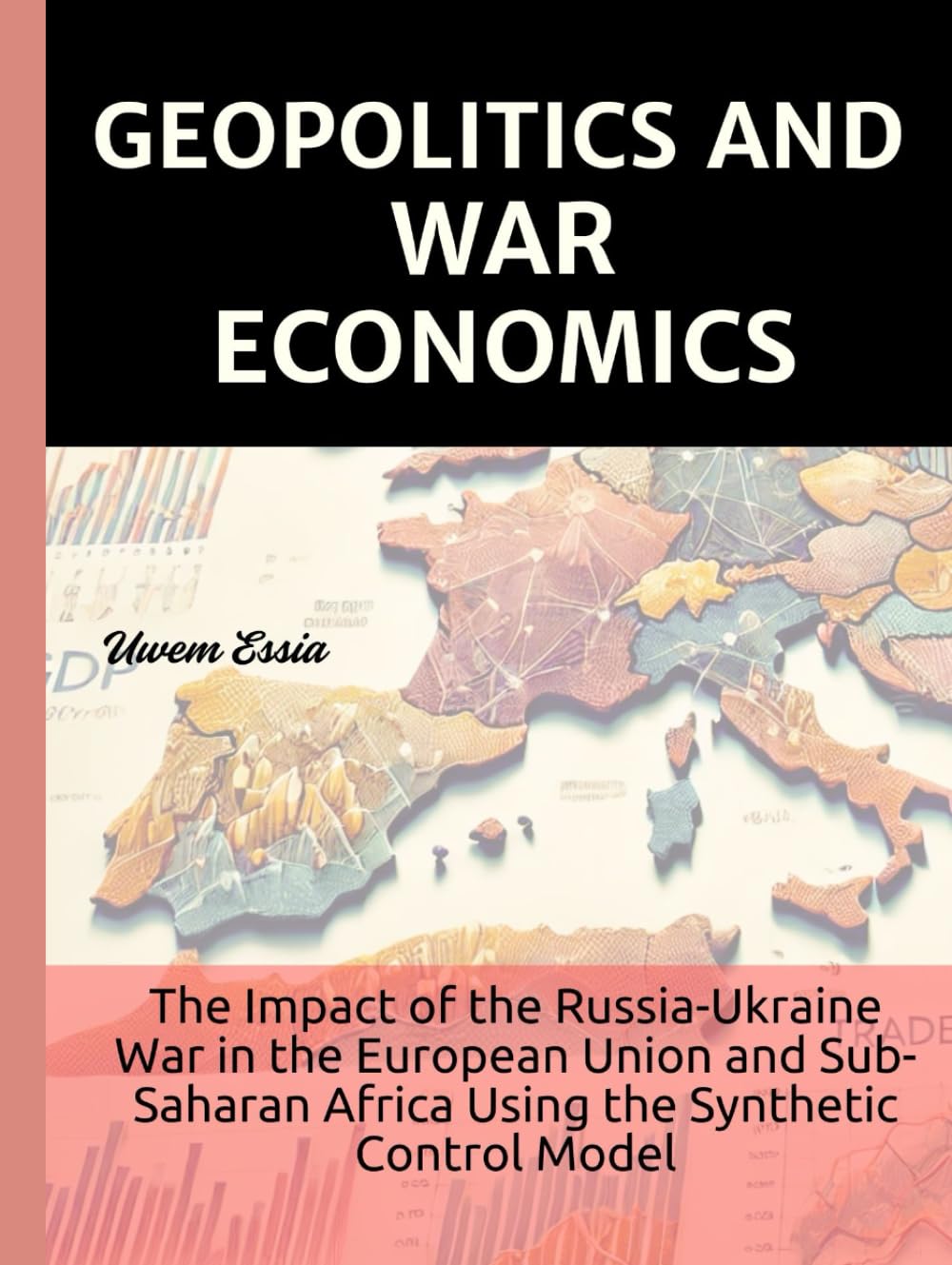
GEOPOLITICS AND WAR ECONOMICS: The Impact of the Russia-Ukraine War in the European Union and Sub-Saharan Africa Using the Synthetic Control Model, by Uwem Essia (Part of Peacebuilding and Development Series), with Solid Video Education

Part of: Peacebuilding and Development (21 books)

Book Summary

“GEOPOLITICS AND WAR ECONOMICS: The Impact of the Russia-Ukraine War in the European Union and Sub-Saharan Africa Using the “Synthetic Control Model” by Uwem Essia examines the far-reaching consequences of the Russia-Ukraine conflict on economic and geopolitical dynamics, particularly focusing on the European Union (EU) and Sub-Saharan Africa. Utilizing the Synthetic Control Model, the book provides a rigorous analysis of how the war has affected various economic indicators, trade relations, and geopolitical strategies in these regions. Essia delves into the interconnectedness of global economies and the implications of conflict on international relations, offering insights into how nations can navigate the complexities of a rapidly changing geopolitical landscape.

The outline that follows captures the essence of “GEOPOLITICS AND WAR ECONOMICS,” highlighting its focus on the economic and geopolitical impacts of the Russia-Ukraine conflict on the European Union and Sub-Saharan Africa. The book utilizes a rigorous methodological framework to provide valuable insights into the complexities of international relations and the challenges posed by geopolitical conflicts.

  • Introduction
  • Overview of the geopolitical context of the Russia-Ukraine war
  • Explanation of the significance of studying its impact on the EU and Sub-Saharan Africa
  • Introduction to the Synthetic Control Model as a methodological approach
  • Geopolitical Background
  • Historical context of Russia-Ukraine relations leading up to the conflict
  • Overview of key players in the EU and Sub-Saharan Africa
  • Analysis of the geopolitical implications of the war on global power dynamics
  • Methodology
  • Detailed explanation of the Synthetic Control Model
  • Justification for using this model to analyze economic impacts
  • Description of data sources and variables considered in the analysis
  • Impact on the European Union
  • Examination of economic repercussions within EU member states
    • Changes in trade patterns and energy dependency
    • Economic sanctions and their effects on EU economies
  • Analysis of political responses and shifts in foreign policy
    • Increased military expenditure and defense strategies
    • Solidarity measures among EU countries in response to the war
  • Impact on Sub-Saharan Africa
  • Assessment of the economic impact of the war on Sub-Saharan African nations
    • Disruptions in trade and supply chains, particularly in agriculture and energy
    • Inflationary pressures and food security concerns
  • Exploration of geopolitical ramifications for African nations
    • Shifts in alliances and foreign relations with Russia and Western nations
    • The role of African nations in global discussions about the conflict
  • Comparative Analysis
  • Comparison of the short-term and long-term effects of the war on the EU and Sub-Saharan Africa
  • Identification of common challenges faced by both regions due to the conflict
  • Insights into how different regions adapt to geopolitical shocks
  • Policy Implications
  • Recommendations for policymakers in the EU and Sub-Saharan Africa
    • Strategies for enhancing economic resilience and diversification
    • Approaches for strengthening regional cooperation and solidarity
  • Considerations for future geopolitical stability and security
  • Conclusion
  • Summary of key findings and insights from the analysis
  • Reflection on the broader implications of the Russia-Ukraine war for global geopolitics
  • Final thoughts on the importance of understanding the interconnectedness of global economies

“GEOPOLITICS AND WAR ECONOMICS” by Uwem Essia provides a comprehensive analysis of how the ongoing conflict between Russia and Ukraine has reshaped economic and geopolitical landscapes, particularly in the European Union (EU) and Sub-Saharan Africa. The book leverages the Synthetic Control Model, a quantitative method that allows for a robust evaluation of causal effects, to assess the war’s impact on various economic indicators and political dynamics in these regions.

Key Themes Explored

  • Geopolitical Context and Historical Background
  • The book begins by situating the Russia-Ukraine conflict within a broader historical context, examining prior relations between Russia and Ukraine and the factors leading to the escalation of tensions.
  • It explores how the war has redefined geopolitical alignments, with a focus on the shifting dynamics within the EU as member states respond to the crisis.
  • Methodological Framework
  • The Synthetic Control Model is central to Essia’s analysis, providing a framework for estimating what the economic outcomes would have been in the absence of the conflict. This method is particularly useful for assessing the impact of events that are not easily replicable or controlled for.
  • The author details the specific data sources used, including economic indicators and trade statistics, and explains how these variables were selected to construct the synthetic control groups for both the EU and Sub-Saharan Africa.
  • Economic Impact on the European Union
  • Essia investigates the immediate and long-term economic repercussions of the war on EU member states, such as:
    • Disruptions in trade flows, particularly concerning energy supplies, as many EU countries rely heavily on Russian gas and oil.
    • The imposition of sanctions on Russia, which had significant ripple effects on EU economies, including inflation and supply chain issues.
  • The analysis also covers shifts in the EU’s defense spending and military cooperation in response to perceived threats, as well as changes in foreign policy aimed at enhancing collective security.
  • Economic Impact on Sub-Saharan Africa
  • The book highlights the often-overlooked effects of the Russia-Ukraine conflict on Sub-Saharan African nations. Key points include:
    • The disruption of agricultural exports, particularly grains like wheat, which has exacerbated food insecurity in a region already vulnerable to climate change and economic instability.
    • Rising prices for essential goods, leading to inflationary pressures that affect the livelihoods of millions.
  • Essia discusses how Sub-Saharan African countries are navigating the geopolitical landscape, often balancing their relationships with both Western nations and Russia.
  • Comparative Analysis and Insights
  • The comparative analysis section synthesizes the findings from the two regions, identifying similarities and differences in how they are affected by the war.
  • Essia highlights common challenges, such as the need for economic diversification and resilience against external shocks, while also noting the distinct geopolitical strategies employed by the EU and Sub-Saharan Africa.
  • Policy Recommendations
  • The author provides actionable recommendations for policymakers in both regions, suggesting:
    • Economic diversification strategies to reduce dependency on single sources of energy or commodities.
    • Enhanced regional cooperation to build resilience against future geopolitical shocks.
    • The importance of engaging in diplomatic efforts to mitigate the conflict and its repercussions on global stability.

Conclusion and Broader Implications

  • Reflections on Global Interconnectedness
  • In the conclusion, Essia reflects on the interconnected nature of today’s global economy and how localized conflicts can have far-reaching implications.
  • He emphasizes that understanding the economic and geopolitical consequences of the Russia-Ukraine war is essential for anticipating future challenges and opportunities in international relations.
  • Future Geopolitical Stability
  • The book ends with a call for ongoing research and dialogue to address the complexities of global geopolitics, stressing the importance of adapting to changing dynamics in an increasingly multipolar world.

Overall, “GEOPOLITICS AND WAR ECONOMICS” offers a thorough and insightful examination of the ramifications of the Russia-Ukraine conflict, using a sophisticated methodological approach to shed light on the pressing economic and geopolitical issues facing the EU and Sub-Saharan Africa. By connecting the dots between conflict, economics, and international relations, Uwem Essia provides valuable perspectives that contribute to our understanding of contemporary global challenges.

“GEOPOLITICS AND WAR ECONOMICS: The Impact of the Russia-Ukraine War in the European Union and Sub-Saharan Africa Using the Synthetic Control Model” by Uwem Essia_eBook

Pop the document out from the upper right to read / expand / download

Geopolitics, Economics, War and Fall of U.S. Empire_Video Education 1

35 Video Playlist

U.S. Geopolitics and Economy _Dr. Paul Craig Roberts_Video Education 2

21 Video Playlist

Learn more in RBG Communiversity Knowledge Media eLibrary:

Geopolitics, Economics, War and Fall of U.S. Empire

How The British Used Opium To Cripple An Ancient Superpower | Empires Of Silver Documentary (Full Series) and The Opium Wars In China_Asia Pacific Curriculum and SUPPLEMEMTAL_Essays By Dr. Peter C. Perdue on “The First Opium War”

Credit: From document below
5 Video Playlist

Pop the document out from the upper right to read / expand / download.

Source link: https://asiapacificcurriculum.ca/learning-module/opium-wars-china

SUPPLEMENTAL: The Opium Wars of 1839 to 1842 and 1856, Essays by Dr. Peter C. Perdue_MIT Visualizing Cultures.pdf

Learn more in RBG Communiversity eLibrary: The Opium Wars In China_Asia Pacific Curriculum Packet for download