
Last Updated 09-07-24


Last Updated 09-07-24
•The skills one brings to listening to Black music—imagination, abstract/non-concrete thinking; intuition; and instinctive reaction and trusting those instincts— melanin-mediated themes, have gone uncultivated in the U.S. educational system and culture.
•Music, as a universal, non-verbal language, allows us to tap into the social, cultural, and aesthetic traditions of the Afrikan experience; and the sociopolitical climates of various historical eras. listening to conscious and message music we become more aware of our shared predicaments as Afrikan people across time and the never ending battle between freedom and bondage.
•You learn how the Black Liberation Movement, in fighting against the system , business and culture of white supremacy, created and continues to create music and musicians whose rhythms and lyrics are shrouded in liberation themes. The work and activities of the organizations and grassroots peoples of the Movement transmit inspiration, wisdom and vision to the musician/ poet; and in turn, the music/spoken word produced by the artist inspires and drives the Movement .
•Music allows us to transcend our own individual world and partake in the utterly different, but nonetheless similar, realities of other Afrikans in American and throughout the diaspora.
•Last, but certainly not least, good music is fun to listen to, relatively inexpensive—we can do it by ourselves or with others—and there are any number of ways to expand our knowledge and appreciation of the art itself and it’s role on our overall struggle for freedom, justice and equality”

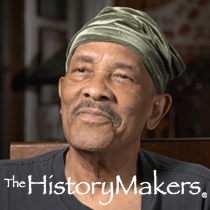
Roy Ayers was interviewed by The HistoryMakers on September 19, 2016.

African Socialist International Chairman Omali Yeshitela – On February 18-21, 2012 the African People’s Socialist Party USA (APSP USA) held its National Plenary in St. Petersburg, Florida to define the work of the Party in this period and mark the 40th anniversary of the Party’s founding. The National Plenary is a tool often used by the APSP USA between its congresses, the place where the entire organization comes together to establish policy and elect leaders. At the plenary, the Party examines its work since the last congress and assesses the world situation, making any necessary adjustments to its work to meet its objectives.
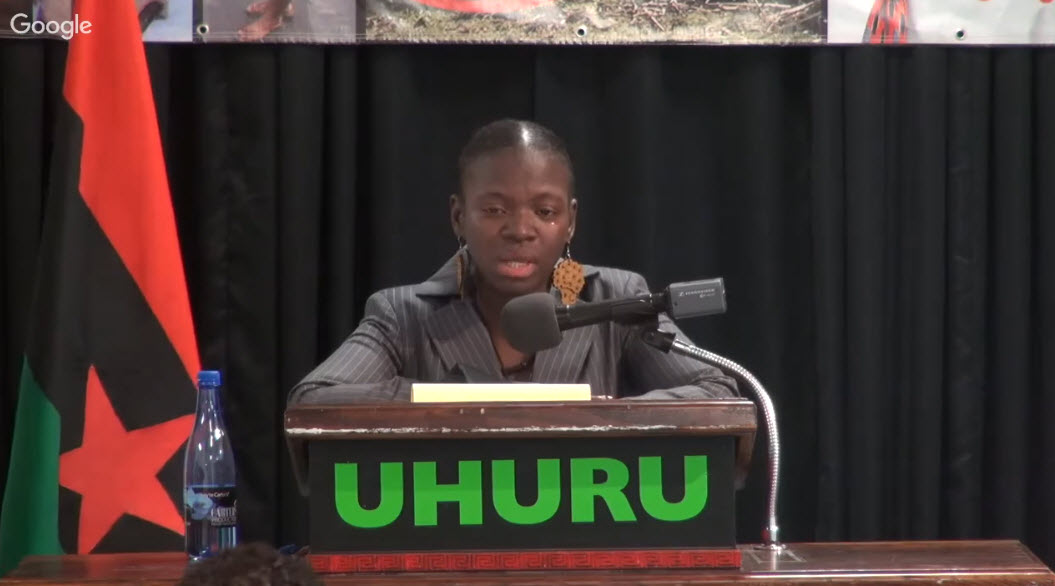
On Thursday, November 10th at 10am, Attorney Aaron O’Neal will talk to the press about the Uhuru Movement’s plans for local and federal legal action against the Pinellas County Sheriff’s Office (PCSO) for a pattern of deputy deadly shootings and unlawful pursuit of black teenagers.
“The PCSO uses lies and misinformation in an attempt to justify these murders and vilify the African community of South Pinellas County,” charges O’Neal. The Uhuru Movement’s attorney will reveal extensive evidence previously covered up by the PCSO, showing discriminatory use of excessive and deadly force as well as routine practices that violate black residents’ 4th Amendment rights.
At the press conference, O’Neal will be joined by Omali Yeshitela, Chairman of the African People’s Socialist Party, and Kunde Mwamvita, mother of 16-year-old Dominique Battle, who along with her two best friends was drowned by the PCSO on March 31, 2016.


For more information, contact the International People’s Democratic Uhuru Movement at 727-914-3618.
 RBG Communiversity: Message 2 Da Grassroots
You must be logged in to post a comment.