Slavery in America: The Montgomery Slave Trade_ Video Edu. and Full Report (Equal Justice Initiative)

“The myth of racial difference created to sustain American slavery persists today. Slavery did not end in 1865, it evolved. The Equal Justice Initiative works to end mass incarceration, excessive punishment, and racial inequality.” Visit our website to learn more: https://eji.org

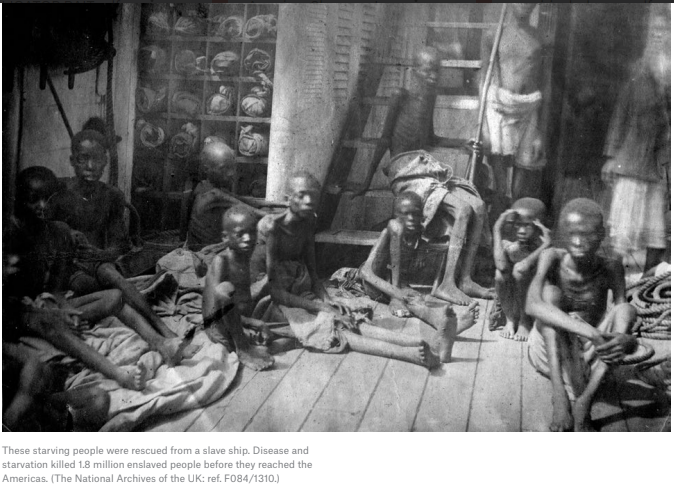
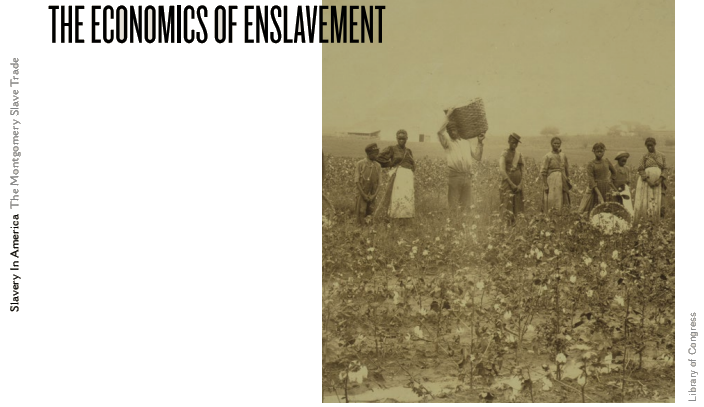
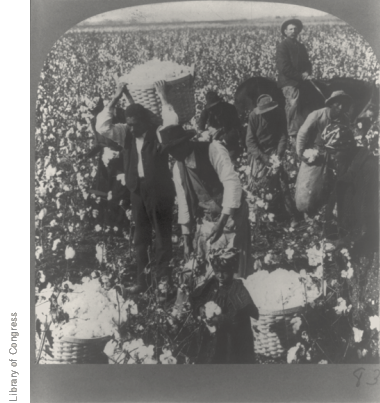
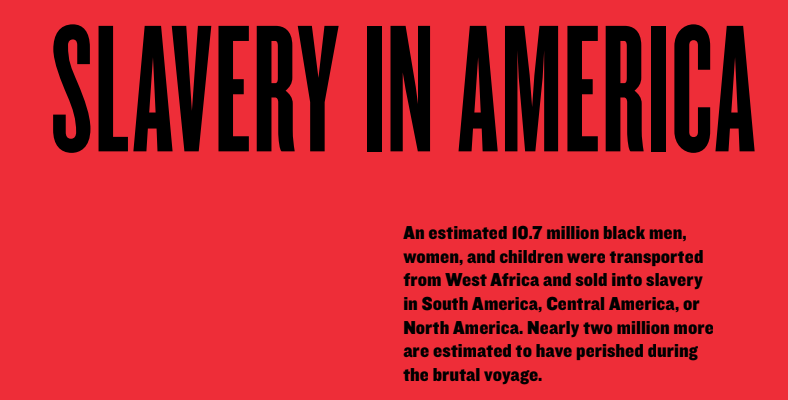
Beginning in the 16th century, millions of African people were kidnapped, enslaved, and shipped across the Atlantic to the Americas under horrific conditions. Nearly two million people died at sea during the agonizing journey. Over two centuries, the enslavement of Black people in the United States created wealth, opportunity, and prosperity for millions of Americans. As American slavery evolved, an elaborate and enduring mythology about the inferiority of Black people was created to legitimate, perpetuate, and defend slavery. This mythology survived slavery’s formal abolition following the Civil War.
Source: https://eji.org/reports/slavery-in-america/

Overview

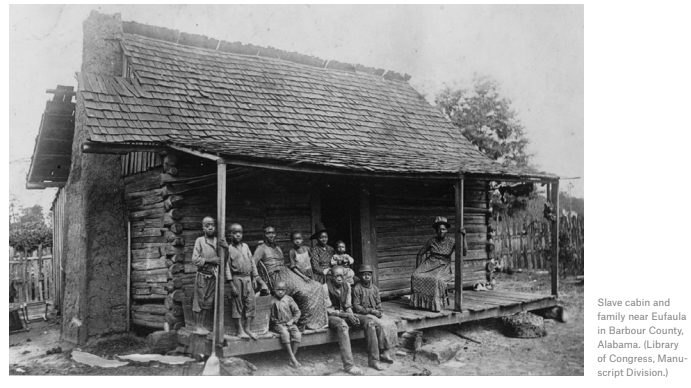
In the South, where the enslavement of Black people was widely embraced, resistance to ending slavery persisted for another century following the passage of the Thirteenth Amendment in 1865.Today, 150 years after the Emancipation Proclamation, very little has been done to address the legacy of slavery and its meaning in contemporary life. In many communities like Montgomery, Alabama—which by 1860 was the capital of the domestic slave trade in Alabama—there is little understanding of the slave trade, slavery, or the longstanding effort to sustain the racial hierarchy that slavery created. In fact, an alternative narrative has emerged in many Southern communities that celebrates the enslavement era, honors enslavement’s principal proponents and defenders, and refuses to acknowledge or address the problems created by the legacy of slavery. Slavery in America: The Montgomery Slave Trade documents American slavery and Montgomery’s prominent role in the domestic slave trade. The report is part of EJI’s project focused on developing a more informed understanding of America’s racial history and how it relates to contemporary challenges.

EJI believes that reconciliation with our nation’s difficult past cannot be achieved without truthfully confronting history and finding a way forward that is thoughtful and responsible.
This animated short film by acclaimed artist Molly Crabapple, with narration by Bryan Stevenson, illustrates how the elaborate mythology of racial difference that was created to justify and sustain enslavement evolved after abolition.

For new comers, pop the document out from the upper right to read / expand / download

Learn more in RBG Communiversity eLibrary|Attorney Bryan Stevensonon Folder
Ebony-The Last Years of the Atlantic Slave Trade | Free Documentary History (Video Edu.) and The Transatlantic Slave Trade, The Equal Justice Initiative (pdf) + A Supplemental: The Ku Klux Klan–An American Story

Description of the Film that follows: Ebony-The Last Years of the Atlantic Slave Trade | History Documentary: Slavery is the shared dark side of the history of many nations around the globe. But apart from the accounts of our schoolbooks and some memorable dates, what do we really know about the struggle to put an end to the Atlantic Slave Trade? This story is related in a full drama, by Senegalese feature film director, Moussa Touré, and historian experts. During the second half of the 19th century, slavery and the trade linked to it were theoretically forbidden. The concept of abolitionism was spread out all around the colonies of various empires. However, the slave trade continued and brought even more injustice and violence, in a world at the dawn of a major change. Based on precious archives of different kind – logbooks, letters and diaries, written by slaves, ship-owners, slave-traders or colonists – this documentary gathers numerous voices as witnesses of a sad era. By using the aesthetics and the codes of the fiction, as well as a tangible and creative scenario, this exceptional one-off will become a reference.

Pop the document out from the upper right to read / expand / download

SUPPLEMENTAL: Ku Klux Klan – An American Story:

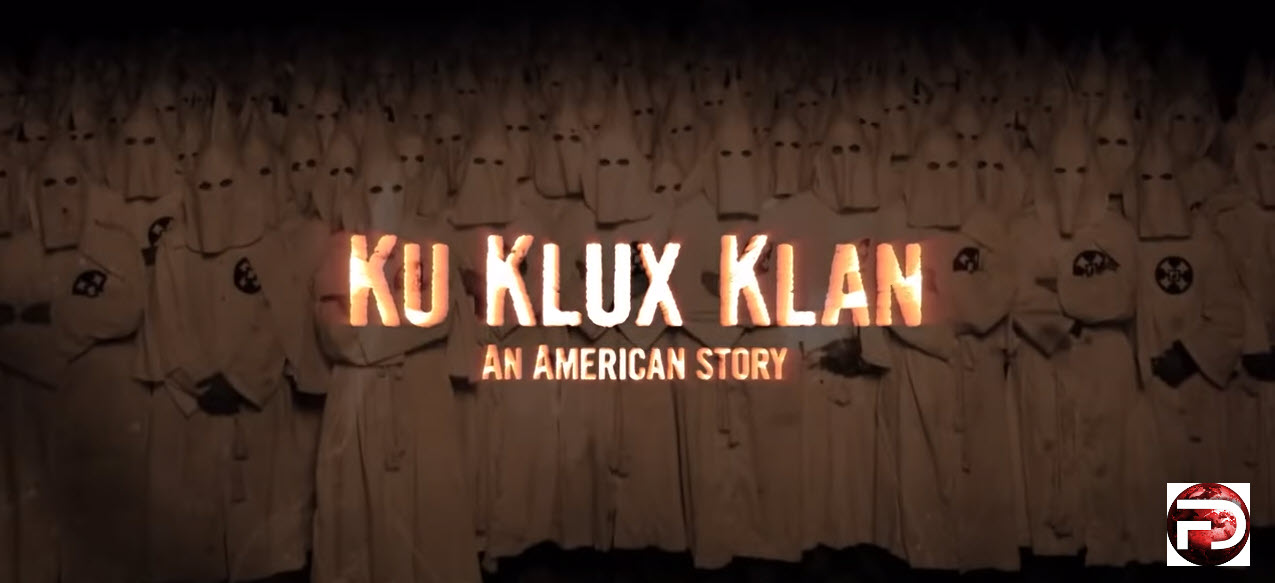
From the description of the Documentary that follows: Ku Klux Klan – An American History: Part 1 | American History Documentary. The Ku Klux Klan is the oldest terrorist group in the United States. This secret society, created in 1865, has survived throughout the decades and has always managed to rise from its ashes. It has been making the news for over 150 years. 150 years of hatred, racism and horror. A cruel history whose demons still haunt America. Part 1: In 1865, a handful of Southern Civil War veterans founded a secret society: the Ku Klux Klan. Very quickly, the Klan instituted a reign of terror among the recently freed black population. Murders and lynchings were common. In Washington, Congress launched an offensive against the invisible empire, which was officially destroyed in 1872. The Ku Klux Klan was reborn in 1915 thanks to the film The Birth of a Nation by D. W. Griffith. Under new leadership, it evolved to fit into an America undergoing major changes and broadened its trade in hatred. The KKK became anti-immigrant, anti-urban, anti-communist, anti-Semitic, and anti-Catholic. Nearly four million Americans joined what would become a highly influential mass lobbying organization. But at the end of the 1920s, scandals and the economic crisis weakened the movement, which eventually disappeared again after the Second World War. (Source: Free Documentary – History)

Educational Objective: “Goes to the Ku Klux Klan Origins and Foundation of the Neo-Colonialist, Imperialist and Racist Ideology (national oppression) of America.”

Part1

Part 2

Pop the document out from the upper right to read / expand / download

Lean more in RBG Communiversity eLibrary | 

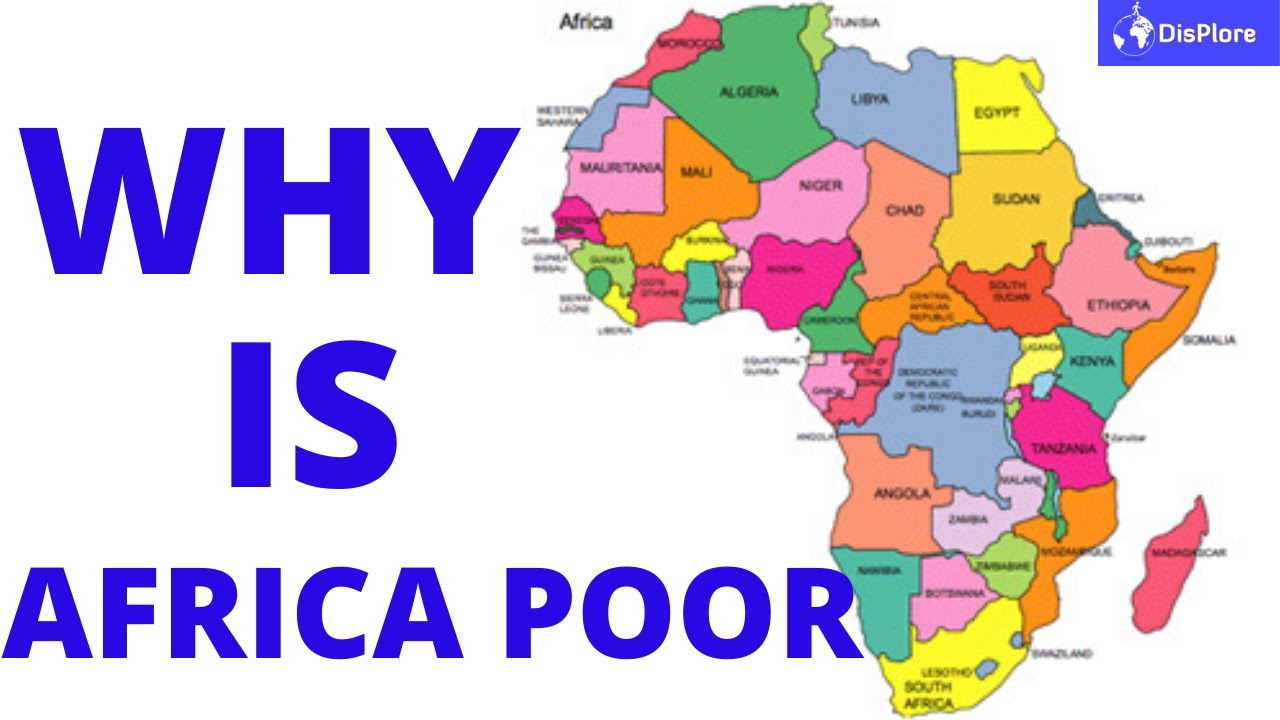
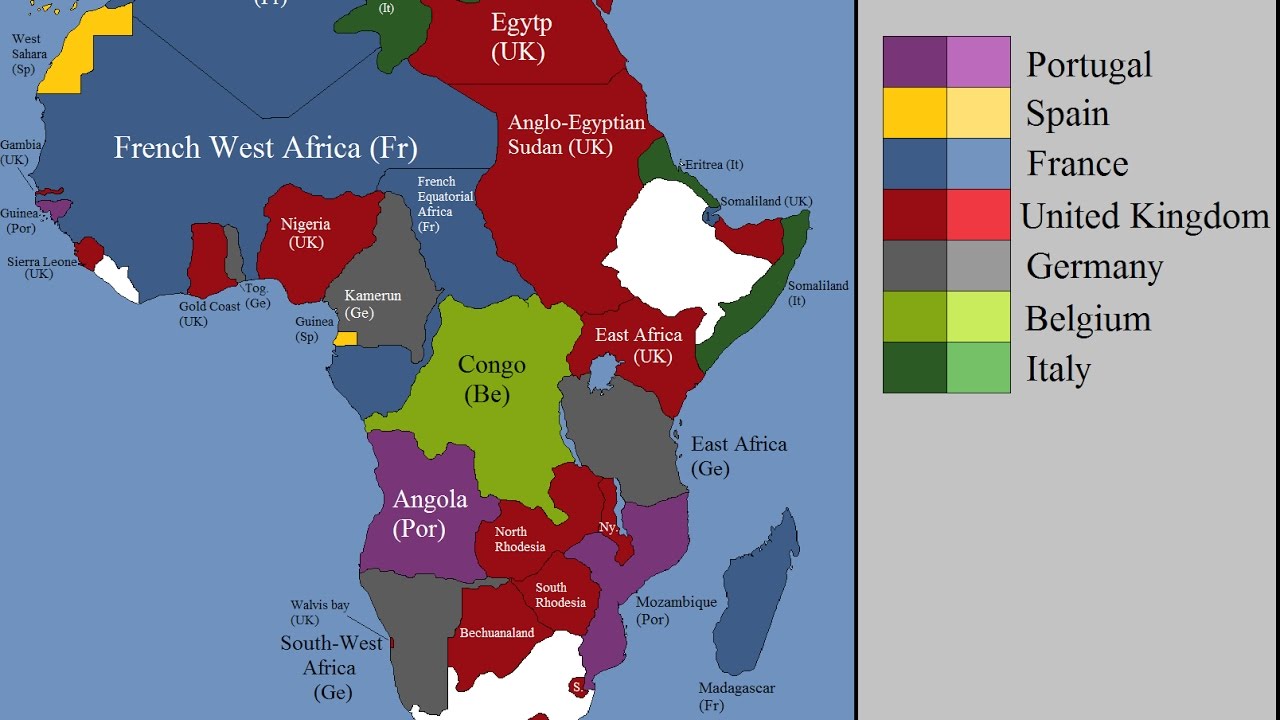
Why is Africa Still So Poor (Vid Edu), The Colonial Moment in Africa (eBook) and MEPolicy Council_The Ottomans By Bram Hubbell

Pop the document out from the upper right to read / expand / download

THE OTTOMANS: Middle East Policy Council |Teaching the Middle East: A Resource Guide for American Educators

Lean more in RBG Communiversity eLibrary | Maafa_African Holocaust, Chattel Slavery, Jim Crow, Influencers and more_Books, Videos & Audio

History of the Arab Slave Trade (Video Edu.) and THE LEGACY OF ARAB-ISLAM IN AFRICA, by John Alembillah Azumah (eBook)

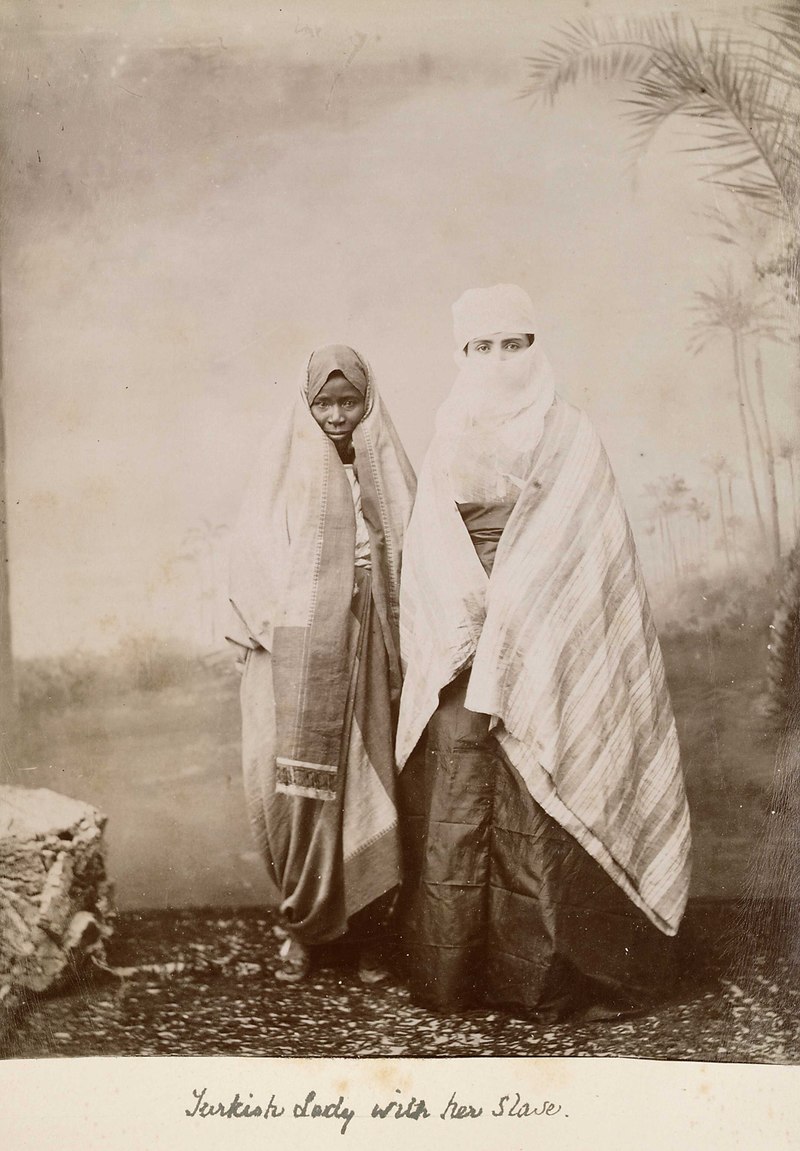
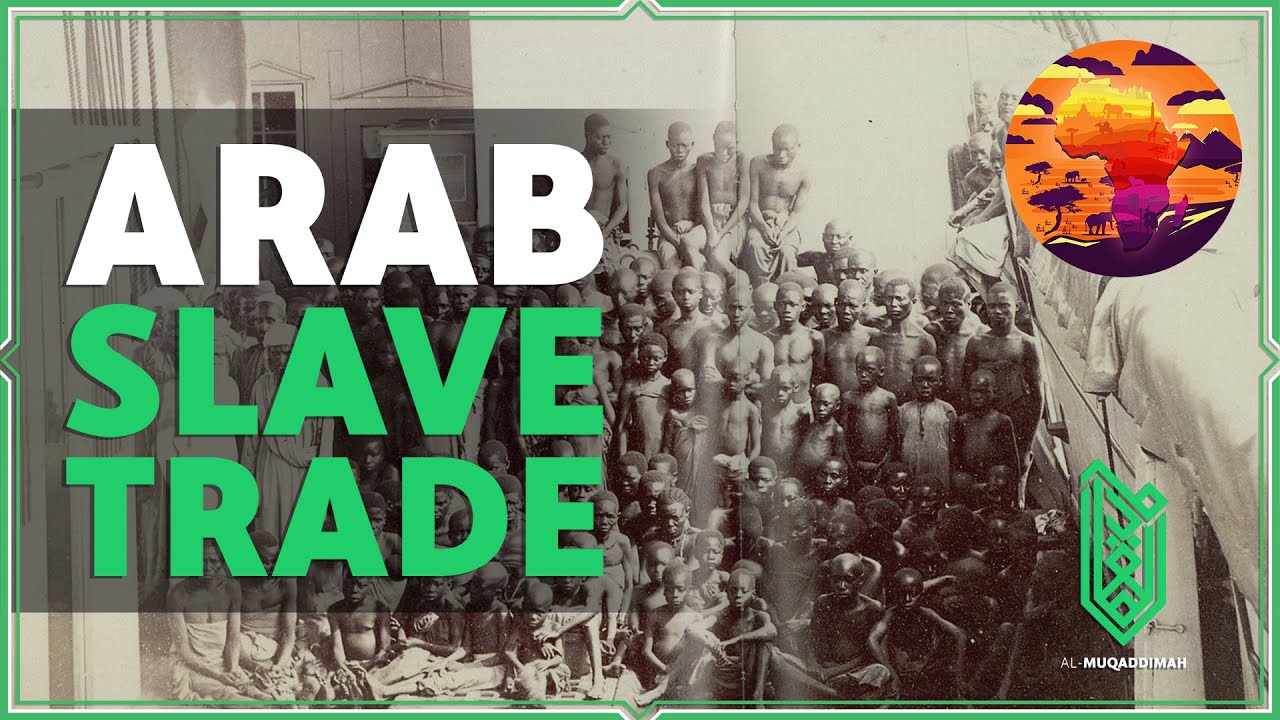
Image from video below

From the video that follows description: In 1842CE, the British Consul General in Morocco wrote a letter to the Sultan to ask him if he had taken any measures to stop slavery or at least, slave trade. The sultan replied that he will not do anything about it because it has been the norm since the time of the sons of Adam and no sects of Islam are against it. Hence, he will not permit anything the Qur’an forbids and will not make unlawful anything that the Qur’an has allowed. In the Sultan’s reply, we see the simplest justification or at least, excuse, for almost 1300 years of slavery in the Islamic world.

For new comers, pop the document out from the upper right to read / expand / download

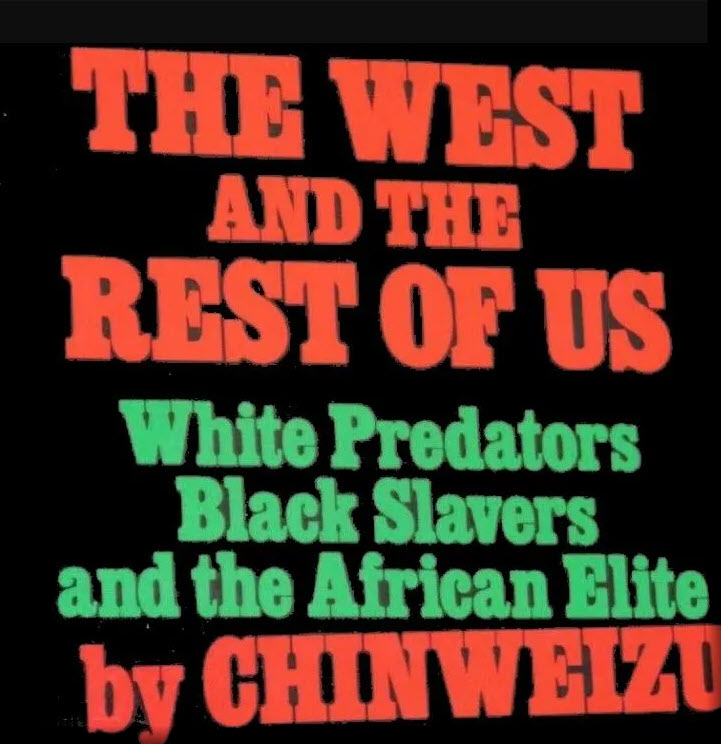
The West and the Rest of Us_ White Predators, Black Slavers and the African Elite, by Chinweizu (eBook) w Video Education by the Author

“To the memory of all the victims of the West’s assault upon the rest of us, and of the following especially: The Amerindians and the Aborigines of Australasia­ who were exterminated and expropriated; The millions of Africans who were enslaved in the Americas; The countless Africans who died resisting European invasion and occupation of their homeland; The soldiers from the Third World-who were conscripted to fight and die defending the very western empire that victimized them;  To all Third World liberation fighters and martyrs who have struggled or died for a better future for their peoples; To the people of the West, to the extent that they refuse to tolerate western control over the rest of us; and To all of us, that we may achieve a just, non-imperialist and enduring peace, with prosperity for all humankind.” (pg. vii)

Pop the document out from the upper right to read / expand / download

Learn more in RBG Communiversity eLibrary| Chinweizu Folder

Colonialism: Arab & European compared Black Power Pan Africanism (BPPA) Tract #3 By Chinweizu, 2007