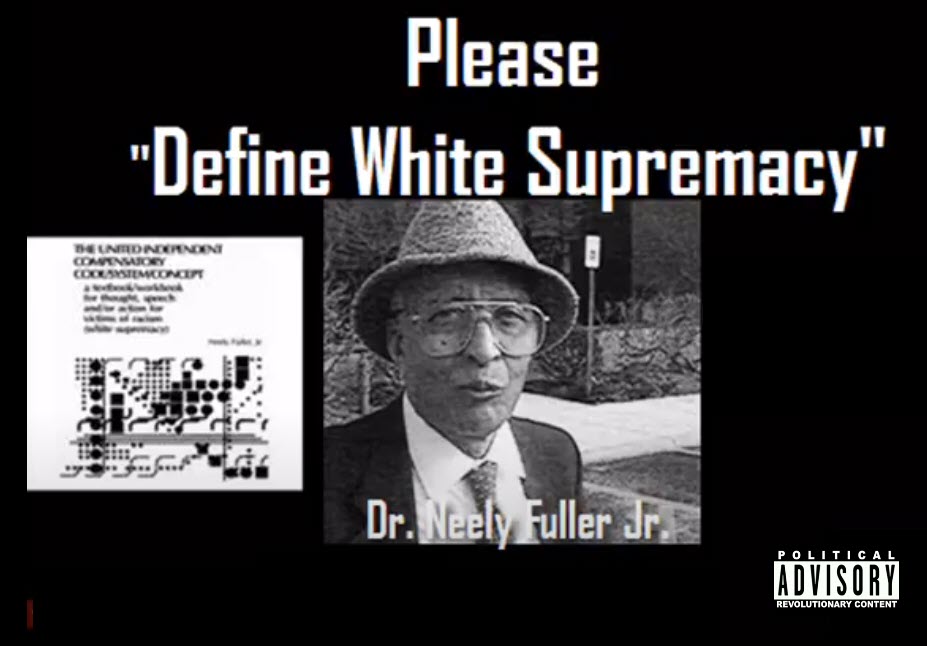
THE UNITED INDEPENDENT COMPENSATORY CODE/SYSTEM/CONCEPTS Dr.Neely Fuller Jr’s basic premise is this: “If you do not understand ‘white’ supremacy (as racism)–what it is, and how it works–everything else that you understand, will only confuse you “Dr. Fuller breaks down his idea of there being 3 basic types of people in the known universe, that being white people, non-whites and white supremacists/racists. In his explanation, white people are “people who classify themselves as ‘white’ and have been classified as ‘white’, accepted as ‘white’… and who generally function as ‘white’ in all of the nine major areas of activity.” He defined non-whites as “people who have been classified as ‘non-white’, and/or who generally function as ‘non-white’ in their relationship with each other…” Last, white supremacists/ racists are “people who classify themselves as ‘white’, and who generally function as ‘white’, and who practice racial subjugation (based on ‘white’-‘non-white’, at any time, in any place, in any one, or more of the nine major areas of activity.” Neely Fuller Jr. (1969) states that “White Supremacy” is a global system of domination against people of color.
The 9 Areas of People Activity are: (1)Economics, (2)Education, (3)Entertainment, (4)Labor, (5)Law, (6)Politics, (7)Religion, (8)Sex and (9)War
BLACK SHOW-OFFISM: Dr. Fuller further explains that many non’white’ people spend much time/energy/money engaging in “Showing-Off” (to each other). On page 44 he lists Four Basic “Show-Offisms” By / Among the Victims of White Supremacy/ Racism as being: 1. “Showing-Off” (to each other) the things that ‘white’ people have allowed them to obtain. 2. “Showing-Off” (to each other) the information that ‘white’ people have allowed them to obtain. 3. “Showing-Off” (to each other) their ability to belittle (each other.) 4. “Showing-Off” (to each other) their ability to make sexual impressions on each other.
The textbook that follows is compromised of six separate books. Pop out the book from the upper right and open in a pdf reader to access TOC/ select a book to read. You can quickly browse the various book’s focus and content by scrolling below. (BTW if you are new to RBG please see our navigation training video here ).
Pop the document out from the upper right to read / expand / download.
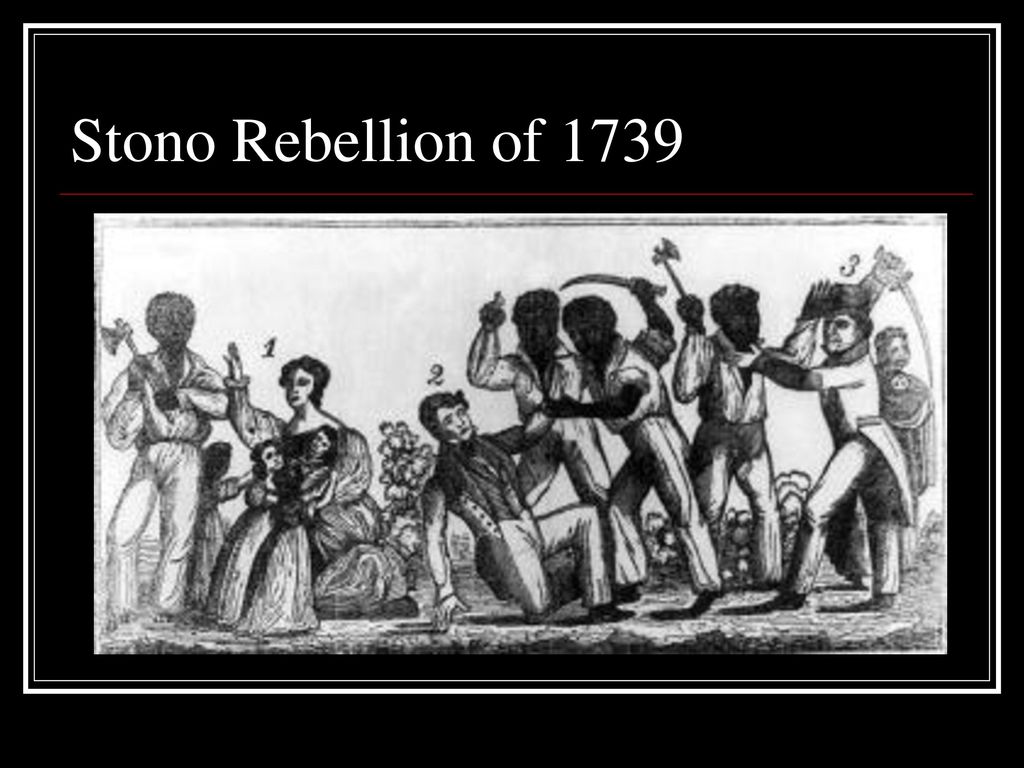
“Calling Out Liberty: The Stono Slave Rebellion and the Universal Struggle for Human Rights” by Jack Shuler explores the Stono Slave Rebellion of 1739, one of the largest and most significant slave uprisings in American history. The book delves into the historical context surrounding the rebellion, the motivations of the enslaved individuals involved, and the broader implications of the uprising for the struggle for human rights. Shuler draws connections between the Stono Rebellion and contemporary issues related to freedom, justice, and the ongoing fight against oppression. Through a combination of historical narrative and analysis, the book serves as an important examination of resistance, agency, and the quest for liberty throughout history.
The outline that follows provides a structured view of the significant themes and discussions present in “Calling Out Liberty: The Stono Slave Rebellion and the Universal Struggle for Human Rights”
Introduction
Overview of the book’s themes and objectives
Introduction to the Stono Slave Rebellion and its significance
Contextualization of the rebellion within the broader struggle for human rights
Chapter 1: The Background of Slavery in Carolina
Examination of the institution of slavery in colonial South Carolina
Discussion of the demographics of enslaved Africans and their cultural backgrounds
Analysis of the economic and social conditions that led to unrest
Chapter 2: The Spark of Rebellion
Exploration of the events leading up to the Stono Rebellion
Discussion of the influence of the African cultural heritage on the rebels
Examination of key figures involved in the planning of the uprising
Chapter 3: The Stono Rebellion Unfolds
Detailed account of the events of the Stono Rebellion
Description of the rebels’ march toward freedom and their initial successes
Analysis of the tactics employed by the rebels and the responses from colonial authorities
Chapter 4: The Aftermath and Suppression
Examination of the immediate aftermath of the rebellion
Discussion of the violent reprisals faced by the rebel leaders and other enslaved individuals
Analysis of the changes in slave laws and regulations following the rebellion
Chapter 5: Legacy of the Stono Rebellion
Reflection on the long-term impact of the Stono Rebellion on slavery in the Americas
Discussion of how the rebellion influenced slave resistance movements in subsequent years
Examination of the representation of the Stono Rebellion in historical narratives
Chapter 6: Connections to the Universal Struggle for Human Rights
Exploration of the themes of liberty and justice in the context of the Stono Rebellion
Discussion of parallels between the rebellion and other historical and contemporary struggles for human rights
Analysis of the ongoing legacy of the Stono Rebellion in modern discussions of freedom and equality
Conclusion
Summary of key insights and themes from the book
Reflection on the importance of remembering and honoring the legacy of the Stono rebels
Call to action for continued advocacy for human rights and social justice
Significance of the Book
“Calling Out Liberty: The Stono Slave Rebellion and the Universal Struggle for Human Rights” is an essential examination of not only a pivotal event in American history but also the broader themes of resistance and the quest for human dignity. Jack Shuler’s analysis highlights the enduring relevance of the Stono Rebellion in contemporary discussions about freedom, justice, and the ongoing fight against oppression. The book serves as a powerful reminder of the importance of acknowledging and learning from historical struggles in the pursuit of universal human rights.
“Calling Out Liberty: The Stono Slave Rebellion and the Universal Struggle for Human Rights” by Jack Shuler offers a profound exploration of one of the most significant slave uprisings in American history—the Stono Slave Rebellion of 1739. Here’s a deeper look into the key themes, historical significance, and insights provided in the book:
Key Themes Explored
Historical Context of Slavery
The book starts with a comprehensive examination of the conditions of slavery in colonial South Carolina, where the Stono Rebellion took place. Shuler describes the harsh realities faced by enslaved Africans, including brutal labor conditions, lack of freedom, and cultural suppression.
He highlights the demographics of the enslaved population, many of whom were brought from West Africa and retained aspects of their cultural heritage, which played a crucial role in their identity and resistance.
Motivations for Rebellion
Shuler delves into the motivations that inspired the enslaved individuals to rebel. He discusses not only the immediate grievances—such as oppressive conditions and the desire for freedom—but also the broader aspirations for liberty that echoed through African cultural traditions and the Enlightenment ideals circulating at the time.
The Stono rebels sought to march to Spanish Florida, where they believed freedom awaited them, emphasizing the connection between the rebellion and the quest for autonomy.
The Rebellion’s Execution
The author provides a detailed narrative of the events of the Stono Rebellion, from its inception to its violent conclusion. This includes the initial uprising, where a group of enslaved individuals armed themselves, killed their masters, and marched toward freedom.
Shuler vividly describes the tactics employed by the rebels, their brief successes, and how they managed to attract other enslaved individuals to their cause, illustrating the spirit of rebellion that permeated their actions.
Consequences and Suppression
The aftermath of the rebellion was marked by harsh reprisals from colonial authorities, who enacted stricter slave codes and increased surveillance to prevent future uprisings. The book discusses how the rebellion led to a climate of fear among enslaved people and significant changes in laws governing slavery, which further entrenched the institution.
Shuler reflects on the immediate consequences for the rebels, many of whom were captured, executed, or subjected to violence, highlighting the brutal realities of slave resistance.
Legacy and Modern Connections
One of the most compelling aspects of the book is its exploration of the legacy of the Stono Rebellion. Shuler connects the rebellion to the ongoing fight for human rights, drawing parallels between the struggles of enslaved people in the 18th century and contemporary movements advocating for justice and equality.
He emphasizes how the ideals of liberty and freedom that inspired the Stono rebels resonate today, making the case for the relevance of historical struggles in the context of modern civil rights issues.
Significance of the Book
Educational Resource
“Calling Out Liberty” serves as a critical educational resource for understanding the complexities of slave resistance in American history. It highlights the agency of enslaved individuals and their capacity for rebellion against oppression, countering narratives that depict them solely as passive victims.
Broader Implications for Human Rights
Shuler’s work transcends the specific historical context of the Stono Rebellion to engage with broader human rights issues. By linking historical events to contemporary struggles, the book encourages readers to reflect on the nature of oppression and the ongoing fight for dignity and justice across the globe.
Narrative Style
The narrative style of the book combines historical analysis with storytelling, making it accessible and engaging for a wide audience. Shuler’s ability to weave together personal accounts, historical facts, and cultural insights enriches the reader’s understanding of this pivotal moment in history.
Conclusion
“Calling Out Liberty: The Stono Slave Rebellion and the Universal Struggle for Human Rights” is not just a historical account of a significant event; it is a powerful exploration of the enduring quest for freedom and justice. Jack Shuler’s examination of the Stono Rebellion invites readers to consider the implications of this uprising in the context of both historical and contemporary struggles for human rights. By illuminating the courage of those who fought against oppression, the book serves as an important reminder of the ongoing need to advocate for liberty and equality in society today.
“Calling Out Liberty: The Stono Slave Rebellion and the Universal Struggle for Human Rights”_eBook
Pop the documents out from the upper right to read / expand / download.
Pop the documents out from the upper right to read / expand / download.
Pop the documents out from the upper right to read / expand / download.
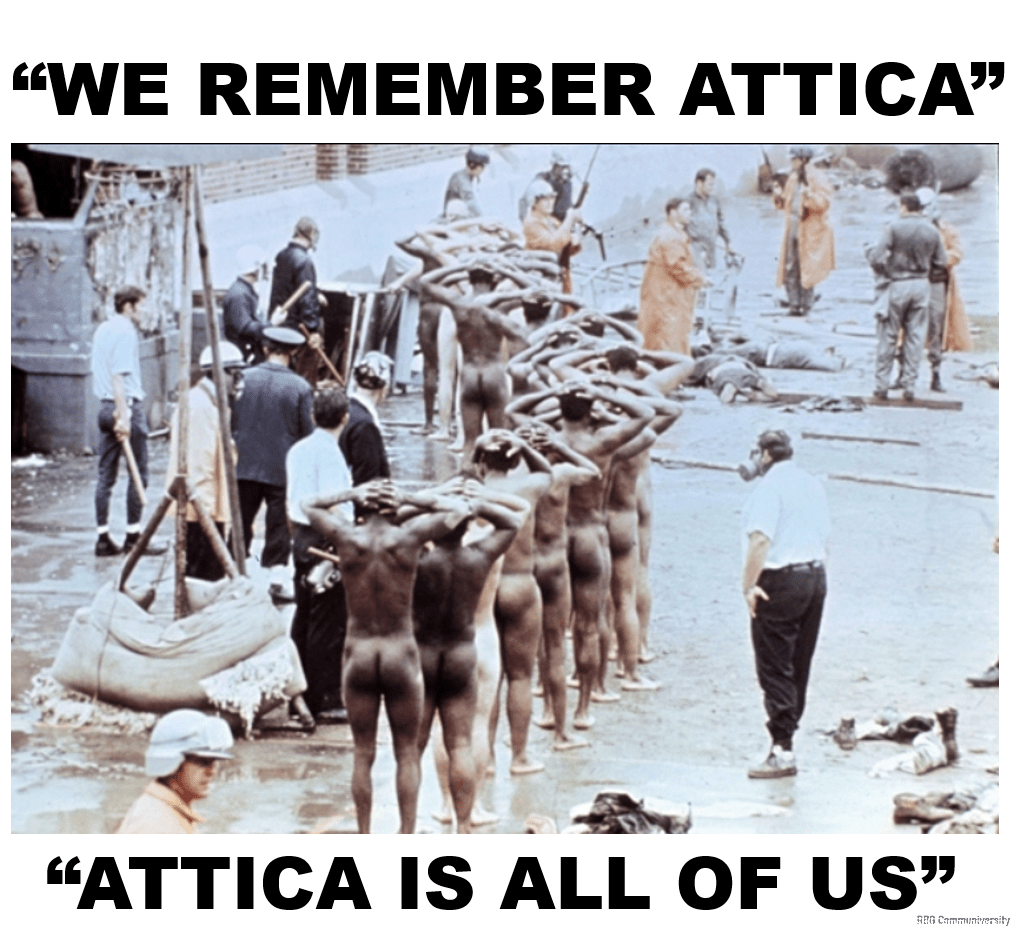
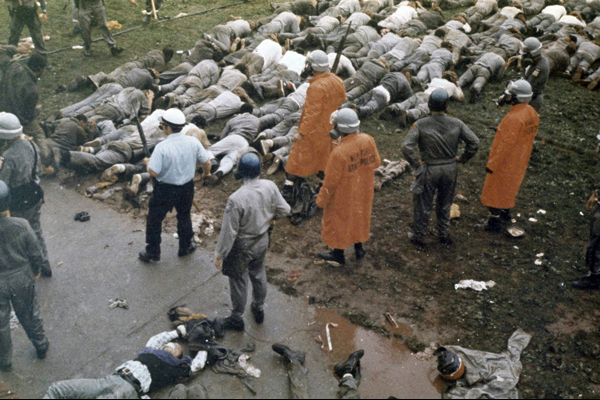
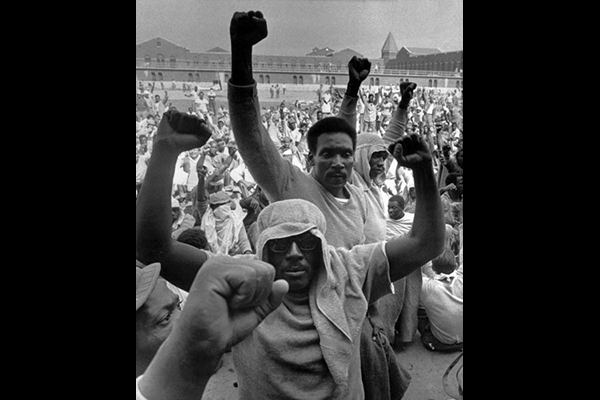
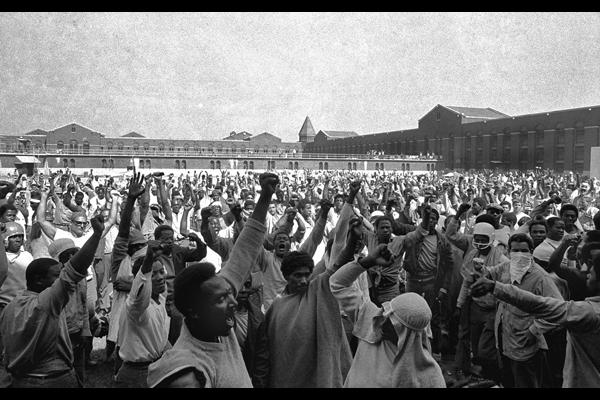
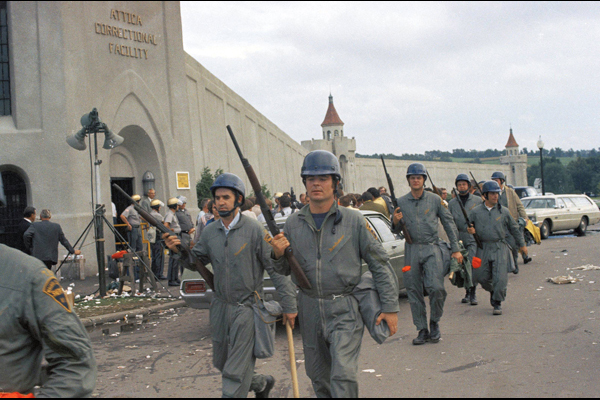
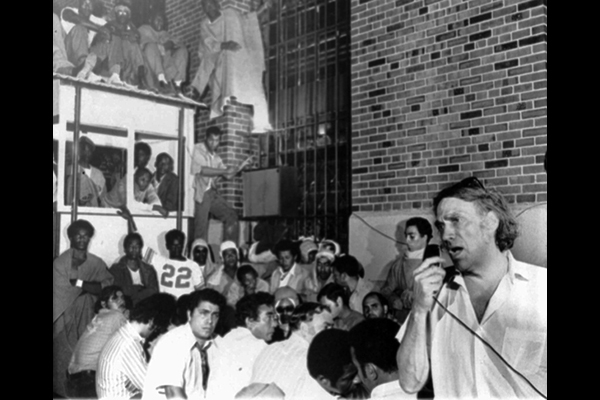
“The Forgotten Survivors” Attica Task Force Hearings
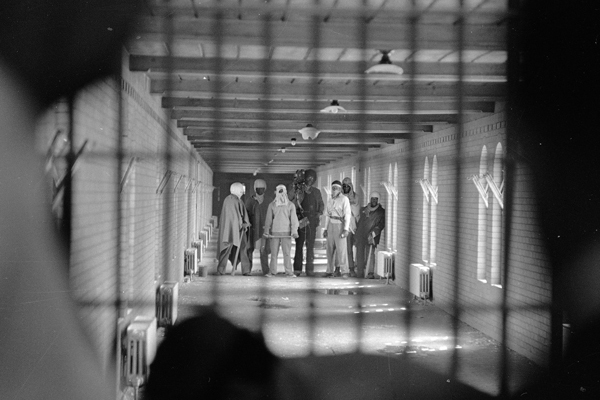
With the cooperation of Scott Christianson, we present here the entire record of the deliberations of the Public Hearings of the Attica Task Force charged with investigating the plight of the “Forgotten Victims” of Attica. In the transcripts below, note that sections are sometimes titled “The Department of Correctional Services, The Forgotten Survivors of Attica, Attica Task Force.” In fact, they are more commonly known as the “Forgotten Victims of Attica, Attica Task Force.” We have retained the “Forgotten Survivors” label to maintain consistency with the transcript documents.Governor George Pataki charged this Task Force with investigating the concerns and issues of the Attica Prison employees who were taken hostage, and to give them a venue to publicly tell their stories and experiences. Open Attica Task Force Sessions Folder










 RBG Communiversity: Message 2 Da Grassroots
You must be logged in to post a comment.