The Crimes of Empire: The History and Politics of an Outlaw Nation by Carl Boggs_eBook and Audiobook

Book Summary

“The Crimes of Empire: The History and Politics of an Outlaw Nation” critically analyzes the foreign policy of the United States, asserting that the U.S. operates as an “outlaw nation” that frequently disregards international laws and norms. Boggs examines the historical roots of American imperialism, the influences of corporate interests, and the patterns of militarism and violence that characterize U.S. actions on the global stage. Through a comprehensive exploration of these themes, the book aims to shed light on the motivations behind U.S. foreign policy decisions and their implications for global peace and justice.

“The outline that follows captures the key themes and structure of ‘The Crimes of Empire: The History and Politics of an Outlaw Nation’ , highlighting the critical examination of U.S. foreign policy as an expression of imperialism, the influence of corporate interests, the patterns of militarism and violence, and the ideological narratives that justify America’s actions on the global stage.”

I. Introduction

  • A. Concept of the “Outlaw Nation”
  • B. Objectives and scope of the book
  • C. Significance of critiquing U.S. foreign policy

II. Historical Context of U.S. Imperialism

  • A. Foundations of American Imperialism
    • Manifest Destiny and territorial expansion
    • The impact of the Spanish-American War
  • B. Cold War Interventions
    • Strategies of containment and military interventions
  • Proxy wars and regime change initiatives

III. Corporate Influence on Foreign Policy

  • A. Interplay between Corporations and State Power
    • The role of multinational corporations in shaping policy
    • Economic motivations behind interventions
  • B. Case Studies
    • Oil interests in the Middle East
  • Mining and resource extraction in Latin America

IV. Patterns of Militarism and Violence

  • A. Military Interventions
    • Justifications for military actions
    • Effects on civilian populations and stability
  • B. Human Rights Violations
    • Examination of war crimes and accountability
  • Torture and abuses in conflict zones

V. Ideological Underpinnings of U.S. Actions

  • A. Rhetoric of Democracy and Freedom
    • Humanitarian intervention as a pretext
    • Critique of liberal imperialism
  • B. American Exceptionalism
    • Historical context and implications for foreign policy
  • Challenges to the exceptionalism narrative

VI. Contemporary Challenges in U.S. Foreign Policy

  • A. The War on Terror
    • Military actions and justifications since 9/11
    • Global security implications and consequences
  • B. Diplomatic Relations
    • Tensions with Russia and China
  • Effects of sanctions and isolationist policies

VII. Alternatives and Paths Forward

  • A. Vision for a New Global Order
    • Building international solidarity and grassroots movements
    • Emphasizing diplomacy over militarism
  • B. Advocating for Just Foreign Policy
    • Principles of accountability and transparency
  • Role of civil society in influencing policy

VIII. Conclusion

  • A. Recap of key insights and arguments
  • B. Urgency of re-evaluating U.S. foreign policy
  • C. Call to action for a more equitable global framework

“The Crimes of Empire: The History and Politics of an Outlaw Nation” provides an in-depth critique of U.S. foreign policy, examining the historical patterns, ideological motivations, and consequences of American actions on the global stage. Here’s a more detailed exploration of the key themes and insights presented in the book:

Key Themes and Insights

1. Concept of the “Outlaw Nation”

  • Definition: Boggs posits that the United States operates as an “outlaw nation,” meaning it frequently engages in actions that violate international law, norms, and principles of sovereignty. This characterization challenges the conventional view of the U.S. as a promoter of democracy and human rights.
  • Implications: The label suggests a need to critically assess U.S. foreign policy actions and their impact on global stability, justice, and human rights.

2. Historical Context of U.S. Imperialism

  • Manifest Destiny: Boggs traces the roots of American imperialism back to the 19th century, where the ideology of Manifest Destiny justified territorial expansion across North America. This expansion often involved the displacement and subjugation of Indigenous populations.
  • Spanish-American War: The 1898 conflict marked a significant turning point, as the U.S. began to assert its influence beyond its borders, acquiring territories such as Puerto Rico and the Philippines. Boggs argues that this was an early manifestation of imperial ambitions.

3. Cold War Dynamics

  • Containment Strategy: During the Cold War, the U.S. adopted a strategy of containment against communism, leading to military interventions and support for authoritarian regimes that aligned with American interests. Boggs examines the ideological justification for these actions, often framed as necessary for global security.
  • Proxy Conflicts: The U.S. engaged in numerous proxy wars, supporting regimes and insurgencies in various regions to counter Soviet influence. This often resulted in human rights abuses and long-term destabilization in affected countries.

4. Corporate Influence on Foreign Policy

  • Economic Motives: Boggs highlights the significant role of multinational corporations in shaping U.S. foreign policy, arguing that economic interests often drive military interventions. He explores how corporate lobbying and investments influence decision-making at the highest levels of government.
  • Resource Exploitation: Case studies, particularly in the oil and mining sectors, illustrate how U.S. actions are frequently motivated by the desire to secure access to valuable resources, often at the expense of local populations and environments.

5. Militarism and Violence

  • Military Interventions: The book critiques the frequent use of military force by the U.S. as a tool of foreign policy, questioning the justifications provided for these interventions. Boggs highlights the devastating consequences for civilian populations and the long-term impacts on global peace.
  • Human Rights Violations: Boggs addresses the issue of accountability for war crimes and human rights violations committed during U.S.-led conflicts. He emphasizes the need for recognition and redress for affected communities.

6. Ideological Frameworks

  • Rhetoric of Freedom: The author critiques the use of humanitarian intervention and the promotion of democracy as justifications for military action. He argues that these narratives often mask the underlying imperial motives and lead to further conflict.
  • American Exceptionalism: Boggs examines the concept of American exceptionalism, which posits that the U.S. has a unique role in promoting democracy and freedom. He argues that this narrative can hinder critical reflection on the harmful impacts of U.S. policies abroad.

7. Contemporary Challenges

  • Post-9/11 Foreign Policy: The book analyzes the ramifications of the War on Terror, initiated after the September 11 attacks. Boggs discusses how this has led to prolonged military engagements and a shift in U.S. foreign policy toward more aggressive postures.
  • Geopolitical Tensions: Boggs explores current tensions with nations like Russia and China, emphasizing how U.S. policies can provoke conflict and undermine international stability.

8. Alternatives and Solutions

  • New Global Order: Boggs advocates for a reimagining of international relations that prioritizes diplomacy, cooperation, and grassroots movements over militarism and imperialism. He calls for a shift towards policies that respect sovereignty and promote social justice.
  • Role of Civil Society: The book emphasizes the importance of civil society in holding governments accountable and advocating for a just foreign policy. Boggs encourages collective action and solidarity among nations to challenge imperial practices.

Conclusion

Carl Boggs’ “The Crimes of Empire” provides a thorough and critical examination of U.S. foreign policy, exposing the complexities and contradictions inherent in America’s role on the world stage. By analyzing historical patterns, corporate influences, and ideological motivations, the book challenges readers to reconsider the narratives surrounding U.S. actions and their implications for global peace and justice. Boggs’ work serves as a call to action for a more equitable and responsible approach to international relations, emphasizing the need for accountability and a commitment to the principles of sovereignty and human rights.

The Crimes of Empire: The History and Politics of an Outlaw Nation _eBook

Pop the documents out from the upper right to read / expand / download.

The Crimes of Empire: The History and Politics of an Outlaw Nation _Audiobook

Part 1

Book starts in ernest with the Foreward (@ 3:00 mins. and corresponds to page 8 of the above reader. )
Part 2

Learn more in RBG Communiversity Knowledge Media eLibrary

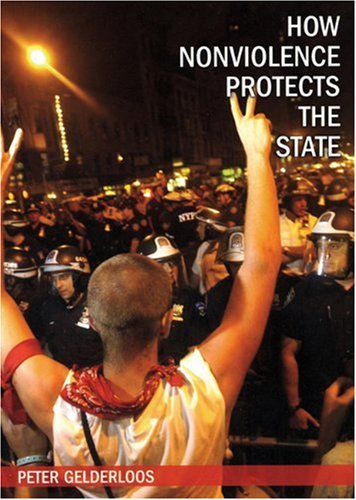
How Nonviolence Protects the State, by Peter Gelderloos_eBook and Audiobook

Since the civil rights era, the doctrine of nonviolence has enjoyed near-universal acceptance by the US Left. Today protest is often shaped by cooperation with state authorities—even organizers of rallies against police brutality apply for police permits, and anti-imperialists usually stop short of supporting self-defense and armed resistance. How Nonviolence Protects the State challenges the belief that nonviolence is the only way to fight for a better world. In a call bound to stir controversy and lively debate, Peter Gelderloos invites activists to consider diverse tactics, passionately arguing that exclusive nonviolence often acts to reinforce the same structures of oppression that activists seek to overthrow.

Book Summary

“How Nonviolence Protects the State” by Peter Gelderloos critically examines the philosophy and practice of nonviolent resistance. Gelderloos argues that nonviolence, while often celebrated as a moral high ground, can inadvertently serve to maintain the status quo and protect state power rather than challenge it. He explores the historical context of nonviolent movements, their effectiveness, and the ways in which state forces have co-opted nonviolent strategies to suppress genuine revolutionary change. The book pushes for a reevaluation of tactics in social movements, advocating for a more nuanced understanding of the relationship between violence, power, and resistance.

The following outline captures the essential themes and structure of Peter Gelderloos’s “How Nonviolence Protects the State.” The book serves as a provocative critique of the nonviolent movement and encourages readers to consider the broader implications of their tactics in the struggle for social justice and systemic change. Through historical analysis and theoretical exploration, Gelderloos advocates for a more nuanced understanding of resistance strategies and their relationship with state power.

I. Introduction

  • A. Purpose of the book
  • B. Overview of nonviolence as a strategy in social movements
  • C. Key arguments and themes

II. Historical Context of Nonviolence

  • A. Origins of nonviolent resistance
    • Key figures and movements (e.g., Gandhi, Martin Luther King Jr.)
    • Philosophical underpinnings of nonviolence
  • B. Nonviolence in practice
    • Case studies of historical nonviolent movements
  • Outcomes and limitations of these movements

III. Nonviolence and the State

  • A. The relationship between nonviolence and state power
    • How nonviolence can reinforce existing power structures
    • The role of the state in shaping nonviolent strategies
  • B. Co-optation of nonviolence by the state
    • Examples of state responses to nonviolent movements
  • The use of nonviolence to diffuse revolutionary potential

IV. The Effectiveness of Nonviolence

  • A. Analyzing the success rates of nonviolent movements
    • Factors contributing to success or failure
    • Comparison with direct action and violent resistance
  • B. Critiques of nonviolence as a universal strategy
    • Contextual limitations of nonviolent tactics
  • The impact of systemic violence on marginalized communities

V. Alternatives to Nonviolence

  • A. Exploring the role of direct action
    • Historical examples of successful direct action
    • The ethics and necessity of violence in resistance
  • B. The importance of diverse tactics in social movements
    • Combining nonviolent and militant strategies
  • The need for tactical flexibility in resistance efforts

VI. Moving Forward: Rethinking Resistance

  • A. Recommendations for contemporary social movements
    • Emphasizing a broad spectrum of tactics
    • Building solidarity and understanding the context of struggle
  • B. The need for a critical approach to nonviolence
    • Encouraging dialogue about tactics and strategy
  • Recognizing the complexities of power dynamics

VII. Conclusion

  • A. Summary of key insights and arguments
  • B. Reflection on the implications for future movements
  • C. Call to action for a more inclusive and effective resistance

Peter Gelderloos’s “How Nonviolence Protects the State” is a thought-provoking critique of nonviolent resistance as a strategy for social change. The book challenges the traditional narratives that celebrate nonviolence as the most ethical or effective means of challenging power. Here’s a more detailed exploration of the book’s key themes, insights, and implications:

Detailed Exploration of Key Themes

1. Historical Context of Nonviolence

  • Origins and Development: Gelderloos provides a historical overview of nonviolent resistance, tracing its roots to figures like Mahatma Gandhi and Martin Luther King Jr. He examines how their philosophies shaped the perception of nonviolence as a moral high ground in social movements.
  • Case Studies: The book analyzes various historical nonviolent movements, noting their successes and failures. Gelderloos discusses the Civil Rights Movement, anti-colonial struggles, and other significant events, highlighting both the achievements and limitations of nonviolent tactics.

2. Nonviolence and the State

  • Reinforcement of Power Structures: One of Gelderloos’s central arguments is that nonviolence can inadvertently reinforce state power. He posits that by adhering strictly to nonviolent principles, movements can limit their effectiveness, allowing the state to maintain control without addressing systemic issues.
  • State Co-optation: The author discusses how states often co-opt nonviolent movements to diffuse revolutionary potential. For example, when movements achieve some level of success through nonviolent means, the state may adopt reforms to quell dissent, ultimately preserving its authority while providing a façade of change.

3. The Effectiveness of Nonviolence

  • Success Rates: Gelderloos critically examines the success rates of nonviolent movements compared to those that employ direct action or violence. He argues that while nonviolent movements can achieve specific goals, they often fall short of enacting broader systemic change.
  • Contextual Limitations: The book emphasizes that nonviolence may not be a universally applicable strategy. In contexts where systemic violence is prevalent, particularly against marginalized communities, nonviolent tactics can become inadequate or even dangerous.

4. Alternatives to Nonviolence

  • Direct Action: Gelderloos advocates for the inclusion of direct action as a legitimate and often necessary tactic in resistance. He discusses historical examples where direct action—whether through property destruction, sabotage, or militant protest—has successfully challenged oppressive systems.
  • Diverse Tactics: The author emphasizes the importance of a diverse range of tactics in social movements. He argues that a combination of nonviolent and militant strategies can create a more effective approach to resistance, adapting to the specific context and needs of the struggle.

5. Moving Forward: Rethinking Resistance

  • Strategic Recommendations: Gelderloos provides recommendations for contemporary movements, urging activists to embrace a broader spectrum of tactics. He calls for flexibility and creativity in resistance strategies, recognizing that different situations may require different approaches.
  • Critical Dialogue: The book encourages ongoing dialogue about tactics and strategy within social movements. Gelderloos stresses the importance of understanding the complexities of power dynamics and the need for movements to be inclusive and responsive to the needs of all participants.

Conclusion

Gelderloos’s “How Nonviolence Protects the State” serves as a significant critique of the nonviolent movement, urging readers to question the effectiveness and morality of nonviolence as a universal strategy for social change. By exploring the historical context, analyzing the relationship between nonviolence and state power, and advocating for diverse resistance tactics, the book challenges activists to think critically about their approaches to fighting oppression.

Broader Implications

  • Reassessment of Resistance Strategies: The insights presented in the book encourage activists to reassess their strategies and consider the broader implications of their actions. It highlights the need for movements to be adaptive and to learn from past experiences.
  • Impact on Contemporary Movements: The themes of the book resonate with ongoing discussions about social justice, particularly in movements addressing racial, economic, and environmental issues. Gelderloos’s critique of nonviolence invites a reexamination of tactics in light of systemic violence and oppression faced by marginalized communities.

Overall, “How Nonviolence Protects the State” is a powerful call for a more nuanced understanding of resistance strategies in the pursuit of social justice. It challenges readers to critically engage with the complexities of power, violence, and the effectiveness of various forms of resistance, ultimately advocating for a more inclusive and strategic approach to activism.

How Nonviolence Protects the State, by Peter Gelderloos_eBook

Pop the documents out from the upper right to read / expand / download.

How Nonviolence Protects the State_Audiobook

Learn more in RBG Communiversity Knowledge Media eLibrary:

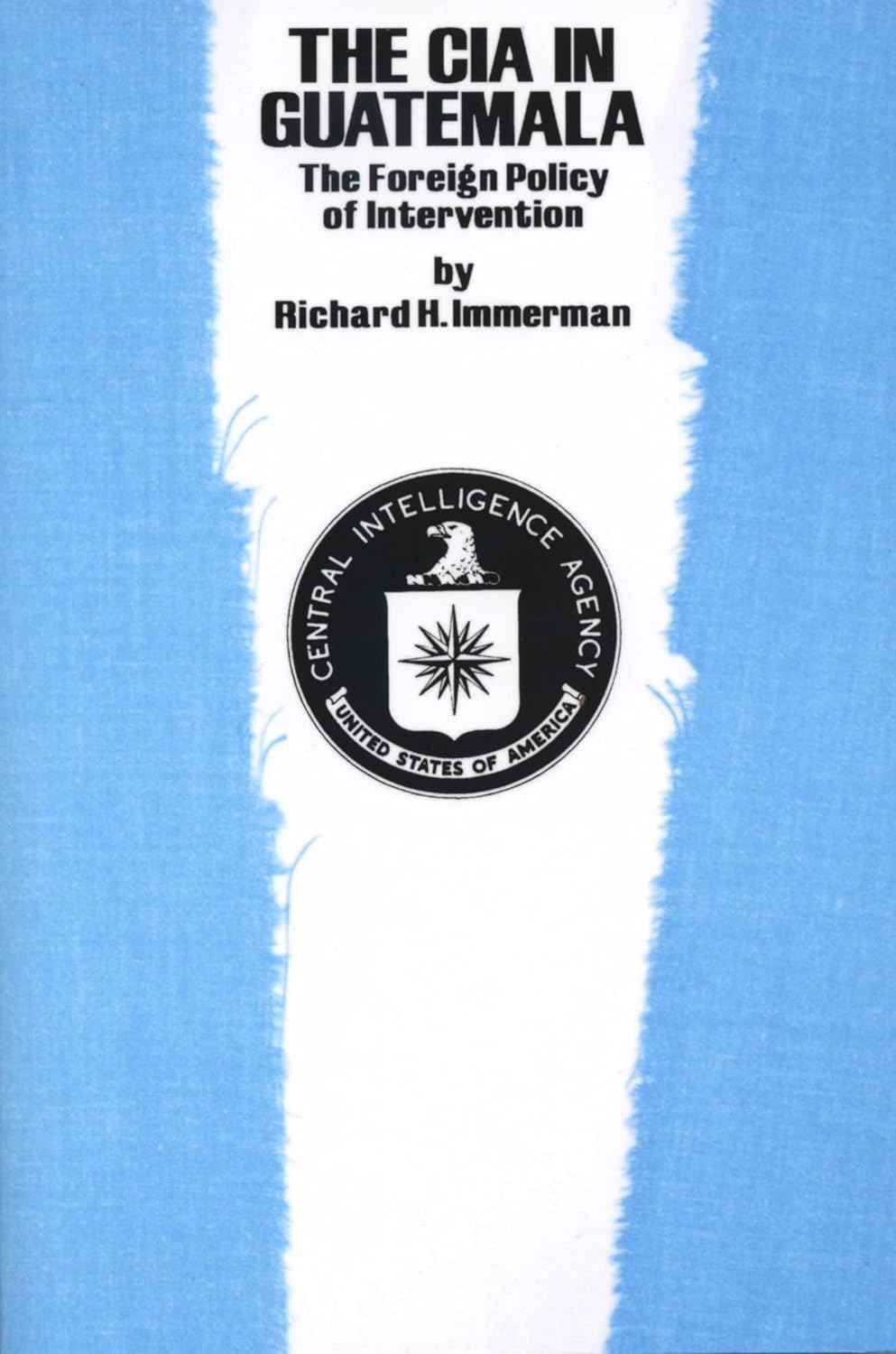
The CIA in Guatemala: The Foreign Policy of Intervention by Richard H. Immerman_eBook and Audiobook, with The CIA in Guatemala Video Education Player

Using documents obtained through the Freedom of Information Act, recently opened archival collections, and interviews with the actual participants, Immerman provides us with a definitive, powerfully written, and tension-packed account of the United States’ clandestine operations in Guatemala and their consequences in Latin America today.

Book Summary

“The CIA in Guatemala: The Foreign Policy of Intervention” by Richard H. Immerman provides a comprehensive analysis of the United States’ covert operations in Guatemala during the early Cold War period, particularly the CIA’s involvement in the overthrow of the democratically elected President Jacobo Árbenz in 1954. Immerman explores the political, economic, and ideological motivations behind U.S. intervention, the impact of the coup on Guatemala’s political landscape, and the broader implications for U.S. foreign policy in Latin America. The book combines historical narrative with critical analysis, shedding light on the complexities of American interventionism.

The outline that follows captures the essential themes and structure of Richard H. Immerman’s “The CIA in Guatemala: The Foreign Policy of Intervention.” The book serves as an important historical document that not only recounts the events surrounding the 1954 coup but also critically examines the motivations and consequences of U.S. intervention in Guatemala, providing valuable insights into the complexities of Cold War foreign policy.

I. Introduction

  • A. Overview of U.S. involvement in Guatemala
  • B. Importance of the 1954 coup in the context of Cold War foreign policy
  • C. Objectives of the book

II. Historical Context

  • A. Political landscape of Guatemala before the coup
    • Overview of colonial history and socio-economic conditions
    • Rise of Jacobo Árbenz and his reform agenda
  • B. U.S. interests in Guatemala
    • Economic interests, particularly regarding the United Fruit Company
  • Strategic concerns during the Cold War

III. The Rise of Jacobo Árbenz

  • A. Political reforms and land redistribution policies
    • Agrarian reform and its implications
    • Opposition from conservative elites and foreign interests
  • B. The perception of Árbenz as a communist threat
    • Cold War ideology and fears of communism in Latin America
  • U.S. intelligence assessments and misinterpretations

IV. Planning the Coup

  • A. CIA’s role in orchestrating the coup
    • Formation of Operation PBSUCCESS
    • Key players involved in the planning and execution
  • B. Psychological warfare and propaganda
    • Use of media and misinformation to undermine Árbenz
  • Mobilizing support from local elites and military

V. The 1954 Coup

  • A. Execution of the coup on June 27, 1954
    • Overview of military actions and key events
    • Impact on Árbenz and his government
  • B. Immediate aftermath and reactions
    • Responses from the Guatemalan populace
  • International reaction and implications for U.S. foreign policy

VI. Consequences of the Intervention

  • A. Political instability in Guatemala
    • Rise of military regimes and authoritarianism
    • Long-term effects on democracy and governance
  • B. Human rights violations and civil conflict
    • Escalation of violence and repression against dissent
  • Legacy of the Guatemalan civil war
  • C. Broader implications for U.S. foreign policy in Latin America
    • Shifts in interventionist strategies
  • Influence on future U.S. actions in the region

VII. Conclusion

  • A. Summary of key findings and arguments
  • B. Reflection on the impact of U.S. intervention in Guatemala
  • C. Lessons learned for contemporary foreign policy

Richard H. Immerman’s “The CIA in Guatemala: The Foreign Policy of Intervention” is a critical examination of one of the most significant covert operations in U.S. history. Here’s a more detailed exploration of the book’s key themes, context, and implications:

Detailed Exploration of Key Themes

1. Historical Context

  • Colonial Legacy and Socio-Economic Conditions: Immerman sets the stage by detailing Guatemala’s colonial history, which laid the groundwork for deep social and economic inequalities. The country was dominated by a small elite, primarily landowners and foreign corporations, particularly the United Fruit Company (UFCO), which held significant economic power.
  • Jacobo Árbenz’s Rise: After World War II, Guatemala experienced a wave of reform movements. Jacobo Árbenz became president in 1951 and sought to implement progressive policies, including land reforms aimed at redistributing land from large estates to landless peasants. These reforms were seen as a direct threat to the interests of UFCO and traditional elites.

2. U.S. Interests and Cold War Context

  • Economic and Strategic Interests: The U.S. was deeply concerned about the influence of communism in Latin America during the Cold War. The nationalization of UFCO land by Árbenz was perceived as a communist threat, prompting U.S. intervention to protect American economic interests.
  • Cold War Ideology: The book discusses the broader ideological battle of the Cold War, where the U.S. sought to prevent the spread of communism. This led to a willingness to intervene in the affairs of sovereign nations, especially in regions perceived as vulnerable to Soviet influence.

3. The Coup Planning

  • Operation PBSUCCESS: Immerman details how the CIA devised Operation PBSUCCESS, a covert plan to overthrow Árbenz. The operation involved assembling a paramilitary force, psychological warfare, and propaganda campaigns to discredit the Árbenz government.
  • Use of Propaganda: The CIA employed tactics to create a climate of fear and uncertainty in Guatemala, portraying Árbenz as a communist puppet. This included the dissemination of false information and leveraging local elites to undermine his authority.

4. The 1954 Coup

  • Execution and Immediate Outcomes: The coup was executed on June 27, 1954, with a combination of military action and psychological operations. The CIA-backed forces, led by Carlos Castillo Armas, quickly gained ground, leading to Árbenz’s resignation.
  • Reactions and Aftermath: The coup resulted in immediate political upheaval. While some segments of the population initially welcomed the change, many others were left disillusioned and fearful of the ensuing military rule.

5. Consequences of the Intervention

  • Political Instability: The overthrow of Árbenz led to decades of political instability in Guatemala, marked by a series of military dictatorships. This instability created conditions for a protracted civil war that lasted from the 1960s to the 1990s.
  • Human Rights Violations: The military regimes that followed the coup engaged in widespread human rights abuses, including extrajudicial killings, forced disappearances, and repression of dissent. The civil war resulted in the deaths of over 200,000 people, with indigenous populations disproportionately affected.
  • Impact on U.S. Foreign Policy: Immerman argues that the events in Guatemala exemplified a shift in U.S. foreign policy toward more aggressive interventions in Latin America. The coup set a precedent for future U.S. actions, contributing to a legacy of distrust and resentment towards U.S. involvement in the region.

Conclusion

Immerman’s book is a significant scholarly work that provides a nuanced understanding of the U.S. intervention in Guatemala. By exploring the motivations, planning, and consequences of the coup, Immerman highlights the complex interplay between economic interests, Cold War ideology, and the principle of national sovereignty.

Broader Implications

  • Lessons on Intervention: The book serves as a cautionary tale about the consequences of foreign intervention, emphasizing the potential for long-term instability and human suffering that can result from such actions.
  • Understanding Modern Contexts: The themes explored in the book prompt reflection on contemporary issues related to U.S. foreign policy, especially in Latin America. The legacy of interventions like that in Guatemala continues to shape diplomatic relations and public perceptions of the U.S. in the region.

Immerman’s analysis is an important contribution to the historiography of U.S. foreign policy, shedding light on the complexities of intervention and the lasting impacts of Cold War dynamics on Latin America. The book encourages readers to critically assess the motivations behind foreign interventions and their far-reaching effects on the nations involved.

The CIA in Guatemala: The Foreign Policy of Intervention_eBook

Pop the documents out from the upper right to read / expand / download.

The CIA in Guatemala: The Foreign Policy of Intervention_Audiobook

The CIA in Guatemala Video Education Player

10 Video Playlist

Learn more in RBG Communiversity Knowledge Media eLibrary

Tip of the Spear: Black Radicalism, Prison Repression, and the Long Attica Revolt by Orisanmi Burton, with Orisanmi Burton Disscussion and Attica Massacre Video Education

Book Summary

“Tip of the Spear: Black Radicalism, Prison Repression, and the Long Attica Revolt” by Orisanmi Burton offers a critical examination of the Attica Prison uprising in 1971 and its significance within the broader context of Black radicalism and resistance to state repression. Burton explores the historical factors leading to the revolt, the demands of the prisoners, and the subsequent violent response from authorities. The book highlights the connections between the struggles of incarcerated individuals and larger social movements advocating for racial and economic justice. By analyzing the Attica uprising and its aftermath, Burton sheds light on the enduring legacy of prison resistance and the ongoing fight against systemic oppression.

The outline that follows captures the main themes and structure of “Tip of the Spear,” highlighting Orisanmi Burton’s critical examination of the Attica Prison uprising and its broader implications for understanding Black radicalism and resistance to state repression. The book serves as a significant contribution to the discourse on prison reform and social justice, emphasizing the enduring relevance of the Attica revolt in contemporary struggles against systemic oppression.

I. Introduction

  • Overview of the book’s purpose: to explore the Attica Prison uprising within the context of Black radicalism and prison repression
  • Introduction to the significance of the Attica revolt in the history of prison resistance
  • The importance of understanding the uprising as part of a broader struggle for justice

II. Historical Context of Black Radicalism

  • Examination of the origins and development of Black radicalism in the 20th century
  • Overview of key movements and figures that influenced the radicalization of Black activism
  • Discussion of the socio-political conditions leading to heightened tensions within prisons

III. The Attica Prison Uprising

  • Detailed account of the events leading up to the Attica revolt in September 1971
  • Exploration of the prisoners’ demands and grievances, including issues of racial discrimination, overcrowding, and lack of basic rights
  • Analysis of the dynamics within the prison during the uprising, including the role of leadership among the inmates

IV. State Repression and the Response to the Uprising

  • Examination of the state’s response to the Attica revolt, including the violent retaking of the prison
  • Analysis of the consequences of the uprising for the prisoners, families, and the broader community
  • Discussion of the media portrayal of the revolt and its impact on public perception of prison resistance

V. The Legacy of the Attica Revolt

  • Exploration of the long-term effects of the Attica uprising on prison reform and Black radicalism
  • Discussion of subsequent prison uprisings and their connections to the Attica legacy
  • Examination of how the revolt continues to influence contemporary movements for racial and social justice

VI. Theoretical Framework and Analysis

  • Introduction to the theoretical frameworks used in the book, including concepts of resistance, state violence, and systemic oppression
  • Discussion of how the Attica revolt exemplifies the intersection of race, class, and incarceration
  • Analysis of the implications of the uprising for understanding modern prison systems and resistance movements

VII. Conclusion

  • Summary of key themes and insights from the book
  • Reflection on the importance of the Attica revolt in the ongoing struggle against prison repression and racial injustice
  • Call to action for continued engagement with the legacy of prison resistance and the fight for equity and justice

“Tip of the Spear” is a profound exploration of the Attica Prison uprising, contextualized within the broader landscape of Black radicalism and systemic oppression. The book critically examines how the revolt at Attica not only represented a pivotal moment in the fight against prison repression but also served as a reflection of the larger struggles for racial and economic justice in the United States. Here’s a deeper exploration of the key themes, insights, and arguments presented in the book:

Key Themes and Insights

  1. Historical Context of Black Radicalism:
    • Burton traces the roots of Black radicalism, highlighting how the socio-political climate of the 1960s and 1970s influenced the rise of militant resistance among Black communities. The book discusses key figures and movements, such as the Black Panther Party, that galvanized activism and shaped the consciousness of prisoners.
    • This historical backdrop is essential for understanding the motivations behind the Attica revolt and the demands made by inmates.
  2. The Attica Prison Uprising:
    • The book provides a detailed narrative of the events leading up to the Attica uprising, which erupted in September 1971. Burton examines the grievances of the prisoners, including issues like overcrowding, poor living conditions, racial discrimination, and denial of basic rights.
    • The author emphasizes that the uprising was not merely a spontaneous event but rather the culmination of years of frustration and activism within the prison system.
  3. Prisoners’ Demands and Leadership:
    • Burton highlights the articulate and well-organized demands of the Attica prisoners, which included calls for better living conditions, educational opportunities, and an end to racial discrimination. The leadership among the inmates played a crucial role in articulating these demands and maintaining order during the revolt.
    • The book emphasizes the importance of recognizing the agency of prisoners and their capacity for organized resistance.
  4. State Repression and Violence:
    • A significant focus of the book is on the state’s violent response to the Attica uprising, particularly the brutal retaking of the prison by law enforcement. Burton analyzes how this response reflected the broader patterns of state repression faced by marginalized communities.
    • The aftermath of the revolt involved not only the immediate consequences for the prisoners but also the long-lasting impact on their families and communities, highlighting the pervasive nature of state violence.
  5. Media Representation and Public Perception:
    • Burton discusses how the media portrayed the Attica uprising, often framing it in sensationalized terms that contributed to public fear and misunderstanding of the prisoners’ motives. This media framing affected the narrative around prison resistance and shaped societal attitudes toward incarcerated individuals.
    • The book critiques the ways in which narratives of violence are often used to justify further repression and neglect of the underlying issues that lead to uprisings.
  6. Legacy and Ongoing Struggles:
    • The legacy of the Attica revolt extends beyond the immediate aftermath, influencing subsequent prison uprisings and the broader movement for prison reform. Burton explores how the lessons learned from Attica continue to resonate in contemporary struggles against mass incarceration and racial injustice.
    • The book draws connections between the Attica uprising and modern movements, such as Black Lives Matter, emphasizing the continuity of resistance against systemic oppression.
  7. Theoretical Framework:
    • Burton employs various theoretical frameworks to analyze the events at Attica, including concepts of resistance, state violence, and the intersections of race, class, and incarceration. This theoretical lens helps to contextualize the uprising within broader socio-political dynamics.
    • The analysis encourages readers to critically engage with the implications of the Attica revolt for understanding modern prison systems and the ongoing fight for justice.
  8. Call to Action:
    • In the conclusion, Burton reflects on the importance of engaging with the legacy of the Attica revolt and the continued relevance of prison resistance in the current socio-political landscape. The author calls for solidarity and activism in addressing the systemic injustices that persist today.
    • The book serves as a rallying cry for individuals and movements to remain vigilant against state repression and to advocate for a more just and equitable society.

Conclusion

“Tip of the Spear” is a significant contribution to the discourse on Black radicalism, prison resistance, and social justice. Orisanmi Burton’s analysis of the Attica Prison uprising provides valuable insights into the complexities of state repression and the resilience of those who resist it. By situating the revolt within the historical context of Black radicalism and examining its lasting legacy, the book encourages readers to reflect on the ongoing struggle for justice and the importance of solidarity with those who continue to fight against systemic oppression. It serves as a crucial reminder of the power of collective action and the necessity of addressing the root causes of inequality and injustice in society.

“Tip of the Spear: Black Radicalism, Prison Repression, and the Long Attica Revolt” by Orisanmi Burton_eBook

Pop the documents out from the upper right to read / expand / download.

Orisanmi Burton Disscussion of the Book

Attica Massacre Video Education

10 Video Player

Learn more in RBG Communiversity Knowledge Media eLibrary:

Dixie Be Damned: 300 Years of Insurrection in the American South by Neal Shirley and Saralee Stafford_eBook and Audiobook, with Postscript Video

Book Summary

“Dixie Be Damned: 300 Years of Insurrection in the American South” by Neal Shirley and Saralee Stafford is a comprehensive examination of resistance and rebellion in the American South over a span of three centuries. The authors explore various forms of insurrection, from slave revolts to civil rights movements, highlighting the struggles against oppression, racism, and economic exploitation. By focusing on the history of resistance, Shirley and Stafford aim to challenge the dominant narratives that often romanticize the South’s past and overlook the active resistance by marginalized groups. The book serves as a testament to the resilience of those who fought against systemic injustices and seeks to inspire contemporary movements for social justice.

The outline that follows encapsulates the essential themes and structure of “Dixie Be Damned: 300 Years of Insurrection in the American South”, highlighting the authors’ critical perspective on various forms of insurrection and the struggles of those who fought against oppression and challenges the romanticized narratives of the South’s past.

I. Introduction

  • Purpose of the book: to highlight the history of insurrection in the South
  • Overview of the themes of resistance and rebellion
  • Importance of understanding Southern history through the lens of insurrection

II. Historical Context of Insurrection in the South

  • Overview of the socio-political landscape in the South
  • The role of slavery and its impact on resistance
  • Economic exploitation and class struggle

III. Early Forms of Insurrection

  • Slave revolts and rebellions
    • Notable uprisings, such as the Stono Rebellion and Nat Turner’s Rebellion
  • Early abolitionist movements and their significance
  • Resistance through cultural expressions, such as music and storytelling

IV. The Civil War and Reconstruction

  • Analysis of insurrection during the Civil War
    • The role of enslaved people in the war
    • Acts of rebellion and defiance
  • Post-war resistance during Reconstruction
    • The rise of Black Codes and Jim Crow laws
    • Organizing efforts by formerly enslaved individuals

V. Twentieth Century Insurrections

  • The Civil Rights Movement
    • Key events: Montgomery Bus Boycott, Freedom Rides, and the March on Washington
    • Notable figures and grassroots organizations
  • Labor movements and their intersections with civil rights
  • Resistance against systemic racism and economic inequality

VI. Contemporary Insurrections

  • Examination of modern movements for social justice in the South
    • Black Lives Matter and other grassroots organizations
  • The ongoing struggle against systemic oppression
  • Connections between historical and contemporary forms of resistance

VII. Conclusion

  • Summary of key themes and insights
  • Reflection on the legacy of insurrection in the American South
  • Call to action for ongoing resistance and solidarity in the fight for justice

“Dixie Be Damned: 300 Years of Insurrection in the American South” by Neal Shirley and Saralee Stafford provides a thorough and engaging exploration of the history of resistance within the Southern United States. The authors present a compelling narrative that emphasizes the long-standing struggles against oppression, racism, and economic exploitation, showcasing the myriad ways in which marginalized groups have resisted injustice throughout history. Here’s a deeper dive into the themes and insights presented in the book:

Key Themes and Insights

  1. Historical Continuity of Resistance:
    • The authors argue that resistance in the South is not a modern phenomenon but rather a continuous thread throughout history. From early slave revolts in the 18th century to contemporary social justice movements, the book illustrates how insurrection has been a defining characteristic of Southern history.
    • By tracing this continuity, Shirley and Stafford challenge the notion that the South is defined solely by its oppressive systems, highlighting the resilience and agency of those who fought against them.
  2. The Role of Slavery and Abolition:
    • The book discusses the impact of slavery on the development of resistance movements. Enslaved individuals often engaged in acts of rebellion, whether through organized uprisings or everyday forms of resistance, such as work slowdowns and escape attempts.
    • The authors also shine a light on early abolitionist efforts, which laid the groundwork for later movements. These efforts included both Black and white abolitionists who risked their lives to challenge the institution of slavery.
  3. Civil War and Reconstruction:
    • The Civil War is presented as a critical moment of insurrection, with enslaved people playing a pivotal role in their liberation. The authors highlight how acts of defiance during the war contributed to shifting perceptions about slavery and freedom.
    • During Reconstruction, newly freed individuals sought to assert their rights and challenge oppressive systems through political participation and community organizing. However, the rise of Jim Crow laws and violent repression marked a significant backlash against these efforts.
  4. Civil Rights Movement:
    • A significant portion of the book focuses on the Civil Rights Movement of the 20th century, detailing key events and figures that shaped this struggle. From the Montgomery Bus Boycott to the Freedom Rides and the March on Washington, Shirley and Stafford emphasize the grassroots nature of these movements and the importance of local organizing.
    • The authors also explore the intersections of civil rights and labor movements, illustrating how economic justice was intertwined with the fight against racial discrimination.
  5. Modern Insurrections:
    • The narrative transitions into contemporary movements for social justice, such as Black Lives Matter, illustrating how the legacy of resistance continues to inform current struggles against systemic oppression.
    • Shirley and Stafford examine the ongoing fight against racism, police violence, and economic inequality, highlighting how modern activists draw on historical lessons to inform their strategies and tactics.
  6. Cultural Resistance:
    • Throughout the book, the authors acknowledge the role of culture in resistance movements. Music, art, and storytelling have been vital forms of expression that not only preserve history but also mobilize communities and inspire action.
    • By incorporating cultural dimensions into their analysis, Shirley and Stafford provide a fuller understanding of how resistance has been articulated and sustained across generations.
  7. Call to Action:
    • In their conclusion, the authors issue a call to action for readers to engage in the ongoing struggle for justice. They emphasize the importance of solidarity and collective action in challenging systemic inequalities.
    • The book serves as both a historical account and a motivational text, encouraging individuals to recognize their role in the broader struggle for social change.

Conclusion

“Dixie Be Damned” serves as a vital contribution to the understanding of Southern history through the lens of resistance. By chronicling 300 years of insurrection, Neal Shirley and Saralee Stafford illuminate the struggles of those who have fought against oppression and challenge the romanticized narratives that often dominate discussions about the South. Their work emphasizes the resilience, agency, and ongoing struggle of marginalized communities, providing a rich historical context that inspires contemporary movements for social justice. This book is essential reading for anyone interested in understanding the complexities of resistance and the enduring legacy of insurrection in the American South.

“Dixie Be Damned: 300 Years of Insurrection in the American South”_eBook

Pop the documents out from the upper right to read / expand / download.

“Dixie Be Damned: 300 Years of Insurrection in the American South”_Audiobook

Postscript Video: Enslavement to Emancipation

Learn more in RBG Communiversity Knowledge Media eLibrary: