


“Ph.D. dissertation by Huey P Newton, analysing certain features of the Black Panther Party and incidents that are significant in its development. Some central events in the growth of the Party, from adoption of an ideology and platform to implementation of community programs, are first described. This is followed by a presentation of the federal government’s response to the Party.” Source: Libcom.org-huey-p-newton
Book Summary
Huey P. Newton’s “War Against the Panthers: A Study of Repression in America” offers an insightful examination of the Black Panther Party (BPP) and the systemic repression it faced from the U.S. government and law enforcement. Here’s an overview and outline of the book:
- Historical Context: The book situates the Black Panther Party within the civil rights movement and the broader struggle for racial equality in the United States.
- Repression and Resistance: Newton explores various forms of repression faced by the Panthers, including surveillance, arrests, and violent confrontations with law enforcement.
- Philosophy and Ideology: Newton articulates the BPP’s ideology, emphasizing self-defense, community empowerment, and the fight against systemic racism.
- Personal Account: The narrative includes Newton’s personal experiences and reflections as a leader within the party, providing insight into the challenges and triumphs of the movement.
- Impact and Legacy: The book addresses the long-term effects of repression on the Black Panther Party and its enduring legacy in contemporary social justice movements.
This outline provides a structured look at the contents of Newton’s work, encapsulating the primary themes and historical significance of the Black Panther Party’s struggle against repression.
- Introduction
- Purpose of the study
- Overview of the Black Panther Party’s formation and goals
- Chapter 1: Historical Background
- Context of racial oppression in America
- The civil rights movement and its influence on the BPP
- Chapter 2: Ideological Foundations
- Key principles of the Black Panther Party
- The philosophy of self-defense and community empowerment
- Chapter 3: Government Surveillance and Repression
- Overview of COINTELPRO and its impact on the BPP
- Tactics used by law enforcement to undermine the party
- Chapter 4: Confrontations with Law Enforcement
- Notable incidents of violence and arrests
- The media portrayal of the Panthers and its effects
- Chapter 5: Internal Struggles and Challenges
- Conflicts within the party
- The impact of repression on leadership and membership
- Chapter 6: Community Programs and Initiatives
- Overview of the BPP’s social programs (e.g., free breakfast programs, health clinics)
- The role of these initiatives in community building
- Chapter 7: The Legacy of the Black Panther Party
- Examination of the BPP’s contributions to social justice
- The enduring influence on contemporary movements
- Conclusion
- Summary of key themes and findings
- Reflection on the importance of understanding the history of repression in America
As co-founder of the Black Panther Party, Huey P. Newton knew repression first hand. Surviving a shooting in which one police officer was killed and another wounded, Newton became the symbol of Black urban resistance in the United States. Obscure until now, Newton’s valuable Ph.D. dissertation War Against the Panthers offers an insightful reconstruction that could have only been written by a key participant in the events.
Huey P. Newton Doctoral Dissertation
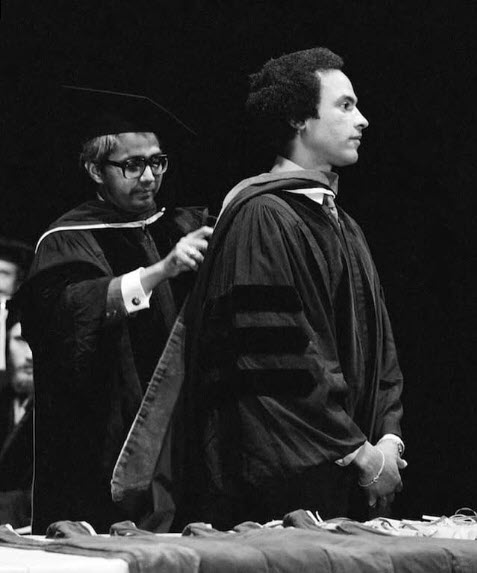
War Against the Panthers: A Study of Repression in America_eBook
Pop the document out from the upper right to read / expand / download.




 RBG Communiversity: Message 2 Da Grassroots
You must be logged in to post a comment.