Blood in the Water: The Attica Prison Uprising of 1971 and Its Legacy, by  Heather Ann Thompson_eBook and Audiobook, with RBG Attica is All of Us Viedo Player

Book Summary

“Blood in the Water” offers a detailed account of the Attica prison uprising, which occurred in September 1971, and its aftermath. The book explores the conditions that led to the rebellion, the events during the uprising, the violent retaking of the prison, and the long-lasting implications for the American prison system and civil rights. Thompson combines extensive research, including firsthand accounts, legal documents, and archival materials, to present a comprehensive narrative that highlights the struggles for justice and the fight against systemic racism within the prison system.

This outline provides a structured view of the book’s contents, highlighting the key themes and events that Thompson addresses in her exploration of the Attica prison uprising and its lasting effects on amerikkkan society.

  1. Introduction
    • Historical context of Attica prison
    • Overview of the prison conditions in the 1970s
    • Significance of the uprising in American history
  2. Chapter 1: Background of the Prison System
    • Description of Attica’s conditions
    • Overview of inmates’ grievances
    • Racial dynamics within the prison
  3. Chapter 2: The Uprising Begins
    • Timeline of events leading to the rebellion
    • Key figures involved in the uprising
    • Initial demands of the inmates
  4. Chapter 3: The Hostage Crisis
    • Hostage situations and negotiations
    • Media coverage and public perception
    • The role of prison officials and state authorities
  5. Chapter 4: The Retaking of Attica
    • Government response and planning
    • The violent retaking of the prison
    • Casualties and injuries during the retaking
  6. Chapter 5: Aftermath of the Uprising
    • Legal repercussions for inmates and officials
    • Impact on the families of hostages and inmates
    • Public and political response to the violence
  7. Chapter 6: The Legacy of Attica
    • Changes in prison policies and practices
    • Ongoing issues of prison reform and justice
    • Influence on future movements for inmates’ rights
  8. Chapter 7: Reflections on Justice and Accountability
    • Analysis of systemic racism in the prison system
    • The importance of remembering Attica’s legacy
    • Calls for continued activism and reform
  9. Conclusion
    • Summary of key themes and insights
    • Relevance of the Attica uprising in contemporary society
    • Final thoughts on justice and human rights

Blood in the Water: The Attica Prison Uprising of 1971 and Its Legacy_eBook

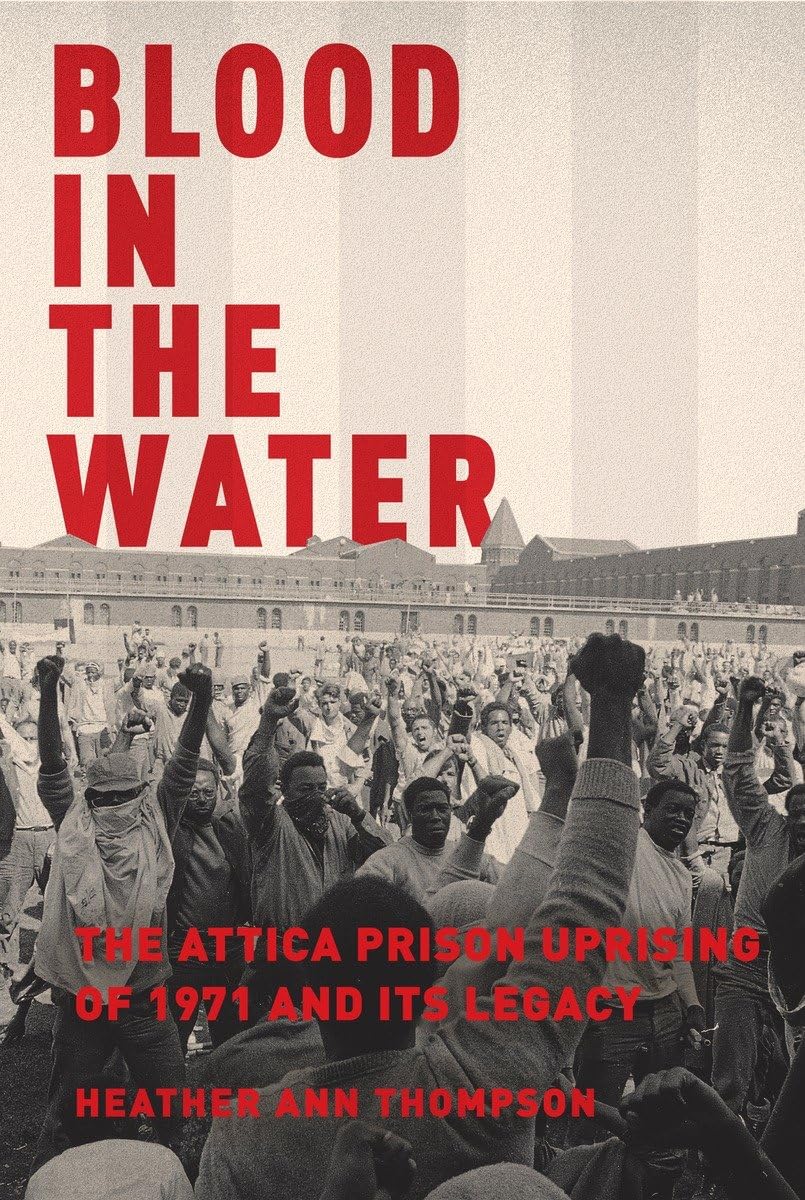
On September 9, 1971, nearly 1,300 prisoners took over the Attica Correctional Facility in upstate New York to protest years of mistreatment. Holding guards and civilian employees hostage, the prisoners negotiated with officials for improved conditions during the four long days and nights that followed.
On September 13, the state abruptly sent hundreds of heavily armed troopers and correction officers to retake the prison by force. Their gunfire killed thirty-nine men—hostages as well as prisoners—and severely wounded more than one hundred others. In the ensuing hours, weeks, and months, troopers and officers brutally retaliated against the prisoners. And, ultimately, New York State authorities prosecuted only the prisoners, never once bringing charges against the officials involved in the retaking and its aftermath and neglecting to provide support to the survivors and the families of the men who had been killed.
Drawing from more than a decade of extensive research, historian Heather Ann Thompson sheds new light on every aspect of the uprising and its legacy, giving voice to all those who took part in this forty-five-year fight for justice: prisoners, former hostages, families of the victims, lawyers and judges, and state officials and members of law enforcement. Blood in the Water is the searing and indelible account of one of the most important civil rights stories of the last century.

Pop the documents out from the upper right to read / expand / download.
Blood in the Water: The Attica Prison Uprising of 1971 and Its Legacy_Audiobook

Part 1

Audio start in earnest (Introduction @ 5 mins. 20 sec.) and corresponds to page 11 of the above Reader.

Part 2

RBG Attica is All of Us Viedo Player

Learn more in RBG Communiversity Knowledge Media eLibrary:

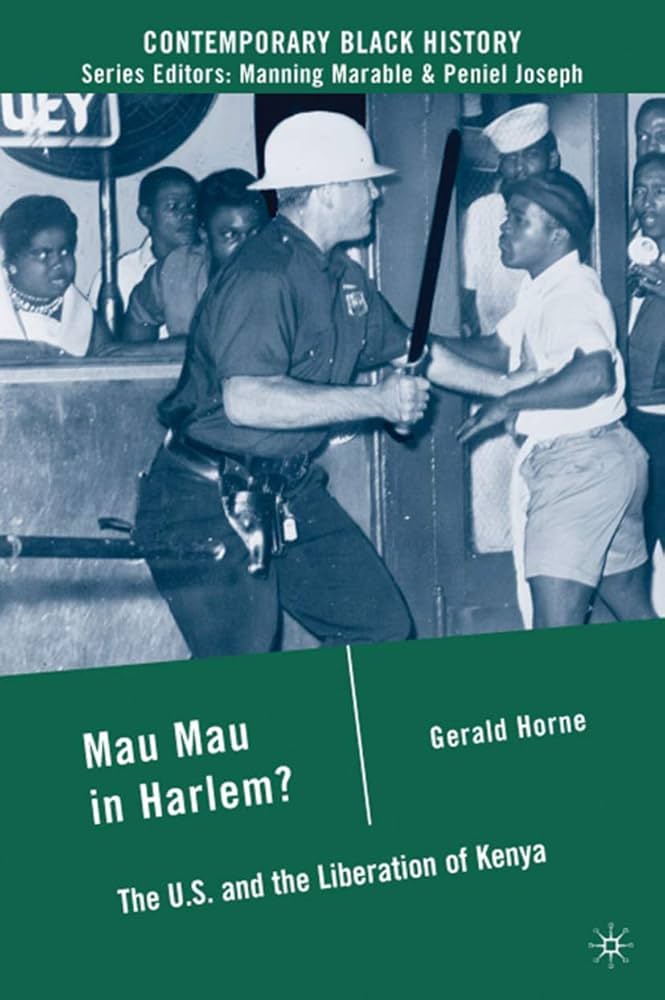
Mau Mau in Harlem?_The U.S. and the Liberation of Kenya, Gerald Horne|eBook and Audiobook| (Contemporary Black History), with Mau Mau Warrior Illustrated eBook, by Abiodun Alao (Author), Christa Hook (Illustrator).

Book Summary:

“Mau Mau in Harlem?: The U.S. and the Liberation of Kenya” is a book by historian Gerald Horne which explores the connections between the African-American Civil Rights movement in the United States and the Mau Mau uprising in Kenya, specifically how the struggle for Kenyan independence resonated with African Americans, leading to a sense of solidarity and even the idea of a “Mau Mau” movement within Harlem and other Black communities in the U.S. 

Key points about the book:

  • Focus on the Mau Mau: The book delves into the Mau Mau Uprising, a violent guerrilla campaign by Kenyan Kikuyu people against British colonial rule in the 1950s, primarily focused on land rights and self-determination. 
  • Harlem connection: It analyzes how the struggles of the Mau Mau movement were closely followed and supported by African Americans in Harlem, New York, who saw parallels with their own fight for civil rights in the United States. 
  • Scholarly research: Horne draws on extensive archival research conducted in the US, UK, and Kenya to provide a nuanced understanding of the interconnectedness between the two movements. 
  • Impact on Black consciousness: The book argues that the Mau Mau rebellion contributed to a growing sense of Black consciousness and solidarity among African Americans, further fueling the civil rights movement. 
  • The Mau Mau Uprising: This was a violent resistance movement against British colonial rule in Kenya, primarily led by the Kikuyu tribe, during the 1950s. 
  • African (American) Solidarity: The book argues that African Americans saw parallels between the Kenyan struggle against British colonialism and their own fight for civil rights in the U.S., leading to significant support for the Mau Mau movement within the Black community. 
  • Malcolm X’s “Mau Mau in Harlem” reference: A prominent example of this connection is Malcolm X’s statement about the potential need for a “Mau Mau” style uprising in Harlem, signifying a willingness to use more militant tactics to achieve racial equality. 
  • Historical Context: The book examines the broader historical context of the Cold War, where the U.S. was keen to demonstrate its anti-colonial stance, leading to some level of support for Kenyan independence. 

Mau Mau in Harlem, Gerald Horne?_eBook

Pop the documents out from the upper right to read / expand / download.
Mau Mau in Harlem, Gerald Horne?_Audiobook

Audio start in earnest (Introduction @ 4 mins. 45 sec.) and corresponds to page 12 of the above Reader.

Part 1

Part 2

Mau Mau Warrior Illustrated eBook, by Abiodun Alao (Author), Christa Hook (Illustrator).

Amazon Books: “Osprey’s study of the Mau Mau Rebellion (1952-1960) in Kenya and its fighters. The Mau Mau Freedom Fighters waged a guerrilla war for eight years against their British colonial rulers, which became known as the Mau Mau Uprising. The Mau Mau sought to win back their land and independence. This underground militia was an extremely powerful force employing tactics, which included the assassination of British settlers and the Africans who collaborated with the British, as well as raiding colonial prisons for weapons and staging daring ambushes in the Kenyan forests and mountains. The conflict saw these untrained warriors, deemed by many to be terrorists employ an innovative mix of traditional African warfare tactics, counterinsurgency methods and European firepower. The uprising ended in failure but set the stage for Kenyan independence in 1963. This title will explore their unique motivations, training and tactics, as well as their battle experience.”

Learn more in RBG Communiversity Knowledge Media eLibrary:

In the Spirit of Crazy Horse: The Story of Leonard Peltier and the FBI’s War on the American Indian Movement, by Peter Matthiessen| eBook and Audiobook, with FREE Leonard Peltier Video Player

In the Spirit of Crazy Horse is a chronicle of a fatal gun-battle between FBI agents and American Indian Movement activists by renowned writer Peter Matthiessen (1927-2014).

Book Summary

“In the Spirit of Crazy Horse: The Story of Leonard Peltier and the FBI’s War on the American Indian Movement” by Peter Matthiessen is a profound examination of the life of Leonard Peltier, a Native American activist and a key figure in the American Indian Movement (AIM). The book details the events surrounding the 1975 shootout at Wounded Knee, the subsequent FBI investigation, and the controversial trial of Peltier, who was convicted of murder in the deaths of two FBI agents. Matthiessen’s narrative provides insights into the systemic oppression faced by Native Americans, the FBI’s aggressive tactics against AIM, and the broader struggles for Indigenous rights in the United States.

Essential Themes and Historical Context:

  1. Introduction to Leonard Peltier
    • Overview of Peltier’s significance within the American Indian Movement
    • Introduction to the themes of oppression and resistance in Native American history
  2. Historical Context of the American Indian Movement
    • The formation of AIM and its goals
    • Key events leading to the rise of Native activism in the 1960s and 1970s
    • The impact of historical injustices on Indigenous communities
  3. The Wounded Knee Incident
    • Description of the 1973 occupation of Wounded Knee
    • Tensions between AIM activists and federal authorities
    • Major events and confrontations during the occupation
  4. The Shootout and Its Aftermath
    • Detailed account of the 1975 shootout that led to the deaths of FBI agents
    • The immediate aftermath and the FBI’s response to the incident
    • The portrayal of Peltier in the media and by the authorities
  5. The FBI’s Campaign Against AIM
    • Examination of the FBI’s surveillance and counterintelligence operations targeting AIM
    • Analysis of tactics used by the FBI to infiltrate and undermine the movement
    • The broader implications of the FBI’s actions on Native American activism
  6. Trial and Conviction of Leonard Peltier
    • Overview of Peltier’s arrest and the legal proceedings that followed
    • Discussion of the evidence presented during the trial and its controversies
    • Examination of claims regarding the fairness of the trial and the judicial system
  7. Public Support and Advocacy
    • Overview of the grassroots movements and public campaigns advocating for Peltier
    • The role of various organizations in raising awareness of his case
    • The significance of international attention and support for Indigenous rights
  8. Legacy and Ongoing Struggles
    • Reflection on Peltier’s impact on the fight for Indigenous rights and justice
    • Discussion of the continuing issues faced by Native Americans today
    • The importance of remembering and honoring the struggles of Indigenous peoples
  9. Conclusion
    • Summary of key themes and insights from Matthiessen’s narrative
    • Final reflections on the significance of Leonard Peltier’s story in the context of American history

In the Spirit of Crazy_eBook

“On a hot June morning in 1975, a desperate shoot-out between FBI agents and Native Americans near Wounded Knee, South Dakota, left an Indian and two federal agents dead. Four members of the American Indian Movement were indicted on murder charges, and one, Leonard Peltier, was convicted and is now serving consecutive life sentences in a federal penitentiary. Behind this violent chain of events lie issues of great complexity and profound historical resonance, brilliantly explicated by Peter Matthiessen in this controversial book. Kept off the shelves for eight years because of one of the most protracted and bitterly fought legal cases in publishing history, In the Spirit of Crazy Horse reveals the Lakota tribe’s long struggle with the U.S. government, and makes clear why the traditional Indian concept of the earth is so important at a time when increasing populations are destroying the precious resources of our world.”

Pop the document out from the upper right to read / expand / download.

In the Spirit of Crazy_Audiobook

Audio start corresponds to page 8 of the above Reader.

Part 1

Part 2

Part 3

FREE Leonard Peltier Video Player

12 Video Playlist

Learn more in RBG Communiversity Knowledge Media eLibrary:

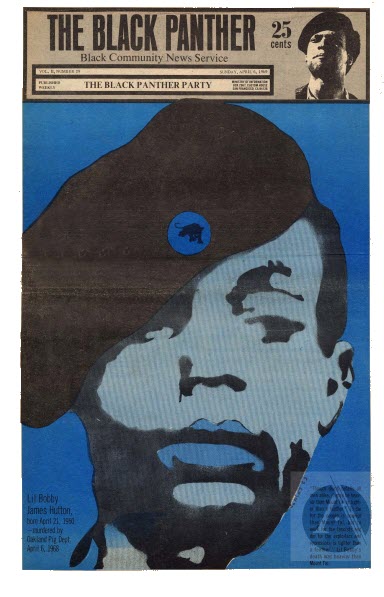
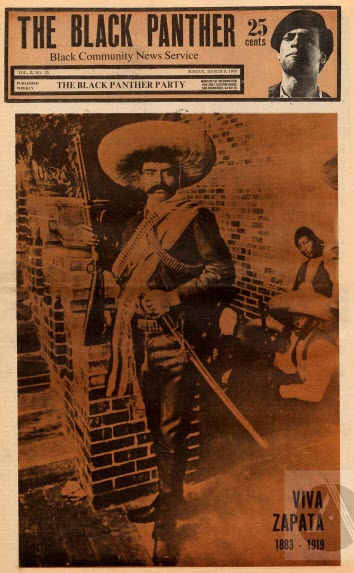
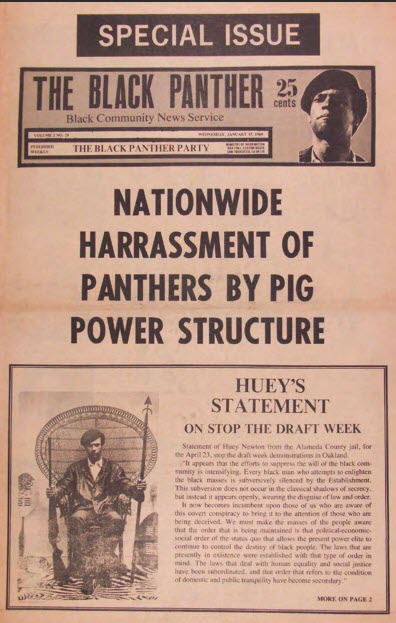
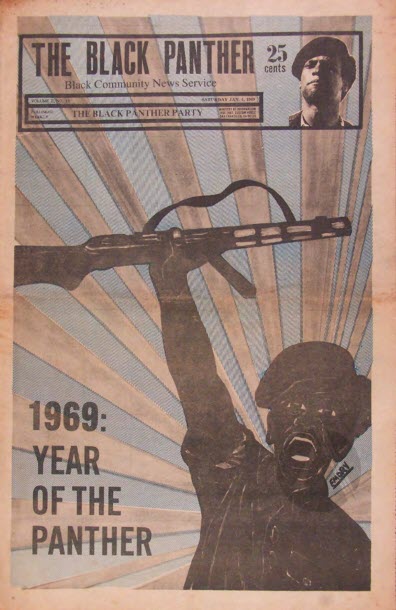
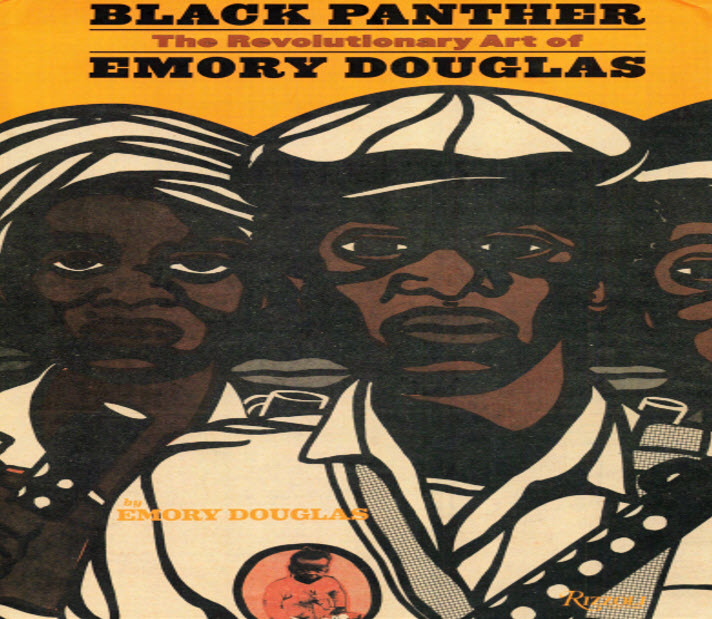
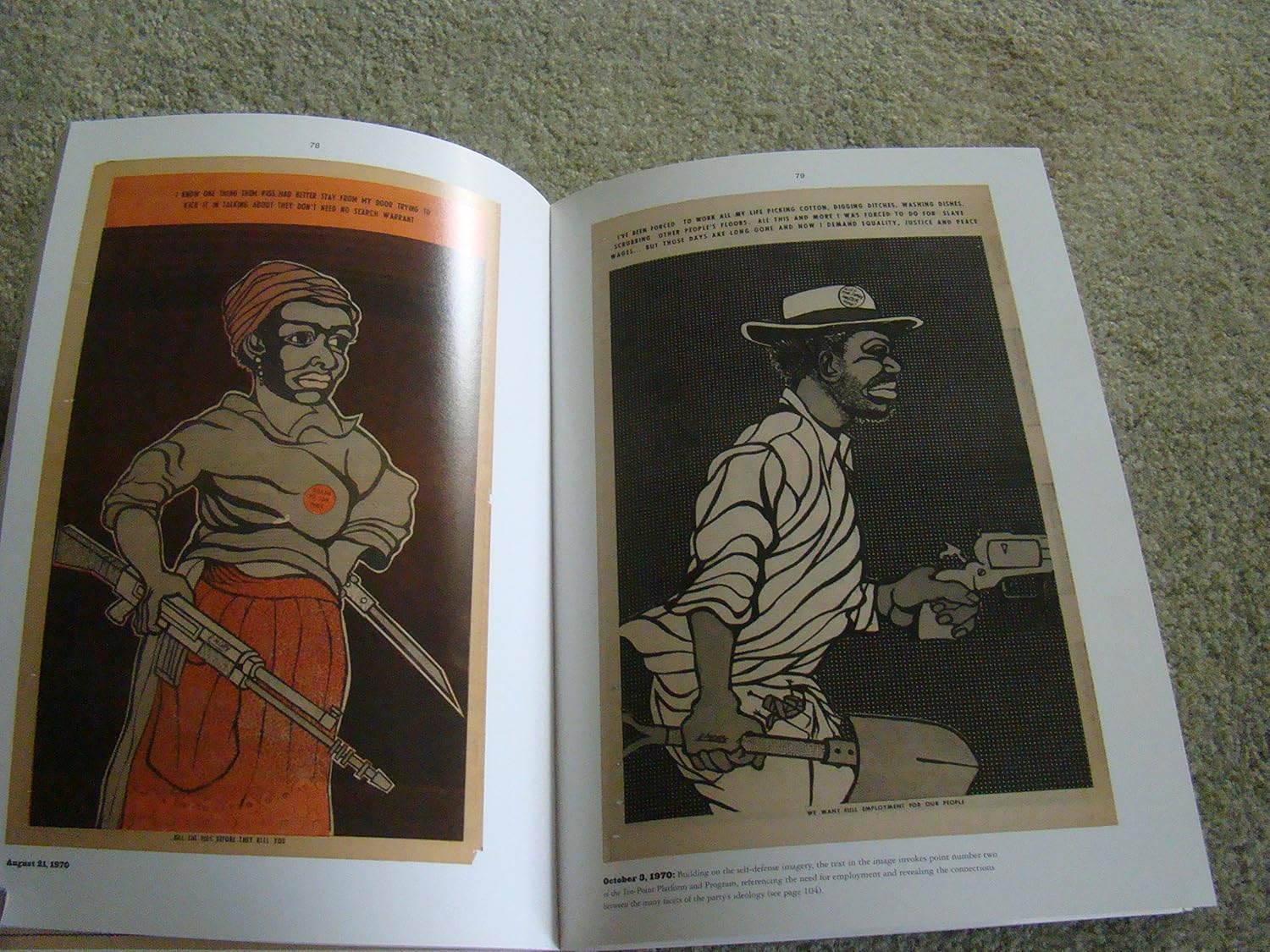
Black Panther_ The Revolutionary Art of Emory Douglas (Book Preview) and Emory Douglas_The Art of The Black Panthers (BPP |BAM Video Player), with BPP Newspapers_1969

Buy the Book here. https://www.rizzoliusa.com/book/9780847841899/ (228 Pages.)

4 Video Playlist

Black Panther_ The Revolutionary Art of Emory Douglas, Publish 2014. (Book Preview)

Description

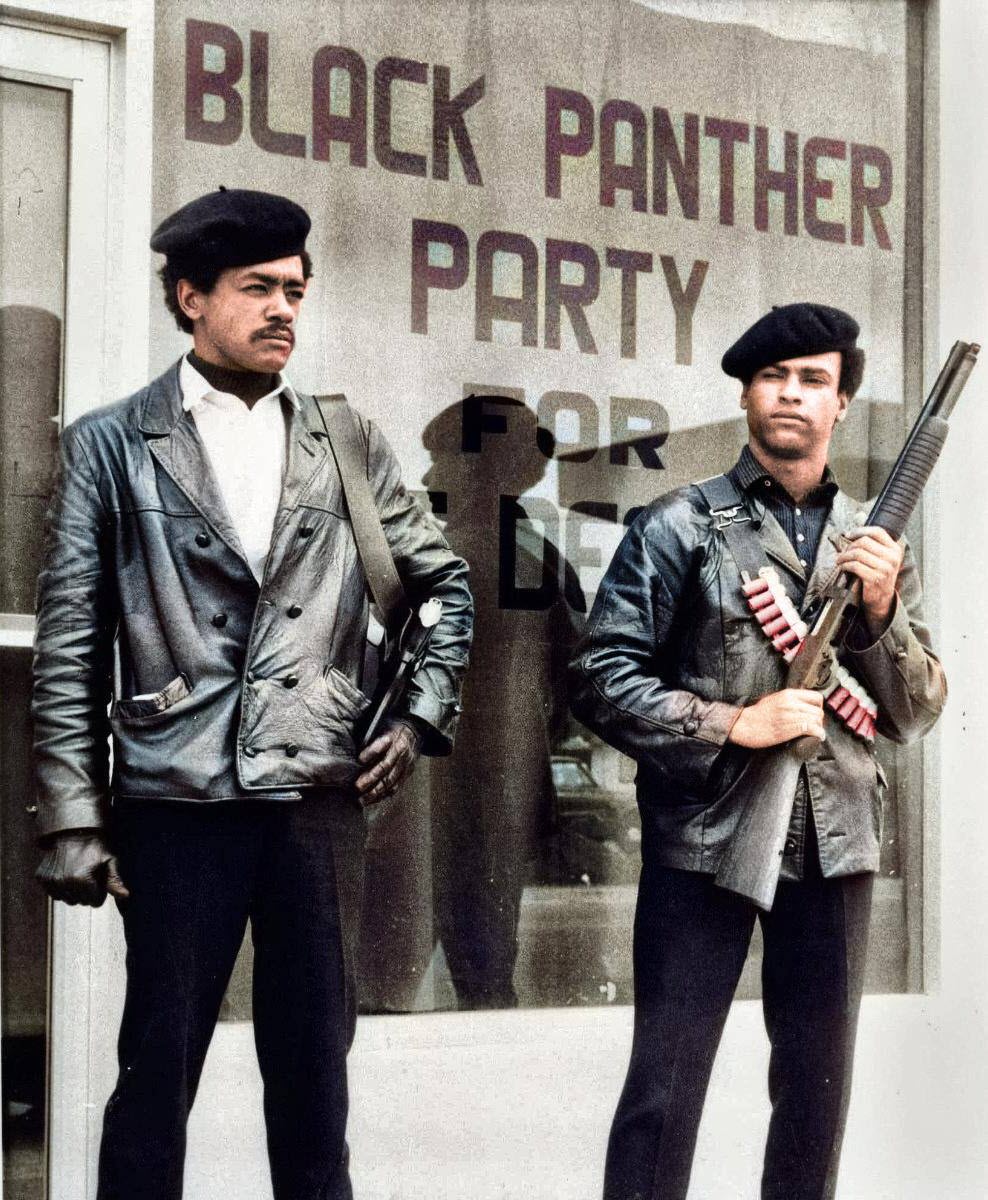
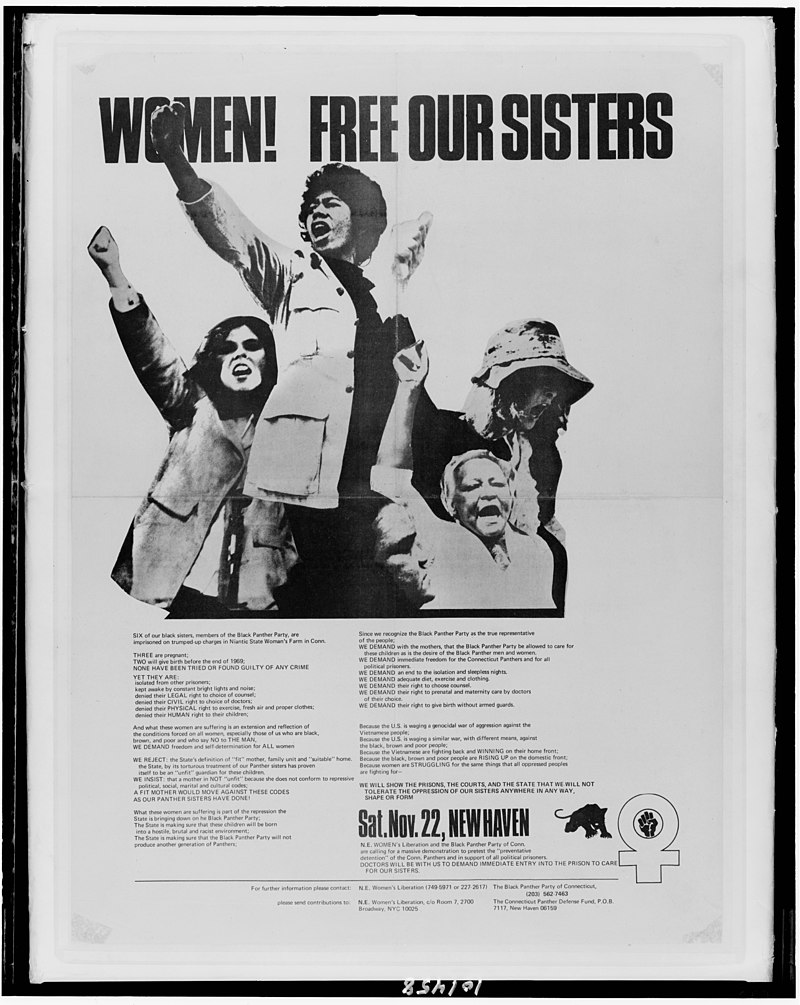
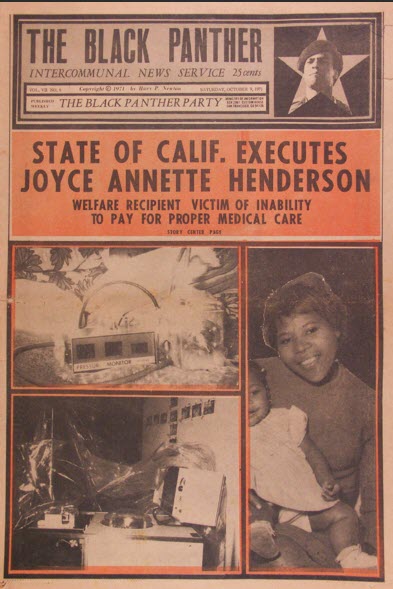
A reformatted and reduced price edition—including a revised and updated introduction by Sam Durant and new text on the artist today by Colette Gaiterof the first book to show the provocative posters and groundbreaking graphics of the Black Panther Party. The Black Panther Party for Self Defense, formed in the aftermath of the assassination of Malcolm X in 1965, sounded a defiant cry for an end to the institutionalized subjugation of African Americans. The Black Panther newspaper was founded to articulate the party’s message, and artist Emory Douglas became the paper’s art director and later the party’s minister of culture. Douglas’s artistic talents and experience proved a powerful combination: his striking collages of photographs and his own drawings combined to create some of the era’s most iconic images. This landmark book brings together a remarkable lineup of party insiders who detail the crafting of the party’s visual identity.

About The Author

Emory Douglas was the Minister of Culture for the Black Panther Party from 1967 until its discontinuation in the early 1980s. Colette Gaiter is associate professor of visual communications in the art department at the University of Delaware.  Bobby Seale co-founded the Black Panther Party with Huey Newton. Sam Durant is a Los Angeles–based artist. Danny Glover is an actor, producer, and director. Kathleen Cleaver, attorney, author, and senior lecturer at Yale University and Emory Law School, joined the Black Panther Party in 1967. Amiri Baraka is a writer and political activist.

Pop the document out from the upper right to read / expand / download.
BPP Newspapers_1969

Click to Open

Learn more in RBG Communiversity Knowledge Media eLibrary:

War Against the Panthers: A Study of Repression in America_eBook and Audiobook, Huey P. Newton Doctoral Dissertation / UC Santa Cruz 1 Jun 1980, with Huey P. Newton Rare Footage_Clips and Interviews

“Ph.D. dissertation by Huey P Newton, analysing certain features of the Black Panther Party and incidents that are significant in its development. Some central events in the growth of the Party, from adoption of an ideology and platform to implementation of community programs, are first described. This is followed by a presentation of the federal government’s response to the Party.” Source: Libcom.org-huey-p-newton

Book Summary

Huey P. Newton’s “War Against the Panthers: A Study of Repression in America” offers an insightful examination of the Black Panther Party (BPP) and the systemic repression it faced from the U.S. government and law enforcement. Here’s an overview and outline of the book:

  • Historical Context: The book situates the Black Panther Party within the civil rights movement and the broader struggle for racial equality in the United States.
  • Repression and Resistance: Newton explores various forms of repression faced by the Panthers, including surveillance, arrests, and violent confrontations with law enforcement.
  • Philosophy and Ideology: Newton articulates the BPP’s ideology, emphasizing self-defense, community empowerment, and the fight against systemic racism.
  • Personal Account: The narrative includes Newton’s personal experiences and reflections as a leader within the party, providing insight into the challenges and triumphs of the movement.
  • Impact and Legacy: The book addresses the long-term effects of repression on the Black Panther Party and its enduring legacy in contemporary social justice movements.

This outline provides a structured look at the contents of Newton’s work, encapsulating the primary themes and historical significance of the Black Panther Party’s struggle against repression.

  • Introduction
    • Purpose of the study
    • Overview of the Black Panther Party’s formation and goals
  • Chapter 1: Historical Background
    • Context of racial oppression in America
    • The civil rights movement and its influence on the BPP
  • Chapter 2: Ideological Foundations
    • Key principles of the Black Panther Party
    • The philosophy of self-defense and community empowerment
  • Chapter 3: Government Surveillance and Repression
    • Overview of COINTELPRO and its impact on the BPP
    • Tactics used by law enforcement to undermine the party
  • Chapter 4: Confrontations with Law Enforcement
    • Notable incidents of violence and arrests
    • The media portrayal of the Panthers and its effects
  • Chapter 5: Internal Struggles and Challenges
    • Conflicts within the party
    • The impact of repression on leadership and membership
  • Chapter 6: Community Programs and Initiatives
    • Overview of the BPP’s social programs (e.g., free breakfast programs, health clinics)
    • The role of these initiatives in community building
  • Chapter 7: The Legacy of the Black Panther Party
    • Examination of the BPP’s contributions to social justice
    • The enduring influence on contemporary movements
  • Conclusion
    • Summary of key themes and findings
    • Reflection on the importance of understanding the history of repression in America

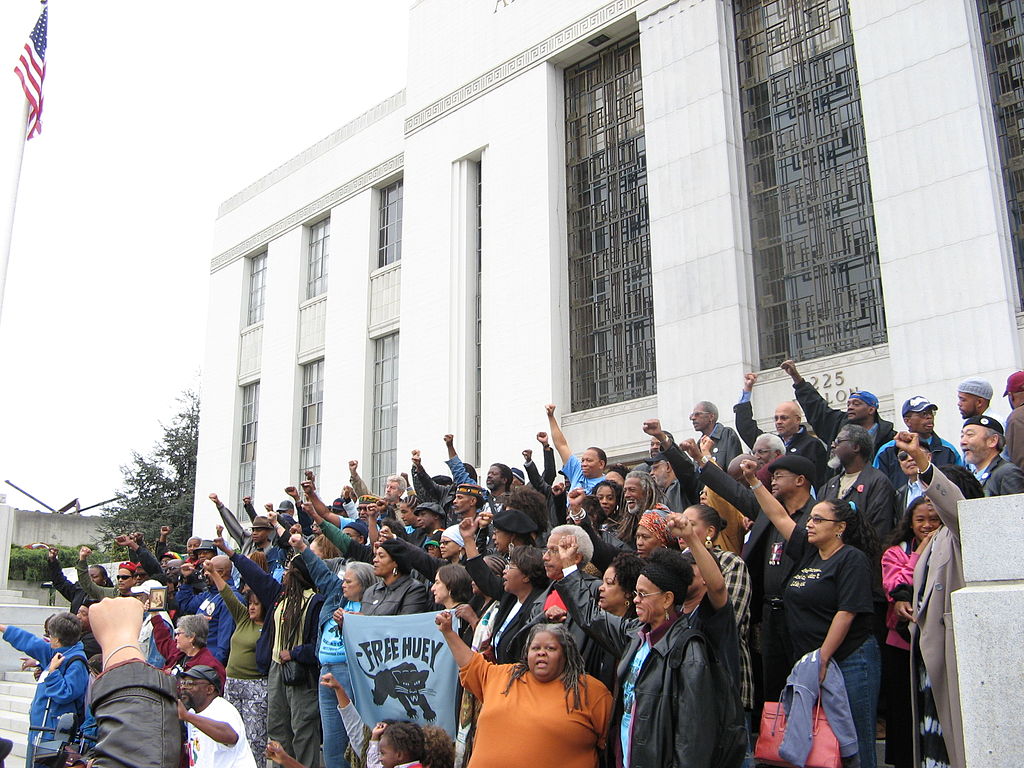
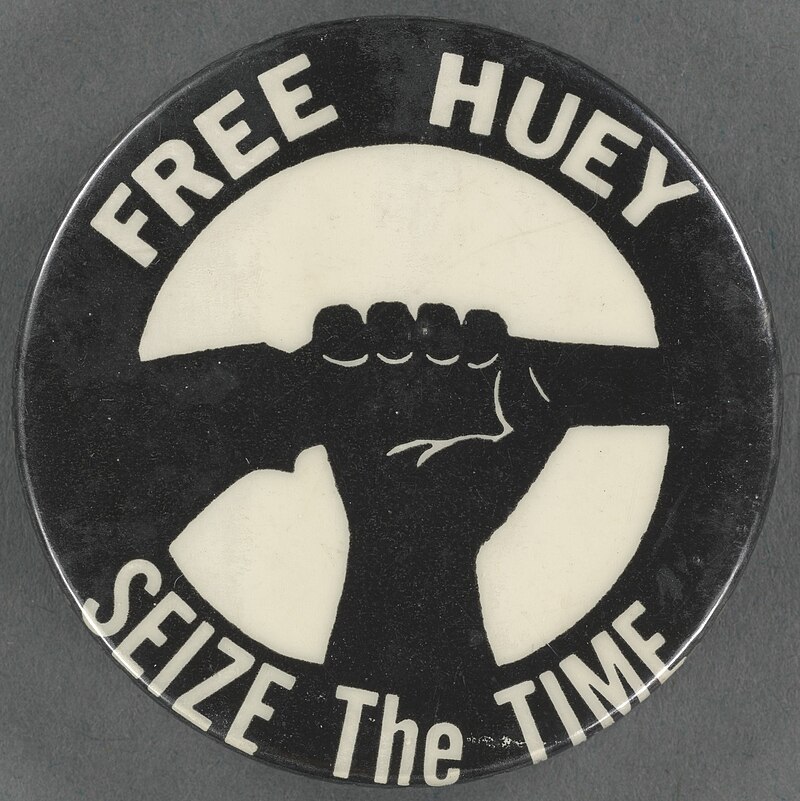
As co-founder of the Black Panther Party, Huey P. Newton knew repression first hand. Surviving a shooting in which one police officer was killed and another wounded, Newton became the symbol of Black urban resistance in the United States. Obscure until now, Newton’s valuable Ph.D. dissertation War Against the Panthers offers an insightful reconstruction that could have only been written by a key participant in the events.

Huey P. Newton Doctoral Dissertation

Newton earned his Ph.D. in History of Consciousness from the University of California, Santa Cruz on June 15, 1980. Credits: viewpointmag.com

War Against the Panthers: A Study of Repression in America_eBook

Pop the document out from the upper right to read / expand / download.
War Against the Panthers: A Study of Repression in America_Audiobook

Huey P. Newton Rare Footage_ Clips and Interviews

Learn more in RBG Communiversity Knowledge Media eLibrary: