American Exceptionalism and American Innocence: A People’s History of Fake News―From the Revolutionary War to the War on Terror by Roberto Sirvent and Danny Haiphong_eBook and Audiobook

Book Summary

“American Exceptionalism and American Innocence: A People’s History of Fake News―From the Revolutionary War to the War on Terror” by Roberto Sirvent and Danny Haiphong critically examines the concept of American exceptionalism and how it has shaped the narratives surrounding U.S. history. The authors argue that the belief in America’s unique virtue has been used to justify various forms of injustice, including imperialism, racism, and war. By exploring the historical roots of “fake news”—defined as the manipulation of information to promote specific agendas—they illustrate how narratives have been constructed to maintain power and control. The book aims to uncover the often-overlooked realities of marginalized communities and to challenge dominant historical narratives, promoting a more inclusive understanding of American history.

The outline that follows encapsulates the essential themes and structure of “American Exceptionalism and American Innocence,” highlighting the authors’ critical perspective on American history and the implications of fake news in shaping public understanding.

I. Introduction

  • Definition of American exceptionalism
  • Overview of the concept of fake news
  • Purpose of the book: to challenge dominant narratives and reveal hidden histories

II. Historical Context of American Exceptionalism

  • Origins during the Revolutionary War
    • The concept of a “city upon a hill”
  • Development through historical events
    • Manifest Destiny and westward expansion
    • The Civil War and Reconstruction

III. The Role of Fake News in American History

  • Definition and examples of fake news throughout U.S. history
  • Use of propaganda and misinformation to justify wars
    • Spanish-American War
    • Vietnam War

IV. American Innocence and Its Consequences

  • The myth of American innocence in relation to imperialism
  • Impact of this myth on marginalized communities
    • Effects on Native Americans, African Americans, and other groups
  • Case studies illustrating the disconnect between American ideals and reality

V. The Modern Era: Fake News and the War on Terror

  • Emergence of fake news in the contemporary political landscape
  • Analysis of the framing of the War on Terror through American exceptionalism
  • Role of media in shaping public perception and justifying military interventions

VI. Challenging the Narrative: A People’s History Perspective

  • Importance of alternative narratives in understanding U.S. history
  • Voices of resistance and dissent throughout American history
    • Civil rights movements
    • Anti-war activism
  • Role of grassroots movements in challenging dominant narratives

VII. Conclusion

  • Summary of key arguments and insights
  • Call to action for critical engagement with history and media
  • Vision for a more inclusive understanding of American history that recognizes diverse experiences

“American Exceptionalism and American Innocence: A People’s History of Fake News―From the Revolutionary War to the War on Terror” by Roberto Sirvent and Danny Haiphong presents a compelling critique of the widespread belief in American exceptionalism and the narrative of American innocence. The authors argue that these concepts have been utilized to justify various injustices and have fostered a distorted understanding of U.S. history. Here’s a deeper exploration of the book’s themes and insights:

Deeper Insights

  1. American Exceptionalism:
    • Sirvent and Haiphong define American exceptionalism as the belief that the United States is fundamentally different from other nations, often perceived as a force for good in the world. This belief has its roots in the Revolutionary War, where early American leaders framed the nation’s mission as one of liberty and democracy.
    • The authors argue that this concept has been manipulated to justify expansionist policies, imperialism, and military interventions under the guise of promoting freedom and democracy.
  2. Historical Narratives and Fake News:
    • The book delves into the historical use of propaganda and misinformation throughout American history. Sirvent and Haiphong highlight how fake news has been a persistent tool in shaping public perception and justifying government actions.
    • Examples include the exaggerated narratives used to garner support for the Spanish-American War, where the media played a crucial role in rallying public sentiment through sensationalized stories about Spanish atrocities.
  3. American Innocence:
    • The authors critique the myth of American innocence, which suggests that the U.S. has acted altruistically on the world stage, often overlooking its role in perpetuating violence and injustice.
    • They examine the impacts of this myth on marginalized communities, particularly Native Americans, African Americans, and others who have suffered under U.S. policies. The narrative of innocence obscures the historical realities of oppression and exploitation.
  4. Case Studies:
    • Sirvent and Haiphong provide case studies that illustrate the disconnect between the ideals of American exceptionalism and the lived experiences of marginalized groups. For example, they discuss the impact of U.S. foreign policy on countries in Latin America and the Middle East, where interventions have led to destabilization and suffering.
    • The authors also explore domestic policies that have disproportionately affected communities of color, revealing how the narrative of innocence has been used to justify systemic racism and inequality.
  5. The War on Terror:
    • In the contemporary context, the authors analyze the War on Terror as a modern manifestation of American exceptionalism. After the events of September 11, 2001, the U.S. government framed its military actions as necessary for global security and the promotion of democracy.
    • Sirvent and Haiphong argue that this framing has been reinforced by media narratives that often depict the U.S. as a benevolent force, ignoring the consequences of its military interventions.
  6. Challenging Dominant Narratives:
    • One of the key messages of the book is the importance of alternative narratives that highlight the voices of dissent and resistance throughout American history. The authors emphasize that understanding history from a people’s perspective is essential for recognizing the complexities of social justice movements.
    • They discuss the contributions of civil rights activists, anti-war movements, and grassroots organizations that have challenged the dominant narratives and fought for justice and equality.
  7. Call to Action:
    • In their conclusion, Sirvent and Haiphong urge readers to critically engage with history and media. They advocate for a more inclusive understanding of American history that acknowledges the experiences of marginalized communities and the realities of oppression.
    • The authors call for a reevaluation of the myths that have shaped public perception and encourage active participation in movements that seek to dismantle systemic injustices.

Conclusion

“American Exceptionalism and American Innocence” serves as a powerful critique of the narratives that underpin American identity and policy. Through a careful examination of history, the authors reveal how the belief in American exceptionalism has been wielded as a tool for justifying imperialism and systemic injustices. By challenging dominant narratives and advocating for a people’s history perspective, Sirvent and Haiphong provide readers with the tools to critically analyze the complexities of American history and engage in meaningful conversations about justice, equality, and truth. Their work is a vital contribution to the ongoing discourse on race, power, and the role of media in shaping public understanding.

“American Exceptionalism and American Innocence: A People’s History of Fake News―From the Revolutionary War to the War on Terror”_eBook

Pop the documents out from the upper right to read / expand / download.

“American Exceptionalism and American Innocence: A People’s History of Fake News―From the Revolutionary War to the War on Terror”_Audiobook

Learm more in RBG Communiversity Knowledge Media eLibrary:

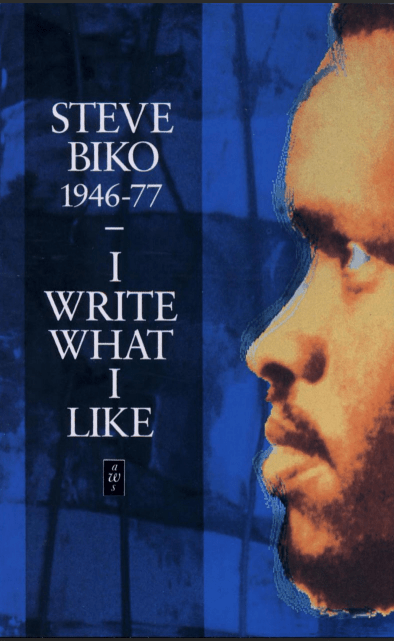
“I Write What I Like” by Steve Biko_eBook and Audiobook, with African Biographics_Steve Biko: The African Revolutionary, Why was he Killed?

Steve Biko was a South African anti-apartheid activist and leader of the Black Consciousness Movement. He was killed in 1977 for his activism. Known as the “Father of Black Consciousness”.

Book Summary

“I Write What I Like” by Steve Biko is a collection of writings that reflect Biko’s thoughts on race, identity, and the struggle against apartheid in South Africa. Here’s a bullet point narrative summarizing its key themes and ideas:

  • Background and Context: The book is set against the backdrop of apartheid in South Africa, highlighting the systemic oppression faced by black South Africans.
  • Black Consciousness: Biko emphasizes the importance of self-awareness and pride among black people, advocating for a movement that fosters dignity and identity.
  • Critique of Racism: Biko critiques both the institutionalized racism of the apartheid regime and the passive acceptance of oppression by the black community.
  • Empowerment through Education: He argues that education should be a tool for empowerment, encouraging black people to understand their history and culture.
  • Rejection of Passive Resistance: Biko promotes active resistance against oppression rather than passive acceptance, urging black individuals to fight for their rights.
  • Unity and Solidarity: The writings stress the need for unity among black South Africans to combat the divisive tactics of the apartheid government.
  • Personal Narrative: Biko shares his own experiences and reflections, providing insight into his motivations and the struggles he faced.
  • Legacy of Resistance: The book serves as a call to action, inspiring future generations to continue the fight for equality and justice.
  • Impact of Biko’s Philosophy: His ideas laid the groundwork for the Black Consciousness Movement, influencing both local and international perspectives on racial equality.

Here’s a deeper exploration of the themes and significance of “I Write What I Like”:

In-Depth Themes and Concepts

  • Black Consciousness Movement:
    • Biko was a key figure in the Black Consciousness Movement, which sought to instill a sense of pride and identity among black South Africans. He believed that psychological liberation was essential for political freedom. The movement encouraged black individuals to reject the inferiority imposed by the apartheid system and to embrace their heritage.
  • Critique of Apartheid:
    • The writings expose the inhumane conditions and injustices inflicted by apartheid. Biko critiques not only the policies of the apartheid government but also the complicity of white South Africans who benefited from the system. He argues that true change requires acknowledging and addressing these injustices.
  • Philosophy of Self-Identification:
    • Biko emphasizes the importance of self-definition and self-identity. He argues that black people must define themselves and their aspirations, rather than allowing others to dictate their identities. This concept is vital for personal and collective empowerment.
  • Role of Education:
    • Education is portrayed as a double-edged sword. While it can be a means of liberation, Biko also critiques the education system for perpetuating colonial values and failing to address the realities faced by black individuals. He advocates for an education that is relevant and empowering, rooted in African history and culture.
  • Active Resistance:
    • Biko calls for a more proactive approach to resistance, pushing against the notion of passive acceptance. He believes that change will only come through active engagement and confrontation of oppressive forces, inspiring a generation to stand up for their rights.

Historical Significance

  • Influence on Future Movements:
    • Biko’s ideas and writings have had a lasting impact, influencing not only the anti-apartheid struggle but also civil rights movements globally. His emphasis on self-identity and empowerment resonates with various movements advocating for racial justice and equality.
  • Martyrdom and Legacy:
    • Biko’s tragic death in police custody in 1977 turned him into a martyr for the anti-apartheid cause. His writings gained renewed attention posthumously, further solidifying his legacy as a symbol of resistance and the fight for justice.

Personal Reflections

  • Narrative Style:
    • The book combines essays, letters, and speeches, offering a personal glimpse into Biko’s thoughts and experiences. This narrative style makes the work both accessible and compelling, allowing readers to connect with his ideas on a deeper level.
  • Call to Action:
    • Ultimately, “I Write What I Like” serves as a powerful call to action for individuals to take ownership of their identities and work collectively towards a more just and equitable society.

Biko’s writings continue to inspire discussions around race, identity, and social justice, making “I Write What I Like” a vital work in understanding the complexities of the struggle against apartheid and the broader fight for human rights.

“I Write What I Like” by Steve Biko_eBook

Pop the documents out from the upper right to read / expand / download.

“I Write What I Like” by Steve Biko_Audiobook

Steve Biko: The African Revolutionary, Why was he Killed? From: African Biographics

Learm more in RBG Communiversity Knowledge Media eLibrary:

The Apocalypse of Settler Colonialism: The Roots of Slavery, White Supremacy, and Capitalism in 17th Century North America and the Caribbean, by Gerald Horne_eBook and Audiobook

Book Summary (abridged)

“The Apocalypse of Settler Colonialism: The Roots of Slavery, White Supremacy, and Capitalism in 17th Century North America and the Caribbean” by Gerald Horne provides a comprehensive analysis of how the foundations of modern systemic racism, colonial exploitation, and capitalist structures were established in the 17th century. Horne examines the intersections of slavery, white supremacy, and colonialism, arguing that these elements were not only products of their time but also integral to the development of societal norms and economic systems that persist today. Through a detailed historical account, Horne reveals the consequences of these dynamics for Africans and Indigenous peoples, emphasizing the significance of resistance and the ongoing legacy of colonialism.

  • Introduction
    • Overview of the book’s goals and thematic focus
    • Discussion of the historical context surrounding the emergence of settler colonialism
    • Introduction to key concepts: slavery, white supremacy, and capitalism
  • Chapter 1: Beginning
    • Examination of the initial stages of European colonization in North America and the Caribbean
    • Analysis of the motivations behind European imperial expansion
    • Discussion of early interactions between colonizers and Indigenous populations
  • Chapter 2: No Providence for Africans and the Indigenous
    • Exploration of the systemic exclusion of Africans and Indigenous peoples from rights and protections
    • Analysis of the ideological frameworks that justified their marginalization
    • Discussion of the economic interests that underpinned these exclusionary practices
  • Chapter 3: The Rise of the Merchants and the Beheading of a King
    • Examination of the emerging merchant class and its role in colonial economies
    • Analysis of the political upheaval, including the beheading of King Charles I, and its implications for colonial governance
    • Discussion of how these events influenced colonial attitudes toward slavery and Indigenous peoples
  • Chapter 4: Jamaica Seized from Spain: Slavery and the Slave Trade Expand
    • Exploration of the British takeover of Jamaica and its transformation into a plantation economy
    • Analysis of how the expansion of slavery and the slave trade fueled economic growth in the Caribbean
    • Discussion of the social and cultural impacts of this transformation on enslaved Africans
  • Chapter 5: The Dutch Ousted from the Mainland: Slavery and the Slave Trade Expand
    • Examination of the ousting of the Dutch from North America and the subsequent expansion of slavery
    • Analysis of the economic motivations behind this transition and its impact on colonial society
    • Discussion of the implications for Indigenous peoples and enslaved Africans
  • Chapter 6: More Enslaved Africans Arrive in the Caribbean—Along with More Revolts
    • Exploration of the increasing influx of enslaved Africans into the Caribbean and the resulting demographic changes
    • Analysis of the revolts and resistance movements that emerged in response to oppressive conditions
    • Discussion of the significance of these revolts in shaping colonial policies and perceptions
  • Chapter 7: The Spirit of 1676: The Identity Politics of “Whiteness” and Prelude to Colonial Secession
    • Examination of the events surrounding Bacon’s Rebellion and the rise of “whiteness” as a unifying identity among European settlers
    • Analysis of how identity politics influenced colonial governance and social structures
    • Discussion of the implications for Indigenous peoples and enslaved Africans in the context of colonial secession
  • Chapter 8: The “Glorious Revolution” of 1688: Not so Glorious for Africans and the Indigenous
    • Exploration of the Glorious Revolution and its impact on colonial policies regarding slavery and Indigenous relations
    • Analysis of the ways in which the revolution reinforced existing power structures and racial hierarchies
    • Discussion of the consequences for African and Indigenous populations in the aftermath of these events
  • Chapter 9: Apocalypse Now
    • Examination of the cumulative effects of settler colonialism on African and Indigenous peoples
    • Analysis of the contemporary repercussions of historical injustices rooted in the colonial period
    • Discussion of the ongoing struggles for justice and the need for a reckoning with the past

Significance of the Book

Gerald Horne’s “The Apocalypse of Settler Colonialism” is a critical text that sheds light on the deep historical roots of systemic racism, economic exploitation, and social hierarchies in North America and the Caribbean. By tracing these issues back to the 17th century, Horne provides a nuanced understanding of how colonial practices have shaped modern society. The book serves as an essential resource for scholars, activists, and anyone interested in unpacking the historical complexities of race, class, and colonialism, emphasizing the importance of recognizing and addressing the legacies of these systems in contemporary struggles for equity and justice.

Gerald Horne’s “The Apocalypse of Settler Colonialism”_eBook

Pop the documents out from the upper right to read / expand / download.
Gerald Horne’s “The Apocalypse of Settler Colonialism”_Audiobook

Learn more in RBG Communiversity Knowledge Media eLibrary:

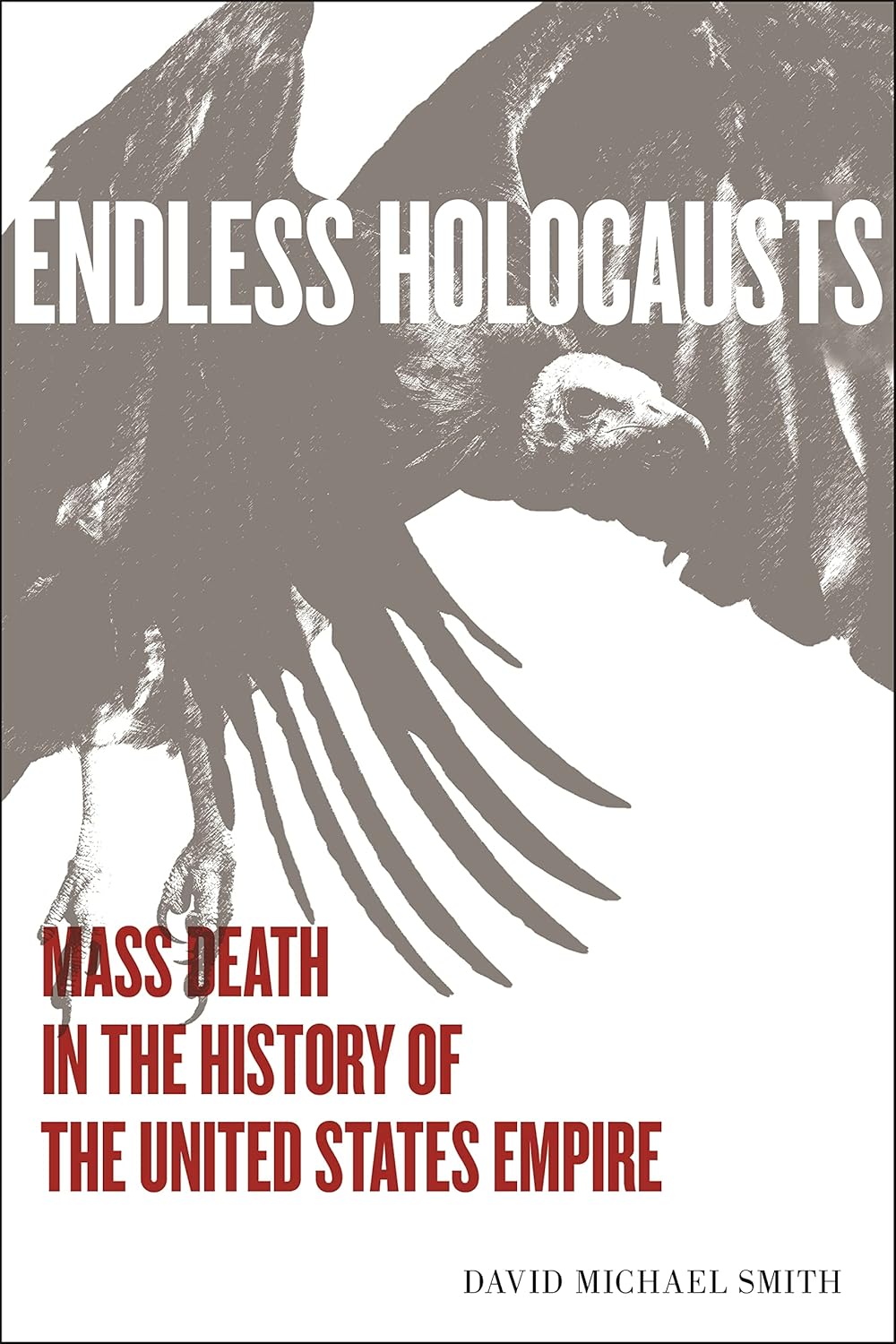
Endless Holocausts: Mass Death in the History of the United States Empire by David Michael Smith_eBook and Audiobook

Book Summary

“Endless Holocausts: Mass Death in the History of the United States Empire” by David Michael Smith is a critical examination of the recurring themes of mass violence and genocide throughout American history. The book explores how systemic oppression, colonialism, and imperial ambitions have led to widespread death and suffering, particularly among marginalized communities. Smith argues that these historical atrocities are often overlooked or minimized in mainstream narratives, and he seeks to confront the uncomfortable truths about the United States’ role in perpetuating mass death both domestically and abroad. Through a combination of historical analysis, case studies, and theoretical frameworks, the book aims to shed light on the darker aspects of American empire and challenge readers to acknowledge and confront this legacy.

Outline

  • Introduction
    • Overview of the book’s themes and objectives
    • Discussion of the concept of “endless holocausts” in relation to U.S. history
    • Introduction to the framework for analyzing mass death and systemic violence
  • 1: Colonial Foundations of Mass Death
    • Examination of the genocidal practices against Indigenous peoples during colonization
    • Analysis of how colonialism laid the groundwork for future acts of mass violence
    • Discussion of the role of racism and ideology in justifying violence against marginalized populations
  • 2: Slavery and the Slave Trade
    • Exploration of the impact of the transatlantic slave trade on African populations
    • Analysis of the violence and dehumanization inherent in the institution of slavery
    • Discussion of the long-term consequences of slavery on American society and race relations
  • 3: The Indian Wars and Expansionism
    • Examination of U.S. military campaigns against Indigenous nations in the 19th century
    • Analysis of the policies of removal, relocation, and extermination
    • Discussion of how these actions were rationalized by notions of Manifest Destiny
  • 4: Imperialism and Foreign Interventions
    • Exploration of U.S. imperialism in the late 19th and early 20th centuries
    • Analysis of military interventions in places like the Philippines, Latin America, and beyond
    • Discussion of the consequences of these interventions for local populations and global politics
  • 5: The Cold War and Mass Violence
    • Examination of the U.S. role in supporting authoritarian regimes and engaging in covert operations during the Cold War
    • Analysis of the impact of U.S. policies on human rights and mass atrocities in various regions
    • Discussion of the legacy of Cold War interventions on contemporary global issues
  • 6: The War on Terror and Contemporary Mass Death
    • Exploration of the repercussions of the War on Terror, including the invasions of Afghanistan and Iraq
    • Analysis of civilian casualties and the human cost of military engagements
    • Discussion of the ongoing repercussions of these conflicts on global stability and human rights
  • 7: The Political Economy of Mass Death
    • Examination of the economic and political factors that contribute to mass violence
    • Discussion of the role of capitalism, militarism, and imperial interests in perpetuating cycles of violence
    • Analysis of how systemic inequalities and exploitation lead to mass death
  • 8: Acknowledging and Confronting the Legacy
    • Exploration of the importance of recognizing and confronting the history of mass death in the U.S.
    • Discussion of the role of education, activism, and historical memory in addressing these issues
    • Advocacy for a more truthful and comprehensive understanding of American history
  • Conclusion
    • Summary of key themes and insights presented throughout the book
    • Reflection on the implications of mass death for contemporary society and politics
    • Call to action for individuals and communities to engage with this legacy and work towards justice

Significance of the Book

“Endless Holocausts” is a provocative and essential contribution to the discourse on American history, imperialism, and systemic violence. David Michael Smith’s critical examination of mass death and the historical patterns that underlie it challenges readers to confront uncomfortable truths about the United States’ role in perpetuating suffering both domestically and globally. By drawing connections between past atrocities and contemporary issues, the book calls for a reckoning with history and a commitment to justice for marginalized communities. Smith’s work serves as a reminder of the need for accountability and awareness in the ongoing struggle against systemic oppression and violence.

“Endless Holocausts: Mass Death in the History of the United States Empire” is a profound and thought-provoking exploration of how mass violence and genocide have been integral to the historical narrative of the United States. The book challenges readers to confront the uncomfortable realities of American history, focusing on the systemic oppression and mass death that have characterized the nation’s imperial trajectory. Here’s a deeper look into the key themes, arguments, and implications presented in the book:

Key Themes and Arguments

  1. Historical Continuity of Violence
    • Smith argues that mass death is not just an aberration in American history but rather a recurring theme fueled by imperial ambitions, colonial policies, and systemic racism. He presents a narrative that connects past atrocities to contemporary issues, emphasizing that understanding this continuity is essential for addressing current injustices.
    • The book contends that the patterns of violence established in earlier historical periods still resonate today, influencing policies and societal attitudes.
  2. Colonialism and Genocide
    • The examination of colonialism serves as a foundational aspect of the book. Smith details how the colonization of Indigenous lands involved systematic violence, displacement, and extermination. This historical context is crucial for understanding the ongoing effects of colonialism on Indigenous communities in the U.S.
    • He emphasizes that the ideologies that justified these violent actions—such as manifest destiny and racial superiority—continue to inform contemporary attitudes towards marginalized groups.
  3. Slavery and Racial Oppression
    • The book delves into the violent legacy of slavery and the transatlantic slave trade, highlighting the dehumanization and brutality faced by enslaved Africans. Smith argues that this legacy has profound implications for race relations in the United States, contributing to systemic racism and social inequities that persist today.
    • Smith explores how the institution of slavery was not only a means of economic exploitation but also a mechanism of mass death, with countless lives lost due to violence, neglect, and inhumane conditions.
  4. Imperialism and Military Interventions
    • Smith analyzes U.S. imperialism, particularly during the late 19th and early 20th centuries, revealing how military interventions in countries like the Philippines and various Latin American nations resulted in significant civilian casualties and suffering.
    • The book discusses how these interventions were often framed as benevolent actions but were fundamentally driven by economic and strategic interests, leading to the imposition of American power at the cost of local populations.
  5. Cold War Atrocities
    • The Cold War period is scrutinized for its role in perpetuating mass violence, with the U.S. supporting authoritarian regimes and engaging in covert operations that resulted in human rights abuses and mass deaths in various regions.
    • Smith argues that the geopolitical motivations of this era contributed to a culture of impunity and disregard for human rights, with lasting consequences that are still felt in many parts of the world.
  6. Contemporary Context of Mass Death
    • In examining the War on Terror, Smith highlights the human cost of U.S. military actions in Afghanistan and Iraq, drawing attention to civilian casualties and the broader implications for global stability.
    • The author critiques the narratives surrounding these conflicts, emphasizing the need to acknowledge the suffering inflicted on populations as a result of these military engagements.
  7. Political Economy and Systemic Inequalities
    • The book also explores the relationship between economic systems, political power, and mass death. Smith argues that capitalism and militarism are intertwined, creating conditions that enable violence and exploitation.
    • He discusses how systemic inequalities, driven by race and class, contribute to cycles of violence and oppression, making it crucial to address these root causes in any effort to achieve justice.

Implications and Challenges

  • Confronting Historical Narratives
    • “Endless Holocausts” challenges conventional historical narratives that often minimize or omit discussions of mass death and systemic violence. Smith advocates for a more comprehensive understanding of U.S. history that includes these darker chapters, arguing that acknowledgment is a crucial first step towards healing and justice.
    • By reframing history through the lens of mass death and oppression, the book encourages readers to critically evaluate the implications of this legacy for contemporary society.
  • Call for Justice and Accountability
    • The book emphasizes the importance of accountability for past atrocities and the need for reparative justice for affected communities. Smith argues that recognizing historical injustices is essential for addressing current inequalities and preventing future violence.
    • He advocates for activism and educational initiatives that highlight these issues, calling on individuals and communities to engage in the ongoing struggle for justice and equity.
  • Vision for a Just Future
    • Ultimately, Smith’s work serves as a call to action, urging readers to confront the realities of mass death and systemic oppression in order to build a more just and equitable society. He emphasizes the role of collective memory, activism, and policy change in achieving this vision.
    • The book underscores the need for a societal commitment to dismantling oppressive systems, fostering dialogue, and creating conditions that promote human rights and dignity for all.

Conclusion

“Endless Holocausts” is a critical and necessary contribution to the discourse on American history, imperialism, and systemic violence. David Michael Smith’s exploration of mass death and its historical roots challenges readers to confront uncomfortable truths about the United States’ legacy and its implications for contemporary society. By connecting past atrocities to ongoing struggles for justice, the book serves as both a historical analysis and a call to action for individuals and communities committed to confronting oppression and building a more equitable future.

Endless Holocausts_eBook

Pop the documents out from the upper right to read / expand / download.

Endless Holocausts_Audiobook

Learn more in RBG Communiversity Knowledge Media eLibrary:

How America Gets Away With Murder: Illegal Wars, Collateral Damage and Crimes Against Humanity, by Michael Mandel_eBook and Audiobook

Book Summary

“How America Gets Away With Murder: Illegal Wars, Collateral Damage and Crimes Against Humanity” by Michael Mandel is a provocative examination of U.S. foreign policy and military actions, particularly in relation to international law and human rights. Mandel, a legal scholar and human rights advocate, argues that U.S. government actions often violate both domestic and international laws, leading to significant loss of life and suffering among civilian populations. The book analyzes various military interventions, explores the concept of “collateral damage,” and highlights the legal and ethical implications of these actions. Through detailed case studies and legal analysis, Mandel seeks to expose the systemic issues that allow the U.S. to evade accountability for its actions on the global stage.

The outline that follows captures the essence of “How America Gets Away With Murder,” highlighting Michael Mandel’s critical examination of U.S. military actions and their implications for international law and human rights. The book serves as a compelling critique of systemic issues that allow for impunity in the face of illegal wars and civilian casualties, urging readers to reflect on the broader consequences of these actions on a global scale.

Introduction

  • Overview of the book’s central thesis regarding U.S. military actions and accountability
  • Discussion of the implications of illegal wars and their consequences for international law and human rights
  • Part I: The Legal Framework
  • International Law and War
    • Explanation of key principles of international law regarding the use of military force
    • Discussion of the UN Charter and the legality of military interventions
  • War Crimes and Accountability
    • Definition of war crimes and crimes against humanity
    • Examination of the mechanisms available for holding individuals and states accountable for such crimes
  • Part II: Case Studies of U.S. Military Interventions
  • Vietnam War
    • Analysis of the legal and ethical implications of U.S. actions during the Vietnam War
    • Discussion of civilian casualties and the concept of collateral damage
  • Gulf War
    • Examination of the U.S. involvement in the Gulf War and its aftermath
    • Analysis of the impact on Iraqi civilians and the legality of military actions
  • War on Terror
    • Exploration of the U.S. military interventions in Afghanistan and Iraq post-9/11
    • Discussion of the implications of drone warfare and targeted killings
  • Other Conflicts
    • Brief discussions of additional military interventions, including those in Libya and Syria
    • Examination of the consequences of U.S. actions on civilian populations and regional stability
  • Part III: The Concept of Collateral Damage
  • Defining Collateral Damage
    • Analysis of the term “collateral damage” and its use in justifying military actions
    • Discussion of the ethical implications of civilian casualties in warfare
  • Impact on Civilians
    • Examination of the long-term effects of military interventions on civilian populations
    • Discussion of the psychological, social, and economic consequences of war
  • Part IV: Evasion of Accountability
  • Political and Legal Mechanisms
    • Exploration of the political and legal structures that allow the U.S. to evade accountability for war crimes
    • Discussion of the role of the media in shaping public perception of military actions
  • International Responses
    • Examination of the international community’s responses to U.S. military interventions
    • Analysis of the challenges faced in holding powerful states accountable for violations of international law
  • Conclusion
  • Summary of key arguments and insights presented in the book
  • Reflection on the necessity of accountability for U.S. military actions
  • Call to action for increased awareness and advocacy for human rights and international law

“How America Gets Away With Murder”offers a detailed and critical analysis of U.S. foreign policy, particularly focusing on the legality and morality of military interventions. Through a combination of legal theory, historical analysis, and case studies, Mandel argues that the United States often operates outside the bounds of international law, leading to significant humanitarian consequences. Here’s a deeper exploration of the key themes, arguments, and significance of the book:

Key Themes Explored

  • Violation of International Law
  • Mandel emphasizes that many U.S. military actions, particularly those that lack UN authorization or a clear legal basis, constitute violations of international law. He argues that these illegal wars not only undermine global stability but also set dangerous precedents for international relations.
  • The book discusses the principles of the UN Charter, which restricts the use of force to self-defense or when authorized by the UN Security Council, highlighting how the U.S. often circumvents these rules.
  • Collateral Damage and Civilian Casualties
  • A significant portion of the book is dedicated to the concept of “collateral damage,” which refers to unintended civilian casualties resulting from military operations. Mandel critiques the normalization of this term, arguing that it serves to justify the loss of innocent lives.
  • The book examines specific conflicts, such as Vietnam and the Gulf War, illustrating how civilian casualties are often downplayed or ignored in the broader narrative of military success.
  • Case Studies of U.S. Interventions
  • Mandel provides detailed analyses of various military interventions, including:
    • Vietnam War: He discusses the extensive civilian casualties and the legal ramifications of U.S. actions during the war, including the use of napalm and the My Lai Massacre.
    • Gulf War: The author highlights the consequences of U.S. military actions in Iraq, focusing on the impact on civilians and the long-term ramifications of the war.
    • War on Terror: Mandel delves into the post-9/11 interventions in Afghanistan and Iraq, critiquing the justifications provided by the U.S. government and the horrors of drone warfare, which often result in significant civilian casualties.
  • Accountability and Impunity
  • The book explores the mechanisms that allow the U.S. to evade accountability for its military actions. Mandel discusses the political and legal structures that protect decision-makers from prosecution for war crimes.
  • He highlights the role of the media in shaping public perception of military actions, often framing them in a way that obscures the realities of civilian suffering and the legality of the operations.

Contributions and Insights

  • Legal Analysis
  • Mandel, as a legal scholar, provides a thorough examination of the legal principles governing warfare, including the definitions of war crimes and crimes against humanity. His legal perspective enriches the discussion and offers a framework for understanding U.S. actions in the context of international law.
  • Historical Context
  • The book situates contemporary military interventions within a historical context, exploring how past actions inform current policies. By connecting historical events to present-day scenarios, Mandel underscores the importance of learning from the past to prevent future injustices.
  • Ethical Considerations
  • Mandel raises important ethical questions about the responsibility of a nation to protect human rights and the moral implications of military actions that result in civilian casualties. He calls for a reevaluation of U.S. foreign policy and urges a commitment to international law and humanitarian principles.

Significance of the Book

  • Awareness and Advocacy
  • “How America Gets Away With Murder” is an important resource for those seeking to understand the complexities of U.S. foreign policy and its implications for global justice. It serves as a call to action for increased awareness of the consequences of illegal wars and the need for accountability.
  • Relevance to Contemporary Issues
  • The book remains relevant in the context of ongoing military interventions and geopolitical conflicts. Mandel’s arguments resonate with current discussions about the legality of military actions in places like Syria, Libya, and elsewhere, making it a timely contribution to the discourse on war and peace.
  • Encouragement for Critical Thinking
  • Mandel encourages readers to critically engage with the narratives surrounding U.S. military actions and to question the justifications provided by government officials. His work prompts a deeper examination of the ethical and legal implications of warfare and the responsibilities of powerful nations.

Conclusion

“How America Gets Away With Murder” is a compelling critique of U.S. military actions and the systemic issues that allow for impunity in the face of illegal wars and civilian casualties. Michael Mandel’s thorough legal analysis, historical context, and ethical considerations provide readers with a nuanced understanding of the complexities surrounding U.S. foreign policy. The book serves as a powerful reminder of the need for accountability and adherence to international law, urging readers to advocate for a more just and humane approach to global relations. Through its exploration of illegal wars, collateral damage, and crimes against humanity, Mandel’s work contributes significantly to the ongoing discussions about justice, human rights, and the responsibilities of powerful nations in the international arena.

How America Gets Away With Murder: Illegal Wars, Collateral Damage and Crimes Against Humanity_eBook

Pop the documents out from the upper right to read / expand / download.
How America Gets Away With Murder: Illegal Wars, Collateral Damage and Crimes Against Humanity_Audiobook

Part 1

Part 2

Learn more in RBG Communiversity Knowledge Media eLibrary: