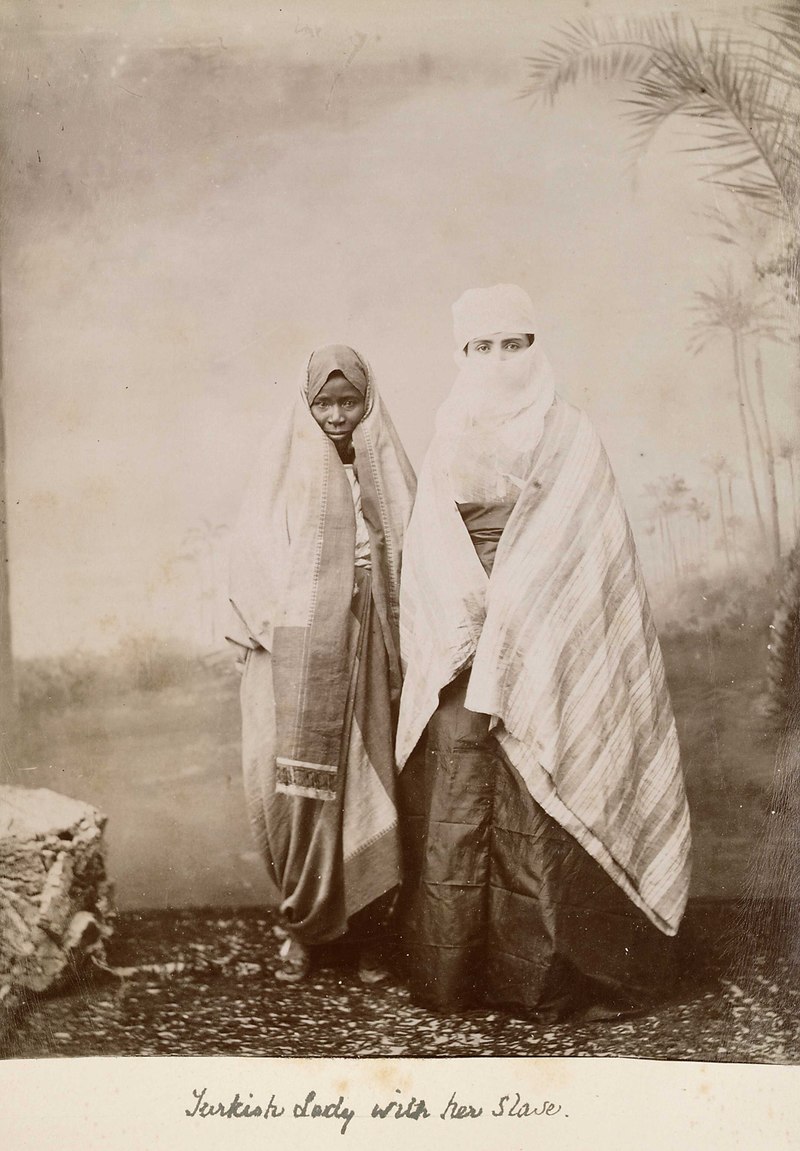
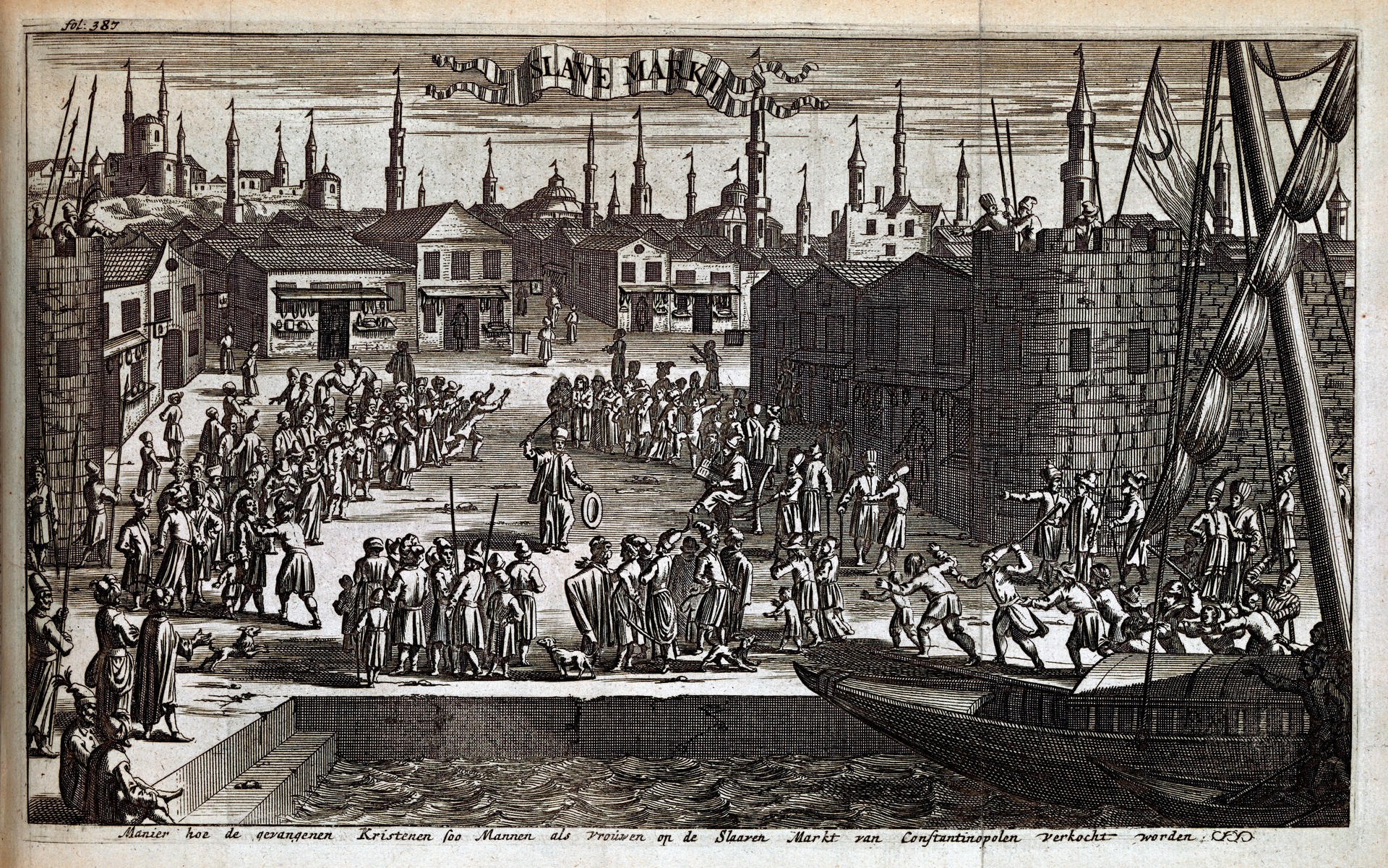
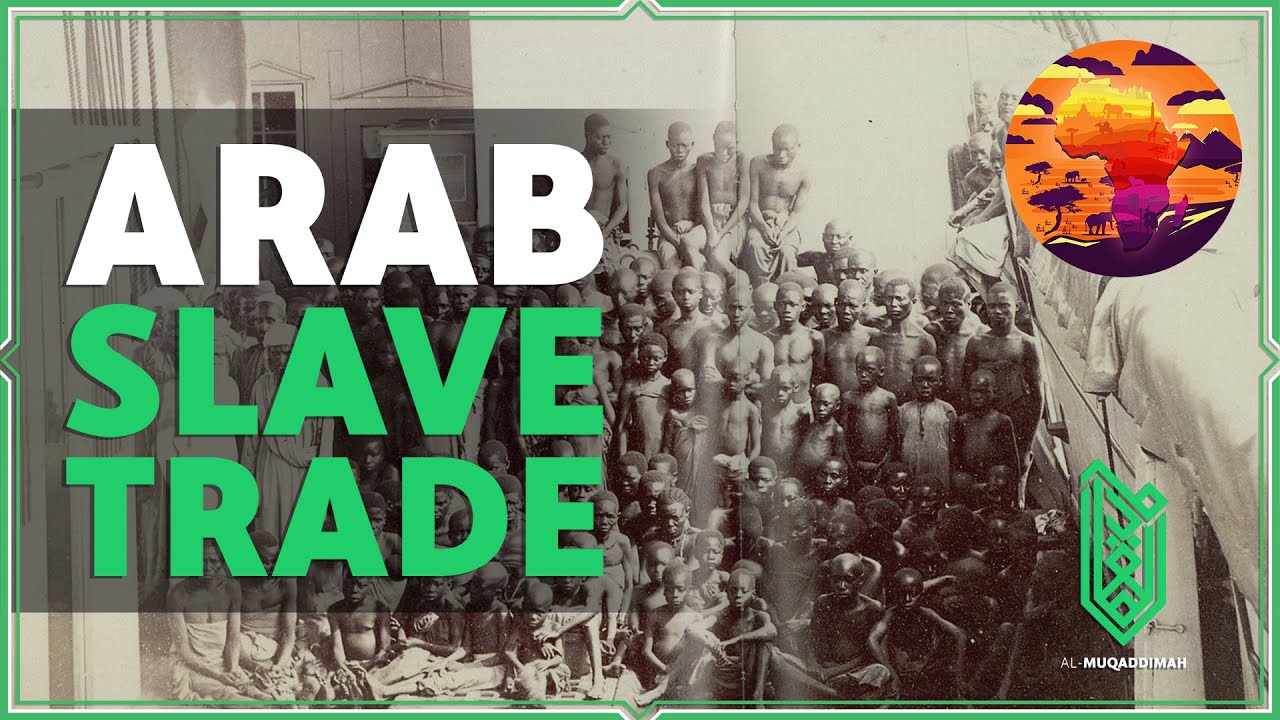
From the video that follows description: In 1842CE, the British Consul General in Morocco wrote a letter to the Sultan to ask him if he had taken any measures to stop slavery or at least, slave trade. The sultan replied that he will not do anything about it because it has been the norm since the time of the sons of Adam and no sects of Islam are against it. Hence, he will not permit anything the Qur’an forbids and will not make unlawful anything that the Qur’an has allowed. In the Sultan’s reply, we see the simplest justification or at least, excuse, for almost 1300 years of slavery in the Islamic world.
For new comers, pop the document out from the upper right to read / expand / download
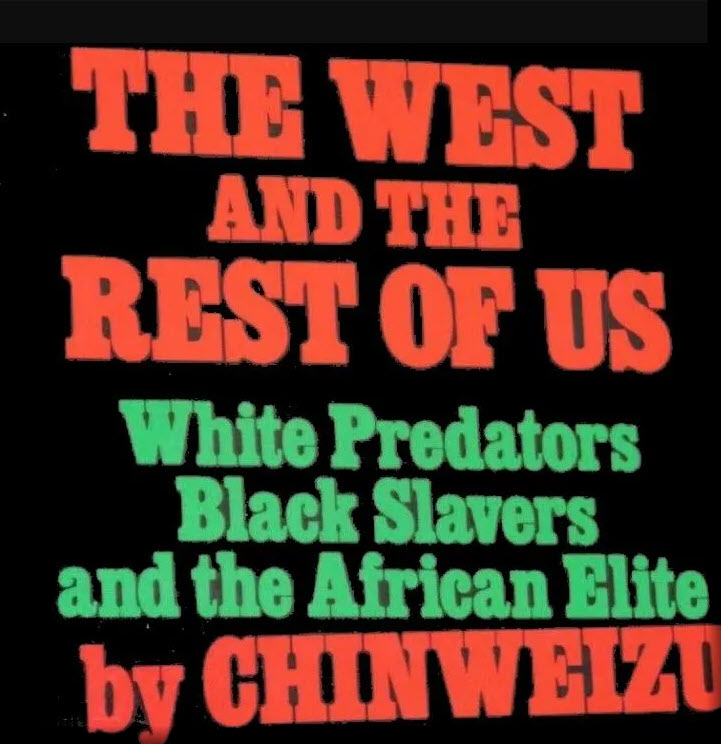
“To the memory of all the victims of the West’s assault upon the rest of us, and of the following especially: The Amerindians and the Aborigines of Australasia who were exterminated and expropriated; The millions of Africans who were enslaved in the Americas; The countless Africans who died resisting European invasion and occupation of their homeland; The soldiers from the Third World-who were conscripted to fight and die defending the very western empire that victimized them; To all Third World liberation fighters and martyrs who have struggled or died for a better future for their peoples; To the people of the West, to the extent that they refuse to tolerate western control over the rest of us; and To all of us, that we may achieve a just, non-imperialist and enduring peace, with prosperity for all humankind.” (pg. vii)
Pop the document out from the upper right to read / expand / download
Pop the documents out from the upper right to read / expand / download
12 Video Playlist
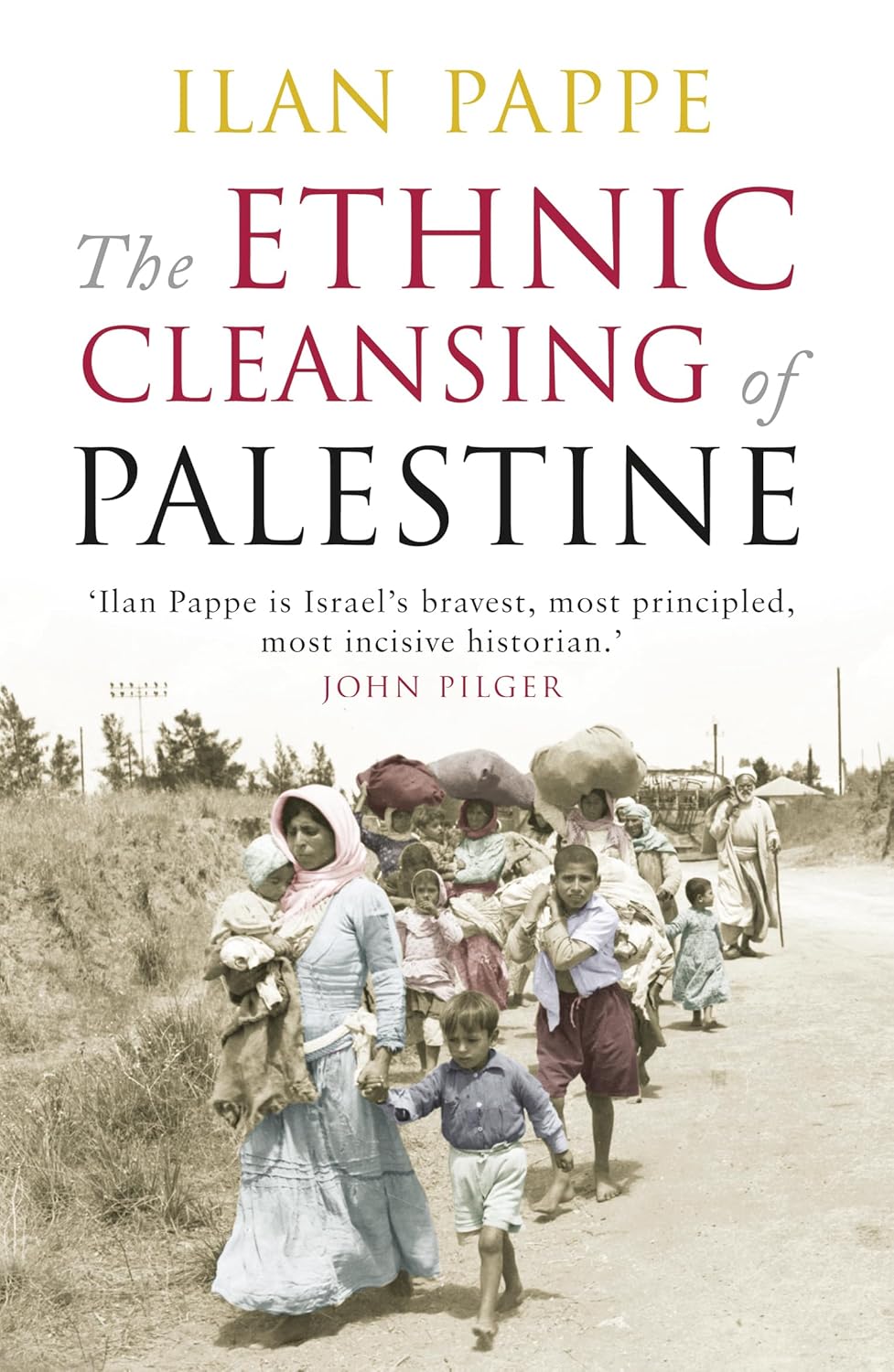
The book that is providing a storm of controversy, from ‘Israel’s bravest historian’ (John Pilger). Renowned Israeli historian, Ilan Pappe’s groundbreaking work on the formation of the State of Israel. ‘Along with the late Edward Said, Ilan Pappe is the most eloquent writer of Palestinian history.’ NEW STATESMAN
Book Summary
Ilan Pappe’s “The Ethnic Cleansing of Palestine” presents a critical examination of the events surrounding the establishment of the state of Israel and the displacement of Palestinian people.
The Overview and Outline that follows provides a structured look at the contents of Pappe’s work, encapsulating the primary themes and historical significance of the events surrounding the ethnic cleansing of Palestine.
Overview:
Historical Context: The book provides a detailed historical background of Palestine leading up to the 1948 Arab-Israeli War, focusing on the socio-political dynamics between Jews and Arabs.
Ethnic Cleansing Argument: Pappe argues that the displacement of Palestinians was a deliberate policy of ethnic cleansing carried out by Zionist leaders, rather than a consequence of war as traditionally portrayed.
Documented Evidence: The author uses archival material, testimonies, and historical documents to substantiate his claims about the systematic expulsion and violence against Palestinians.
Impact on Palestinian Identity: The book discusses the long-term effects of these events on Palestinian identity, culture, and the ongoing conflict.
Contemporary Relevance: Pappe connects historical events to current struggles faced by Palestinians, advocating for recognition and justice.
Outline:
Introduction
Purpose of the study
Overview of the term “ethnic cleansing” in the context of Palestine
Chapter 1: Historical Background
The Ottoman Empire and the early 20th-century context
The rise of Zionism and responses from Palestinian Arabs
Chapter 2: The Road to 1948
Key events leading up to the establishment of Israel
Examination of British policies and their impact on the region
Chapter 3: The 1948 War and its Aftermath
Detailed account of military operations and strategies used to expel Palestinians
Case studies of specific villages and communities affected
Chapter 4: The Role of Zionist Leadership
Analysis of the intentions and decisions made by Zionist leaders
The role of ideology in shaping policies of displacement
Chapter 5: Documentation of Ethnic Cleansing
Presentation of evidence from archival research and testimonies
Discussion of the systematic nature of the expulsions
Chapter 6: Impact on Palestinian Society
Examination of how displacement affected Palestinian communities
The evolution of Palestinian identity in exile
Chapter 7: Contemporary Implications
Connection of historical events to current issues in the Israeli-Palestinian conflict
Discussion of ongoing struggles for justice and recognition
Conclusion
Summary of key findings and arguments
Reflection on the importance of acknowledging the history of ethnic cleansing in Palestine
Ilan Pappe’s “The Ethnic Cleansing of Palestine” is a significant work that challenges conventional narratives surrounding the establishment of Israel and the experiences of Palestinians during that period. Here are some key themes and insights from the book:
Key Themes and Insights:
Definition of Ethnic Cleansing:
Pappe uses the term “ethnic cleansing” to describe the systematic efforts to remove Palestinians from their homeland during the 1948 Arab-Israeli War. He argues that this was not merely a byproduct of war but a calculated strategy implemented by Zionist leaders.
Historical Revisionism:
The book presents a revisionist history of the events leading to the creation of Israel. Pappe interrogates accepted historical narratives that often downplay or obscure the suffering of Palestinians and emphasizes the importance of recognizing their perspective.
Primary Sources and Documentation:
Pappe supports his arguments with extensive use of primary sources, including documents from Israeli archives, testimonies from survivors, and contemporary accounts. This rigorous research adds credibility to his claims and highlights the lived experiences of those affected.
Military Operations:
The book details specific military operations, such as Operation Dalet, which involved the expulsion of entire villages. Pappe analyzes the strategies employed to achieve territorial control and the implications for Palestinian civilians.
Palestinian Identity:
Pappe explores how the events of 1948 and the subsequent displacement shaped Palestinian identity. He discusses the formation of a collective memory and the significance of the Nakba (the Arabic term for the catastrophe of 1948) in contemporary Palestinian culture.
Ongoing Conflict:
The author draws connections between historical events and the current state of affairs in Israel and Palestine. He argues that the legacy of ethnic cleansing continues to impact the political landscape, with ongoing struggles for justice, rights, and recognition for Palestinians.
Call for Justice:
Throughout the book, Pappe advocates for acknowledging the historical injustices faced by Palestinians. He emphasizes the need for an honest reckoning with the past and calls for solutions that recognize Palestinian rights and sovereignty.
Conclusion:
“The Ethnic Cleansing of Palestine” is a provocative and well-researched work that invites readers to reconsider established narratives about the Israeli-Palestinian conflict. By highlighting the systematic nature of the expulsion of Palestinians, Pappe contributes to a broader understanding of the historical and contemporary dimensions of the conflict, urging a dialogue rooted in truth and justice. The book is essential for anyone looking to gain a deeper insight into the complexities of the Israeli-Palestinian situation and the lasting impact of historical events on current realities.
The Ethnic Cleansing of Palestine, by Ilan Pappe_eBook
Pop the documents out from the upper right to read / expand / download
Between 1947 and 1949, over 400 Palestinian villages were deliberately destroyed, civilians were massacred and around a million men, women, and children were expelled from their homes at gunpoint. Denied for almost six decades, had it happened today it could only have been called ‘ethnic cleansing’. Decisively debunking the myth that the Palestinian population left of their own accord in the course of this war, Ilan Pappe offers impressive archival evidence to demonstrate that, from its very inception, a central plank in Israel’s founding ideology was the forcible removal of the indigenous population. Indispensable for anyone interested in the current crisis in the Middle East.
The Ethnic Cleansing of Palestine, by Ilan Pappe_Audiobook
MAP: [1888 – 2023] Evolution of Israel / Palestine borders from the Ottoman Empire to independence






 RBG Communiversity: Message 2 Da Grassroots
You must be logged in to post a comment.