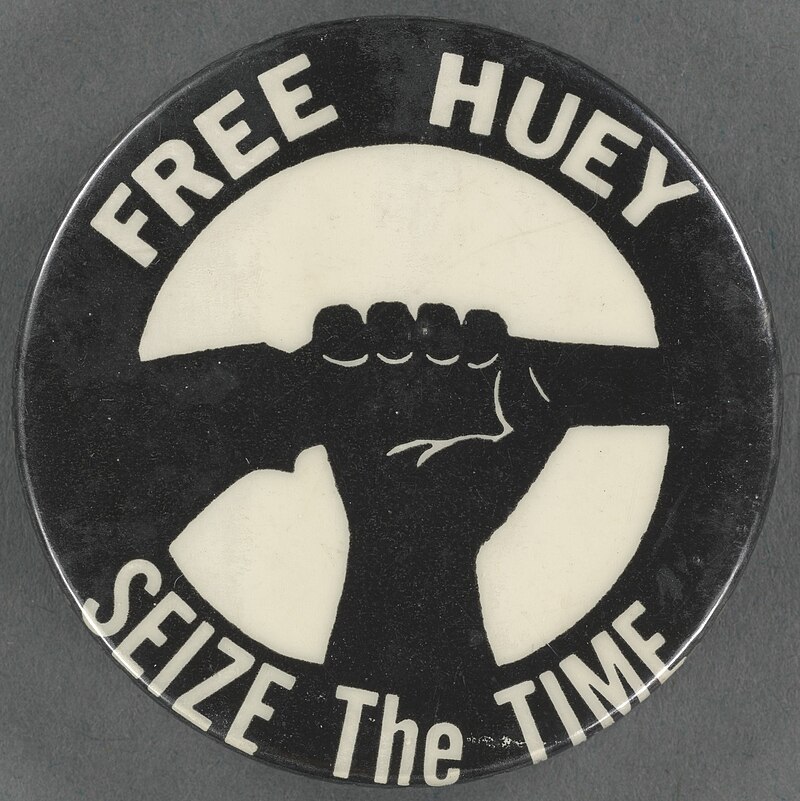
Seize the Time, by Bobby Seale: The Story of the Black Panther Party and Huey P. Newton_eBook and Audiobook mp4 Player

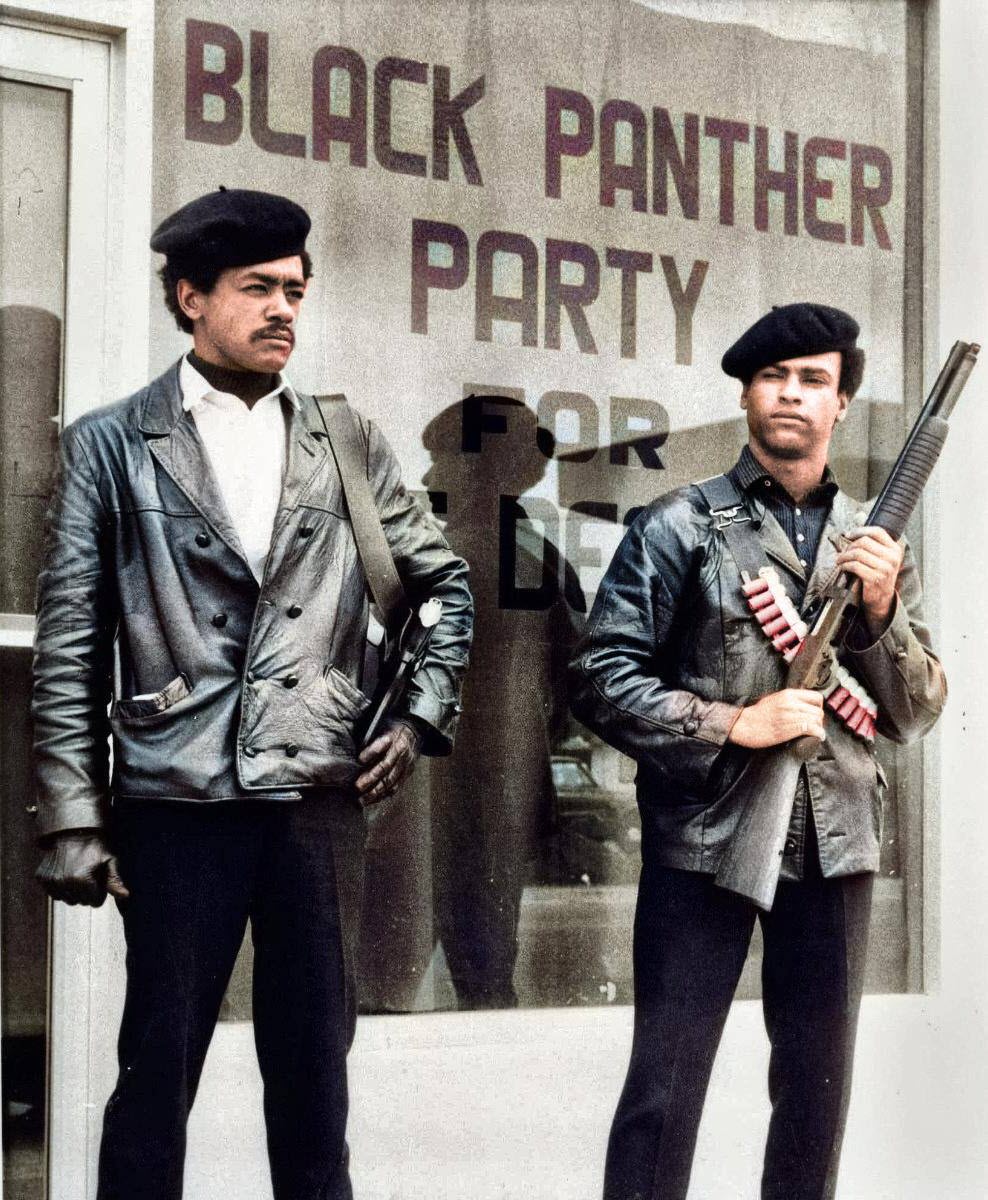
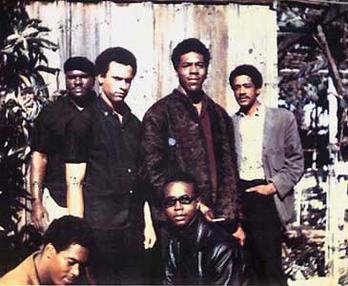
BPP Founders_Bobby Seale and Huey P. Newton

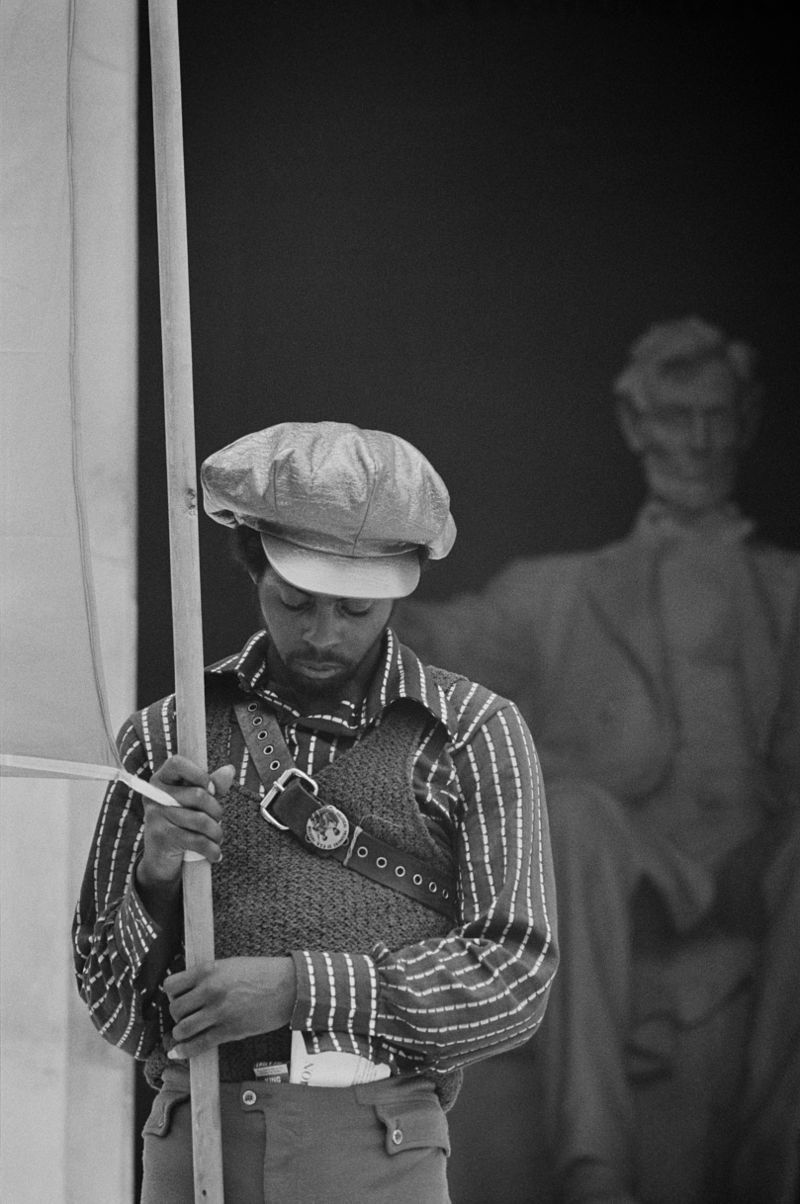
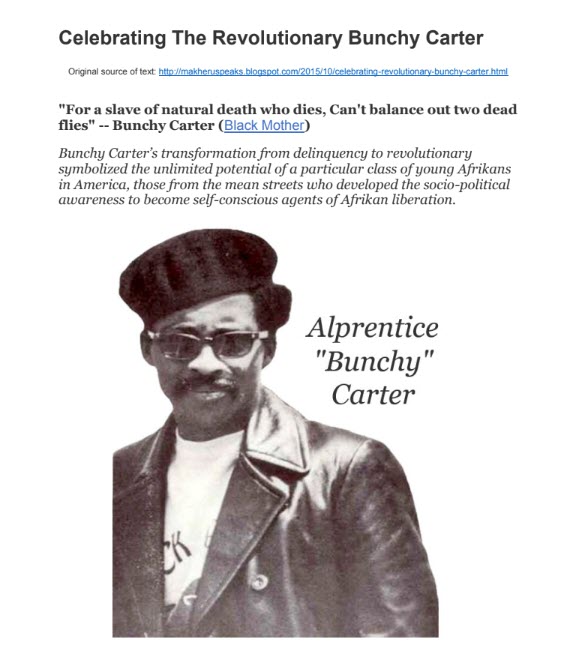
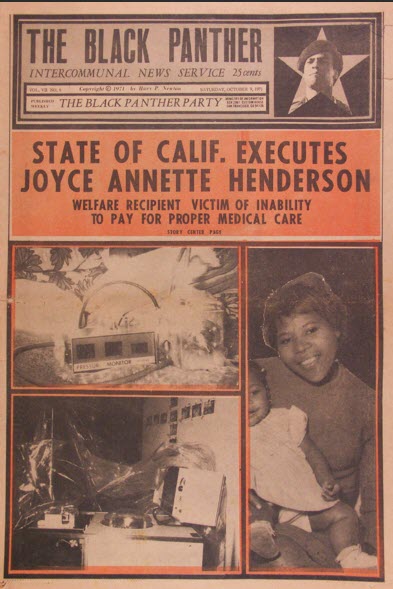
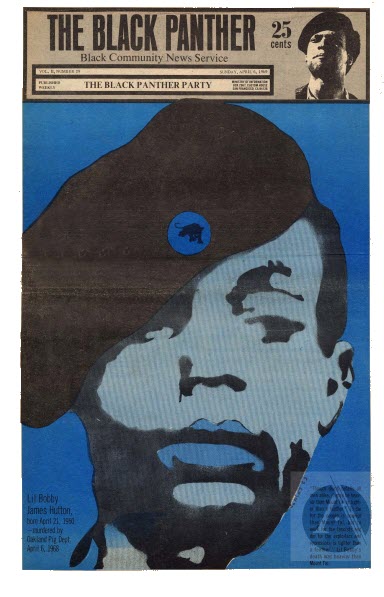
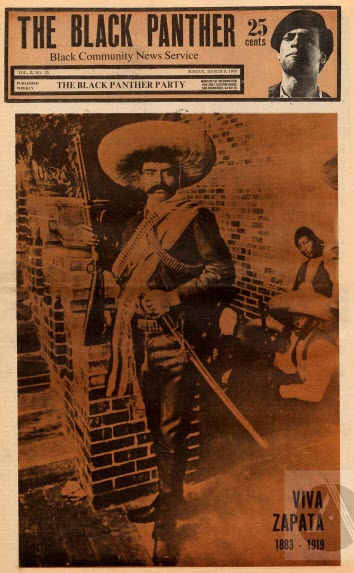
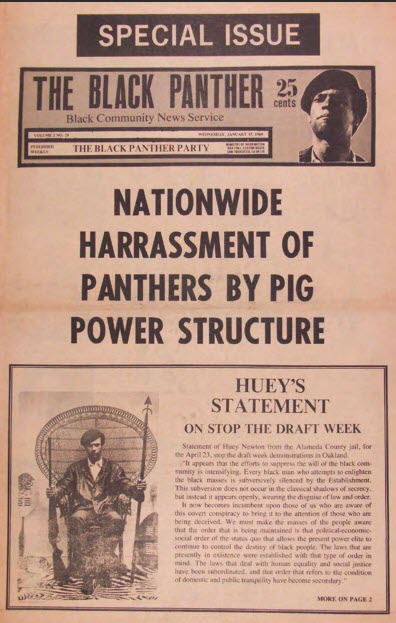
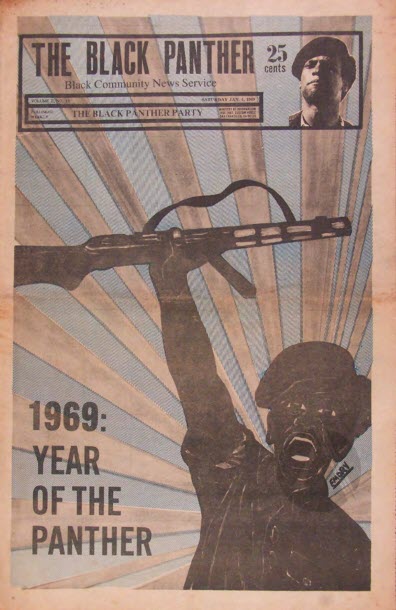
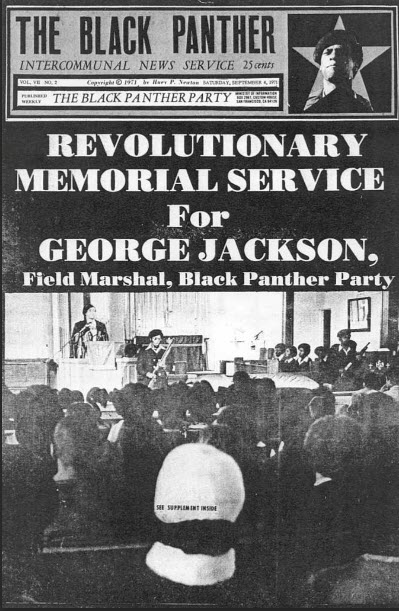
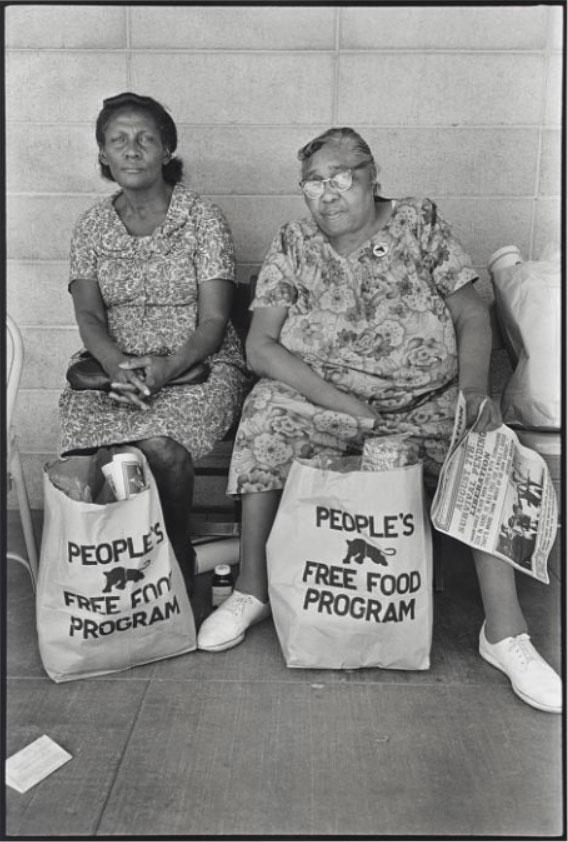
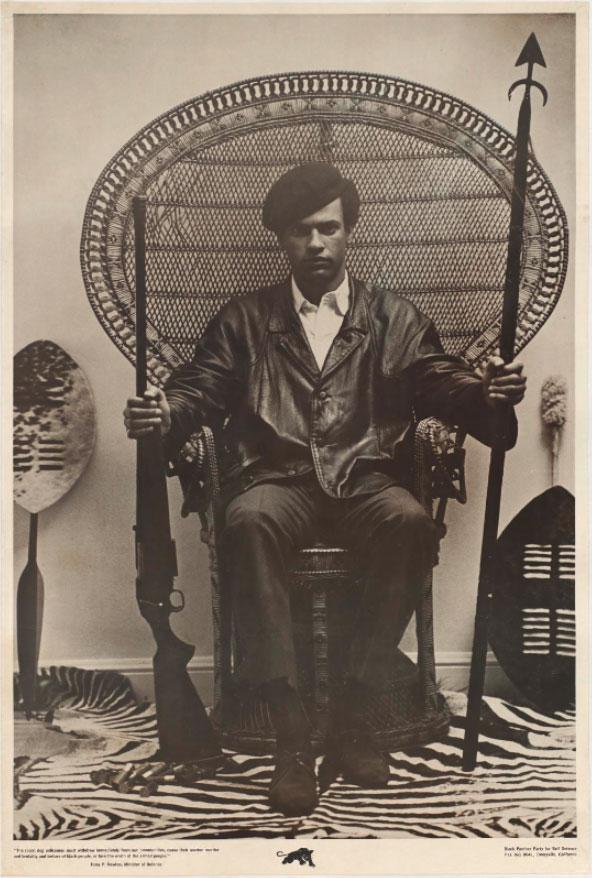
SlideShow Photo Credits: National Museum of African American History and Culture (The Black Panther Party: Challenging Police and Promoting Social Change); Black Panther Party Wiki; BPP Newspaper Covers

Book Summary

“Seize the Time: The Story of the Black Panther Party and Huey P. Newton” by Bobby Seale is an autobiographical account that offers an insider’s perspective on the founding and development of the Black Panther Party (BPP). Written during a tumultuous period in American history, Seale reflects on the political climate of the 1960s, the motivations behind the formation of the BPP, and the organization’s efforts to combat systemic racism and social injustice. The book not only details the struggles and achievements of the BPP but also emphasizes the importance of community activism, self-defense, and the fight for civil rights. Through personal anecdotes and historical context, Seale provides a nuanced understanding of the party’s impact on American society and its legacy.

The outline that follows captures the main themes and structure of “Seize the Time,” highlighting Bobby Seale’s personal narrative and the historical significance of the Black Panther Party. The book serves as an important resource for understanding the complexities of civil rights activism and the lasting impact of the BPP on American society.

I. Introduction

  • Overview of the book’s purpose: to recount the history of the Black Panther Party and its significance
  • Introduction to Bobby Seale and his role as a co-founder of the BPP
  • The socio-political context of the 1960s in America

II. Early Life and Influences

  • Seale’s background and upbringing in a segregated America
  • Key influences that shaped his political consciousness
  • The impact of the civil rights movement on Seale and his peers

III. Formation of the Black Panther Party

  • The founding of the BPP in Oakland, California, in 1966
  • Collaboration with Huey P. Newton and the development of the party’s philosophy
  • The initial goals and objectives of the BPP, including self-defense and community empowerment

IV. Community Programs and Activism

  • Overview of the BPP’s community service programs (e.g., free breakfast for children, health clinics)
  • The emphasis on education and political consciousness-raising in the community
  • Examples of grassroots activism and organizing efforts

V. Confrontation with Law Enforcement

  • Examination of the BPP’s encounters with law enforcement and government agencies
  • The significance of the armed patrols and the right to self-defense
  • Discussion of key events, such as police raids and the party’s response to violence

VI. National Impact and Growth

  • The expansion of the BPP beyond Oakland and its influence on other cities
  • The role of media in shaping public perception of the BPP
  • Notable figures within the party and their contributions to its mission

VII. Internal Challenges and Conflicts

  • Exploration of internal conflicts within the BPP, including leadership struggles and ideological differences
  • The impact of external pressures, including surveillance and repression by the FBI and other agencies
  • The eventual decline of the BPP and the factors contributing to its challenges

VIII. Legacy and Reflection

  • Seale’s reflections on the legacy of the Black Panther Party and its relevance today
  • The ongoing struggle for civil rights and social justice in contemporary America
  • The importance of community activism and grassroots organizing in effecting change

IX. Conclusion

  • Summary of key themes and insights from the book
  • Reflection on the importance of understanding the BPP’s history and its contributions to social justice
  • A call to action for future generations to continue the fight for equality and justice

“Seize the Time: The Story of the Black Panther Party and Huey P. Newton” by Bobby Seale is a crucial work that provides an intimate and detailed account of the Black Panther Party (BPP), its founding, and its mission to address systemic racism and social injustice in America. Seale, as a co-founder of the BPP, offers firsthand insights into the struggles and triumphs of the organization, as well as the broader civil rights movement of the 1960s. Here’s a deeper exploration of the key themes, insights, and narratives presented in the book:

Key Themes and Insights

  1. Historical Context:
    • Seale places the formation of the Black Panther Party within the broader context of the civil rights movement and the societal upheavals of the 1960s. He details the systemic injustices faced by African Americans, including police brutality, economic inequality, and educational disparities, which motivated the creation of the BPP.
    • The historical backdrop helps readers understand the urgency and necessity of the BPP’s mission to advocate for self-defense and community empowerment.
  2. Founding Principles of the BPP:
    • The book outlines the core principles and philosophies that guided the BPP, including the right to self-defense, the importance of community service, and the need for political education. Seale emphasizes that the BPP was not just a reaction to violence but a proactive movement aimed at upliftment and empowerment.
    • The party’s Ten-Point Program, which outlined their demands for justice, equality, and community control, is discussed in detail as a framework for their activism.
  3. Community Engagement and Activism:
    • Seale highlights the various community programs initiated by the BPP, such as free breakfast programs for children, health clinics, and educational initiatives. These programs were designed to address immediate needs within the community and empower individuals through education and resources.
    • The emphasis on community service illustrates the party’s commitment to improving the lives of African Americans and fostering a sense of solidarity and self-determination.
  4. Confrontations with Law Enforcement:
    • The book details the BPP’s confrontations with law enforcement, including armed patrols to monitor police activity and protect community members. Seale describes the legal and political implications of these actions, emphasizing the BPP’s stance on self-defense and civil rights.
    • Key incidents, such as police raids and the assassination of party members, are recounted to illustrate the dangers faced by the BPP and the systemic violence directed at Black activists.
  5. Media Representation:
    • Seale discusses the role of the media in shaping public perceptions of the Black Panther Party. He critiques the sensationalized coverage that often portrayed the BPP as a violent organization, overshadowing its community efforts and political objectives.
    • The impact of media narratives on the party’s reputation and the challenges of combating misinformation are significant themes in the book.
  6. Internal Struggles and Challenges:
    • The biography does not shy away from addressing the internal conflicts within the BPP, including leadership disputes, ideological differences, and the effects of external pressures from government surveillance and infiltration. Seale reflects on how these challenges affected the unity and effectiveness of the organization.
    • The struggles faced by the BPP serve as a reminder of the complexities of grassroots movements and the difficulties inherent in maintaining solidarity among diverse voices.
  7. Legacy and Relevance:
    • In the conclusion, Seale reflects on the enduring legacy of the Black Panther Party and its relevance to contemporary social justice movements. He emphasizes that the fight for equality and justice is ongoing, and the principles established by the BPP continue to inspire activists today.
    • The book encourages readers to engage with the lessons learned from the BPP’s experiences and to recognize the importance of community activism and political engagement in the pursuit of justice.

Conclusion

“Seize the Time” is more than a historical account; it is a powerful testament to the resilience and determination of a movement that sought to address systemic oppression and empower marginalized communities. Bobby Seale’s insights provide a unique perspective on the Black Panther Party’s efforts, challenges, and impact on American society.

Through personal anecdotes and historical analysis, Seale crafts a narrative that invites readers to reflect on the complexities of social justice activism and the importance of grassroots organizing. The book serves as a vital resource for understanding the struggles faced by the Black Panther Party and the ongoing fight for civil rights, urging future generations to continue the work of building a more just and equitable society.

Seize the Time, by Bobby Seale_Audiobook mp4 Player

12 Video Playlist

Seize the Time_eBook

Pop the documents out from the upper right to read / expand / download.
Learn more in RBG Communiversity Knowledge Media eLibrary:

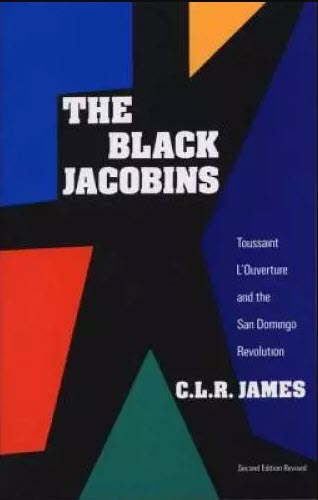
The Black Jacobins: Toussaint L’Ouverture and the San Domingo Revolution_eBook and Audiobook with Confronting Black Jacobins, Dr. Gerald Horne (eBook and Auiobook) and The Black Jacobins Reader

Last Updated 12-15-2024

Book Summary

“The Black Jacobins” is a historical account by C.L.R. James that explores the Haitian Revolution (1791-1804) and the role of its leader, Toussaint L’Ouverture. The book examines the interplay of class, race, and power in the struggle for Haitian independence from French colonial rule. James presents a detailed narrative of the events leading to the revolution, the complexity of the social dynamics involved, and the impact of the revolution on the wider world. Through the lens of L’Ouverture’s life and leadership, the book highlights the struggle for freedom and equality, making it a significant work in the study of history, race, and revolution.

The following outline encapsulates the major themes and structure of C.L.R. James’s seminal work, emphasizing the significance of the Haitian Revolution and its leader in the context of world history.

Outline of “The Black Jacobins”

  • Introduction
    • Context of the Haitian Revolution
    • Importance of Toussaint L’Ouverture
    • Themes of race, class, and revolution
  • Part I: The Setting
    • Colonialism in Saint-Domingue
      • Overview of the plantation economy
      • Social hierarchy: whites, free people of color, and enslaved people
    • Influence of the French Revolution
      • Impact of Enlightenment ideas
      • The rise of revolutionary sentiments
  • Part II: The Revolution Begins
    • Initial uprisings of enslaved people
    • Toussaint L’Ouverture’s early involvement
    • Key figures in the revolution
    • The role of external forces (France, Britain, Spain)
  • Part III: Toussaint L’Ouverture’s Leadership
    • Rise to power and political strategies
    • Military campaigns and tactics
    • Balancing alliances with France and other powers
    • Vision for Haiti and abolition of slavery
  • Part IV: Internal Conflicts
    • Tensions among revolutionary leaders
    • Class divisions within the revolutionary movement
    • The challenge of governance and social order
  • Part V: The Fall of Toussaint
    • Betrayal and capture by the French
    • Impact of his leadership on the revolution’s course
    • The rise of Jean-Jacques Dessalines and others
  • Conclusion: The Legacy of the Revolution
    • Outcomes of the Haitian Revolution
    • Influence on global movements for freedom and equality
    • Reflections on race and colonialism

The Black Jacobins_eBook

A classic and impassioned account of the first revolution in the Third World.This powerful, intensely dramatic book is the definitive account of the Haitian Revolution of 1794-1803, a revolution that began in the wake of the Bastille but became the model for the Third World liberation movements from Africa to Cuba. It is the story of the French colony of San Domingo, a place where the brutality of master toward slave was commonplace and ingeniously refined. And it is the story of a barely literate slave named Toussaint L’Ouverture, who led the black people of San Domingo in a successful struggle against successive invasions by overwhelming French, Spanish, and English forces and in the process helped form the first independent nation in the Caribbean.

Pop the documents out from the upper right to read / expand / download.

The Black Jacobins_Audiobook

Confronting Black Jacobins, Dr. Gerald Horne_eBook

Book Summary

“Confronting Black Jacobins” by Dr. Gerald Horne is an exploration of the historical context and implications of the Haitian Revolution, focusing on the revolutionary figures, particularly Toussaint L’Ouverture, and the broader impact on the Atlantic world.

The following overview and outline provides a structured capsule of the major themes and topics discussed in “Confronting Black Jacobins,” highlighting Dr. Horne’s analysis of the Haitian Revolution and its lasting significance.

Overview

  • Historical Context: The book situates the Haitian Revolution within the larger scope of the Atlantic slave trade and the French Revolution.
  • Key Figures: It examines the lives and contributions of important figures, especially Toussaint L’Ouverture, and their roles in challenging colonial power.
  • Impact of the Revolution: Horne discusses the implications of Haiti’s independence for slavery, colonialism, and race relations in the Americas and Europe.
  • Racial Dynamics: The narrative addresses the intersection of race, class, and revolution, highlighting how these elements influenced the struggle for freedom.
  • Legacy and Memory: The book reflects on how the Haitian Revolution has been remembered and misremembered in historical narratives.

Outline

  1. Introduction
    • Overview of the Haitian Revolution
    • Significance in world history
  2. Historical Background
    • The Atlantic slave trade and its impact
    • The role of colonial powers, especially France
  3. Key Figures
    • Toussaint L’Ouverture
      • Early life and rise to power
      • Military strategies and leadership
    • Other notable leaders
      • Jean-Jacques Dessalines
      • Henri Christophe
  4. The Revolution Begins
    • Factors leading to the uprising
    • Initial revolts and their suppression
  5. French Revolution Influence
    • Connection to the French Revolution
    • Ideological underpinnings and inspirations
  6. International Reactions
    • Responses from colonial powers
    • The impact on slave societies in the Americas
  7. Struggles for Control
    • Internal conflicts among revolutionary leaders
    • The role of external forces, including the U.S. and Britain
  8. Haiti’s Independence
    • Declaration of independence and its significance
    • Immediate consequences for Haiti and the region
  9. Legacy of the Haitian Revolution
    • Influence on abolitionist movements
    • Ongoing struggles for racial equality and social justice
  10. Conclusion
    • Reflection on the memory of the Haitian Revolution
    • Its relevance to contemporary issues of race and freedom

Confronting Black Jacobins, Dr. Gerald Horne_Audiobook

Audio start in earnest (Introduction) and corresponds to page 8 of the above Reader.

Part 1

Part 2

The Black Jacobins Reader

Containing a wealth of new scholarship and rare primary documents, The Black Jacobins Reader provides a comprehensive analysis of C. L. R. James’s classic history of the Haitian Revolution. In addition to considering the book’s literary qualities and its role in James’s emergence as a writer and thinker, the contributors discuss its production, context, and enduring importance in relation to debates about decolonization, globalization, postcolonialism, and the emergence of neocolonial modernity. The Reader also includes the reflections of activists and novelists on the book’s influence and a transcript of James’s 1970 interview with Studs Terkel.

Learn more in RBG Communiversity Knowledge Media eLibrary:

SUPPLEMENTAL: CLR JAMES VS MARCUS GARVEY

Remember: Pop the documents out from the upper right to read / expand / download.

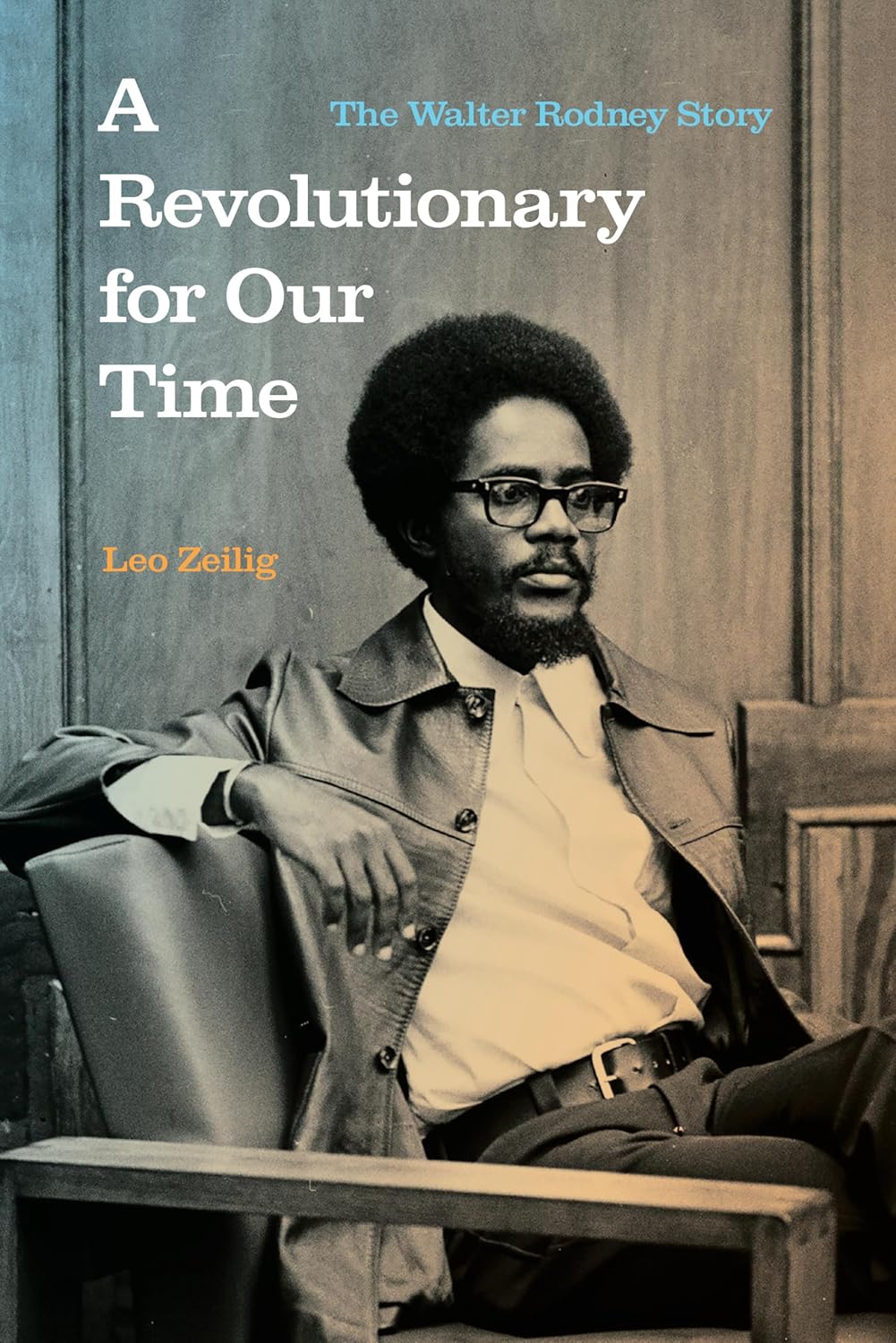
A Revolutionary for Our Time: The Walter Rodney Story by Leo Zeilig_eBook and Audiobook, with HAP 123-History Teaches Us- Walter Rodney

Book Summary

A Revolutionary for Our Time: The Walter Rodney Story by Leo Zeilig is a biography that delves into the life and legacy of Walter Rodney, a prominent Guyanese historian, political activist, and revolutionary. The book highlights Rodney’s contributions to Caribbean intellectual thought, his critiques of colonialism and imperialism, and his dedication to social justice and the empowerment of the oppressed. Through Rodney’s story, Zeilig explores broader themes of race, class, and resistance in the Caribbean, as well as the impact of Rodney’s work on contemporary movements for social change.

Key Themes and Historical Context:

  1. Introduction to Walter Rodney
    • Overview of Rodney’s significance in Caribbean history
    • Brief introduction to his early life and background
  2. Early Life and Education
    • Rodney’s upbringing in British Guiana
    • Educational experiences and early influences
    • Development of his political consciousness
  3. Academic Career and Historical Contributions
    • Rodney’s work as a historian and scholar
    • Key publications and their impact (e.g., “How Europe Underdeveloped Africa”)
    • Methodological approaches and critiques of traditional historiography
  4. Political Activism and Leader of the People’s Movement
    • Involvement in political movements in Guyana
    • Formation of the Working People’s Alliance (WPA)
    • Advocacy for the rights of marginalized communities
  5. Colonialism and Imperialism
    • Rodney’s critique of colonial structures
    • Analysis of the effects of colonialism on Caribbean societies
    • Advocacy for decolonization and self-determination
  6. Exile and International Influence
    • Rodney’s experiences of exile and its impact on his work
    • Connections with other revolutionary movements in the Caribbean and globally
    • Participation in international forums and discussions
  7. Legacy and Impact
    • Rodney’s influence on subsequent generations of activists and scholars
    • The continuing relevance of his ideas in contemporary struggles
    • Commemoration of Rodney’s life and work in cultural memory
  8. Conclusion
    • Reflection on Walter Rodney’s contributions as a revolutionary thinker
    • The importance of his legacy in the fight for social justice and equality

A Revolutionary for Our Time: The Walter Rodney Story_eBook

Walter Rodney was a scholar, working class militant, and revolutionary from Guyana. Strongly influenced by Marxist ideas, he remains central to radical Pan-Africanist thought for large numbers of activists’ today. Rodney lived through the failed –though immensely hopeful -socialist experiments in the 1960s and 1970s, in Tanzania and elsewhere. The book critically considers Rodney’s contribution to Marxist theory and history, his relationship to dependency theory and the contemporary significance of his work in the context of movements and politics today. The first full-length study of Rodney’s life, this book is an essential introduction to Rodney’s work.

Pop the document out from the upper right to read / expand / download.
A Revolutionary for Our Time: The Walter Rodney Story_Audiobook

Part 1

Part 2

HAP 123-History Teaches Us- Walter Rodney

Learn more in RBG Communiversity Knowledge Media eLibrary:

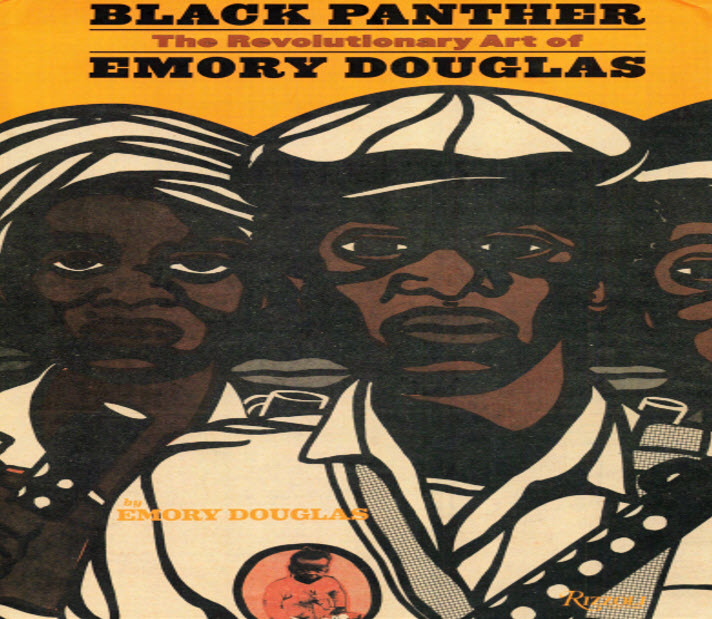
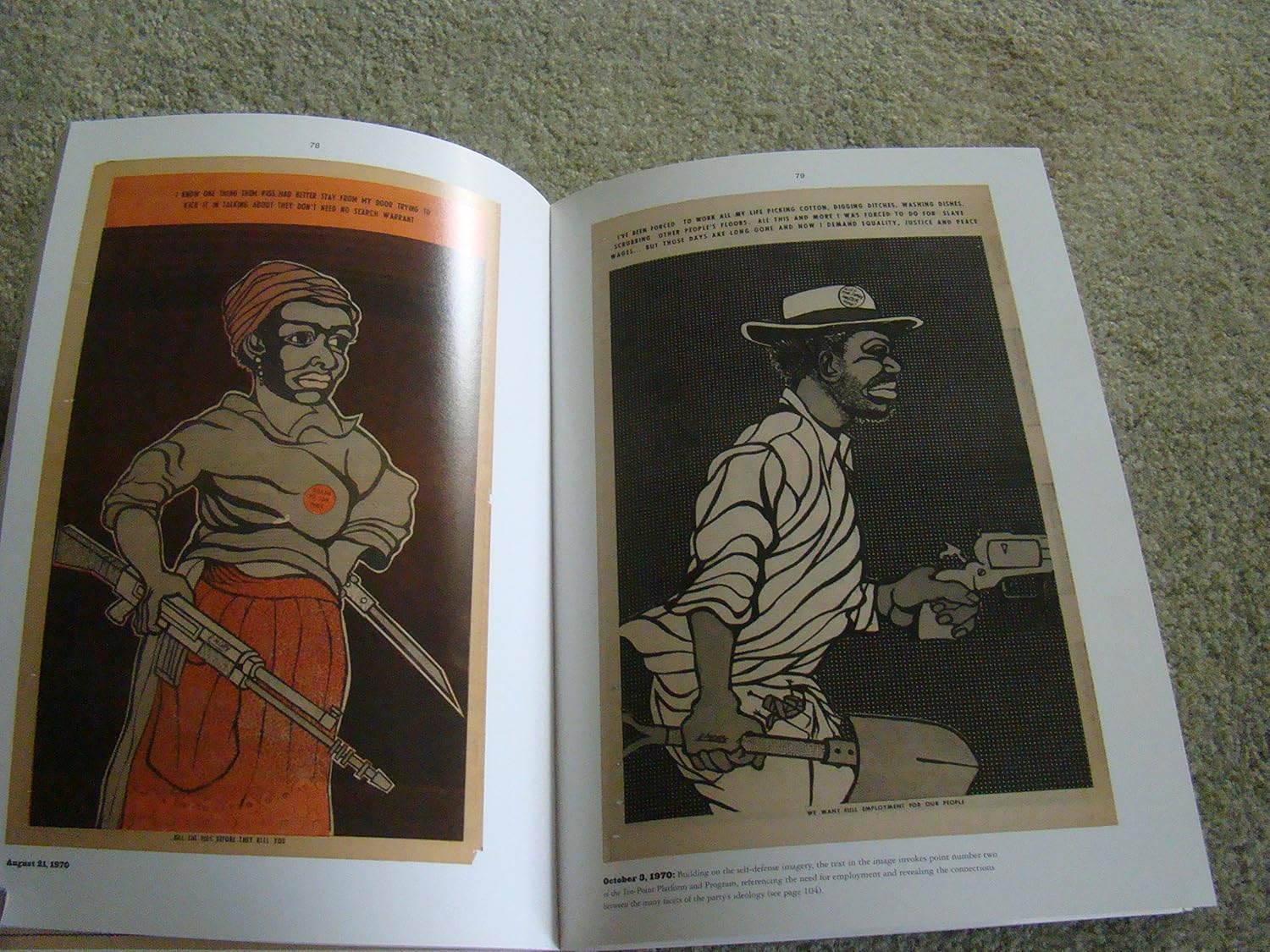
Black Panther_ The Revolutionary Art of Emory Douglas (Book Preview) and Emory Douglas_The Art of The Black Panthers (BPP |BAM Video Player), with BPP Newspapers_1969

Buy the Book here. https://www.rizzoliusa.com/book/9780847841899/ (228 Pages.)

4 Video Playlist

Black Panther_ The Revolutionary Art of Emory Douglas, Publish 2014. (Book Preview)

Description

A reformatted and reduced price edition—including a revised and updated introduction by Sam Durant and new text on the artist today by Colette Gaiterof the first book to show the provocative posters and groundbreaking graphics of the Black Panther Party. The Black Panther Party for Self Defense, formed in the aftermath of the assassination of Malcolm X in 1965, sounded a defiant cry for an end to the institutionalized subjugation of African Americans. The Black Panther newspaper was founded to articulate the party’s message, and artist Emory Douglas became the paper’s art director and later the party’s minister of culture. Douglas’s artistic talents and experience proved a powerful combination: his striking collages of photographs and his own drawings combined to create some of the era’s most iconic images. This landmark book brings together a remarkable lineup of party insiders who detail the crafting of the party’s visual identity.

About The Author

Emory Douglas was the Minister of Culture for the Black Panther Party from 1967 until its discontinuation in the early 1980s. Colette Gaiter is associate professor of visual communications in the art department at the University of Delaware.  Bobby Seale co-founded the Black Panther Party with Huey Newton. Sam Durant is a Los Angeles–based artist. Danny Glover is an actor, producer, and director. Kathleen Cleaver, attorney, author, and senior lecturer at Yale University and Emory Law School, joined the Black Panther Party in 1967. Amiri Baraka is a writer and political activist.

Pop the document out from the upper right to read / expand / download.
BPP Newspapers_1969

Click to Open

Learn more in RBG Communiversity Knowledge Media eLibrary:

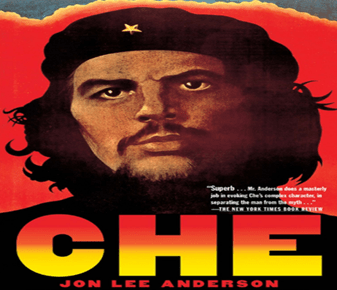
Che Guevara: A Revolutionary Life by Jon Lee Anderson (eBook) and The CIA Against Che, by Adys Cupull et al. (Audiobook), with The Truth About Che Guevara_A Bio-Documentary Film

Click the graphic for full size standalone.

Che Guevara: A Revolutionary Life by Jon Lee Anderson

Acclaimed around the world and a national best-seller, this is the definitive work on Che Guevara, the dashing rebel whose epic dream was to end poverty and injustice in Latin America and the developing world through armed revolution.

Jon Lee Anderson’s biography traces Che’s extraordinary life, from his comfortable Argentine upbringing to the battlefields of the Cuban revolution, from the halls of power in Castro’s government to his failed campaign in the Congo and assassination in the Bolivian jungle.

Anderson has had unprecedented access to the personal archives maintained by Guevara’s widow and carefully guarded Cuban government documents. He has conducted extensive interviews with Che’s comrades some of whom speak here for the first time and with the CIA men and Bolivian officers who hunted him down. Anderson broke the story of where Guevara’s body was buried, which led to the exhumation and state burial of the bones. Many of the details of Che’s life have long been cloaked in secrecy and intrigue. Meticulously researched and full of exclusive information, Che Guevara illuminates as never before this mythic figure who embodied the high-water mark of revolutionary communism as a force in history.

Pop the document out from the upper right to read / expand / download.
The CIA Against Cheby Adys Cupull etal._Audiobook

Cotent in ernest starts at 10:00 mins.

The Truth About Che Guevara_A Bio-Documentary Film

Learn more in RBG Communiversity Knowledge Media eLibrary: