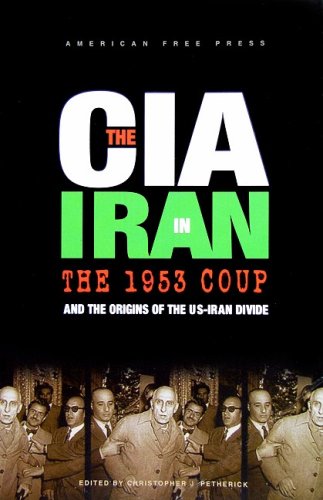
The CIA in Iran-The 1953 Coup, the Origins of the US-Iran Divide by Christopher J. Petherick_eBook and Audiobook, with Video Education Player

Published by American Free Press The CIA in Iran reveals in shocking detail a once-top-secret report by a CIA field agent working in Iran. The report, which reads like a detective novel, shows how U.S. and British operatives employed every dirty trick at their disposal, including bribery, murder and terrorism, to eliminate a government they could not control and replace it with one they thought they could.

Book Summary

“The CIA in Iran: The 1953 Coup, the Origins of the US-Iran Divide” by Christopher J. Petherick explores the historical events surrounding the 1953 coup d’état in Iran, orchestrated by the CIA and British intelligence, which resulted in the overthrow of Prime Minister Mohammad Mossadegh. The book examines the political, social, and economic factors that led to the coup, its immediate aftermath, and its long-term implications for U.S.-Iran relations. By providing a detailed analysis of the coup’s origins and consequences, Petherick sheds light on how this pivotal moment has shaped the ongoing tensions between the United States and Iran.

The outline that follows captures the main themes and structure of “The CIA in Iran: The 1953 Coup, the Origins of the US-Iran Divide”, highlighting the historical significance of the coup and its lasting effects on the relationship between the United States and Iran. The book serves as an important resource for understanding the complexities of U.S.-Iran relations in the context of historical events.

I. Introduction

  • Overview of the significance of the 1953 coup in Iran
  • Introduction to the main themes of the book: U.S. intervention, Iranian nationalism, and the impact on bilateral relations

II. Historical Context

A. Pre-Coup Iran

  • Political landscape in Iran before 1953
  • Role of foreign powers, particularly Britain and the U.S.

B. Rise of Mohammad Mossadegh

  • Mossadegh’s vision for Iran and nationalization of oil
  • Popular support and political challenges he faced

III. The Coup Planning and Execution

A. U.S. and British Involvement

  • Origins of the CIA’s interest in Iran
  • Cooperation with British intelligence and the oil crisis

B. The Execution of the Coup

  • Key events leading to the coup on August 19, 1953
  • Role of propaganda and public manipulation
  • Aftermath: Initial chaos and reestablishment of the monarchy

IV. Immediate Consequences

A. Impact on Iranian Society

  • Changes in political power structures
  • Rise of the Shah’s regime and its authoritarianism

B. U.S.-Iran Relations Post-Coup

  • Shift in U.S. foreign policy towards Iran
  • Initial benefits and long-term repercussions of U.S. support for the Shah

V. Long-Term Implications

A. Seeds of Distrust

  • Growing anti-American sentiment in Iran
  • The role of the coup in shaping Iranian nationalism

B. The 1979 Revolution

  • Connection between the coup and the Islamic Revolution
  • How the coup’s legacy influenced revolutionary sentiments

VI. Conclusion

  • Summary of key points and themes
  • Reflection on the lasting impact of the 1953 coup on U.S.-Iran relations
  • Call for understanding historical context in current geopolitical discussions

“The CIA in Iran: The 1953 Coup, the Origins of the US-Iran Divide” provides a comprehensive examination of a pivotal moment in Iranian history that has had lasting repercussions on U.S.-Iran relations. Here’s a more detailed exploration of the book’s themes, context, and significance:

Detailed Exploration of Key Aspects

I. Historical Context

  1. Pre-Coup Iran:
    • The book begins by setting the stage for the political landscape in Iran prior to the 1953 coup. This includes a discussion of the influence of foreign powers, particularly Britain, which had significant interests in Iranian oil.
    • The Anglo-Iranian Oil Company (AIOC) dominated the Iranian oil industry, causing resentment among Iranians who felt their national resources were being exploited.
  2. Rise of Mohammad Mossadegh:
    • The author details Mossadegh’s ascent to power, highlighting his nationalistic vision for Iran and his commitment to the nationalization of the oil industry. This move was highly popular among the Iranian populace but antagonized both British and American interests.
    • Petherick explores Mossadegh’s political challenges, including opposition from both the Shah and conservative factions within Iran, as well as the growing tension with Western powers.

II. The Coup Planning and Execution

  1. U.S. and British Involvement:
    • Petherick delves into the collaboration between the CIA and British intelligence, focusing on how the coup was conceived and executed under the code name Operation Ajax.
    • The author discusses the political motivations behind U.S. involvement, including the Cold War context and the fear of Iranian communism, which led to concerns about a leftist government in Iran.
  2. Execution of the Coup:
    • The book provides a detailed narrative of the coup itself, describing the events leading up to August 19, 1953. The author emphasizes the role of propaganda, misinformation, and street violence orchestrated by both the U.S. and British agents.
    • Petherick also highlights the immediate aftermath of the coup, which saw the reinstatement of the Shah, leading to initial chaos and instability within Iran.

III. Immediate Consequences

  1. Impact on Iranian Society:
    • Following the coup, the author examines how the political power dynamics shifted, leading to the establishment of a repressive regime under the Shah. This period was marked by political purges, censorship, and the suppression of dissent.
    • The book discusses the impact on various segments of Iranian society, including the growing disillusionment among the populace and the erosion of democratic institutions.
  2. U.S.-Iran Relations Post-Coup:
    • Petherick explores the implications of U.S. support for the Shah, including how it shaped U.S. foreign policy in the region and established Iran as a key ally during the Cold War.
    • The author reflects on the initial benefits perceived by the U.S. government, such as access to Iranian oil and a strategic partner in the Middle East, but warns that these came at the cost of long-term stability.

IV. Long-Term Implications

  1. Seeds of Distrust:
    • The book emphasizes how the 1953 coup sowed the seeds of distrust and resentment towards the United States among Iranians. Petherick analyzes how this distrust has persisted over the decades and influenced Iranian politics and society.
    • The author discusses the rise of anti-American sentiment, particularly as the Shah’s regime became increasingly authoritarian and disconnected from the concerns of ordinary Iranians.
  2. The 1979 Revolution:
    • Petherick connects the events of the coup to the Islamic Revolution of 1979, arguing that the legacy of U.S. intervention played a significant role in shaping revolutionary sentiments.
    • The author illustrates how the coup became a rallying point for various factions within Iran, contributing to the eventual overthrow of the Shah and the establishment of the Islamic Republic.

V. Conclusion

  • In the conclusion, Petherick summarizes the key themes of the book, reiterating the importance of understanding the historical context of the 1953 coup to fully grasp the complexities of U.S.-Iran relations today.
  • The book serves as a reminder of the dangers of foreign intervention and the unintended consequences that can arise from such actions, urging readers to consider the lessons learned from this pivotal moment in history.

Significance of the Book

  • Historical Insight: The book provides a thorough analysis of a critical event that not only shaped Iranian history but also had profound implications for U.S. foreign policy in the Middle East. It highlights the interplay between domestic politics and international relations.
  • Educational Resource: “The CIA in Iran” serves as an important resource for understanding the roots of contemporary tensions between the U.S. and Iran. It is particularly relevant for students and scholars of history, political science, and international relations.
  • Reflection on Intervention: Petherick’s work prompts reflection on the ethics of foreign intervention and the long-term consequences of such actions, encouraging readers to critically evaluate current geopolitical strategies and their impacts on global stability.

Overall, “The CIA in Iran: The 1953 Coup, the Origins of the US-Iran Divide” is a significant contribution to the scholarship on U.S.-Iran relations and a valuable narrative that illuminates the complexities of historical events and their lasting effects on international politics.

The CIA in Iran-The 1953 Coup, the Origins of the US-Iran Divide_eBook

Pop the documents out from the upper right to read / expand / download.
The CIA in Iran-The 1953 Coup, the Origins of the US-Iran Divide_Audiobook

Video Education Player

15 Video Playlist

Learn more in RBG Communiversity Knowledge Media eLibrary

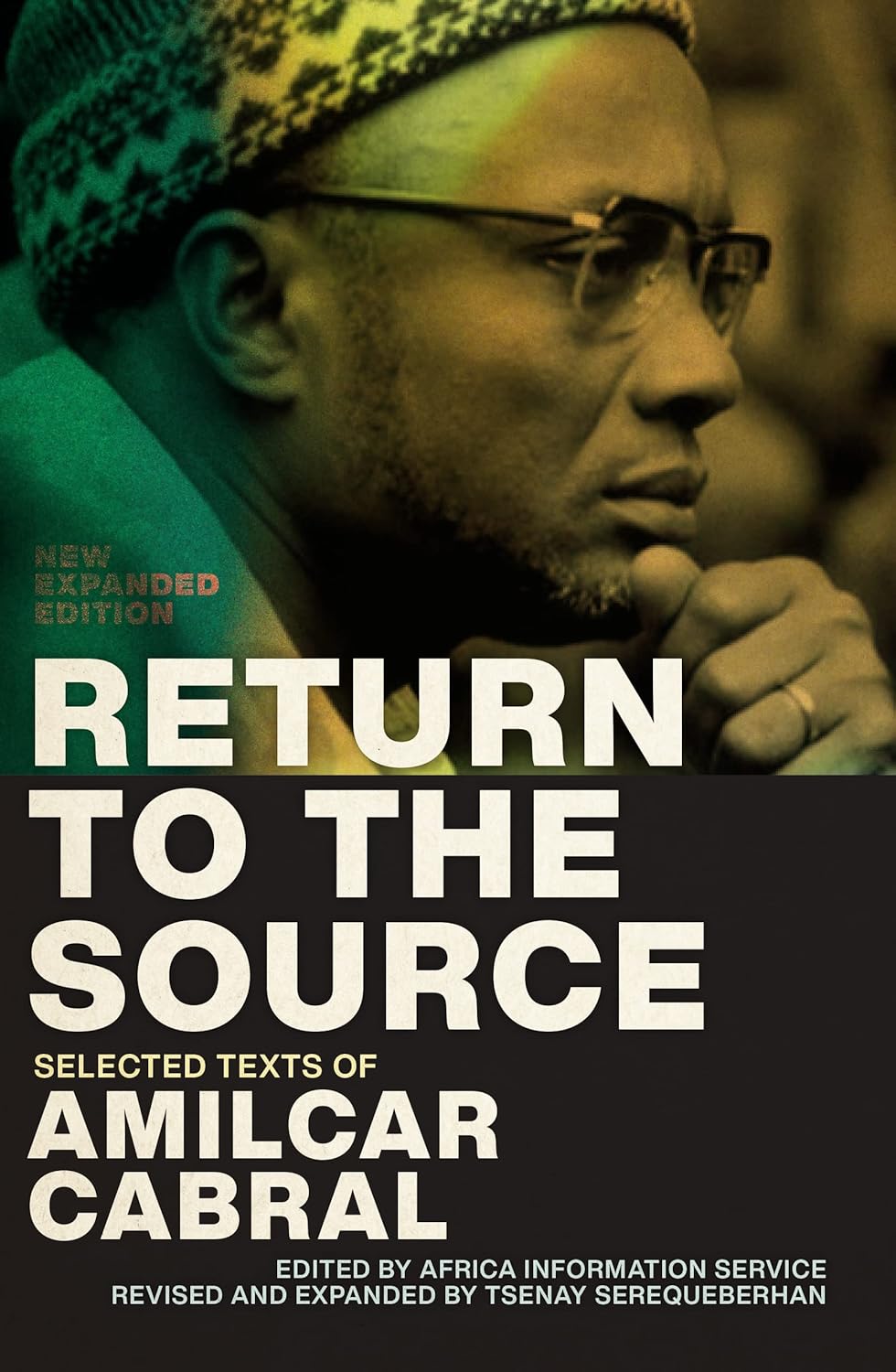
Return to the Source: Selected Texts of Amilcar Cabral_eBook and Audiobook, with Amílcar Cabral The African Revolutionary, Killed by Portugal (Mini-Doc.)

Book Summary

“Return to the Source: Selected Texts of Amilcar Cabral” is a compilation of writings by the influential African revolutionary leader, Amilcar Cabral, who played a pivotal role in the struggle for independence in Guinea-Bissau and Cape Verde. Edited by Tsenay Serequeberhan, the expanded edition released on April 1, 2023, presents a curated selection of Cabral’s texts that reflect his thoughts on colonialism, nationalism, culture, and the importance of revolutionary consciousness. This collection not only highlights Cabral’s contributions to anti-colonial thought but also emphasizes the relevance of his ideas in contemporary struggles for social justice and liberation. The book serves as a vital resource for understanding Cabral’s vision of a liberated Africa and the theoretical foundations of his political activism.

  • Introduction
    • Overview of the book’s significance and objectives
    • Introduction to Amilcar Cabral’s life and legacy
    • Discussion of the editor’s contributions and the purpose of this expanded edition
  • 1: Theoretical Foundations of Cabral’s Thought
    • Exploration of Cabral’s philosophical perspectives on colonialism and imperialism
    • Analysis of his concepts of culture, identity, and nationalism
    • Discussion of the role of historical materialism in Cabral’s framework
  • 2: Colonialism and Its Effects
    • Examination of the impact of colonial rule on African societies
    • Analysis of the psychological and cultural dimensions of colonialism
    • Discussion of Cabral’s critique of colonial power and its economic exploitation
  • 3: The Role of Culture in the Liberation Struggle
    • Exploration of Cabral’s views on the importance of culture in revolutionary movements
    • Analysis of how cultural identity contributes to national consciousness and unity
    • Discussion of the relationship between culture and the struggle for liberation
  • 4: National Liberation and Revolutionary Strategy
    • Examination of Cabral’s strategies for achieving national independence
    • Analysis of the importance of grassroots organizing and popular participation
    • Discussion of the role of the military and armed struggle in the liberation movement
  • 5: Internationalism and Solidarity
    • Exploration of Cabral’s vision of international solidarity among oppressed peoples
    • Analysis of the connections between African liberation and global anti-colonial movements
    • Discussion of Cabral’s engagement with global revolutionary thought
  • 6: Reflections on Post-Colonial Challenges
    • Examination of the challenges faced by newly independent nations
    • Analysis of Cabral’s insights into the pitfalls of post-colonial governance
    • Discussion of the need for ongoing vigilance and revolutionary commitment
  • Conclusion
    • Summary of key themes and insights from Cabral’s writings
    • Reflection on the enduring relevance of Cabral’s thought in contemporary struggles
    • Call to action for readers to engage with Cabral’s ideas in their own contexts

Significance of the Book

“Return to the Source” is an essential text for anyone interested in anti-colonial thought, African history, and revolutionary politics. Amilcar Cabral’s writings provide a nuanced understanding of the complexities of colonialism and the necessity of cultural and political liberation. This expanded edition not only preserves Cabral’s legacy but also makes his ideas accessible to new generations of activists and scholars. By highlighting the importance of culture, identity, and grassroots participation, the book serves as a powerful reminder of the ongoing struggles for justice and equality in the post-colonial world. Cabral’s vision of a liberated Africa continues to inspire movements for social change, making this collection a vital resource for understanding the foundations of contemporary anti-colonial thought.

“Return to the Source: Selected Texts of Amilcar Cabral” is a significant compilation that encapsulates the revolutionary spirit and profound insights of Amilcar Cabral, one of Africa’s foremost anti-colonial leaders and thinkers. The book serves not only as a tribute to Cabral’s intellectual legacy but also as a crucial resource for understanding the dynamics of colonialism, nationalism, and cultural identity in the context of the African liberation struggle. Here’s a deeper exploration of Cabral’s contributions, themes, and the implications of his work:

Key Themes and Contributions

  1. Anti-Colonial Struggle
    • Cabral is best known for his leadership in the fight for independence in Guinea-Bissau and Cape Verde from Portuguese colonial rule. His writings provide an analytical framework for understanding the mechanisms of colonial domination and the necessity of armed struggle as a means of liberation.
    • He emphasizes that colonialism is not merely a political or economic system but also a cultural and psychological one that requires a comprehensive response from the colonized.
  2. Cultural Identity and National Consciousness
    • One of Cabral’s central arguments is that a strong sense of cultural identity is essential for the success of liberation movements. He asserts that culture is not static; rather, it evolves in response to the struggles and aspirations of a people.
    • Cabral stresses the importance of reclaiming African cultural heritage and integrating it into the national consciousness to foster unity and resilience among the oppressed.
  3. The Role of the Masses
    • Cabral advocates for the involvement of the masses in the liberation process. He believes that genuine revolutionary movements must be rooted in the people’s struggles and aspirations.
    • He highlights the importance of education and political consciousness among the populace, arguing that empowering ordinary people is crucial for sustaining the struggle for independence and justice.
  4. Internationalism and Solidarity
    • Cabral was a strong proponent of internationalism, recognizing that the struggles of oppressed peoples worldwide are interconnected. He emphasizes the need for solidarity among liberation movements across Africa and beyond.
    • He engaged with global revolutionary thought, drawing connections between the anti-colonial struggle in Africa and broader movements for social justice, socialism, and equality.
  5. Critique of Post-Colonial Governance
    • In his reflections on the challenges faced by newly independent nations, Cabral warns against the pitfalls of neo-colonialism and the betrayal of revolutionary ideals by emerging elites.
    • He stresses the necessity of maintaining a revolutionary spirit and commitment to the people’s welfare, cautioning against the complacency that can arise after achieving formal independence.

Implications of Cabral’s Thought

  • Relevance to Contemporary Struggles
    • Cabral’s ideas remain highly relevant today, as many countries continue to grapple with the legacies of colonialism, economic exploitation, and social injustice. His insights into the importance of cultural identity and grassroots participation resonate with contemporary movements advocating for equity and justice.
    • Movements for social change, environmental justice, and economic rights can draw inspiration from Cabral’s emphasis on the need for a collective struggle rooted in the lived experiences of the oppressed.
  • Cultural and Psychological Liberation
    • Cabral’s work highlights the significance of cultural reclamation in the process of decolonization. This aspect of his thought is particularly important for communities seeking to restore their cultural heritage and affirm their identities in the face of globalization and cultural homogenization.
    • His focus on psychological liberation underscores the importance of addressing the internalized effects of colonialism, encouraging individuals to reclaim their self-worth and agency.
  • Educational Initiatives
    • Cabral’s advocacy for education as a tool for empowerment can inform contemporary educational initiatives aimed at fostering critical consciousness among young people. His ideas encourage the integration of local histories, cultures, and struggles into educational curricula, promoting a more inclusive and relevant understanding of history.

Conclusion

“Return to the Source” is a vital resource for anyone interested in understanding the complexities of anti-colonial thought and the ongoing struggles for liberation and justice in Africa and beyond. Amilcar Cabral’s writings provide a profound analysis of the interplay between culture, identity, and politics, offering insights that continue to inspire activists and scholars alike. By emphasizing the importance of cultural identity, the role of the masses, and international solidarity, Cabral’s legacy endures as a powerful call to action in the pursuit of social and political change. The expanded edition of this collection ensures that his ideas remain accessible and relevant for future generations committed to the fight against oppression.

Return to the Source_eBook (NEW EXPANDED EDITION)

Pop the document out from the upper right to read / expand / download.

Return to the Source_Audiobook

Amílcar Cabral The African Revolutionary, Killed by Portugal (Mini-Doc.)

Learn more in RBG Communiversity Knowledge Media eLibrary:

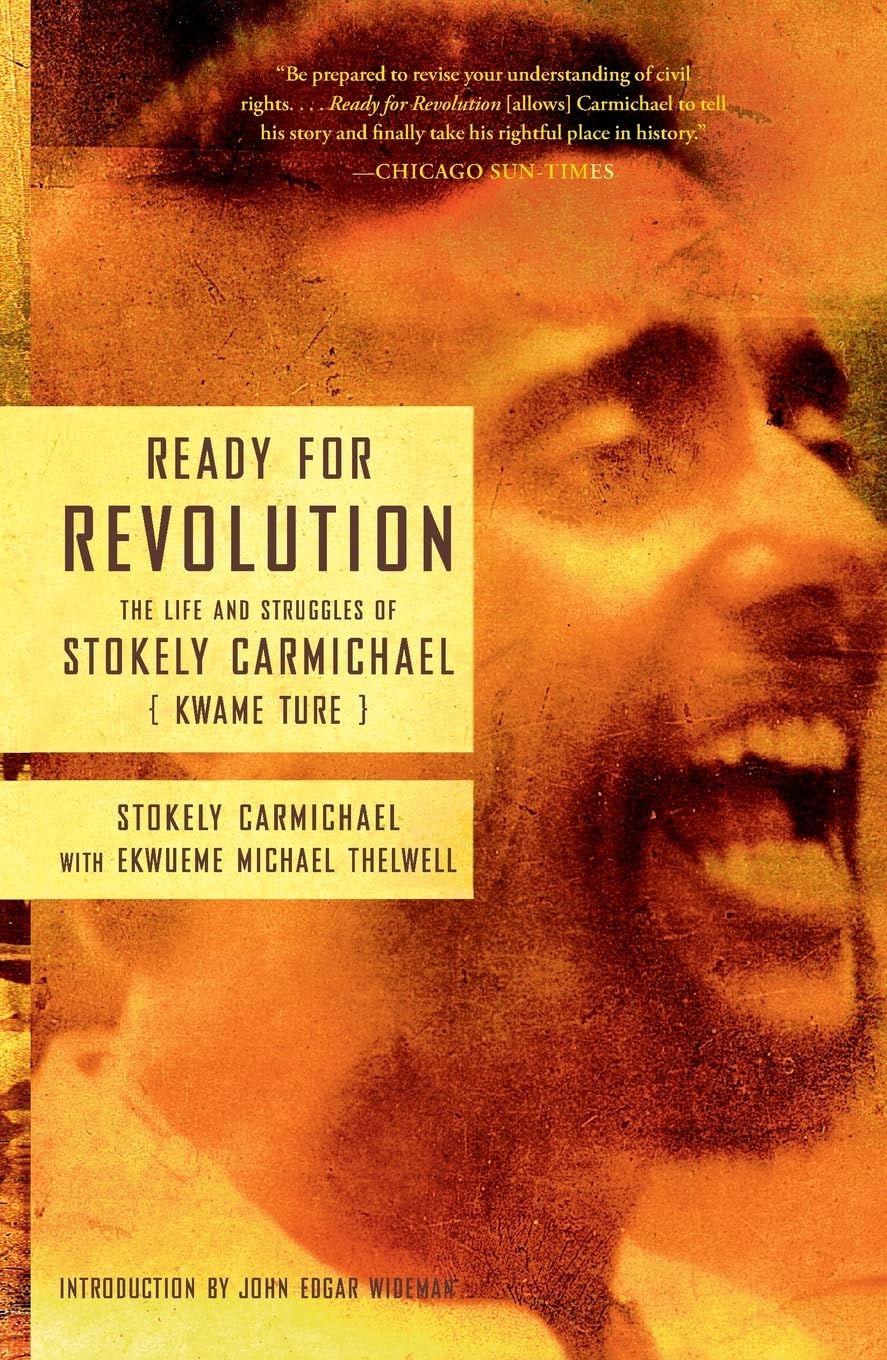
Ready for Revolution_ The Life and Struggles of Stokely Carmichael (Kwame Ture)_eBook and Audiobook, Stokely Carmichael (Kwame Ture) Video Education Player

Ready for Revolution: The Life and Struggles of Stokely Carmichael (Kwame Ture) by Stokely Carmichael (Author), John Edgar Wideman (Introduction), Ekwueme Michael Thelwell (Contributor)

Book Summary

“Ready for Revolution: The Life and Struggles of Stokely Carmichael (Kwame Ture)” is an autobiographical account by Stokely Carmichael, a key figure in the civil rights movement and a prominent advocate for Black power. This book chronicles his journey from a young activist in the South to a leader of the Student Nonviolent Coordinating Committee (SNCC) and later a figurehead in the Pan-African movement. Carmichael reflects on his experiences, the evolution of his political ideology, and the challenges faced by the Black liberation struggle in America and abroad. Through personal anecdotes, historical context, and political insights, Carmichael offers a compelling narrative of resistance, empowerment, and the necessity of revolutionary change.

The outline that follows encapsulates the essence of “Ready for Revolution,” highlighting Stokely Carmichael’s life, activism, and the evolution of his political thought. The autobiography serves as both a personal narrative and a historical account, providing valuable insights into the struggles for civil rights and Black empowerment in the United States and beyond. Through his reflections, Carmichael emphasizes the necessity of revolutionary change and the importance of solidarity in the ongoing fight for justice.

  • Introduction
  • Overview of Stokely Carmichael’s significance in the civil rights movement
  • Brief summary of the themes and objectives of the autobiography
  • Part I: Early Life and Influences
  • Childhood and Family Background
    • Exploration of Carmichael’s upbringing in Trinidad and later in the United States
    • Discussion of the values instilled by his family and their impact on his activism
  • Encountering Racism
    • Analysis of Carmichael’s early experiences with racism and discrimination in America
    • The formation of his consciousness around issues of race and identity
  • Part II: Activism and the Civil Rights Movement
  • Joining SNCC
    • Overview of Carmichael’s involvement with the Student Nonviolent Coordinating Committee
    • Examination of his role in organizing voter registration drives and grassroots activism
  • Rise of the Black Power Movement
    • Discussion of the emergence of the Black Power movement and Carmichael’s advocacy for its principles
    • Reflection on the famous phrase “Black Power” and its implications for the struggle for racial equality
  • Part III: Political Evolution and Internationalism
  • Shift to Revolutionary Politics
    • Analysis of Carmichael’s transition from civil rights activism to revolutionary politics
    • The influence of international figures and movements on his political ideology
  • Pan-Africanism and Global Solidarity
    • Exploration of Carmichael’s commitment to Pan-Africanism and the fight against colonialism
    • Discussion of his travels and interactions with leaders in Africa and the Caribbean
  • Part IV: Legacy and Reflections
  • Critique of American Politics
    • Examination of Carmichael’s criticisms of U.S. policies and the limitations of traditional civil rights strategies
    • Discussion of the need for systemic change and revolutionary action
  • Personal Reflections
    • Insights into Carmichael’s personal struggles, victories, and lessons learned throughout his activism
    • The importance of solidarity and collective action in the fight for liberation
  • Conclusion
  • Summary of Carmichael’s journey and the enduring relevance of his ideas
  • Call to action for future generations to continue the struggle for justice and equality
  • Reflection on the importance of revolutionary consciousness in contemporary movements

“Ready for Revolution” is a powerful and poignant autobiographical account that captures the essence of Stokely Carmichael’s journey as a civil rights activist and revolutionary leader. His life reflects the complexities of the struggle for racial justice in America and the broader fight against imperialism and oppression globally. Here’s a deeper exploration of key themes, contributions, and the significance of the book:

Key Themes Explored

  • Radical Activism and Black Power
  • Carmichael is best known for popularizing the term “Black Power,” which became a rallying cry for a movement that emphasized self-determination, racial pride, and the need for a more militant approach to achieving civil rights.
  • The book illustrates his belief that true liberation could not be achieved through assimilation into a system that perpetuates oppression. Instead, he advocated for a revolutionary transformation of society that embraced Black identity and culture.
  • Intersection of Personal and Political
  • Carmichael’s narrative intertwines his personal experiences with broader political movements. His early encounters with racism and discrimination shaped his understanding of systemic oppression and fueled his commitment to activism.
  • The book presents a candid look at how Carmichael’s personal life influenced his political ideology, including his relationships with other prominent figures in the civil rights movement.
  • Internationalism and Pan-Africanism
  • A significant aspect of Carmichael’s evolution as an activist was his commitment to Pan-Africanism and solidarity with oppressed peoples worldwide. He recognized the interconnectedness of struggles against colonialism and racism across the globe.
  • The book recounts his experiences in Africa and his interactions with leaders such as Kwame Nkrumah and Julius Nyerere, which deepened his understanding of global politics and the fight for liberation.
  • Critique of American Society
  • Carmichael provides a critical analysis of American society, particularly its racial dynamics and systemic injustices. He argues that the traditional civil rights movement’s focus on integration and reform was insufficient to address the root causes of racial oppression.
  • The book challenges readers to confront the realities of capitalism, imperialism, and institutional racism, advocating for a radical rethinking of strategies for social change.

Contributions and Insights

  • Historical Context
  • Carmichael’s autobiography is not only a personal narrative but also a historical document. It captures the spirit of the civil rights movement and the evolution of Black activism during a pivotal time in American history.
  • The book includes reflections on key events, such as the Freedom Rides, voter registration drives in the South, and the rise of the Black Panther Party, providing a firsthand account of the struggles and triumphs of the movement.
  • Authentic Voice
  • Carmichael’s authentic voice and passionate prose convey the urgency of the issues he addresses. He writes with candor about his frustrations, hopes, and the complexities of navigating activism in a turbulent political landscape.
  • His storytelling draws readers into the heart of the civil rights struggle, making it relatable and impactful.

Significance of the Book

  • Educational Resource
  • “Ready for Revolution” serves as an essential resource for understanding the Black Power movement and the broader civil rights struggle. It provides valuable insights for students, activists, and anyone interested in social justice and history.
  • The book encourages critical thinking about race, identity, and the ongoing fight for equality, making it relevant to contemporary discussions on these issues.
  • Inspiration for Future Generations
  • Carmichael’s life and activism inspire future generations to engage in the struggle for justice and empowerment. His emphasis on the need for collective action and revolutionary change resonates with current movements advocating for racial and social justice.
  • The book serves as a reminder of the importance of standing up against oppression and fighting for a more just society.
  • Legacy and Relevance
  • Stokely Carmichael’s legacy continues to influence contemporary movements, including Black Lives Matter and other efforts advocating for racial equity. His ideas about self-determination, solidarity, and the necessity of revolutionary change remain pertinent in today’s socio-political climate.
  • The autobiography reinforces the idea that the struggle for justice is ongoing and that each generation must contribute to the fight.

Conclusion

“Ready for Revolution: The Life and Struggles of Stokely Carmichael (Kwame Ture)” is a compelling and insightful autobiographical account that captures the essence of one of the most prominent voices in the civil rights movement. Stokely Carmichael’s reflections on his life, activism, and political ideology provide a unique perspective on the struggles for racial justice and liberation. Through his powerful narrative, Carmichael emphasizes the importance of self-determination, collective action, and revolutionary change in the fight against oppression. The book serves as both a historical document and a source of inspiration, urging readers to reflect on their roles in the ongoing struggle for justice and equality.

Ready for Revolution: The Life and Struggles of Stokely Carmichael (Kwame Ture)_eBook

Pop the documents out from the upper right to read / expand / download.
Ready for Revolution: The Life and Struggles of Stokely Carmichael (Kwame Ture)_Audiobook, with Kwame Ture (fna Stokely Carmichael) _Audiobok

Part 1

Part 2

Part 3

Part 4

Stokely Carmichael (Kwame Ture) Video Education Player

11 Video Playlist

Learn more in RBG Communiversity Knowledge Media eLibrary:

Ghetto Rebellion to Black Liberation by Claude M. Lightfoot_eBook and Audiobook

Book Summary

“Ghetto Rebellion to Black Liberation” by Claude M. Lightfoot is a critical examination of the social, political, and economic conditions that led to the rise of the Black liberation movement in the United States. Lightfoot explores the historical context of urban uprisings, often referred to as “ghetto rebellions,” during the 1960s and 1970s, and how these events catalyzed a broader movement for civil rights and social justice. The book delves into the experiences of African Americans (New Afrikan) in urban environments and the evolution of their struggles for liberation, highlighting the intersection of race, class, and activism.

The following outline encapsulates Claude M. Lightfoot’s exploration of the dynamics that shaped the Black liberation movement, connecting the historical experiences of urban uprisings to the broader fight for civil rights and social justice in America.

  • Introduction
    • Overview of the book’s purpose and themes
    • Contextualizing the ghetto rebellions within American history
  • Historical Context
    • The legacy of segregation and systemic racism
    • Economic conditions in urban areas affecting Black communities
    • Key events leading up to the 1960s uprisings
  • The Ghetto Rebellions
    • Analysis of major uprisings (e.g., Watts, Detroit, Newark)
      • Causes and triggers of the rebellions
      • Responses from law enforcement and government
    • The role of media in shaping public perception
  • Emergence of the Black Liberation Movement
    • Transition from local uprisings to a unified movement
    • Key organizations and figures involved in the movement
      • The Black Panther Party, SNCC, and others
    • Ideological foundations of Black liberation
  • Cultural Expressions of Resistance
    • Influence of art, music, and literature on the liberation movement
    • The role of cultural identity in fostering activism
    • Notable cultural figures and their contributions
  • Challenges and Internal Conflicts
    • Tensions within the Black liberation movement
    • The impact of government repression and surveillance
    • Divergent strategies and philosophies among activist groups
  • Legacies of the Movement
    • Assessment of the achievements and shortcomings of the liberation movement
    • Long-term effects on policy and societal change
    • Influence on subsequent generations of activists
  • Conclusion
    • Reflection on the transformation from rebellion to organized liberation
    • The importance of understanding history in the context of ongoing struggles
    • Call to action for continued advocacy and resistance against systemic oppression

“Ghetto Rebellion to Black Liberation” provides an in-depth analysis of the complex factors that contributed to the formation of the Black liberation movement, particularly in the context of urban uprisings during the 1960s and 1970s. Here are some expanded themes and details from the book:

Key Themes Explored

  • Systemic Racism and Economic Injustice
    • Lightfoot emphasizes how entrenched racism and economic disenfranchisement created conditions ripe for rebellion in Black communities.
    • He discusses the historical legacy of segregation, discriminatory housing policies, and employment discrimination that marginalized African Americans.
  • Urban Uprisings as Expressions of Frustration
    • The book analyzes specific uprisings, such as the Watts riots in 1965 and the Detroit riots in 1967, detailing the immediate causes, including police brutality and economic inequality.
    • Lightfoot portrays these rebellions not merely as riots but as legitimate expressions of anger and calls for systemic change.
  • Formation of the Black Liberation Movement
    • Lightfoot traces the evolution from spontaneous uprisings to organized movements, highlighting how the collective experiences of oppression led to a unified call for liberation.
    • He discusses the establishment of various organizations, including the Black Panther Party, and their roles in advocating for civil rights, community empowerment, and self-defense.
  • Cultural Identity and Expression
    • The book explores how cultural forms, such as music, art, and literature, served as powerful tools for resistance and community building.
    • Lightfoot examines influential artists and writers who articulated the struggles of Black Americans (New Afrikan) and inspired activism, such as the works of James Baldwin and the rise of soul music.
  • Internal Divisions and Challenges
    • Lightfoot addresses the ideological differences within the movement, including debates over non-violence versus armed resistance, and the roles of various leaders.
    • He also discusses the impact of external pressures, including government surveillance programs like COINTELPRO, which aimed to undermine the movement.

Impact and Legacy

  • Reflection on Achievements
    • The book assesses the successes of the Black liberation movement, noting improvements in civil rights legislation, increased political representation, and the establishment of community programs.
    • Lightfoot highlights how these movements laid the groundwork for future generations of activists and ongoing struggles for racial justice.
  • Contemporary Relevance
    • Lightfoot connects historical events to present-day issues, underscoring the continuity of the fight against systemic racism and economic inequality.
    • He argues for the importance of learning from past struggles to inform current activism and policy advocacy.

Conclusion

“Ghetto Rebellion to Black Liberation” serves as both a historical account and a critical analysis of the dynamics that shaped the Black liberation movement in America. Lightfoot’s work encourages readers to understand the significance of these events in the broader struggle for civil rights and social justice, emphasizing the ongoing relevance of these issues today. By examining the intersection of race, class, and activism, the book provides valuable insights into the complexities of the African American (New Afrikan) experience and the enduring quest for liberation.

Ghetto Rebellion to Black Liberation_eBook

Pop the documents out from the upper right to read / expand / download.

Ghetto Rebellion to Black Liberation_Audiobook

Learn more in RBG Communiversity Knowledge Media eLibrary:

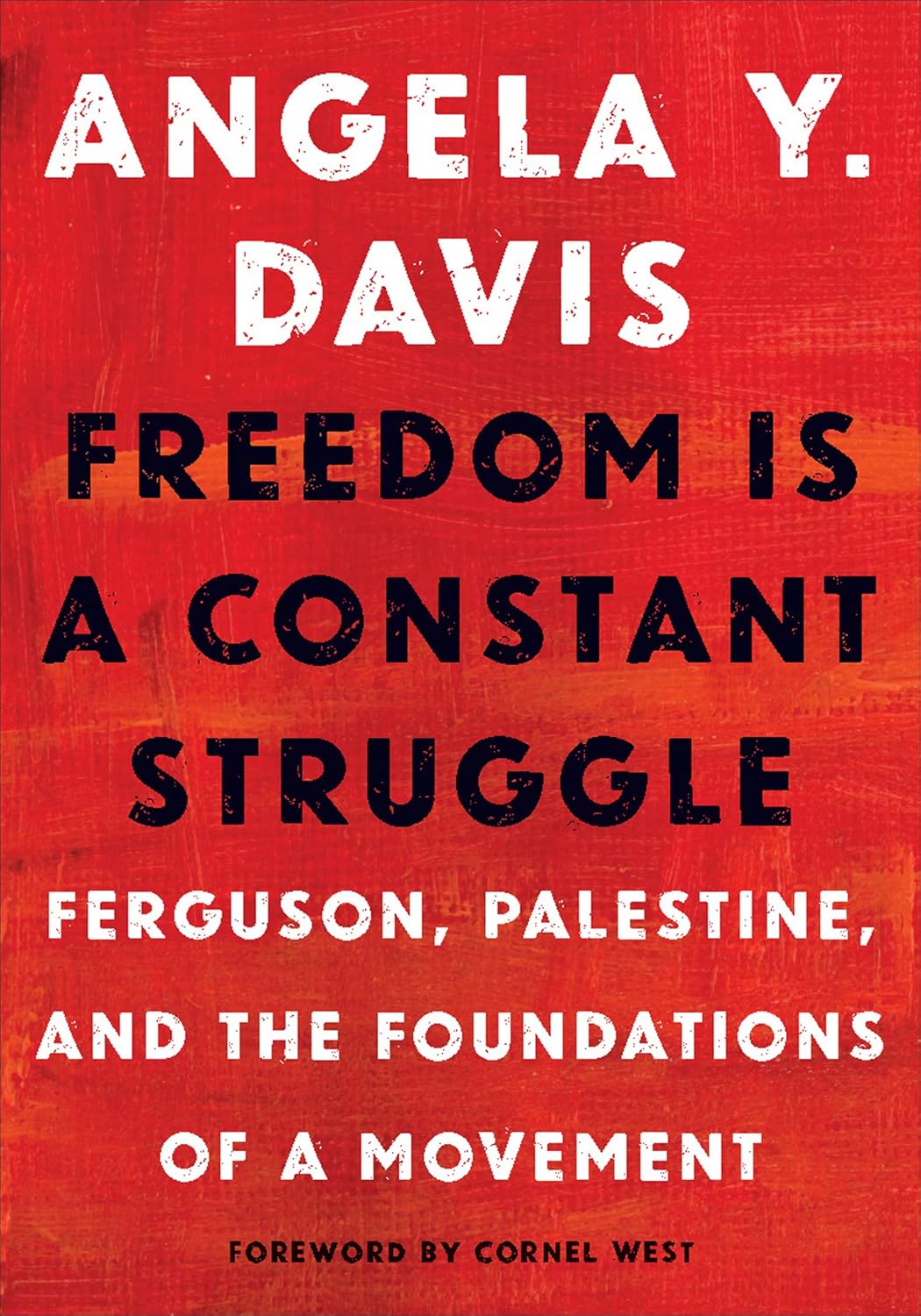
Freedom Is a Constant Struggle: Ferguson, Palestine, and the Foundations of a Movement by Angela Y. Davis_eBook and Audiobook, with ORIGINAL_Gil Scott-Heron – “The Revolution Will Not Be Televised” – w-Lyrics

“Freedom Is a Constant Struggle”_Book Summary

“Freedom Is a Constant Struggle: Ferguson, Palestine, and the Foundations of a Movement” by Angela Y. Davis is a powerful collection of essays and speeches that explores the intersections of social justice movements, particularly focusing on the struggles against racial oppression in the United States and the Palestinian struggle for liberation. Davis draws connections between the experiences of marginalized communities, emphasizing the global nature of resistance against systemic injustice. Through her analysis, she highlights the importance of solidarity, intersectionality, and the need for a comprehensive understanding of freedom that transcends borders. The book serves as a call to action for activists and allies to unite in the fight for justice and equality.

The outline that follows captures the main themes and structure of “Freedom Is a Constant Struggle,” highlighting Angela Y. Davis’s critical analysis of contemporary social justice movements and her call for solidarity in the fight against oppression. The book serves as an important resource for understanding the interconnectedness of struggles for liberation and the necessity of collective action in achieving social justice.

I. Introduction

  • Overview of the book’s purpose: to connect struggles for liberation across different contexts
  • Introduction to Angela Y. Davis and her role as a prominent activist and scholar
  • The significance of examining the intersections of race, class, and gender in social movements

II. Historical Context of Struggles

  • Examination of the historical roots of racial oppression in the United States
  • Overview of the Palestinian struggle for self-determination and liberation
  • Discussion of the global context of colonialism and its impact on marginalized communities

III. The Ferguson Uprising

  • Analysis of the events surrounding the Ferguson protests following the shooting of Michael Brown
  • Exploration of the role of grassroots organizing and community response to police violence
  • Connection between the Ferguson movement and broader Black Lives Matter activism

IV. Solidarity with Palestine

  • Examination of the parallels between the struggles of Black Americans and Palestinians
  • Discussion of the Boycott, Divestment, Sanctions (BDS) movement and its significance
  • The importance of international solidarity in the fight against oppression

V. Intersectionality in Activism

  • Analysis of the importance of intersectionality in understanding social justice movements
  • Exploration of how race, gender, class, and sexuality intersect in the struggle for liberation
  • The role of women and LGBTQ+ individuals in movements for social change

VI. The Role of Education and Consciousness

  • Discussion of the importance of political education and consciousness-raising in activism
  • The need for critical engagement with history and current events to inform movement-building
  • The role of art, culture, and literature in inspiring and mobilizing communities

VII. Reflections on the Future of Movement-Building

  • Insights into the potential for transformative change through collective action
  • The importance of maintaining momentum and solidarity among diverse movements
  • A vision for a more just and equitable future, grounded in the principles of freedom and liberation

VIII. Conclusion

  • Summary of key themes and insights from the book
  • Reflection on the ongoing struggles for justice and the interconnectedness of movements
  • A call to action for readers to engage in the fight for freedom and equality across borders

“Freedom Is a Constant Struggle: Ferguson, Palestine, and the Foundations of a Movement” by Angela Y. Davis is a profound exploration of the connections between various social justice movements, particularly the struggles against systemic racism in the United States and the fight for Palestinian liberation. Through a series of essays and speeches, Davis articulates her vision of a world where freedom and justice are accessible to all, emphasizing the importance of solidarity and collective action.

Key Themes and Insights

  1. Interconnected Struggles:
    • Davis draws parallels between the struggles of Black Americans and Palestinians, highlighting how both groups face systemic oppression and violence rooted in colonialism and racism. She argues that understanding these connections is crucial for building a robust movement for justice.
    • The book emphasizes that the fight for freedom is not confined by national borders; rather, it is a global struggle against various forms of oppression.
  2. Ferguson and the Black Lives Matter Movement:
    • In her analysis of the Ferguson uprising, which followed the police shooting of Michael Brown, Davis discusses the grassroots organizing that emerged in response to state violence. She highlights the significance of the Black Lives Matter movement as a contemporary expression of the ongoing fight against racial injustice.
    • Davis emphasizes the need for sustained activism and community engagement to combat police brutality and systemic racism.
  3. Solidarity with Palestine:
    • Davis advocates for solidarity with the Palestinian struggle, articulating the importance of the Boycott, Divestment, Sanctions (BDS) movement as a means of resisting Israeli occupation and advocating for Palestinian rights.
    • She argues that recognizing the parallels between the experiences of Black Americans and Palestinians can strengthen solidarity efforts and amplify voices fighting for liberation.
  4. Intersectionality:
    • A significant theme in Davis’s work is the concept of intersectionality, which examines how various social identities (race, gender, class, and sexuality) intersect and impact individuals’ experiences of oppression.
    • Davis highlights the vital contributions of women and LGBTQ+ individuals to social justice movements, advocating for an inclusive approach that recognizes the diverse experiences within marginalized communities.
  5. Political Education and Consciousness:
    • Davis underscores the importance of political education in fostering a critical consciousness among activists. She believes that understanding history, systemic oppression, and current events is essential for effective movement-building.
    • The role of art, culture, and literature in inspiring and mobilizing communities is also emphasized, as these mediums can be powerful tools for raising awareness and fostering solidarity.
  6. Vision for the Future:
    • In her reflections on the future of social justice movements, Davis expresses hope for transformative change through collective action and solidarity. She envisions a world where liberation is not just a dream but a reality for all oppressed people.
    • The book concludes with a call to action, urging readers to engage in the ongoing fight for justice and to recognize their roles as allies in various struggles for liberation.

Conclusion

“Freedom Is a Constant Struggle” is a vital contribution to contemporary discussions about social justice, activism, and solidarity. Angela Y. Davis’s eloquent and insightful analysis encourages readers to recognize the interconnectedness of struggles for liberation and to engage actively in the fight against oppression. By drawing on her extensive experience as an activist, scholar, and thinker, Davis provides a framework for understanding the complexities of social justice movements and the importance of collective action.

The book serves as both an educational resource and a rallying cry for those committed to social change, emphasizing that the pursuit of freedom is a continuous journey that requires dedication, solidarity, and a deep understanding of the struggles faced by marginalized communities worldwide.

Click to view full size.

Freedom Is a Constant Struggle_eBook

Angela Y. Davis’s “Freedom Is a Constant Struggle” serves as both a historical account and a manifesto for contemporary resistance, urging readers to recognize the interconnections between various social justice movements and to work collectively towards a more just world

Pop the documents out from the upper right to read / expand / download.

Freedom Is a Constant Struggle_Audiobook

Audio start with Forward and corresponds to page 8 of the above Reader.

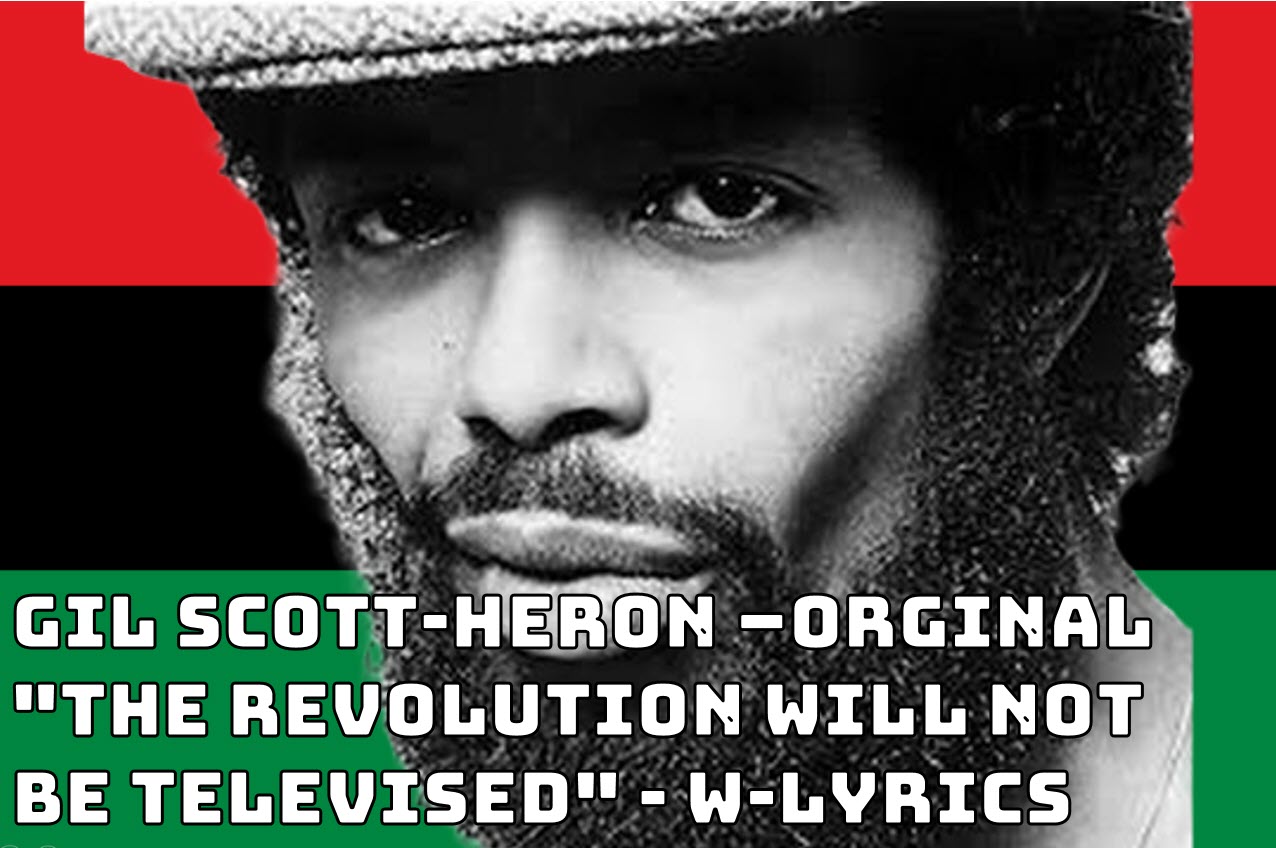
ORIGINAL_Gil Scott-Heron – “The Revolution Will Not Be Televised” – w-Lyrics

Gil Scott-Heron – The Revolution Will Not Be Televised – w-Lyrics

“The Revolution Will Not Be Televised” is a poem and song by Gilbert “Gil” Scott-Heron (April 1, 1949 – May 27, 2011). Song was originally a poem, inspired by the death of Gil’s College Classmate and friend Ron Colbert in November 1969. Colbert died after suffering from a brain Aneurysm, and going untreated while on Campus. The tragedy could have been avoided if the campus infirmary had been staffed and open around the clock. This led to boycotts, protests and demand for change.

Learn more in RBG Communiversity Knowledge Media eLibrary:

Gil Scott Heron Video Anthology