The Apocalypse of Settler Colonialism: The Roots of Slavery, White Supremacy, and Capitalism in 17th Century North America and the Caribbean, by Gerald Horne_eBook and Audiobook

Book Summary (abridged)

“The Apocalypse of Settler Colonialism: The Roots of Slavery, White Supremacy, and Capitalism in 17th Century North America and the Caribbean” by Gerald Horne provides a comprehensive analysis of how the foundations of modern systemic racism, colonial exploitation, and capitalist structures were established in the 17th century. Horne examines the intersections of slavery, white supremacy, and colonialism, arguing that these elements were not only products of their time but also integral to the development of societal norms and economic systems that persist today. Through a detailed historical account, Horne reveals the consequences of these dynamics for Africans and Indigenous peoples, emphasizing the significance of resistance and the ongoing legacy of colonialism.

  • Introduction
    • Overview of the book’s goals and thematic focus
    • Discussion of the historical context surrounding the emergence of settler colonialism
    • Introduction to key concepts: slavery, white supremacy, and capitalism
  • Chapter 1: Beginning
    • Examination of the initial stages of European colonization in North America and the Caribbean
    • Analysis of the motivations behind European imperial expansion
    • Discussion of early interactions between colonizers and Indigenous populations
  • Chapter 2: No Providence for Africans and the Indigenous
    • Exploration of the systemic exclusion of Africans and Indigenous peoples from rights and protections
    • Analysis of the ideological frameworks that justified their marginalization
    • Discussion of the economic interests that underpinned these exclusionary practices
  • Chapter 3: The Rise of the Merchants and the Beheading of a King
    • Examination of the emerging merchant class and its role in colonial economies
    • Analysis of the political upheaval, including the beheading of King Charles I, and its implications for colonial governance
    • Discussion of how these events influenced colonial attitudes toward slavery and Indigenous peoples
  • Chapter 4: Jamaica Seized from Spain: Slavery and the Slave Trade Expand
    • Exploration of the British takeover of Jamaica and its transformation into a plantation economy
    • Analysis of how the expansion of slavery and the slave trade fueled economic growth in the Caribbean
    • Discussion of the social and cultural impacts of this transformation on enslaved Africans
  • Chapter 5: The Dutch Ousted from the Mainland: Slavery and the Slave Trade Expand
    • Examination of the ousting of the Dutch from North America and the subsequent expansion of slavery
    • Analysis of the economic motivations behind this transition and its impact on colonial society
    • Discussion of the implications for Indigenous peoples and enslaved Africans
  • Chapter 6: More Enslaved Africans Arrive in the Caribbean—Along with More Revolts
    • Exploration of the increasing influx of enslaved Africans into the Caribbean and the resulting demographic changes
    • Analysis of the revolts and resistance movements that emerged in response to oppressive conditions
    • Discussion of the significance of these revolts in shaping colonial policies and perceptions
  • Chapter 7: The Spirit of 1676: The Identity Politics of “Whiteness” and Prelude to Colonial Secession
    • Examination of the events surrounding Bacon’s Rebellion and the rise of “whiteness” as a unifying identity among European settlers
    • Analysis of how identity politics influenced colonial governance and social structures
    • Discussion of the implications for Indigenous peoples and enslaved Africans in the context of colonial secession
  • Chapter 8: The “Glorious Revolution” of 1688: Not so Glorious for Africans and the Indigenous
    • Exploration of the Glorious Revolution and its impact on colonial policies regarding slavery and Indigenous relations
    • Analysis of the ways in which the revolution reinforced existing power structures and racial hierarchies
    • Discussion of the consequences for African and Indigenous populations in the aftermath of these events
  • Chapter 9: Apocalypse Now
    • Examination of the cumulative effects of settler colonialism on African and Indigenous peoples
    • Analysis of the contemporary repercussions of historical injustices rooted in the colonial period
    • Discussion of the ongoing struggles for justice and the need for a reckoning with the past

Significance of the Book

Gerald Horne’s “The Apocalypse of Settler Colonialism” is a critical text that sheds light on the deep historical roots of systemic racism, economic exploitation, and social hierarchies in North America and the Caribbean. By tracing these issues back to the 17th century, Horne provides a nuanced understanding of how colonial practices have shaped modern society. The book serves as an essential resource for scholars, activists, and anyone interested in unpacking the historical complexities of race, class, and colonialism, emphasizing the importance of recognizing and addressing the legacies of these systems in contemporary struggles for equity and justice.

Gerald Horne’s “The Apocalypse of Settler Colonialism”_eBook

Pop the documents out from the upper right to read / expand / download.

Gerald Horne’s “The Apocalypse of Settler Colonialism”_Audiobook

Learn more in RBG Communiversity Knowledge Media eLibrary:

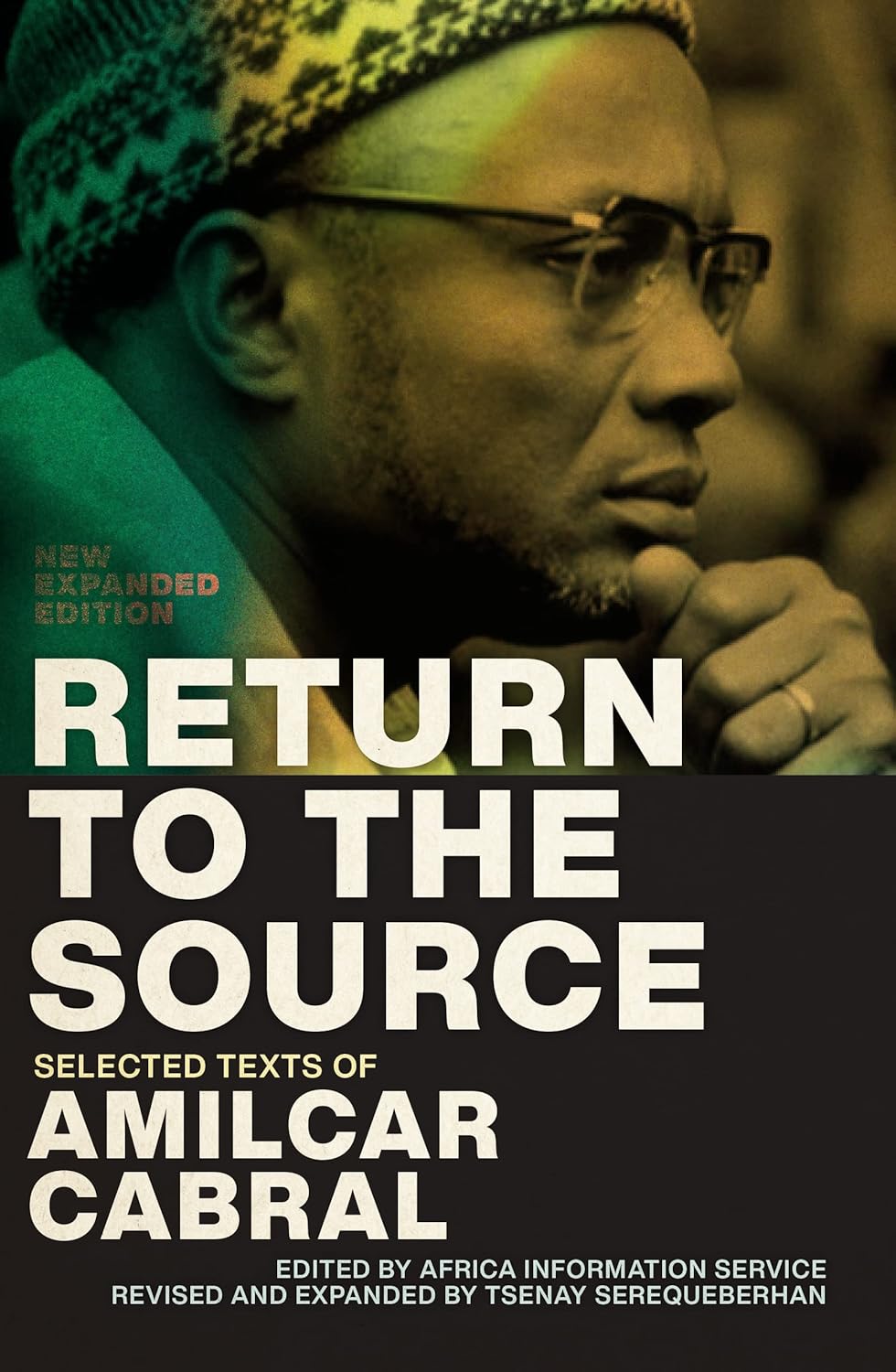
Return to the Source: Selected Texts of Amilcar Cabral_eBook and Audiobook, with Amílcar Cabral The African Revolutionary, Killed by Portugal (Mini-Doc.)

Book Summary

“Return to the Source: Selected Texts of Amilcar Cabral” is a compilation of writings by the influential African revolutionary leader, Amilcar Cabral, who played a pivotal role in the struggle for independence in Guinea-Bissau and Cape Verde. Edited by Tsenay Serequeberhan, the expanded edition released on April 1, 2023, presents a curated selection of Cabral’s texts that reflect his thoughts on colonialism, nationalism, culture, and the importance of revolutionary consciousness. This collection not only highlights Cabral’s contributions to anti-colonial thought but also emphasizes the relevance of his ideas in contemporary struggles for social justice and liberation. The book serves as a vital resource for understanding Cabral’s vision of a liberated Africa and the theoretical foundations of his political activism.

  • Introduction
    • Overview of the book’s significance and objectives
    • Introduction to Amilcar Cabral’s life and legacy
    • Discussion of the editor’s contributions and the purpose of this expanded edition
  • 1: Theoretical Foundations of Cabral’s Thought
    • Exploration of Cabral’s philosophical perspectives on colonialism and imperialism
    • Analysis of his concepts of culture, identity, and nationalism
    • Discussion of the role of historical materialism in Cabral’s framework
  • 2: Colonialism and Its Effects
    • Examination of the impact of colonial rule on African societies
    • Analysis of the psychological and cultural dimensions of colonialism
    • Discussion of Cabral’s critique of colonial power and its economic exploitation
  • 3: The Role of Culture in the Liberation Struggle
    • Exploration of Cabral’s views on the importance of culture in revolutionary movements
    • Analysis of how cultural identity contributes to national consciousness and unity
    • Discussion of the relationship between culture and the struggle for liberation
  • 4: National Liberation and Revolutionary Strategy
    • Examination of Cabral’s strategies for achieving national independence
    • Analysis of the importance of grassroots organizing and popular participation
    • Discussion of the role of the military and armed struggle in the liberation movement
  • 5: Internationalism and Solidarity
    • Exploration of Cabral’s vision of international solidarity among oppressed peoples
    • Analysis of the connections between African liberation and global anti-colonial movements
    • Discussion of Cabral’s engagement with global revolutionary thought
  • 6: Reflections on Post-Colonial Challenges
    • Examination of the challenges faced by newly independent nations
    • Analysis of Cabral’s insights into the pitfalls of post-colonial governance
    • Discussion of the need for ongoing vigilance and revolutionary commitment
  • Conclusion
    • Summary of key themes and insights from Cabral’s writings
    • Reflection on the enduring relevance of Cabral’s thought in contemporary struggles
    • Call to action for readers to engage with Cabral’s ideas in their own contexts

Significance of the Book

“Return to the Source” is an essential text for anyone interested in anti-colonial thought, African history, and revolutionary politics. Amilcar Cabral’s writings provide a nuanced understanding of the complexities of colonialism and the necessity of cultural and political liberation. This expanded edition not only preserves Cabral’s legacy but also makes his ideas accessible to new generations of activists and scholars. By highlighting the importance of culture, identity, and grassroots participation, the book serves as a powerful reminder of the ongoing struggles for justice and equality in the post-colonial world. Cabral’s vision of a liberated Africa continues to inspire movements for social change, making this collection a vital resource for understanding the foundations of contemporary anti-colonial thought.

“Return to the Source: Selected Texts of Amilcar Cabral” is a significant compilation that encapsulates the revolutionary spirit and profound insights of Amilcar Cabral, one of Africa’s foremost anti-colonial leaders and thinkers. The book serves not only as a tribute to Cabral’s intellectual legacy but also as a crucial resource for understanding the dynamics of colonialism, nationalism, and cultural identity in the context of the African liberation struggle. Here’s a deeper exploration of Cabral’s contributions, themes, and the implications of his work:

Key Themes and Contributions

  1. Anti-Colonial Struggle
    • Cabral is best known for his leadership in the fight for independence in Guinea-Bissau and Cape Verde from Portuguese colonial rule. His writings provide an analytical framework for understanding the mechanisms of colonial domination and the necessity of armed struggle as a means of liberation.
    • He emphasizes that colonialism is not merely a political or economic system but also a cultural and psychological one that requires a comprehensive response from the colonized.
  2. Cultural Identity and National Consciousness
    • One of Cabral’s central arguments is that a strong sense of cultural identity is essential for the success of liberation movements. He asserts that culture is not static; rather, it evolves in response to the struggles and aspirations of a people.
    • Cabral stresses the importance of reclaiming African cultural heritage and integrating it into the national consciousness to foster unity and resilience among the oppressed.
  3. The Role of the Masses
    • Cabral advocates for the involvement of the masses in the liberation process. He believes that genuine revolutionary movements must be rooted in the people’s struggles and aspirations.
    • He highlights the importance of education and political consciousness among the populace, arguing that empowering ordinary people is crucial for sustaining the struggle for independence and justice.
  4. Internationalism and Solidarity
    • Cabral was a strong proponent of internationalism, recognizing that the struggles of oppressed peoples worldwide are interconnected. He emphasizes the need for solidarity among liberation movements across Africa and beyond.
    • He engaged with global revolutionary thought, drawing connections between the anti-colonial struggle in Africa and broader movements for social justice, socialism, and equality.
  5. Critique of Post-Colonial Governance
    • In his reflections on the challenges faced by newly independent nations, Cabral warns against the pitfalls of neo-colonialism and the betrayal of revolutionary ideals by emerging elites.
    • He stresses the necessity of maintaining a revolutionary spirit and commitment to the people’s welfare, cautioning against the complacency that can arise after achieving formal independence.

Implications of Cabral’s Thought

  • Relevance to Contemporary Struggles
    • Cabral’s ideas remain highly relevant today, as many countries continue to grapple with the legacies of colonialism, economic exploitation, and social injustice. His insights into the importance of cultural identity and grassroots participation resonate with contemporary movements advocating for equity and justice.
    • Movements for social change, environmental justice, and economic rights can draw inspiration from Cabral’s emphasis on the need for a collective struggle rooted in the lived experiences of the oppressed.
  • Cultural and Psychological Liberation
    • Cabral’s work highlights the significance of cultural reclamation in the process of decolonization. This aspect of his thought is particularly important for communities seeking to restore their cultural heritage and affirm their identities in the face of globalization and cultural homogenization.
    • His focus on psychological liberation underscores the importance of addressing the internalized effects of colonialism, encouraging individuals to reclaim their self-worth and agency.
  • Educational Initiatives
    • Cabral’s advocacy for education as a tool for empowerment can inform contemporary educational initiatives aimed at fostering critical consciousness among young people. His ideas encourage the integration of local histories, cultures, and struggles into educational curricula, promoting a more inclusive and relevant understanding of history.

Conclusion

“Return to the Source” is a vital resource for anyone interested in understanding the complexities of anti-colonial thought and the ongoing struggles for liberation and justice in Africa and beyond. Amilcar Cabral’s writings provide a profound analysis of the interplay between culture, identity, and politics, offering insights that continue to inspire activists and scholars alike. By emphasizing the importance of cultural identity, the role of the masses, and international solidarity, Cabral’s legacy endures as a powerful call to action in the pursuit of social and political change. The expanded edition of this collection ensures that his ideas remain accessible and relevant for future generations committed to the fight against oppression.

Return to the Source_eBook (NEW EXPANDED EDITION)

Pop the document out from the upper right to read / expand / download.

Return to the Source_Audiobook

Amílcar Cabral The African Revolutionary, Killed by Portugal (Mini-Doc.)

Learn more in RBG Communiversity Knowledge Media eLibrary:

Endless Holocausts: Mass Death in the History of the United States Empire by David Michael Smith_eBook and Audiobook

Book Summary

“Endless Holocausts: Mass Death in the History of the United States Empire” by David Michael Smith is a critical examination of the recurring themes of mass violence and genocide throughout American history. The book explores how systemic oppression, colonialism, and imperial ambitions have led to widespread death and suffering, particularly among marginalized communities. Smith argues that these historical atrocities are often overlooked or minimized in mainstream narratives, and he seeks to confront the uncomfortable truths about the United States’ role in perpetuating mass death both domestically and abroad. Through a combination of historical analysis, case studies, and theoretical frameworks, the book aims to shed light on the darker aspects of American empire and challenge readers to acknowledge and confront this legacy.

Outline

  • Introduction
    • Overview of the book’s themes and objectives
    • Discussion of the concept of “endless holocausts” in relation to U.S. history
    • Introduction to the framework for analyzing mass death and systemic violence
  • 1: Colonial Foundations of Mass Death
    • Examination of the genocidal practices against Indigenous peoples during colonization
    • Analysis of how colonialism laid the groundwork for future acts of mass violence
    • Discussion of the role of racism and ideology in justifying violence against marginalized populations
  • 2: Slavery and the Slave Trade
    • Exploration of the impact of the transatlantic slave trade on African populations
    • Analysis of the violence and dehumanization inherent in the institution of slavery
    • Discussion of the long-term consequences of slavery on American society and race relations
  • 3: The Indian Wars and Expansionism
    • Examination of U.S. military campaigns against Indigenous nations in the 19th century
    • Analysis of the policies of removal, relocation, and extermination
    • Discussion of how these actions were rationalized by notions of Manifest Destiny
  • 4: Imperialism and Foreign Interventions
    • Exploration of U.S. imperialism in the late 19th and early 20th centuries
    • Analysis of military interventions in places like the Philippines, Latin America, and beyond
    • Discussion of the consequences of these interventions for local populations and global politics
  • 5: The Cold War and Mass Violence
    • Examination of the U.S. role in supporting authoritarian regimes and engaging in covert operations during the Cold War
    • Analysis of the impact of U.S. policies on human rights and mass atrocities in various regions
    • Discussion of the legacy of Cold War interventions on contemporary global issues
  • 6: The War on Terror and Contemporary Mass Death
    • Exploration of the repercussions of the War on Terror, including the invasions of Afghanistan and Iraq
    • Analysis of civilian casualties and the human cost of military engagements
    • Discussion of the ongoing repercussions of these conflicts on global stability and human rights
  • 7: The Political Economy of Mass Death
    • Examination of the economic and political factors that contribute to mass violence
    • Discussion of the role of capitalism, militarism, and imperial interests in perpetuating cycles of violence
    • Analysis of how systemic inequalities and exploitation lead to mass death
  • 8: Acknowledging and Confronting the Legacy
    • Exploration of the importance of recognizing and confronting the history of mass death in the U.S.
    • Discussion of the role of education, activism, and historical memory in addressing these issues
    • Advocacy for a more truthful and comprehensive understanding of American history
  • Conclusion
    • Summary of key themes and insights presented throughout the book
    • Reflection on the implications of mass death for contemporary society and politics
    • Call to action for individuals and communities to engage with this legacy and work towards justice

Significance of the Book

“Endless Holocausts” is a provocative and essential contribution to the discourse on American history, imperialism, and systemic violence. David Michael Smith’s critical examination of mass death and the historical patterns that underlie it challenges readers to confront uncomfortable truths about the United States’ role in perpetuating suffering both domestically and globally. By drawing connections between past atrocities and contemporary issues, the book calls for a reckoning with history and a commitment to justice for marginalized communities. Smith’s work serves as a reminder of the need for accountability and awareness in the ongoing struggle against systemic oppression and violence.

“Endless Holocausts: Mass Death in the History of the United States Empire” is a profound and thought-provoking exploration of how mass violence and genocide have been integral to the historical narrative of the United States. The book challenges readers to confront the uncomfortable realities of American history, focusing on the systemic oppression and mass death that have characterized the nation’s imperial trajectory. Here’s a deeper look into the key themes, arguments, and implications presented in the book:

Key Themes and Arguments

  1. Historical Continuity of Violence
    • Smith argues that mass death is not just an aberration in American history but rather a recurring theme fueled by imperial ambitions, colonial policies, and systemic racism. He presents a narrative that connects past atrocities to contemporary issues, emphasizing that understanding this continuity is essential for addressing current injustices.
    • The book contends that the patterns of violence established in earlier historical periods still resonate today, influencing policies and societal attitudes.
  2. Colonialism and Genocide
    • The examination of colonialism serves as a foundational aspect of the book. Smith details how the colonization of Indigenous lands involved systematic violence, displacement, and extermination. This historical context is crucial for understanding the ongoing effects of colonialism on Indigenous communities in the U.S.
    • He emphasizes that the ideologies that justified these violent actions—such as manifest destiny and racial superiority—continue to inform contemporary attitudes towards marginalized groups.
  3. Slavery and Racial Oppression
    • The book delves into the violent legacy of slavery and the transatlantic slave trade, highlighting the dehumanization and brutality faced by enslaved Africans. Smith argues that this legacy has profound implications for race relations in the United States, contributing to systemic racism and social inequities that persist today.
    • Smith explores how the institution of slavery was not only a means of economic exploitation but also a mechanism of mass death, with countless lives lost due to violence, neglect, and inhumane conditions.
  4. Imperialism and Military Interventions
    • Smith analyzes U.S. imperialism, particularly during the late 19th and early 20th centuries, revealing how military interventions in countries like the Philippines and various Latin American nations resulted in significant civilian casualties and suffering.
    • The book discusses how these interventions were often framed as benevolent actions but were fundamentally driven by economic and strategic interests, leading to the imposition of American power at the cost of local populations.
  5. Cold War Atrocities
    • The Cold War period is scrutinized for its role in perpetuating mass violence, with the U.S. supporting authoritarian regimes and engaging in covert operations that resulted in human rights abuses and mass deaths in various regions.
    • Smith argues that the geopolitical motivations of this era contributed to a culture of impunity and disregard for human rights, with lasting consequences that are still felt in many parts of the world.
  6. Contemporary Context of Mass Death
    • In examining the War on Terror, Smith highlights the human cost of U.S. military actions in Afghanistan and Iraq, drawing attention to civilian casualties and the broader implications for global stability.
    • The author critiques the narratives surrounding these conflicts, emphasizing the need to acknowledge the suffering inflicted on populations as a result of these military engagements.
  7. Political Economy and Systemic Inequalities
    • The book also explores the relationship between economic systems, political power, and mass death. Smith argues that capitalism and militarism are intertwined, creating conditions that enable violence and exploitation.
    • He discusses how systemic inequalities, driven by race and class, contribute to cycles of violence and oppression, making it crucial to address these root causes in any effort to achieve justice.

Implications and Challenges

  • Confronting Historical Narratives
    • “Endless Holocausts” challenges conventional historical narratives that often minimize or omit discussions of mass death and systemic violence. Smith advocates for a more comprehensive understanding of U.S. history that includes these darker chapters, arguing that acknowledgment is a crucial first step towards healing and justice.
    • By reframing history through the lens of mass death and oppression, the book encourages readers to critically evaluate the implications of this legacy for contemporary society.
  • Call for Justice and Accountability
    • The book emphasizes the importance of accountability for past atrocities and the need for reparative justice for affected communities. Smith argues that recognizing historical injustices is essential for addressing current inequalities and preventing future violence.
    • He advocates for activism and educational initiatives that highlight these issues, calling on individuals and communities to engage in the ongoing struggle for justice and equity.
  • Vision for a Just Future
    • Ultimately, Smith’s work serves as a call to action, urging readers to confront the realities of mass death and systemic oppression in order to build a more just and equitable society. He emphasizes the role of collective memory, activism, and policy change in achieving this vision.
    • The book underscores the need for a societal commitment to dismantling oppressive systems, fostering dialogue, and creating conditions that promote human rights and dignity for all.

Conclusion

“Endless Holocausts” is a critical and necessary contribution to the discourse on American history, imperialism, and systemic violence. David Michael Smith’s exploration of mass death and its historical roots challenges readers to confront uncomfortable truths about the United States’ legacy and its implications for contemporary society. By connecting past atrocities to ongoing struggles for justice, the book serves as both a historical analysis and a call to action for individuals and communities committed to confronting oppression and building a more equitable future.

Endless Holocausts_eBook

Pop the documents out from the upper right to read / expand / download.

Endless Holocausts_Audiobook

Learn more in RBG Communiversity Knowledge Media eLibrary:

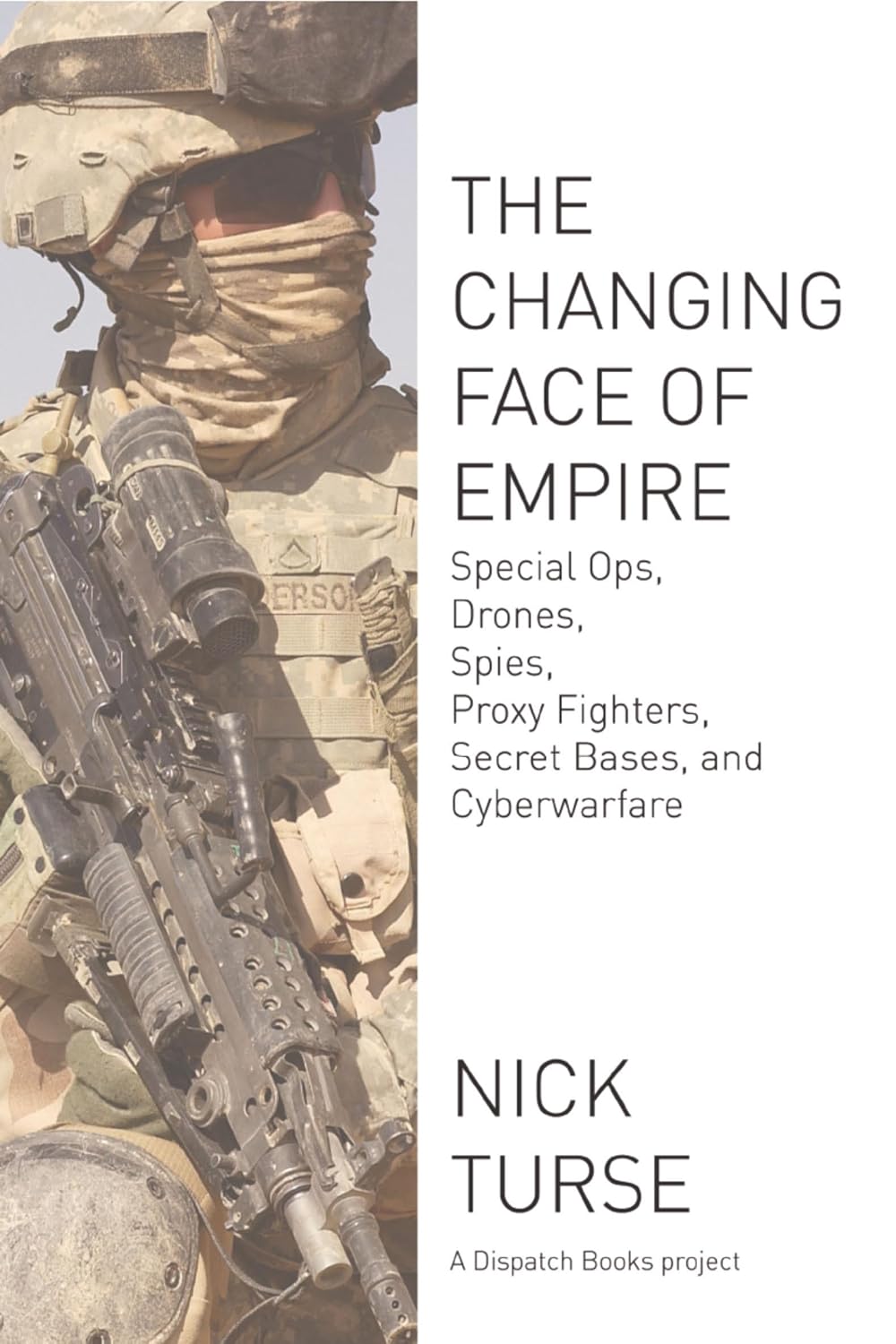
The Changing Face of Empire: Special Ops, Drones, Spies, Proxy Fighters, Secret Bases, and Cyberwarfare (Nick Turse)_eBook and Audiobook, with Supplemental: Oreshnik Hypersonic Missile

Book Summary

“The Changing Face of Empire: Special Ops, Drones, Spies, Proxy Fighters, Secret Bases, and Cyberwarfare” by Nick Turse examines the evolution of U.S. military strategy and imperialism in the 21st century. Turse argues that traditional warfare has been largely replaced by covert operations, advanced technology, and new forms of engagement that blur the lines between war and peace. The book explores the roles of special operations forces, drones, intelligence agencies, and cyber warfare, analyzing how these elements reshaped American military interventions and global power dynamics. Turse critically assesses the implications of these changes for international relations, national security, and the future of warfare.

  • Introduction
    • Overview of the book’s main themes and objectives
    • Discussion of the historical context of American military interventions
    • Introduction to the concept of “empire” in the contemporary landscape
  • Chapter 1: The New Face of Warfare
    • Examination of the shift from conventional warfare to unconventional tactics
    • Discussion of the implications of this shift for military strategy and national security
    • Introduction of key concepts such as asymmetrical warfare and hybrid threats
  • Chapter 2: Special Operations Forces
    • Analysis of the increasing reliance on special operations forces in U.S. military strategy
    • Overview of the roles and missions of these forces, including counterterrorism and direct action
    • Examination of the impact of special ops on traditional military engagements and international law
  • Chapter 3: Drones and Remote Warfare
    • Exploration of the use of drones in modern military operations
    • Discussion of the ethical and legal implications of drone strikes
    • Case studies of notable drone operations and their impact on local populations
  • Chapter 4: Intelligence and Espionage
    • Examination of the role of intelligence agencies in shaping U.S. military strategy
    • Discussion of modern espionage techniques and their significance for national security
    • Analysis of the balance between intelligence gathering and civil liberties
  • Chapter 5: Proxy Wars and Non-State Actors
    • Exploration of the use of proxy fighters in contemporary conflicts
    • Analysis of how states leverage non-state actors to achieve strategic objectives
    • Case studies of proxy warfare in regions such as the Middle East and Eastern Europe
  • Chapter 6: Secret Bases and Global Reach
    • Discussion of the establishment and significance of secret military bases around the world
    • Examination of the strategic advantages these bases provide for U.S. military operations
    • Analysis of the political and social implications of maintaining these bases
  • Chapter 7: Cyberwarfare and the Digital Battlefield
    • Overview of the rise of cyber capabilities as a tool of modern warfare
    • Discussion of the implications of cyber-attacks on national security and infrastructure
    • Analysis of information warfare and its role in shaping public perception and political outcomes
  • Chapter 8: The Future of American Empire
    • Reflection on the trends shaping the future of U.S. military strategy and imperialism
    • Discussion of the potential consequences for global power dynamics and international relations
    • Exploration of the ethical dilemmas posed by emerging technologies in warfare
  • Conclusion
    • Summary of key findings and insights from the book
    • Reflection on the challenges of understanding and addressing the changing nature of warfare
    • Call to action for policymakers, scholars, and the public to engage with the implications of modern military strategies

Significance of the Book

“The Changing Face of Empire” provides a critical analysis of how U.S. military strategies have evolved in response to new geopolitical challenges and technological advancements. Turse’s exploration of special operations, drones, and cyber warfare offers valuable insights into the complexities of contemporary conflicts and their implications for global security and international relations. The book urges readers to critically assess the ethical and political dimensions of modern military engagements, advocating for a deeper understanding of the changing nature of warfare and its impact on the world stage.

“The Changing Face of Empire” delves deeply into the transformation of U.S. military operations and imperial strategies, reflecting on how the nature of warfare has shifted in the 21st century. Here’s a more detailed exploration of the book’s key themes, arguments, and implications:

Key Themes and Arguments

  1. Shift from Conventional Warfare to Covert Operations
    • Turse argues that the traditional model of warfare, characterized by large-scale troop deployments and conventional battles, has largely been supplanted by covert and technologically advanced operations. This shift reflects the changing nature of global conflicts, where direct military engagement is often seen as less favorable or politically viable.
    • The book posits that these covert operations allow for a more flexible, deniable, and less accountable approach to military intervention.
  2. Role of Special Operations Forces
    • Special operations forces (SOF) have become integral to U.S. military strategy. Turse highlights their diverse roles in counterterrorism, intelligence gathering, and direct action missions, showcasing their ability to operate in complex and high-stakes environments.
    • The author critiques the growing reliance on SOF, suggesting that their involvement often leads to a lack of oversight and accountability, raising concerns about the legality and ethics of their operations.
  3. Drone Warfare and Its Implications
    • The use of drones for targeted strikes has transformed military engagement. Turse examines the operational advantages of drones, such as precision and reduced risk to U.S. personnel, but also addresses the ethical and legal dilemmas they present.
    • The book discusses the psychological impact of drone warfare on both operators and targeted communities, as well as the potential for increased civilian casualties and the consequences of remote warfare on local populations.
  4. Intelligence and Espionage
    • Turse explores the expanding role of intelligence agencies in modern military operations. The book details how intelligence gathering informs military strategy and operations, often operating in secrecy and without public knowledge.
    • The balance between national security and civil liberties is a central concern, as the author highlights the potential for overreach and abuse in intelligence practices.
  5. Proxy Warfare and Non-State Actors
    • The book delves into the use of proxy fighters, where states support non-state actors to achieve their geopolitical objectives. Turse analyzes how this strategy allows for less direct engagement and minimizes political costs while still pursuing strategic aims.
    • Case studies illustrate the complexity of proxy warfare, with examples from regions like the Middle East, where the dynamics of such conflicts can lead to unintended consequences.
  6. Secret Military Bases
    • Turse examines the establishment and significance of secret military bases worldwide, which serve as strategic assets for U.S. operations. These bases facilitate rapid deployment and logistical support, but they also raise questions about sovereignty, local opposition, and the implications for host nations.
    • The author discusses the often-hidden nature of these bases and their impact on international relations, including the tensions they can create with local populations and governments.
  7. Cyberwarfare and Information Warfare
    • The rise of cyber capabilities marks a new frontier in warfare. Turse explores how states engage in cyber operations to disrupt adversaries, gather intelligence, and influence political outcomes.
    • Information warfare, including disinformation campaigns, is also addressed, highlighting how digital strategies can shape public perception, manipulate narratives, and impact democratic processes.

Implications and Challenges

  • Changing Global Power Dynamics
    • Turse’s analysis raises important questions about the implications of these evolving military strategies for global power dynamics. The shift towards covert operations and reliance on technology may alter the landscape of international relations, with new actors and methodologies emerging.
    • The book calls attention to how these changes can lead to escalating conflicts and the potential for unintended consequences as states navigate complex geopolitical environments.
  • Ethics and Accountability
    • The ethical implications of modern military practices are a recurring theme in the book. Turse emphasizes the need for greater transparency, oversight, and accountability in military operations, especially concerning drone strikes and special operations.
    • He advocates for a critical examination of the moral dimensions of warfare, urging policymakers and the public to consider the long-term consequences of military interventions on affected communities and global stability.
  • Future of Warfare
    • The concluding sections of the book reflect on the future of American military strategy and imperialism. Turse discusses the potential for continued reliance on technology and covert operations, raising concerns about the sustainability of such approaches in addressing complex global challenges.
    • The book encourages readers to engage with the implications of these changes for future conflicts and the ethical responsibilities of states in an increasingly interconnected world.

Conclusion

“The Changing Face of Empire” serves as a vital examination of the evolving strategies of warfare and imperialism in the contemporary era. Nick Turse’s analysis of special operations, drones, cyber capabilities, and proxy warfare provides a comprehensive understanding of the complexities of modern military engagements. The book challenges readers to critically assess the implications of these strategies for global security, ethical governance, and the future of international relations. By highlighting the need for accountability and a nuanced understanding of the changing nature of warfare, Turse’s work contributes to important discussions about how societies can navigate the challenges posed by modern military practices while prioritizing peace and human rights.

The Changing Face of Empire_eBook

Pop the documents out from the upper right to read / expand / download.

The Changing Face of Empire_Audiobook

Oreshnik Hypersonic Missile | How Russian Intercontinental Ballistic Nuclear Missile Works?

Learn more in RBG Communiversity Knowledge Media eLibrary:

A Taste of Power: A Black Woman’s Story Elaine Brown_eBook and Audiobook, with Elaine Brown – Seize the Time – Black Panther -Full Album

“Profound, funny …  wild and moving  heartbreaking accounts of a lonely black childhood…. Brown sees racial oppression in national and global context; every political word she writes pounds home a lesson about commerce, money, racism, communism, you name it … A glowing achievement.” —Los Angeles Times

Book Summary

“A Taste of Power: A Black Woman’s Story” by Elaine Brown is a powerful memoir that chronicles her life and experiences as a prominent leader in the Black Panther Party during the late 1960s and early 1970s. As the first woman to lead the party, Brown offers an insider’s perspective on the struggle for civil rights, social justice, and the complexities of gender and race within the movement. The memoir not only details her personal journey but also reflects on the broader socio-political landscape of the time, including the challenges faced by the Black community and the internal dynamics of the Black Panther Party. Brown’s narrative serves as both a historical account and a deeply personal exploration of the sacrifices, achievements, and ongoing struggles for liberation.

  • Introduction
    • Overview of the book’s themes and objectives
    • Introduction to Elaine Brown’s background and her role in the Black Panther Party
    • Contextualization of the civil rights movement and the emergence of the Black Panther Party
  • Chapter 1: Early Life and Influences
    • Description of Brown’s upbringing in a segregated America
    • Discussion of her family background and early experiences with racism
    • Exploration of the formative events that shaped her political consciousness
  • Chapter 2: Joining the Black Panther Party
    • Account of Brown’s introduction to the Black Panther Party and her motivations for joining
    • Description of the party’s goals, activities, and community programs
    • Reflection on her early experiences and the impact of party ideology on her life
  • Chapter 3: Rise to Leadership
    • Overview of Brown’s ascent within the Black Panther Party, culminating in her role as chairwoman
    • Discussion of the challenges she faced as a woman in a male-dominated organization
    • Exploration of her leadership style and vision for the party’s future
  • Chapter 4: Struggles and Conflicts
    • Examination of internal conflicts within the Black Panther Party, including issues of sexism and power dynamics
    • Discussion of the party’s confrontations with law enforcement and government surveillance
    • Reflection on the personal toll of leadership and the sacrifices made
  • Chapter 5: The Legacy of the Black Panther Party
    • Analysis of the impact of the Black Panther Party on the civil rights movement and American society
    • Discussion of the party’s community programs and their significance
    • Reflection on the challenges of maintaining unity and purpose in the face of external pressures
  • Chapter 6: Life After the Panthers
    • Overview of Brown’s life following her departure from the Black Panther Party
    • Discussion of her continued activism and involvement in social justice issues
    • Exploration of her reflections on the lessons learned from her experiences in the party
  • Chapter 7: Reflections on Race and Gender
    • Examination of the intersections of race and gender in the context of the Black liberation movement
    • Discussion of the role of women within the Black Panther Party and the broader struggle for equality
    • Reflection on the ongoing challenges faced by Black women in activism and leadership
  • Conclusion
    • Summary of key insights and themes from the memoir
    • Reflection on the importance of remembering the history of the Black Panther Party and its leaders
    • Call to action for continued engagement in the fight for social justice and equality

Significance of the Book

“A Taste of Power: A Black Woman’s Story” is an essential memoir that provides a unique and personal perspective on the Black liberation movement, particularly from the standpoint of a Black woman in a leadership role. Elaine Brown’s narrative not only highlights her contributions to the Black Panther Party but also addresses the complexities of race, gender, and activism. The memoir serves as a crucial historical document, offering insights into the struggles and triumphs of the movement, while also inspiring future generations to continue the fight for justice and equality. Brown’s story is a testament to resilience, leadership, and the ongoing quest for liberation.

“A Taste of Power: A Black Woman’s Story” by Elaine Brown is a compelling memoir that serves as both a personal narrative and a historical document of the Black Panther Party’s evolution during a transformative period in American history. Here’s a more in-depth exploration of the book’s key themes, significant events, and its broader implications:

Key Themes Explored

  1. Empowerment and Leadership
    • Elaine Brown’s journey within the Black Panther Party highlights the theme of empowerment, particularly for Black women. As the first woman to chair the party, she navigated a complex landscape, challenging gender norms and asserting her leadership in a predominantly male organization.
    • Brown’s leadership is depicted as a critical force within the party, emphasizing the importance of women’s voices in revolutionary movements. She showcases how her position allowed her to influence policies and advocate for issues affecting Black women and families.
  2. Intersectionality of Race and Gender
    • The memoir delves into the intersections of race and gender, exploring how these identities shape experiences within social movements. Brown candidly discusses the sexism she faced both within the Black Panther Party and in society at large, revealing the struggles of women activists during the civil rights movement.
    • She addresses the unique challenges faced by Black women, who often found themselves fighting for recognition not only as members of the Black community but also as women deserving of equality and respect.
  3. The Black Panther Party’s Ideology and Impact
    • Brown provides an insider’s view of the Black Panther Party, detailing its founding principles, community programs, and revolutionary goals. She discusses initiatives such as free breakfast programs for children, health clinics, and educational outreach, which exemplified the party’s commitment to social justice and community empowerment.
    • The memoir also reflects on the broader impact of the Black Panther Party on the civil rights movement and American society, emphasizing its role in challenging systemic racism and advocating for Black liberation.
  4. Struggles and Internal Conflicts
    • Brown candidly shares her experiences with the internal conflicts of the Black Panther Party, including ideological differences, power struggles, and issues of sexism. She discusses how these conflicts sometimes undermined the party’s unity and effectiveness.
    • The memoir does not shy away from addressing the challenges of leadership, including the toll it took on her personal life and mental health. Brown’s reflections highlight the sacrifices made by many activists in their quest for justice.
  5. Legacy and Reflection
    • In her conclusion, Brown reflects on the legacy of the Black Panther Party and the lessons learned from her experiences. She emphasizes the importance of remembering the struggles of the past to inform current and future activism.
    • The memoir serves as a reminder of the ongoing fight for social justice and the need for solidarity among marginalized communities in the pursuit of equality.

Significant Events Highlighted

  • Joining the Black Panther Party
    • Brown recounts her journey from a young woman grappling with issues of identity and race to becoming a key figure in the Black Panther Party. Her initial encounters with the party and her motivations for joining provide insight into the ideological fervor of the time.
  • Leadership and Challenges
    • The narrative details her rise to leadership, including the challenges she faced as a Black woman in a revolutionary organization. Brown describes how she navigated these challenges while striving to uphold the party’s mission and values.
  • Confrontations with Law Enforcement
    • The memoir includes accounts of the party’s confrontations with law enforcement, including police brutality and government surveillance. Brown discusses the impact of these confrontations on the party’s members and the broader community.
  • Personal Sacrifices
    • Brown shares her personal sacrifices, including the impact of her activism on her family and relationships. Her candid reflections provide a humanizing look at the personal costs of political engagement.

Broader Implications of the Memoir

  • Historical Perspective
    • “A Taste of Power” serves as an important historical account of the Black Panther Party and the civil rights movement, providing readers with a nuanced understanding of the struggles faced by Black activists.
    • Brown’s memoir contributes to the documentation of Black women’s contributions to social movements, which have often been marginalized in mainstream narratives.
  • Inspiration for Future Generations
    • Brown’s story serves as an inspiration for future generations of activists, particularly young women of color. Her journey illustrates the importance of resilience, leadership, and the pursuit of justice in the face of adversity.
    • The memoir encourages readers to engage with their own identities and to recognize the power of collective action in effecting change.

Conclusion

“A Taste of Power: A Black Woman’s Story” is a powerful and essential memoir that offers a unique perspective on the Black Panther Party and the broader struggle for civil rights. Through her personal narrative, Brown addresses critical themes of empowerment, gender, race, and social justice, while providing valuable insights into the complexities of activism. Her story serves as both a historical account and a call to action, urging readers to continue the fight for equality and to honor the legacy of those who fought for liberation. Brown’s voice is a vital addition to the discourse on race, gender, and activism, making this memoir a significant contribution to both literature and history.

“A Taste of Power: A Black Woman’s Story”_eBook

Pop the documents out from the upper right to read / expand / download.

“A Taste of Power: A Black Woman’s Story”_Audiobook

Part 1

Part 2

Elaine Brown – Seize the Time – Black Panther -Full Album

9 Tracks

Learn more in RBG Communiversity Knowledge Media eLibrary: