“Soledad Brother: The Prison Letters of George Jackson” is a powerful collection of letters written by George Jackson, a prominent African American activist and member of the Black Panther Party, during his time in prison. The book chronicles Jackson’s reflections on race, class, and the American penal system, offering a profound insight into the struggles faced by incarcerated individuals. Jackson’s letters, which were penned while he was imprisoned for armed robbery, articulate his political beliefs, experiences of systemic racism, and critiques of capitalism and imperialism. Through his writings, Jackson not only advocates for the rights of prisoners but also calls for broader social justice and revolutionary change. “Soledad Brother” serves as both a personal narrative and a political manifesto, illustrating the intersections of personal and collective struggles for liberation.
The outline that follows captures the main themes and structure of “Soledad Brother,” highlighting the critical discussions within the collection regarding George Jackson’s life, political beliefs, and the broader implications of his writings for understanding issues of race, justice, and incarceration. The book serves as an important resource for those seeking to engage with the history of the Black liberation movement and the ongoing struggles against systemic oppression.
I. Introduction
Overview of the book’s purpose: to present George Jackson’s letters from prison
Contextualization of Jackson’s life and political activism
The significance of his writings in understanding the prison-industrial complex and racial justice
II. Background on George Jackson
Brief biography of George Jackson: early life, criminalization, and incarceration
Overview of Jackson’s involvement with the Black Panther Party and his political development
Discussion of the events leading to his imprisonment and the context of the Soledad Brothers case
III. Themes of Race and Oppression
Exploration of Jackson’s reflections on systemic racism and its impact on Black Americans
Analysis of his experiences with racial discrimination within the prison system
Discussion of the broader implications of racial injustice in society
IV. Critique of the American Penal System
Examination of Jackson’s critiques of the prison-industrial complex
Insights into the dehumanizing conditions of prisons and the treatment of inmates
Discussion of the role of prisons in perpetuating social and economic inequalities
V. Revolutionary Ideology
Overview of Jackson’s political beliefs, including Marxism and Black nationalism
Exploration of his vision for revolution and the liberation of oppressed peoples
Discussion of the importance of solidarity among marginalized communities
VI. Personal Reflections and Emotional Struggles
Intimate insights into Jackson’s personal life, relationships, and emotional struggles while incarcerated
Exploration of the psychological impact of imprisonment and the quest for identity
Discussion of his hopes, fears, and aspirations for himself and the movement
VII. Call to Action
Examination of Jackson’s call for resistance against oppression and exploitation
Insights into his vision for a unified struggle for justice and liberation
Discussion of the importance of activism and solidarity in challenging systemic injustices
VIII. Legacy and Influence
Reflection on the impact of “Soledad Brother” on contemporary discussions of race, justice, and prison reform
Analysis of Jackson’s enduring legacy as a revolutionary figure and martyr
Exploration of how his writings continue to resonate with current movements for social justice
IX. Conclusion
Summary of key themes and insights from George Jackson’s letters
Reflection on the importance of bearing witness to the experiences of the incarcerated
A call to action for continued advocacy and engagement in the fight for racial and social justice
“Soledad Brother: The Prison Letters of George Jackson” is a profound and influential work that encapsulates the struggles, insights, and revolutionary spirit of George Jackson, who became a pivotal figure in the Black liberation movement during the 1960s and 1970s. His letters, written while he was incarcerated, provide a raw and unfiltered glimpse into the realities of life in prison, as well as a deep exploration of systemic issues affecting African Americans and marginalized communities.
Key Themes and Insights
Personal Journey and Incarceration:
Jackson’s letters document his transformation from a young man involved in crime to a politically conscious revolutionary. The correspondence reflects his evolving understanding of the systemic forces at play in society and his commitment to fighting against oppression.
His experiences in prison serve as a catalyst for his political awakening, as he begins to articulate the injustices faced by incarcerated individuals and the broader African American community.
Racial Injustice and Systemic Oppression:
A central theme throughout Jackson’s letters is the pervasive racism embedded in American society. He addresses the historical context of slavery, segregation, and ongoing discrimination, arguing that these issues are fundamental to understanding the plight of Black Americans.
Jackson critiques the criminal justice system as a mechanism of racial control, emphasizing how it disproportionately targets and punishes Black individuals.
Critique of Capitalism and Imperialism:
Jackson’s writings reflect his Marxist beliefs and critique of capitalism, which he views as inherently exploitative. He argues that capitalism perpetuates inequality and dehumanizes individuals, particularly those from marginalized backgrounds.
He also discusses imperialism’s role in shaping global power dynamics, linking local struggles for liberation to broader anti-imperialist movements.
Prison Conditions and Dehumanization:
Jackson provides vivid descriptions of the brutal conditions within prisons, highlighting issues such as overcrowding, violence, and the psychological toll of incarceration. His letters serve as a powerful indictment of the prison system, revealing how it strips individuals of their dignity and humanity.
He advocates for the rights of prisoners and emphasizes the need for reform, arguing that the treatment of incarcerated individuals reflects society’s values and priorities.
Revolutionary Ideology and Activism:
Throughout the letters, Jackson articulates his vision for revolution and the importance of collective struggle. He calls for solidarity among oppressed communities and emphasizes the need for organized resistance against systemic injustices.
His writings serve as a rallying cry for activism, urging individuals to engage in the fight for social justice and liberation.
Emotional Struggles and Personal Reflections:
In addition to political discourse, Jackson’s letters offer intimate reflections on his personal life, including his relationships with family and friends, his emotional struggles, and his hopes for the future.
These personal insights humanize Jackson, allowing readers to connect with him on a deeper level and understand the toll that imprisonment takes on individuals.
Legacy and Impact:
“Soledad Brother” has had a lasting impact on discussions of race, justice, and the prison system in the United States. Jackson’s writings continue to resonate with contemporary movements advocating for prison reform and racial justice.
His legacy as a revolutionary thinker and martyr is honored by activists and scholars, who draw inspiration from his commitment to social change and his unyielding critique of oppression.
Conclusion
“Soledad Brother” is not just a collection of letters; it is a powerful testament to the resilience of the human spirit in the face of systemic oppression. George Jackson’s writings challenge readers to confront uncomfortable truths about race, justice, and the prison-industrial complex while inspiring a commitment to activism and change.
The book serves as a crucial resource for understanding the complexities of the Black liberation movement and the ongoing struggles for justice and equality. Jackson’s voice, rooted in personal experience and revolutionary ideology, continues to inspire new generations of activists and thinkers as they navigate the challenges of today’s world. Through his letters, Jackson invites readers to reflect on their own roles in the fight for a more just and equitable society.
Soledad Brother_eBook
Pop the documents out from the upper right to read / expand / download.
Soledad Brother_Audiobook
George Jackson (A Short Documentary Film)
Learn more in RBG Communiversity Knowledge Media eLibrary:
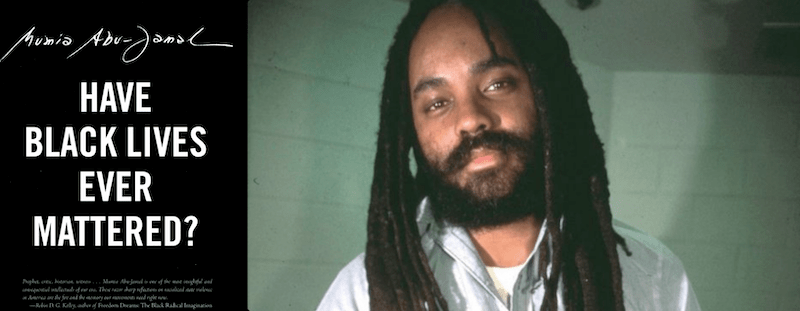
“Mumia Abu-Jamal’s book, Have Black Lives Ever Mattered? addresses the long history of racist police and state repression. It offers contemporary organizers crucial historical insights and lessons, as well as advice, on organizing to stop the war on Black America today.”
Book Summary
“HAVE BLACK LIVES EVER MATTERED?” by Mumia Abu-Jamal is a compelling collection of essays that critique the historical and contemporary treatment of Black lives within the United States. Abu-Jamal, a former Black Panther and political prisoner, draws on his extensive knowledge of history, sociology, and the criminal justice system to explore the systemic racism, violence, and oppression faced by Black individuals and communities. The book seeks to interrogate the notion of “Black Lives Matter,” questioning whether this assertion has ever been fully realized in a society marked by inequality and injustice. Through his powerful prose, Abu-Jamal emphasizes the need for radical change and a reimagining of social justice.
Essential Themes and Insights Presented:
Introduction
Overview of the book’s purpose and themes
Contextualization of the “Black Lives Matter” movement
Abu-Jamal’s background and perspective as a political prisoner
Historical Context of Black Oppression
Examination of the legacy of slavery and its enduring impact
Analysis of Jim Crow laws and systemic racism in American history
The role of colonialism and imperialism in shaping racial dynamics
The Criminal Justice System
Critique of the systemic racism within law enforcement and the legal system
Discussion of mass incarceration and its effects on Black communities
Examination of police brutality and the culture of violence against Black individuals
Media Representation and Narratives
Analysis of how Black lives are portrayed in mainstream media
The impact of media narratives on public perception and policy
Discussion of the role of social media in amplifying Black voices and experiences
The Politics of Resistance
Overview of historical and contemporary Black resistance movements
Examination of the role of organizations like the Black Panther Party
Discussion of grassroots activism and community organizing
Cultural Expressions and Identity
Exploration of the significance of art, music, and literature in Black culture
The role of cultural expression in the fight for social justice
Reflection on identity and the importance of self-determination
The Future of the Movement
Insights into the ongoing struggles for racial justice and equality
Discussion of potential paths forward for the Black Lives Matter movement
Call for solidarity among oppressed groups in the fight against injustice
Conclusion
Summary of key themes and arguments presented in the book
Final reflections on the significance of acknowledging the value of Black lives with emphasis on the necessity for continued activism and systemic change, and highlighting the historical context, systemic issues, and the ongoing struggle for Black lives within amerikkkan society.
HAVE BLACK LIVES EVER MATTERED?_eBook
Pop the documents out from the upper right to read / expand / download.
HAVE BLACK LIVES EVER MATTERED?_Audiobook
MAJ_Knowledge, Wisdom and Overstanding Video Player
“Conventional wisdom would have one believe that it is insane to resist this, the mightiest of empires, but what history really shows is that today’s empire is tomorrow’s ashes; that nothing lasts forever, and that to not resist is to acquiesce in your own oppression. The greatest form of sanity that anyone can exercise is to resist that force that is trying to repress, oppress, and fight down the human spirit.” ― Mumia Abu-Jamal | Click Here for more Mumia Abu-Jamal on this EduBlog
Study more with Mumia in RBG Communiversity eLibrary:
Overview of the book’s objectives and key arguments
Historical Context
The arrival of European settlers and the establishment of colonies
Early interactions with Indigenous populations
The impact of colonization on native peoples and cultures
The Myth of the White Proletariat
Examination of the concept of the white working class
Critique of the portrayal of white settlers as victims of capitalism
Discussion of the privileges afforded to white settlers
Class and Race Dynamics
Analysis of the relationships between race and class throughout American history
The role of white supremacy in shaping labor relations and social hierarchies
Impact of immigration and labor movements on racial dynamics
The Role of Settlers in Capitalism
The contributions of settlers to the development of capitalism in America
Exploration of how settler colonialism facilitated economic exploitation
The relationship between land ownership and class status
Resistance and Solidarity
The role of marginalized groups in resisting settler colonialism
Examples of solidarity between Indigenous peoples and other oppressed groups
The importance of intersectional analysis in understanding social movements
Contemporary Implications
The lasting effects of settler colonialism on modern society
Discussion of ongoing struggles against systemic racism and oppression
The need for a re-evaluation of historical narratives and identities
Conclusion
Summary of key themes and arguments presented in the book
Call to action for readers to critically engage with the history of settler colonialism
Settlers: The Mythology of the White Proletariat from Mayflower to Modern by J. Sakai_eBook
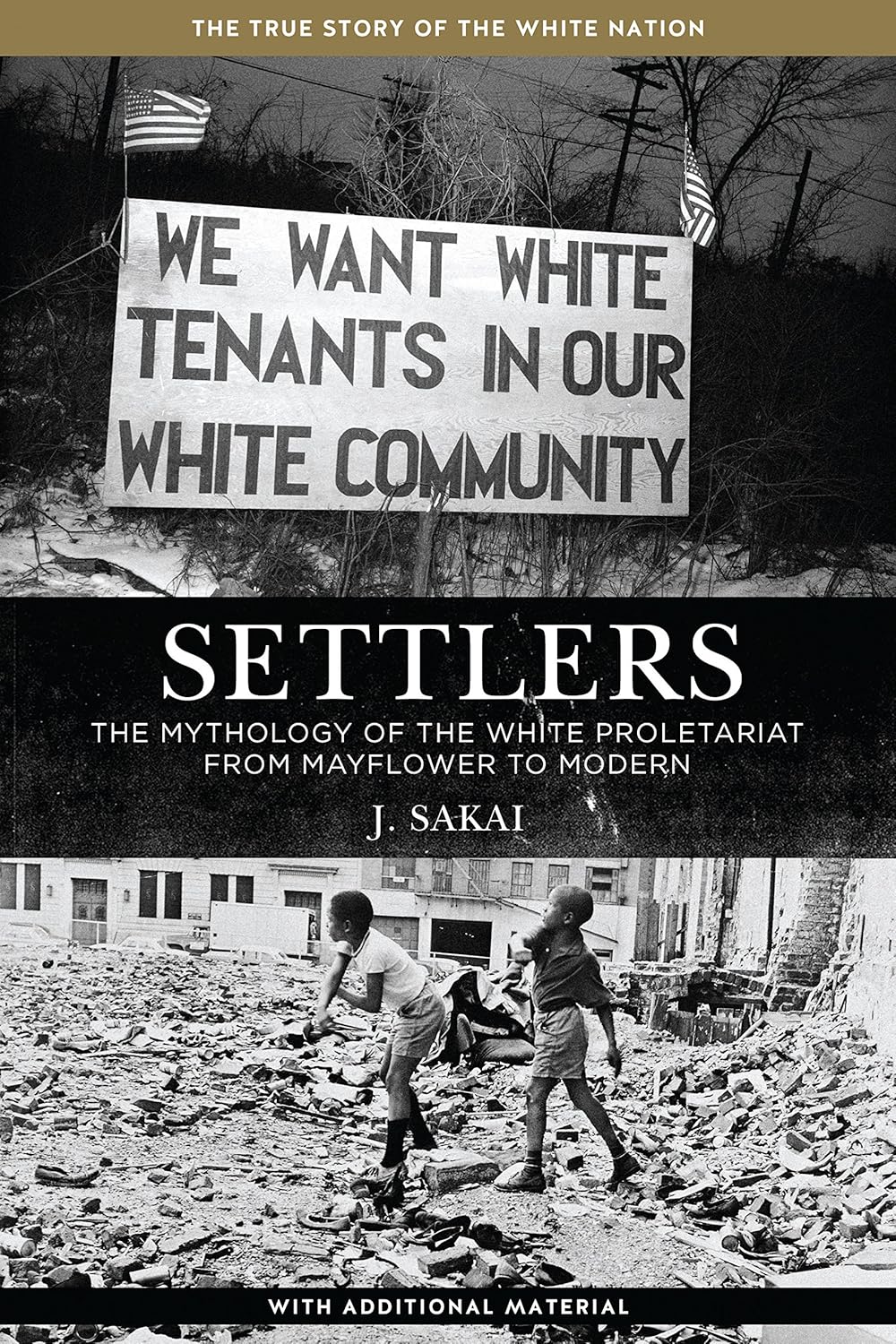
A uniquely important book in the canon of the North American revolutionary left and anticolonial movements, Settlers was first published in the 1980s. Written by activists with decades of experience organizing in grassroots anticapitalist struggles against white supremacy, the book established itself as an essential reference point for revolutionary nationalists and dissident currents within the Marxist-Leninist and anarchist movements. Always controversial within the establishment left, Settlers uncovers centuries of collaboration between capitalism and white workers and their organizations, as well as their neocolonial allies, showing how the United States was designed from the ground up as a parasitic and genocidal entity. As recounted in painful detail by J. Sakai, the United States has been built on the theft of Indigenous lands and of Afrikan labor, on the robbery of the northern third of Mexico, the colonization of Puerto Rico, and the expropriation of the Asian working class, with each of these crimes being accompanied by violence. This new edition includes a new essay and an interview with author J. Sakai by Ernesto Aguilar.
Pop the document out from the upper right to read / expand / download.
Settlers: The Mythology of the White Proletariat from Mayflower to Modern by J. Sakai_Audiobook
Part 1
Part 2
Learn more in RBG Communiversity Knowledge Media eLibrary:
Pop the documents out from the upper right to read / expand / download.
Book Summary
“The Struggle Within Prisons: Political Prisoners and Mass Movements in the U.S.” is a comprehensive analysis of the intersection between incarceration, political activism, and social movements in the United States. The book explores the experiences of political prisoners—those incarcerated for their beliefs and activism—while also examining the broader context of mass movements that challenge systemic injustices within the prison system. Through historical accounts and contemporary case studies, the authors highlight the struggles faced by political prisoners and the resilience of movements aimed at prison reform and social justice. The work emphasizes the importance of understanding the prison system as a site of political struggle and resistance.
The following outline captures the main themes and structure of “The Struggle Within Prisons,” highlighting the interconnectedness of political prisoners and mass movements in the U.S. The book serves as an important contribution to the discourse on incarceration, activism, and social justice, emphasizing the need for continued engagement and resistance against systemic injustices.
I. Introduction
Overview of the book’s purpose: to explore the relationship between political prisoners and mass movements
Definition of political prisoners and their significance in the context of U.S. history
The importance of understanding the prison system as a site of struggle
II. Historical Context of Political Prisoners
Examination of the historical emergence of political prisoners in the U.S.
Overview of key political movements that have produced political prisoners (e.g., civil rights movement, Black Panther Party, anti-war movements)
The impact of governmental repression on activists and dissenters
III. The Nature of Incarceration
Analysis of the prison system as a mechanism of social control
Discussion of the conditions faced by political prisoners within the penal system
The role of race, class, and gender in shaping experiences of incarceration
IV. Case Studies of Political Prisoners
In-depth profiles of prominent political prisoners (e.g., Mumia Abu-Jamal, Leonard Peltier, Assata Shakur)
Exploration of their struggles, activism, and the political contexts of their imprisonment
The impact of their cases on public awareness and social movements
V. Mass Movements and Prison Reform
Overview of grassroots movements advocating for prison reform and the rights of political prisoners
Analysis of the strategies and tactics employed by these movements (e.g., protests, advocacy, education)
The role of coalitions and alliances in amplifying the voices of political prisoners
VI. The Intersection of Politics and Prisons
Examination of the political implications of incarceration, including the criminalization of dissent
Discussion of how prisons serve as sites of resistance and activism
The relationship between mass incarceration and broader social justice movements
VII. Contemporary Challenges and Future Directions
Analysis of current challenges facing political prisoners and prison reform movements
The impact of systemic issues such as racism, economic inequality, and privatization of prisons
Exploration of potential pathways for future activism and solidarity
VIII. Conclusion
Summary of key themes and findings from the book
Reflection on the ongoing relevance of political prisoners in the struggle for justice
Call to action for continued advocacy, awareness, and solidarity with political prisoners and mass movements
“The Struggle Within Prisons: Political Prisoners and Mass Movements in the U.S.” is a critical examination of the complex dynamics between incarceration, political activism, and the broader social justice movements in the United States. The book addresses the unique experiences of political prisoners—individuals incarcerated for their beliefs and activism—while situating their struggles within the larger framework of mass movements advocating for reform and justice. Here’s a deeper exploration of the key themes, insights, and arguments presented in the book:
Key Themes and Insights
Definition and Significance of Political Prisoners:
The book begins by defining political prisoners as individuals jailed for their political beliefs, activism, or dissent against oppressive systems. This definition encompasses a wide range of people, including civil rights activists, anti-war protestors, and members of radical movements.
The authors argue that recognizing political prisoners is crucial for understanding the broader implications of state repression and the criminalization of dissent in a democratic society.
Historical Context of Political Imprisonment:
The narrative traces the historical roots of political imprisonment in the U.S., highlighting significant movements that have produced political prisoners, such as the civil rights movement, the Black Panther Party, and various anti-colonial struggles.
The book discusses how governmental repression has targeted movements that challenge systemic injustices, resulting in the incarceration of key figures and activists.
Mechanisms of Social Control:
The authors analyze the prison system as a mechanism of social control, examining how it functions to maintain the status quo and suppress dissent. This involves an exploration of the conditions faced by political prisoners, including harsh treatment, isolation, and lack of access to resources.
The book emphasizes the intersectionality of race, class, and gender, illustrating how these factors shape the experiences of incarcerated individuals, particularly political prisoners.
Profiles of Political Prisoners:
The book includes case studies of notable political prisoners, such as Mumia Abu-Jamal, Leonard Peltier, and Assata Shakur. These profiles offer personal insights into their activism, the political contexts surrounding their imprisonment, and the broader implications of their cases.
Through these narratives, the authors highlight the resilience and determination of political prisoners in the face of oppression, showcasing their ongoing struggles for justice and freedom.
Mass Movements and Resistance:
The book explores grassroots movements advocating for the rights of political prisoners and prison reform. It analyzes the strategies, tactics, and successes of these movements in raising awareness and mobilizing support for political prisoners.
The authors emphasize the importance of coalition-building and solidarity among various social justice movements, demonstrating how collective action can challenge systemic injustices.
Political Implications of Incarceration:
The narrative delves into the political implications of incarceration, discussing how prisons serve as sites of resistance and activism. The book argues that the criminalization of dissent undermines democratic principles and civil liberties.
The authors highlight the need to view prisons not just as places of punishment but also as arenas where political struggles unfold, often leading to significant activism from behind bars.
Contemporary Challenges:
The book addresses current challenges faced by political prisoners and prison reform movements, including the impact of systemic racism, economic inequality, and the privatization of the prison system.
The authors discuss the shifting landscape of activism in the digital age, examining how social media and online organizing have transformed the way movements operate and advocate for change.
Future Directions:
The concluding sections of the book explore potential pathways for future activism and solidarity with political prisoners. The authors call for a renewed commitment to advocacy, education, and awareness around the issues faced by incarcerated individuals.
They emphasize the importance of building a broad-based movement that includes voices from diverse backgrounds and experiences, aiming for comprehensive prison reform and social justice.
Conclusion
“The Struggle Within Prisons” serves as a vital contribution to the discourse on incarceration, political activism, and social justice in the United States. By examining the experiences of political prisoners and their connections to broader mass movements, the authors shed light on the critical role of resistance in challenging systemic injustices. The book not only honors the struggles of those who have been incarcerated for their beliefs but also calls for ongoing advocacy and solidarity in the fight for justice. It encourages readers to engage with the complexities of the prison system and to recognize the importance of collective action in addressing the challenges faced by political prisoners and marginalized communities.
The Struggle Within Prisons, Political Prisoners, and Mass Movements in the U.S._eBook
Pop the documents out from the upper right to read / expand / download.
The Struggle Within Prisons, Political Prisoners, and Mass Movements in the U.S._Audiobook
SUPPLEMENTAL: Let Freedom Ring_A Collection of Documents from the Movements to Free U.S. Political Prisoners, Edited by, Matt Meyers
Book Summary
“Let Freedom Ring: A Collection of Documents from the Movements to Free U.S. Political Prisoners,” edited by Matt Meyers, compiles a diverse array of documents that chronicle the efforts to secure the release of political prisoners in the United States. The book highlights the voices of activists, organizations, and individuals who have fought against what they perceive as unjust incarcerations linked to political beliefs and activism. Through a rich collection of letters, statements, and manifestos, the anthology aims to shed light on the broader struggles for justice, hauman and civil rights, and the complex intersection of politics and the criminal justice system.
The outline that follows captures the essence of “Let Freedom Ring,” showcasing its focus on the movements and efforts to free U.S. political prisoners. The collection not only highlights the struggles of individuals but also serves as a broader commentary on human rights, civil rights, social justice, and the importance of activism in the face of systemic oppression.
Introduction
Overview of the book’s purpose and significance
Explanation of the context surrounding political prisoners in the U.S.
Brief introduction to the editor, Matt Meyers, and his motivations for compiling this collection
Historical Context of Political Prisoners
Definition of political prisoners and the criteria for their classification
Overview of historical instances of political repression in the U.S.
Key events and movements that have led to the labeling of individuals as political prisoners
Key Movements and Organizations
Documentation of various movements advocating for the release of political prisoners
Profiles of organizations involved, such as the Black Panther Party, Puerto Rican independence movements, and environmental activists
The role of grassroots activism in raising awareness and mobilizing support
Personal Testimonies and Letters
Collection of letters and statements from political prisoners, providing insight into their experiences and perspectives
Personal narratives that highlight the emotional and psychological toll of imprisonment
Reflections on resilience, hope, and the ongoing struggle for justice
Legal and Political Framework
Examination of the legal battles surrounding political prisoners
Discussion of government policies, anti-terrorism laws, and their implications for civil liberties
Analysis of the intersection between law enforcement and political dissent
Solidarity and Support Networks
Exploration of the networks that have formed to support political prisoners and their families
The importance of solidarity movements, both domestically and internationally
Strategies employed by activists to raise awareness and advocate for change
Cultural Impact and Representation
Discussion of how political prisoners have been represented in art, literature, and popular culture
The role of media in shaping public perceptions of political prisoners
Analysis of how cultural narratives influence activism and advocacy efforts
Contemporary Relevance
Reflection on the ongoing struggles for justice and the status of political prisoners today
Connections to current movements for social justice, including Black Lives Matter and anti-fascist movements
The importance of understanding the historical context to inform contemporary activism
Conclusion
Summary of the key insights and themes presented in the collection
Final thoughts on the significance of advocating for political prisoners
Call to action for readers to engage with the issues and support freedom movements
“Let Freedom Ring: serves as a critical anthology that brings together a variety of documents, testimonies, and narratives related to the ongoing struggle for the freedom of political prisoners in the United States. The book emphasizes the complexities surrounding political incarceration and highlights the voices of those who have been affected by systemic repression. Here’s a deeper exploration of the key themes, contributions, and implications of the book:
Key Themes Explored
Definition and Understanding of Political Prisoners
The book opens with a clear definition of what constitutes a political prisoner, emphasizing individuals who have been incarcerated due to their political beliefs, activism, or dissent against the government.
It contextualizes the historical and contemporary landscape of political imprisonment, framing it within the broader struggles for civil rights, social justice, and human rights.
Historical Context and Repression
Throughout the collection, the historical roots of political repression in the U.S. are examined, including the impact of the Red Scare, the Civil Rights Movement, and the War on Terror.
The anthology documents various instances where the state has targeted activists, including members of the Black Panther Party, anti-war activists, and Indigenous rights advocates, illustrating how political dissent has often been met with harsh repercussions.
Voices of the Incarcerated
A significant portion of the book is dedicated to personal testimonies and writings from political prisoners themselves. These documents provide an intimate look at their experiences, thoughts, and emotions while incarcerated.
The narratives often focus on themes of resilience, hope, and determination, offering insights into the human spirit’s capacity to endure despite oppressive circumstances.
Activism and Solidarity Movements
The anthology highlights the various grassroots movements and organizations that have fought for the rights of political prisoners. It documents the strategies employed by activists to raise awareness, mobilize support, and advocate for the release of those unjustly imprisoned.
Solidarity networks that extend beyond the U.S. are explored, showcasing international support for political prisoners and the interconnectedness of global struggles for justice.
Legal and Political Framework
The book examines the legal battles surrounding cases of political prisoners, discussing the implications of U.S. laws, anti-terrorism legislation, and issues related to civil liberties.
It addresses the challenges faced by prisoners and their advocates in navigating a legal system that often favors the state and suppresses dissent.
Cultural Impact and Representation
Art, Literature, and Media
The anthology explores how political prisoners have been represented in various cultural forms, including literature, music, and visual arts. These representations often serve as powerful tools for advocacy and awareness.
The role of media in shaping public perceptions of political prisoners is critically analyzed, including how sensationalized narratives can contribute to stigma and misunderstanding.
Contemporary Relevance
The collection emphasizes the ongoing relevance of the issues discussed, connecting historical struggles to contemporary movements such as Black Lives Matter, Indigenous rights, and anti-fascism.
It calls attention to the systemic injustices that persist today, urging readers to recognize the importance of advocating for the rights of political prisoners in the current sociopolitical climate.
Conclusion and Call to Action
Reflections on Justice and Freedom
The conclusion of the anthology synthesizes the key insights from the collected documents, reinforcing the importance of understanding the historical context of political imprisonment.
It serves as a call to action, encouraging readers to engage with the issues raised in the book and to support the movements working towards justice and freedom for political prisoners.
Overall, “Let Freedom Ring” is a powerful and essential resource that not only documents the struggles of political prisoners but also highlights the broader implications of their incarceration on society. By amplifying the voices of those affected and examining the systemic issues at play, the book invites readers to reflect on the nature of justice, activism, and the ongoing fight for human rights in the United States. It serves as a reminder of the critical importance of solidarity and advocacy in the pursuit of freedom for all.
Pop the documents out from the upper right to read / expand / download.
Let Freedom Ring Audiobook
Part 1
Part 2
Part 3
Part 4
Learn more in RBG Communiversity Knowledge Media eLibrary:
Angela Davis and the Soledad Brothers_Short Film (1971)
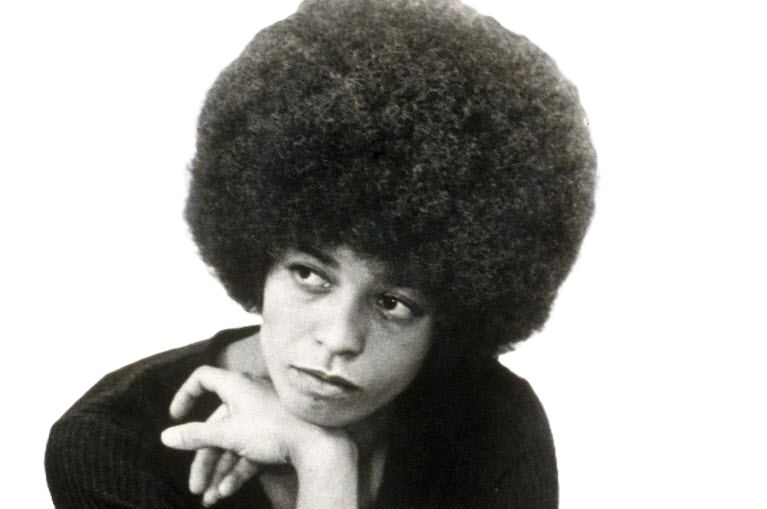
Angela Davis became involved with the Soledad Brothers in 1970, when she led the campaign to free them from prison. Davis was a prominent public figure at the time, having been fired from UCLA for her political activism and affiliation with the Communist Party. She developed close friendships with the families of the Soledad Brothers, and corresponded with the men themselves.
Here are some ways Angela Davis and the Soledad Brothers are connected:
The Soledad Brothers Defense Committee: Davis formed the Soledad Brothers Defense Committee, which included Jonathan Jackson, a close friend and bodyguard of one of the Soledad Brothers.
The Black Scholar: Davis wrote an article titled “The Soledad Brothers” in The Black Scholar in April 1971. In it, she argued that the charges against the Soledad Brothers were actually about their revolutionary insubordination and inciting dissent.
If They Come in the Morning (below): Davis edited a collection of writings about U.S. prisons and legal trials titled If They Come in the Morning: Voices of Resistance. The book included contributions from the Soledad Brothers and Black Panther Party members.
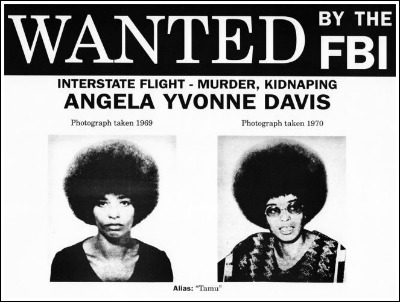
The Marin County Courthouse Incident: Davis was accused of supplying weapons to Jonathan Jackson in an alleged prisoner escape attempt. She was arrested and placed on the FBI’s Ten Most Wanted list.
George Jackson: Davis befriended George Jackson, one of the Soledad Brothers, who was serving a sentence for armed robbery. Jackson wrote two books, Soledad Brother (1970) and Blood In My Eye (1972). He was killed in prison in 1971 while allegedly trying to escape.
If They Come in the Morning: VOICES OF RESISTANCE, Edited by Angela Y. Davis, with Ruchell Magee, the Soledad Brothers and Other Political Prisoners and a Foreword by Julian Bond
[From the front and back flaps] The trial of Angela Yvonne Davis in connection with the prisoner revolt by three black prisoners on August 7, 1970 at the Marin County Courthouse will be remembered as one of America’s most historic political trials, and no one can tell the story better than Miss Davis herself. This book is also perhaps the most comprehensive and thorough analysis of that increasingly important symbol — the political prisoner. Of her trial, Miss Davis writes, “I am charged with three capital offenses — murder, kidnapping, and conspiracy. My life is at stake in this case — not simply the life of a lone individual, but a life which has been given over to the struggles of my people, a life which belongs to Black people who are tired of poverty, and racism, of the unjust imprisonment of tens of thousands of our brothers and sisters.” “I stand before this court,” she declares, “as a target of a political frame-up which, far from pointing to my culpability, implicates the State of California as an agent of political repression….I declare publicly before the court, before the people of this country, that I am innocent of all charges which have been leveled against me by the State of California. “On the central theme of this book Miss Davis contends that “the offense of the political prisoner in his political boldness, his consistent challenges — legally or extra-legally — of fundamental social wrongs fostered and reinforced by the state. He has opposed unjust laws and exploitative, racist social conditions in general, with the ultimate aim of transforming these laws and the society into an order harmonious with the material and spiritual need and interests of the vast majority of its members. “Regarding his own defense, Ruchell Magee, the only prisoner who survived the same revolt and one of the many impressive contributors in this invaluable volume which includes George Jackson, Fleeta Drumgo, John Clutchette, James Baldwin, Bobby Seale and Ericka Huggins, states, “For over seven years I have been forced to stay in slavery on fraudulent pleas of guilty, made by attorneys, court-appointed attorneys, over my objection, over my plea of not guilty, and over my testimony of not guilty.”
Pop the document out from the upper right to read / expand / download.
If They Come in the Morning: VOICES OF RESISTANCE Audiobook








 RBG Communiversity: Message 2 Da Grassroots
You must be logged in to post a comment.