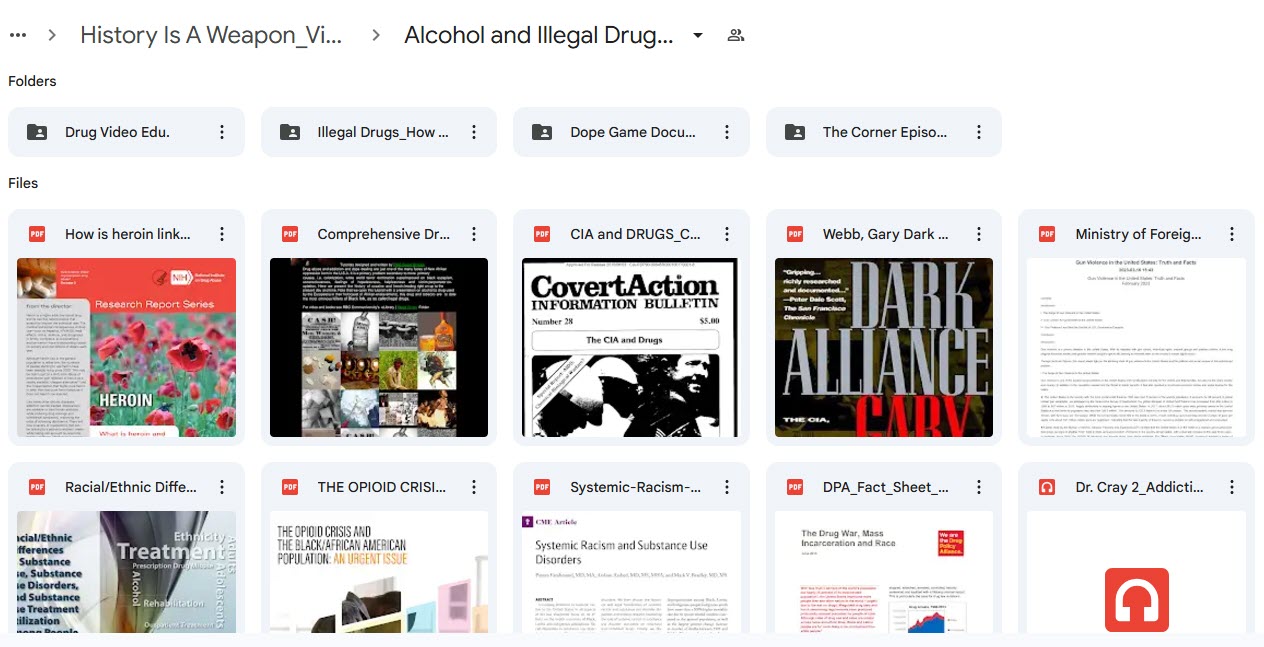
Slavery in America: The Montgomery Slave Trade_ Video Edu. and Full Report (Equal Justice Initiative)

“The myth of racial difference created to sustain American slavery persists today. Slavery did not end in 1865, it evolved. The Equal Justice Initiative works to end mass incarceration, excessive punishment, and racial inequality.” Visit our website to learn more: https://eji.org

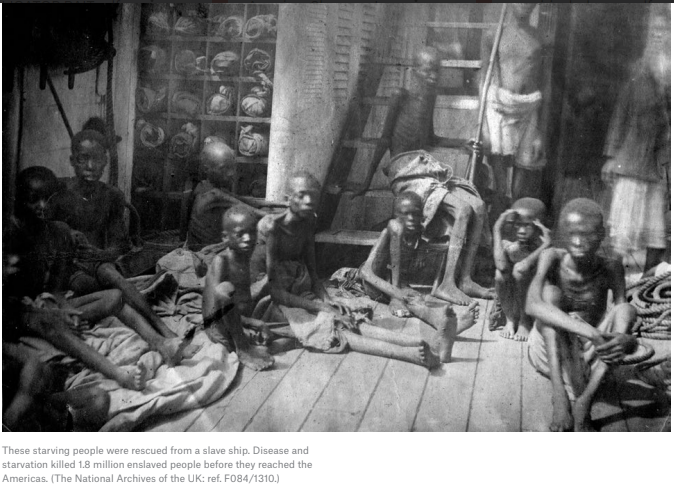
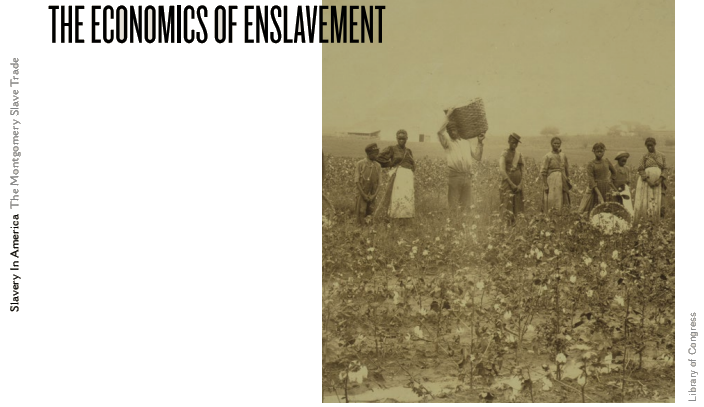
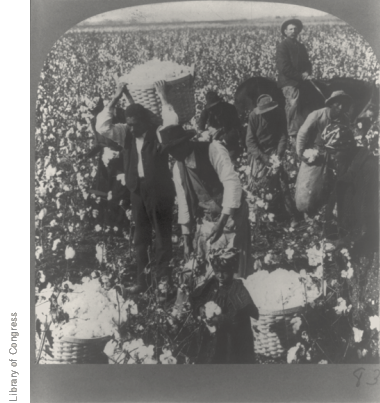
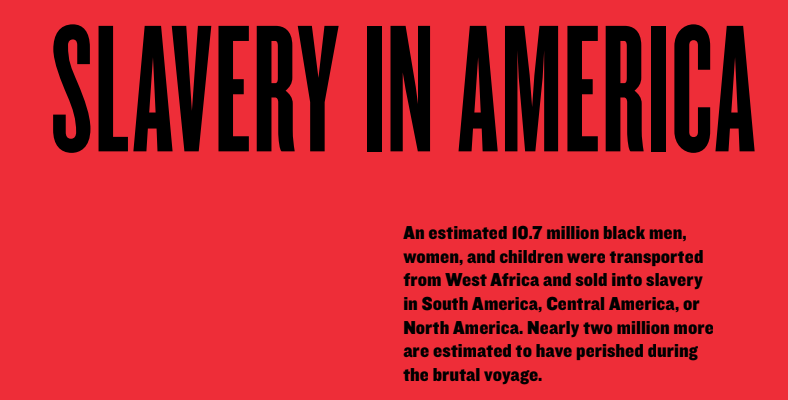
Beginning in the 16th century, millions of African people were kidnapped, enslaved, and shipped across the Atlantic to the Americas under horrific conditions. Nearly two million people died at sea during the agonizing journey. Over two centuries, the enslavement of Black people in the United States created wealth, opportunity, and prosperity for millions of Americans. As American slavery evolved, an elaborate and enduring mythology about the inferiority of Black people was created to legitimate, perpetuate, and defend slavery. This mythology survived slavery’s formal abolition following the Civil War.
Source: https://eji.org/reports/slavery-in-america/

Overview

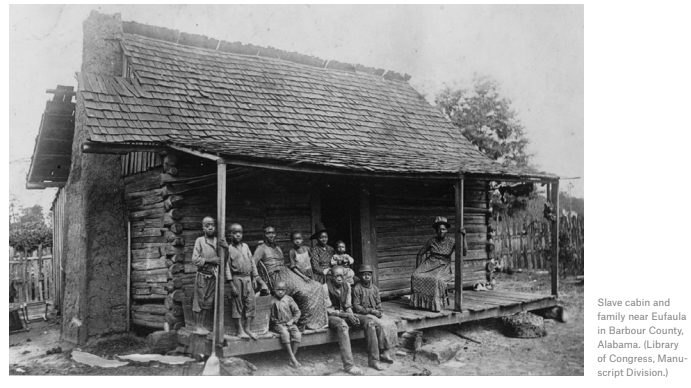
In the South, where the enslavement of Black people was widely embraced, resistance to ending slavery persisted for another century following the passage of the Thirteenth Amendment in 1865.Today, 150 years after the Emancipation Proclamation, very little has been done to address the legacy of slavery and its meaning in contemporary life. In many communities like Montgomery, Alabama—which by 1860 was the capital of the domestic slave trade in Alabama—there is little understanding of the slave trade, slavery, or the longstanding effort to sustain the racial hierarchy that slavery created. In fact, an alternative narrative has emerged in many Southern communities that celebrates the enslavement era, honors enslavement’s principal proponents and defenders, and refuses to acknowledge or address the problems created by the legacy of slavery. Slavery in America: The Montgomery Slave Trade documents American slavery and Montgomery’s prominent role in the domestic slave trade. The report is part of EJI’s project focused on developing a more informed understanding of America’s racial history and how it relates to contemporary challenges.

EJI believes that reconciliation with our nation’s difficult past cannot be achieved without truthfully confronting history and finding a way forward that is thoughtful and responsible.
This animated short film by acclaimed artist Molly Crabapple, with narration by Bryan Stevenson, illustrates how the elaborate mythology of racial difference that was created to justify and sustain enslavement evolved after abolition.

For new comers, pop the document out from the upper right to read / expand / download

Learn more in RBG Communiversity eLibrary|Attorney Bryan Stevensonon Folder
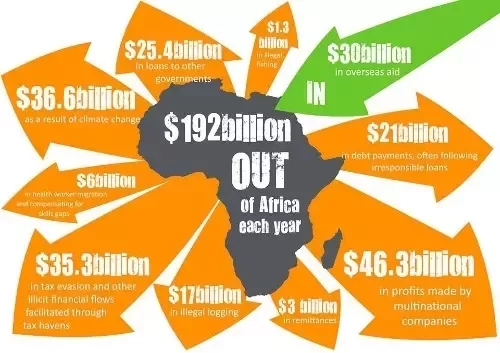
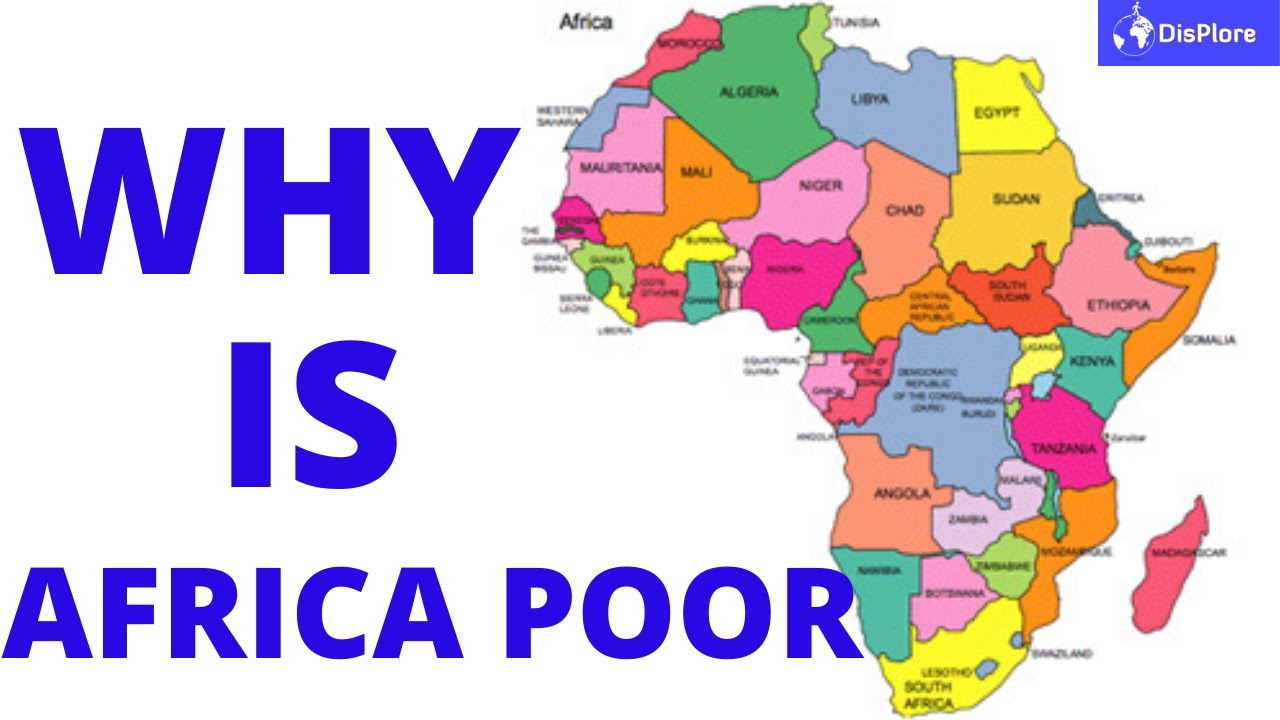
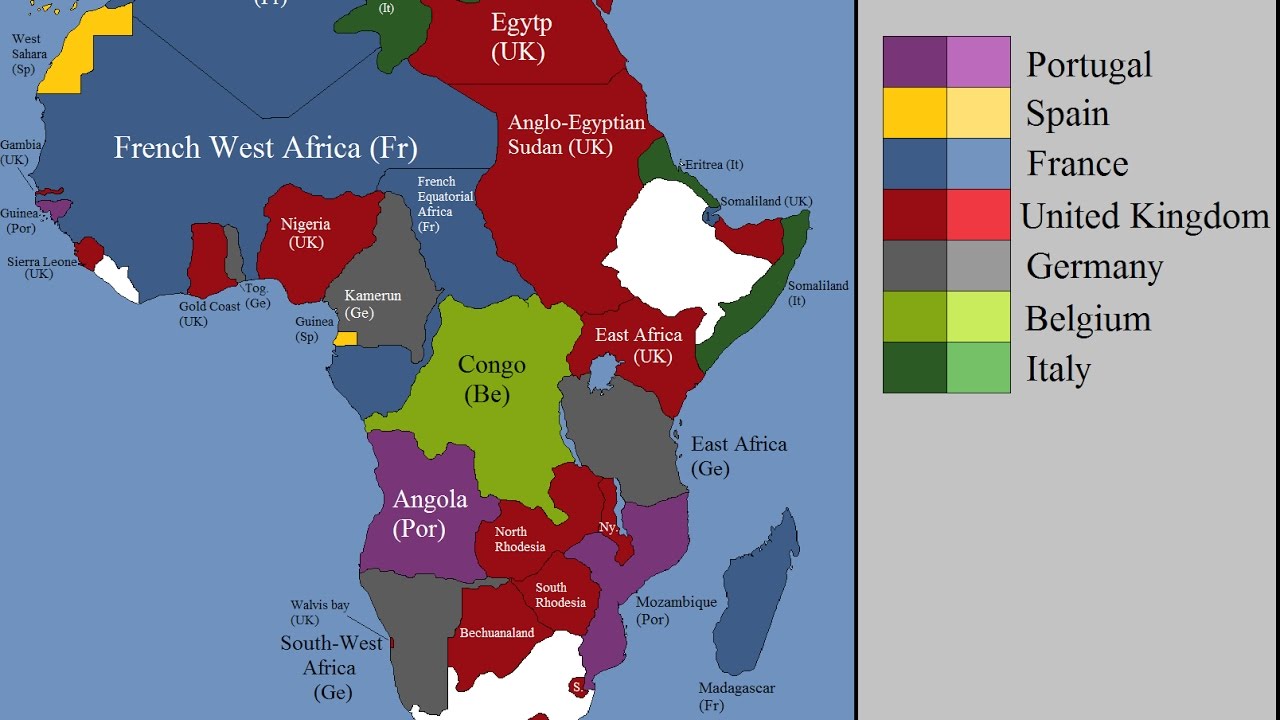
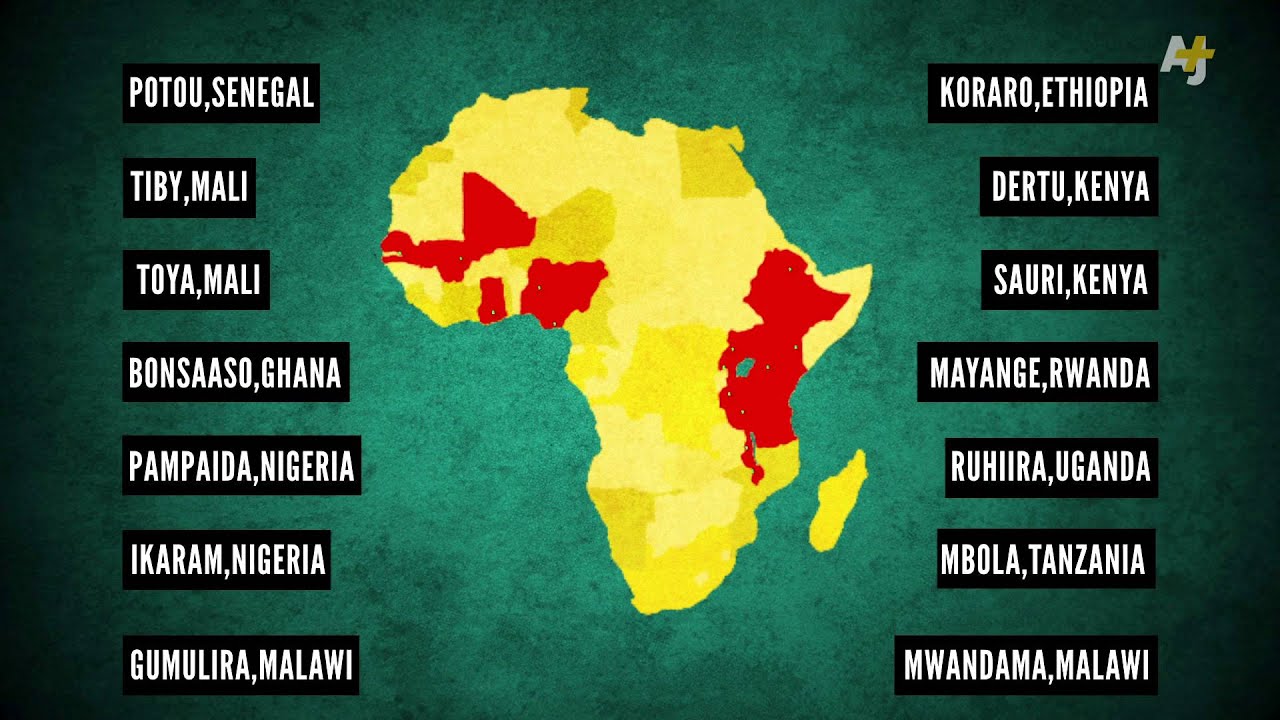
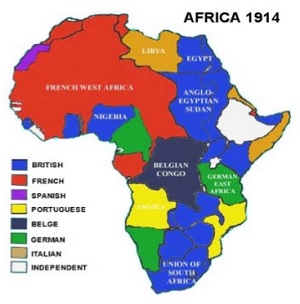
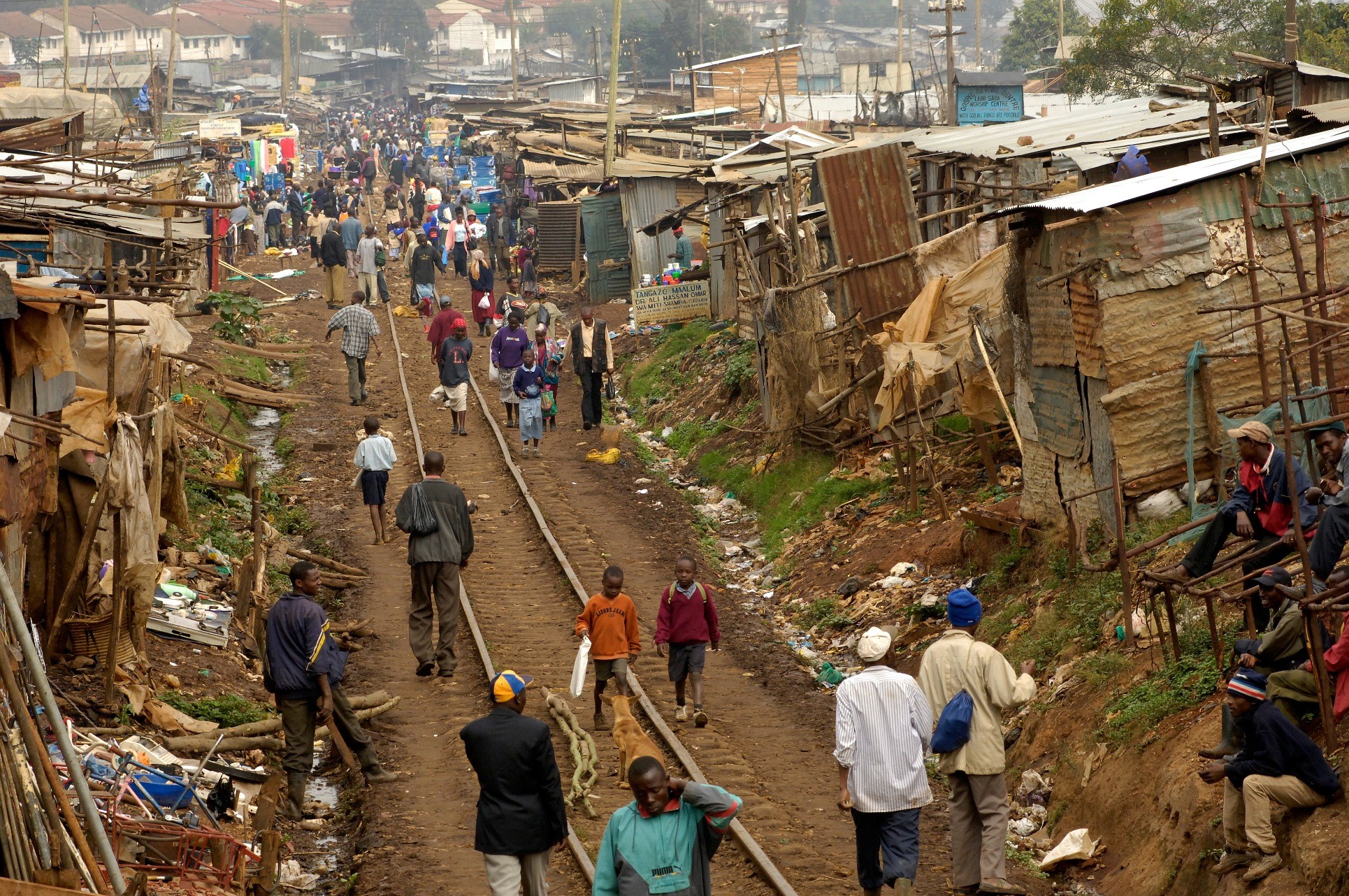
Why is Africa Still So Poor (Vid Edu), The Colonial Moment in Africa (eBook) and MEPolicy Council_The Ottomans By Bram Hubbell

Pop the document out from the upper right to read / expand / download

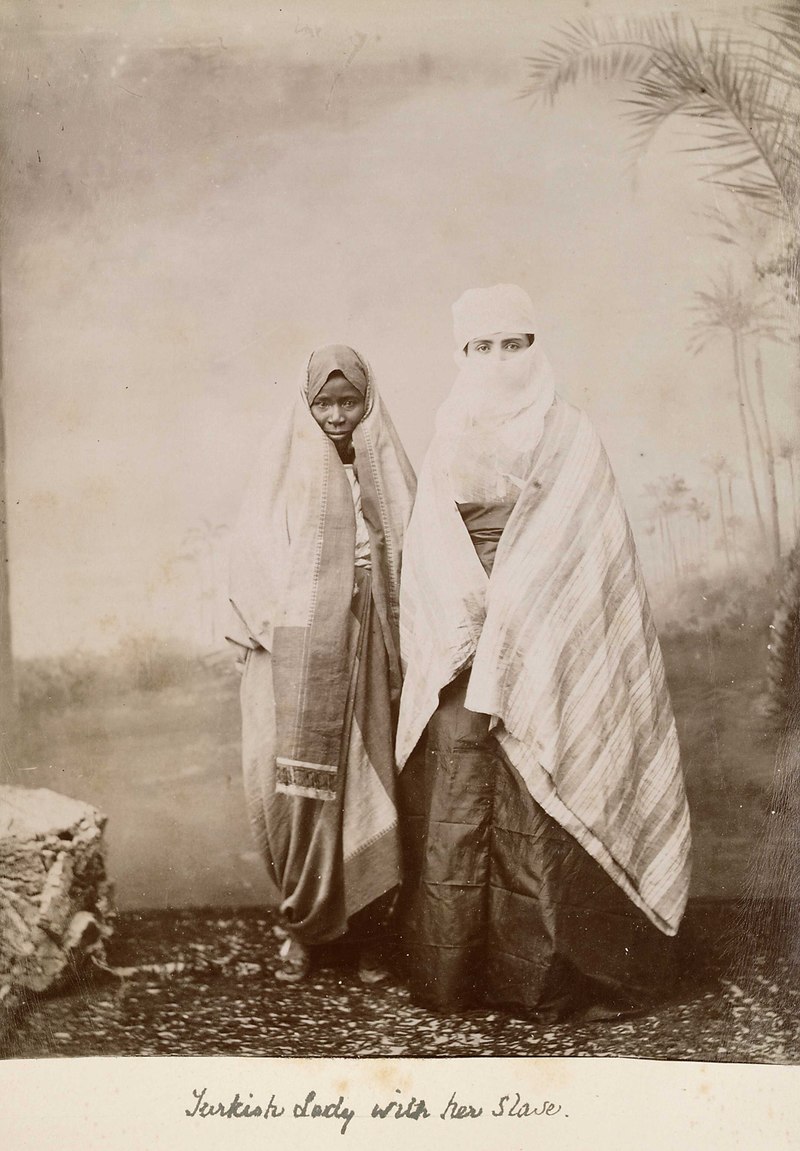
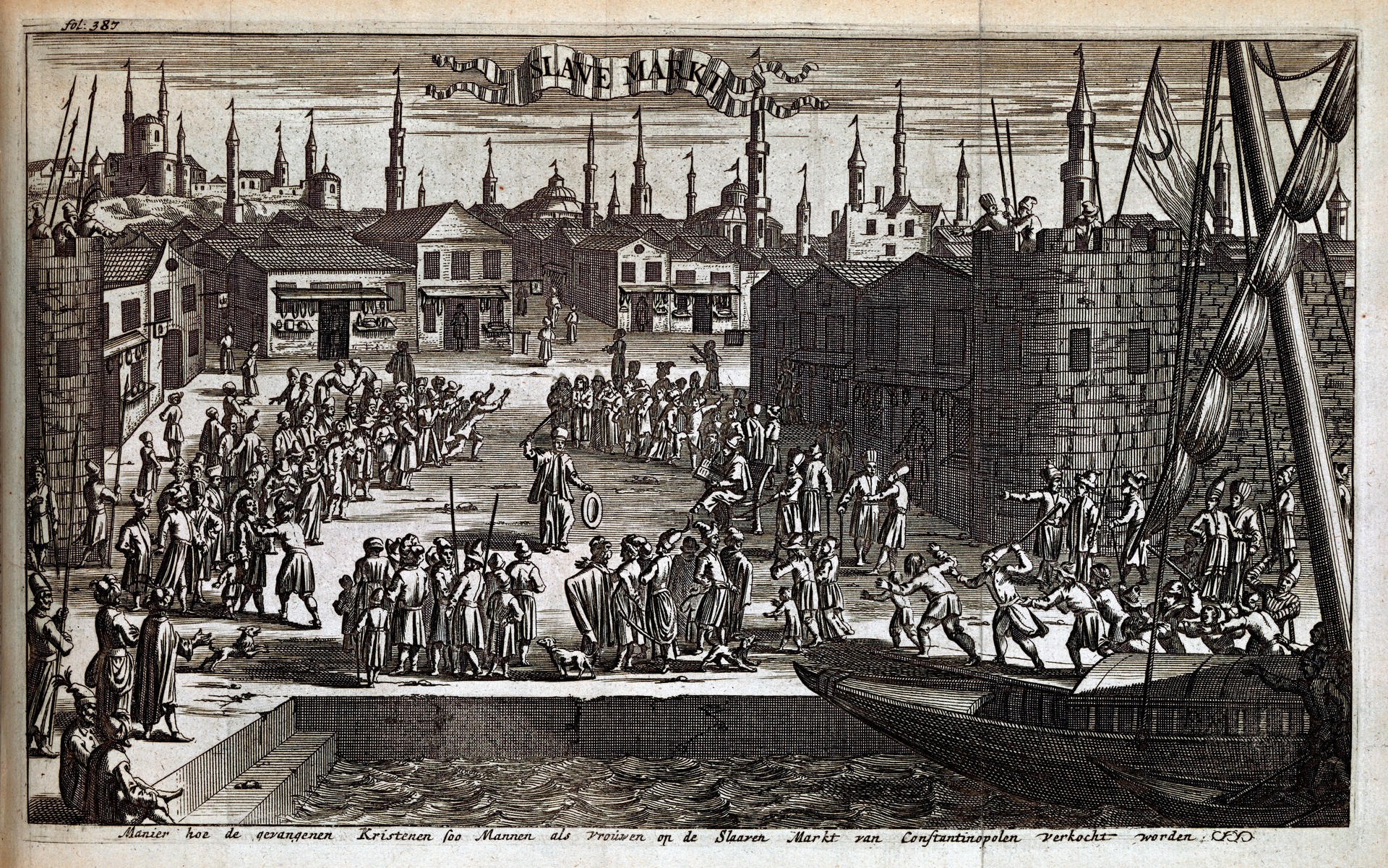
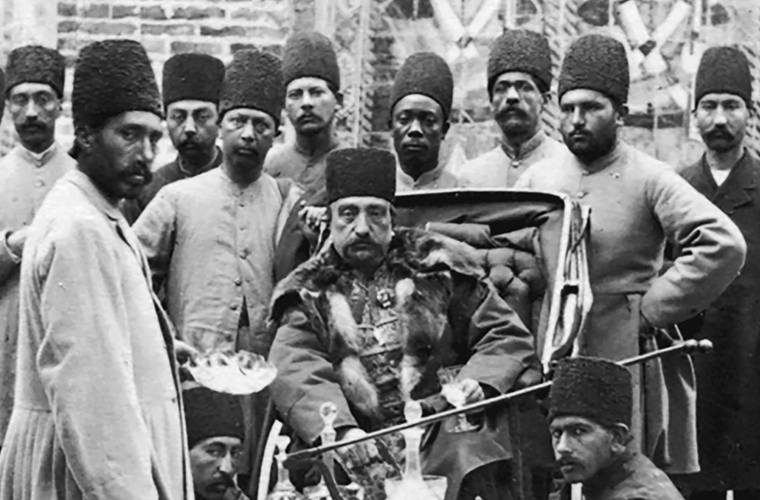
THE OTTOMANS: Middle East Policy Council |Teaching the Middle East: A Resource Guide for American Educators

Lean more in RBG Communiversity eLibrary | Maafa_African Holocaust, Chattel Slavery, Jim Crow, Influencers and more_Books, Videos & Audio

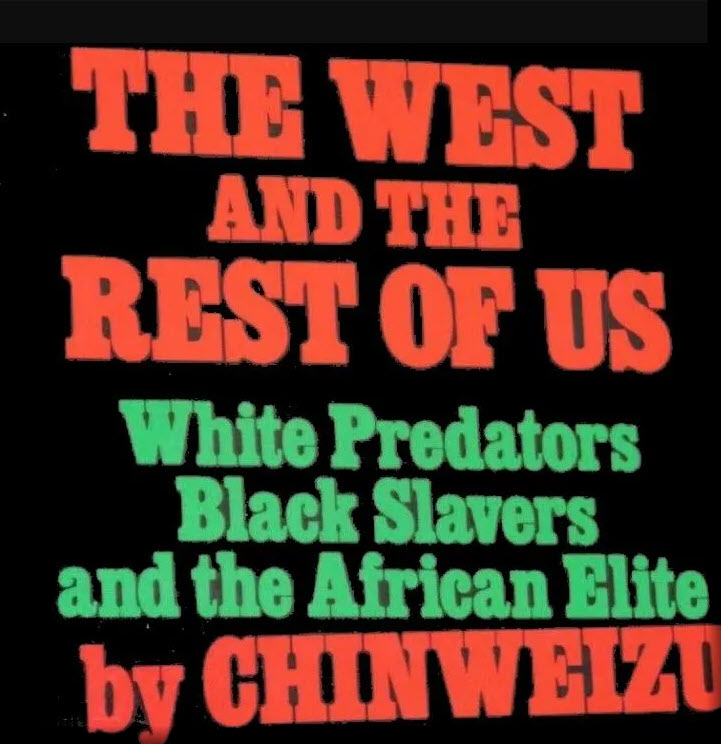
The West and the Rest of Us_ White Predators, Black Slavers and the African Elite, by Chinweizu (eBook) w Video Education by the Author

“To the memory of all the victims of the West’s assault upon the rest of us, and of the following especially: The Amerindians and the Aborigines of Australasia­ who were exterminated and expropriated; The millions of Africans who were enslaved in the Americas; The countless Africans who died resisting European invasion and occupation of their homeland; The soldiers from the Third World-who were conscripted to fight and die defending the very western empire that victimized them;  To all Third World liberation fighters and martyrs who have struggled or died for a better future for their peoples; To the people of the West, to the extent that they refuse to tolerate western control over the rest of us; and To all of us, that we may achieve a just, non-imperialist and enduring peace, with prosperity for all humankind.” (pg. vii)

Pop the document out from the upper right to read / expand / download

Learn more in RBG Communiversity eLibrary| Chinweizu Folder

Colonialism: Arab & European compared Black Power Pan Africanism (BPPA) Tract #3 By Chinweizu, 2007

CCR_Israel’s Unfolding Crime of Genocide of the Palestinian People and U.S. Failure to Prevent and Complicity in Genocide and The Ethnic Cleansing of Palestine, by Ilan Pappe_eBook and Audiobook, with Video Playlist on the Topic

Last Updated 05-01-2025

Pop the documents out from the upper right to read / expand / download

12 Video Playlist

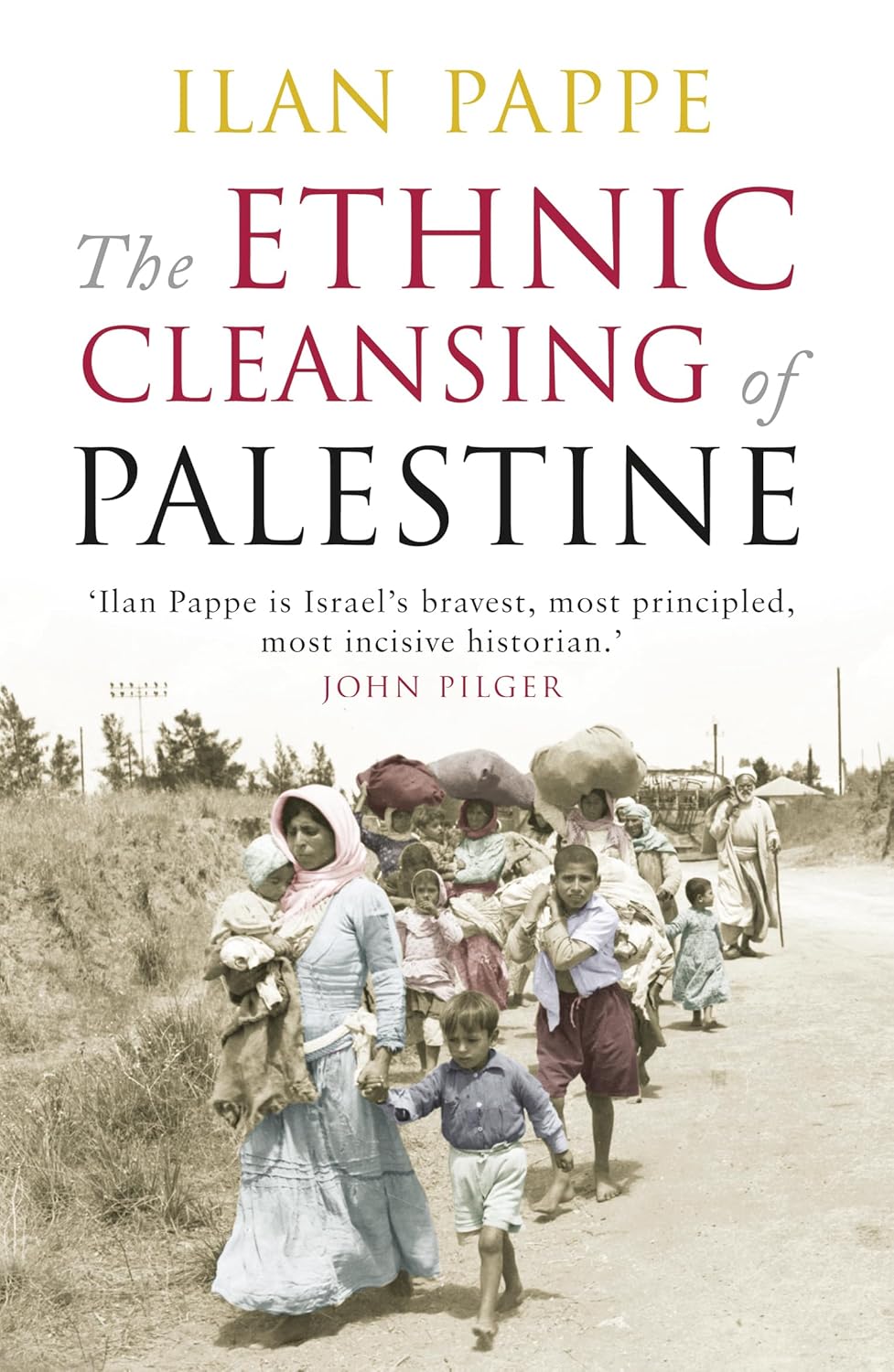
The book that is providing a storm of controversy, from ‘Israel’s bravest historian’ (John Pilger). Renowned Israeli historian, Ilan Pappe’s groundbreaking work on the formation of the State of Israel. ‘Along with the late Edward Said, Ilan Pappe is the most eloquent writer of Palestinian history.’ NEW STATESMAN

Book Summary

Ilan Pappe’s “The Ethnic Cleansing of Palestine” presents a critical examination of the events surrounding the establishment of the state of Israel and the displacement of Palestinian people.

The Overview and Outline that follows provides a structured look at the contents of Pappe’s work, encapsulating the primary themes and historical significance of the events surrounding the ethnic cleansing of Palestine.

Overview:

  • Historical Context: The book provides a detailed historical background of Palestine leading up to the 1948 Arab-Israeli War, focusing on the socio-political dynamics between Jews and Arabs.
  • Ethnic Cleansing Argument: Pappe argues that the displacement of Palestinians was a deliberate policy of ethnic cleansing carried out by Zionist leaders, rather than a consequence of war as traditionally portrayed.
  • Documented Evidence: The author uses archival material, testimonies, and historical documents to substantiate his claims about the systematic expulsion and violence against Palestinians.
  • Impact on Palestinian Identity: The book discusses the long-term effects of these events on Palestinian identity, culture, and the ongoing conflict.
  • Contemporary Relevance: Pappe connects historical events to current struggles faced by Palestinians, advocating for recognition and justice.

Outline:

  • Introduction
    • Purpose of the study
    • Overview of the term “ethnic cleansing” in the context of Palestine
  • Chapter 1: Historical Background
    • The Ottoman Empire and the early 20th-century context
    • The rise of Zionism and responses from Palestinian Arabs
  • Chapter 2: The Road to 1948
    • Key events leading up to the establishment of Israel
    • Examination of British policies and their impact on the region
  • Chapter 3: The 1948 War and its Aftermath
    • Detailed account of military operations and strategies used to expel Palestinians
    • Case studies of specific villages and communities affected
  • Chapter 4: The Role of Zionist Leadership
    • Analysis of the intentions and decisions made by Zionist leaders
    • The role of ideology in shaping policies of displacement
  • Chapter 5: Documentation of Ethnic Cleansing
    • Presentation of evidence from archival research and testimonies
    • Discussion of the systematic nature of the expulsions
  • Chapter 6: Impact on Palestinian Society
    • Examination of how displacement affected Palestinian communities
    • The evolution of Palestinian identity in exile
  • Chapter 7: Contemporary Implications
    • Connection of historical events to current issues in the Israeli-Palestinian conflict
    • Discussion of ongoing struggles for justice and recognition
  • Conclusion
    • Summary of key findings and arguments
    • Reflection on the importance of acknowledging the history of ethnic cleansing in Palestine

Ilan Pappe’s “The Ethnic Cleansing of Palestine” is a significant work that challenges conventional narratives surrounding the establishment of Israel and the experiences of Palestinians during that period. Here are some key themes and insights from the book:

Key Themes and Insights:

  1. Definition of Ethnic Cleansing:
    • Pappe uses the term “ethnic cleansing” to describe the systematic efforts to remove Palestinians from their homeland during the 1948 Arab-Israeli War. He argues that this was not merely a byproduct of war but a calculated strategy implemented by Zionist leaders.
  2. Historical Revisionism:
    • The book presents a revisionist history of the events leading to the creation of Israel. Pappe interrogates accepted historical narratives that often downplay or obscure the suffering of Palestinians and emphasizes the importance of recognizing their perspective.
  3. Primary Sources and Documentation:
    • Pappe supports his arguments with extensive use of primary sources, including documents from Israeli archives, testimonies from survivors, and contemporary accounts. This rigorous research adds credibility to his claims and highlights the lived experiences of those affected.
  4. Military Operations:
    • The book details specific military operations, such as Operation Dalet, which involved the expulsion of entire villages. Pappe analyzes the strategies employed to achieve territorial control and the implications for Palestinian civilians.
  5. Palestinian Identity:
    • Pappe explores how the events of 1948 and the subsequent displacement shaped Palestinian identity. He discusses the formation of a collective memory and the significance of the Nakba (the Arabic term for the catastrophe of 1948) in contemporary Palestinian culture.
  6. Ongoing Conflict:
    • The author draws connections between historical events and the current state of affairs in Israel and Palestine. He argues that the legacy of ethnic cleansing continues to impact the political landscape, with ongoing struggles for justice, rights, and recognition for Palestinians.
  7. Call for Justice:
    • Throughout the book, Pappe advocates for acknowledging the historical injustices faced by Palestinians. He emphasizes the need for an honest reckoning with the past and calls for solutions that recognize Palestinian rights and sovereignty.

Conclusion:

“The Ethnic Cleansing of Palestine” is a provocative and well-researched work that invites readers to reconsider established narratives about the Israeli-Palestinian conflict. By highlighting the systematic nature of the expulsion of Palestinians, Pappe contributes to a broader understanding of the historical and contemporary dimensions of the conflict, urging a dialogue rooted in truth and justice. The book is essential for anyone looking to gain a deeper insight into the complexities of the Israeli-Palestinian situation and the lasting impact of historical events on current realities.

The Ethnic Cleansing of Palestine, by Ilan Pappe_eBook

Pop the documents out from the upper right to read / expand / download

Between 1947 and 1949, over 400 Palestinian villages were deliberately destroyed, civilians were massacred and around a million men, women, and children were expelled from their homes at gunpoint. Denied for almost six decades, had it happened today it could only have been called ‘ethnic cleansing’. Decisively debunking the myth that the Palestinian population left of their own accord in the course of this war, Ilan Pappe offers impressive archival evidence to demonstrate that, from its very inception, a central plank in Israel’s founding ideology was the forcible removal of the indigenous population. Indispensable for anyone interested in the current crisis in the Middle East.

The Ethnic Cleansing of Palestine, by Ilan Pappe_Audiobook

MAP: [1888 – 2023] Evolution of Israel / Palestine borders from the Ottoman Empire to independence

Click for large view.

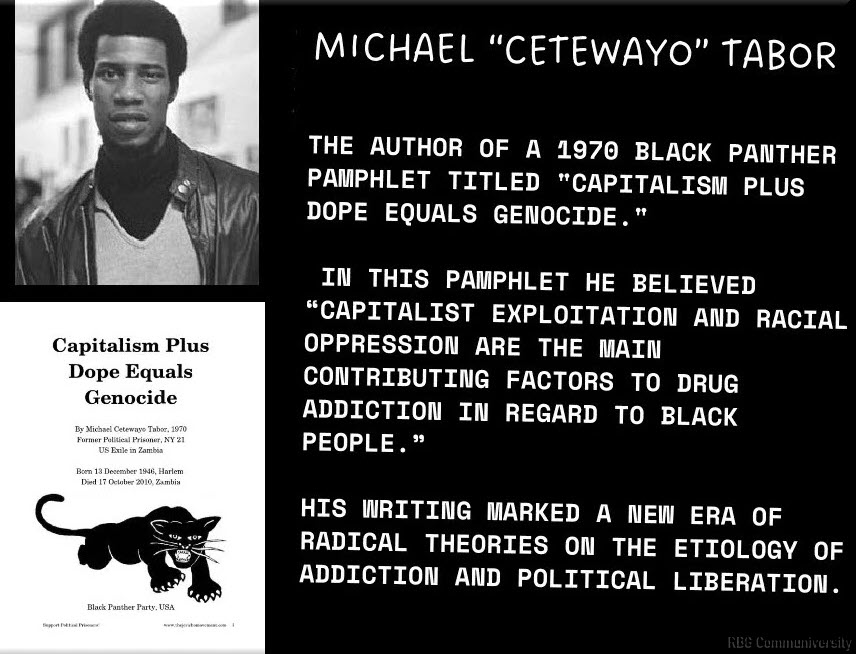
Capitalism Plus Dope Equals Genocide (Michael Cetewayo Tabor| Audio and Text) and Dope is Death (A Vice Film), with Supplemental: How the Young Lords Took Lincoln Hospital, “Left a Health Activism Legacy”

Last Updated 09-20-25

Click for standalone poster.

Source of audio: https://www.pacificaradioarchives.org/recording/bb2588

 Pop the document out from the upper right to read / expand / download (Feel free to click the audio above and then pop the pamphlet out to read along.)

Dangers of substiuting Heroin with Fentanyl

Both Heroin with Fentanyl are in the Opoid Drug Class. Substituting heroin with fentanyl poses significant dangers and risks. Both are opioid drugs, but fentanyl is much more potent than heroin, leading to various health and safety concerns. Here are some critical points outlining the dangers associated with this substitution:

1. Increased Risk of Overdose

  • Potency: Fentanyl is estimated to be 50 to 100 times more potent than heroin. This increased potency means that even a small amount can lead to a fatal overdose.
  • Unpredictability: Users may not be able to accurately gauge the strength of fentanyl, especially if it is mixed with other substances, leading to accidental overdoses.

2. Respiratory Depression

  • Life-Threatening Effects: Like other opioids, fentanyl can cause respiratory depression, where breathing slows down or stops entirely. This is the primary cause of death in opioid overdoses.
  • Rapid Onset: Fentanyl acts quickly, which can lead to sudden respiratory failure, leaving little time for intervention.

3. Withdrawal Symptoms

  • Severe Withdrawal: Transitioning from heroin to fentanyl may lead to intense withdrawal symptoms if the body is not accustomed to fentanyl. This can include pain, nausea, anxiety, and other distressing symptoms.
  • Potential for Increased Use: To avoid withdrawal symptoms, users may increase their fentanyl usage, leading to a higher risk of overdose.

4. Variability in Drug Supply

  • Illicit Manufacturing: Fentanyl is often produced illegally and may be mixed with other street drugs, including heroin, cocaine, or counterfeit pills. The variability in purity and composition increases the risk of overdose and other harmful effects.
  • Lack of Quality Control: Unlike pharmaceutical-grade fentanyl, illicitly manufactured fentanyl can contain unknown additives or impurities, heightening the risk of adverse reactions.

5. Mental Health Risks

  • Psychological Effects: Fentanyl use can lead to severe mood swings, depression, anxiety, and other mental health issues. Users may find it challenging to manage these effects, leading to further substance misuse.
  • Addiction Potential: Both heroin and fentanyl have high potential for addiction, but the potency of fentanyl can result in a quicker development of dependence.

6. Public Health Concerns

  • Epidemic Status: The rise of fentanyl has contributed significantly to the opioid epidemic in many regions, leading to increased rates of overdose deaths.
  • Emergency Response Challenges: First responders may face difficulties in treating fentanyl overdoses, as the drug may require higher doses of naloxone (Narcan) to reverse its effects compared to heroin.

7. Stigma and Social Consequences

  • Criminalization: The illegal nature of both heroin and fentanyl can lead to criminal charges, social stigma, and barriers to treatment and recovery.
  • Access to Care: Individuals using these substances may be reluctant to seek help due to fear of judgment or legal repercussions, exacerbating the cycle of addiction.

Conclusion

Substituting heroin with fentanyl carries significant risks, including a heightened potential for overdose, respiratory failure, severe withdrawal symptoms, and mental health issues. The unpredictability of illicit fentanyl and its increasing presence in the drug supply contribute to the ongoing opioid crisis.

If you or someone you know is struggling with substance use, it’s crucial to seek help from a healthcare professional or a support group. Treatment options and resources are available to support recovery and address the challenges of addiction.

If you have any further questions or need more information on this topic, feel free to ask!

Supplemental: How the Young Lords Took Lincoln Hospital, Left a Health Activism Legacy

(Link to read the article & see Trk #2 video in playlist that follows.)
How the Young Lords Took Lincoln Hospital, Left a Health Activism Legacy

8 Video Playlist.
Trk#1, Dope is Death, is the trailer of a film by mia donovan. The story of how Dr. Mutulu Shakur, stepfather of Tupac Shakur, along with fellow Black Panthers and the Young Lords, combined community health with radical politics to create the first acupuncture detoxification program in America in 1973 – a visionary project eventually deemed too dangerous to exist. (https://dopeisdeath.com/)
In Re of Trk # 3 Dope Is Death | The Short List, “The producers of Dope is Death would like to acknowledge an error in the documentary: Gloria Fontanez has been misidentified as Iris Morales, both were members of the Central Committee of the Young Lords. We apologize for this error and we would like to honor both women for their work.”


Learn more in RBG Communiversity eLibrary|

Illegal Drugs Reading and Video Education

Illegal Drugs Reading and Video Education Folder

Black Panther Party History_eBooks, Articles, Videos, Newsapers and Documents

Black Panther Party History_eBooks, Videos and Documents Folder

Dr. Mutulu Shakur Studies Collection

Dr. Mutulu Shakur Studies Collection Folder