BLACK PSYCHOLOGY: Dr. Na’im Akbar and Dr. Asa Hilliard On Voices From the Village (Video Edu.) and Black Psychology eBook, Ed. by Dr. Reginald L. Jones (1972 Edition), with RBG| Black Psychology Education Player

Click for standalone poster.

Dr. Na’im Akbar and Dr. Asa Hilliard On Voices From the Village

“Voices From the Village” host, Chris Moore, conducts a 1995 interview with psychologists, Dr. Na’im Akbar (Florida State University) and the late Dr. Asa Hilliard (Georgia State University). The three discuss issues covering the legitimacy of Afrocentric scholarship, education, family value systems, and the American prison system. Broadcast Date: September 09, 1995 (3 Video Playlist)

Black Psychology eBook, Edited by Dr. Reginald L. Jones (1972 Edition)

Click for standalone poster.

BLACK PSYCHOLOGY: Thirty-six articles by black psychologists and behavioral scientists provide new data and provocative reinterpretations of the psychological literature on blacks. Emphasizing applied problems this volume presents both original and previously published papers which illuminate the range of activities that characterize this new area. BLACK PSYCHOLOGY offers insightful research commentaries and presents a variety of views on counseling, education, racism, and the applications of psychology in the community. It examines the issues associated with the psychological assessment of blacks, especially the problem of effectively testing blacks in school settings. The role of the black psychologist as a professional in the community is considered. (From the back cover.)

Pop the document out from the upper right to read / expand / download.
RBG| Black Psychology Education Player

32 Video Playlist

Learn more in RBG Communiversity Knowledge Media eLibrary:

Black (African-Centered) Psychology Folder

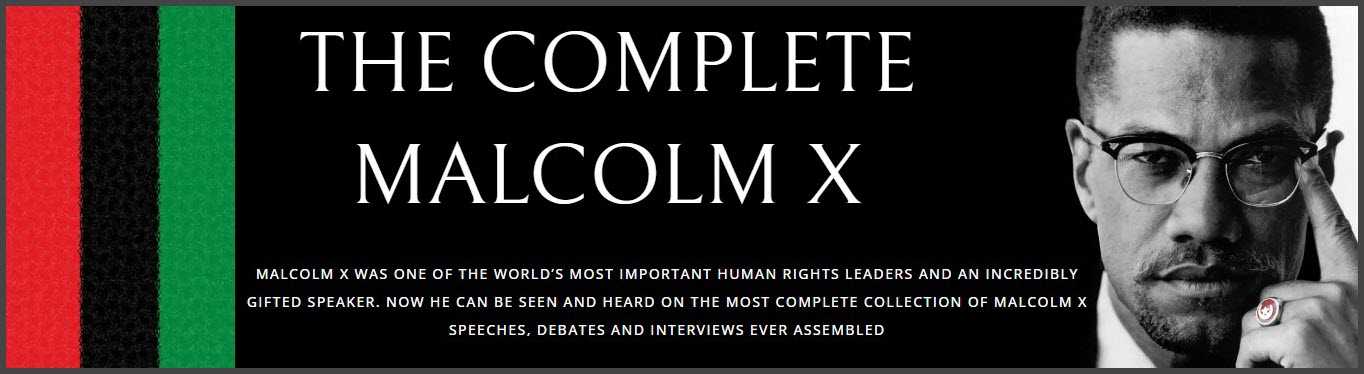
Malcolm X “The Ballot or the Bullet” King Solomon Baptist Church, Detroit, Michigan – April 12, 1964 Speech and Text

Note: “The Ballot or The Bullet” was a speech by Malcolm X mostly about black nationalism delivered April 12, 1964 in Detroit, Michigan. This speech is in the public domain. Originally obtained from the Vincent Voice Library at Michigan State University.

For new comers, pop the document out from the upper right to read / expand / download.
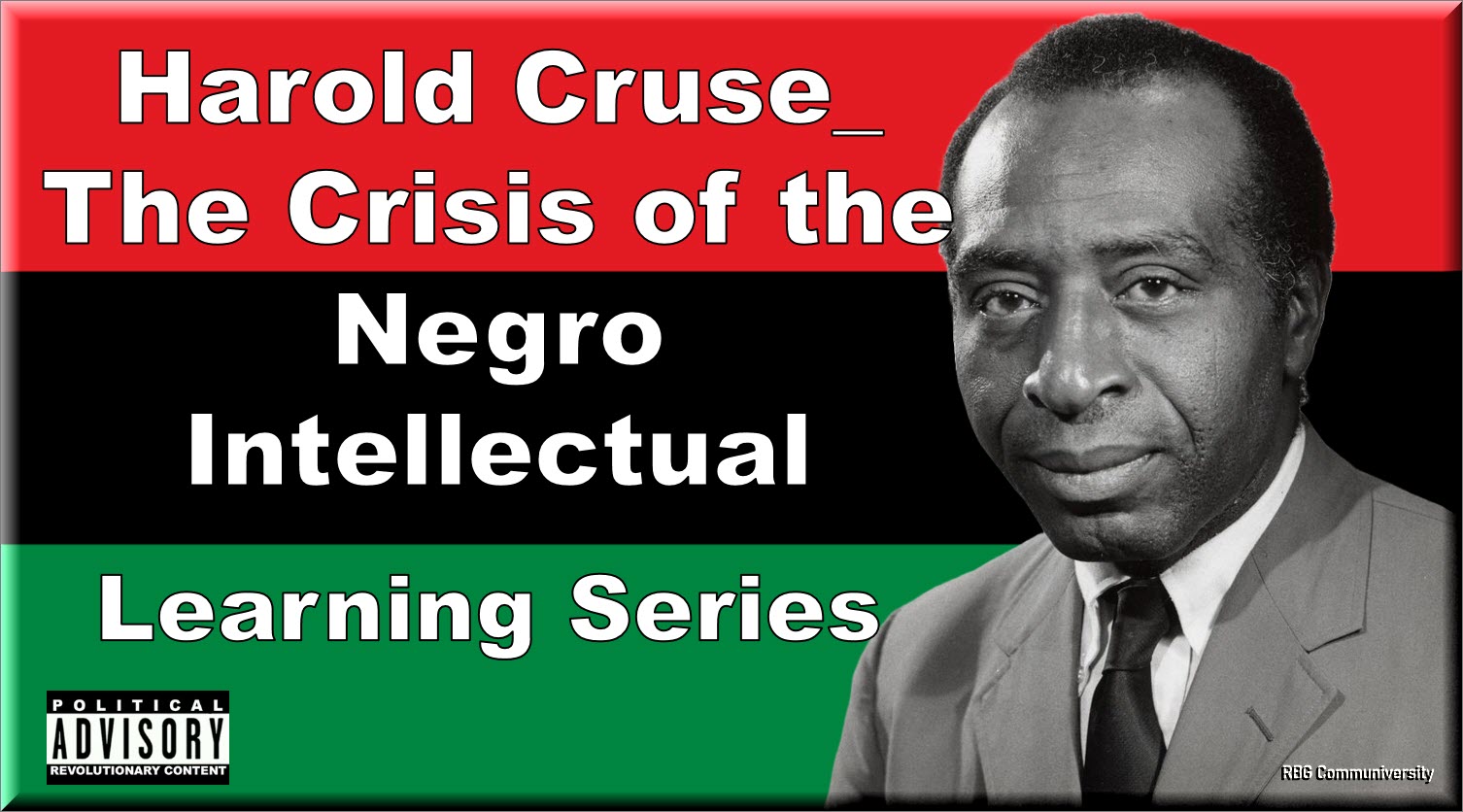
Harold Cruse_The Crisis of the Negro Intellectual Learning Series

Click for full size poster.

6 Video Playlist

SIDEBAR:

Why did Dr. Nathan Hare and Robert Chrisman break up the (Original) Black Scholar Journal?

Nathan Hare and Robert Chrisman had a significant falling out that led to the breakup of the Black Scholar journal due to a combination of personal, ideological, and professional differences.

  1. Ideological Differences: Hare and Chrisman had differing views on the direction and purpose of the journal. Their disagreements included issues related to race, identity, and the focus of the publication, which ultimately influenced their editorial decisions.
  2. Leadership Conflicts: Both individuals had strong personalities and visions for the journal, which led to conflicts over leadership and editorial control. As they struggled for influence, their relationship became strained.
  3. Personal Relationships: The breakdown of their professional partnership was also affected by personal tensions. Disagreements escalated into personal conflicts, which made collaboration increasingly difficult.
  4. Cultural Context: The broader cultural and political environment of the time, particularly during the civil rights movement, played a role in their differing perspectives. Each was influenced by the evolving discourse around race and politics, leading to diverging editorial priorities.
  5. Editorial Vision: Their differing visions for the journal’s content and readership contributed to the eventual split. Each wanted to take the journal in a different direction, which made it challenging to maintain a cohesive publication.
  6. Capsule: It was about Marxism vs Black Nationalism, I think, and thus, Chrisman’s obvious vitriol towards Harold Cruse’s ideological analysis. interesting enough , I’ve heard Chairman Omali teach in multiple lectures that marxism was nothing more than another form of white nationalism. Again, “the more things change the more they stay the same.” (See: RBG Tools of Analysis Page)

Pop the documents out from the upper right to read / expand / download.
Additional Reading: