







Book Summary
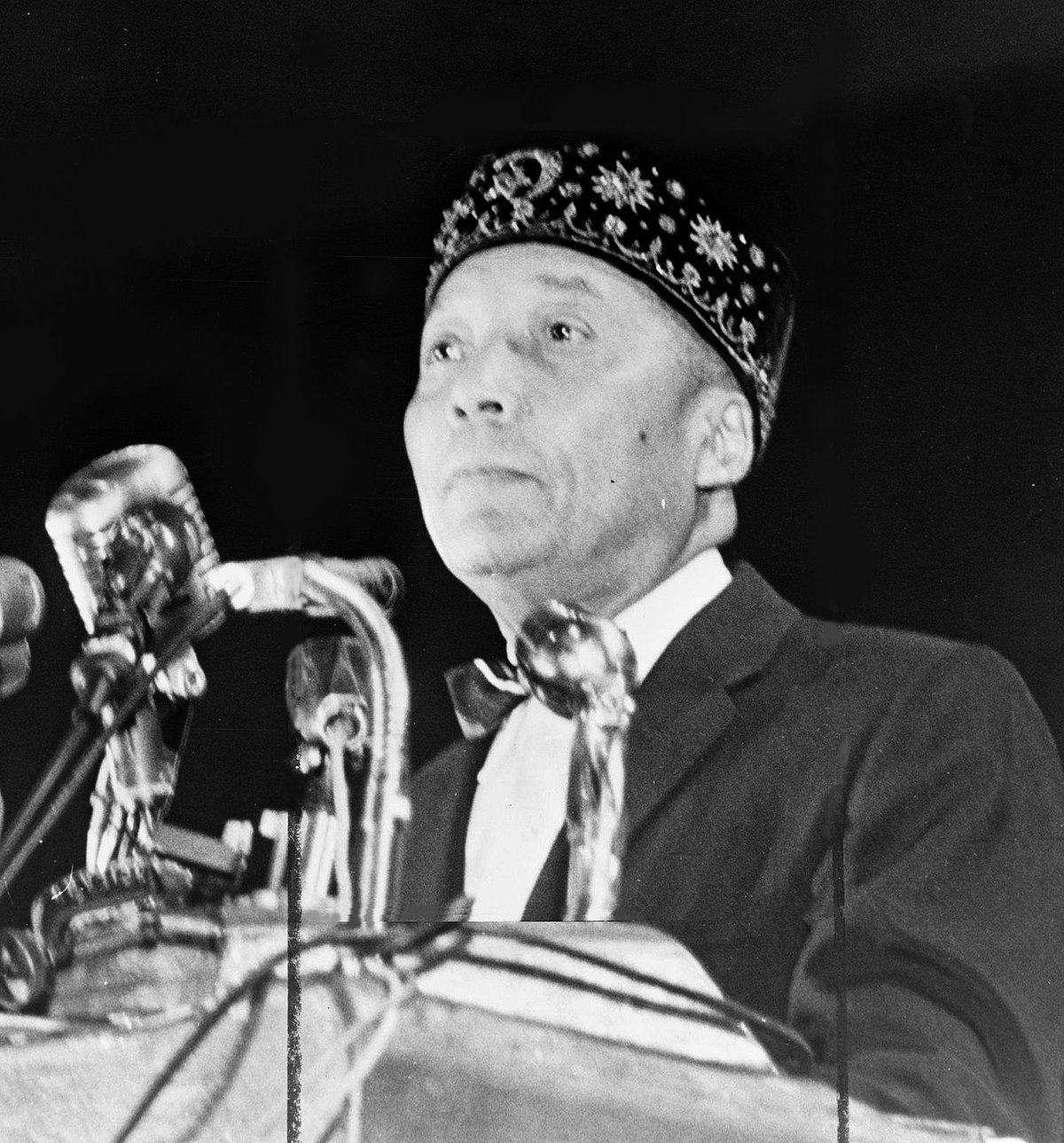
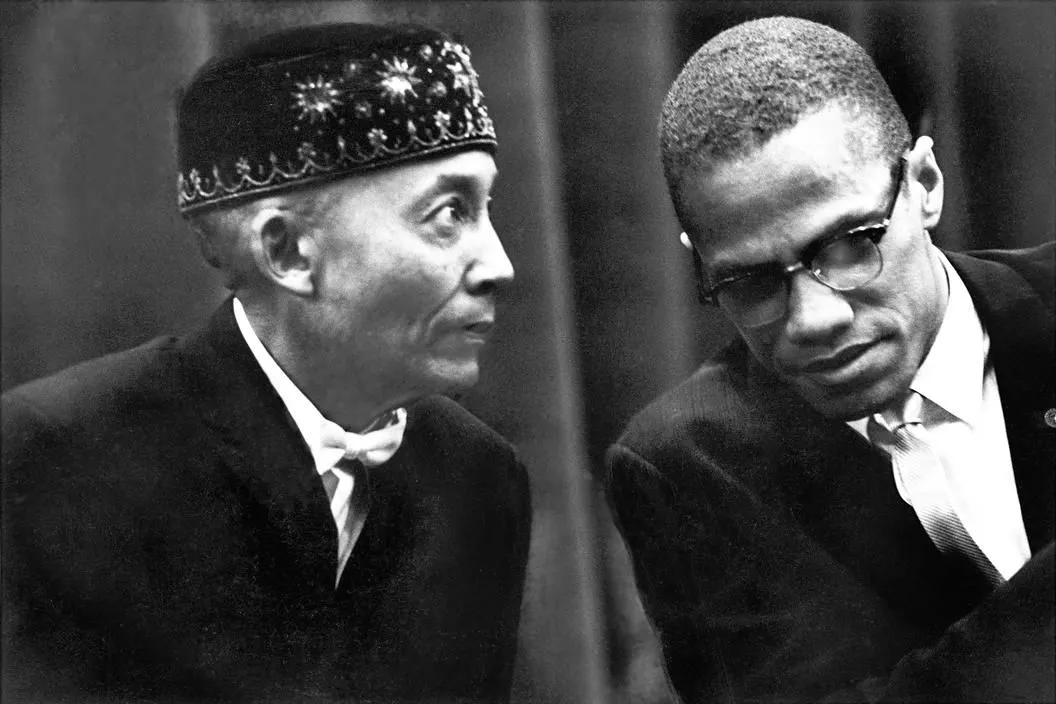
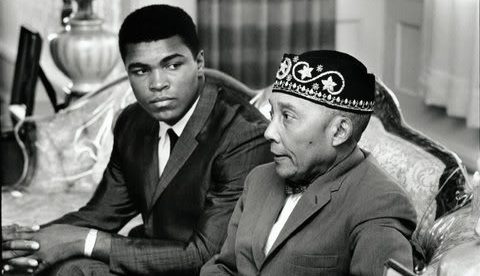
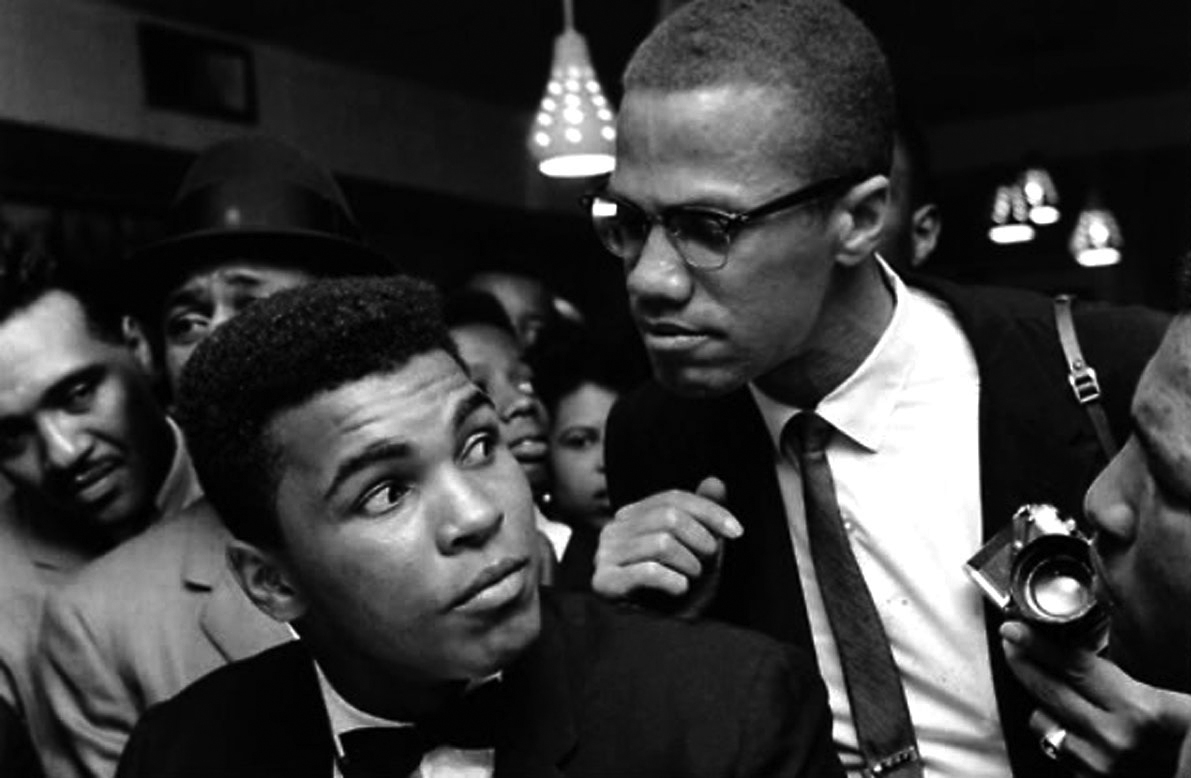
“Those Who Say Don’t Know and Those Who Know Don’t Say”: The Nation of Islam and the Politics of Black Nationalism, 1930-1975” by Garrett A. Felber explores the evolution of the Nation of Islam (NOI) and its significant role in shaping Black nationalism in the United States during the mid-20th century. The book examines the ideological foundations of the NOI, the figures who led it, and its impact on African American identity, politics, and culture. Felber argues that the Nation of Islam was not only a religious movement but also a crucial part of the broader struggle for racial justice and empowerment.
The follow outline provides a structured overview of Garrett A. Felber’s examination of the Nation of Islam and its significance within the context of Black nationalism, reflecting on its historical roots and lasting impact on African American (New Afrikan) society.
- Introduction
- Contextualization of the Nation of Islam
- Overview of Black nationalism in the 20th century
- Purpose and scope of the book
- Historical Background
- Origins of the Nation of Islam in the 1930s
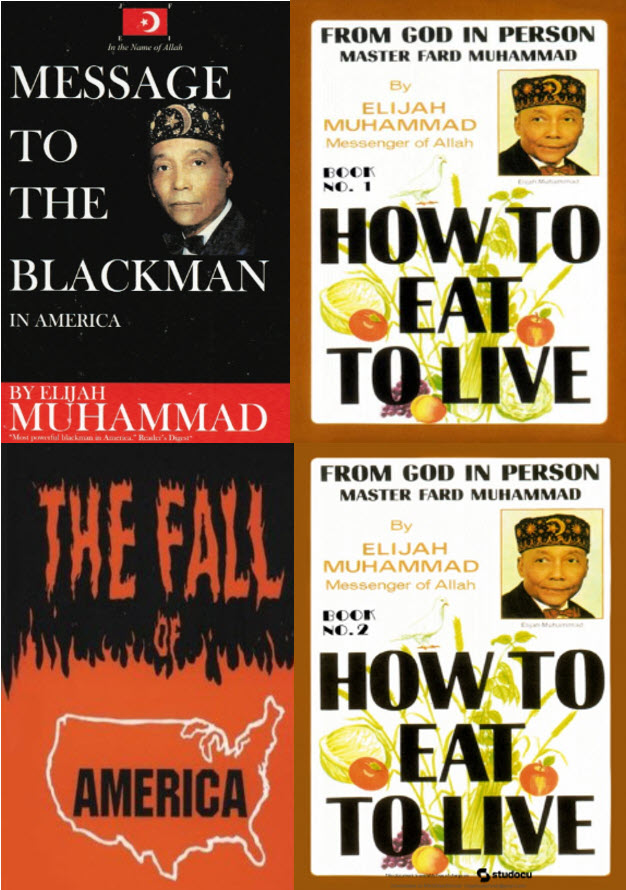
- Key figures: W.D. Fard Muhammad and Elijah Muhammad
- The socio-political landscape of America during the formation of the NOI
- Ideological Foundations
- The religious and philosophical beliefs of the Nation of Islam
- Concepts of race, identity, and community within the NOI
- The role of language and rhetoric in preaching Black empowerment
- The Nation of Islam and Civil Rights
- Relationship with the broader civil rights movement
- Tensions and collaborations with other Black organizations
- Key events and moments of intersection with civil rights activism
- Leadership and Organizational Structure
- Analysis of Elijah Muhammad’s leadership style and strategies
- Growth and expansion of the Nation of Islam
- The role of women and youth in the organization
- Cultural Impact
- Influence of the Nation of Islam on African American culture
- Contributions to music, art, and literature
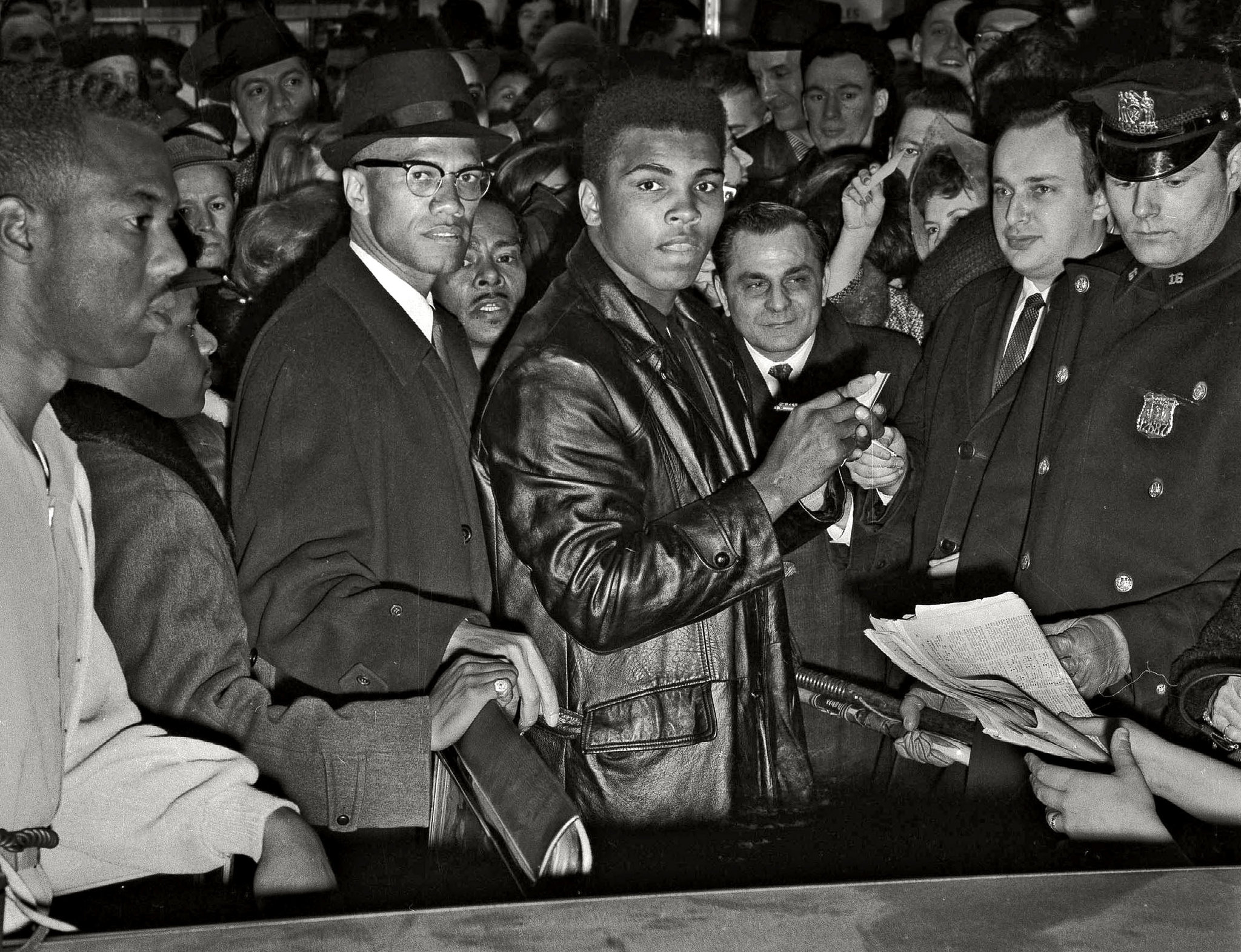
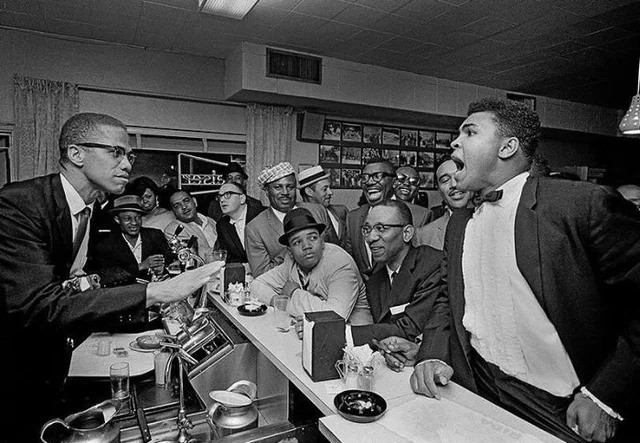
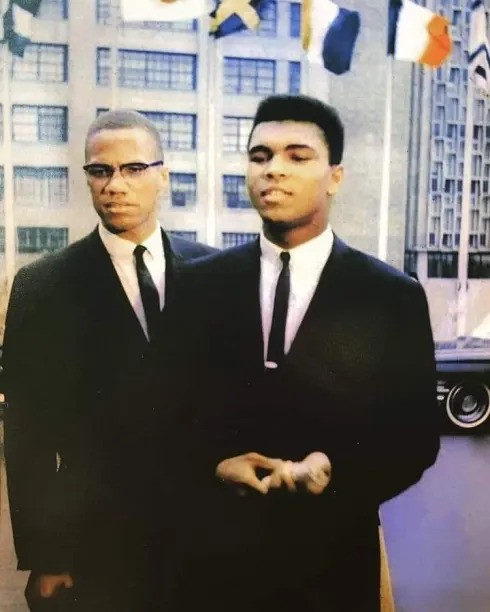
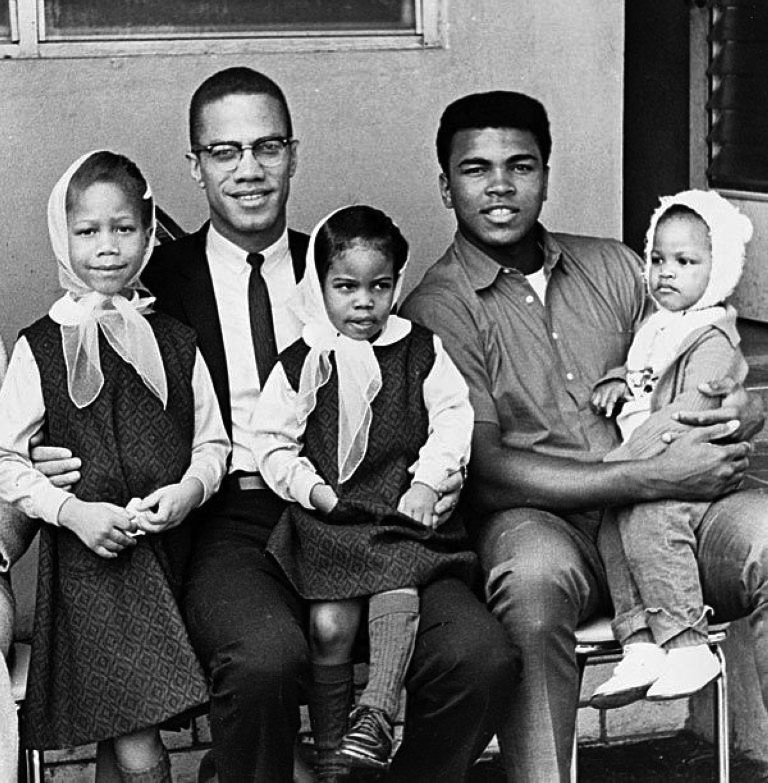
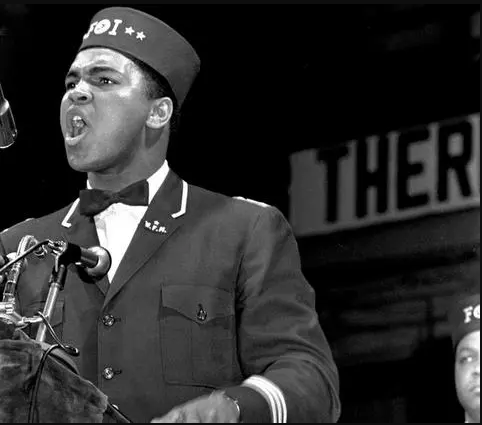
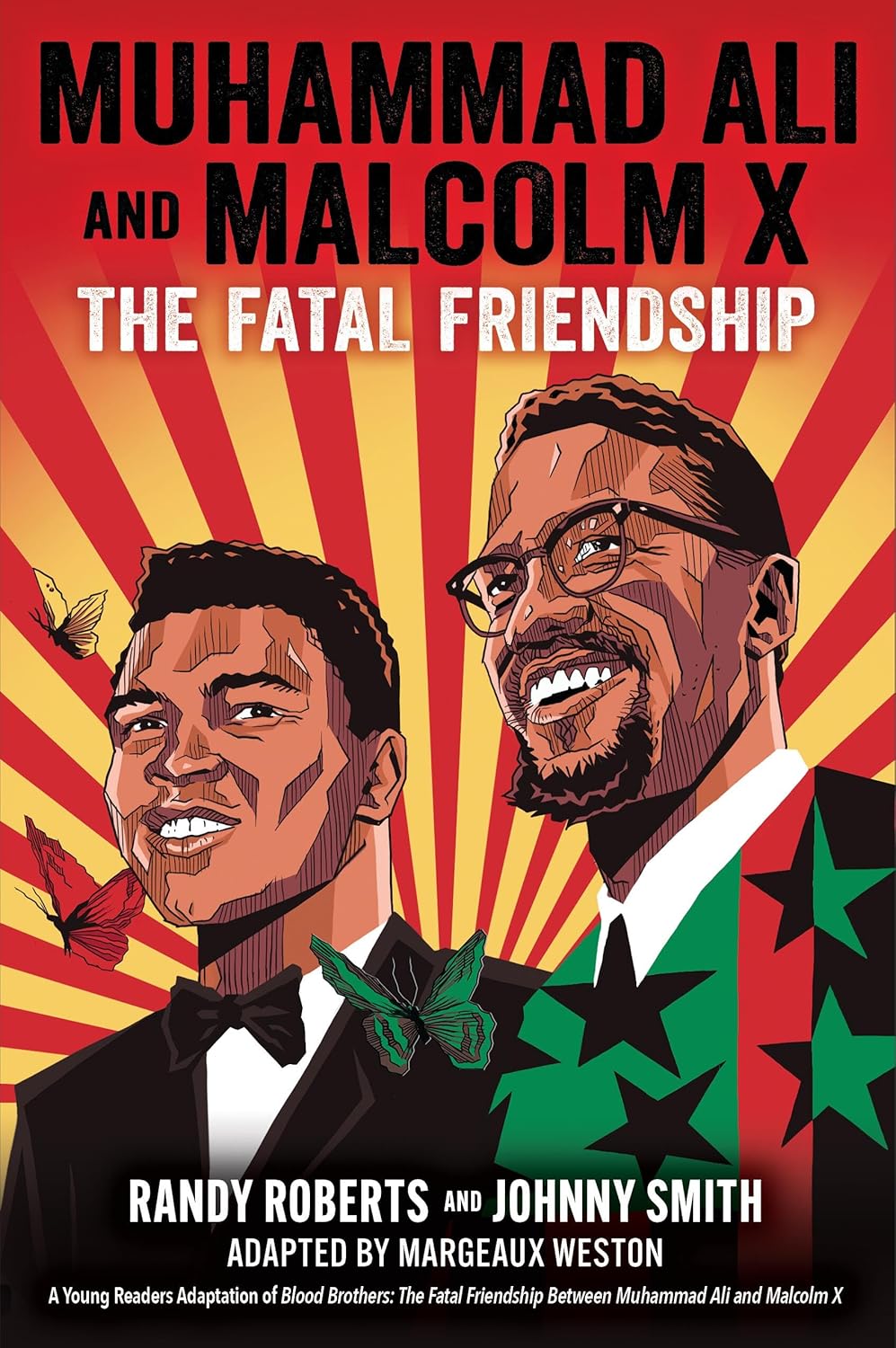
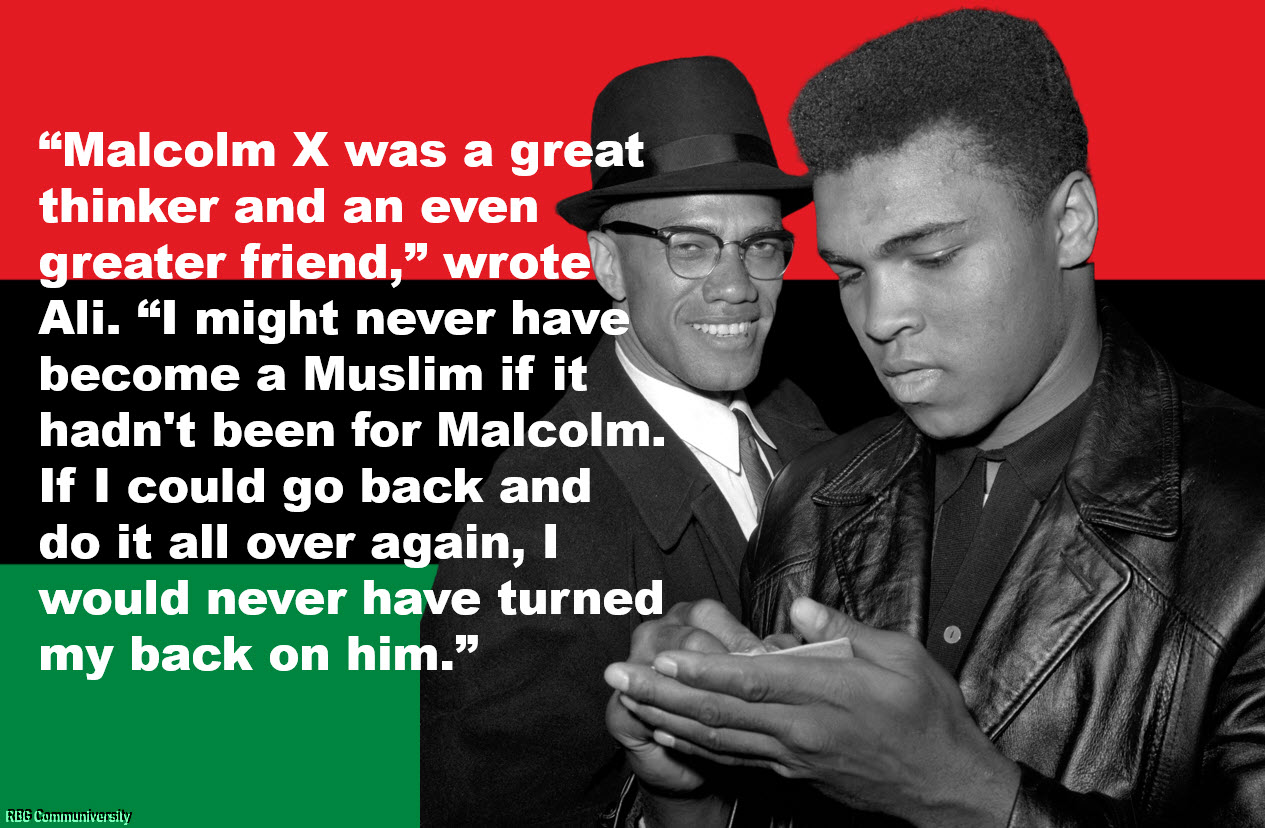
- The significance of public figures associated with the NOI (e.g., Malcolm X)
- Challenges and Controversies
- Internal conflicts and ideological divisions within the Nation of Islam
- Responses to external criticism and government surveillance
- The decline of the NOI’s influence post-1975
- Legacy and Continued Relevance
- The lasting impact of the Nation of Islam on contemporary Black nationalism
- Examination of the NOI’s evolution into the late 20th century and beyond
- Reflections on the ongoing relevance of NOI’s teachings in current movements
- Conclusion
- Summary of key findings and arguments
- The importance of understanding the Nation of Islam’s role in the history of Black nationalism
- Implications for future scholarship and activism

Pop the documents out from the upper right to read / expand / download.
Pop the documents out from the upper right to read / expand / download.




 RBG Communiversity: Message 2 Da Grassroots
You must be logged in to post a comment.