Photo-story montage of Malcolm X’s life, featuring archival images from his prison years, family moments, public speeches, travels, and activism, set to Keith LeBlanc’s 1984 track “No Sell Out” that samples his voice.
rbg4lif (bka RBGStreetScholar) operates RBG Communiversity, a blog and resource hub dedicated to Black Studies, Pan-African education, and Nationhood topics, regularly posting books, syllabi, videos, and materials on figures like Malcolm X, Amos N. Wilson, and historical resistance movements.
Pop the document out from the upper right to read / expand / download
Supplemental: On the Side of My People: A Religious Life of Malcolm X (eBook Preview, 38 pp.)
On the Side of My People: A Religious Life of Malcolm X is a groundbreaking biography written by Louis A. DeCaro Jr. and published by NYU Press in 1996. It stands out as the very first book-length evaluation of Malcolm X’s life focused strictly through a religious lens, reframing a figure who is most commonly analyzed through a purely political or cultural viewpoint.
Here is a structured overview of the book’s core focus, sources, and breakdown:
Core Objectives & Themes
1. Redemption and Spirituality: DeCaro presents Malcolm X as a “man of Allah” driven primarily by personal salvation and religious commitment rather than solely political ambitions.
2. Religious Evolution: The book examines his dual conversions—joining the Nation of Islam (NOI) in prison and later embracing orthodox Sunni Islam after his 1964 pilgrimage to Mecca—alongside his childhood roots, his 1959 Africa trip, and his final year of traditional practice.
3. Critical Analysis: It also analyzes The Autobiography of Malcolm X to understand how his life narrative was curated alongside Alex Haley.
Research Foundations
DeCaro constructs this spiritual portrait using primary materials including interviews with Wilfred Little, declassified FBI files, Black press archives, and audio recordings of speeches and sermons.
Main Chapter Directory
The 10-chapter structure traces his path from his ancestral and Garveyite roots through his early ministry, his split from the Nation of Islam, and his final year as a traditional Muslim convert.
Pop the document out from the upper right to read / expand / download
Abayomi Azikiwe-_-black-history-month-special, including on MX
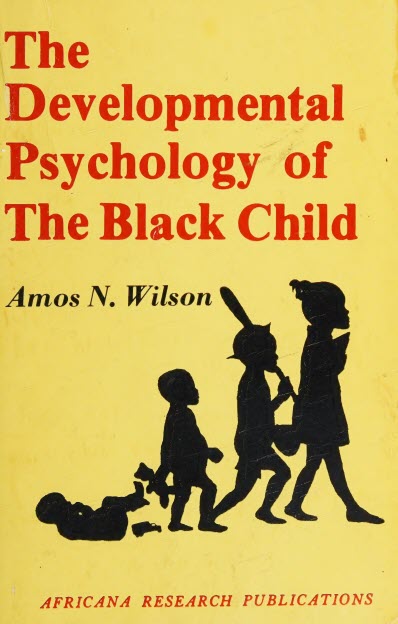
The Developmental Psychology of the Black Child (1978) is a foundational work in African-centered psychology by Amos N. Wilson (1941–1995), a psychologist, educator, and Pan-African scholar who taught at the City University of New York. Wilson, born in Hattiesburg, Mississippi, earned degrees from Morehouse College, The New School, and a Ph.D. from Fordham University.
He argued that standard developmental psychology, built largely on studies of white middle-class children, misrepresents and often pathologizes Black children.
The 216-page book, first issued by Africana Research Publications, examines physical, cognitive, linguistic, and psychosocial development from conception through the preschool years. Wilson’s central claim is that the Black child is not “a white child who happens to be painted Black.” He points to measurable differences in early psychomotor development, higher rates of certain prenatal and perinatal risks (such as lower average birth weight and prematurity), distinct language patterns, and the shaping effects of racism, restricted environments, and cultural mismatch in schools and testing. These differences, he contends, reflect African heritage, historical conditions, and current social realities rather than inherent inferiority.
Chapters cover the prenatal period (maternal nutrition, toxins, hereditary conditions such as sickle-cell anemia), the first two years (accelerated motor milestones in some African-descended infants compared with European norms, limitations of infant IQ tests), preschool race awareness and initiative, the possible role of “psychogenic” environmental stress on brain development, play and media influences, and group differences on standardized intelligence tests.
Wilson critiques IQ testing as culturally loaded, questions whether Black English signals deficit, and examines how parental socialization, teacher expectations, and segregated or mismatched schooling affect outcomes.
He calls for education and child-rearing practices grounded in African-centered frameworks rather than unmodified Eurocentric models.
The book remains influential in Black psychology and Afrocentric education circles, with later reprints (including a 2014 edition) and high reader ratings. It is frequently paired with Wilson’s follow-up Awakening the Natural Genius of Black Children (1992). Scanned copies circulate on archival sites; print editions are available through specialty African-American bookstores and online retailers.
Wilson later expanded these ideas in lectures and books such as Blueprint for Black Power. Readers should note that some data and references date to the late 1970s, while the core critique of applying one-size-fits-all developmental models continues to be discussed in contemporary work on culturally responsive education.
Pop the documents out from the upper right to read / expand / download.
Pop the documents out from the upper right to read / expand / download.
This document explains African-centered education (ACE), emphasizing its role in supporting Black children’s academic, social, and cultural development.
Foundation and Philosophy
>ACE focuses on African culture, history, and community to foster positive racial identity.
>Core beliefs include rejecting Eurocentric notions of intelligence, honoring ancestral legacies, and pursuing excellence.
>It centers on sovereignty, culture, and outdoor experiences.
Structural Features
>Flexible funding, multi-age classrooms, and culturally affirming environments.
>Curricula highlight African accomplishments and representations of Black achievements.
>Family and community engagement are integral.
Process Features
>Curricular approaches incorporate history, culture, and storytelling.
>Teachers prioritize culturally responsive recruitment and professional development.
Conclusion
African-centered education matters as it nurtures Black children’s full potential through culturally sustaining practices.
Angela Davis: An Autobiography (often simply titled An Autobiography) is a powerful political memoir by the renowned activist, scholar, and author Angela Y. Davis. First published in 1974 and edited by Toni Morrison (then an editor at Random House), it remains a classic account of the Black liberation movement, civil rights struggles, and resistance to systemic racism and political repression in the United States during the 1960s and early 1970s.
haymarketbooks.orgWhat the Book CoversWritten when Davis was in her late twenties, the autobiography is framed around her high-profile 1970–1972 ordeal: after guns registered to her were used in a deadly uprising at the Marin County Courthouse (linked to efforts to free the Soledad Brothers), she was charged with conspiracy, kidnapping, and murder, placed on the FBI’s Ten Most Wanted list, went underground, was arrested, imprisoned under harsh conditions, and ultimately acquitted by a jury in 1972.
supersummary.comIt flashes back to her childhood on “Dynamite Hill” in segregated Birmingham, Alabama (amid Jim Crow violence and Ku Klux Klan threats), her academic journey (including philosophy studies influenced by Marxism), her work as a UCLA professor targeted for her Communist Party membership, and her deep involvement in the Black Panther Party circles, the Che-Lumumba Club, and campaigns to free political prisoners like George Jackson.
haymarketbooks.orgTold with warmth, humor, brilliance, and conviction, the book emphasizes collective struggle over individual heroism. It highlights the intersections of racism, class oppression, sexism, and the prison system while advocating for political prisoners and broader liberation. Key themes include the carceral state, Marxist analysis in activism, community organizing, and the personal cost of resistance.
Later reprints: International Publishers and others (including a 1988 edition with Davis’s new introduction).
Current edition: Haymarket Books (ebook 2022; print May 2023). This beautiful reissue includes an expansive new introduction by Davis reflecting on its relevance today amid ongoing movements for racial justice, prison abolition, and radical change. It’s available in paperback (~$18–23), hardcover, and ebook formats. haymarketbooks.org
haymarketbooks.orgYou can find it at major bookstores, Haymarket Books directly (haymarketbooks.org), or libraries. It’s not just a personal story—it’s a call to understand and challenge the systems she fought (and still fights) against. If you’re looking for a specific summary of a chapter, quotes, analysis, or recommendations for related reading (like her later works such as Are Prisons Obsolete?), just let me know!
Angela Davis: An Autobiography eBook
Pop the documents out from the upper right to read / expand / download.
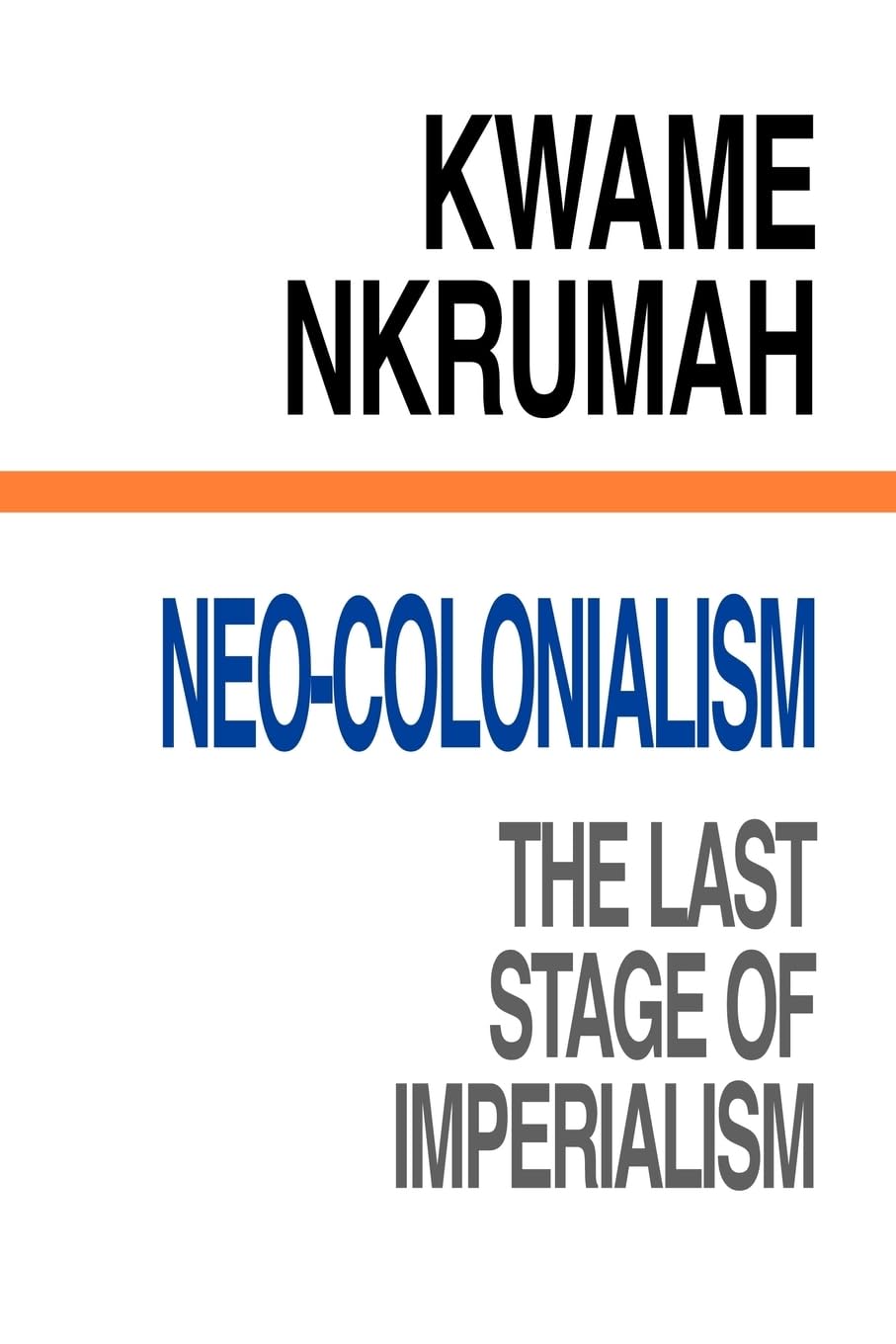
Kwame Nkrumah’s “Neo-Colonialism: The Last Stage of Imperialism” is a critical examination of the dynamics of post-colonial power and the ongoing exploitation of African countries through economic and political means. Nkrumah argues that while formal colonial rule may have ended, neo-colonialism continues to oppress nations, particularly in Africa, by perpetuating dependency on imperial powers. Here’s an overview and outline of the book:
Icebreaker Video
Overview:
Definition of Neo-Colonialism: Nkrumah defines neo-colonialism as a form of indirect control where former colonial powers maintain influence over newly independent nations through economic, political, and cultural means.
Exploitation and Dependency: The book discusses how neo-colonialism fosters economic dependency, hindering genuine development and self-determination for African countries.
Role of Global Institutions: Nkrumah highlights the complicity of international organizations, multinational corporations, and foreign governments in perpetuating neo-colonial practices.
Call for Unity and Resistance: The book advocates for African unity and collective action as essential strategies for combating neo-colonialism and achieving true independence.
Outline:
Introduction
Purpose of the book
Overview of neo-colonialism as a concept
Chapter 1: The Nature of Neo-Colonialism
Definition and characteristics of neo-colonialism
Distinction between colonialism and neo-colonialism
Chapter 2: Economic Dependence
Analysis of how economic policies of former colonial powers create dependency
The role of trade, debt, and foreign aid in sustaining neo-colonialism
Chapter 3: Political Manipulation
Examination of political tactics used by imperial powers to influence newly independent nations
The impact of foreign intervention and support for puppet regimes
Chapter 4: Cultural Imperialism
Discussion of cultural domination and the imposition of foreign values
The effects of Western education, media, and consumer culture on African societies
Chapter 5: The Role of Multinational Corporations
Analysis of how multinational corporations exploit resources and labor in Africa
The relationship between governments and corporations in sustaining neo-colonial practices
Chapter 6: The Complicity of International Organizations
Examination of the roles of institutions like the IMF, World Bank, and United Nations
How these organizations perpetuate neo-colonial policies under the guise of development aid
Chapter 7: The Struggle for True Independence
Strategies for resisting neo-colonialism
The importance of Pan-Africanism and solidarity among African nations
Chapter 8: The Future of Africa
Vision for a liberated and self-sufficient Africa
The necessity of political and economic unity to combat neo-colonialism
Conclusion
Summary of key arguments
Call to action for African leaders and peoples to reject neo-colonialism
Significance:
“Neo-Colonialism: The Last Stage of Imperialism” is a crucial text that challenges the notion that colonialism ended with political independence. Nkrumah’s analysis of neo-colonial dynamics serves as a powerful reminder of the ongoing struggles for true sovereignty and self-determination in Africa. By advocating for unity and resistance against neo-colonial forces, the book aims to inspire a collective movement towards genuine liberation and development. Nkrumah’s insights continue to resonate in contemporary discussions about globalization, economic exploitation, and the quest for justice and equality in the post-colonial world.
Kwame Nkrumah’s “Neo-Colonialism: The Last Stage of Imperialism” provides a comprehensive analysis of the ways in which former colonial powers maintain control over newly independent nations, particularly in Africa. Here are some deeper insights into the key themes, concepts, and implications of the book:
Key Themes and Insights:
Definition and Characteristics of Neo-Colonialism:
Nkrumah defines neo-colonialism as a system where colonial powers exert influence over former colonies without direct political control. He explores how economic, political, and cultural mechanisms create a scenario where nations appear independent but are still heavily influenced by external powers.
Economic Dependency:
The book emphasizes the economic structures that keep African nations dependent on former colonial powers. Nkrumah argues that the terms of trade, debt obligations, and reliance on foreign aid trap African countries in cycles of poverty and underdevelopment. He highlights how these factors inhibit genuine economic growth and self-reliance.
Political Manipulation:
Nkrumah discusses how neo-colonialism manifests in political interference, where foreign powers support certain regimes or leaders that align with their interests. This manipulation often leads to the establishment of puppet governments that lack legitimacy and fail to represent the will of the people.
Cultural Imperialism:
The book addresses the cultural dimensions of neo-colonialism, where Western values and ideologies are imposed on African societies. Nkrumah critiques the influence of Western education, media, and consumer culture, arguing that these elements erode local traditions and identities.
Role of Multinational Corporations:
Multinational corporations are portrayed as key players in the neo-colonial system. Nkrumah explains how these entities exploit Africa’s natural resources and labor while contributing little to local economies. He highlights the need for African nations to reclaim control over their resources.
Complicity of International Organizations:
Nkrumah critiques international organizations like the IMF and World Bank for perpetuating neo-colonial policies. He argues that these institutions often impose conditions on loans and aid that prioritize the interests of donor countries over the needs of African nations.
Resistance and Solidarity:
The book advocates for a united front among African nations to resist neo-colonialism. Nkrumah emphasizes the importance of Pan-Africanism, urging African leaders and peoples to come together in solidarity to combat external influences and work towards true independence.
Vision for the Future:
Nkrumah envisions a liberated Africa where nations are self-sufficient and politically united. He argues that only through collective action and a rejection of neo-colonial practices can Africa achieve genuine development and empowerment.
Implications of Nkrumah’s Analysis:
Historical Context: Written in the 1960s, the book reflects the realities of post-colonial Africa, where many nations were grappling with the challenges of independence while facing ongoing external pressures. Nkrumah’s insights remain relevant as many African countries continue to confront neo-colonial dynamics.
Influence on Political Discourse: Nkrumah’s work has significantly influenced political thought in Africa and beyond. His critiques of imperialism and calls for unity resonate with contemporary movements advocating for social justice, economic independence, and political sovereignty.
Ongoing Relevance: The themes of neo-colonialism are particularly pertinent today in discussions about globalization, economic exploitation, and the influence of multinational corporations. Nkrumah’s analysis encourages critical examination of how power dynamics operate in the modern world, especially in relation to developing nations.
Legacy of Pan-Africanism: Nkrumah’s advocacy for Pan-Africanism serves as a foundational element for many contemporary movements seeking African unity and cooperation. His vision of a collective struggle against neo-colonial forces continues to inspire activists and leaders advocating for a unified Africa.
Conclusion:
“Neo-Colonialism: The Last Stage of Imperialism” is a powerful critique of the ongoing exploitation of African nations in the post-colonial era. Nkrumah’s insights into economic dependency, political manipulation, and cultural imperialism provide a comprehensive framework for understanding the complexities of neo-colonial power dynamics. His call for unity and resistance remains a rallying cry for those seeking true independence and self-determination in Africa and beyond. The book not only serves as a historical analysis but also as a guide for future generations committed to the struggle for justice and equality.
Kwame Nkrumah’s “Neo-Colonialism: The Last Stage of Imperialism”eBook
Pop the document out from the upper right to read / expand / download.
Kwame Nkrumah’s “Neo-Colonialism: The Last Stage of Imperialism”Audiobook
ICEBREAKER Video: Malcolm X Oxford Union Debate, Dec 3 1964
Book Summary
“Ghosts in Our Blood: With Malcolm X in Africa, England, and the Caribbean” by Jan R. Carew is a compelling memoir that chronicles the life and experiences of Malcolm X during his travels in Africa, England, and the Caribbean. The book provides a unique perspective on Malcolm’s journey of self-discovery and his evolving political and social beliefs. Carew, who was a close associate of Malcolm X, offers insights into the influential figures he encountered, the cultural exchanges he experienced, and the broader implications of his activism.
The following outline captures Malcolm’s vision for global Black empowerment, his commitment to social justice, and the legacy he left behind as written in the book.
Outline
I. Introduction
A. Overview of Malcolm X’s significance in the civil and human rights movements
B. Purpose of the memoir and its connection to Malcolm’s journey
C. Brief introduction to Jan R. Carew and his relationship with Malcolm X
II. Early Life and Background
A. Malcolm X’s upbringing and formative experiences
B. The impact of race and identity on Malcolm’s worldview
C. Introduction to Carew’s background and perspective
III. Malcolm’s Travels in Africa
A. Arrival in Africa and initial impressions
Reactions to African culture and society
Encounters with African leaders and activists
B. Exploration of Pan-Africanism
Malcolm’s engagement with the ideals of unity and self-determination
Impact of African independence movements on Malcolm’s thinking
IV. Experiences in England
A. Malcolm’s visit to England and interactions with British audiences
Speaking engagements and public reception
Reflections on race relations in the UK
B. Discussion of global solidarity among Black communities
Connections with British activists and intellectual
The influence of international perspectives on Malcolm’s views
V. The Caribbean Journey
A. Malcolm’s travels throughout the Caribbean
Cultural exchanges and connections with Caribbean leaders
Exploration of colonial legacies and struggles for independence
B. Insights into the Caribbean diaspora and identity
Malcolm’s reflections on shared experiences of oppression
The importance of collective action for liberation
VI. Malcolm’s Evolving Political Philosophy
A. Transformation of Malcolm’s beliefs during his travels
Embracing broader notions of human rights
Shifts in perspective on race and identity
B. Influence of global events on Malcolm’s activism
Responses to anti-colonial movements and global injustices
The emergence of a more inclusive vision for social justice
VII. Legacy of Malcolm X
A. The impact of Malcolm’s travels on his legacy
Lasting influence on the civil rights movement and beyond
Continued relevance of Malcolm’s ideas in contemporary discussions
B. Carew’s reflections on Malcolm’s enduring spirit
Personal anecdotes and memories of Malcolm
The significance of preserving Malcolm’s legacy for future generations
VIII. Conclusion
A. Summary of key themes and insights from the memoir
B. Reflection on the importance of Malcolm X’s journey
C. Call to action for continued activism and social change
“Ghosts in Our Blood: With Malcolm X in Africa, England, and the Caribbean” is a powerful memoir that offers a unique perspective on the life and legacy of Malcolm X during a pivotal time in his journey. Through Carew’s firsthand experiences and reflections, the book highlights the global dimensions of Malcolm’s activism and the importance of solidarity among Black communities. By exploring Malcolm’s travels and evolving beliefs, the memoir serves as both a tribute to his impact and a call for continued commitment to social justice and empowerment.
“Ghosts in Our Blood: With Malcolm X in Africa, England, and the Caribbean” is a significant work that not only chronicles the experiences of Malcolm X but also provides profound insights into his evolving worldview during a transformative period in his life. Here’s a more detailed exploration of the book’s themes, context, and significance:
Detailed Exploration of Key Themes
1. Malcolm X’s Global Perspective
Internationalism: One of the central themes of the book is Malcolm X’s growing understanding of internationalism and Pan-Africanism. His travels to Africa, England, and the Caribbean exposed him to anti-colonial movements and the struggles of people of African descent around the world. This broadened his perspective on race, identity, and the fight against oppression.
Solidarity Among Black Communities: Carew emphasizes the connections Malcolm made with various leaders and activists during his travels. These relationships highlighted the importance of solidarity among Black communities globally, reinforcing Malcolm’s belief that struggles for liberation were interconnected.
2. Cultural Exchanges and Identity
Cultural Appreciation: Throughout his travels, Malcolm X engaged with various cultures, which enriched his understanding of African heritage and identity. He was deeply moved by the rich histories and traditions he encountered, leading him to appreciate the cultural roots of the African diaspora.
Reflections on Identity: Malcolm’s experiences prompted him to reflect on his own identity and the complexities of being a Black man in America. His encounters with diverse communities allowed him to see the shared experiences of oppression and resilience among people of African descent, fostering a sense of unity.
3. Transformation of Political Philosophy
Evolution of Beliefs: Carew captures Malcolm’s transformation from a more nationalistic perspective to one that embraced broader human rights issues. His travels influenced his views on race relations, moving towards a more inclusive ideology that recognized the struggles of all oppressed people, not just those in the U.S.
Influence of Global Events: The book details how significant global events, such as the independence movements in Africa and the civil rights struggles in the Caribbean, shaped Malcolm’s thinking. He began to frame his activism within a larger context of global justice and human rights.
4. Legacy and Impact
Enduring Influence: Carew discusses the lasting impact of Malcolm X’s travels and his philosophy on contemporary social justice movements. Malcolm’s ideas about empowerment, self-determination, and the importance of grassroots activism continue to resonate today.
Personal Reflections: Through anecdotes and personal memories, Carew provides a humanizing portrait of Malcolm X. He reflects on their conversations, Malcolm’s charisma, and his commitment to justice, contributing to a deeper understanding of Malcolm as a person and a leader.
Contextual Significance
Historical Context: The book situates Malcolm X within the broader historical context of the civil rights movement and global struggles against colonialism. Understanding the geopolitical landscape of the 1960s enhances the reader’s appreciation of the challenges and opportunities Malcolm faced during his travels.
Cultural and Political Climate: Carew’s narrative also reflects the cultural and political climate of the time, including the rise of nationalism in Africa and the Caribbean. This context is crucial for understanding how Malcolm’s experiences shaped his ideology and activism.
Conclusion
“Ghosts in Our Blood: With Malcolm X in Africa, England, and the Caribbean” by Jan R. Carew is a poignant and illuminating memoir that captures a vital period in Malcolm X’s life. It highlights his transformation, the depth of his political philosophy, and his commitment to global solidarity among oppressed peoples. Carew’s insights and personal reflections provide a unique perspective on Malcolm’s legacy, making the book an essential read for those interested in civil rights, history, and the ongoing struggle for social justice. It serves not only as a tribute to Malcolm X but also as a call for continued activism in the pursuit of equity and liberation.
“Ghosts in Our Blood: With Malcolm X in Africa, England, and the Caribbean” eBook
Pop the documents out from the upper right to read / expand / download.
“Ghosts in Our Blood: With Malcolm X in Africa, England, and the Caribbean” Audiobook











You must be logged in to post a comment.