
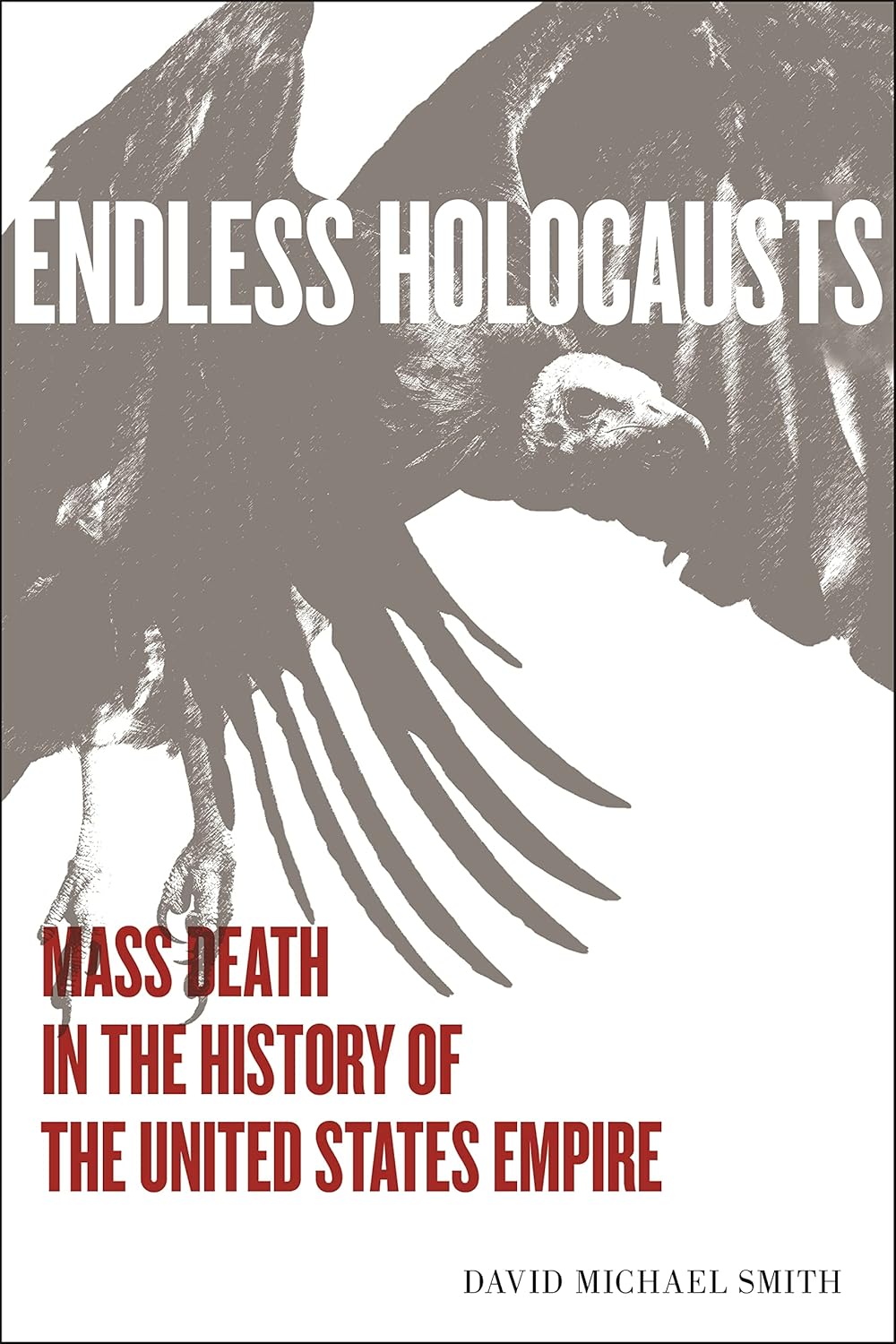
Book Summary
“Endless Holocausts: Mass Death in the History of the United States Empire” by David Michael Smith is a critical examination of the recurring themes of mass violence and genocide throughout American history. The book explores how systemic oppression, colonialism, and imperial ambitions have led to widespread death and suffering, particularly among marginalized communities. Smith argues that these historical atrocities are often overlooked or minimized in mainstream narratives, and he seeks to confront the uncomfortable truths about the United States’ role in perpetuating mass death both domestically and abroad. Through a combination of historical analysis, case studies, and theoretical frameworks, the book aims to shed light on the darker aspects of American empire and challenge readers to acknowledge and confront this legacy.
Outline
- Introduction
- Overview of the book’s themes and objectives
- Discussion of the concept of “endless holocausts” in relation to U.S. history
- Introduction to the framework for analyzing mass death and systemic violence
- 1: Colonial Foundations of Mass Death
- Examination of the genocidal practices against Indigenous peoples during colonization
- Analysis of how colonialism laid the groundwork for future acts of mass violence
- Discussion of the role of racism and ideology in justifying violence against marginalized populations
- 2: Slavery and the Slave Trade
- Exploration of the impact of the transatlantic slave trade on African populations
- Analysis of the violence and dehumanization inherent in the institution of slavery
- Discussion of the long-term consequences of slavery on American society and race relations
- 3: The Indian Wars and Expansionism
- Examination of U.S. military campaigns against Indigenous nations in the 19th century
- Analysis of the policies of removal, relocation, and extermination
- Discussion of how these actions were rationalized by notions of Manifest Destiny
- 4: Imperialism and Foreign Interventions
- Exploration of U.S. imperialism in the late 19th and early 20th centuries
- Analysis of military interventions in places like the Philippines, Latin America, and beyond
- Discussion of the consequences of these interventions for local populations and global politics
- 5: The Cold War and Mass Violence
- Examination of the U.S. role in supporting authoritarian regimes and engaging in covert operations during the Cold War
- Analysis of the impact of U.S. policies on human rights and mass atrocities in various regions
- Discussion of the legacy of Cold War interventions on contemporary global issues
- 6: The War on Terror and Contemporary Mass Death
- Exploration of the repercussions of the War on Terror, including the invasions of Afghanistan and Iraq
- Analysis of civilian casualties and the human cost of military engagements
- Discussion of the ongoing repercussions of these conflicts on global stability and human rights
- 7: The Political Economy of Mass Death
- Examination of the economic and political factors that contribute to mass violence
- Discussion of the role of capitalism, militarism, and imperial interests in perpetuating cycles of violence
- Analysis of how systemic inequalities and exploitation lead to mass death
- 8: Acknowledging and Confronting the Legacy
- Exploration of the importance of recognizing and confronting the history of mass death in the U.S.
- Discussion of the role of education, activism, and historical memory in addressing these issues
- Advocacy for a more truthful and comprehensive understanding of American history
- Conclusion
- Summary of key themes and insights presented throughout the book
- Reflection on the implications of mass death for contemporary society and politics
- Call to action for individuals and communities to engage with this legacy and work towards justice
Significance of the Book
“Endless Holocausts” is a provocative and essential contribution to the discourse on American history, imperialism, and systemic violence. David Michael Smith’s critical examination of mass death and the historical patterns that underlie it challenges readers to confront uncomfortable truths about the United States’ role in perpetuating suffering both domestically and globally. By drawing connections between past atrocities and contemporary issues, the book calls for a reckoning with history and a commitment to justice for marginalized communities. Smith’s work serves as a reminder of the need for accountability and awareness in the ongoing struggle against systemic oppression and violence.
“Endless Holocausts: Mass Death in the History of the United States Empire” is a profound and thought-provoking exploration of how mass violence and genocide have been integral to the historical narrative of the United States. The book challenges readers to confront the uncomfortable realities of American history, focusing on the systemic oppression and mass death that have characterized the nation’s imperial trajectory. Here’s a deeper look into the key themes, arguments, and implications presented in the book:
Key Themes and Arguments
- Historical Continuity of Violence
- Smith argues that mass death is not just an aberration in American history but rather a recurring theme fueled by imperial ambitions, colonial policies, and systemic racism. He presents a narrative that connects past atrocities to contemporary issues, emphasizing that understanding this continuity is essential for addressing current injustices.
- The book contends that the patterns of violence established in earlier historical periods still resonate today, influencing policies and societal attitudes.
- Colonialism and Genocide
- The examination of colonialism serves as a foundational aspect of the book. Smith details how the colonization of Indigenous lands involved systematic violence, displacement, and extermination. This historical context is crucial for understanding the ongoing effects of colonialism on Indigenous communities in the U.S.
- He emphasizes that the ideologies that justified these violent actions—such as manifest destiny and racial superiority—continue to inform contemporary attitudes towards marginalized groups.
- Slavery and Racial Oppression
- The book delves into the violent legacy of slavery and the transatlantic slave trade, highlighting the dehumanization and brutality faced by enslaved Africans. Smith argues that this legacy has profound implications for race relations in the United States, contributing to systemic racism and social inequities that persist today.
- Smith explores how the institution of slavery was not only a means of economic exploitation but also a mechanism of mass death, with countless lives lost due to violence, neglect, and inhumane conditions.
- Imperialism and Military Interventions
- Smith analyzes U.S. imperialism, particularly during the late 19th and early 20th centuries, revealing how military interventions in countries like the Philippines and various Latin American nations resulted in significant civilian casualties and suffering.
- The book discusses how these interventions were often framed as benevolent actions but were fundamentally driven by economic and strategic interests, leading to the imposition of American power at the cost of local populations.
- Cold War Atrocities
- The Cold War period is scrutinized for its role in perpetuating mass violence, with the U.S. supporting authoritarian regimes and engaging in covert operations that resulted in human rights abuses and mass deaths in various regions.
- Smith argues that the geopolitical motivations of this era contributed to a culture of impunity and disregard for human rights, with lasting consequences that are still felt in many parts of the world.
- Contemporary Context of Mass Death
- In examining the War on Terror, Smith highlights the human cost of U.S. military actions in Afghanistan and Iraq, drawing attention to civilian casualties and the broader implications for global stability.
- The author critiques the narratives surrounding these conflicts, emphasizing the need to acknowledge the suffering inflicted on populations as a result of these military engagements.
- Political Economy and Systemic Inequalities
- The book also explores the relationship between economic systems, political power, and mass death. Smith argues that capitalism and militarism are intertwined, creating conditions that enable violence and exploitation.
- He discusses how systemic inequalities, driven by race and class, contribute to cycles of violence and oppression, making it crucial to address these root causes in any effort to achieve justice.
Implications and Challenges
- Confronting Historical Narratives
- “Endless Holocausts” challenges conventional historical narratives that often minimize or omit discussions of mass death and systemic violence. Smith advocates for a more comprehensive understanding of U.S. history that includes these darker chapters, arguing that acknowledgment is a crucial first step towards healing and justice.
- By reframing history through the lens of mass death and oppression, the book encourages readers to critically evaluate the implications of this legacy for contemporary society.
- Call for Justice and Accountability
- The book emphasizes the importance of accountability for past atrocities and the need for reparative justice for affected communities. Smith argues that recognizing historical injustices is essential for addressing current inequalities and preventing future violence.
- He advocates for activism and educational initiatives that highlight these issues, calling on individuals and communities to engage in the ongoing struggle for justice and equity.
- Vision for a Just Future
- Ultimately, Smith’s work serves as a call to action, urging readers to confront the realities of mass death and systemic oppression in order to build a more just and equitable society. He emphasizes the role of collective memory, activism, and policy change in achieving this vision.
- The book underscores the need for a societal commitment to dismantling oppressive systems, fostering dialogue, and creating conditions that promote human rights and dignity for all.
Conclusion
“Endless Holocausts” is a critical and necessary contribution to the discourse on American history, imperialism, and systemic violence. David Michael Smith’s exploration of mass death and its historical roots challenges readers to confront uncomfortable truths about the United States’ legacy and its implications for contemporary society. By connecting past atrocities to ongoing struggles for justice, the book serves as both a historical analysis and a call to action for individuals and communities committed to confronting oppression and building a more equitable future.

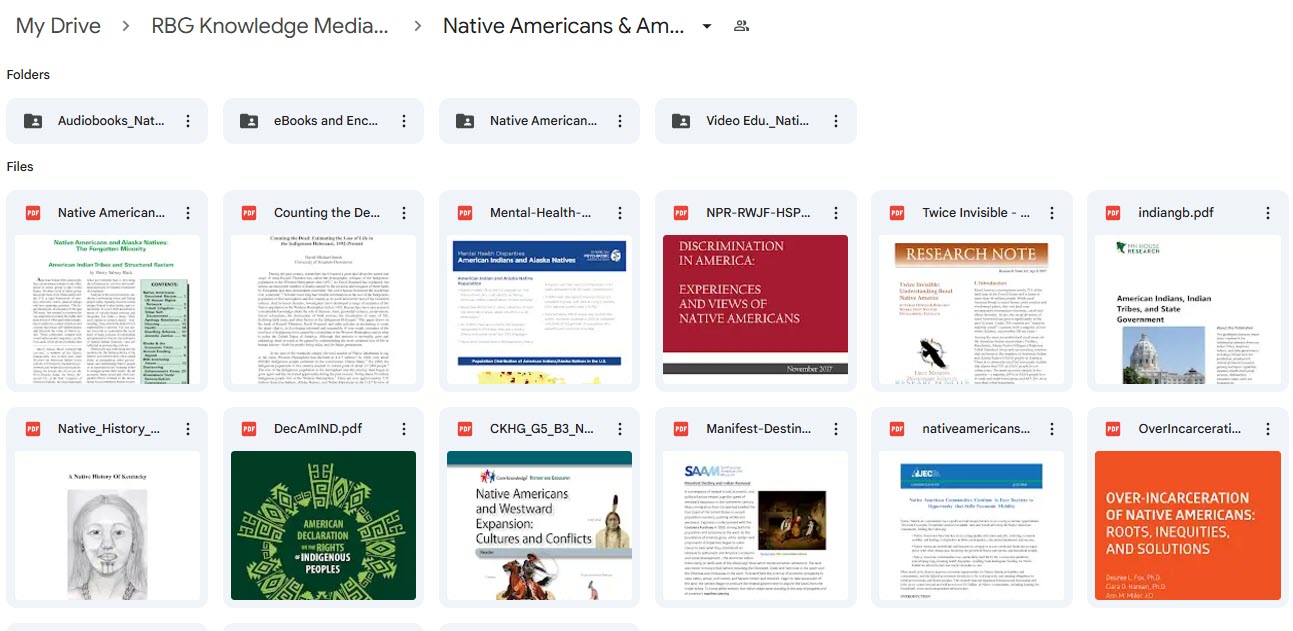
Endless Holocausts_eBook
Pop the documents out from the upper right to read / expand / download.




 RBG Communiversity: Message 2 Da Grassroots
You must be logged in to post a comment.