The Huey P. Newton Reader_eBook and Audiobook

Book Summary

“The Huey P. Newton Reader” is a compilation of writings and speeches by Huey P. Newton, co-founder of the Black Panther Party. This collection offers a comprehensive look at Newton’s thoughts on race, social justice, and the revolutionary movements of the 1960s and 1970s. It includes a range of materials, from essays and manifestos to interviews and personal reflections, providing insight into Newton’s ideology and the principles that guided the Black Panther Party. The reader serves not only as an important historical document but also as a source of inspiration for contemporary movements advocating for social justice and equality.

  • Introduction
    • Overview of Huey P. Newton’s life and significance
    • Contextualization of the Black Panther Party and its impact on civil rights movements
    • Explanation of the purpose of the reader and its relevance today
  • Part 1: Early Writings
    • Chapter 1: Political Ideology
      • Exploration of Newton’s early political influences and formation of ideas
      • Discussion of the impact of Marxism and Black nationalism on his thought
    • Chapter 2: The Birth of the Black Panther Party
      • Account of the founding of the Black Panther Party in 1966
      • Analysis of the party’s original goals and community programs
  • Part 2: Key Speeches and Essays
    • Chapter 3: On Revolutionary Violence
      • Examination of Newton’s views on the necessity of armed self-defense
      • Discussion of the philosophical underpinnings of revolutionary violence
    • Chapter 4: The Role of the Black Panther Party
      • Insight into the functions and programs of the Black Panther Party
      • Analysis of the party’s approach to community service and empowerment
  • Part 3: Political Activism
    • Chapter 5: Engaging with the System
      • Discussion of Newton’s strategies for engaging with political systems and institutions
      • Examination of the party’s efforts to influence legislation and public policy
    • Chapter 6: Challenges and Confrontations
      • Overview of the challenges faced by the Black Panther Party, including government opposition
      • Reflection on Newton’s personal experiences with law enforcement and incarceration
  • Part 4: Personal Reflections
    • Chapter 7: The Personal and the Political
      • Exploration of the relationship between Newton’s personal life and his activism
      • Discussion of themes such as identity, community, and resilience
    • Chapter 8: Legacy and Continuing Struggles
      • Reflection on Newton’s enduring influence on contemporary social justice movements
      • Consideration of the ongoing relevance of his ideas in today’s context
  • Conclusion
    • Summary of Newton’s contributions to revolutionary thought and activism
    • Reflection on the importance of the Black Panther Party in shaping discussions around race and justice
    • Call to action for future generations to engage in the ongoing struggle for equality and justice

Significance of the Book

“The Huey P. Newton Reader” is an essential resource for understanding the ideology and activism of one of the most influential figures in the civil rights movement. Through his writings and speeches, Newton articulates a vision for social justice that continues to resonate today. The reader serves as both a historical account of the Black Panther Party’s efforts and a source of inspiration for those advocating for systemic change and equality. By engaging with Newton’s work, readers can gain a deeper appreciation for the complexities of the struggle for civil rights and the ongoing fight against oppression.

“The Huey P. Newton Reader” is a significant compilation that sheds light on the life, thoughts, and activism of Huey P. Newton, co-founder of the Black Panther Party. This book not only serves as a historical record but also as a vital resource for understanding the ideological foundations of one of the most influential revolutionary movements in American history. Here’s a deeper exploration of the book’s key themes, contributions, and the impact of Newton’s work:

Key Themes Explored

  1. Revolutionary Ideology
    • Newton’s writings reflect a blend of Marxist thought and Black nationalism, emphasizing the need for a revolutionary approach to address systemic oppression faced by Black communities. He discusses the importance of understanding the socio-economic conditions that perpetuate inequality.
    • The book articulates the idea that true liberation requires not only political change but also a transformation of the underlying economic structures that disadvantage marginalized groups.
  2. Self-Defense and Armed Resistance
    • A prominent theme in Newton’s work is the necessity of armed self-defense against police brutality and systemic violence. He argues that Black communities have the right to protect themselves from oppression and that revolutionary violence may be justified in the pursuit of justice.
    • This perspective was pivotal in shaping the Black Panther Party’s identity, as they organized armed patrols to monitor police activity and protect community members.
  3. Community Empowerment and Services
    • Newton highlights the importance of community programs as a means of empowerment. The Black Panther Party initiated various social programs, including free breakfast programs for children, health clinics, and educational initiatives aimed at uplifting the community.
    • Newton’s writings emphasize the belief that self-determination and community control are essential for achieving lasting change, advocating for grassroots organizing and direct action.
  4. Critique of Capitalism and Imperialism
    • The reader includes critiques of capitalist systems, which Newton argues are inherently exploitative and contribute to the oppression of marginalized groups. He draws connections between domestic issues and global struggles against imperialism, advocating for solidarity among oppressed peoples worldwide.
    • This global perspective is significant, as it situates the struggles of Black Americans within a broader context of anti-colonial and anti-imperialist movements.
  5. Personal Reflection and Identity
    • Newton’s writings often reflect on his personal experiences, struggles, and growth as a leader. He candidly discusses the challenges of leadership, the toll of activism on his personal life, and the importance of maintaining a sense of identity amidst the pressures of revolutionary work.
    • By sharing his personal journey, Newton humanizes the struggle for civil rights and invites readers to understand the emotional and psychological dimensions of activism.

Contributions to Civil Rights Discourse

  • Empowerment of Black Women
    • Although the book primarily focuses on Newton’s perspective, it also acknowledges the critical roles played by women within the Black Panther Party. Women like Angela Davis and Ericka Huggins were instrumental in shaping the party’s initiatives and ideology, and Newton’s writings reflect an awareness of the need for gender equity within the movement.
  • Legacy of the Black Panther Party
    • “The Huey P. Newton Reader” serves as a vital resource for understanding the legacy of the Black Panther Party, particularly its influence on subsequent social justice movements. Newton’s ideas continue to resonate in contemporary discussions surrounding police brutality, systemic racism, and community activism.
    • The book encourages readers to critically engage with the history of the Black Panther Party and consider how its principles can inform current struggles for equity and justice.

Impact of Newton’s Work

  • Inspiration for Activism
    • Newton’s writings inspire a new generation of activists by demonstrating the importance of political education, community organizing, and the need for a revolutionary approach to social justice. His emphasis on self-determination resonates with contemporary movements advocating for racial and economic justice.
    • The book serves as a call to action, encouraging readers to understand their role in the ongoing fight against oppression and to engage in meaningful activism.
  • Educational Resource
    • As a compilation of Newton’s key writings, the reader is a valuable educational resource for students, scholars, and anyone interested in the history of civil rights and social justice. It provides insight into the ideological foundations of the Black Panther Party and the broader context of the civil rights movement.

Conclusion

“The Huey P. Newton Reader” is more than just a collection of writings; it is a testament to the enduring struggle for justice and equality. Huey P. Newton’s insights into revolution, community empowerment, and the complexities of race and identity continue to inspire and challenge readers today. By engaging with Newton’s work, individuals can gain a deeper understanding of the historical and contemporary struggles for social justice, encouraging a commitment to activism and advocacy in the pursuit of a more equitable society.

“The Huey P. Newton Reader”_eBook

Pop the documents out from the upper right to read / expand / download.

“The Huey P. Newton Reader”_Audiobook

Learn more in RBG Communiversity Knowledge Media eLibrary:

A Taste of Power: A Black Woman’s Story Elaine Brown_eBook and Audiobook, with Elaine Brown – Seize the Time – Black Panther -Full Album

“Profound, funny …  wild and moving  heartbreaking accounts of a lonely black childhood…. Brown sees racial oppression in national and global context; every political word she writes pounds home a lesson about commerce, money, racism, communism, you name it … A glowing achievement.” —Los Angeles Times

Book Summary

“A Taste of Power: A Black Woman’s Story” by Elaine Brown is a powerful memoir that chronicles her life and experiences as a prominent leader in the Black Panther Party during the late 1960s and early 1970s. As the first woman to lead the party, Brown offers an insider’s perspective on the struggle for civil rights, social justice, and the complexities of gender and race within the movement. The memoir not only details her personal journey but also reflects on the broader socio-political landscape of the time, including the challenges faced by the Black community and the internal dynamics of the Black Panther Party. Brown’s narrative serves as both a historical account and a deeply personal exploration of the sacrifices, achievements, and ongoing struggles for liberation.

  • Introduction
    • Overview of the book’s themes and objectives
    • Introduction to Elaine Brown’s background and her role in the Black Panther Party
    • Contextualization of the civil rights movement and the emergence of the Black Panther Party
  • Chapter 1: Early Life and Influences
    • Description of Brown’s upbringing in a segregated America
    • Discussion of her family background and early experiences with racism
    • Exploration of the formative events that shaped her political consciousness
  • Chapter 2: Joining the Black Panther Party
    • Account of Brown’s introduction to the Black Panther Party and her motivations for joining
    • Description of the party’s goals, activities, and community programs
    • Reflection on her early experiences and the impact of party ideology on her life
  • Chapter 3: Rise to Leadership
    • Overview of Brown’s ascent within the Black Panther Party, culminating in her role as chairwoman
    • Discussion of the challenges she faced as a woman in a male-dominated organization
    • Exploration of her leadership style and vision for the party’s future
  • Chapter 4: Struggles and Conflicts
    • Examination of internal conflicts within the Black Panther Party, including issues of sexism and power dynamics
    • Discussion of the party’s confrontations with law enforcement and government surveillance
    • Reflection on the personal toll of leadership and the sacrifices made
  • Chapter 5: The Legacy of the Black Panther Party
    • Analysis of the impact of the Black Panther Party on the civil rights movement and American society
    • Discussion of the party’s community programs and their significance
    • Reflection on the challenges of maintaining unity and purpose in the face of external pressures
  • Chapter 6: Life After the Panthers
    • Overview of Brown’s life following her departure from the Black Panther Party
    • Discussion of her continued activism and involvement in social justice issues
    • Exploration of her reflections on the lessons learned from her experiences in the party
  • Chapter 7: Reflections on Race and Gender
    • Examination of the intersections of race and gender in the context of the Black liberation movement
    • Discussion of the role of women within the Black Panther Party and the broader struggle for equality
    • Reflection on the ongoing challenges faced by Black women in activism and leadership
  • Conclusion
    • Summary of key insights and themes from the memoir
    • Reflection on the importance of remembering the history of the Black Panther Party and its leaders
    • Call to action for continued engagement in the fight for social justice and equality

Significance of the Book

“A Taste of Power: A Black Woman’s Story” is an essential memoir that provides a unique and personal perspective on the Black liberation movement, particularly from the standpoint of a Black woman in a leadership role. Elaine Brown’s narrative not only highlights her contributions to the Black Panther Party but also addresses the complexities of race, gender, and activism. The memoir serves as a crucial historical document, offering insights into the struggles and triumphs of the movement, while also inspiring future generations to continue the fight for justice and equality. Brown’s story is a testament to resilience, leadership, and the ongoing quest for liberation.

“A Taste of Power: A Black Woman’s Story” by Elaine Brown is a compelling memoir that serves as both a personal narrative and a historical document of the Black Panther Party’s evolution during a transformative period in American history. Here’s a more in-depth exploration of the book’s key themes, significant events, and its broader implications:

Key Themes Explored

  1. Empowerment and Leadership
    • Elaine Brown’s journey within the Black Panther Party highlights the theme of empowerment, particularly for Black women. As the first woman to chair the party, she navigated a complex landscape, challenging gender norms and asserting her leadership in a predominantly male organization.
    • Brown’s leadership is depicted as a critical force within the party, emphasizing the importance of women’s voices in revolutionary movements. She showcases how her position allowed her to influence policies and advocate for issues affecting Black women and families.
  2. Intersectionality of Race and Gender
    • The memoir delves into the intersections of race and gender, exploring how these identities shape experiences within social movements. Brown candidly discusses the sexism she faced both within the Black Panther Party and in society at large, revealing the struggles of women activists during the civil rights movement.
    • She addresses the unique challenges faced by Black women, who often found themselves fighting for recognition not only as members of the Black community but also as women deserving of equality and respect.
  3. The Black Panther Party’s Ideology and Impact
    • Brown provides an insider’s view of the Black Panther Party, detailing its founding principles, community programs, and revolutionary goals. She discusses initiatives such as free breakfast programs for children, health clinics, and educational outreach, which exemplified the party’s commitment to social justice and community empowerment.
    • The memoir also reflects on the broader impact of the Black Panther Party on the civil rights movement and American society, emphasizing its role in challenging systemic racism and advocating for Black liberation.
  4. Struggles and Internal Conflicts
    • Brown candidly shares her experiences with the internal conflicts of the Black Panther Party, including ideological differences, power struggles, and issues of sexism. She discusses how these conflicts sometimes undermined the party’s unity and effectiveness.
    • The memoir does not shy away from addressing the challenges of leadership, including the toll it took on her personal life and mental health. Brown’s reflections highlight the sacrifices made by many activists in their quest for justice.
  5. Legacy and Reflection
    • In her conclusion, Brown reflects on the legacy of the Black Panther Party and the lessons learned from her experiences. She emphasizes the importance of remembering the struggles of the past to inform current and future activism.
    • The memoir serves as a reminder of the ongoing fight for social justice and the need for solidarity among marginalized communities in the pursuit of equality.

Significant Events Highlighted

  • Joining the Black Panther Party
    • Brown recounts her journey from a young woman grappling with issues of identity and race to becoming a key figure in the Black Panther Party. Her initial encounters with the party and her motivations for joining provide insight into the ideological fervor of the time.
  • Leadership and Challenges
    • The narrative details her rise to leadership, including the challenges she faced as a Black woman in a revolutionary organization. Brown describes how she navigated these challenges while striving to uphold the party’s mission and values.
  • Confrontations with Law Enforcement
    • The memoir includes accounts of the party’s confrontations with law enforcement, including police brutality and government surveillance. Brown discusses the impact of these confrontations on the party’s members and the broader community.
  • Personal Sacrifices
    • Brown shares her personal sacrifices, including the impact of her activism on her family and relationships. Her candid reflections provide a humanizing look at the personal costs of political engagement.

Broader Implications of the Memoir

  • Historical Perspective
    • “A Taste of Power” serves as an important historical account of the Black Panther Party and the civil rights movement, providing readers with a nuanced understanding of the struggles faced by Black activists.
    • Brown’s memoir contributes to the documentation of Black women’s contributions to social movements, which have often been marginalized in mainstream narratives.
  • Inspiration for Future Generations
    • Brown’s story serves as an inspiration for future generations of activists, particularly young women of color. Her journey illustrates the importance of resilience, leadership, and the pursuit of justice in the face of adversity.
    • The memoir encourages readers to engage with their own identities and to recognize the power of collective action in effecting change.

Conclusion

“A Taste of Power: A Black Woman’s Story” is a powerful and essential memoir that offers a unique perspective on the Black Panther Party and the broader struggle for civil rights. Through her personal narrative, Brown addresses critical themes of empowerment, gender, race, and social justice, while providing valuable insights into the complexities of activism. Her story serves as both a historical account and a call to action, urging readers to continue the fight for equality and to honor the legacy of those who fought for liberation. Brown’s voice is a vital addition to the discourse on race, gender, and activism, making this memoir a significant contribution to both literature and history.

“A Taste of Power: A Black Woman’s Story”_eBook

Pop the documents out from the upper right to read / expand / download.

“A Taste of Power: A Black Woman’s Story”_Audiobook

Part 1

Part 2

Elaine Brown – Seize the Time – Black Panther -Full Album

9 Tracks

Learn more in RBG Communiversity Knowledge Media eLibrary:

Ready for Revolution_ The Life and Struggles of Stokely Carmichael (Kwame Ture)_eBook and Audiobook, Stokely Carmichael (Kwame Ture) Video Education Player

Ready for Revolution: The Life and Struggles of Stokely Carmichael (Kwame Ture) by Stokely Carmichael (Author), John Edgar Wideman (Introduction), Ekwueme Michael Thelwell (Contributor)

Book Summary

“Ready for Revolution: The Life and Struggles of Stokely Carmichael (Kwame Ture)” is an autobiographical account by Stokely Carmichael, a key figure in the civil rights movement and a prominent advocate for Black power. This book chronicles his journey from a young activist in the South to a leader of the Student Nonviolent Coordinating Committee (SNCC) and later a figurehead in the Pan-African movement. Carmichael reflects on his experiences, the evolution of his political ideology, and the challenges faced by the Black liberation struggle in America and abroad. Through personal anecdotes, historical context, and political insights, Carmichael offers a compelling narrative of resistance, empowerment, and the necessity of revolutionary change.

The outline that follows encapsulates the essence of “Ready for Revolution,” highlighting Stokely Carmichael’s life, activism, and the evolution of his political thought. The autobiography serves as both a personal narrative and a historical account, providing valuable insights into the struggles for civil rights and Black empowerment in the United States and beyond. Through his reflections, Carmichael emphasizes the necessity of revolutionary change and the importance of solidarity in the ongoing fight for justice.

  • Introduction
  • Overview of Stokely Carmichael’s significance in the civil rights movement
  • Brief summary of the themes and objectives of the autobiography
  • Part I: Early Life and Influences
  • Childhood and Family Background
    • Exploration of Carmichael’s upbringing in Trinidad and later in the United States
    • Discussion of the values instilled by his family and their impact on his activism
  • Encountering Racism
    • Analysis of Carmichael’s early experiences with racism and discrimination in America
    • The formation of his consciousness around issues of race and identity
  • Part II: Activism and the Civil Rights Movement
  • Joining SNCC
    • Overview of Carmichael’s involvement with the Student Nonviolent Coordinating Committee
    • Examination of his role in organizing voter registration drives and grassroots activism
  • Rise of the Black Power Movement
    • Discussion of the emergence of the Black Power movement and Carmichael’s advocacy for its principles
    • Reflection on the famous phrase “Black Power” and its implications for the struggle for racial equality
  • Part III: Political Evolution and Internationalism
  • Shift to Revolutionary Politics
    • Analysis of Carmichael’s transition from civil rights activism to revolutionary politics
    • The influence of international figures and movements on his political ideology
  • Pan-Africanism and Global Solidarity
    • Exploration of Carmichael’s commitment to Pan-Africanism and the fight against colonialism
    • Discussion of his travels and interactions with leaders in Africa and the Caribbean
  • Part IV: Legacy and Reflections
  • Critique of American Politics
    • Examination of Carmichael’s criticisms of U.S. policies and the limitations of traditional civil rights strategies
    • Discussion of the need for systemic change and revolutionary action
  • Personal Reflections
    • Insights into Carmichael’s personal struggles, victories, and lessons learned throughout his activism
    • The importance of solidarity and collective action in the fight for liberation
  • Conclusion
  • Summary of Carmichael’s journey and the enduring relevance of his ideas
  • Call to action for future generations to continue the struggle for justice and equality
  • Reflection on the importance of revolutionary consciousness in contemporary movements

“Ready for Revolution” is a powerful and poignant autobiographical account that captures the essence of Stokely Carmichael’s journey as a civil rights activist and revolutionary leader. His life reflects the complexities of the struggle for racial justice in America and the broader fight against imperialism and oppression globally. Here’s a deeper exploration of key themes, contributions, and the significance of the book:

Key Themes Explored

  • Radical Activism and Black Power
  • Carmichael is best known for popularizing the term “Black Power,” which became a rallying cry for a movement that emphasized self-determination, racial pride, and the need for a more militant approach to achieving civil rights.
  • The book illustrates his belief that true liberation could not be achieved through assimilation into a system that perpetuates oppression. Instead, he advocated for a revolutionary transformation of society that embraced Black identity and culture.
  • Intersection of Personal and Political
  • Carmichael’s narrative intertwines his personal experiences with broader political movements. His early encounters with racism and discrimination shaped his understanding of systemic oppression and fueled his commitment to activism.
  • The book presents a candid look at how Carmichael’s personal life influenced his political ideology, including his relationships with other prominent figures in the civil rights movement.
  • Internationalism and Pan-Africanism
  • A significant aspect of Carmichael’s evolution as an activist was his commitment to Pan-Africanism and solidarity with oppressed peoples worldwide. He recognized the interconnectedness of struggles against colonialism and racism across the globe.
  • The book recounts his experiences in Africa and his interactions with leaders such as Kwame Nkrumah and Julius Nyerere, which deepened his understanding of global politics and the fight for liberation.
  • Critique of American Society
  • Carmichael provides a critical analysis of American society, particularly its racial dynamics and systemic injustices. He argues that the traditional civil rights movement’s focus on integration and reform was insufficient to address the root causes of racial oppression.
  • The book challenges readers to confront the realities of capitalism, imperialism, and institutional racism, advocating for a radical rethinking of strategies for social change.

Contributions and Insights

  • Historical Context
  • Carmichael’s autobiography is not only a personal narrative but also a historical document. It captures the spirit of the civil rights movement and the evolution of Black activism during a pivotal time in American history.
  • The book includes reflections on key events, such as the Freedom Rides, voter registration drives in the South, and the rise of the Black Panther Party, providing a firsthand account of the struggles and triumphs of the movement.
  • Authentic Voice
  • Carmichael’s authentic voice and passionate prose convey the urgency of the issues he addresses. He writes with candor about his frustrations, hopes, and the complexities of navigating activism in a turbulent political landscape.
  • His storytelling draws readers into the heart of the civil rights struggle, making it relatable and impactful.

Significance of the Book

  • Educational Resource
  • “Ready for Revolution” serves as an essential resource for understanding the Black Power movement and the broader civil rights struggle. It provides valuable insights for students, activists, and anyone interested in social justice and history.
  • The book encourages critical thinking about race, identity, and the ongoing fight for equality, making it relevant to contemporary discussions on these issues.
  • Inspiration for Future Generations
  • Carmichael’s life and activism inspire future generations to engage in the struggle for justice and empowerment. His emphasis on the need for collective action and revolutionary change resonates with current movements advocating for racial and social justice.
  • The book serves as a reminder of the importance of standing up against oppression and fighting for a more just society.
  • Legacy and Relevance
  • Stokely Carmichael’s legacy continues to influence contemporary movements, including Black Lives Matter and other efforts advocating for racial equity. His ideas about self-determination, solidarity, and the necessity of revolutionary change remain pertinent in today’s socio-political climate.
  • The autobiography reinforces the idea that the struggle for justice is ongoing and that each generation must contribute to the fight.

Conclusion

“Ready for Revolution: The Life and Struggles of Stokely Carmichael (Kwame Ture)” is a compelling and insightful autobiographical account that captures the essence of one of the most prominent voices in the civil rights movement. Stokely Carmichael’s reflections on his life, activism, and political ideology provide a unique perspective on the struggles for racial justice and liberation. Through his powerful narrative, Carmichael emphasizes the importance of self-determination, collective action, and revolutionary change in the fight against oppression. The book serves as both a historical document and a source of inspiration, urging readers to reflect on their roles in the ongoing struggle for justice and equality.

Ready for Revolution: The Life and Struggles of Stokely Carmichael (Kwame Ture)_eBook

Pop the documents out from the upper right to read / expand / download.
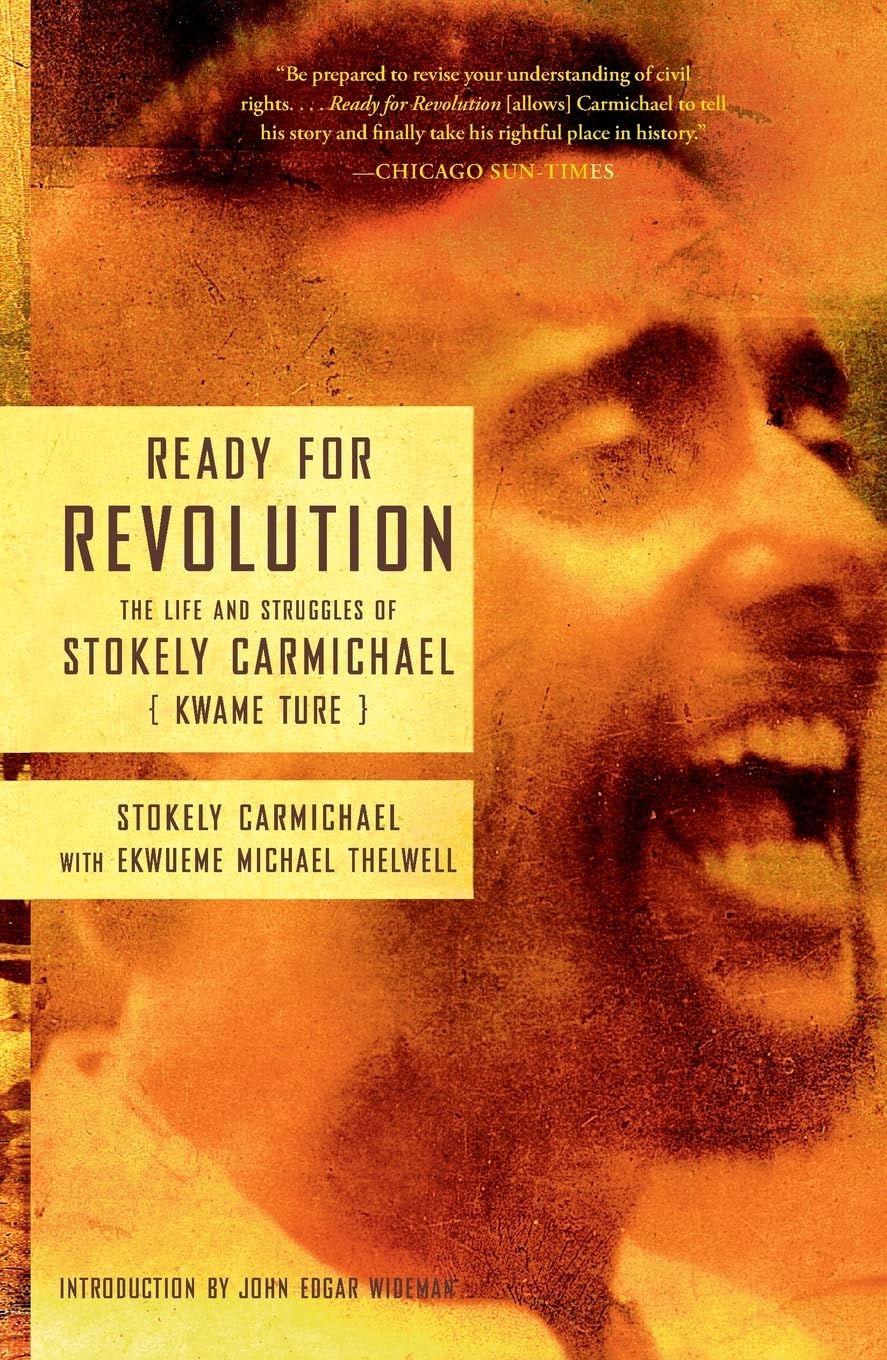
Ready for Revolution: The Life and Struggles of Stokely Carmichael (Kwame Ture)_Audiobook, with Kwame Ture (fna Stokely Carmichael) _Audiobok

Part 1

Part 2

Part 3

Part 4

Stokely Carmichael (Kwame Ture) Video Education Player

11 Video Playlist

Learn more in RBG Communiversity Knowledge Media eLibrary:

My People Are Rising Memoir of a Black Panther Party Captain (Aaron Dixon)_eBook and Audiobook, with Civil Rights History Project: Aaron Dixon, Library of Congress

Book Summary

In an era of stark racial injustice, Aaron Dixon dedicated his life to revolution, founding the Seattle chapter of the Black Panther Party in 1968 at age nineteen. In My People Are Rising, he traces the course of his own radicalization, and that of a generation. Through his eyes, we witness the courage and commitment of the young men and women who rose up in rebellion, risking their lives in the name of freedom. My People are Rising is an unforgettable tale of their triumphs and tragedies, and the enduring legacy of Black Power. “My People Are Rising: Memoir of a Black Panther Party Captain” is a powerful autobiographical account by Aaron Dixon, who served as a captain in the Black Panther Party in Seattle. The memoir reflects on Dixon’s journey, highlighting his experiences during the civil rights movement, the struggles against systemic racism, and the impact of the Black Panther Party on communities. It delves into the personal and collective struggles faced by African Americans (New Afrikans) while offering insights into the ideologies and actions that defined the Black Panther Party.

The outline that follows encapsulates the key themes and structure of Aaron Dixon’s memoir, illustrating his personal journey and the broader significance of the Black Panther Party’s work.

  • Introduction
    • Brief background of Aaron Dixon
    • The significance of the Black Panther Party
  • Early Life
    • Dixon’s childhood experiences
    • Family influences and early exposure to racism
    • Formation of political consciousness
  • Involvement with the Black Panther Party
    • Recruitment into the Black Panther Party
    • Initial experiences and training
    • Key figures in the Party and their influence
  • Community Activism
    • Initiatives and programs implemented by the Panthers
      • Free breakfast programs
      • Health clinics and education initiatives
    • Impact on the local community
  • Confrontations and Challenges
    • Law enforcement interactions and repression
    • Internal conflicts within the Party
    • The impact of government surveillance and COINTELPRO
  • Leadership and Responsibility
    • Role as a captain and leader within the Party
    • Decision-making processes and strategic planning
    • Challenges of maintaining unity and morale
  • Legacy of the Black Panther Party
    • Reflection on the Party’s influence on modern movements
    • Personal reflections on activism and legacy
    • The importance of remembering history
  • Conclusion
    • Summary of key themes and lessons learned
    • A call to action for future generations
    • Hope for continued struggle against oppression

“My People Are Rising” is not just a recounting of events; it is a deeply personal narrative that intertwines Dixon’s life with the broader struggles of the human, civil rights and black power movements and the Black Panther Party’s efforts in the late 1960s and early 1970s to fight against oppression and empire. Here are some more detailed aspects of the book:

Themes Explored

  • Racial Injustice and Resistance
    • Dixon reflects on the systemic racism faced by African Americans, detailing personal and community experiences that highlight the urgency for activism.
    • The memoir emphasizes the necessity of resistance against oppression and the various forms it can take.
  • Community Empowerment
    • The book illustrates how the Black Panther Party aimed to uplift marginalized communities through various social programs.
    • Dixon shares stories of community involvement, showcasing how empowerment can lead to self-sufficiency and social change.
  • Solidarity and Brotherhood
    • Throughout the memoir, the importance of solidarity among members of the Black Panther Party and the communities they served is a recurring theme.
    • Dixon discusses the bonds formed among activists and the collective identity that emerged from shared struggles.
  • Personal Sacrifice and Consequences
    • The memoir does not shy away from the personal costs of activism, including the dangers and sacrifices made by Dixon and his peers.
    • It highlights the emotional and psychological toll that activism can take, as well as the resilience required to continue fighting.

Key Events and Experiences

  • Formation of the Seattle Chapter
    • Dixon details the establishment of the Seattle chapter of the Black Panther Party, including the challenges of setting up operations and gaining community support.
  • Confrontations with Law Enforcement
    • The narrative includes vivid accounts of confrontations with police, illustrating the hostility faced by Party members and the broader context of systemic violence.
  • Notable Figures
    • The memoir features interactions with prominent figures in the Black Panther Party and other civil rights leaders, providing insights into their philosophies and strategies.
  • Reflections on the Movement’s Evolution
    • Dixon reflects on how the Black Panther Party evolved over time and the shifting dynamics within the civil rights movement in response to changing social and political landscapes.

Conclusion

“My People Are Rising” is ultimately a call to action, urging readers to recognize the ongoing struggles against racial inequality and to engage in activism. Dixon’s memoir serves as both a historical account and a personal testament to the power of community, resilience, and the enduring legacy of the Black Panther Party. His reflections encourage readers to understand the importance of history in shaping current and future movements for justice and equality.

My People Are Rising Memoir of a Black Panther Party Captain_eBook

Pop the documents out from the upper right to read / expand / download.

My People Are Rising Memoir of a Black Panther Party Captain_Audiobook

Civil Rights History Project: Aaron Dixon, Library of Congress

Learn more in RBG Communiversity Knowledge Media eLibrary:

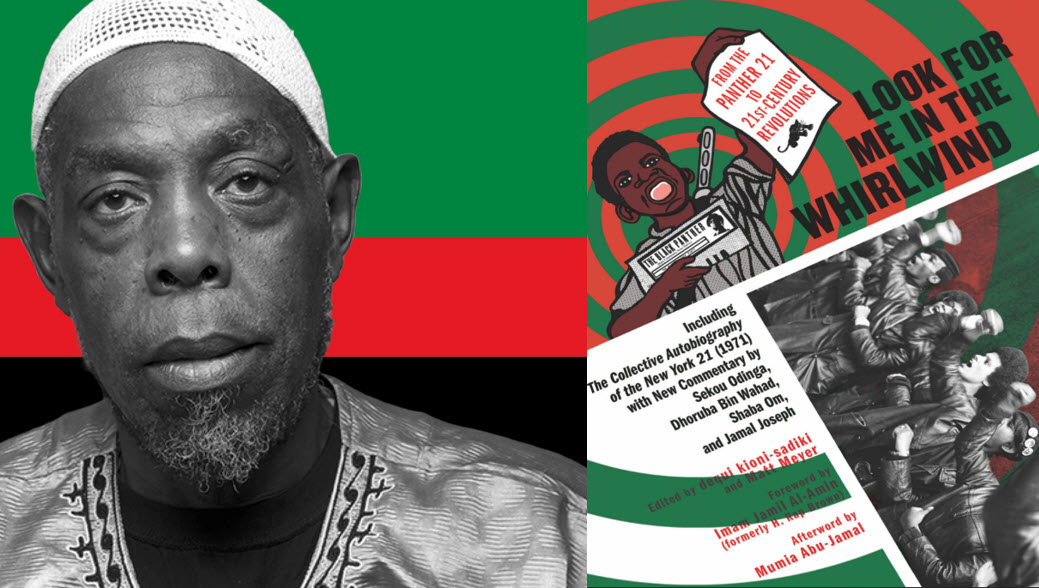
Bilal Sunni-Ali (RIU) Biography Series and Look for Me in the Whirlwind: From the Panther 21 to 21st-Century Revolutions (eBook) with Bilal Sunni Ali Tribute Video Player

Bilal Sunni-Ali Biography Series Parts 2 and 3

Biographical Essay of Bilal Sunni-Ali

Pop the documents out from the upper right to read / expand / download.

Bilal Sunni Ali Tribute Video Player

10 Video Playlist

Look for Me in the Whirlwind: From the Panther 21 to 21st-Century Revolutions

Look for Me in the Whirlwind| Read/Study/Download RBG Communiversity’s Book Summary

Bilal Sunni Ali performing A Prayer For Everybody In The World live at Burning Books

Look for me in the Whirlwind_ Bilal Sunni-Ali Interview

Learn more in RBG Communiversity Knowledge Media eLibrary: