
Last Updated 12-06-24
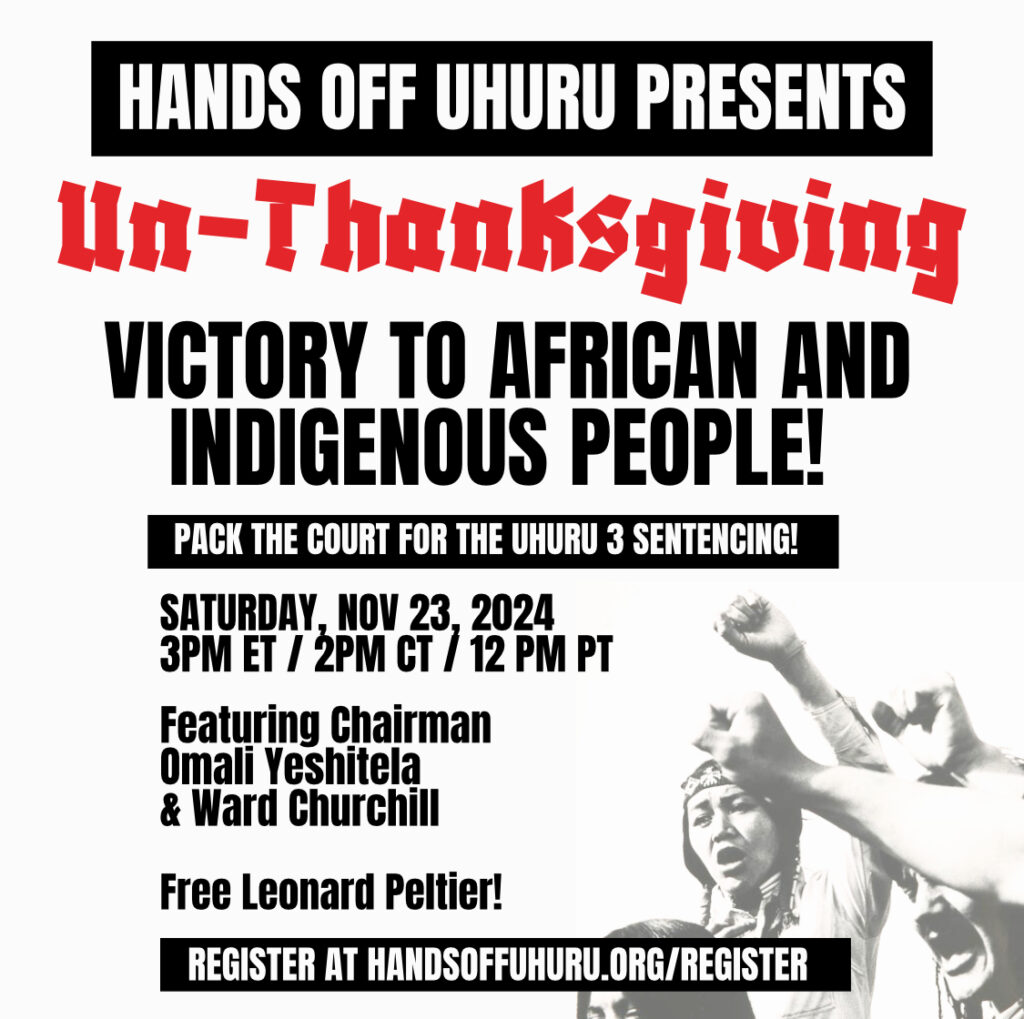
Uhuru 3 Trial Re-enactment
Companion Post/Lessons
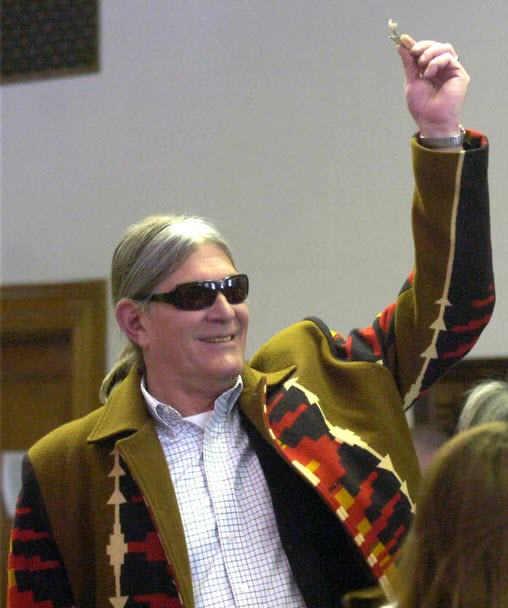
Learn more in RBG Communivesity Knowledge Media eLibrary:
Uhuru 3 Trial, September 2024

Native Americans & The American Indian Movement (AIM)
Last Updated 12-06-24
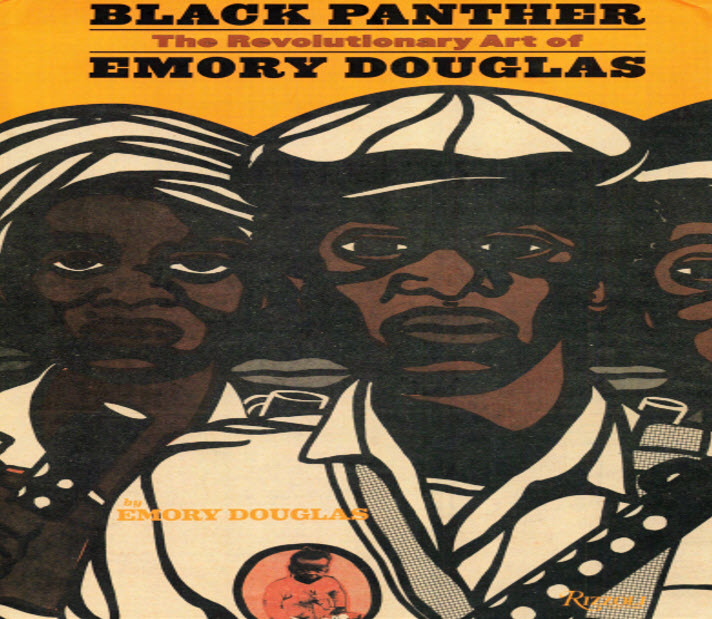
Buy the Book here. https://www.rizzoliusa.com/book/9780847841899/ (228 Pages.)
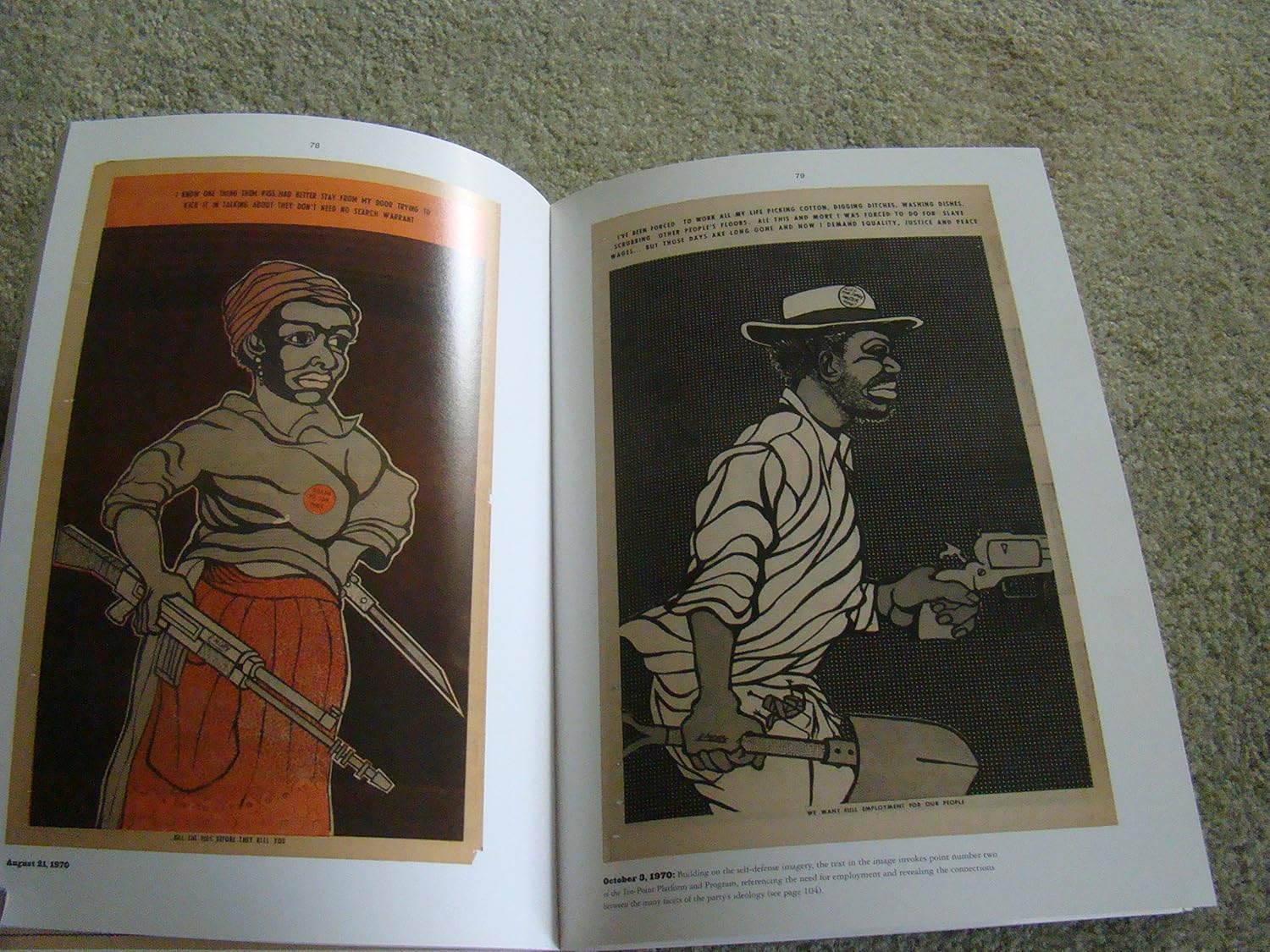

A reformatted and reduced price edition—including a revised and updated introduction by Sam Durant and new text on the artist today by Colette Gaiter—of the first book to show the provocative posters and groundbreaking graphics of the Black Panther Party. The Black Panther Party for Self Defense, formed in the aftermath of the assassination of Malcolm X in 1965, sounded a defiant cry for an end to the institutionalized subjugation of African Americans. The Black Panther newspaper was founded to articulate the party’s message, and artist Emory Douglas became the paper’s art director and later the party’s minister of culture. Douglas’s artistic talents and experience proved a powerful combination: his striking collages of photographs and his own drawings combined to create some of the era’s most iconic images. This landmark book brings together a remarkable lineup of party insiders who detail the crafting of the party’s visual identity.
Emory Douglas was the Minister of Culture for the Black Panther Party from 1967 until its discontinuation in the early 1980s. Colette Gaiter is associate professor of visual communications in the art department at the University of Delaware. Bobby Seale co-founded the Black Panther Party with Huey Newton. Sam Durant is a Los Angeles–based artist. Danny Glover is an actor, producer, and director. Kathleen Cleaver, attorney, author, and senior lecturer at Yale University and Emory Law School, joined the Black Panther Party in 1967. Amiri Baraka is a writer and political activist.
Pop the document out from the upper right to read / expand / download.


Overview of “Black Power Afterlives: The Enduring Significance of the Black Panther Party”
“Black Power Afterlives” explores the legacy and continued relevance of the Black Panther Party (BPP) in contemporary society. Edited by Diane Fujino, the book gathers various essays and perspectives that examine the impact of the BPP on social movements, political thought, and cultural expressions. It addresses how the ideals of the Black Power movement resonate in current struggles for racial justice, equality, and community empowerment.
The outline that follows provides a cogent look at the themes and discussions presented in the book, highlighting the ongoing relevance of the Black Panther Party in today’s sociopolitical landscape.
Outline
The first book to comprehensively examine how the Black Panther Party has directly shaped the practices and ideas that have animated grassroots activism in the decades since its decline, Black Power Afterlives represents a major scholarly achievement as well as an important resource for today’s activists. Through its focus on the enduring impact of the Black Panther Party, this volume expands the historiography of Black Power studies beyond the 1960s-70s and serves as a bridge between studies of the BPP during its organizational existence and studies of present-day Black activism, allowing today’s readers and organizers to situate themselves in a long lineage of liberation movements.
Pop the document out from the upper right to read / expand / download.

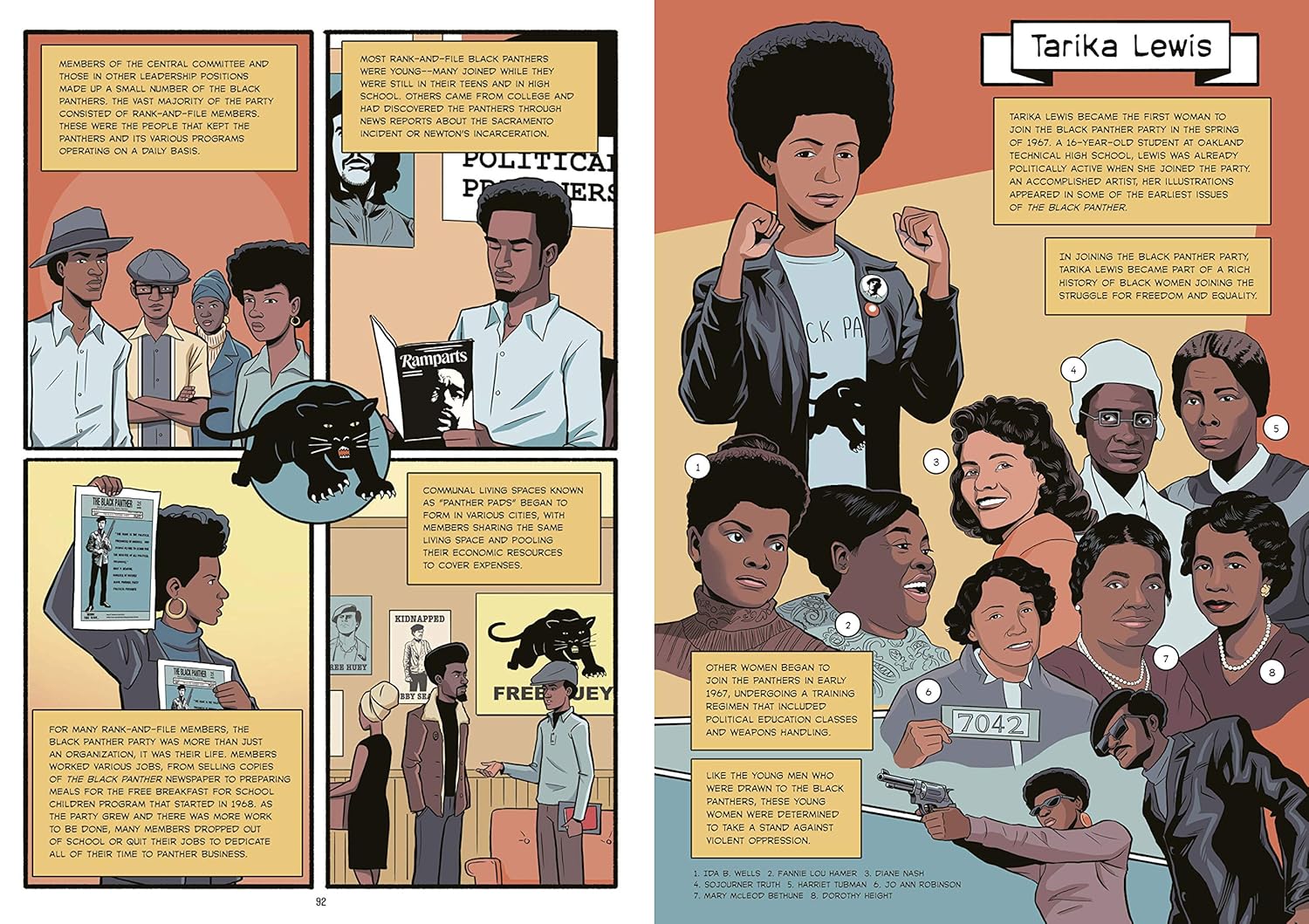
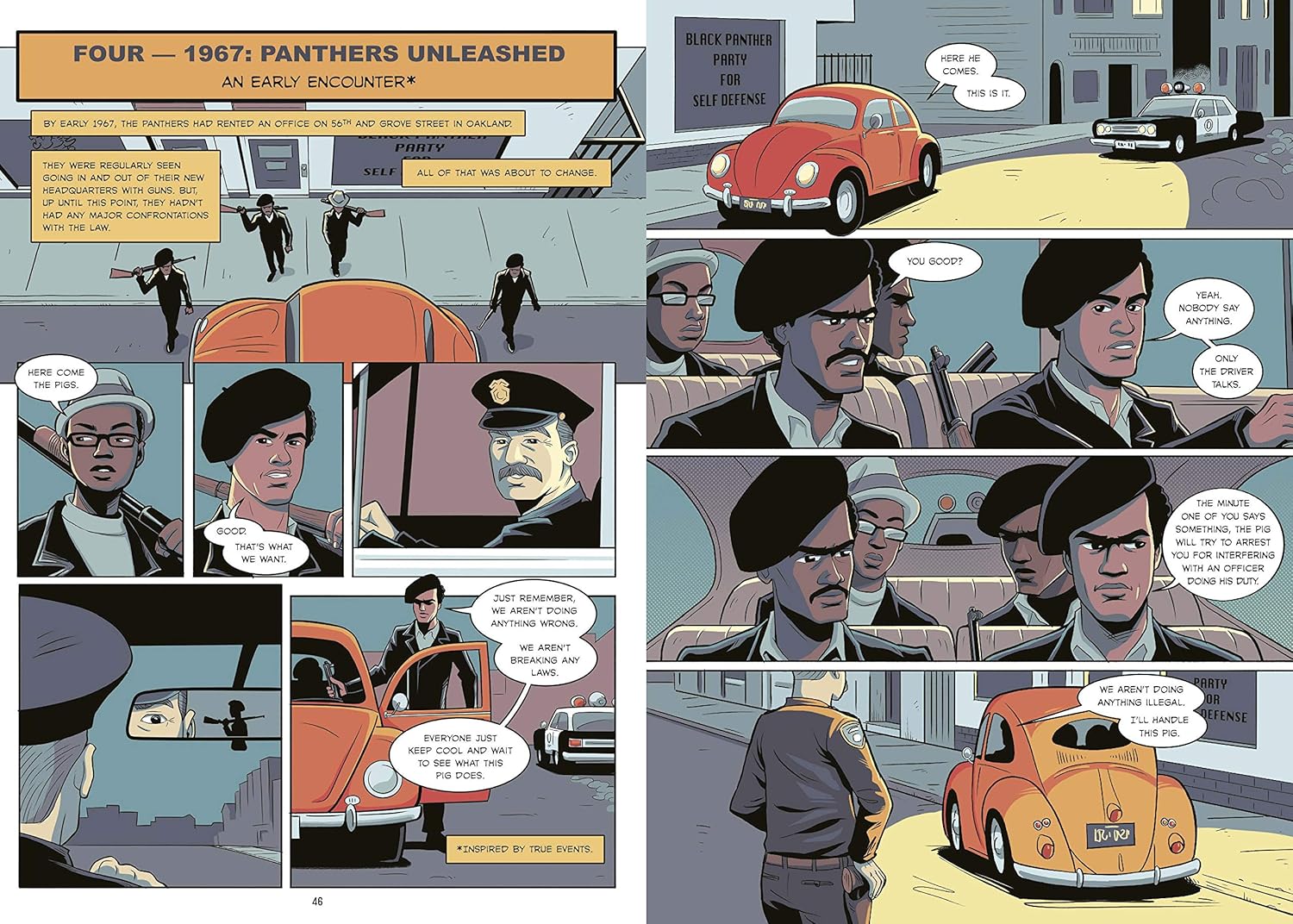
Founded in Oakland, California, in 1966, the Black Panther Party for Self-Defense was a radical political organization that stood in defiant contrast to the mainstream civil rights movement. This gripping illustrated history explores the impact and significance of the Panthers, from their social, educational, and healthcare programs that were designed to uplift the Black community to their battle against police brutality through citizen patrols and frequent clashes with the FBI, which targeted the Party from its outset.
Using dramatic comic book-style retellings and illustrated profiles of key figures, The Black Panther Party captures the major events, people, and actions of the party, as well as their cultural and political influence and enduring legacy.
Pop the document out from the upper right to read / expand / download.
Learn more in RBG Communiversity Knowledge Media eLibrary:
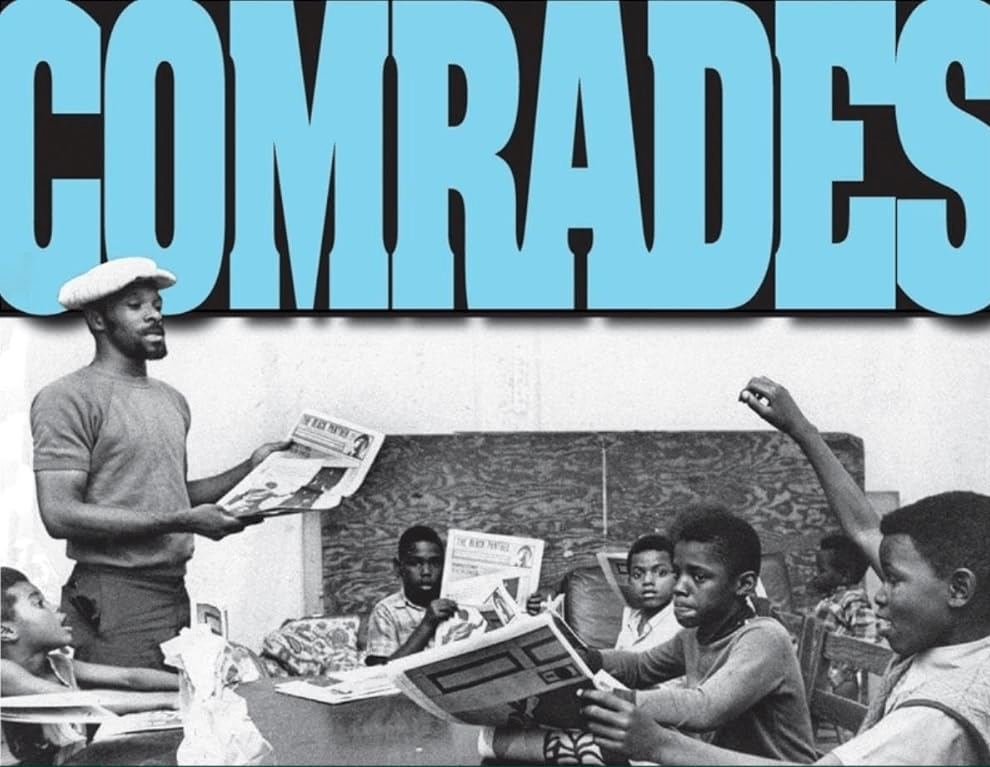

The Black Panther Party for Self-Defense was founded in Oakland, California, in 1966 by Huey P. Newton and Bobby Seale. It was perhaps the most visible of the Black Power groups in the late 60s and early 70s, not least because of its confrontational politics, its rejection of nonviolence, and its headline-catching, gun-toting militancy. Important on the national scene and highly visible on college campuses, the Panthers also worked at building grassroots support for local black political and economic power. Although there have been many books about the Black Panthers, none has looked at the organization and its work at the local level. This book examines the work and actions of seven local initiatives in Baltimore, Winston-Salem, Cleveland, Indianapolis, Milwaukee, Philadelphia, and Los Angeles. These local organizations are revealed as committed to programs of community activism that focused on problems of social, political, and economic justice.
Pop the document out from the upper right to read / expand / download.
Learn more in RBG Communiversity Knowledge Media eLibrary:




 RBG Communiversity: Message 2 Da Grassroots
You must be logged in to post a comment.